Georgia Launches GRAZE Project to Restore Degraded Pastures in Racha-Lechkhumi and Kvemo Svaneti and Imereti
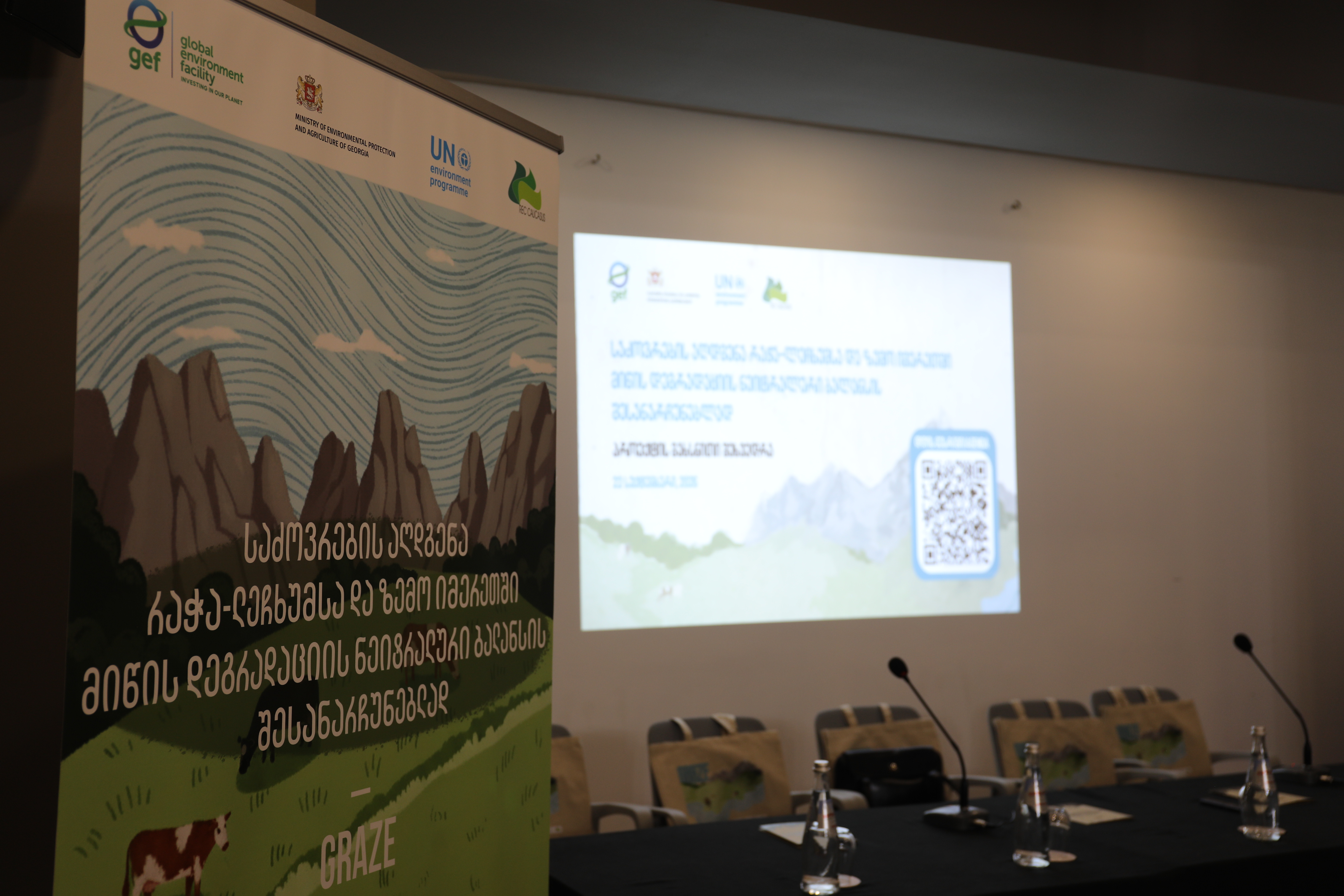
Georgia has taken a new step towards addressing land degradation in its western regions with the official launch of the project “The Rehabilitation of Degraded Pastures to Promote Land Degradation Neutrality and Improve Livelihoods in Georgia” (GRAZE). The project aims to restore degraded pasturelands and strengthen their sustainable management across five municipalities.
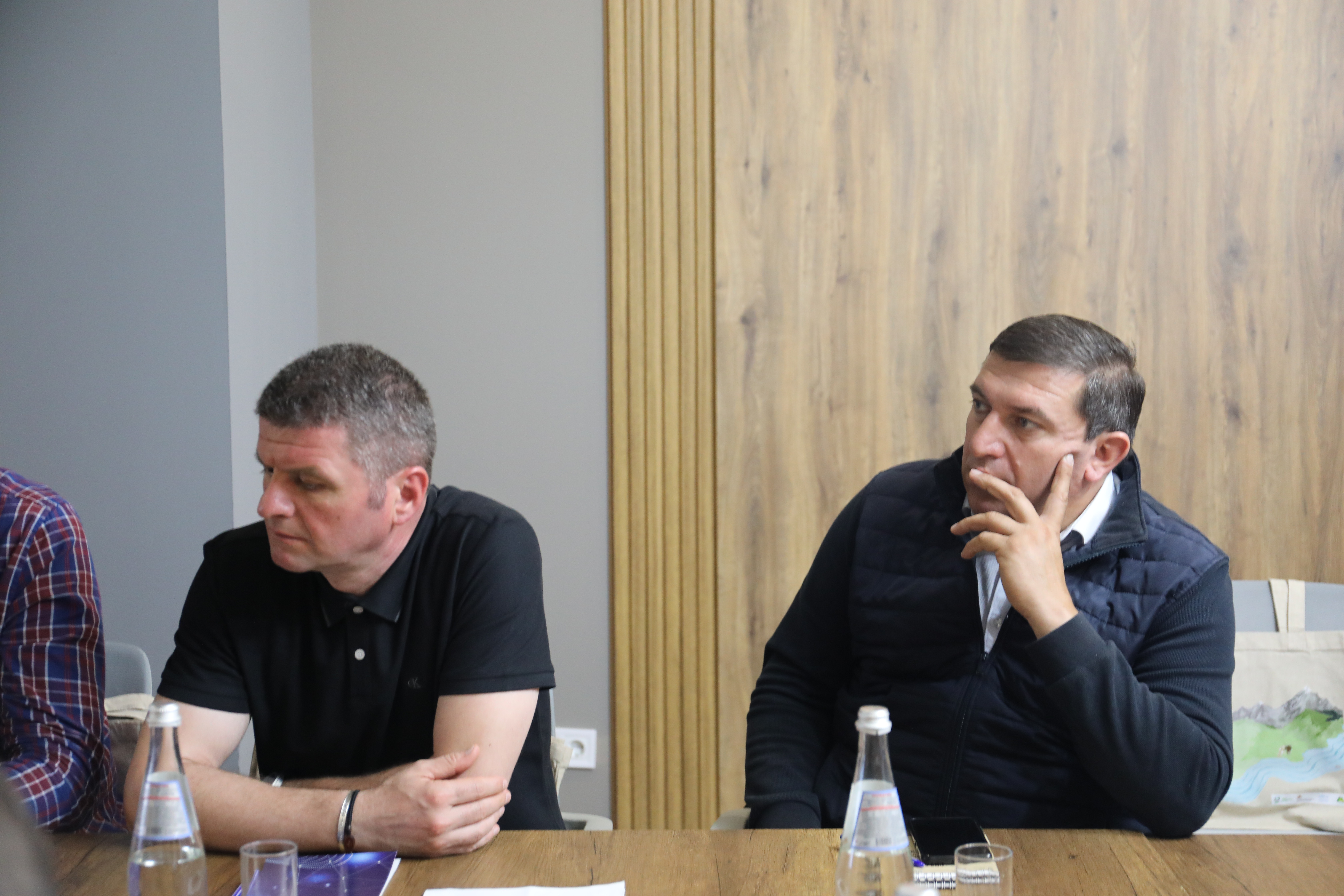
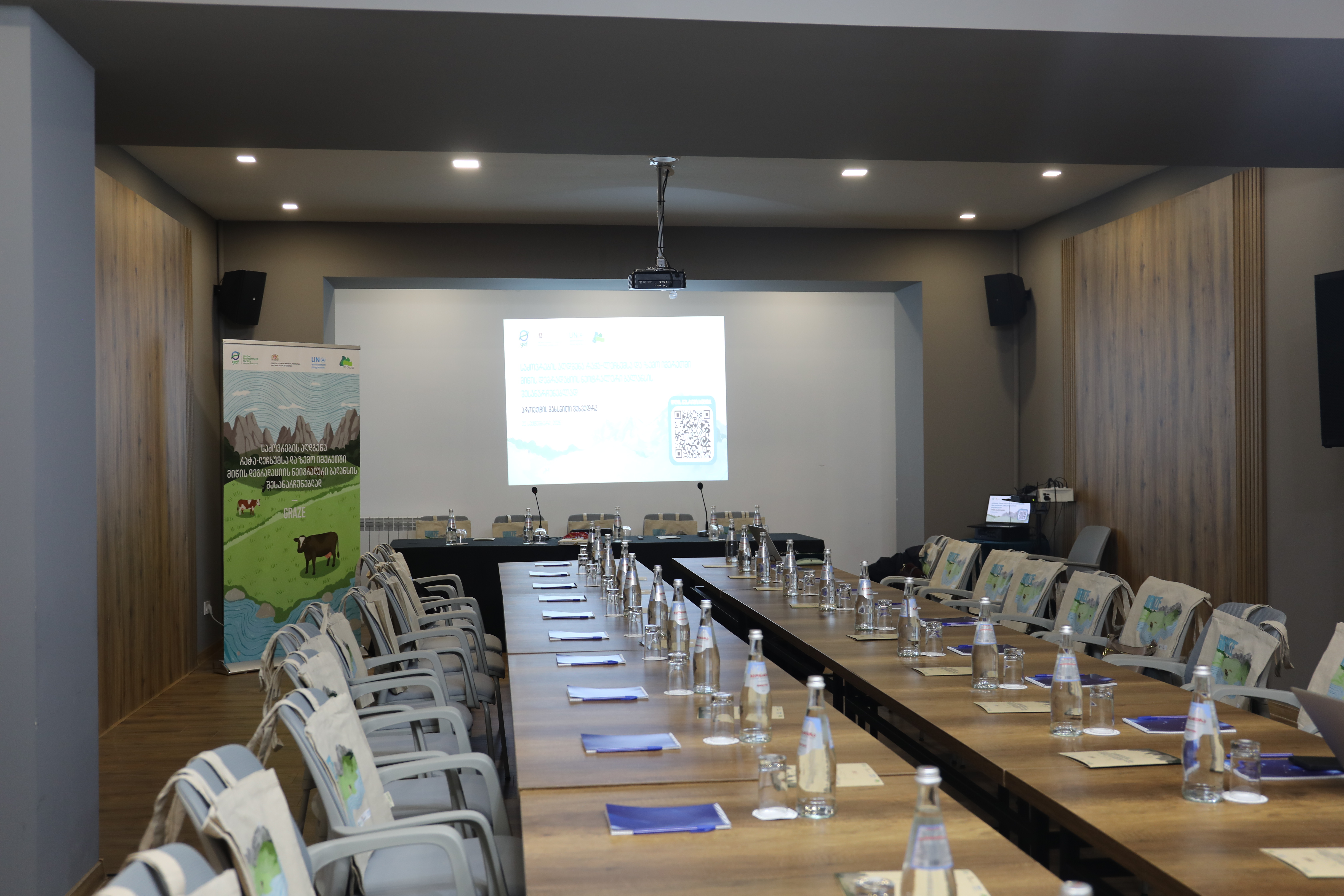
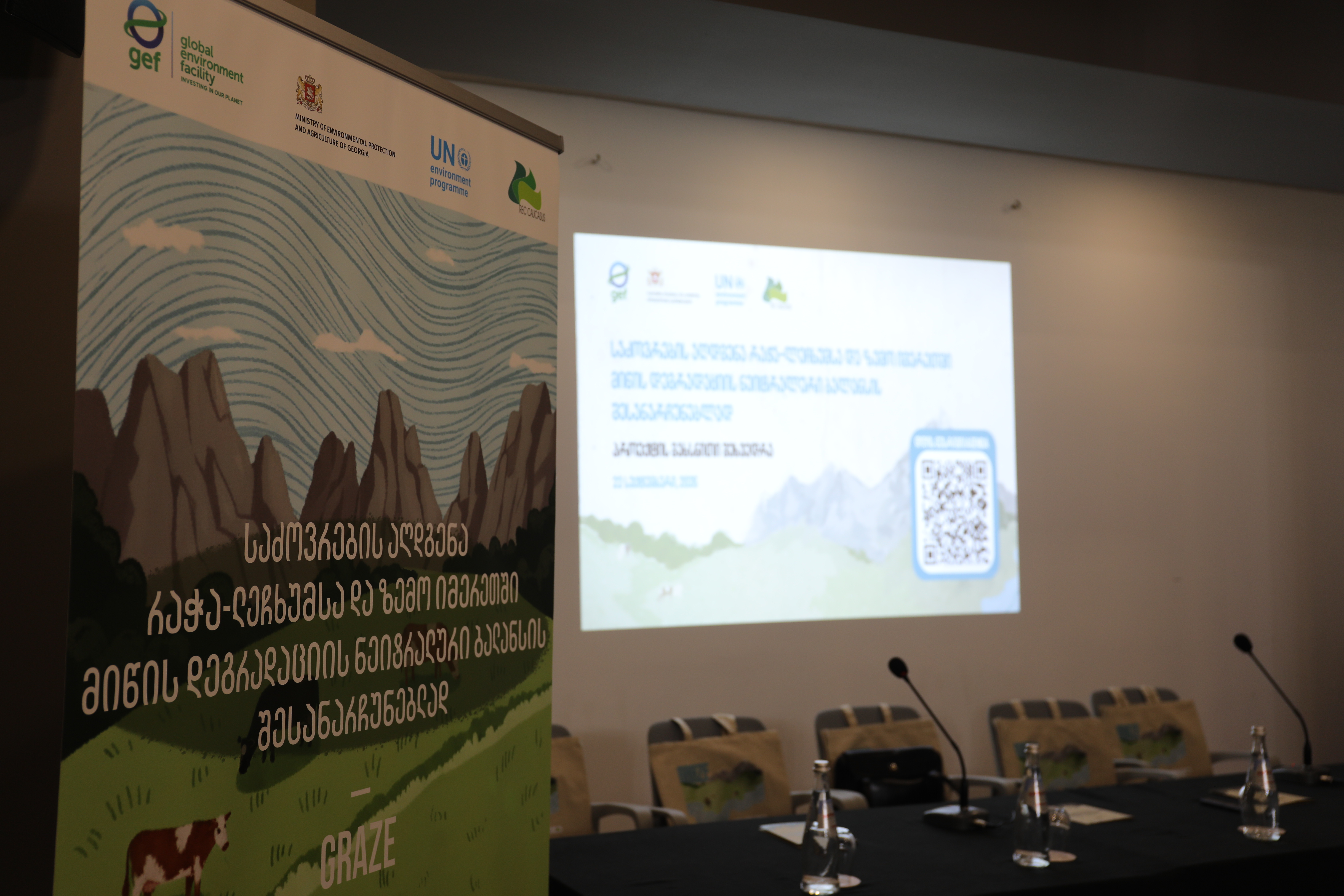
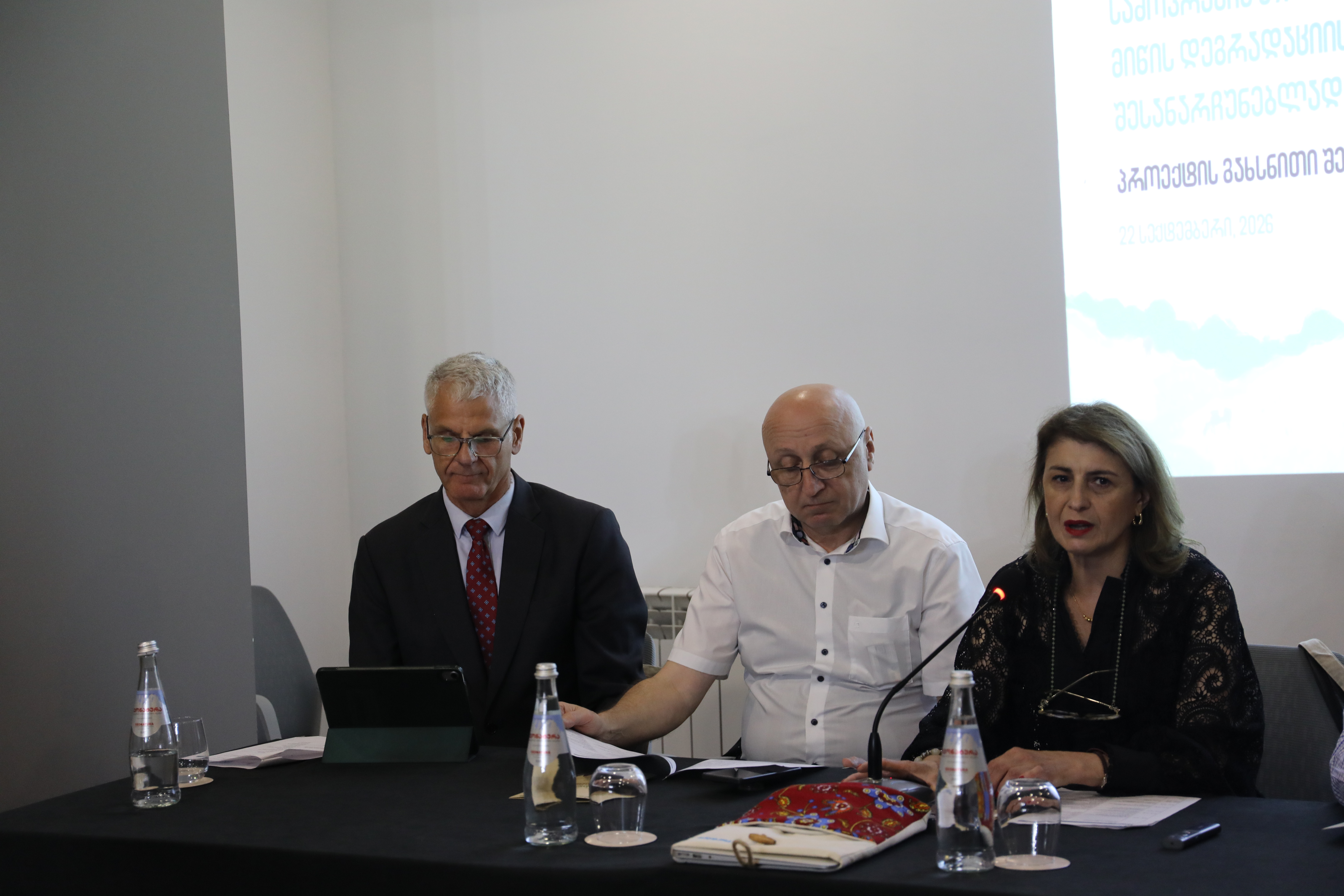
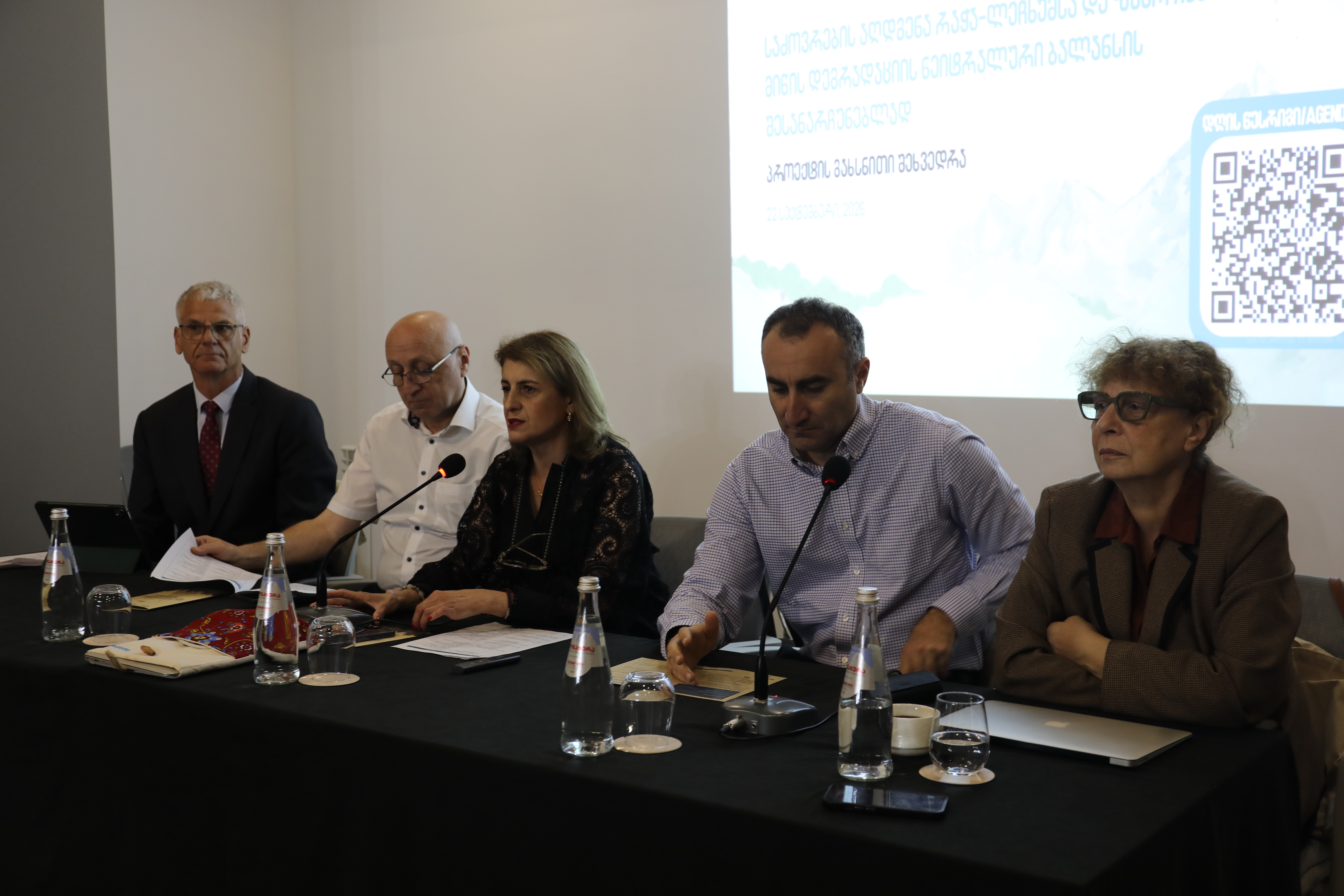
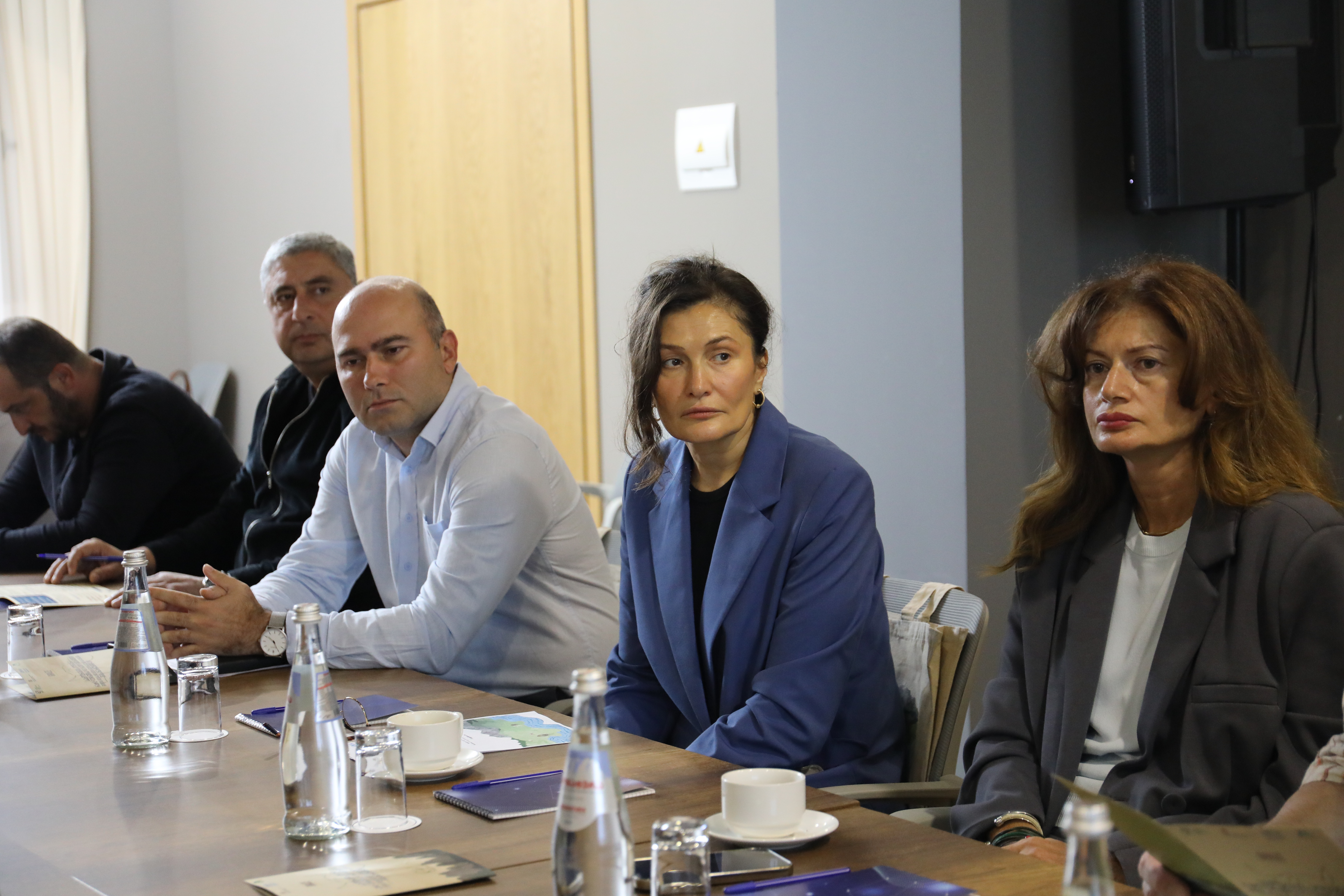
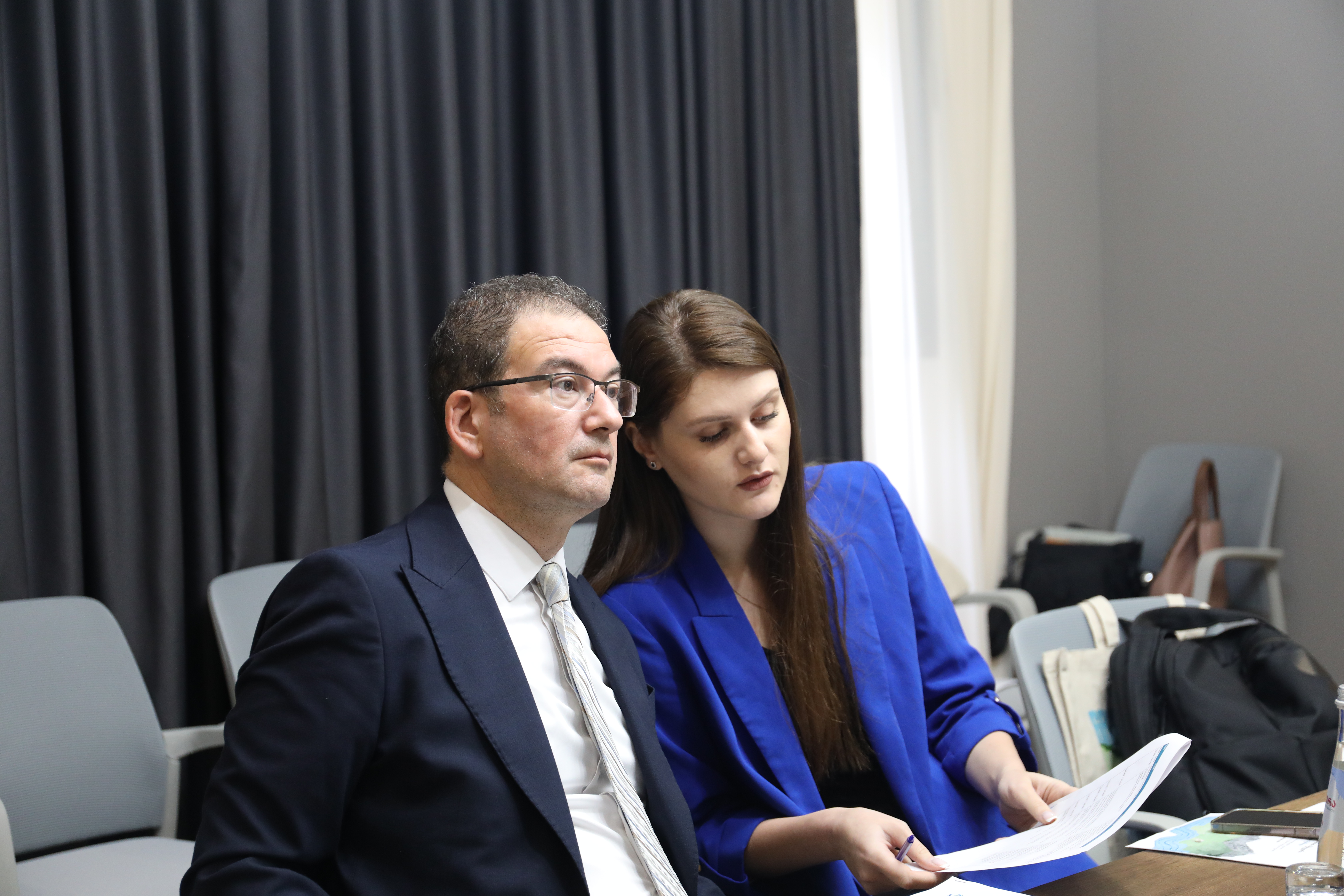
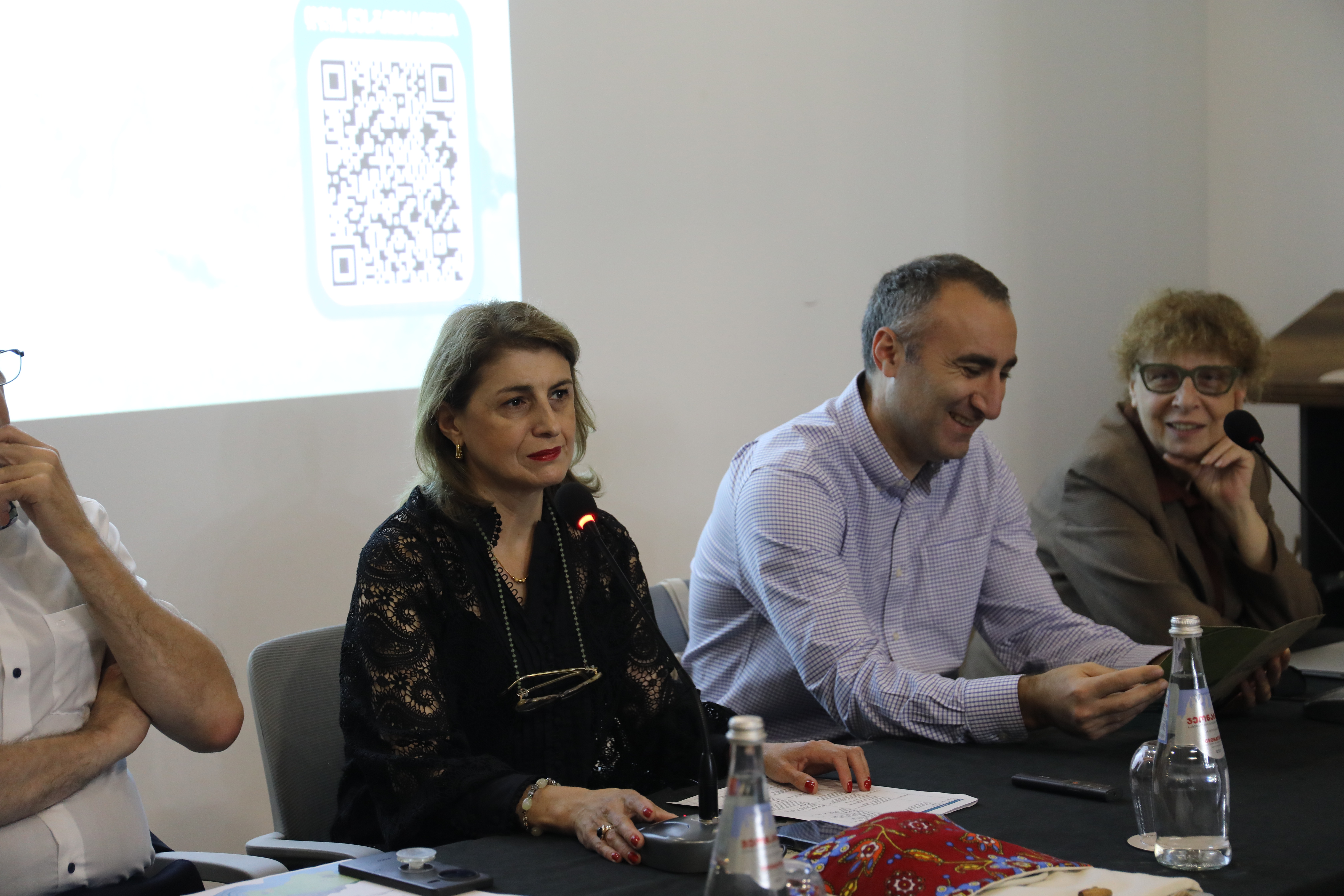
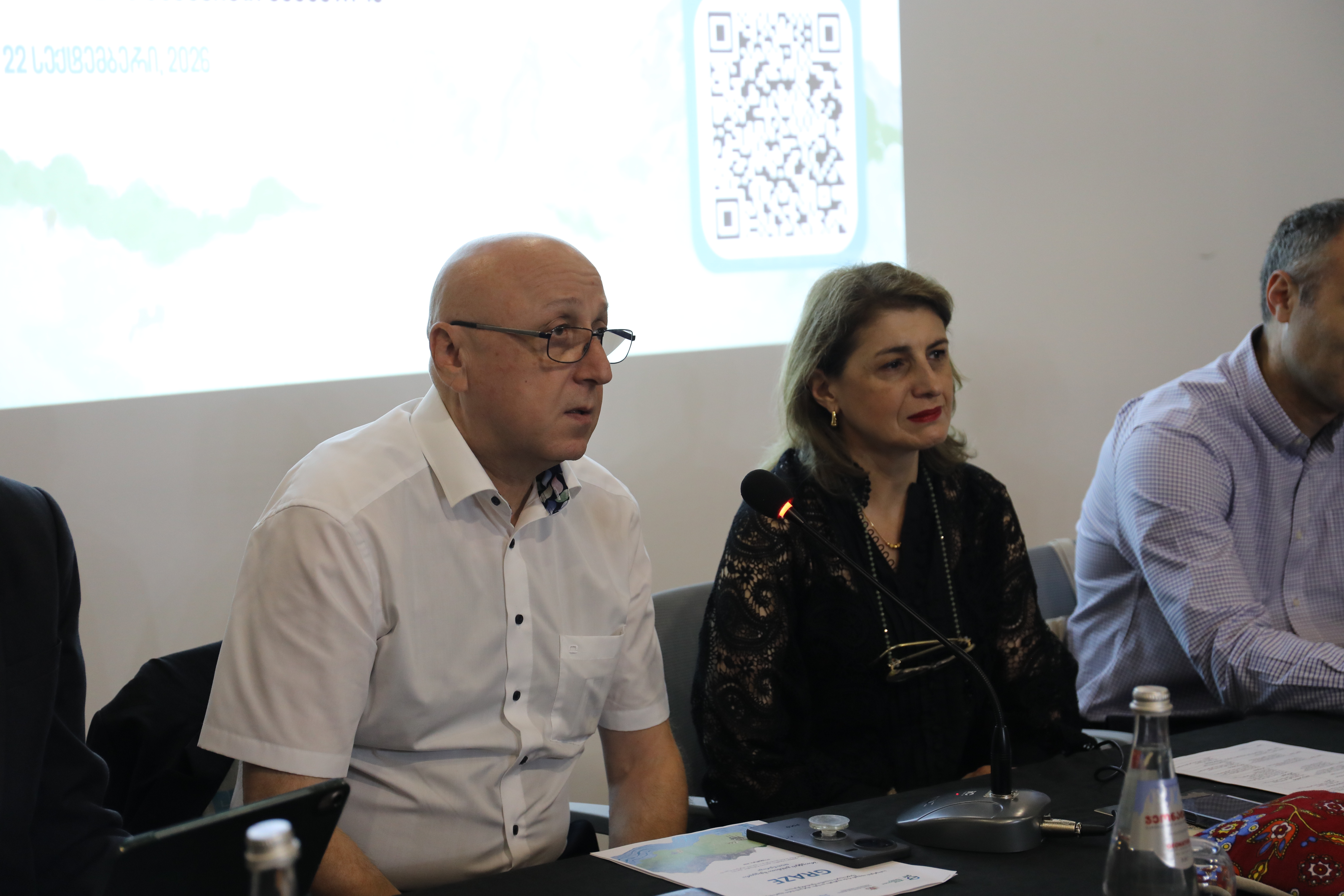
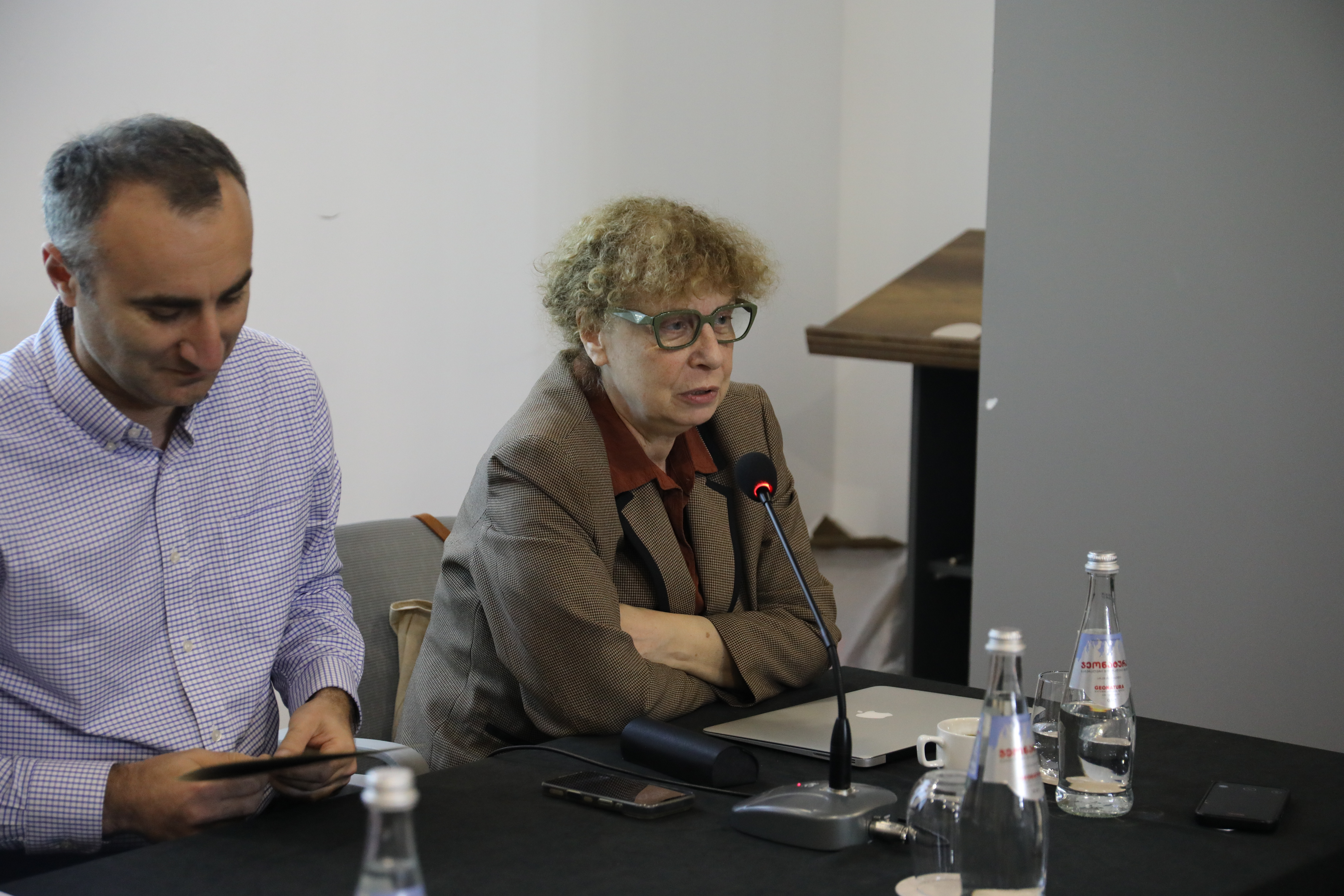
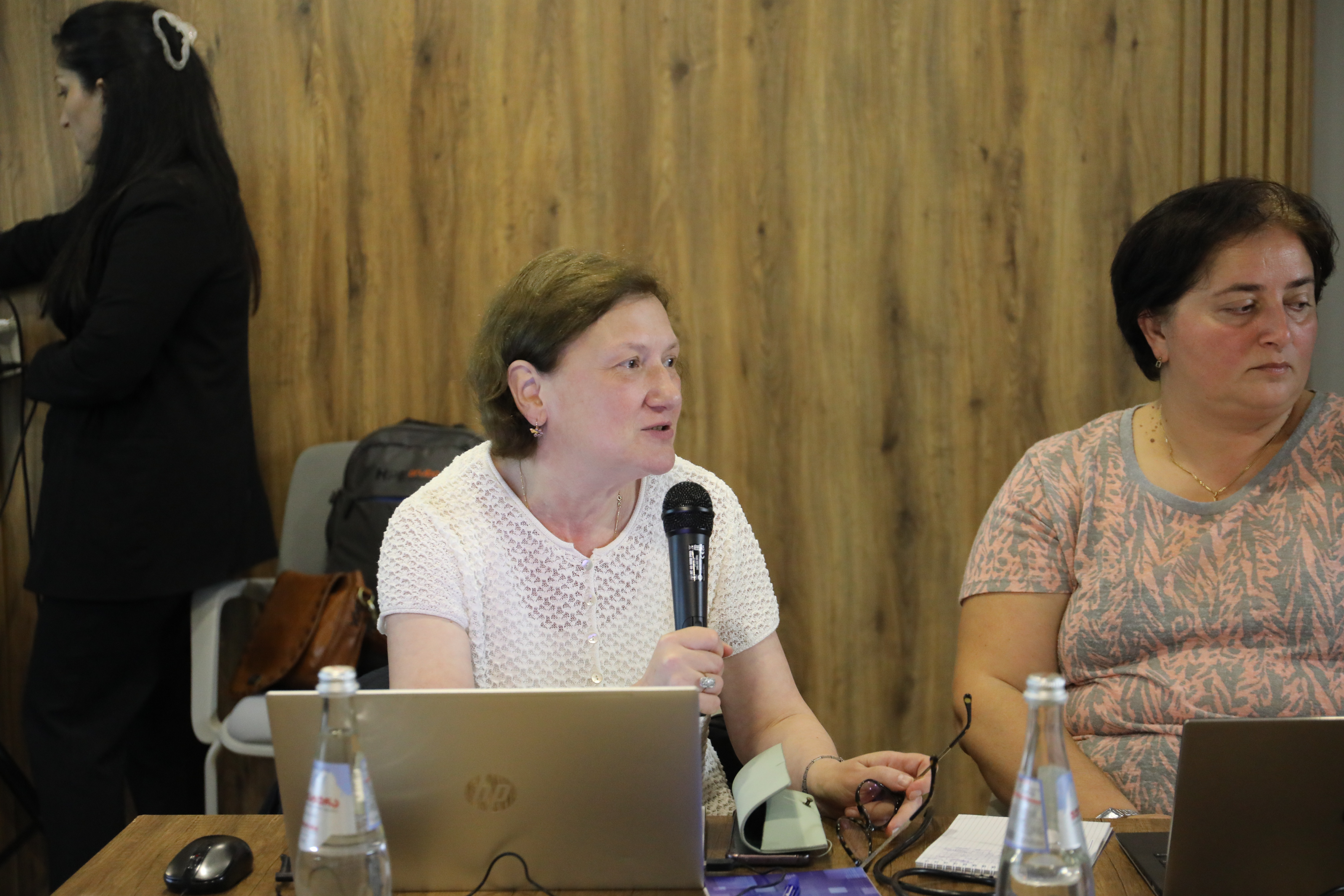
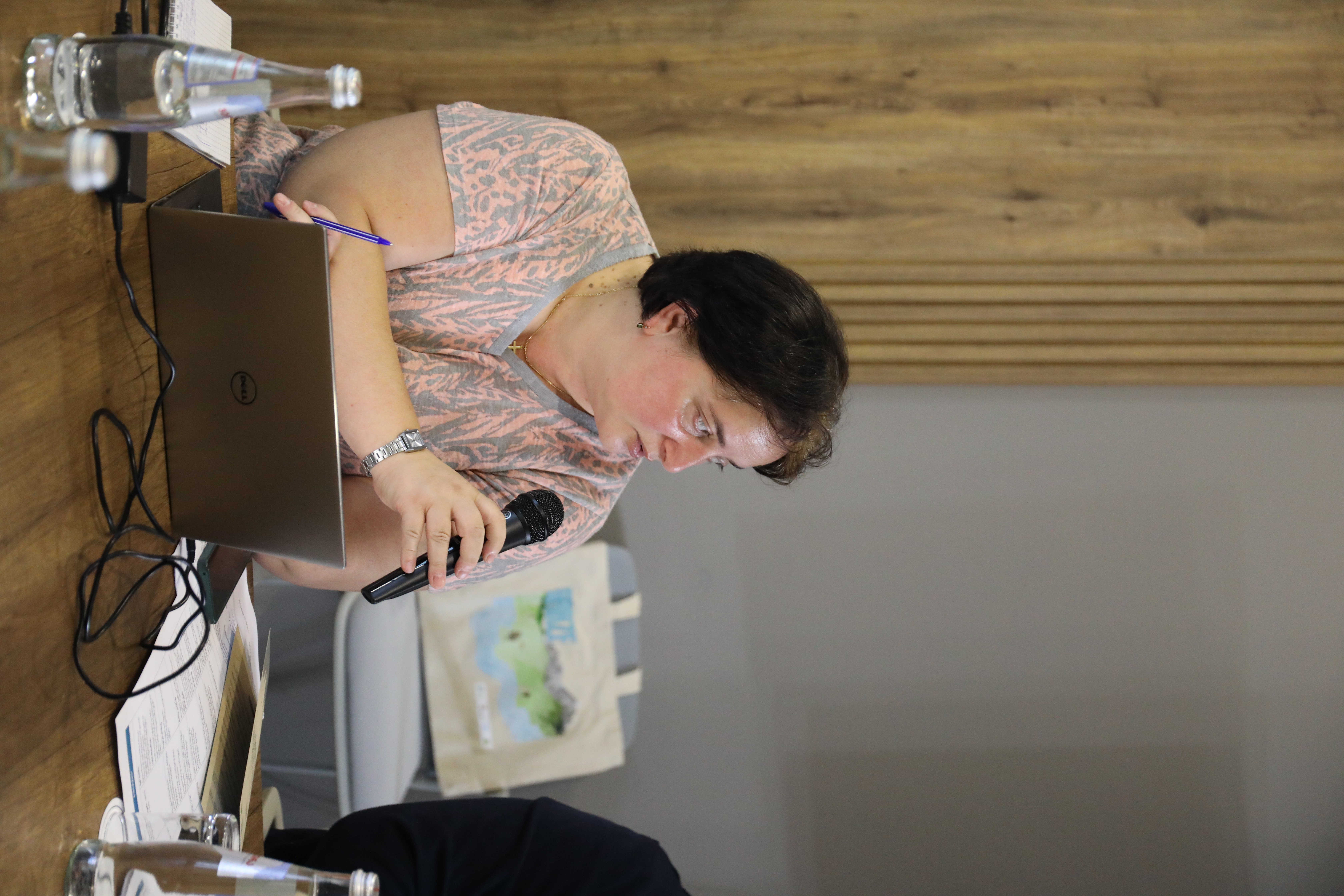
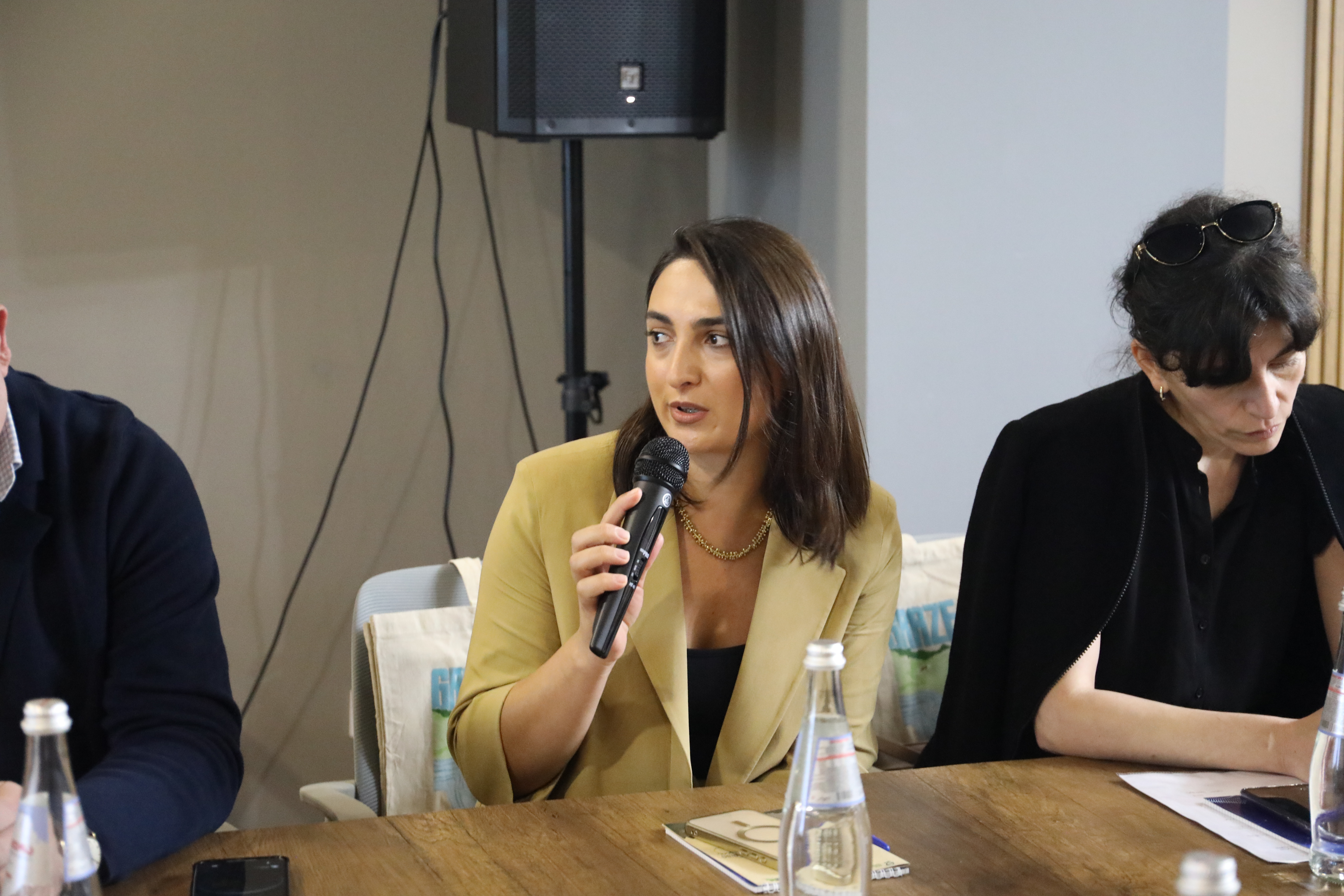
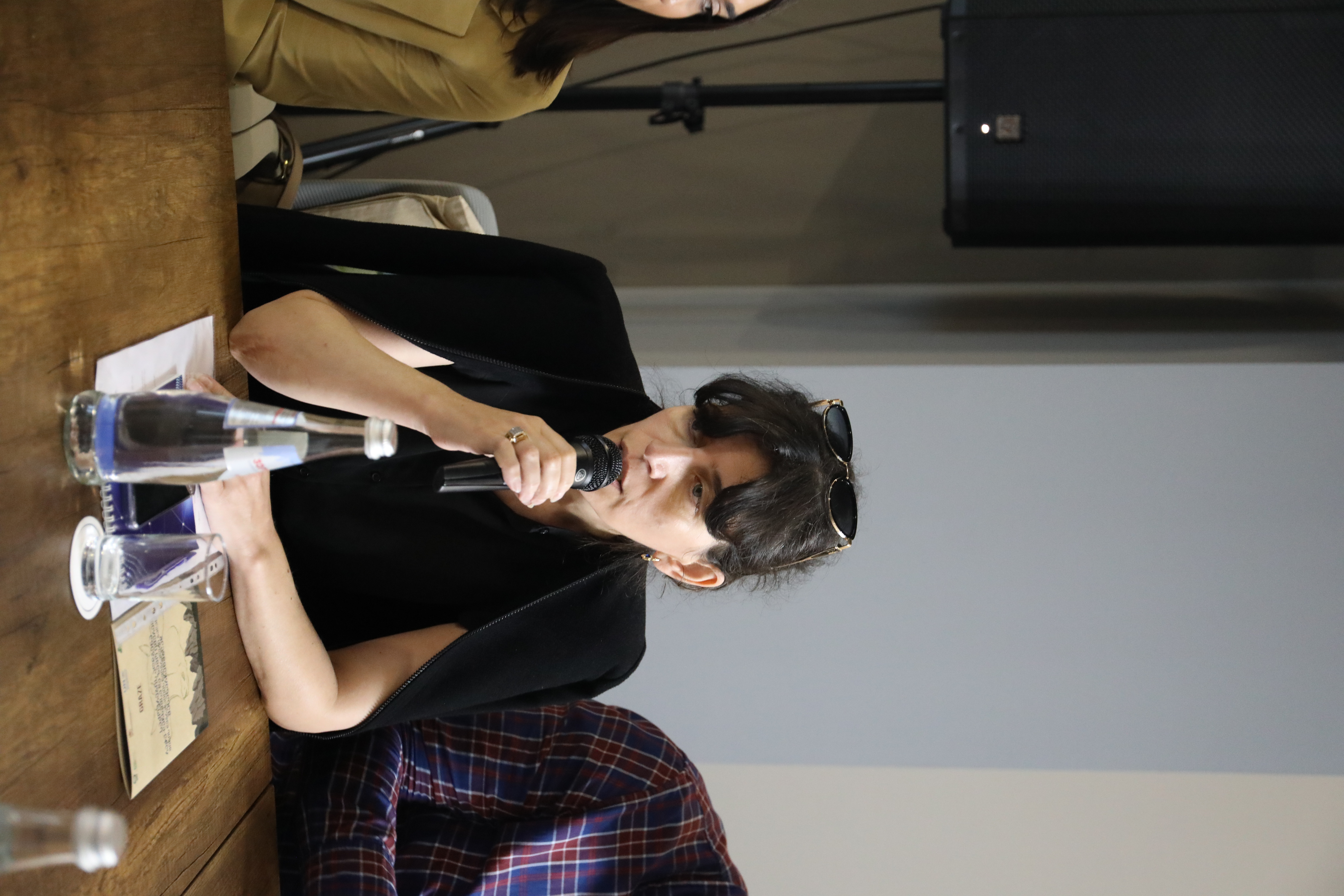
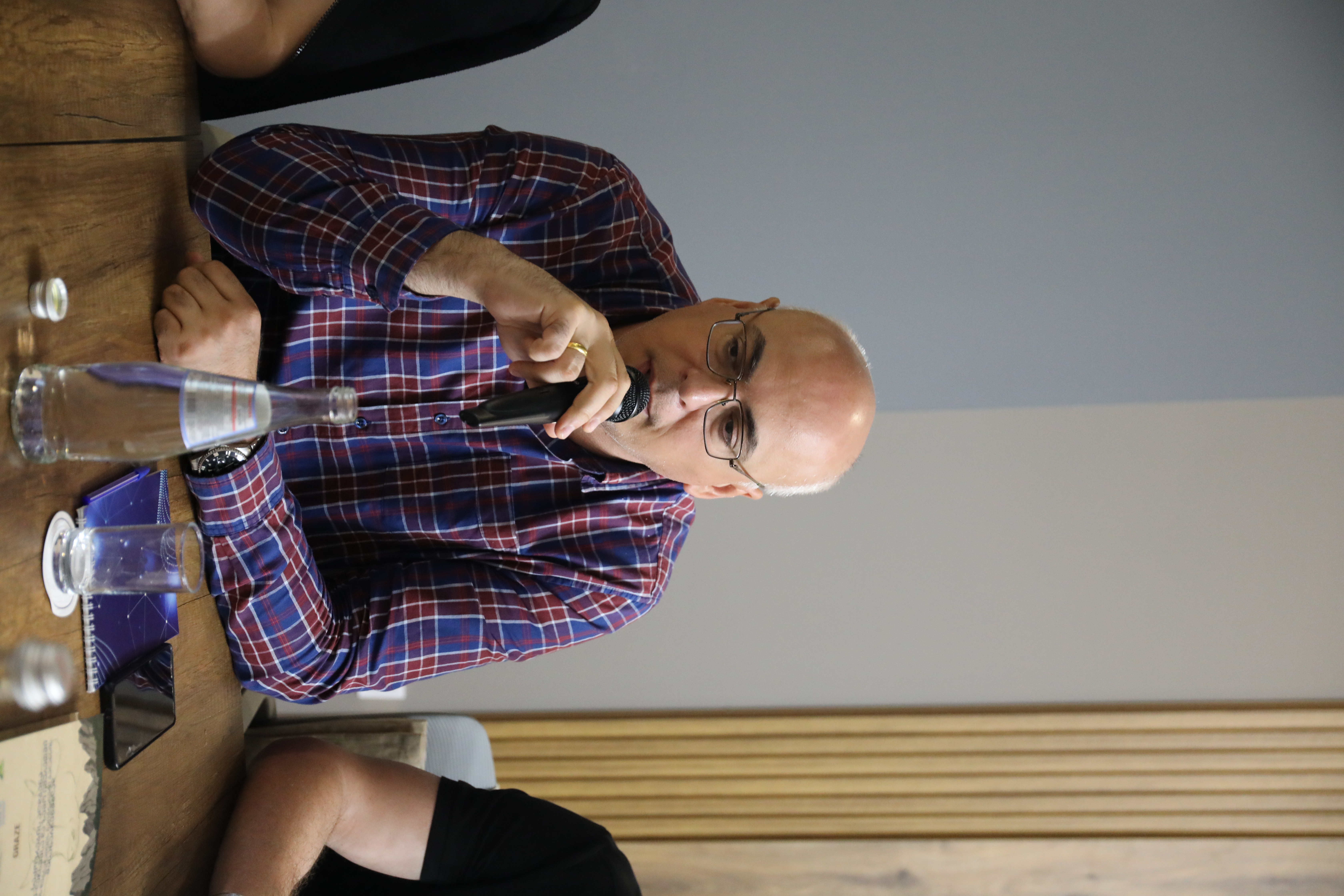
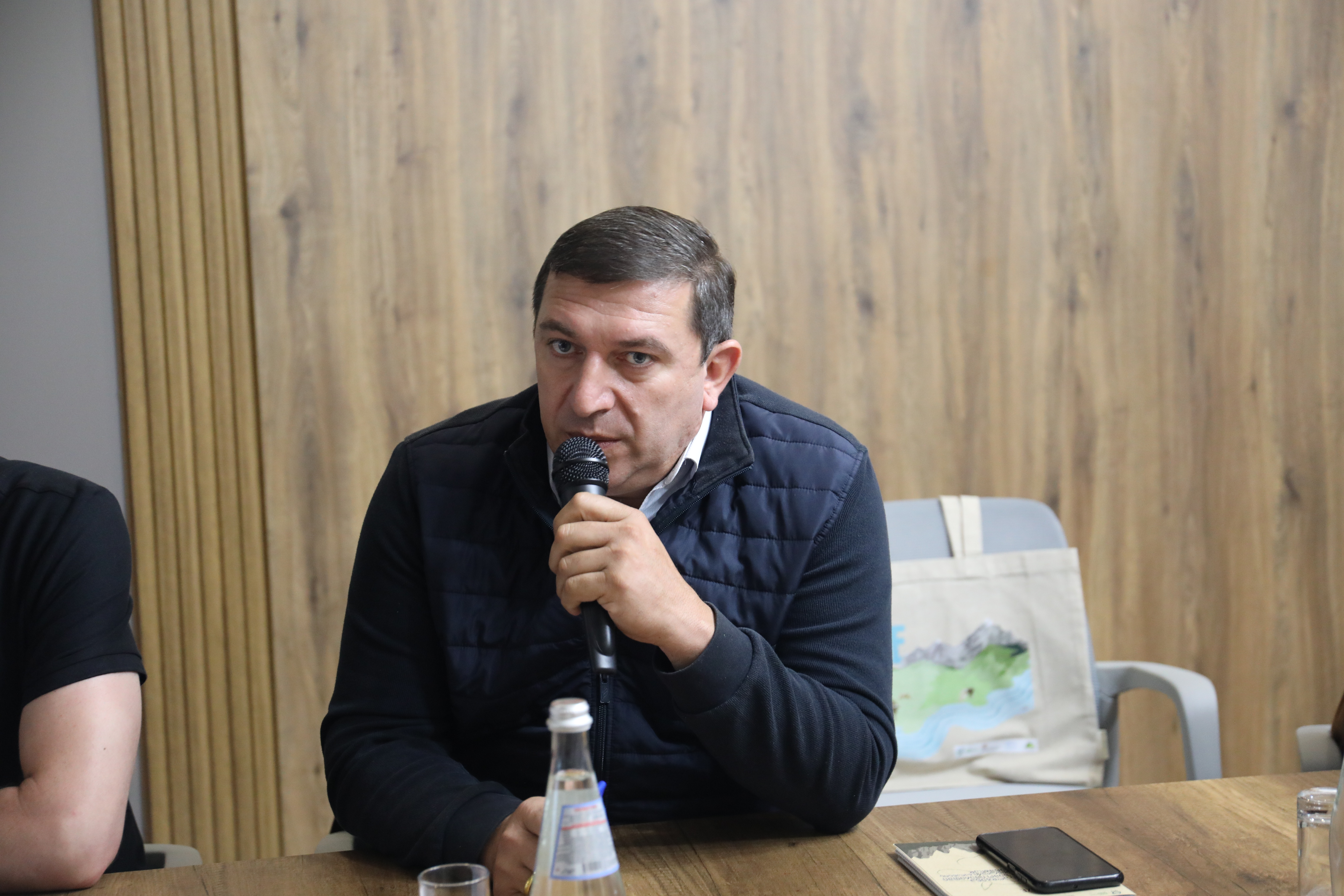
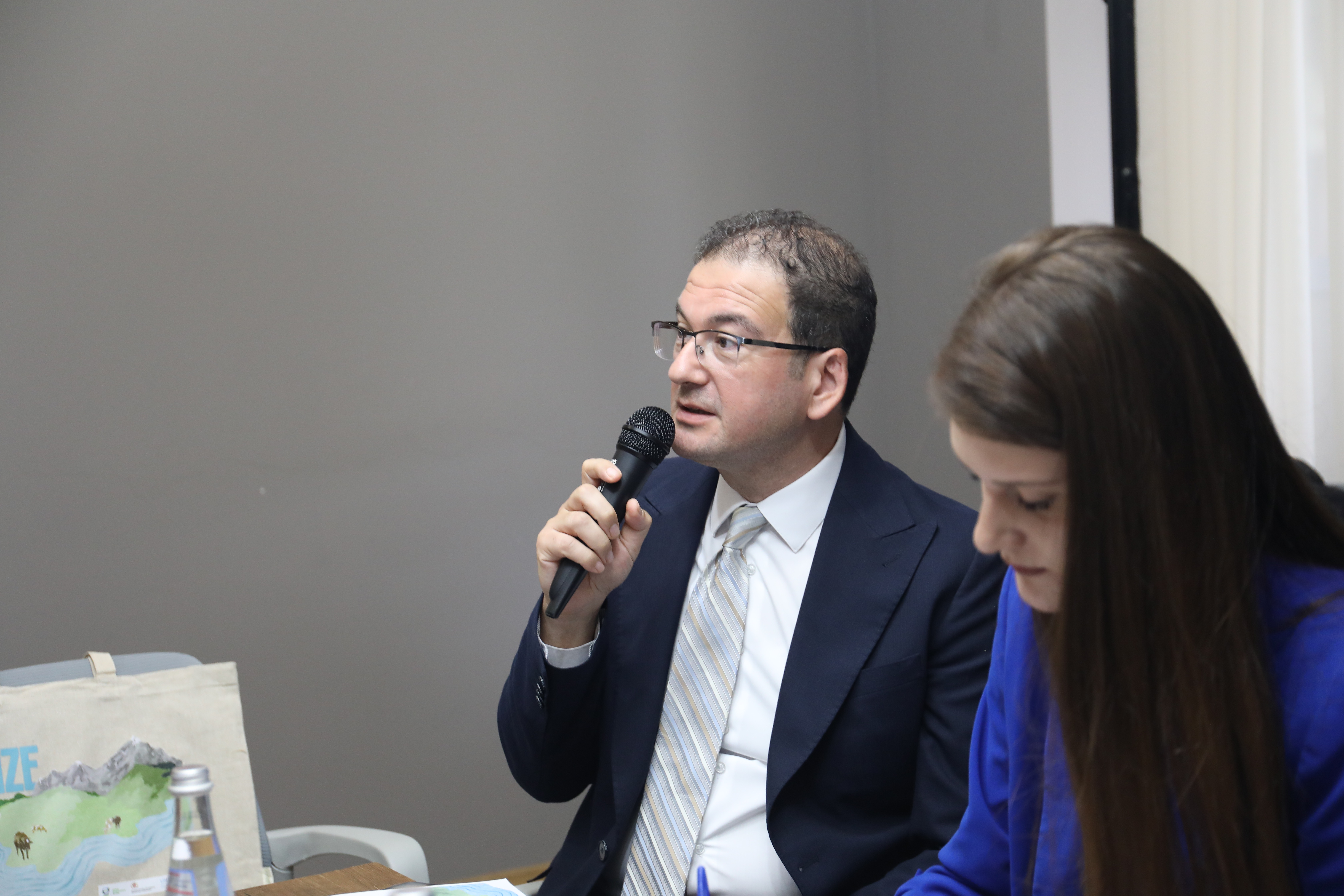
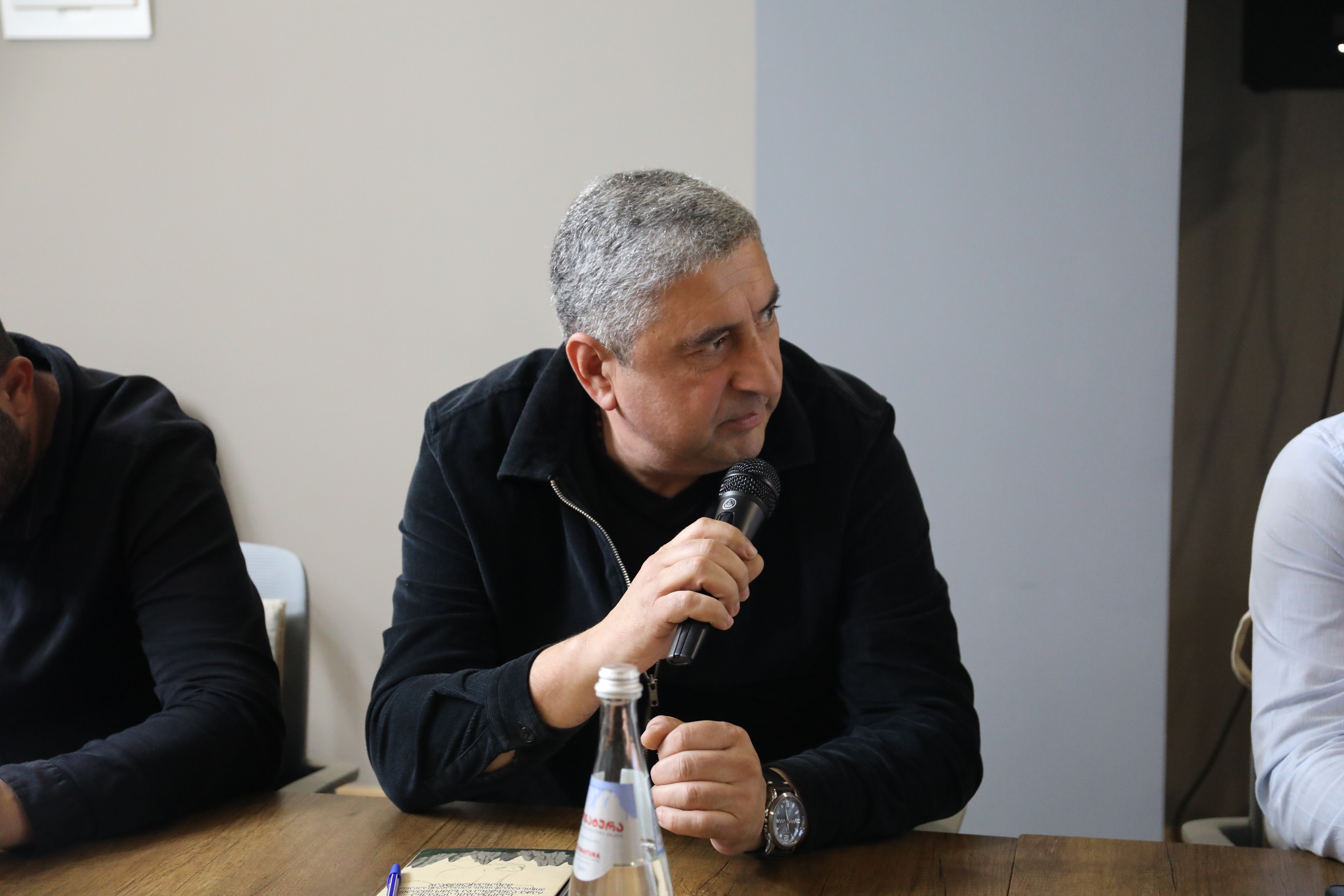
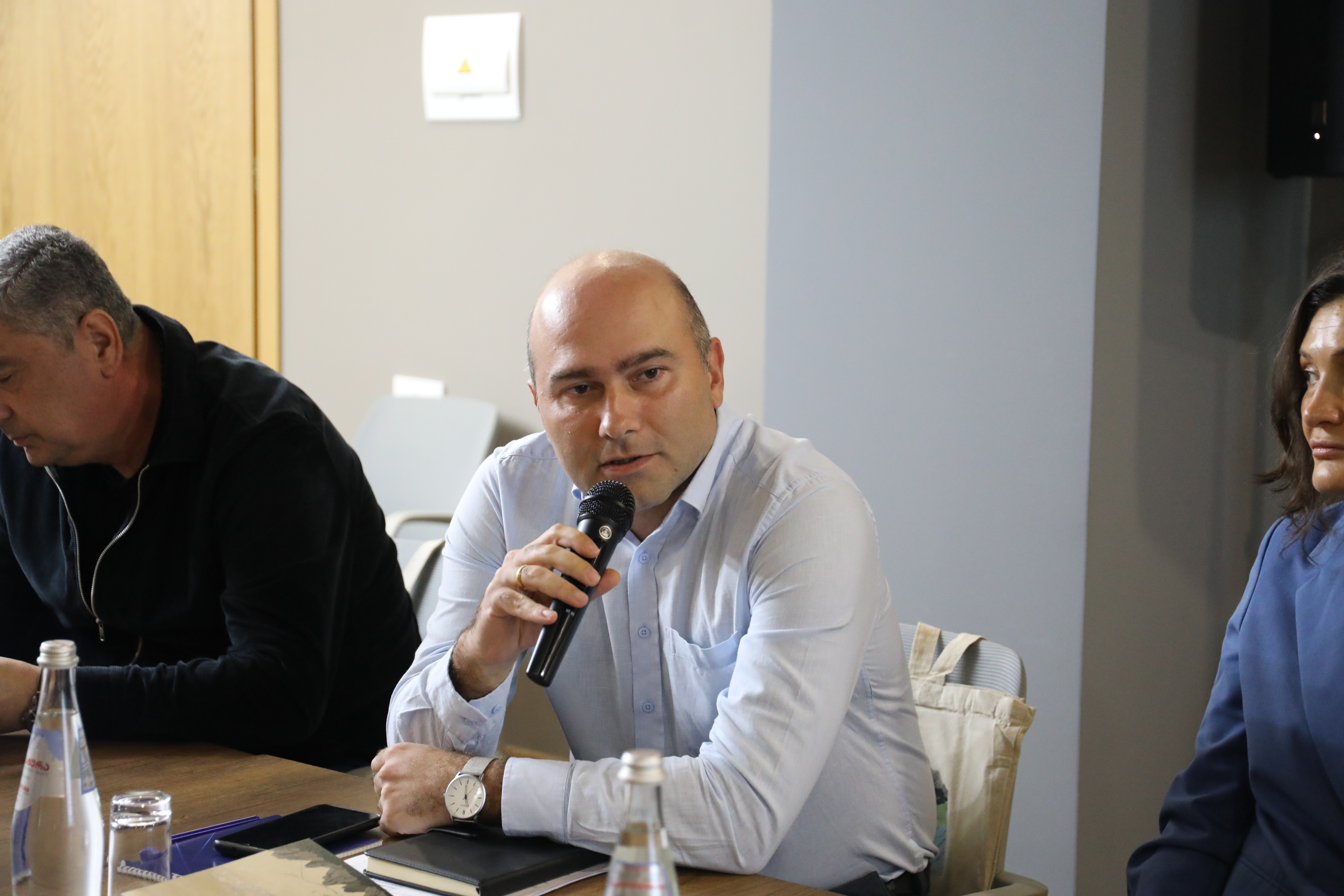
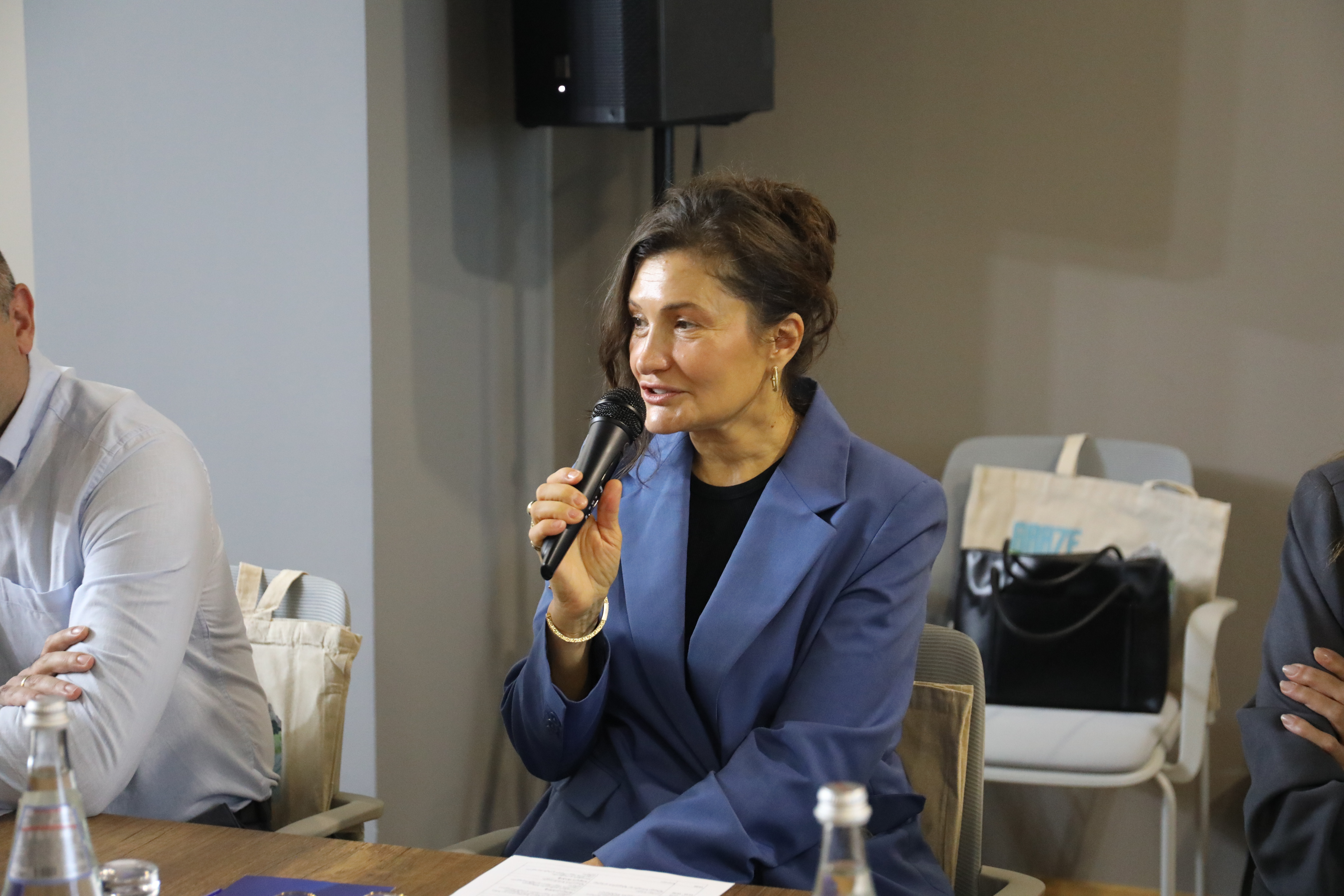
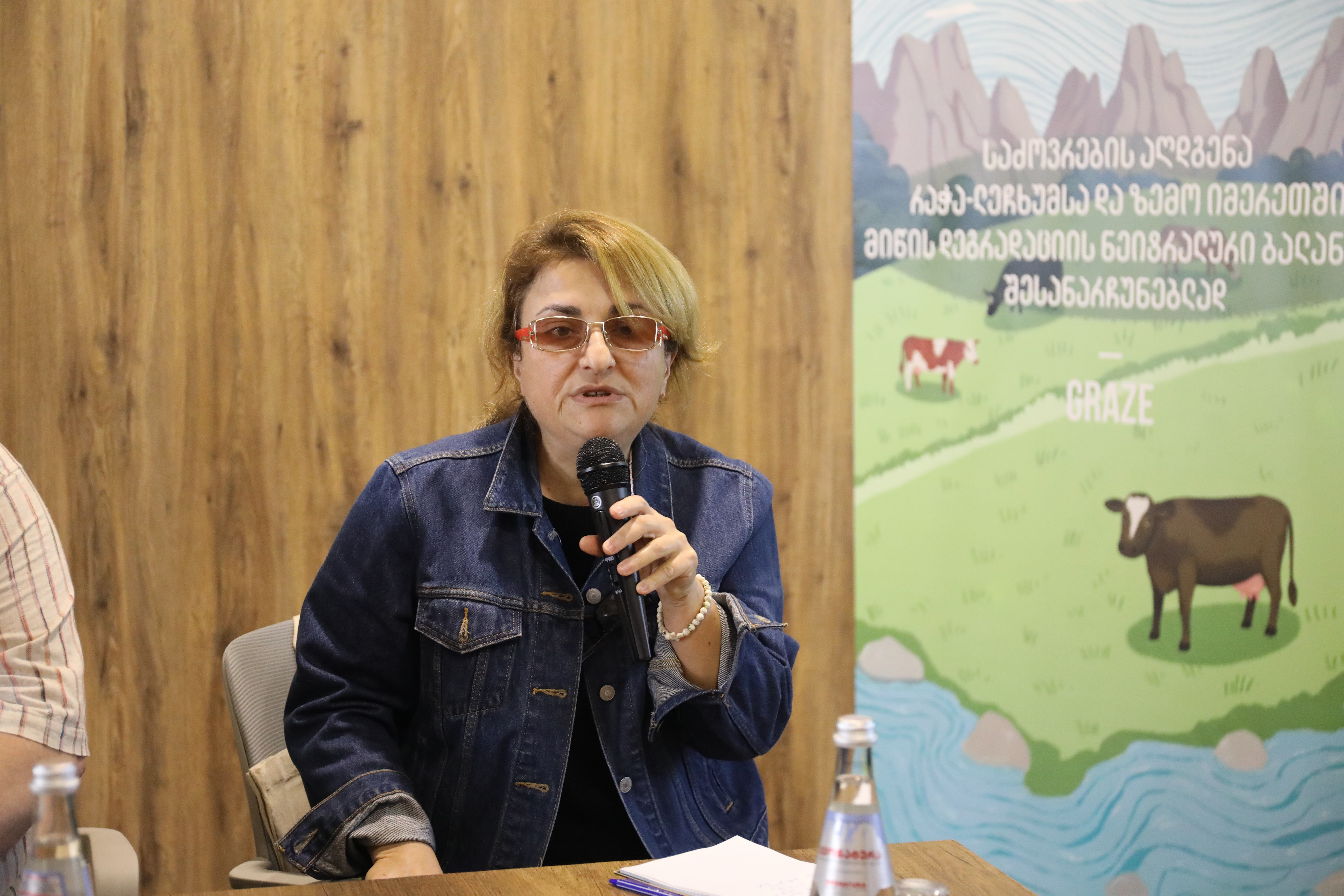
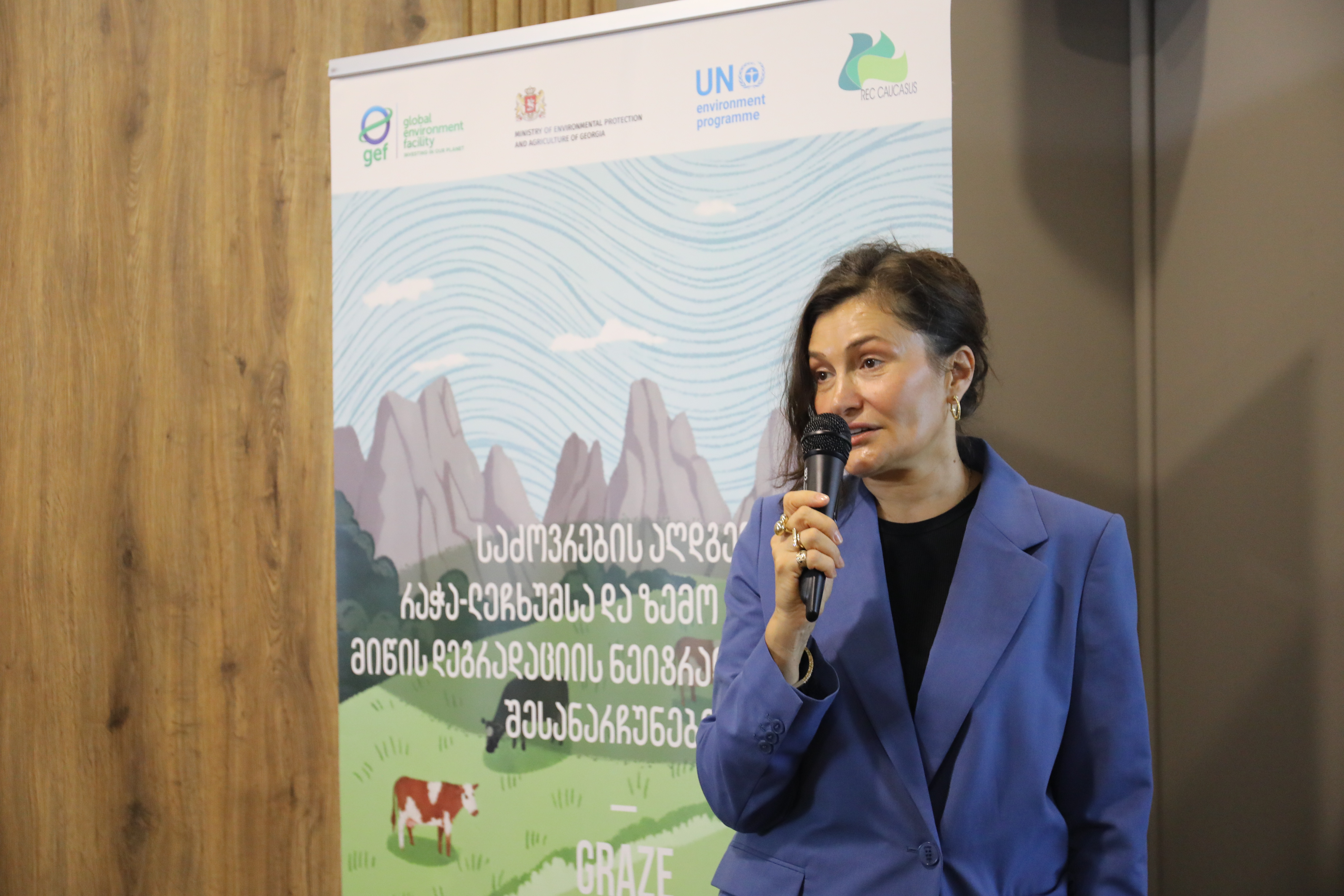
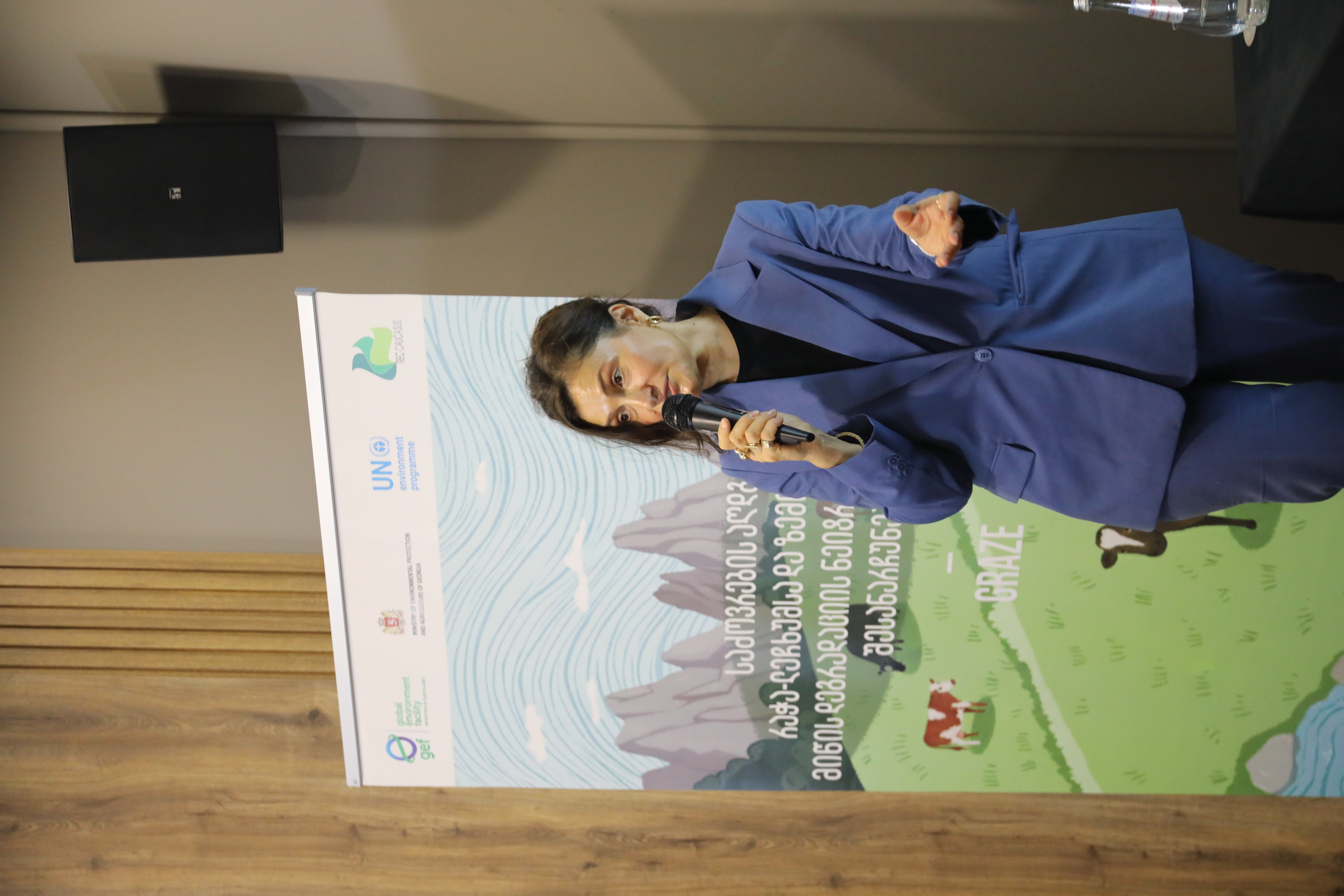
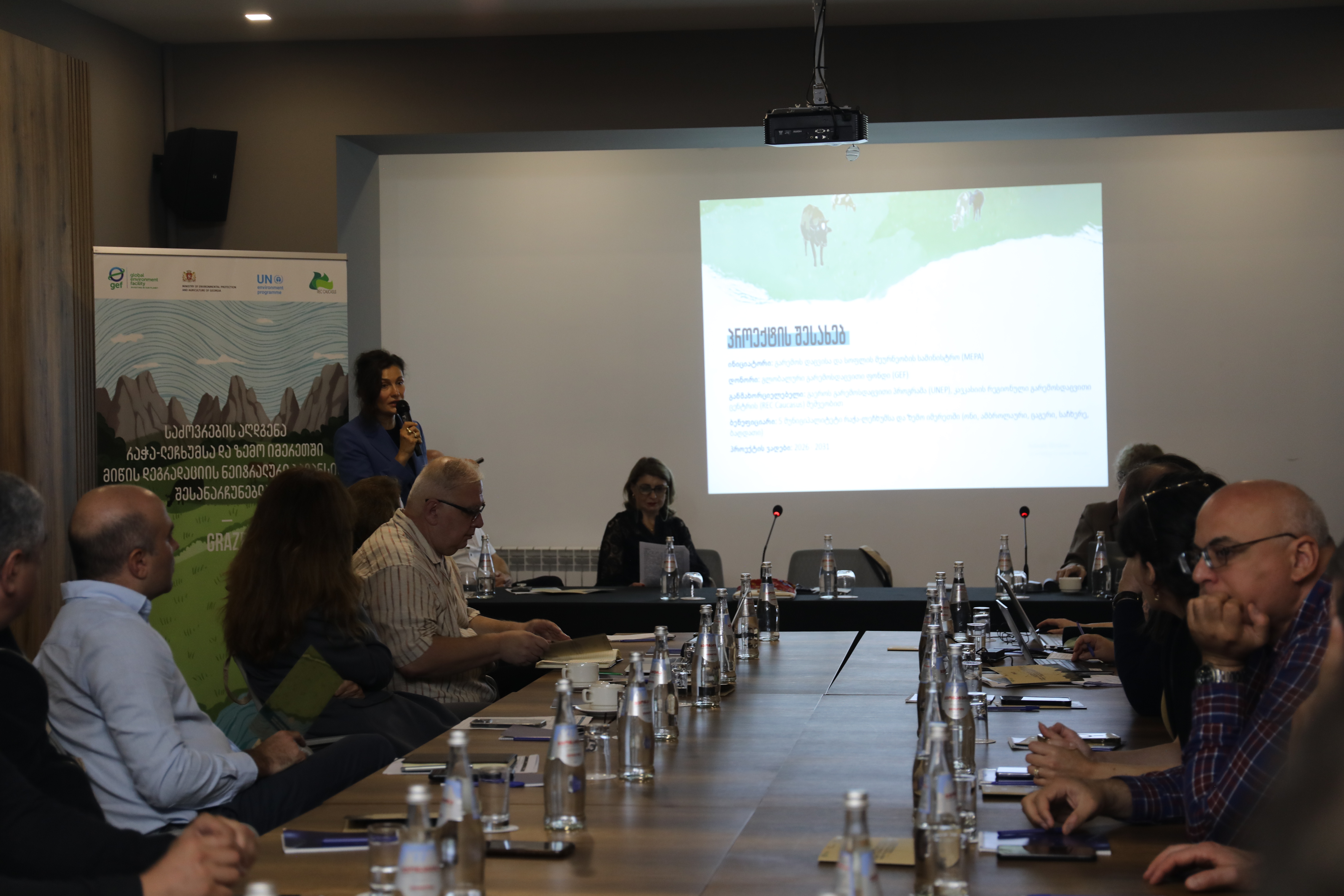
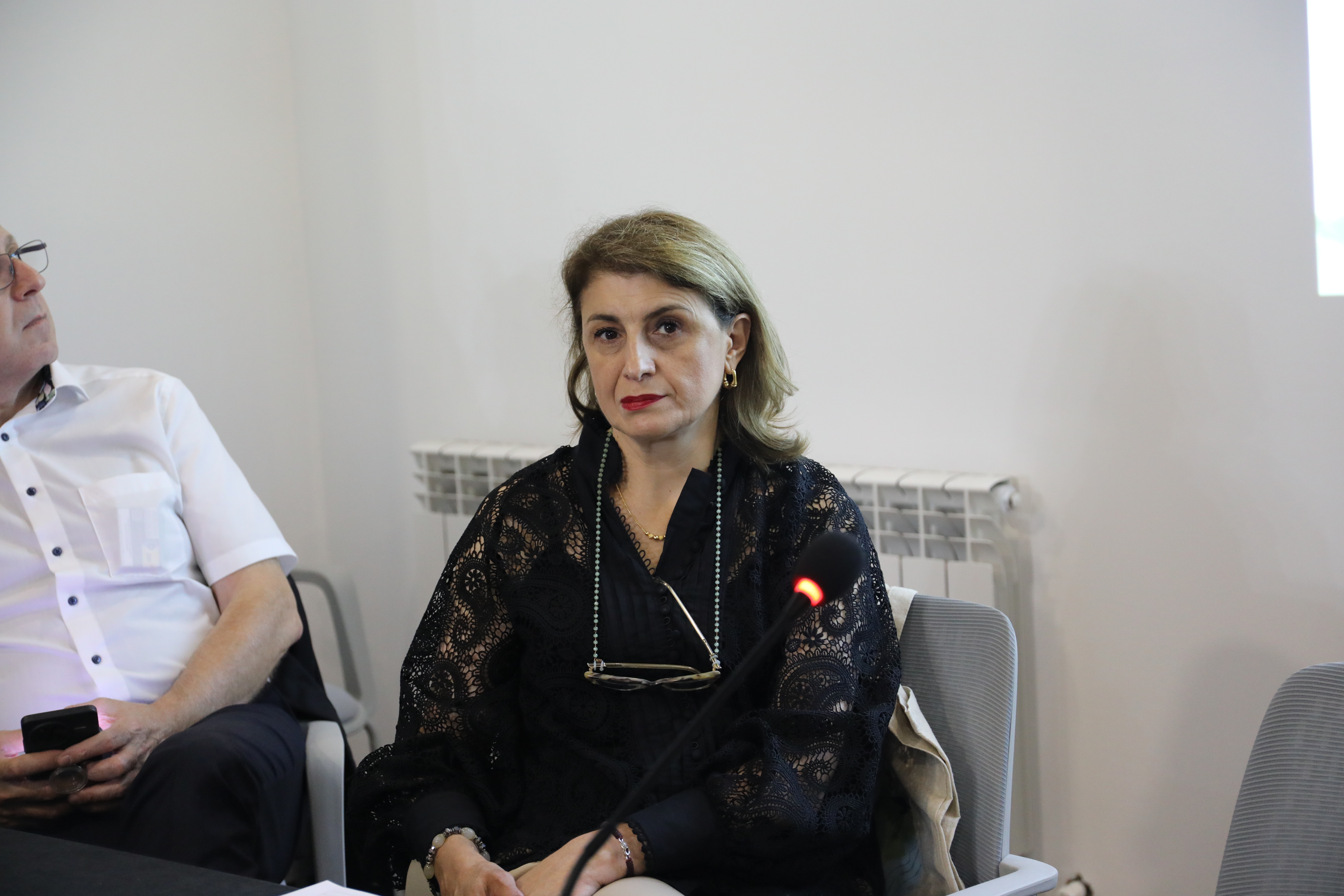
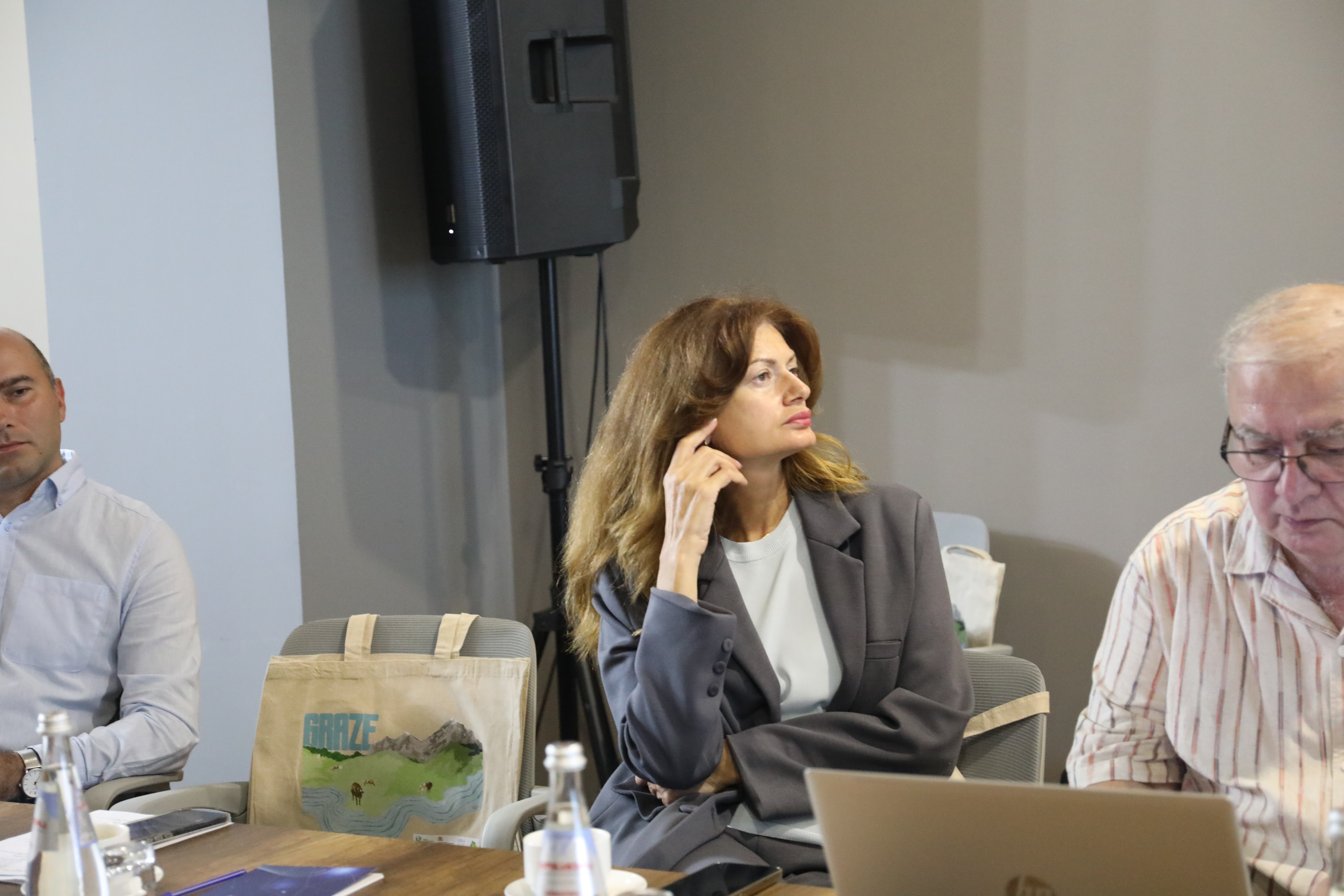
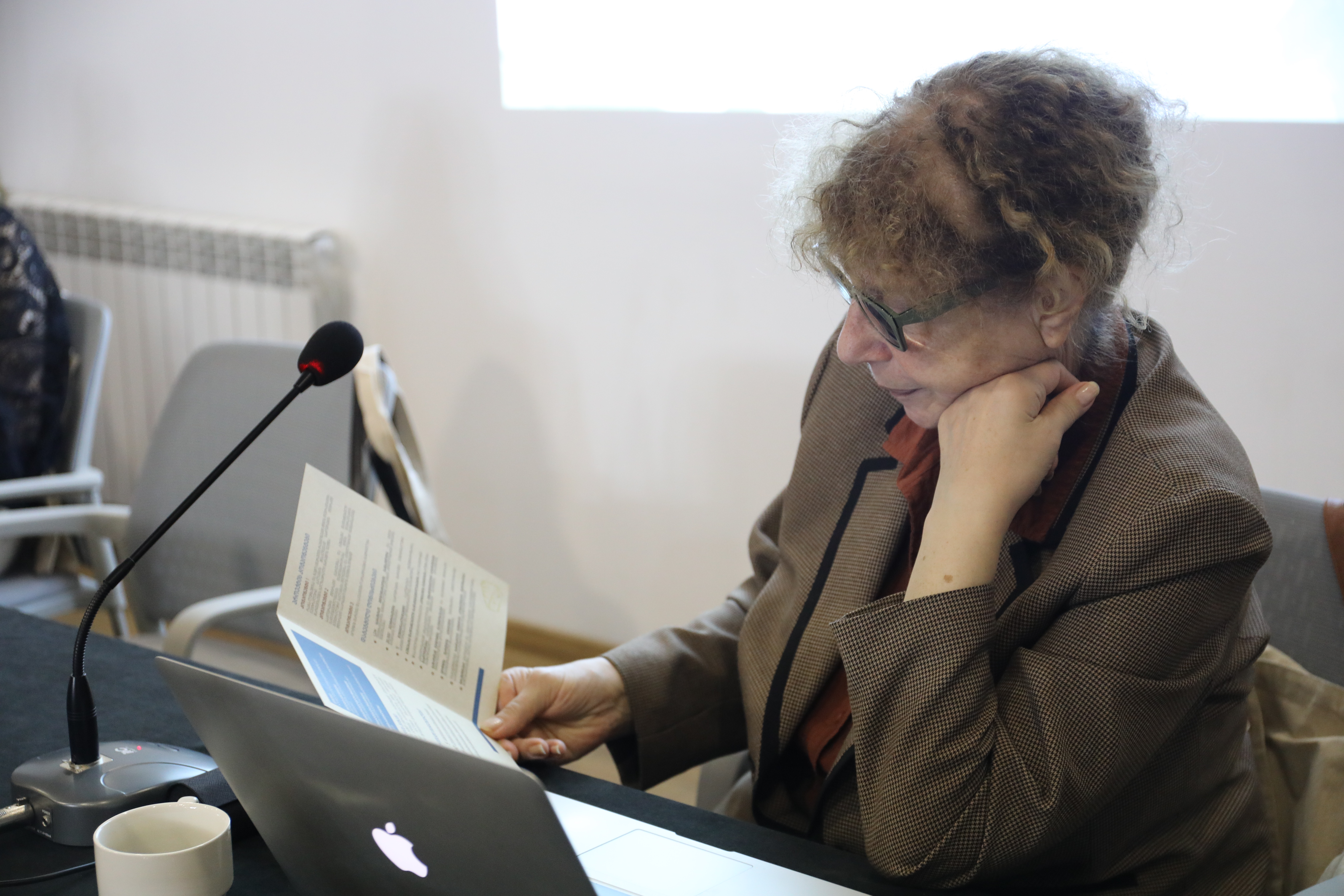
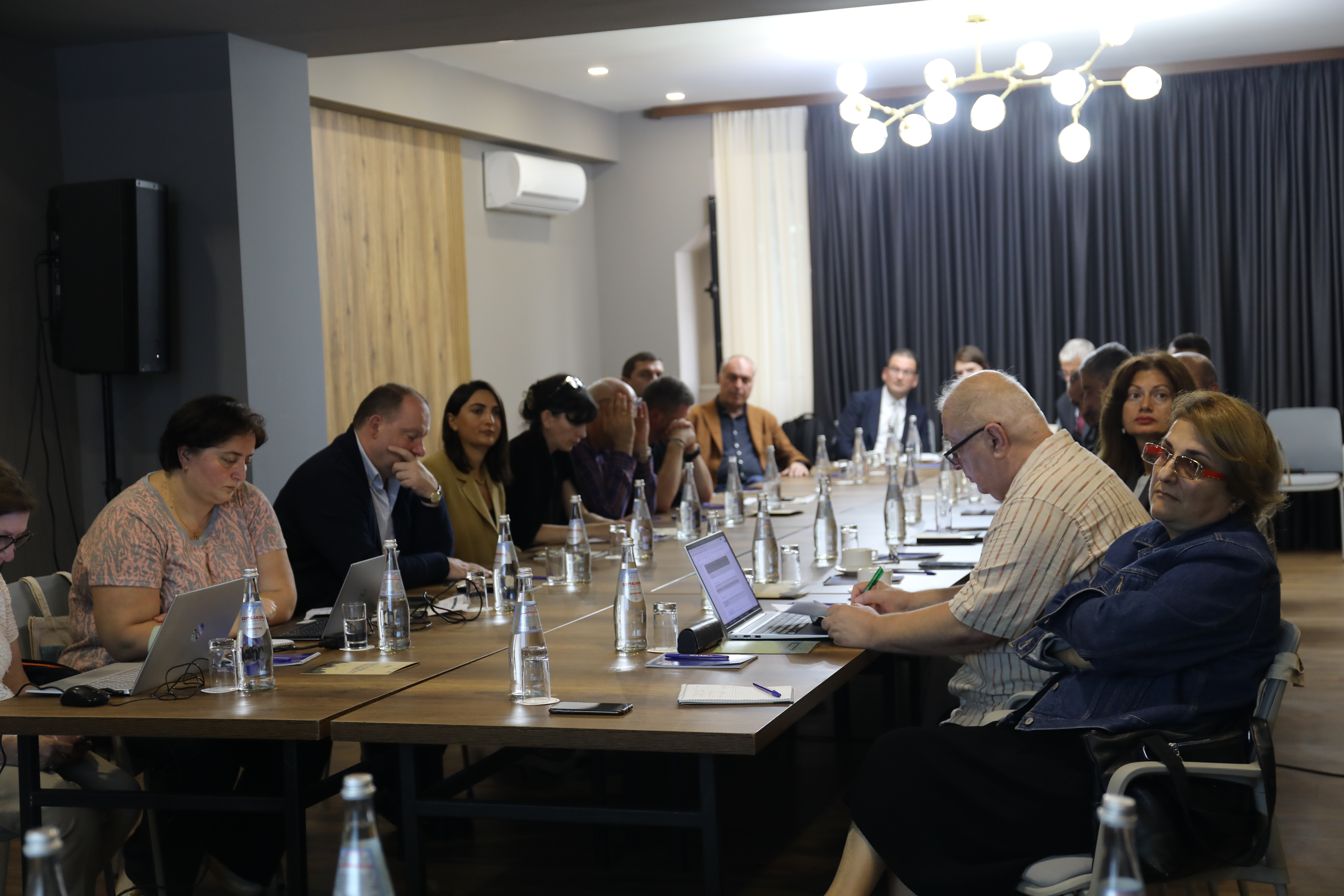
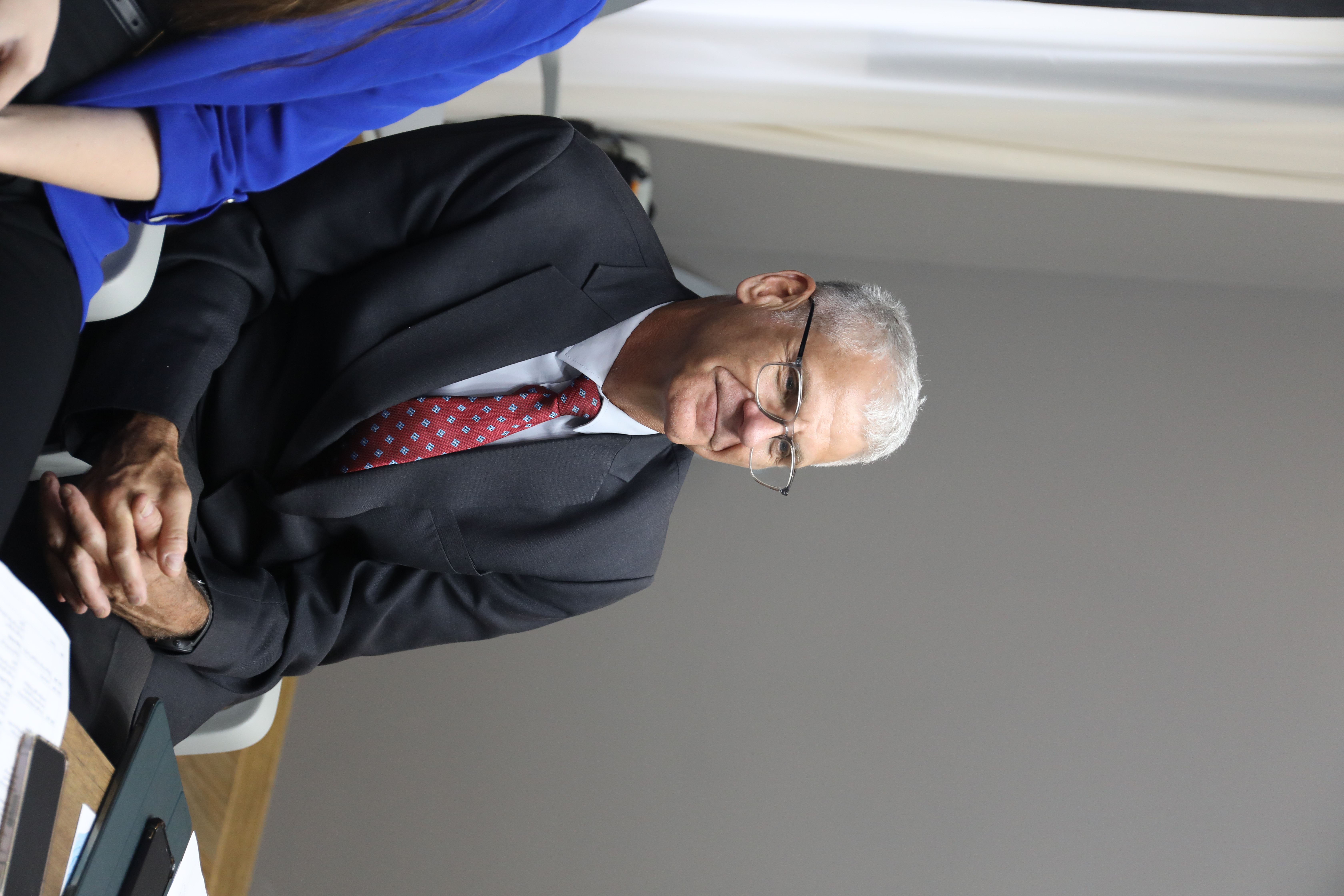
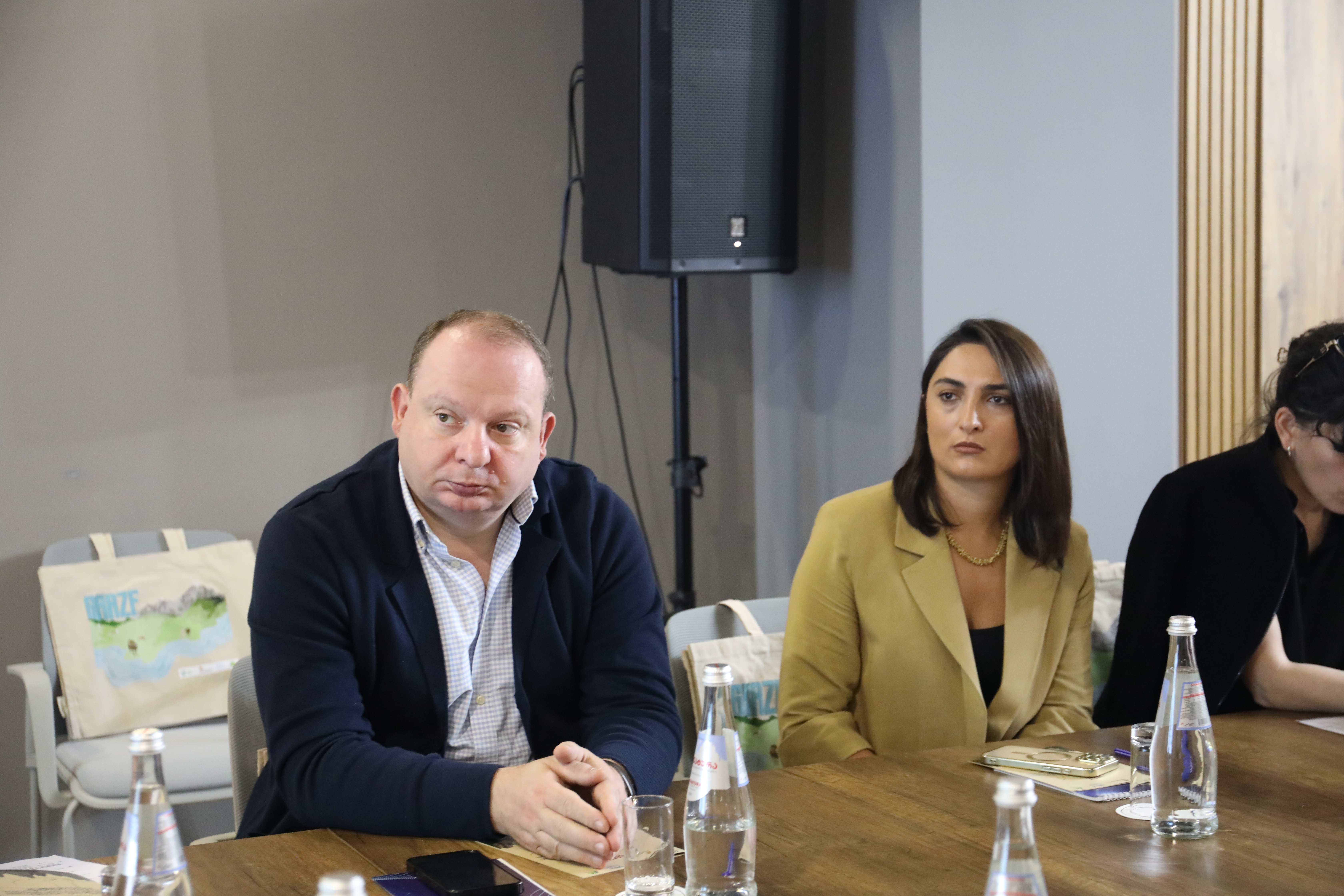
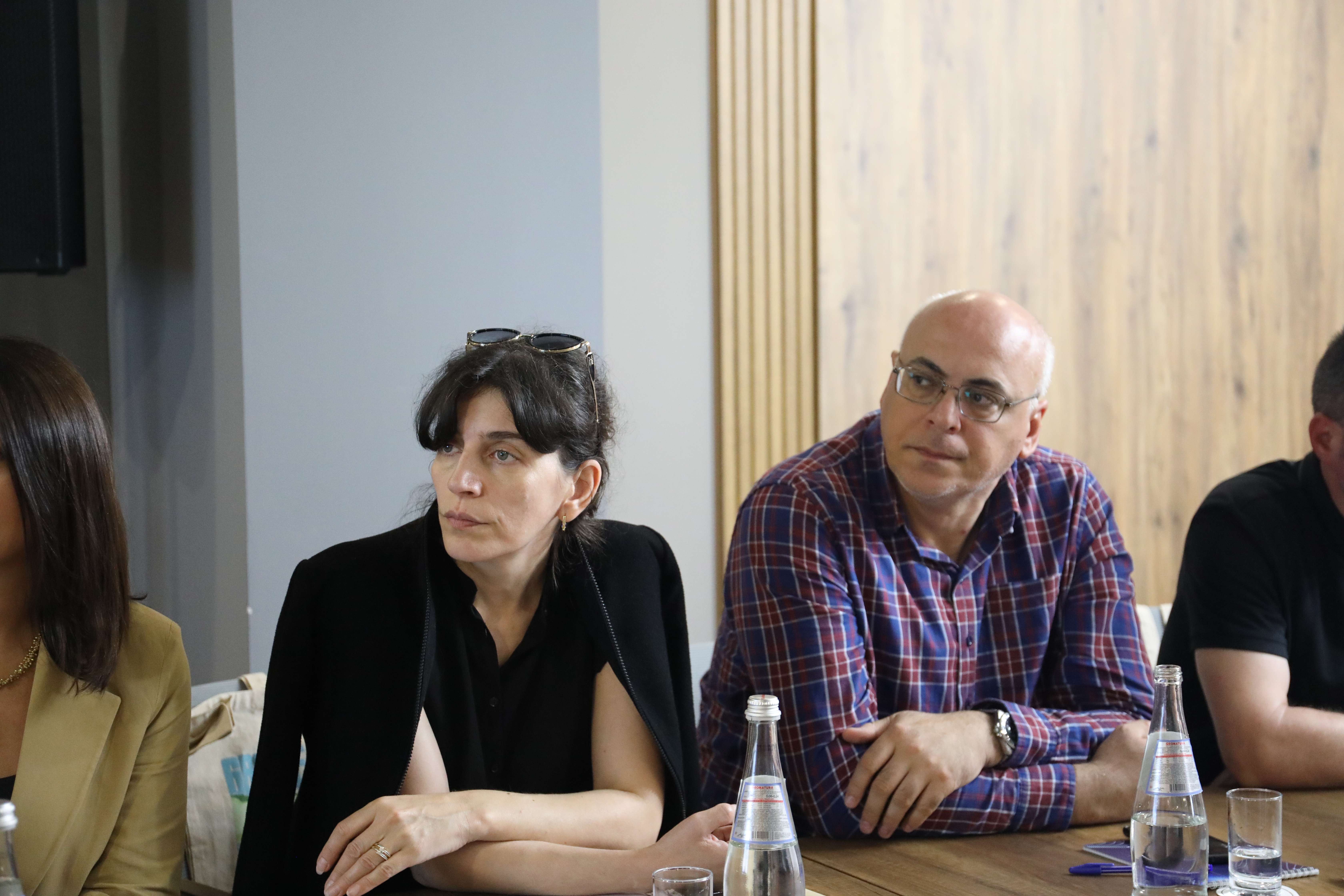
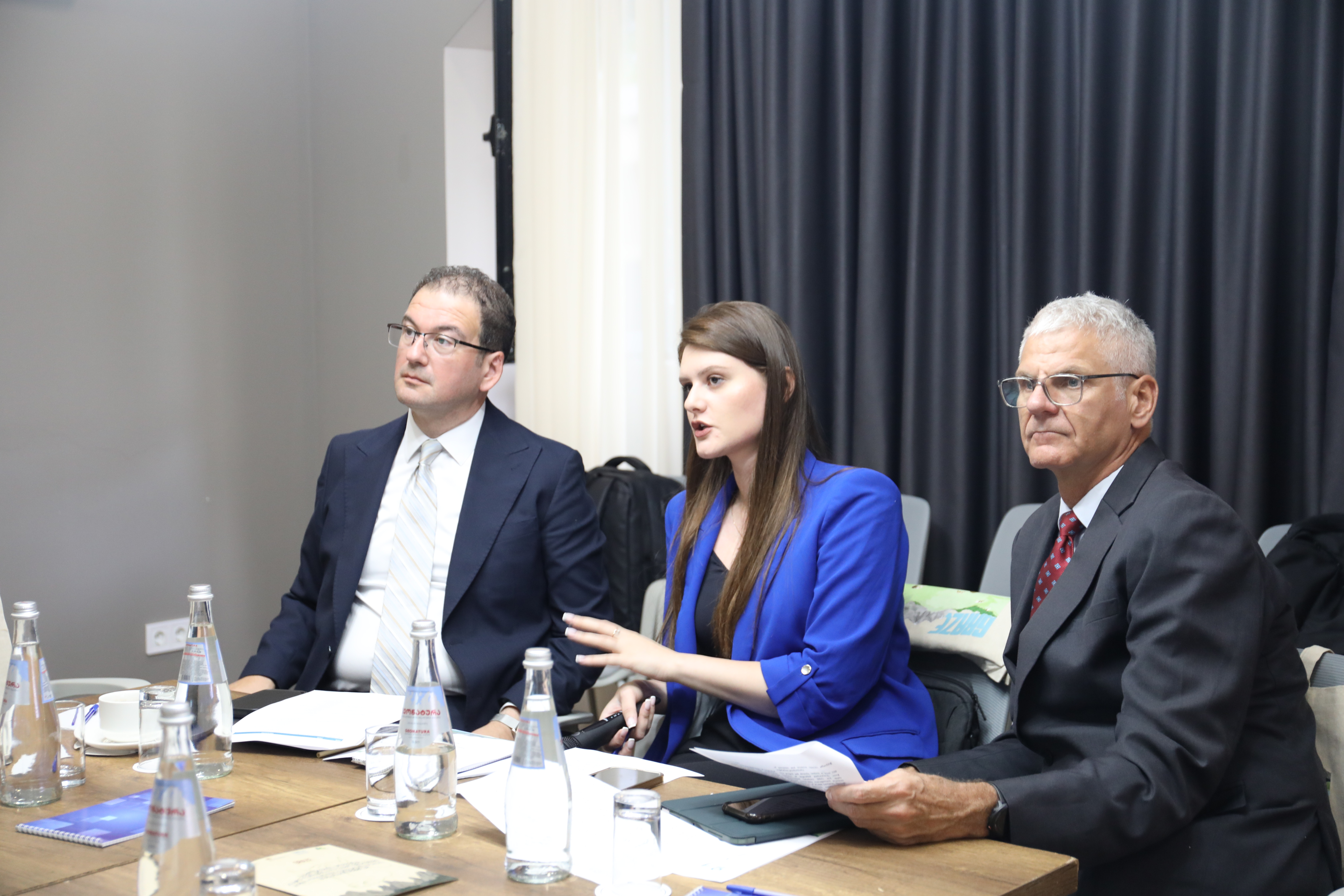
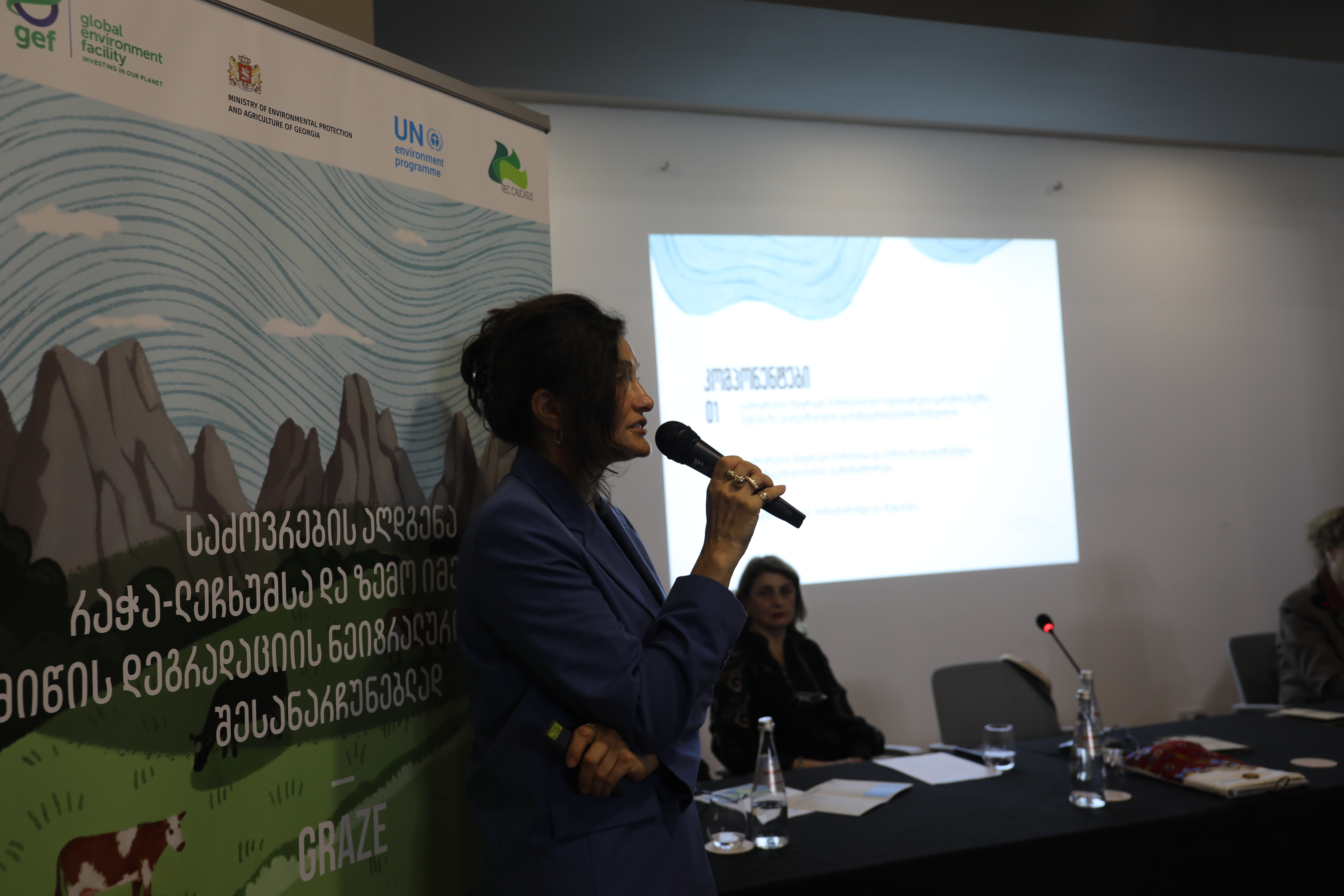
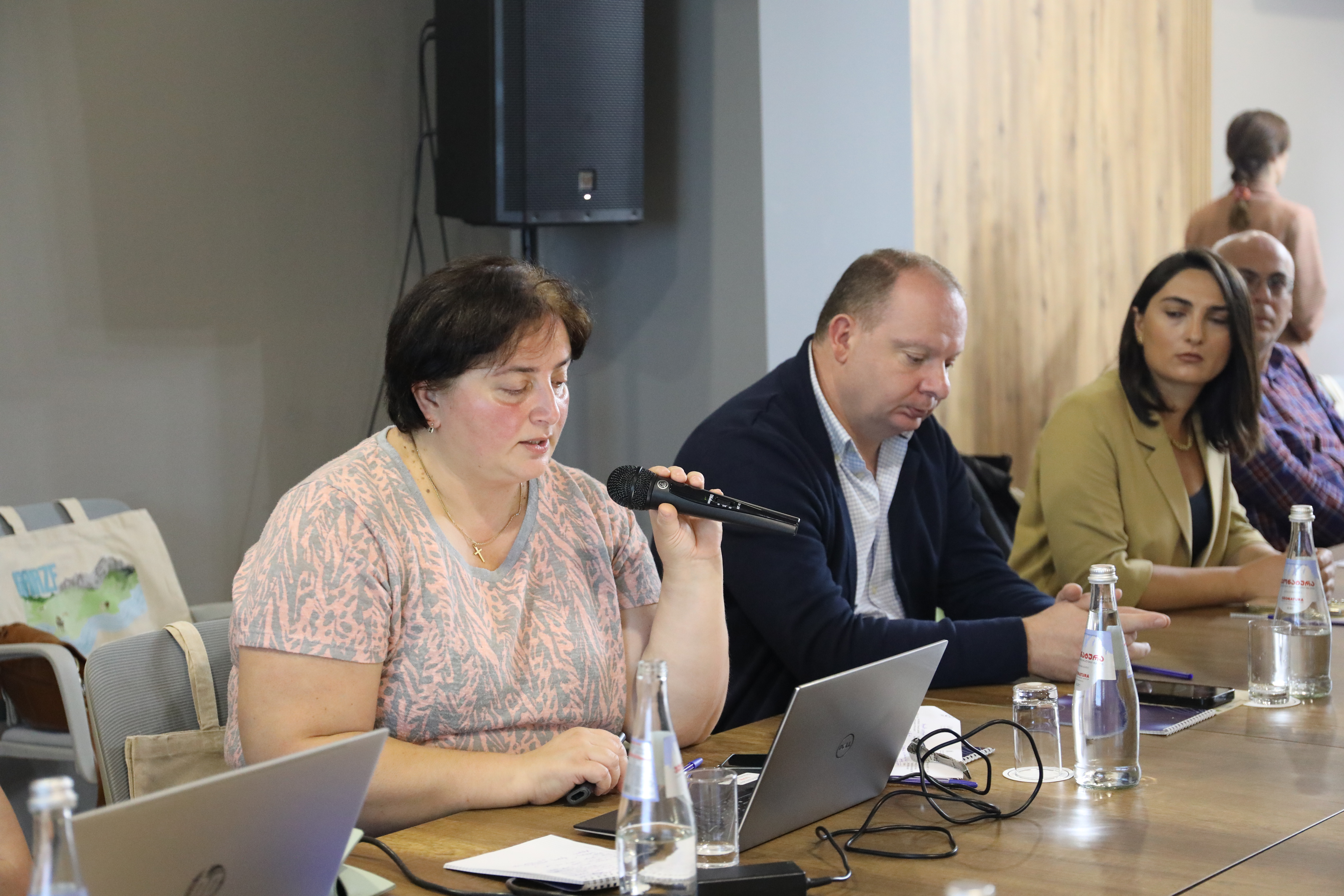
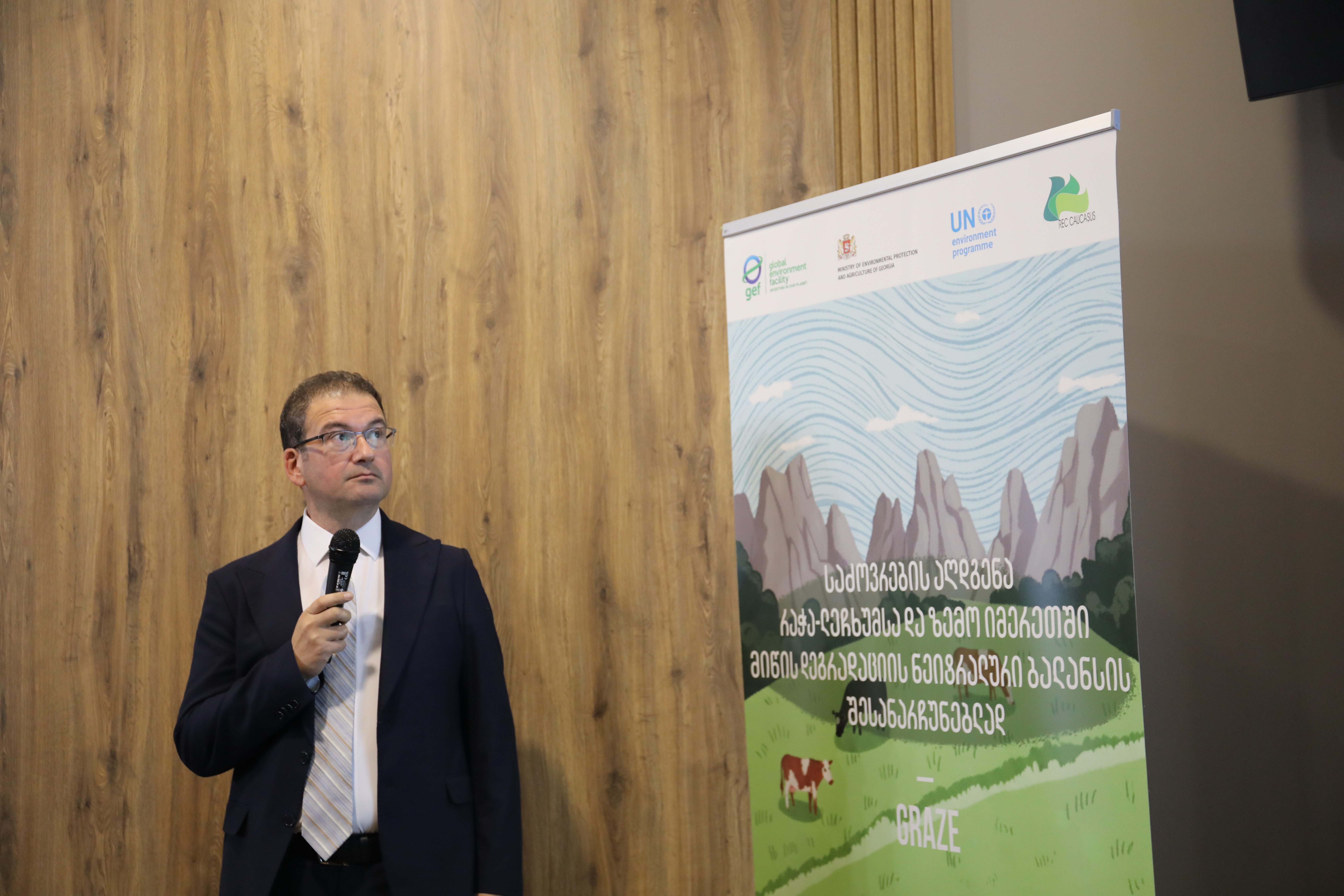
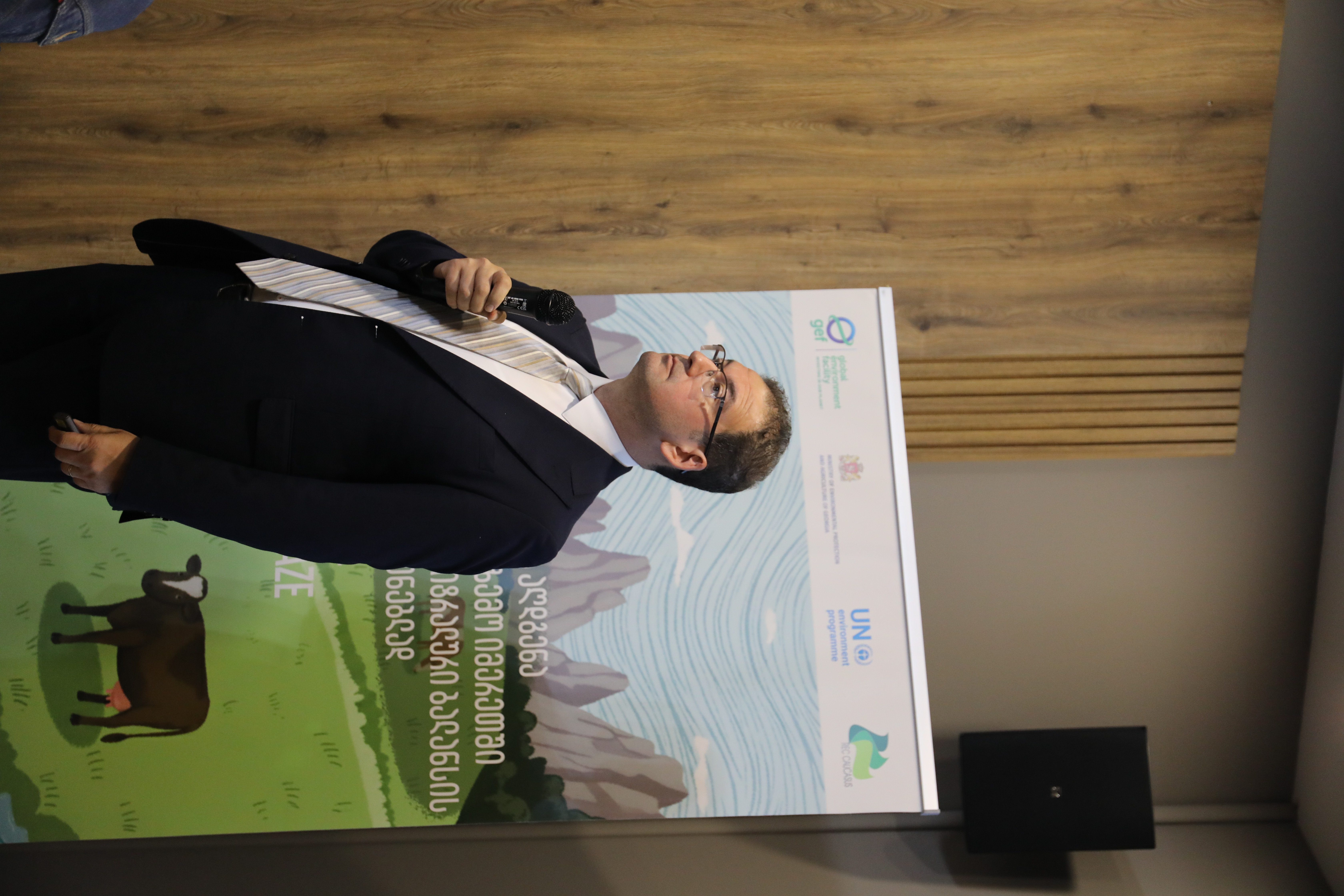
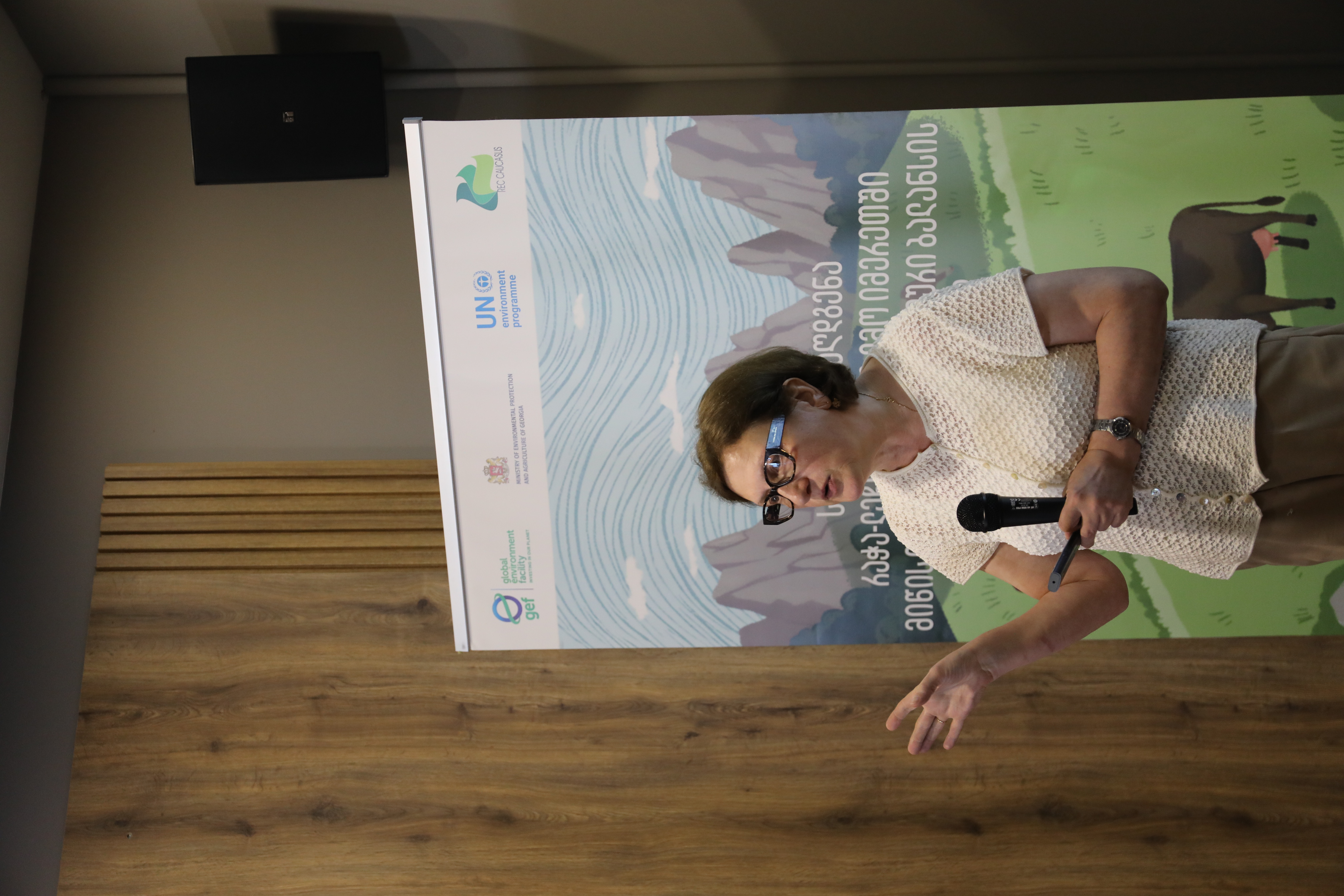
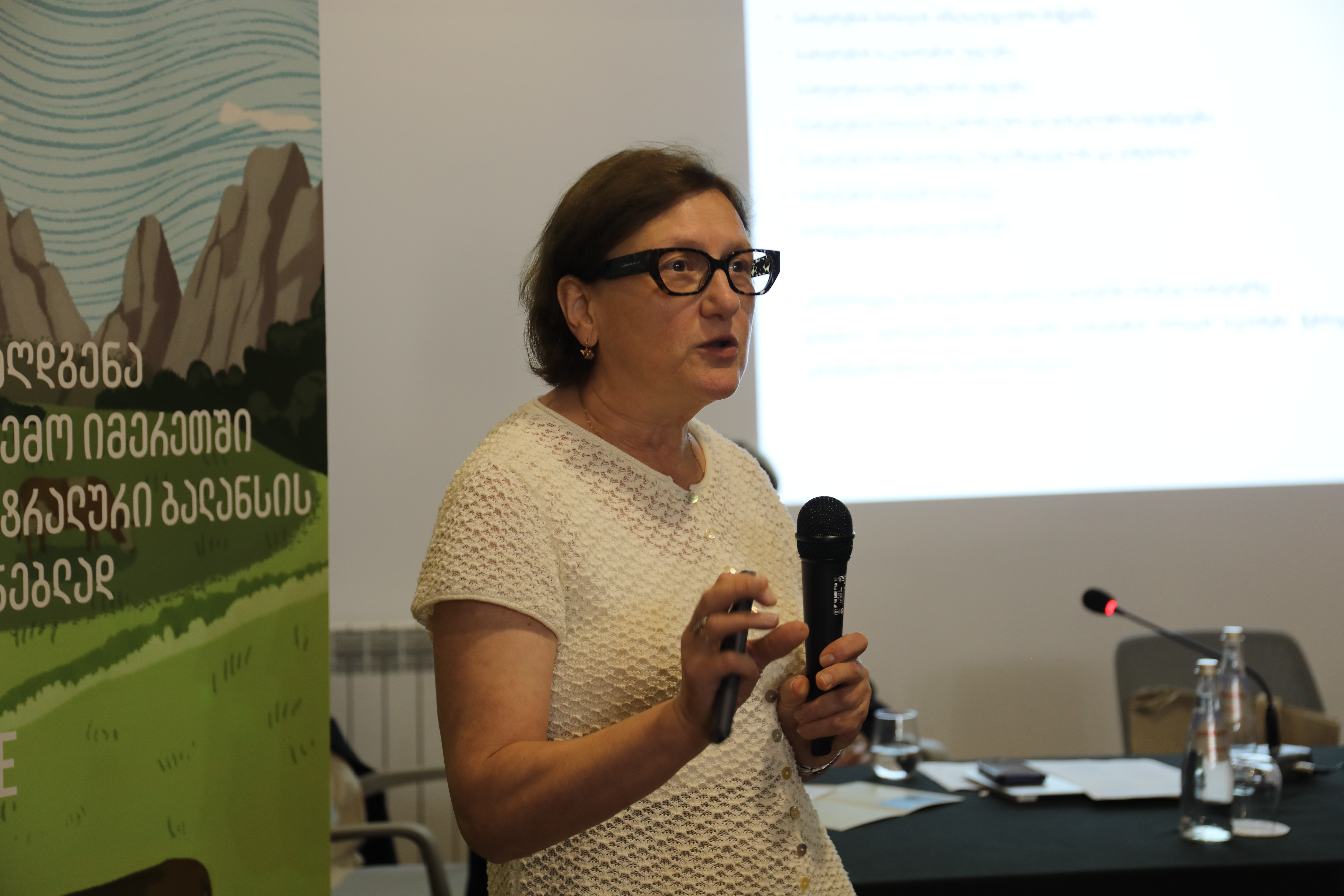
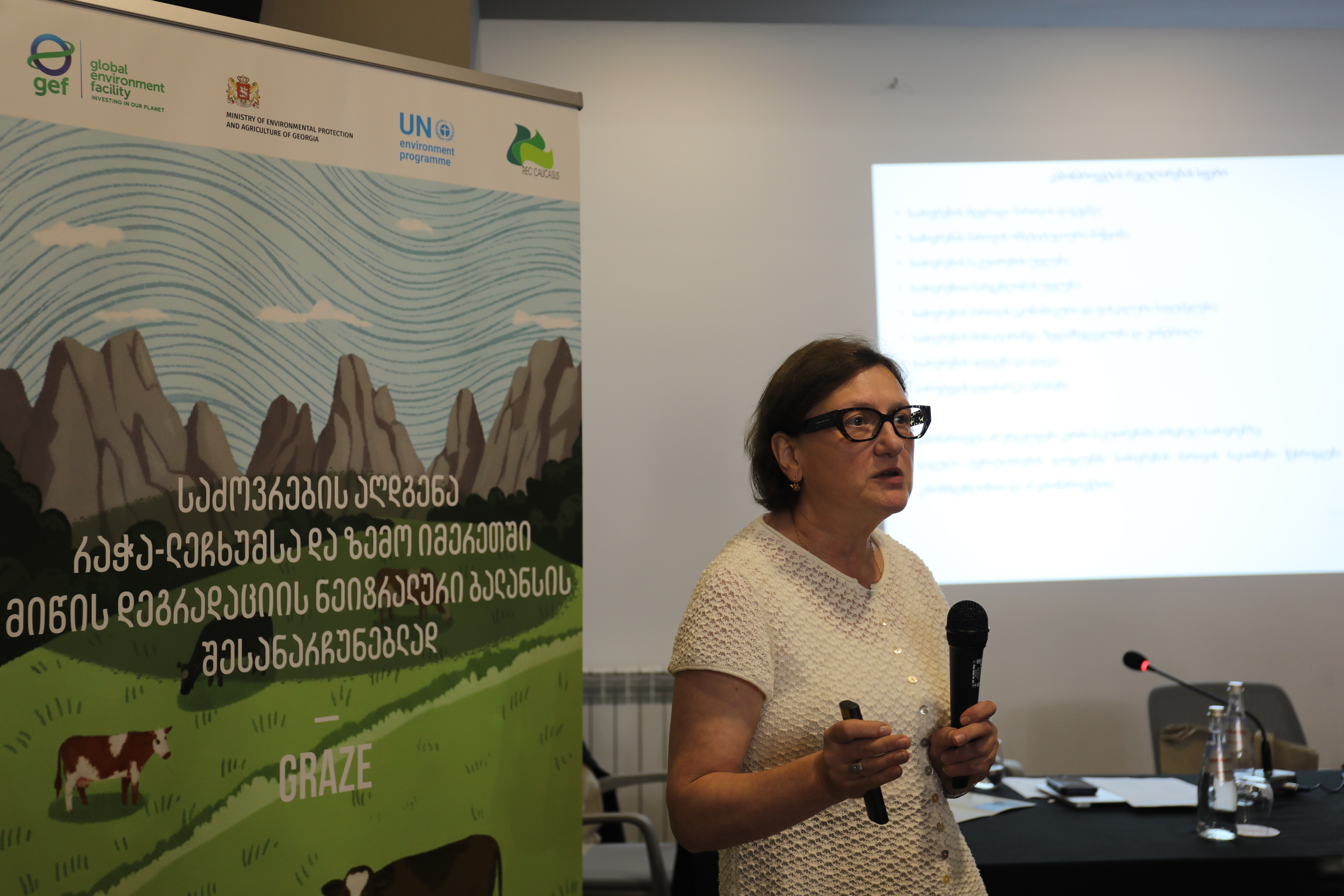
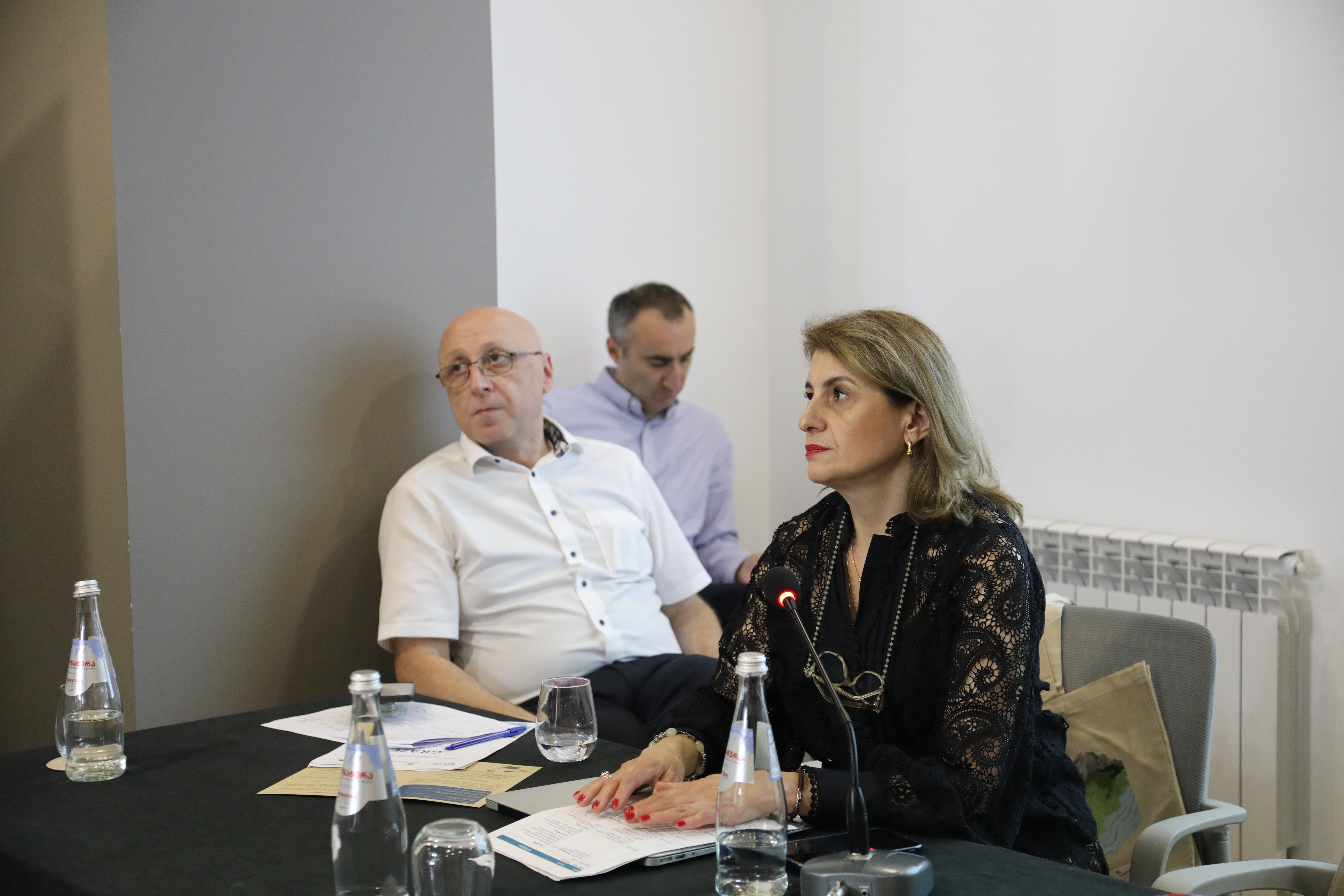
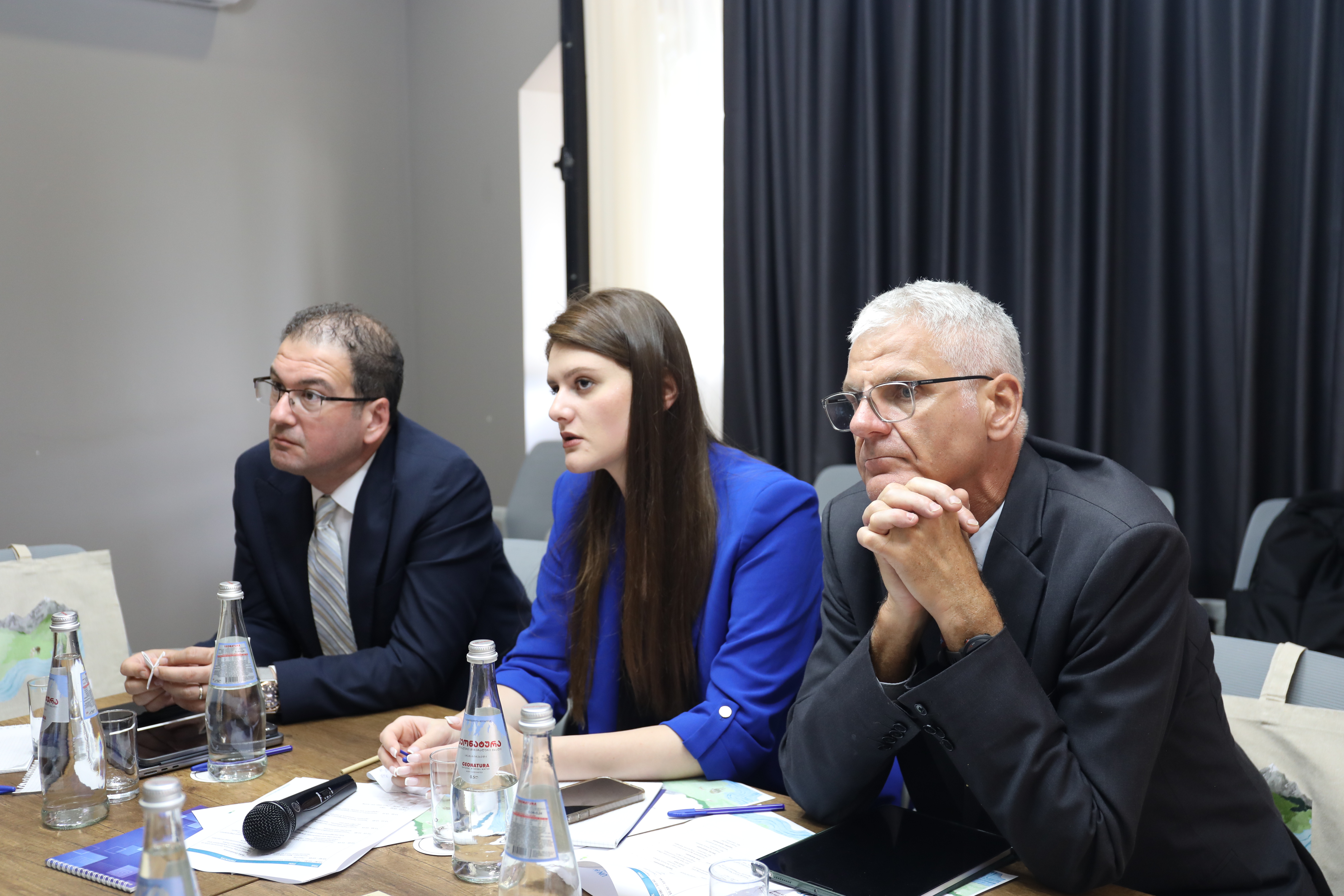
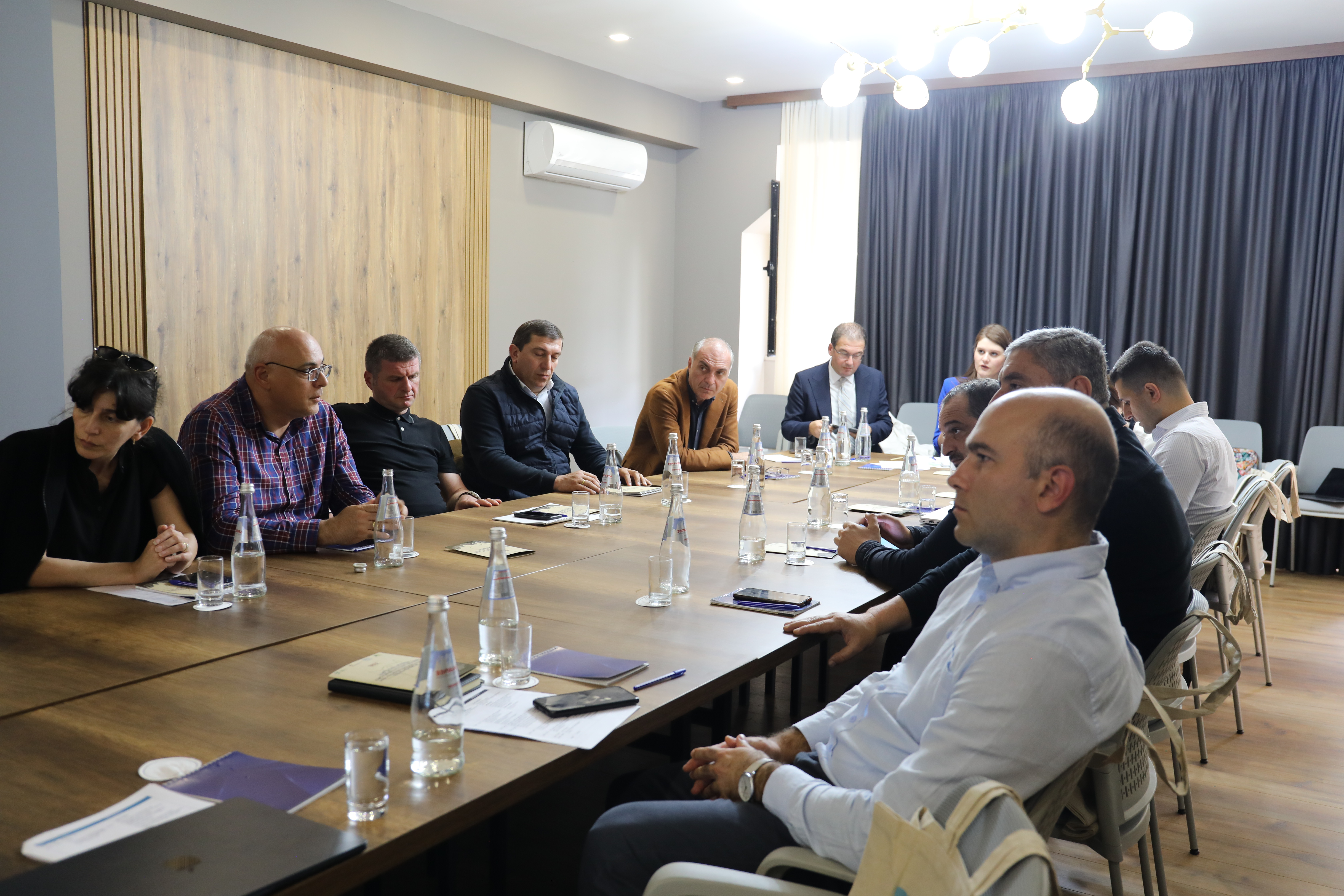
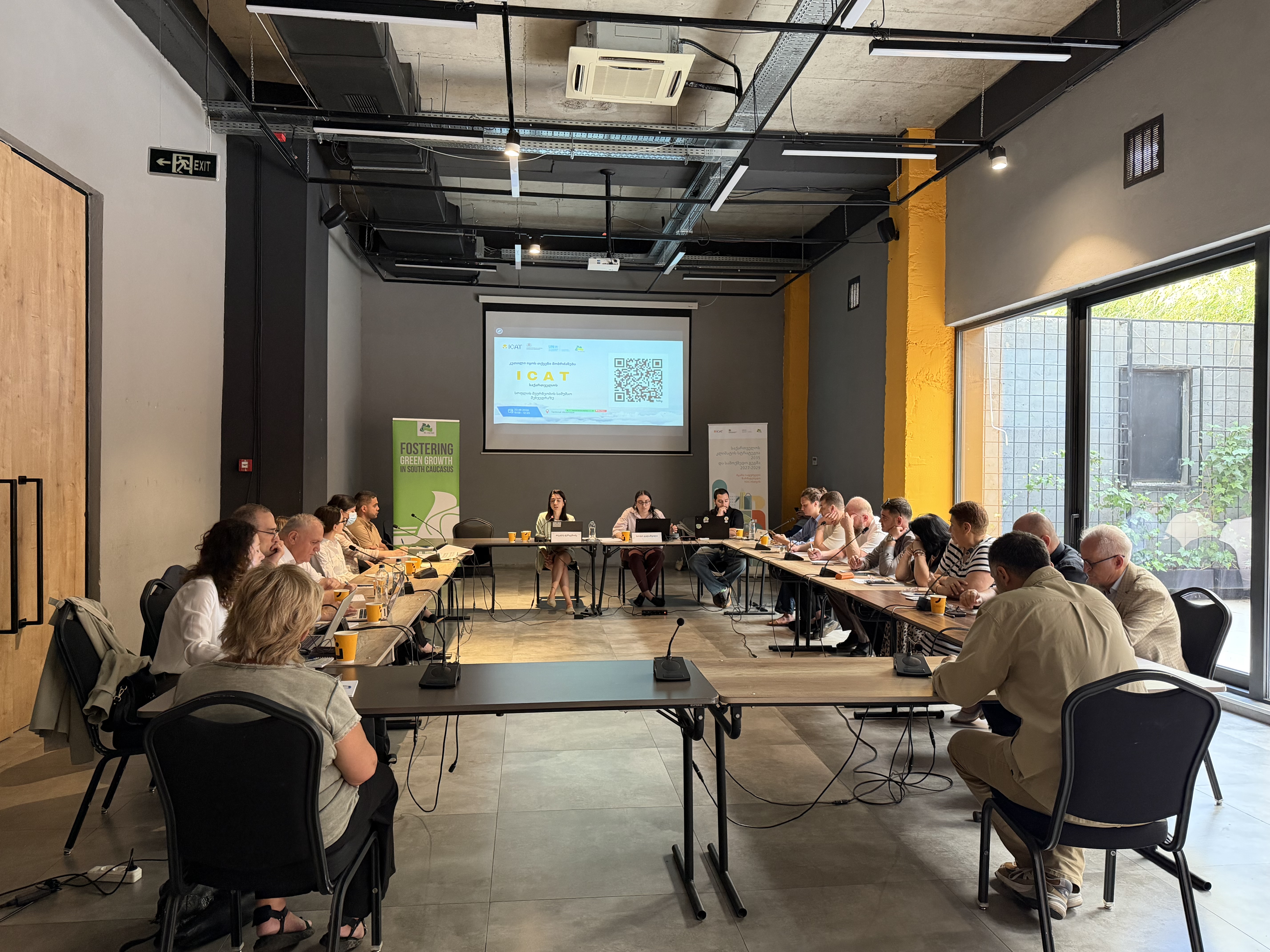
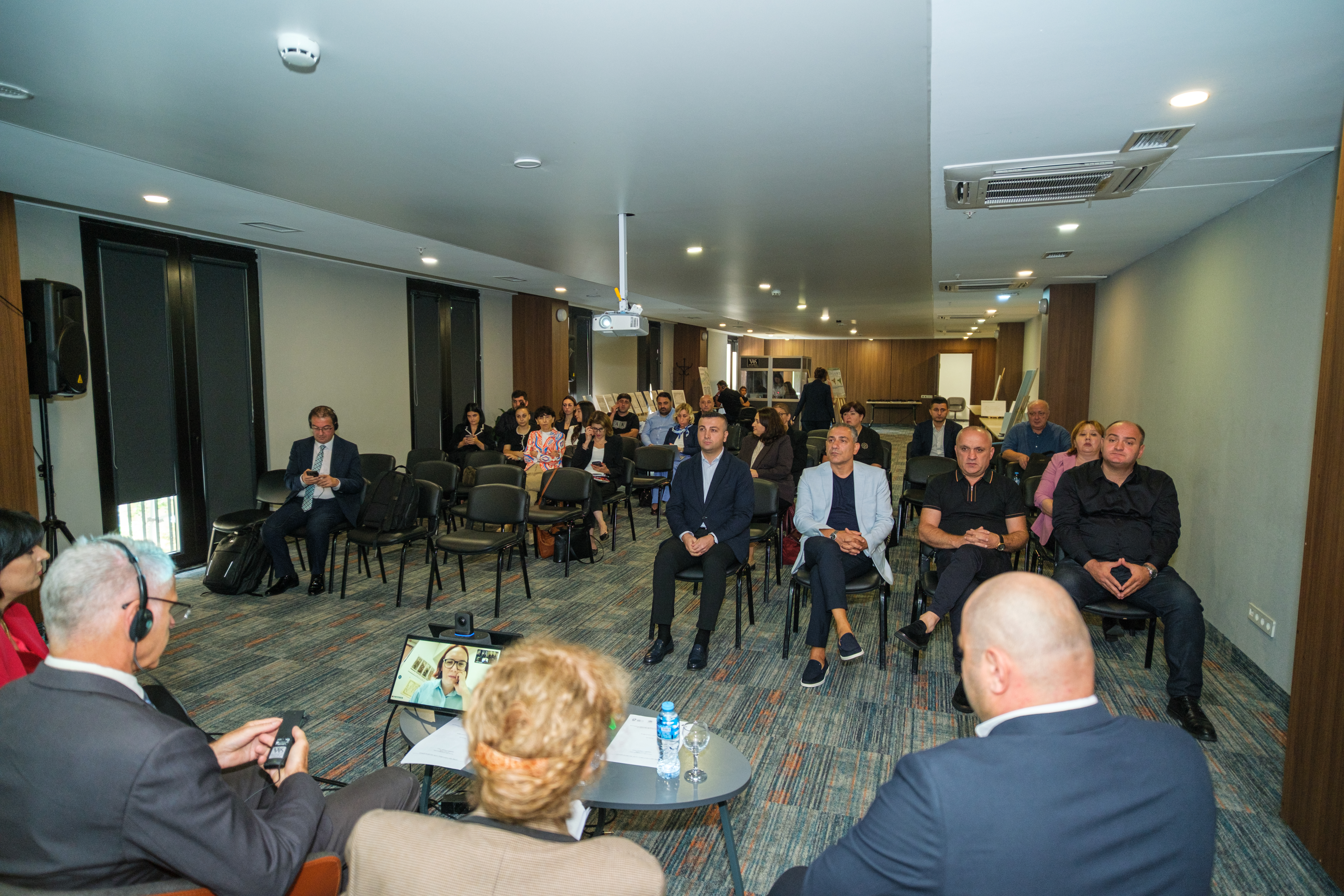
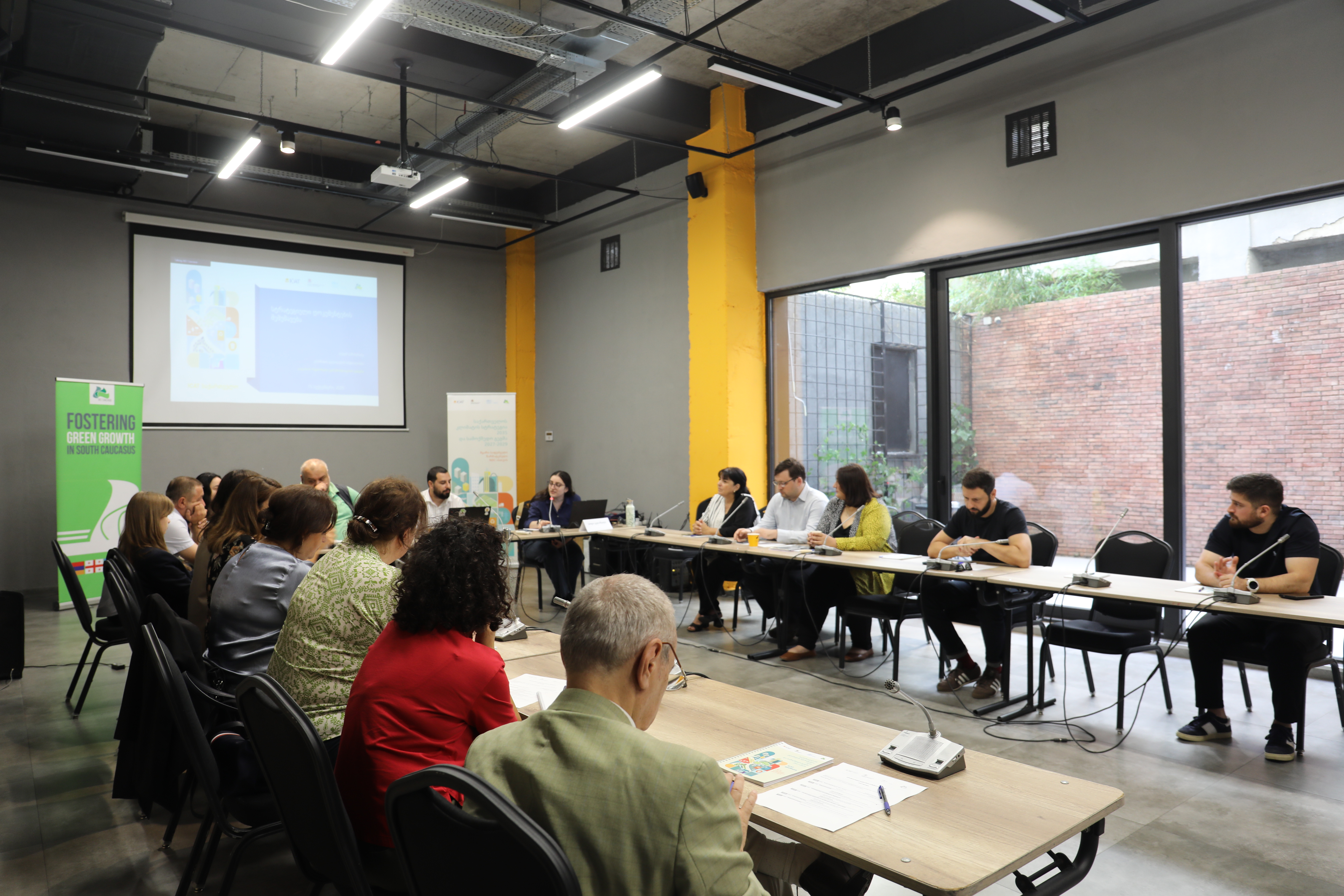
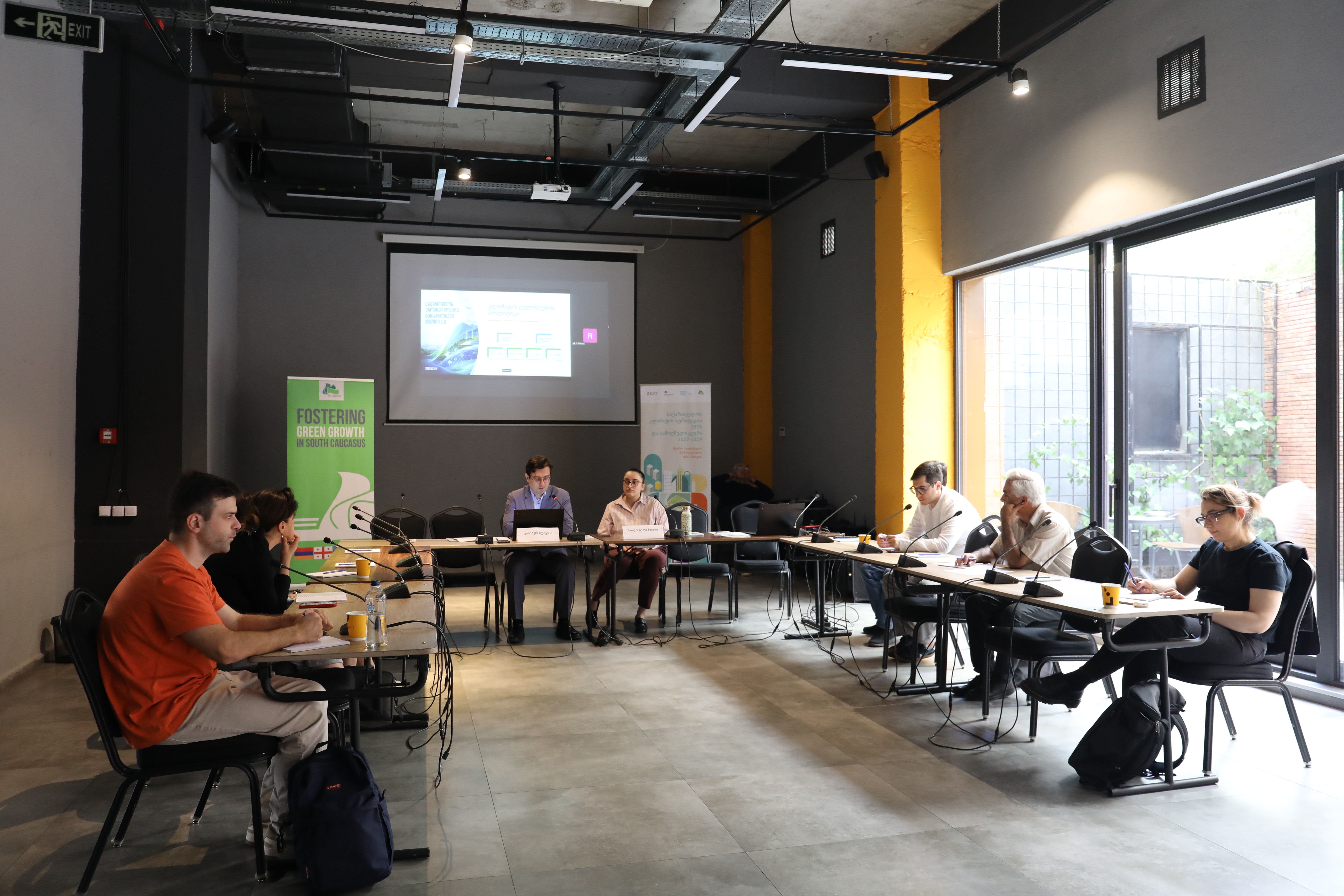
The project inception workshop was held on 22 September 2026 at Gelati Residence in Kutaisi, bringing together representatives of government institutions, local municipalities, international organisations and other stakeholders involved in pastureland management.
Pasturelands are a vital natural resource for rural communities in western Georgia, supporting livestock farming and local livelihoods. However, in the project area, unsustainable grazing practices, climate change impacts, socioeconomic pressures and limited institutional capacity for pasture management have contributed to significant land degradation.
The region is also increasingly vulnerable to climate change, experiencing reduced rainfall, more frequent heat waves, limited water availability, increased wildfire risks, and the spread of parasites and invasive species affecting vegetation productivity.
The GRAZE project aims to avoid, reduce and reverse land degradation and mitigate the effects of drought in the drylands of western Georgia, contributing to the country's Land Degradation Neutrality (LDN) targets. The project will be implemented in the municipalities of Oni, Ambrolauri, Tsageri, Bagdati and Sachkhere.
Through the application of Nature-based Solutions (NbS), the project will directly restore at least 700 hectares of degraded pastureland and introduce improved sustainable management practices across a minimum of 20,000 hectares.
By combining policy development, capacity building, on-the-ground restoration and knowledge management, the project will support an enabling environment for LDN implementation at the local level, strengthen community-based natural resource management, and contribute to improved rural livelihoods through sustainable value chain development.
The workshop was officially opened by Ms. Nino Chikovani, UNCCD National Focal Point for Georgia and Head of the Land Resources Protection Department of the Ministry of Environmental Protection and Agriculture of Georgia.
Participants were welcomed by Mr. Johan Robinson, Head of the Biodiversity and Land Degradation Unit at the United Nations Environment Programme (UNEP), who highlighted the importance of Georgia’s efforts to combat land degradation and the contribution the GRAZE project will make to these efforts.
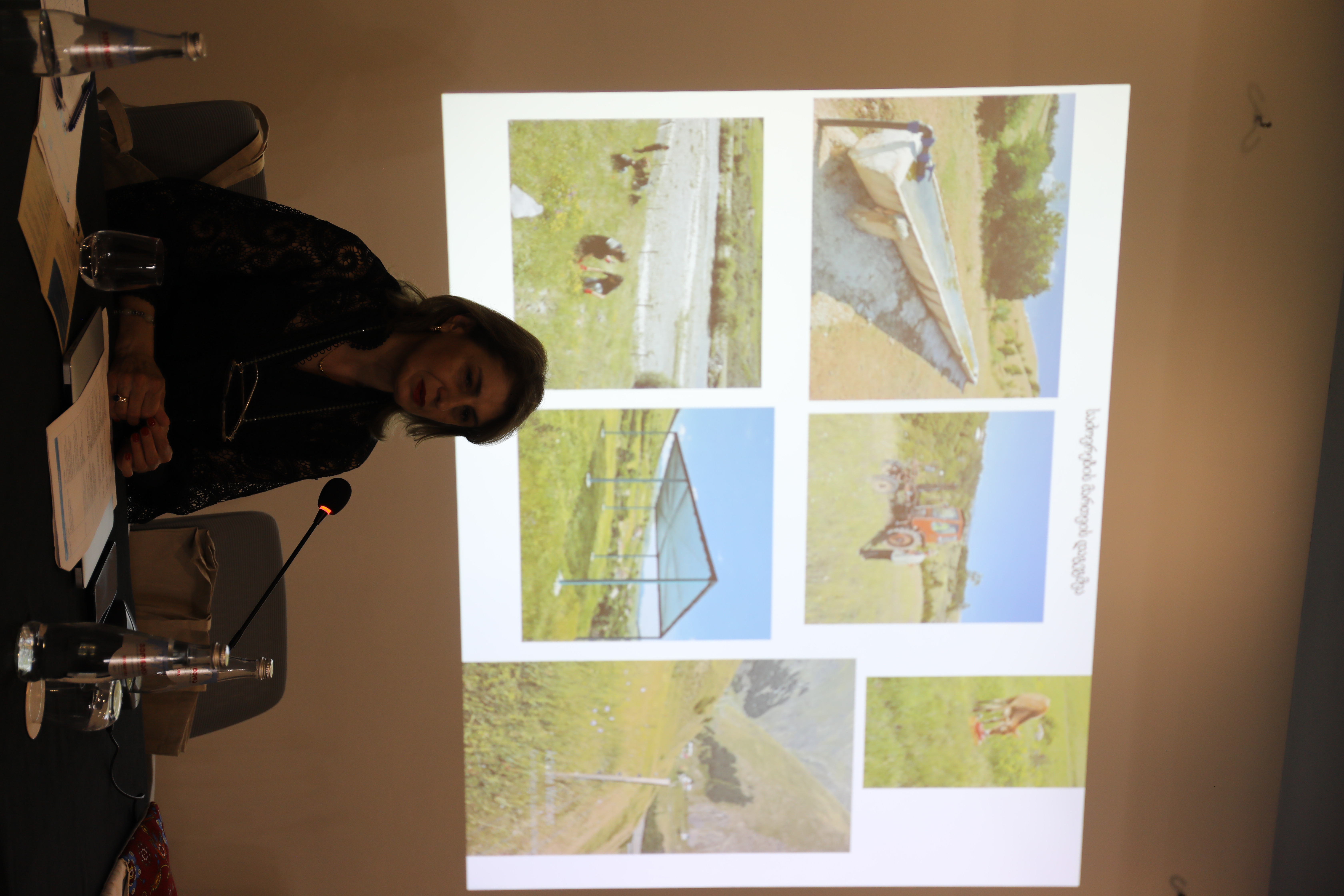
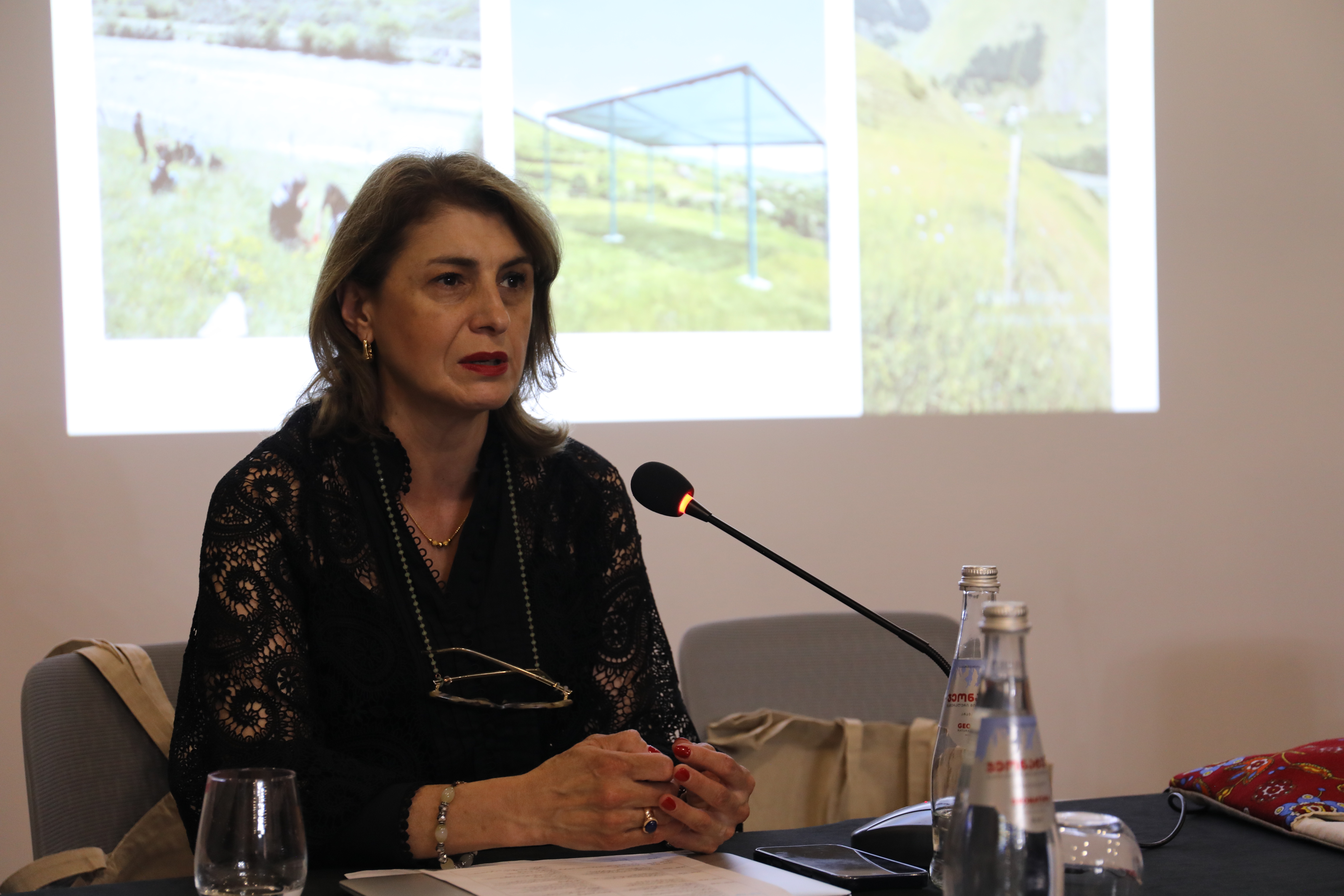
During the second part of the workshop, Sophiko Akhobadze, Project Director and Executive Director of REC Caucasus, presented the project background, implementation strategy, objectives and expected outcomes, as well as the approaches to partnership, stakeholder engagement, risk management and project sustainability.
The overall technical work plan, detailed 2026 work plan, Project Preparation Action Plan and Gender Action Plan were presented by Marika Kapanadze, Project Technical Advisor at REC Caucasus.
Ersin Esen, GEF Task Manager for Biodiversity and Land Degradation in Europe and West Asia at UNEP, outlined UNEP and GEF requirements for project implementation, monitoring and management. Ana Rukhadze, Sustainable Agriculture and Land Degradation Programme Manager at REC Caucasus, presented Georgia’s national pasture management policy and legislative framework.
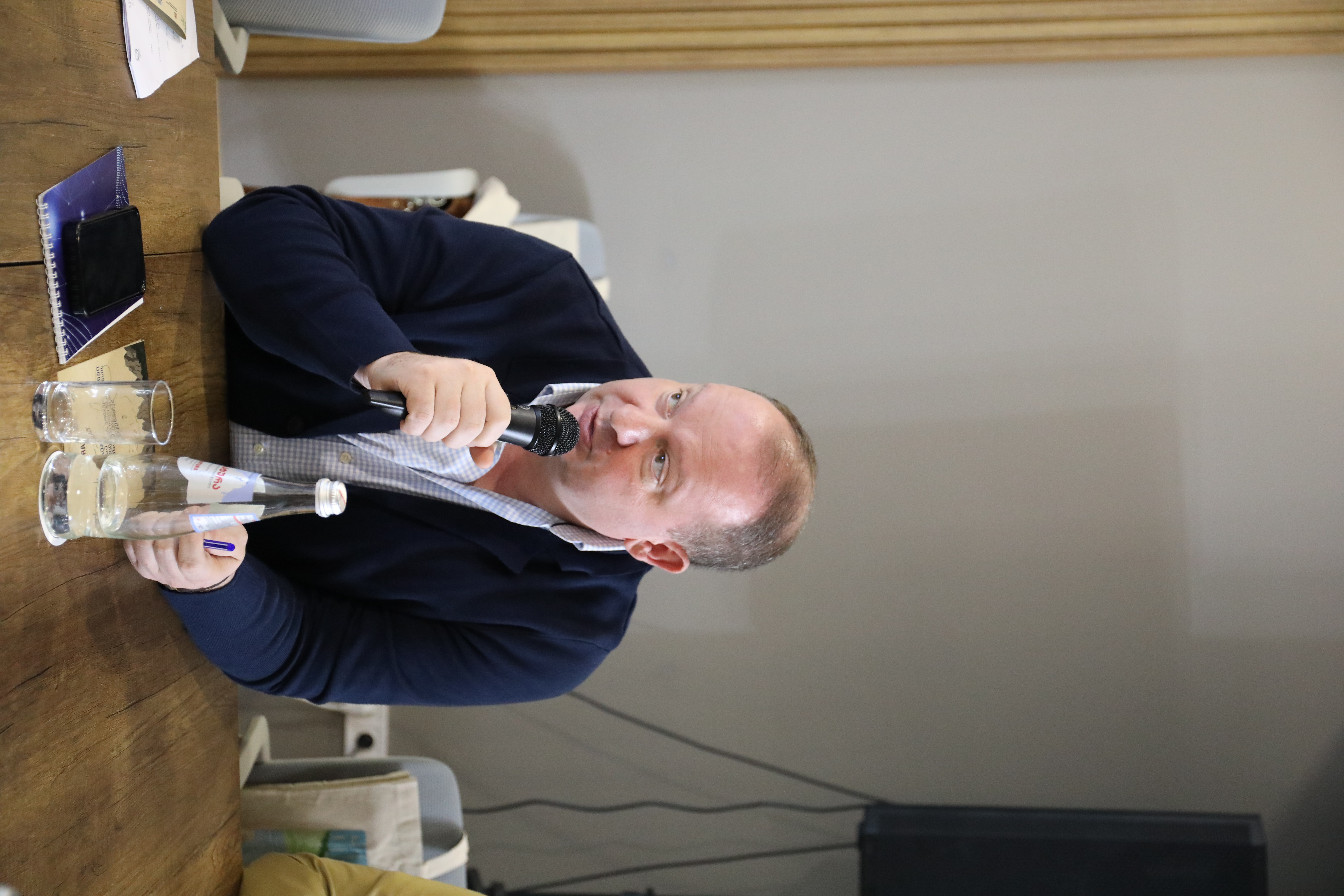
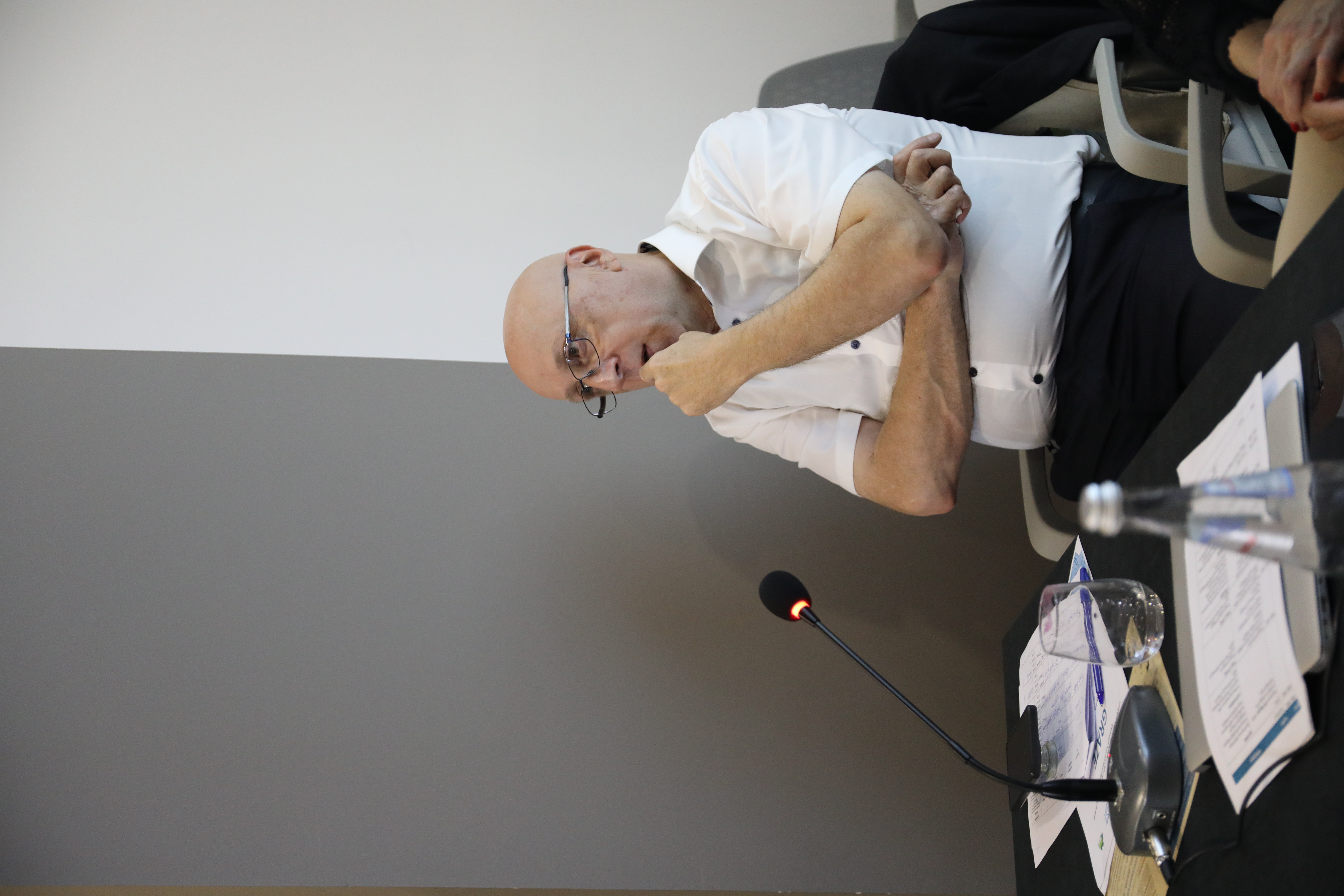
The workshop concluded with an open discussion, during which participants exchanged views on the project's direction, shared lessons learned and discussed key challenges and next steps for coordinated implementation.
The GRAZE project is initiated by the Ministry of Environmental Protection and Agriculture of Georgia, funded by the Global Environment Facility (GEF), implemented by the United Nations Environment Programme (UNEP), with the Regional Environmental Centre for the Caucasus (REC Caucasus) serving as the executing partner.
The launch of GRAZE marks the beginning of a coordinated effort to restore the productivity and sustainability of pasturelands in western Georgia, contributing to the country's progress towards Land Degradation Neutrality while strengthening the resilience and well-being of local communities.