Closing Workshop Held in Kutaisi to Present Key Results of Low-Carbon Urban Development Project
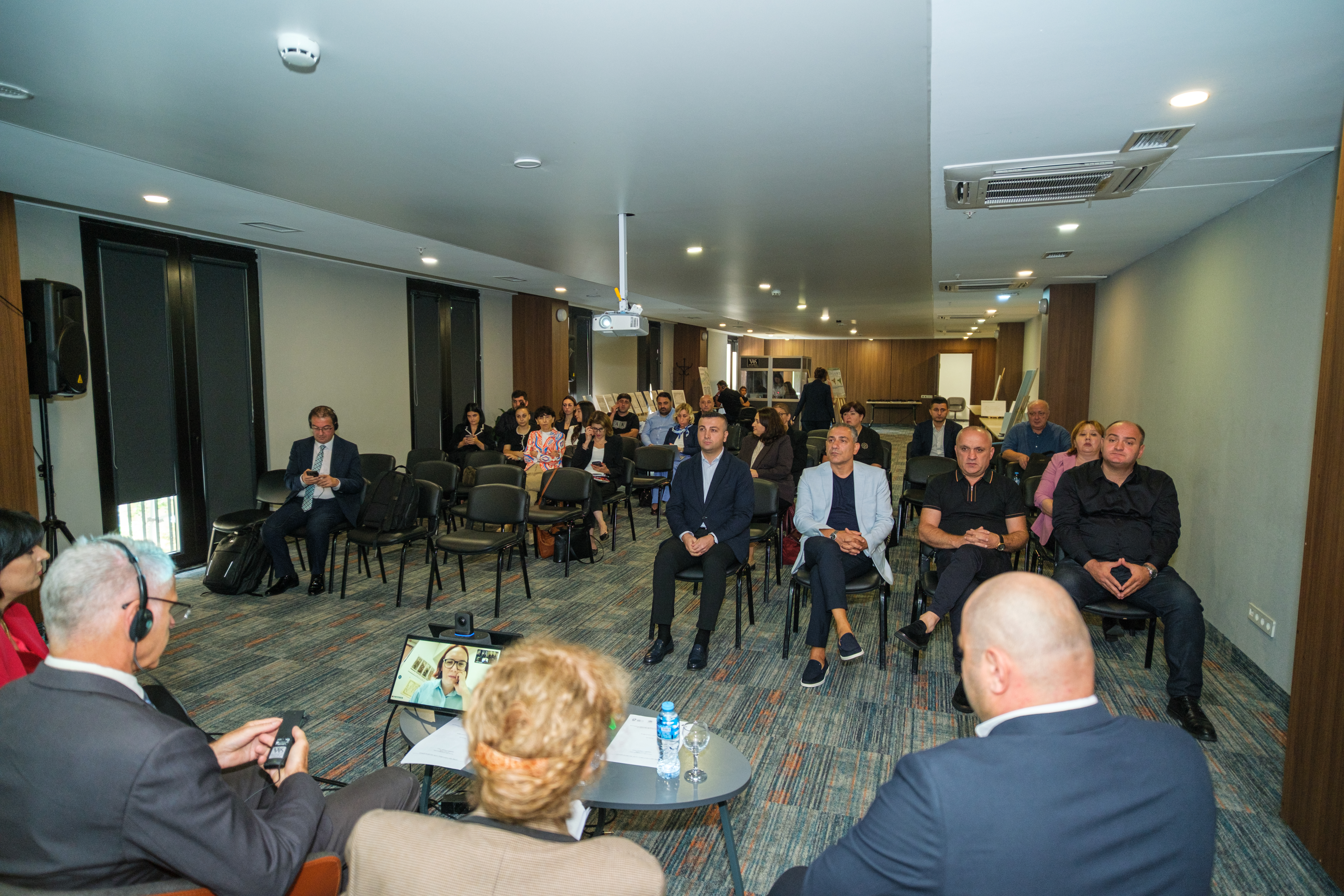
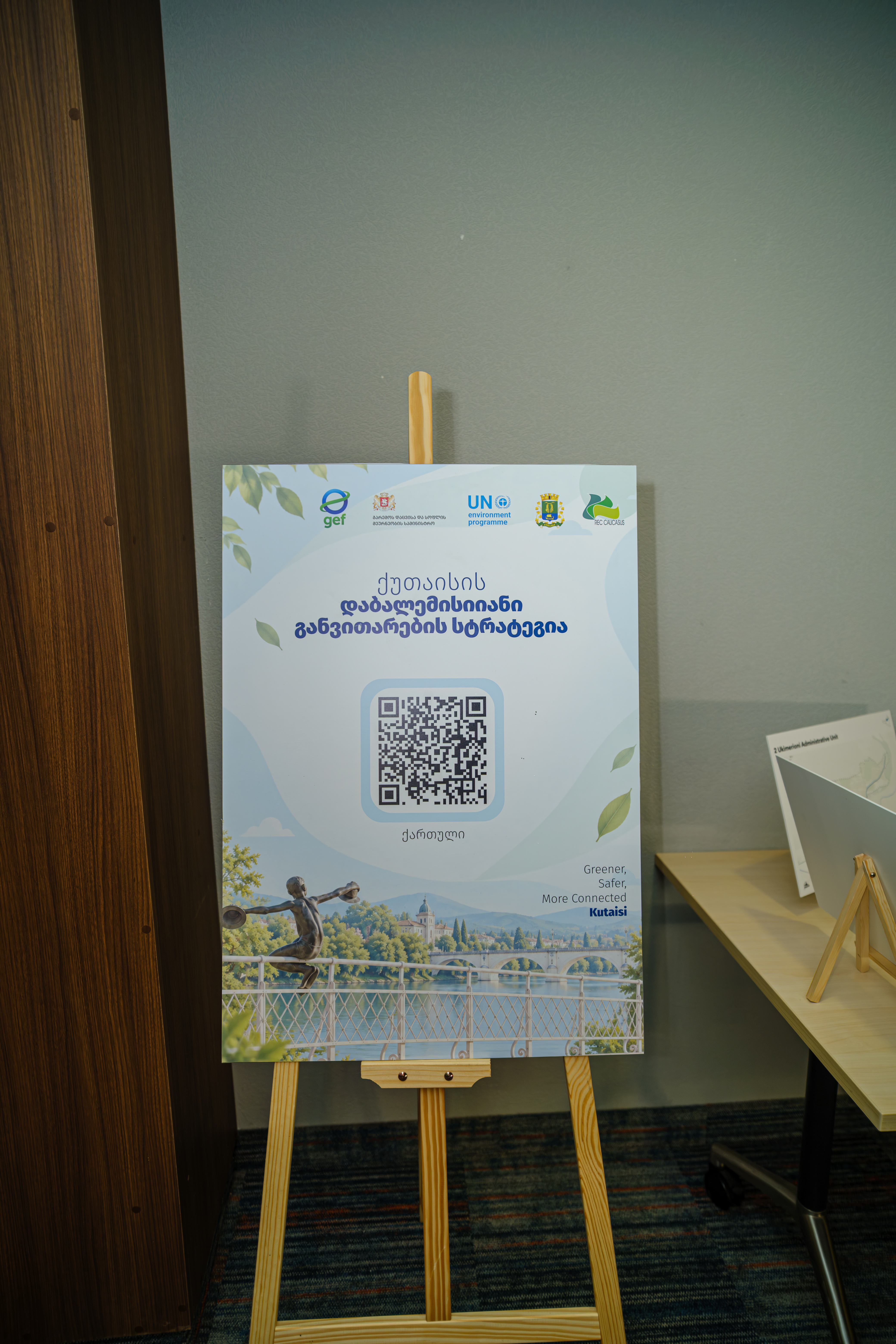
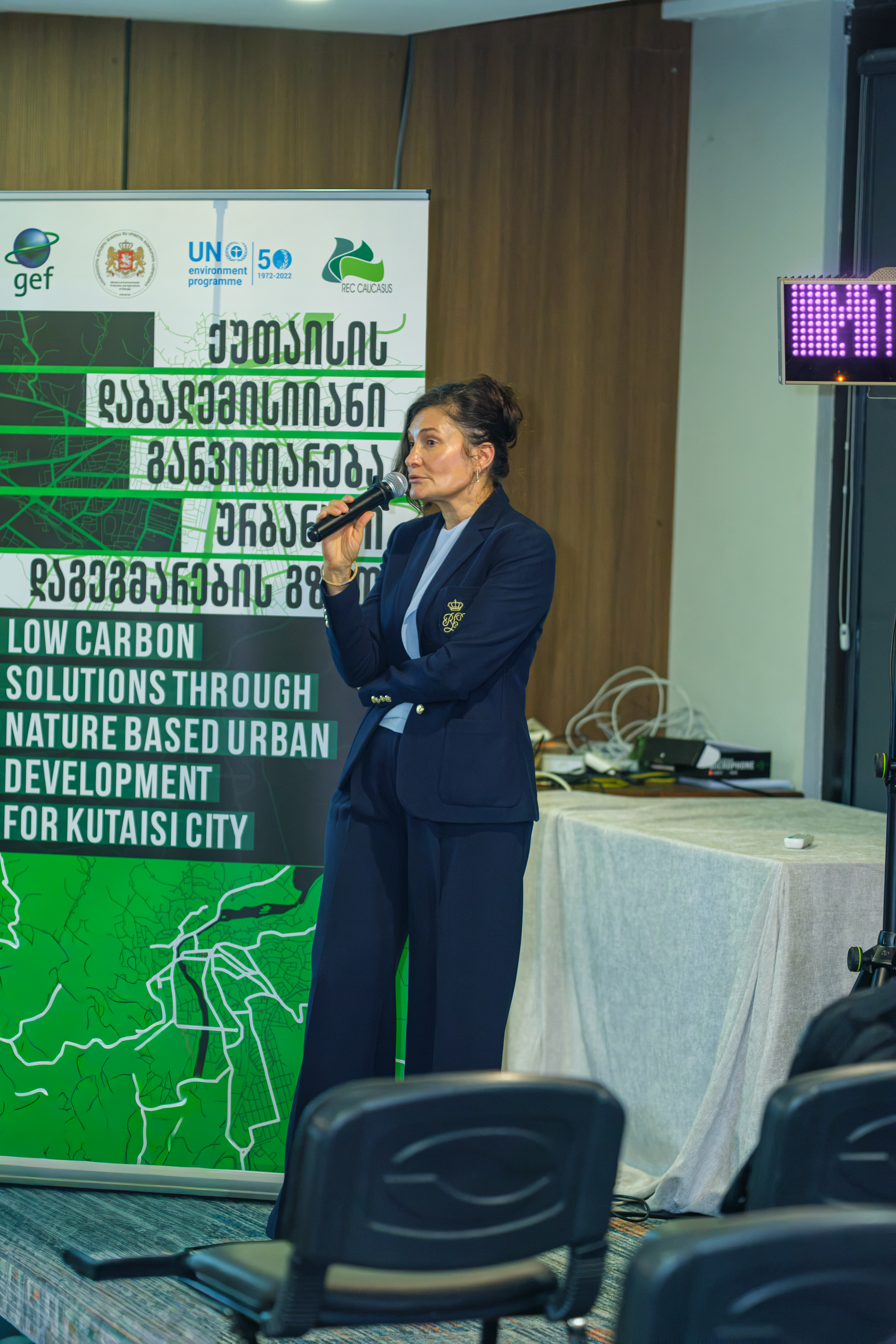
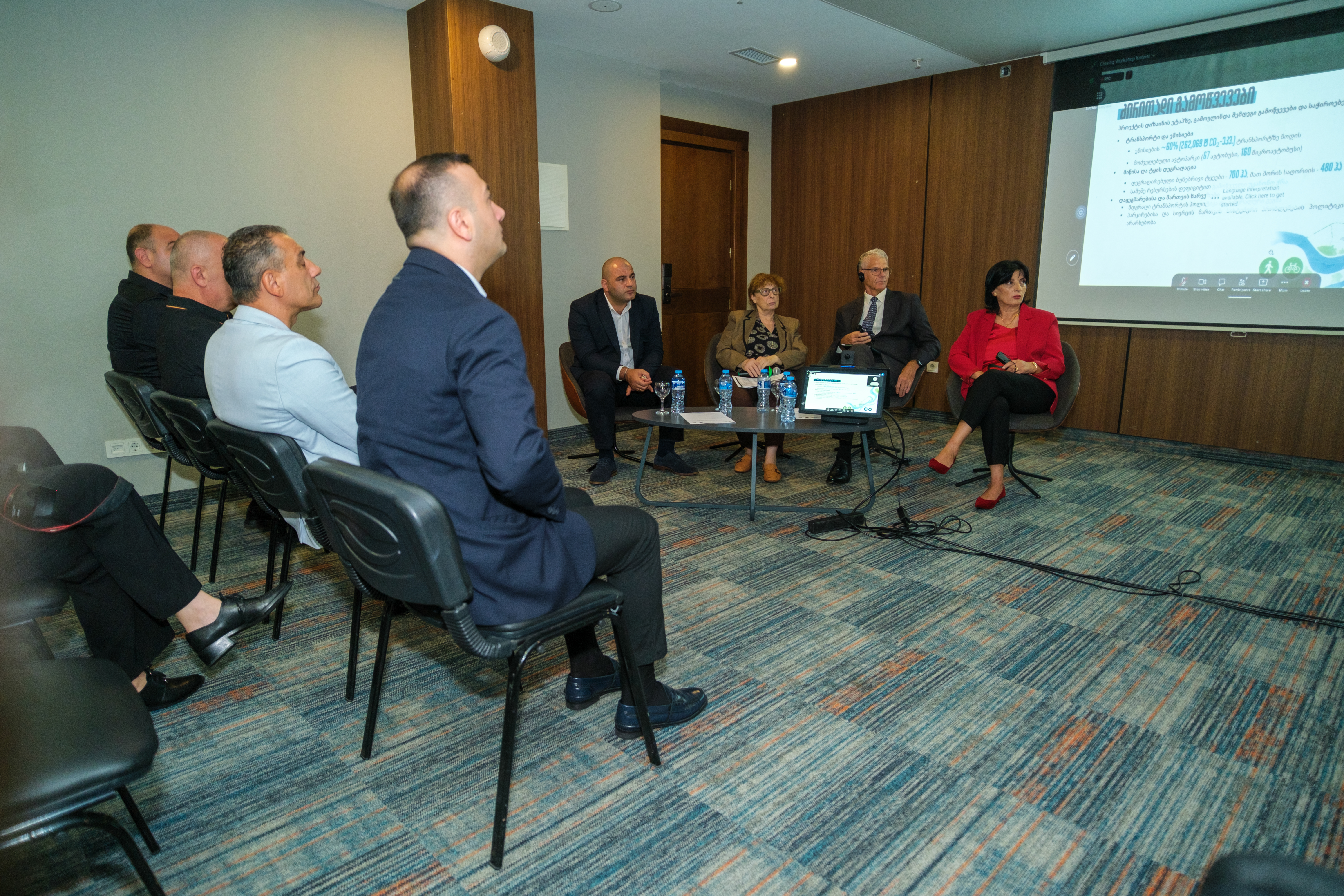
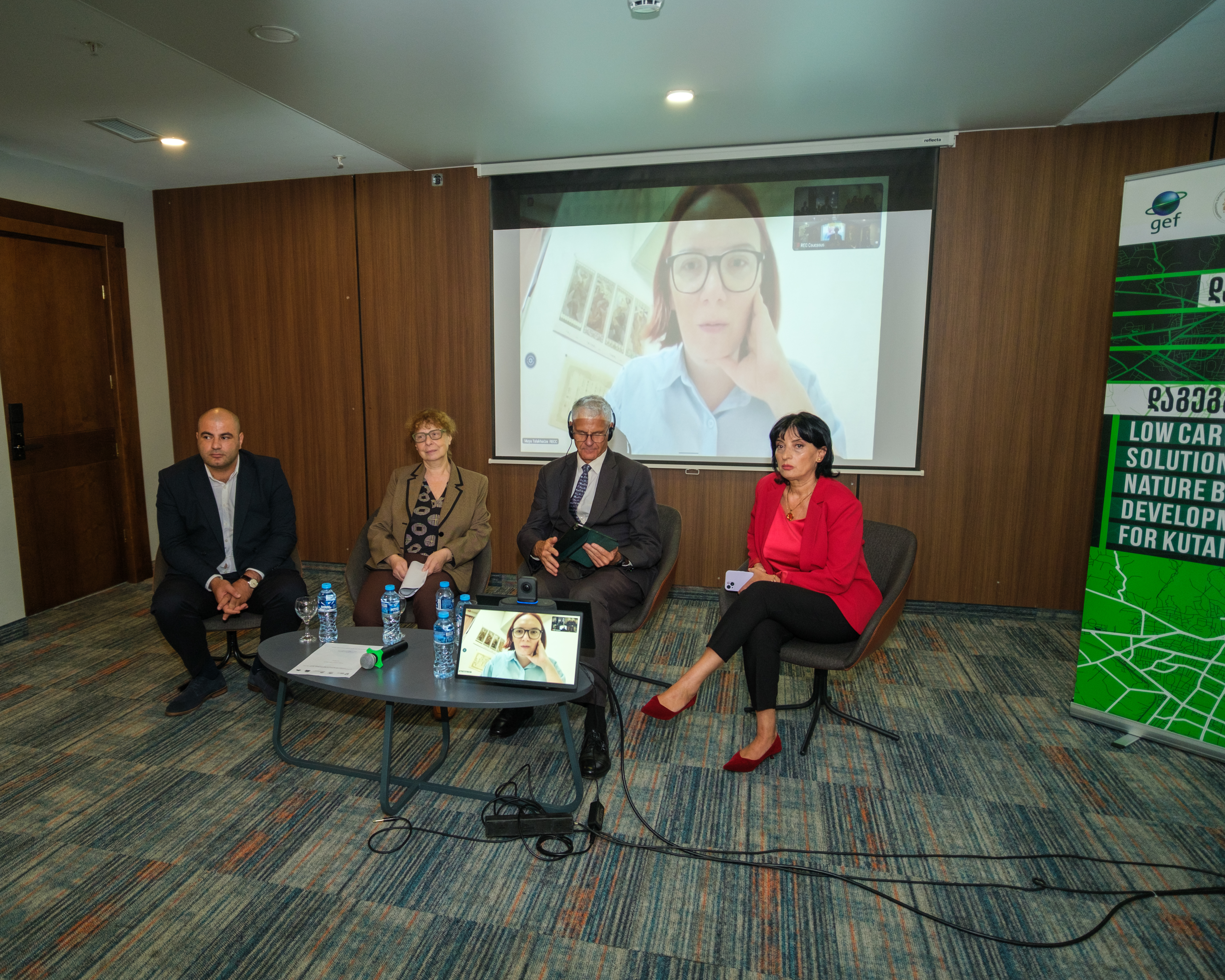
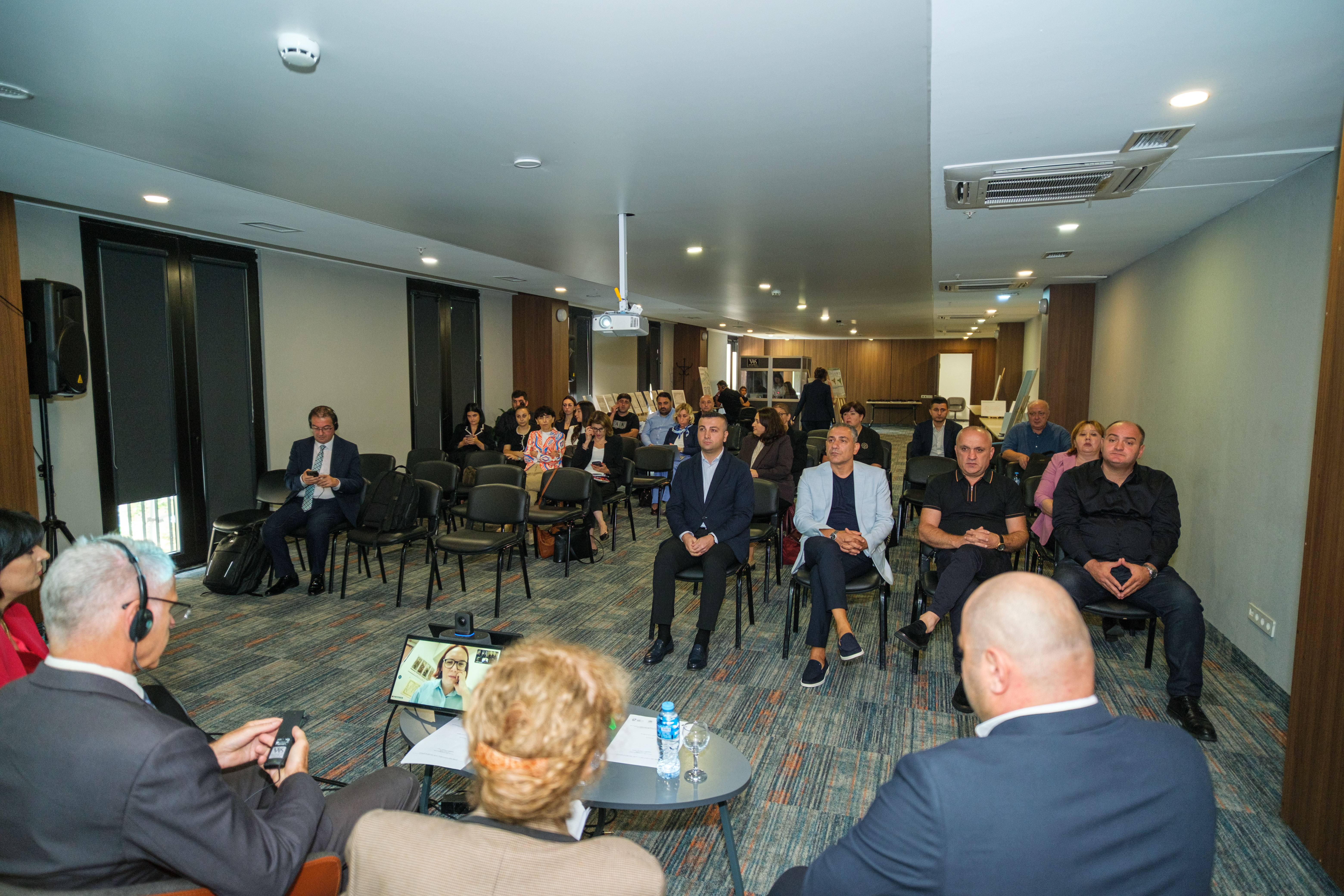
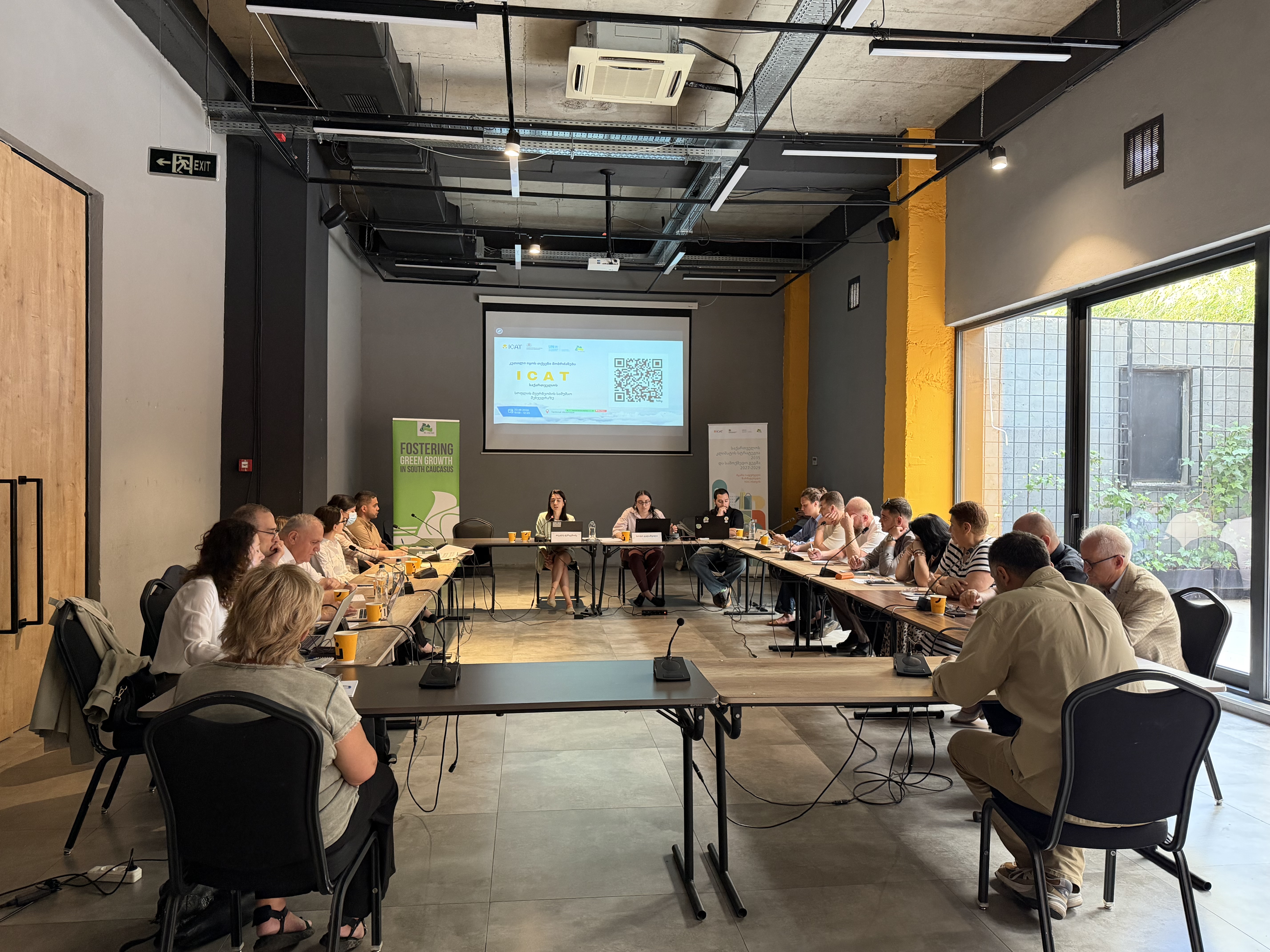
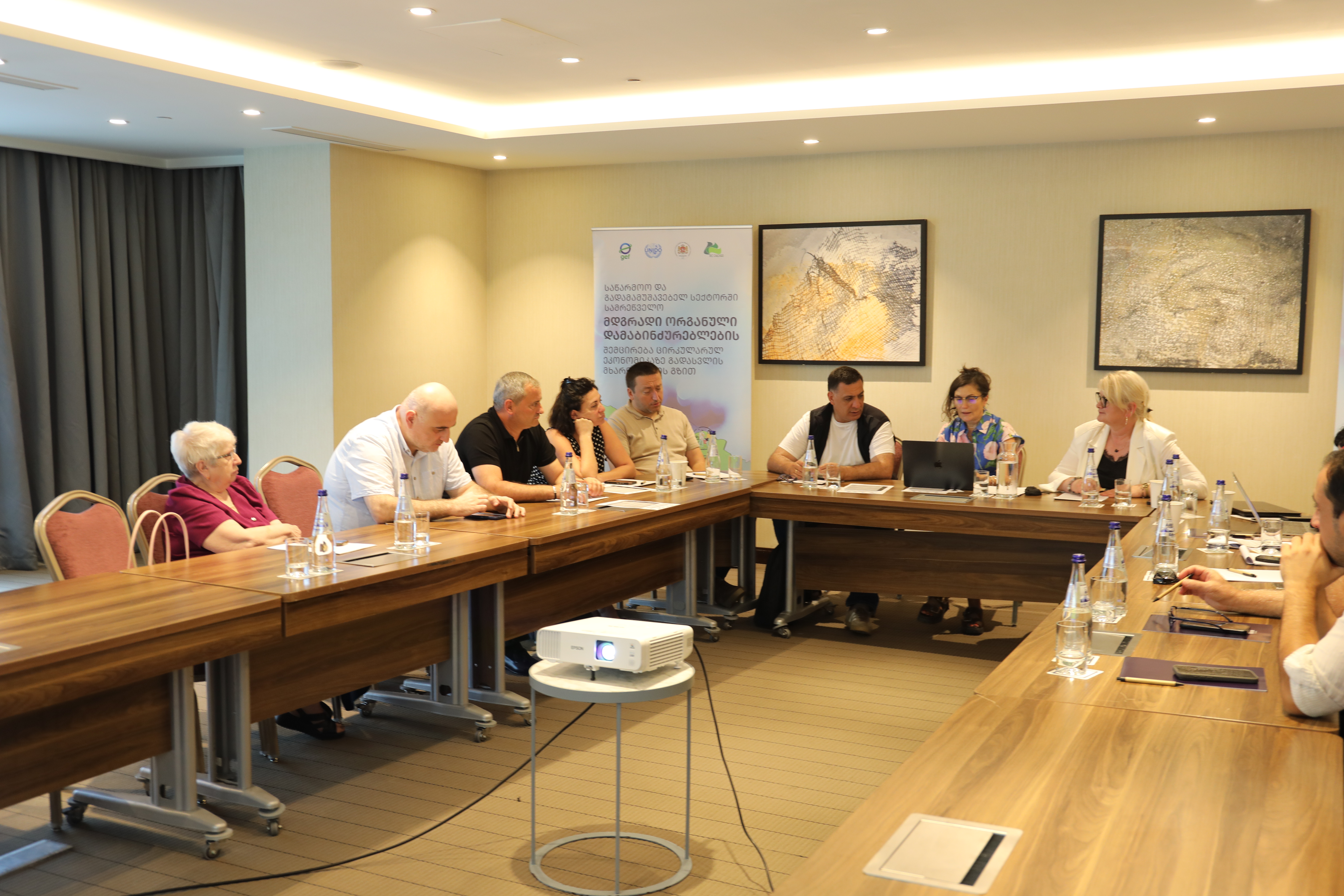
On 21 September 2026, the closing workshop of the GEF-funded project “Low Carbon Solutions through Nature-Based Urban Development for Kutaisi City” was held in Kutaisi. The workshop brought together representatives of local and national government institutions, international organisations, development partners and other stakeholders to review the project’s key achievements and discuss opportunities for sustaining and scaling up the results achieved in Kutaisi. The event took place at Kutaisi Inn.
The workshop provided an opportunity to reflect on the project’s implementation, highlight the outcomes of its activities and discuss how the approaches and solutions developed through the project can contribute to Kutaisi’s long-term sustainable urban development.
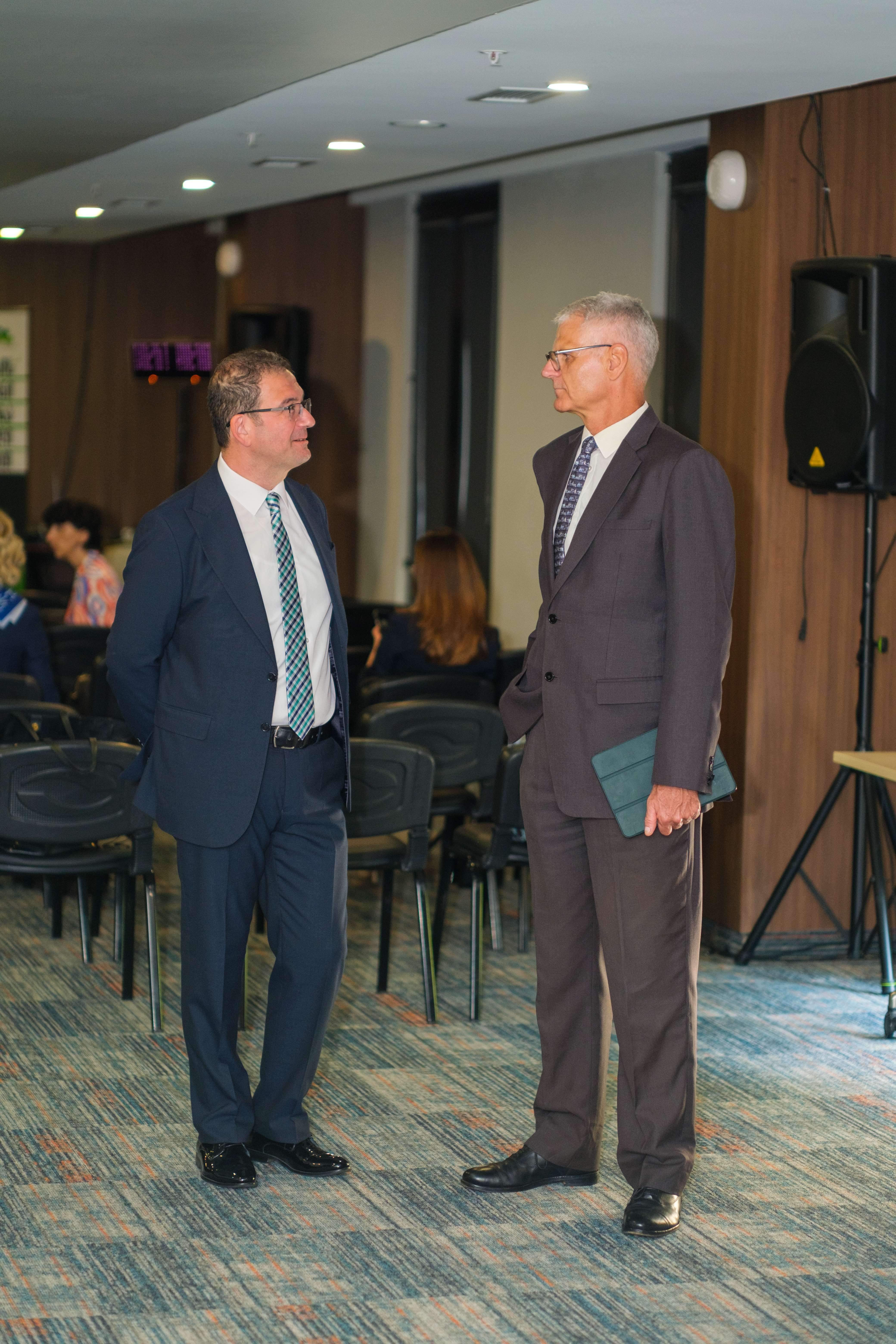
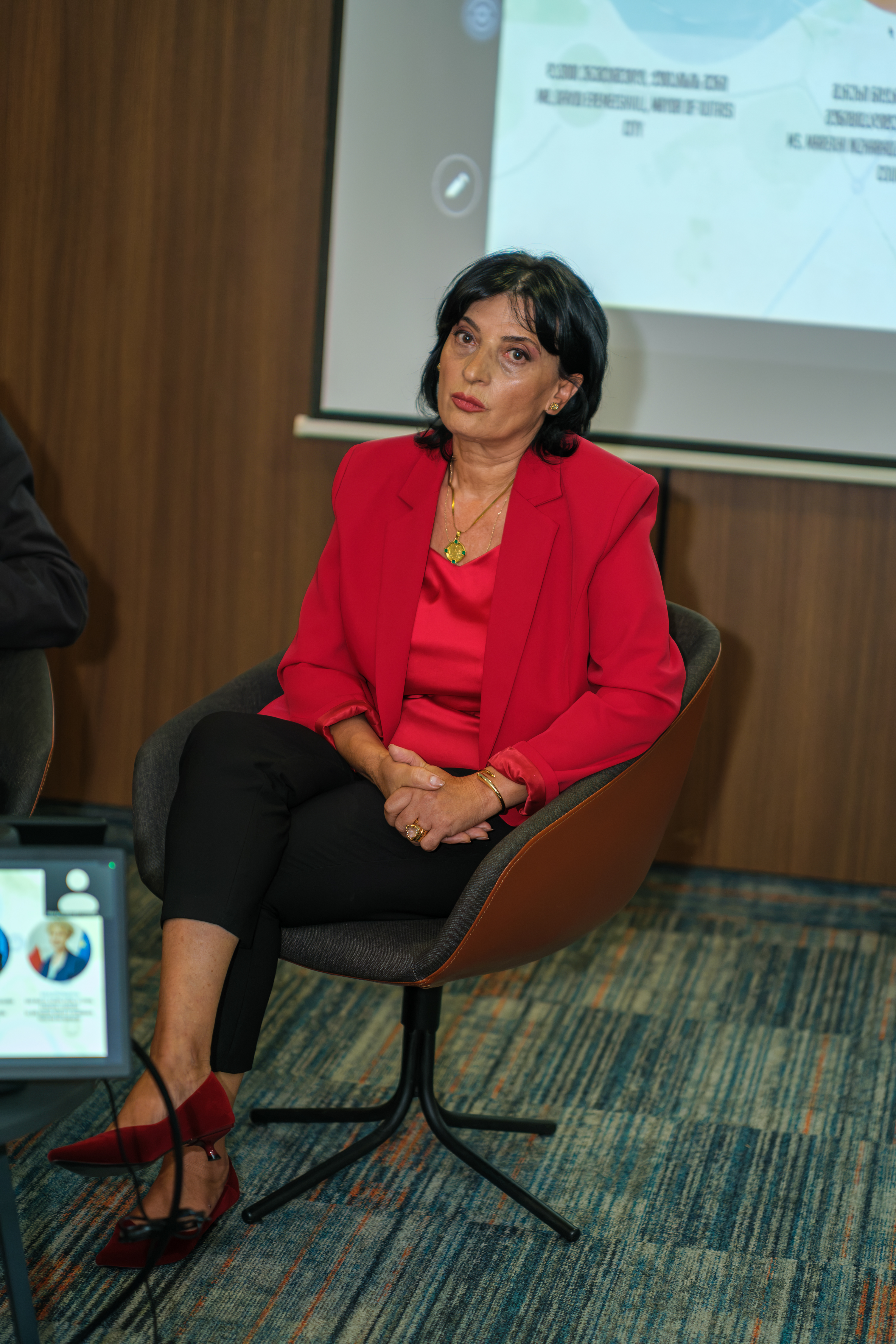
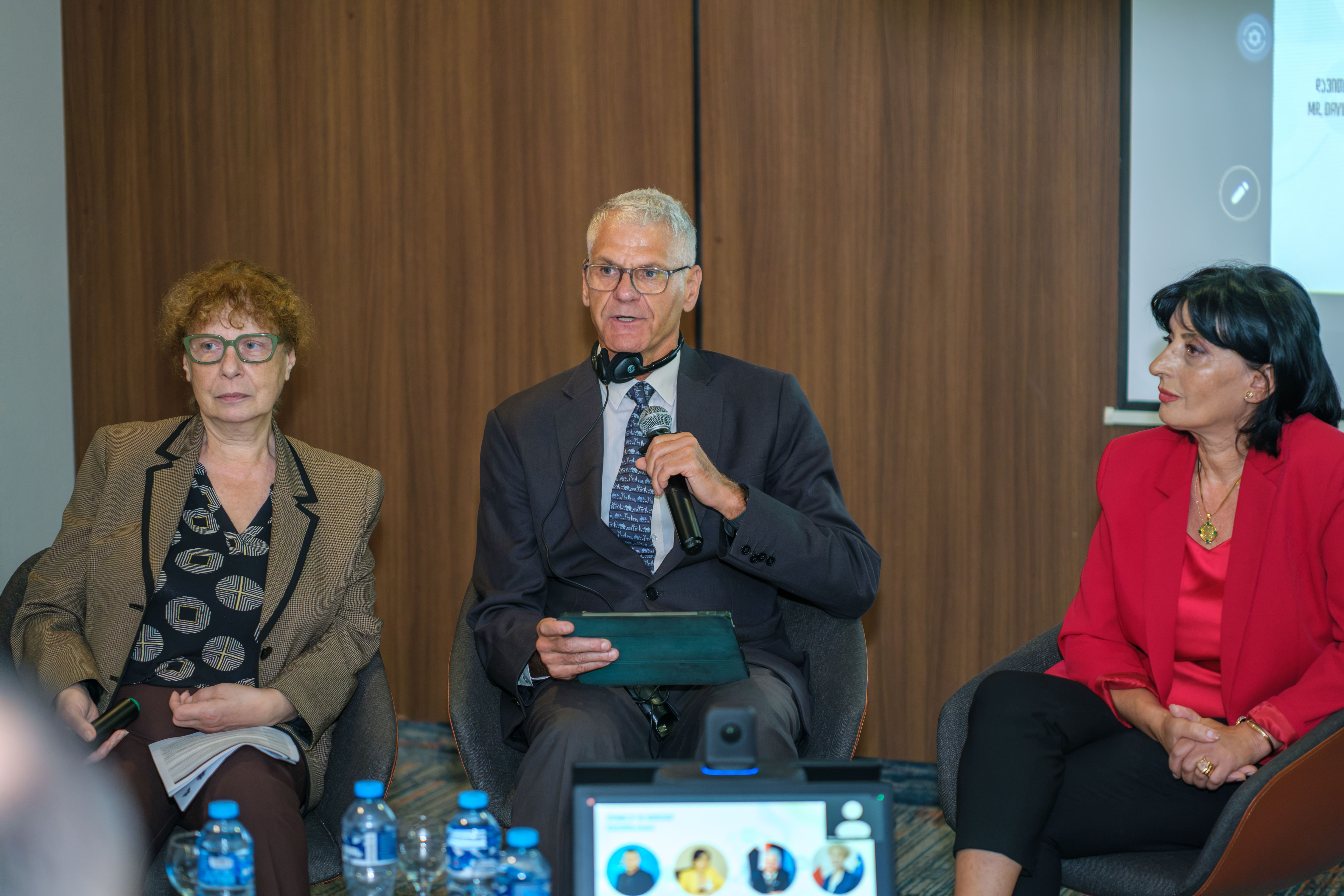
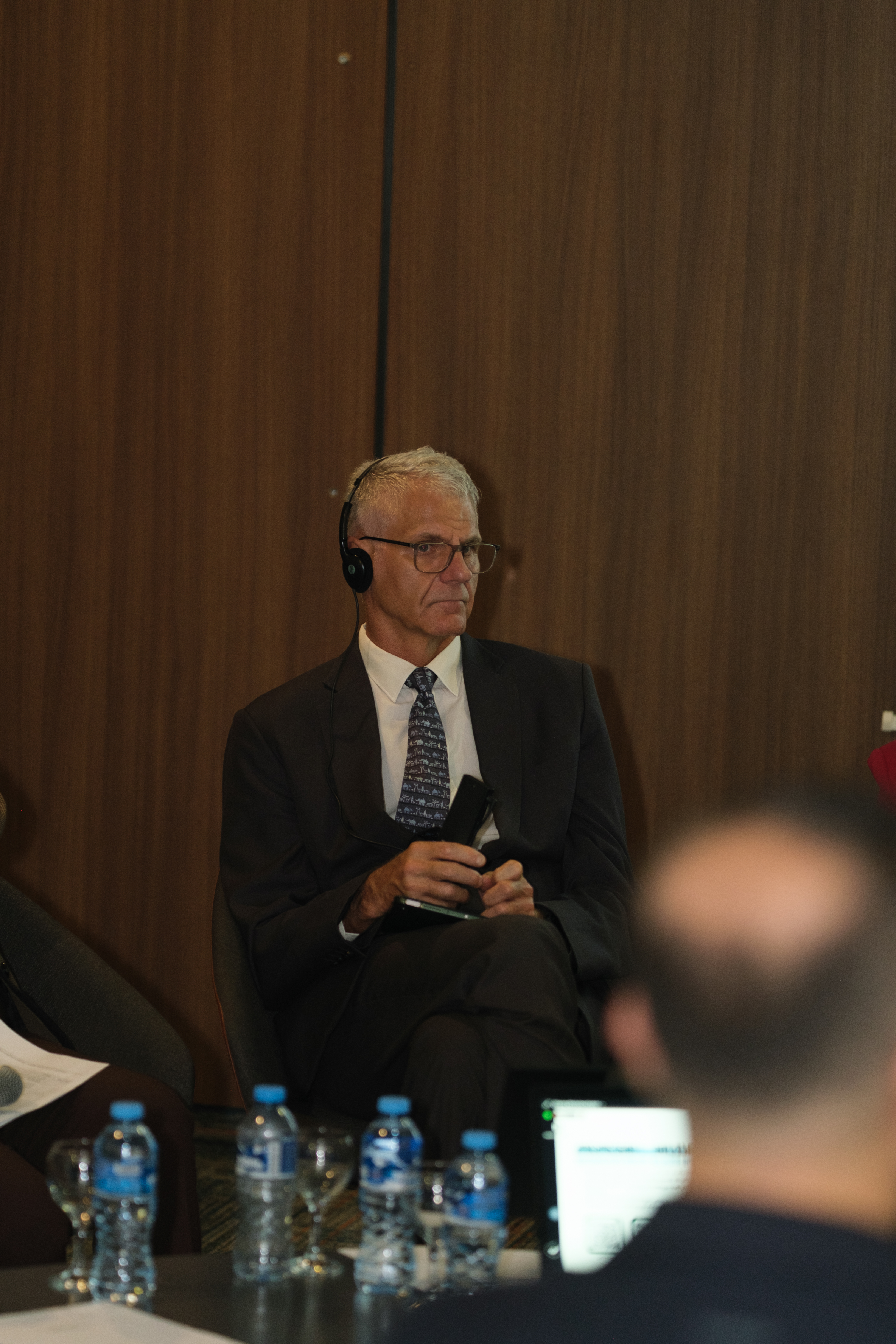
The event was opened by Marekhi Nizharadze, First Deputy Chairperson of the Kutaisi Municipality Council, Irakli Tskhvediani, Director of the Kutaisi Transport Company, and Johan Robinson, Head of the GEF Biodiversity and Land Degradation Unit at the United Nations Environment Programme (UNEP). The opening session was moderated by Nino Tkhilava, Co-Chair of the Project Steering Committee and Head of the Department of Environment and Climate Change at the Ministry of Environmental Protection and Agriculture of Georgia.
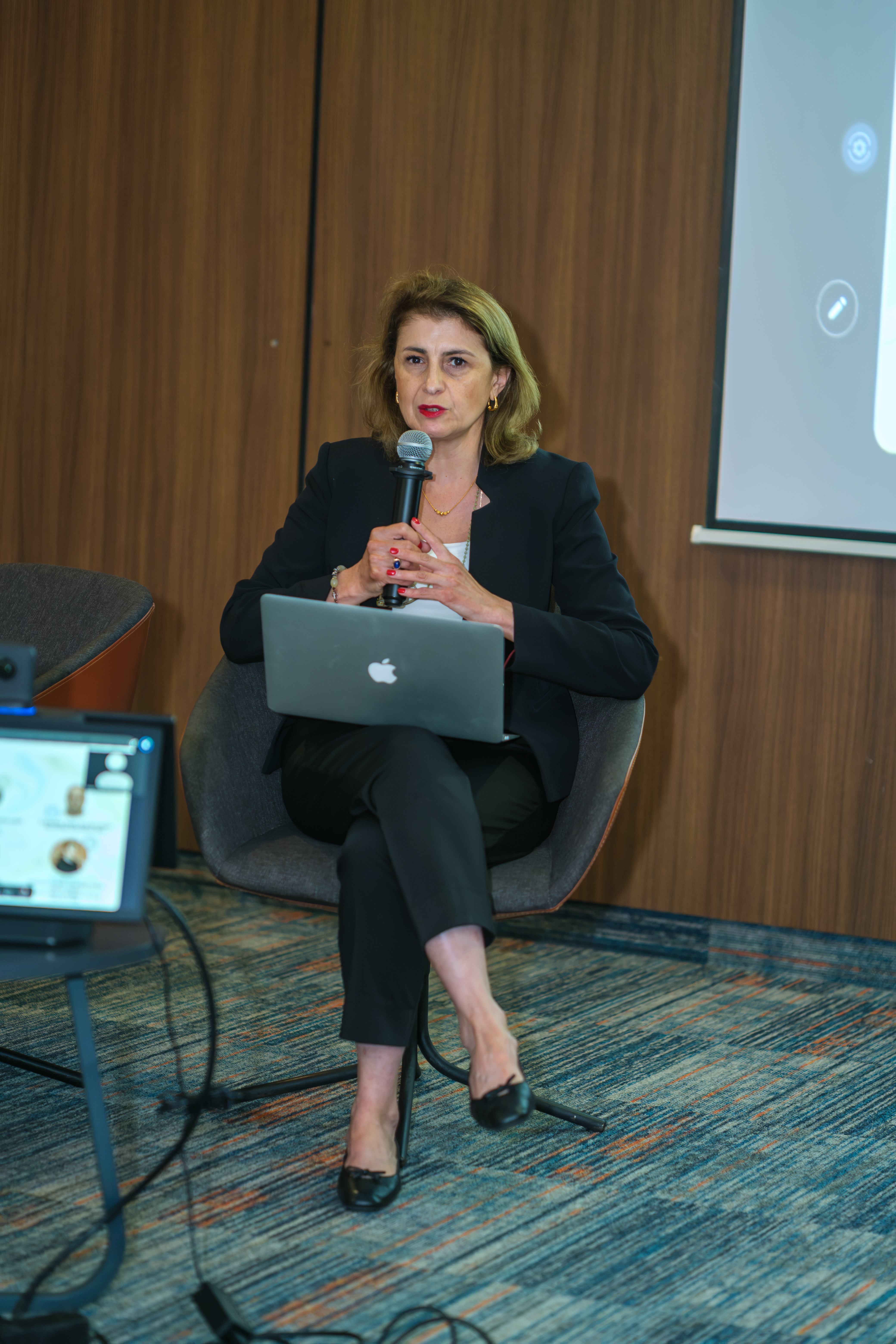
The project overview was presented by Sophiko Akhobadze, Executive Director of REC Caucasus, who outlined the project’s objectives, implementation approach, results and key achievements.
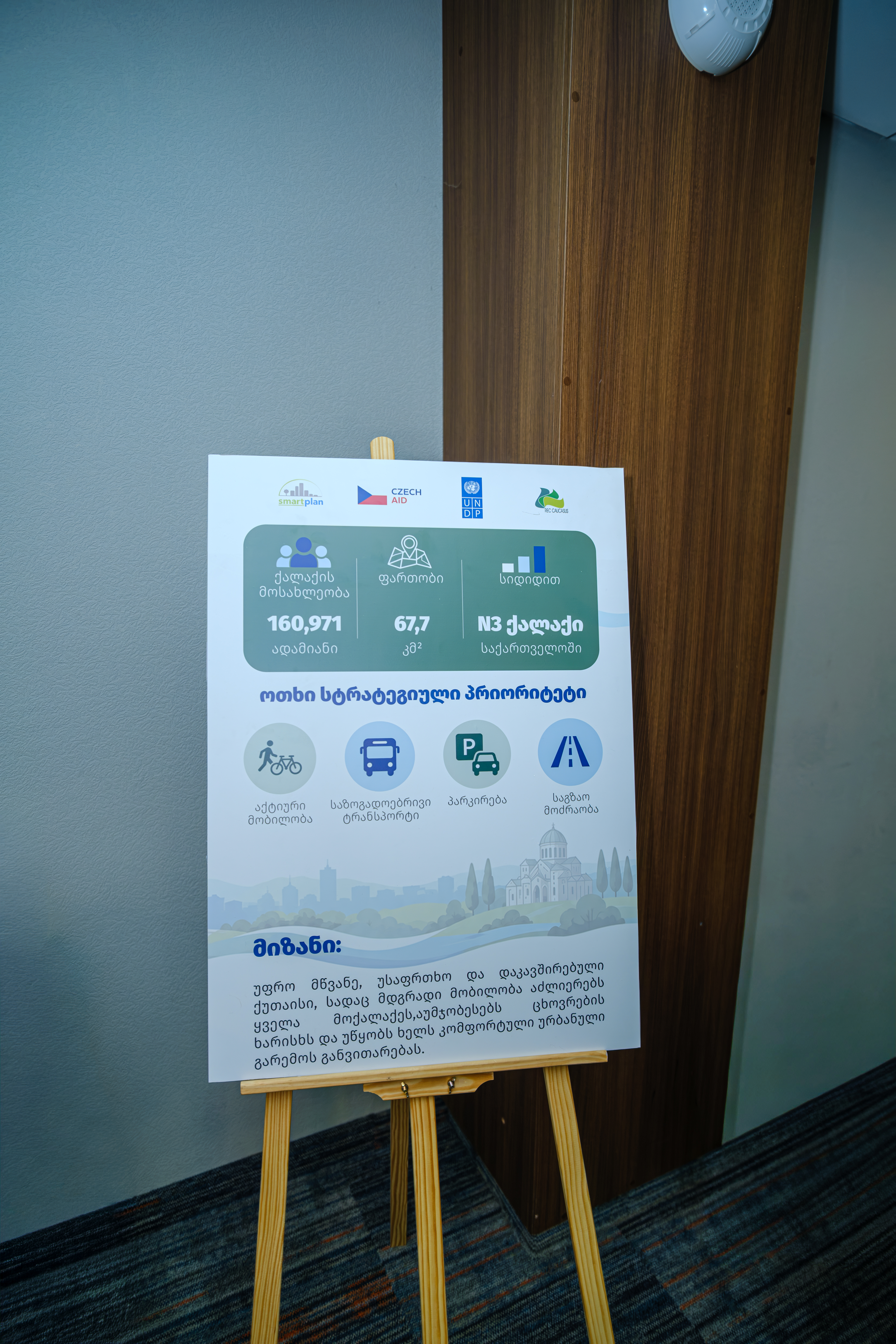
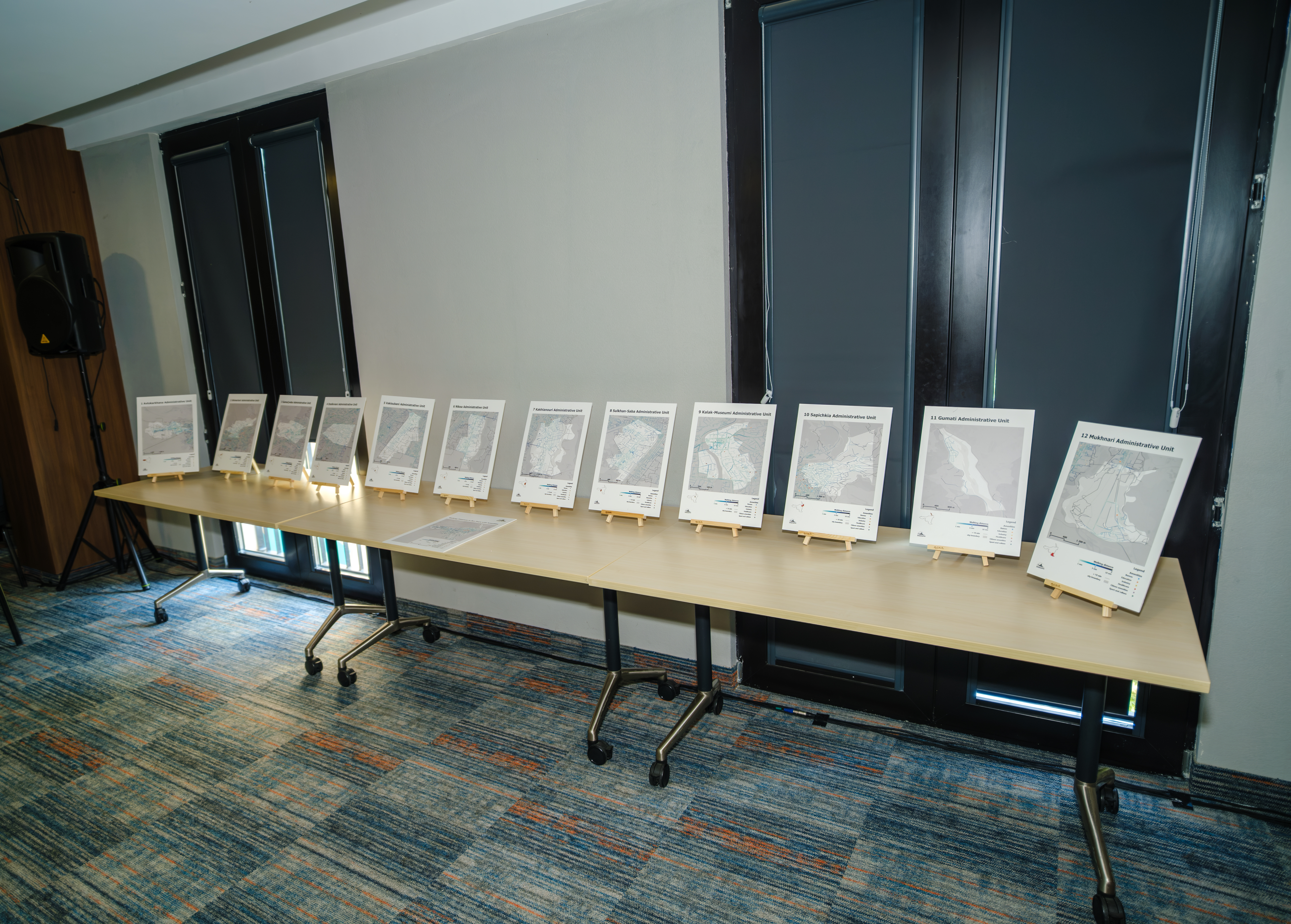
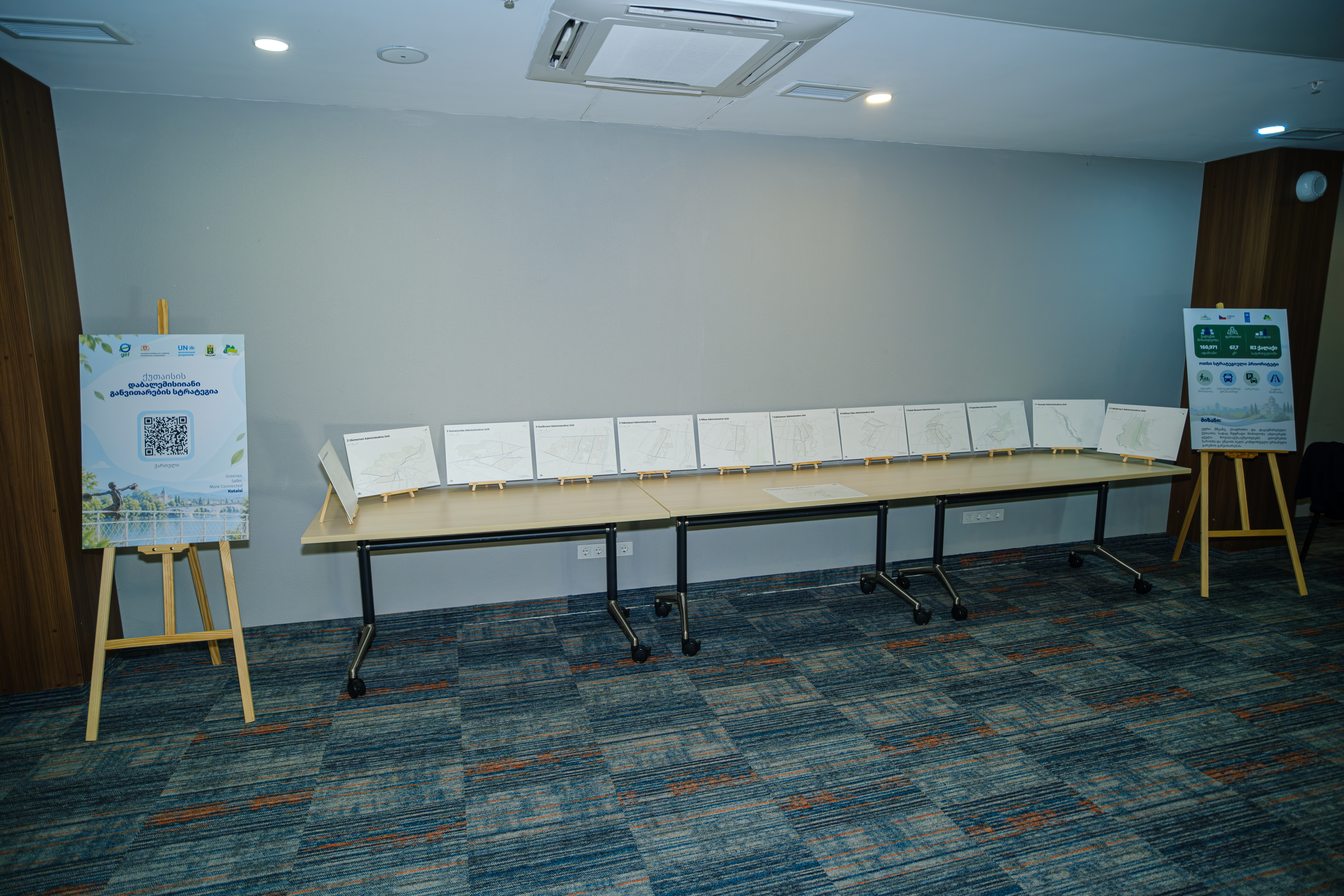
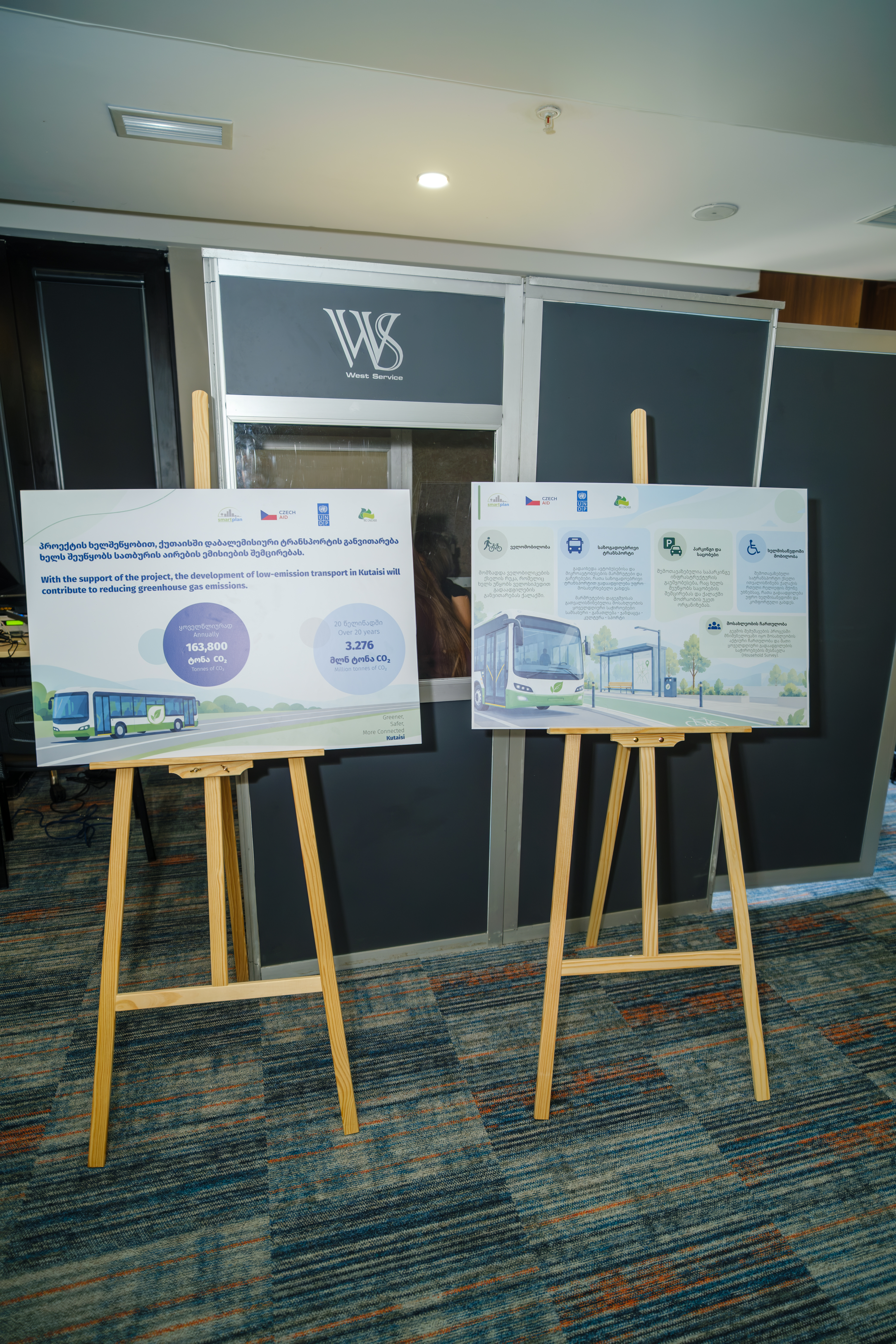
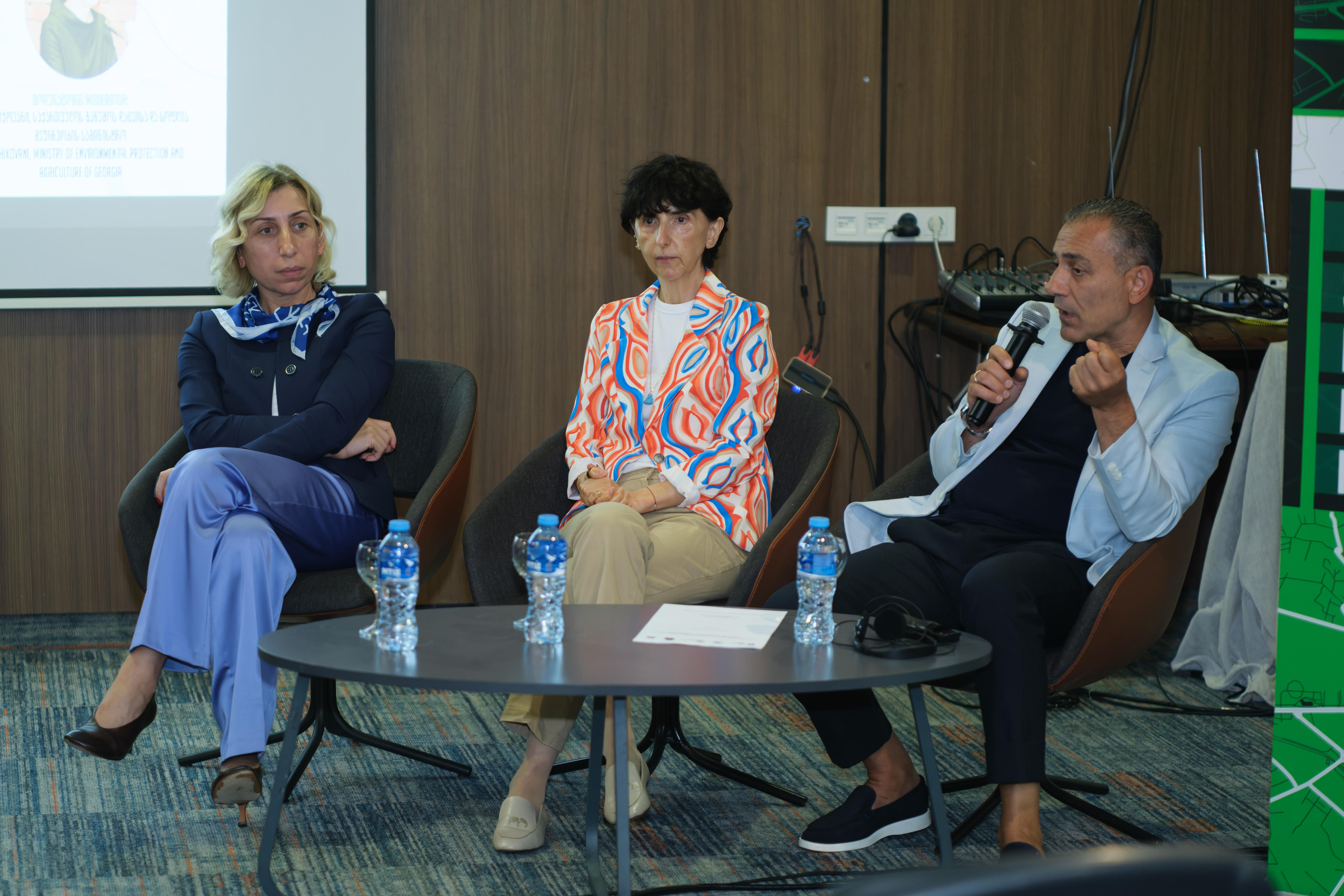
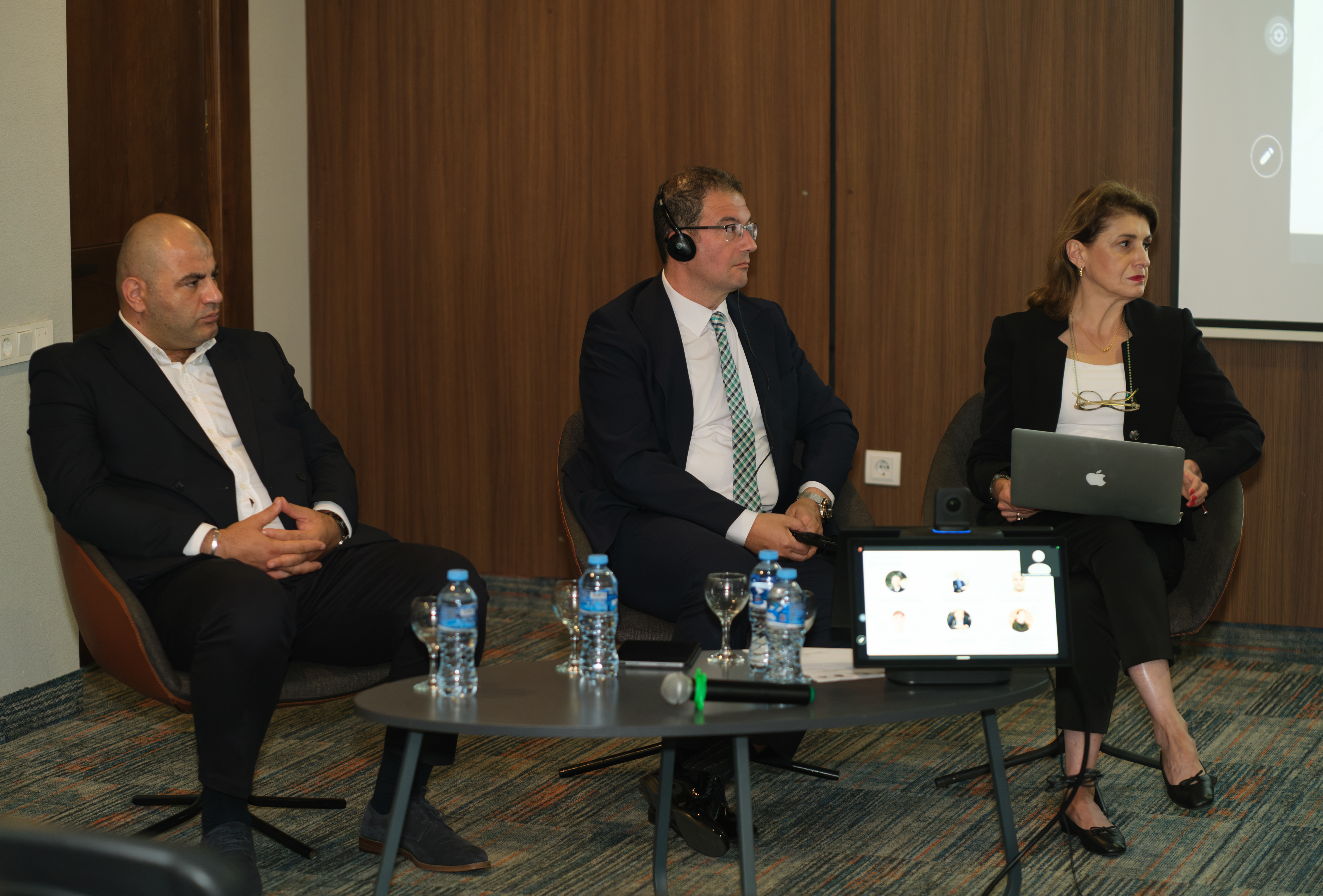
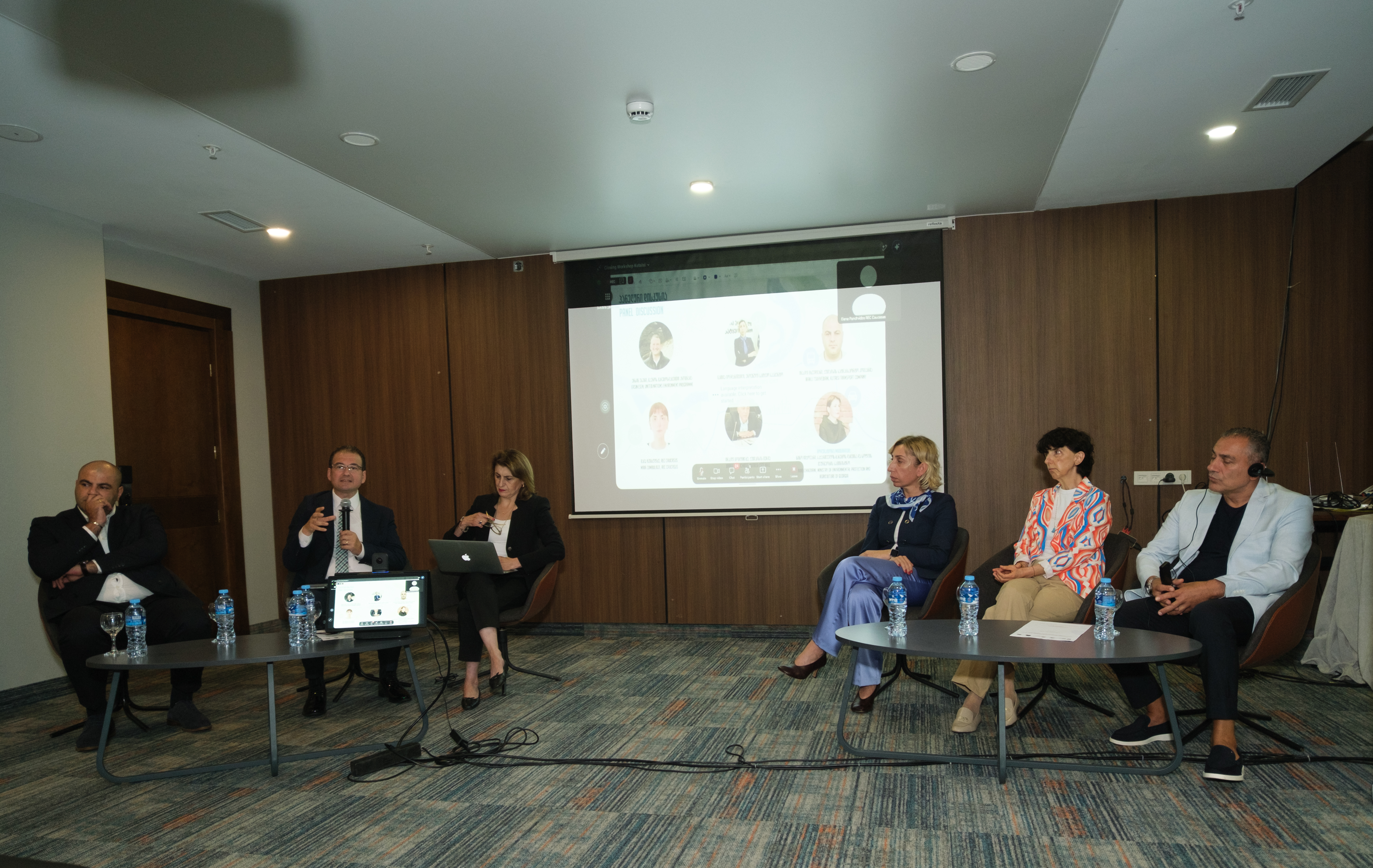
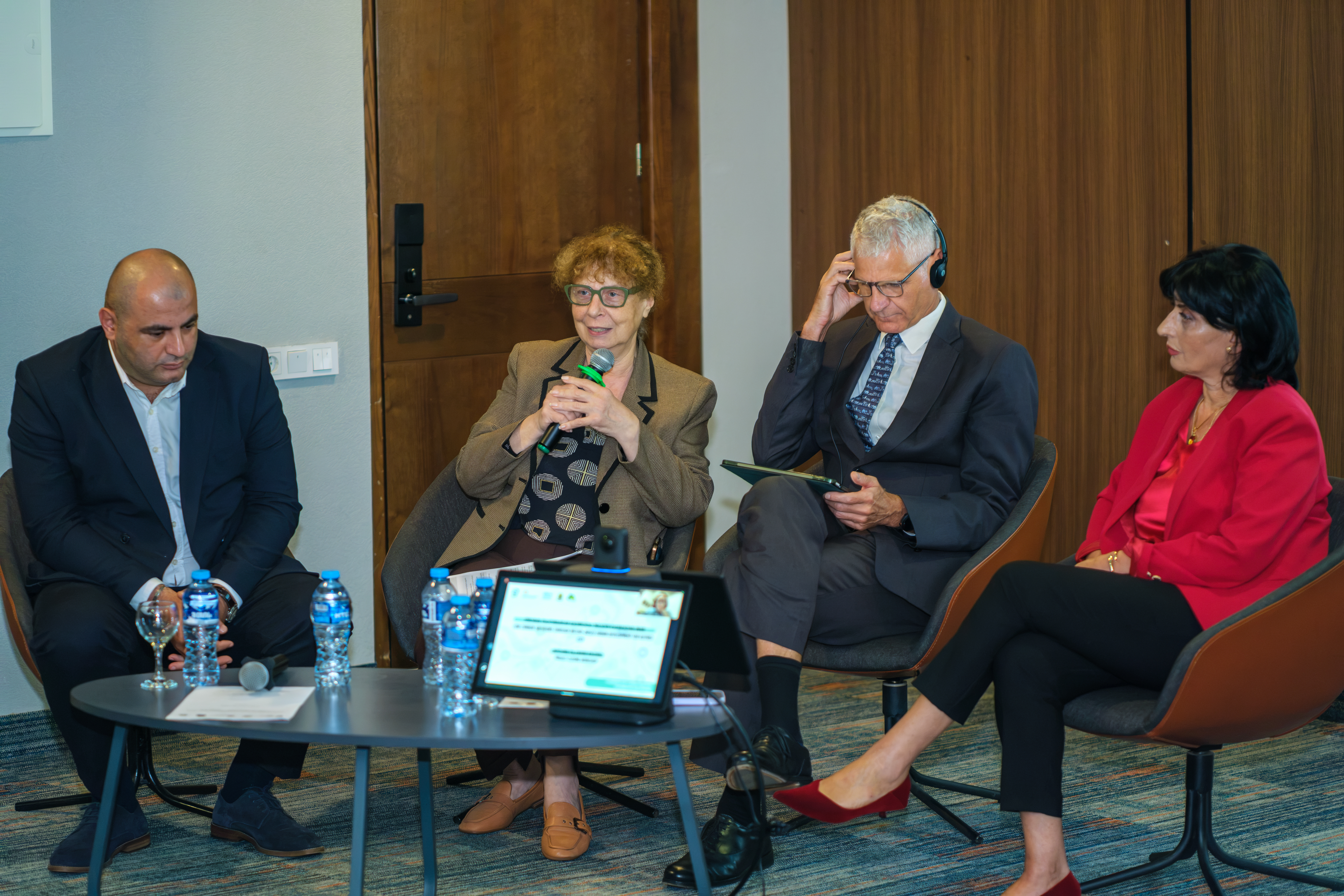
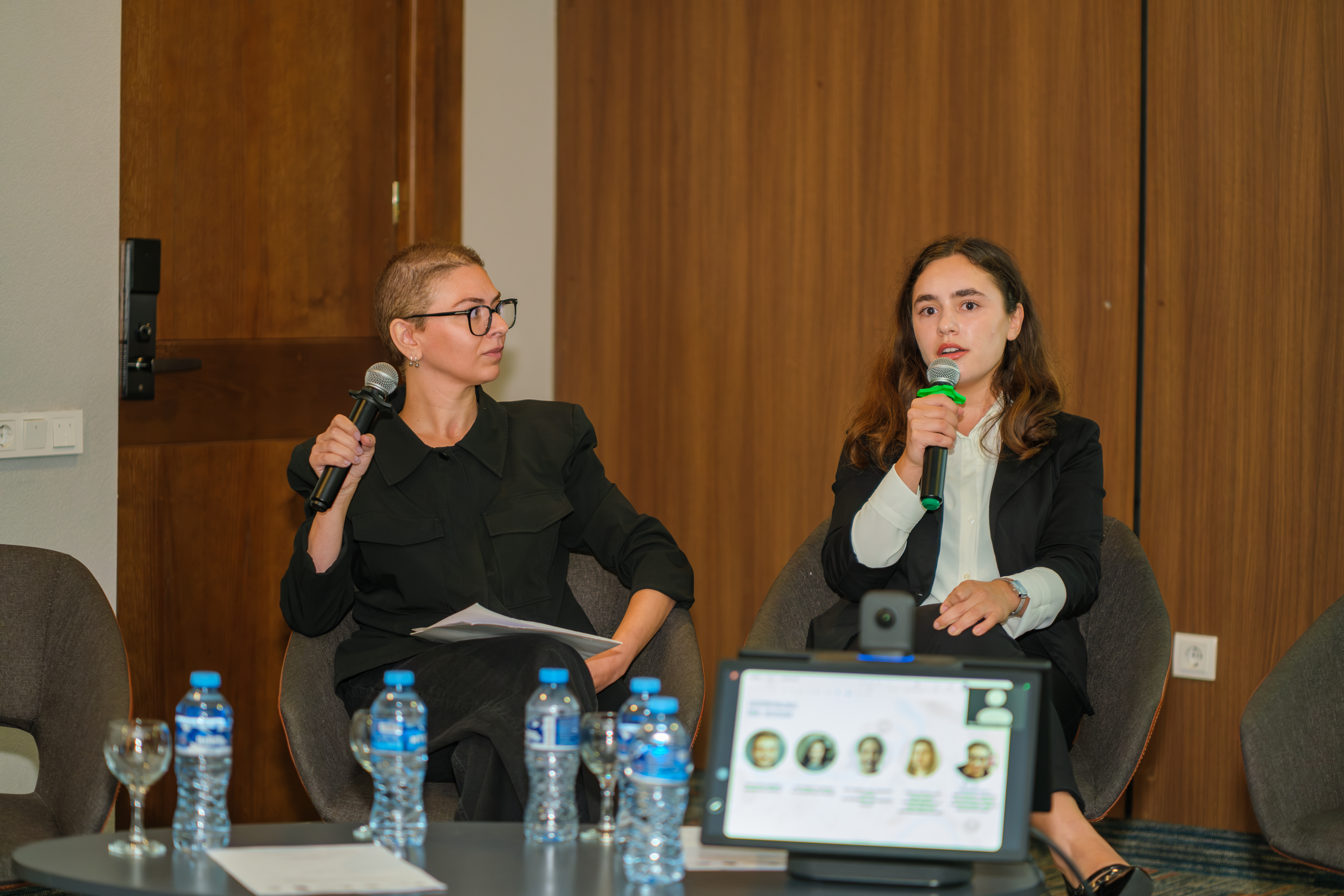
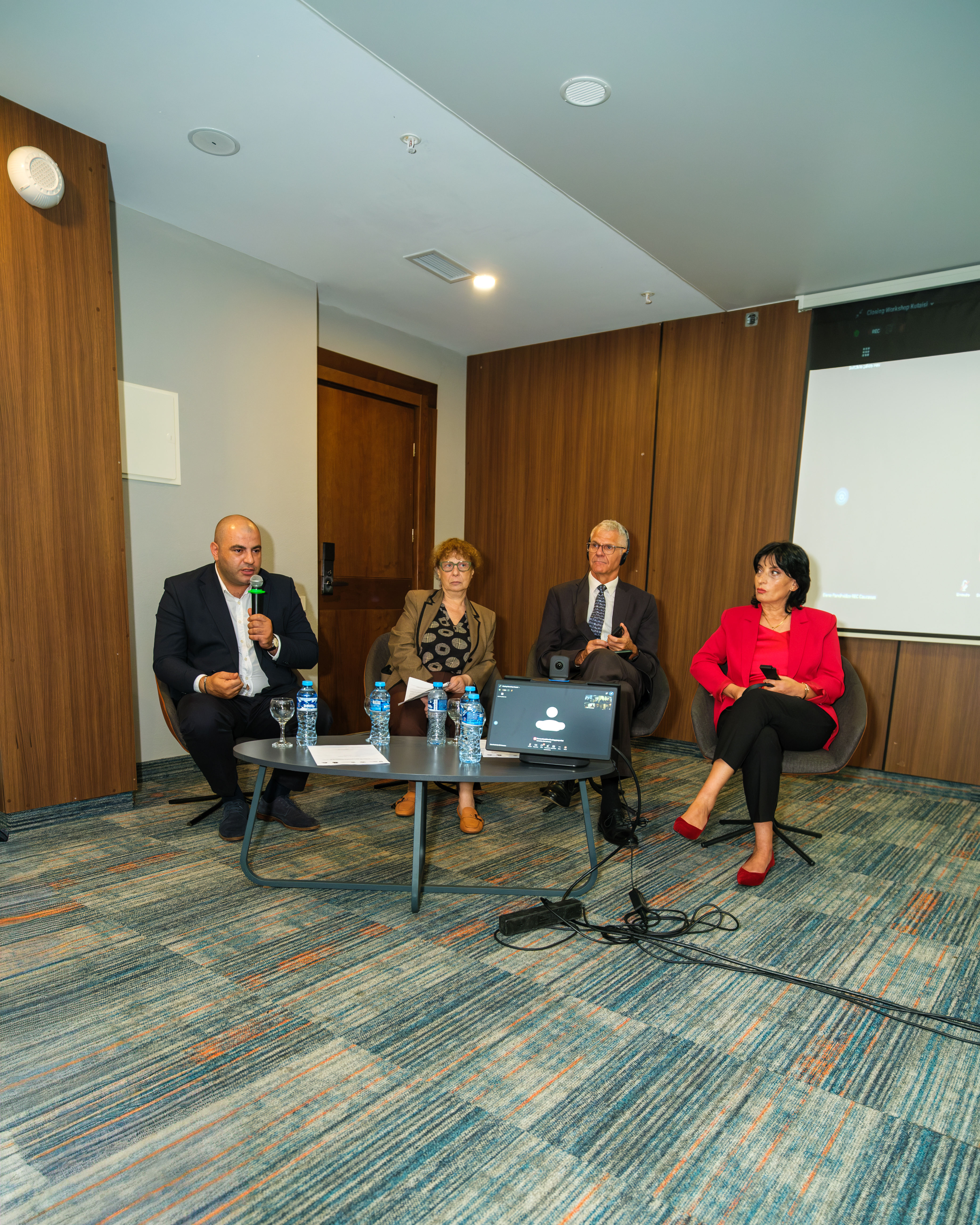
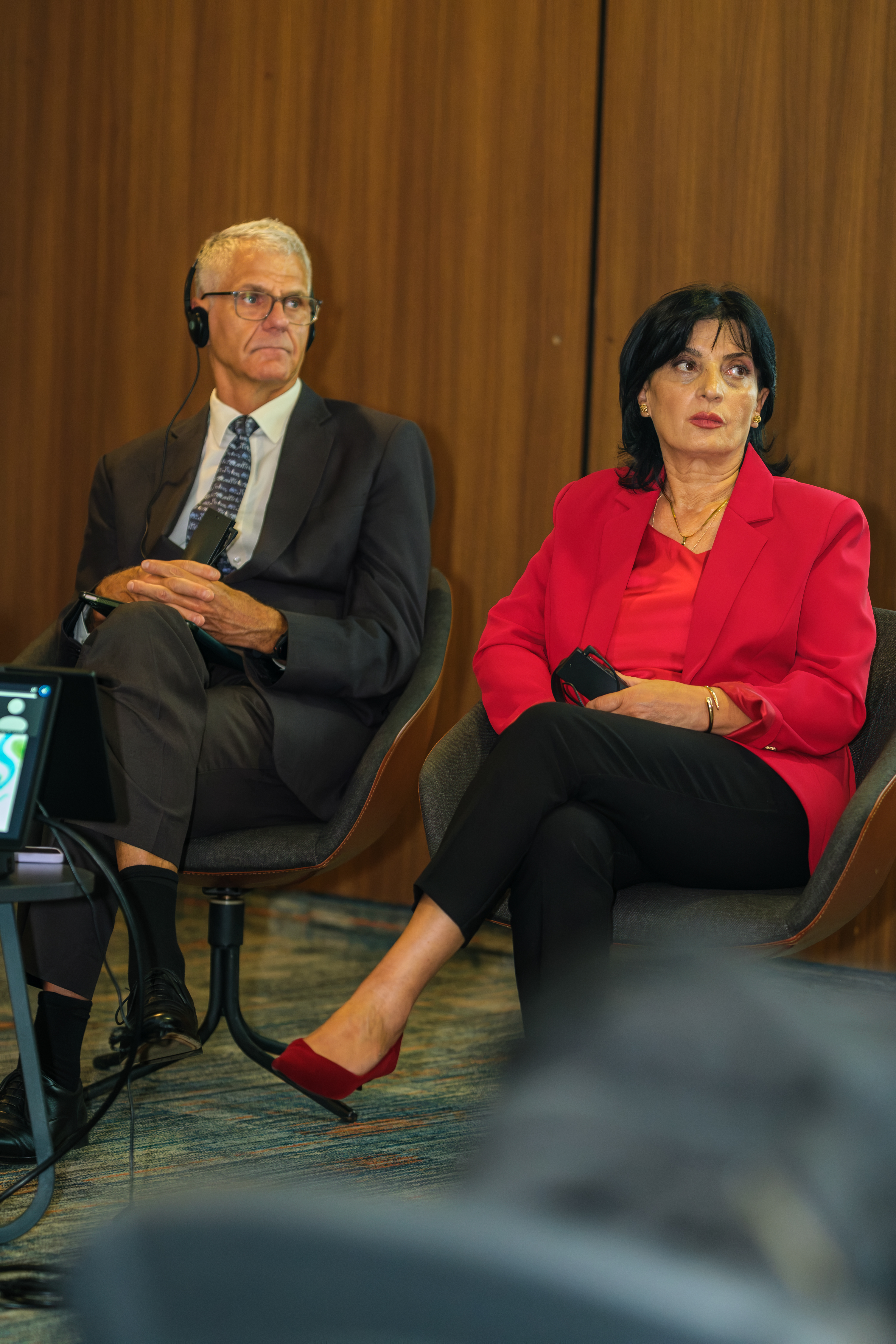
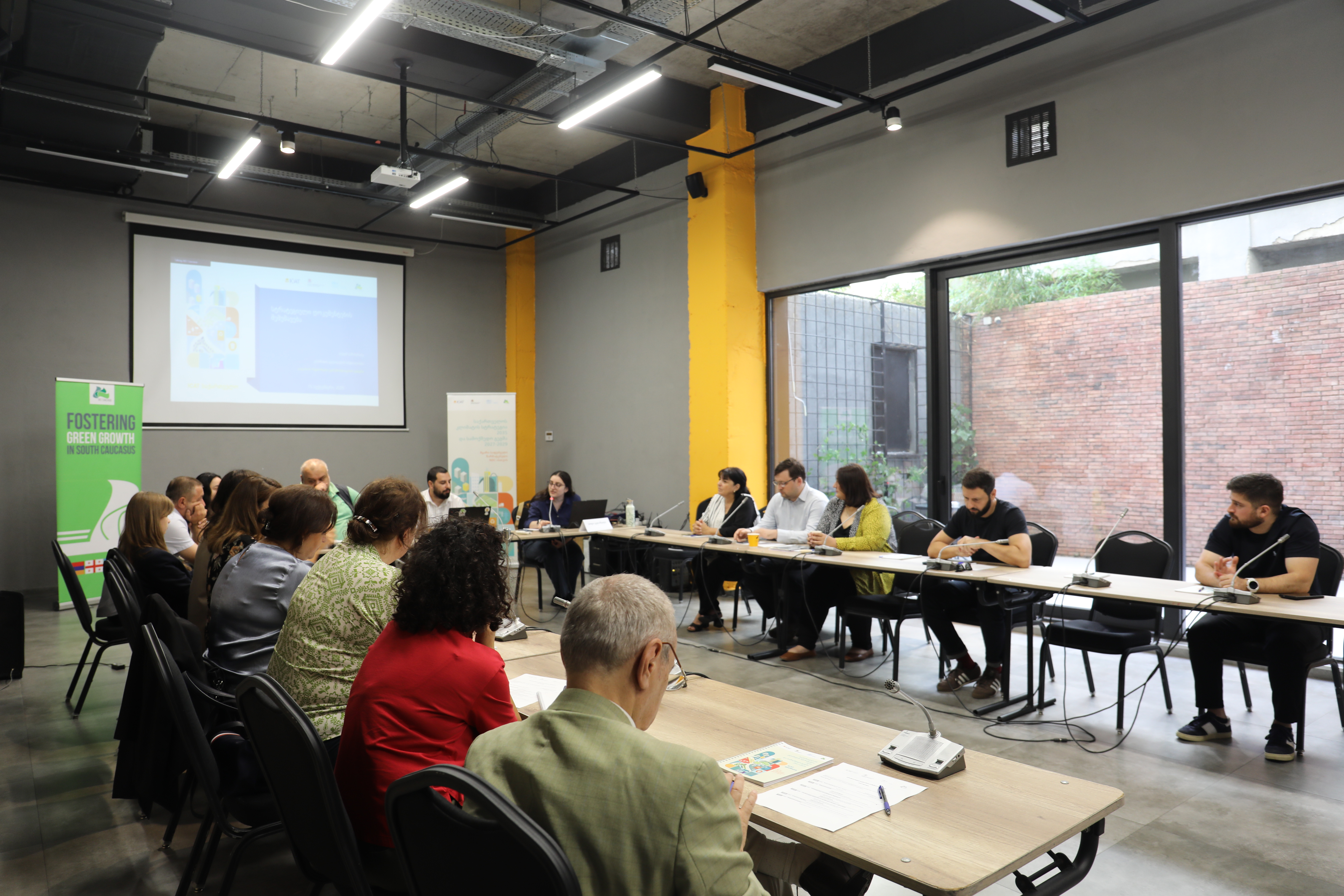
The first panel session, “Shaping Kutaisi’s Sustainable Future: From Policy Frameworks to Long-Term Institutional Sustainability,” focused on the policy and institutional aspects of sustainable urban development. Discussions covered the Integrated Sustainable Urban Mobility Plan, the Low Emission Development Strategy, and the Urban E-Mobility Roadmap, with particular attention to sustainable transport and the transition towards electric mobility in Kutaisi.
The session also addressed the institutional sustainability of the project’s results, including the implementation of the policy documents developed under the project and their integration into municipal and national development priorities. Participants discussed the importance of ensuring continuity and ownership of the project results beyond the project’s completion.
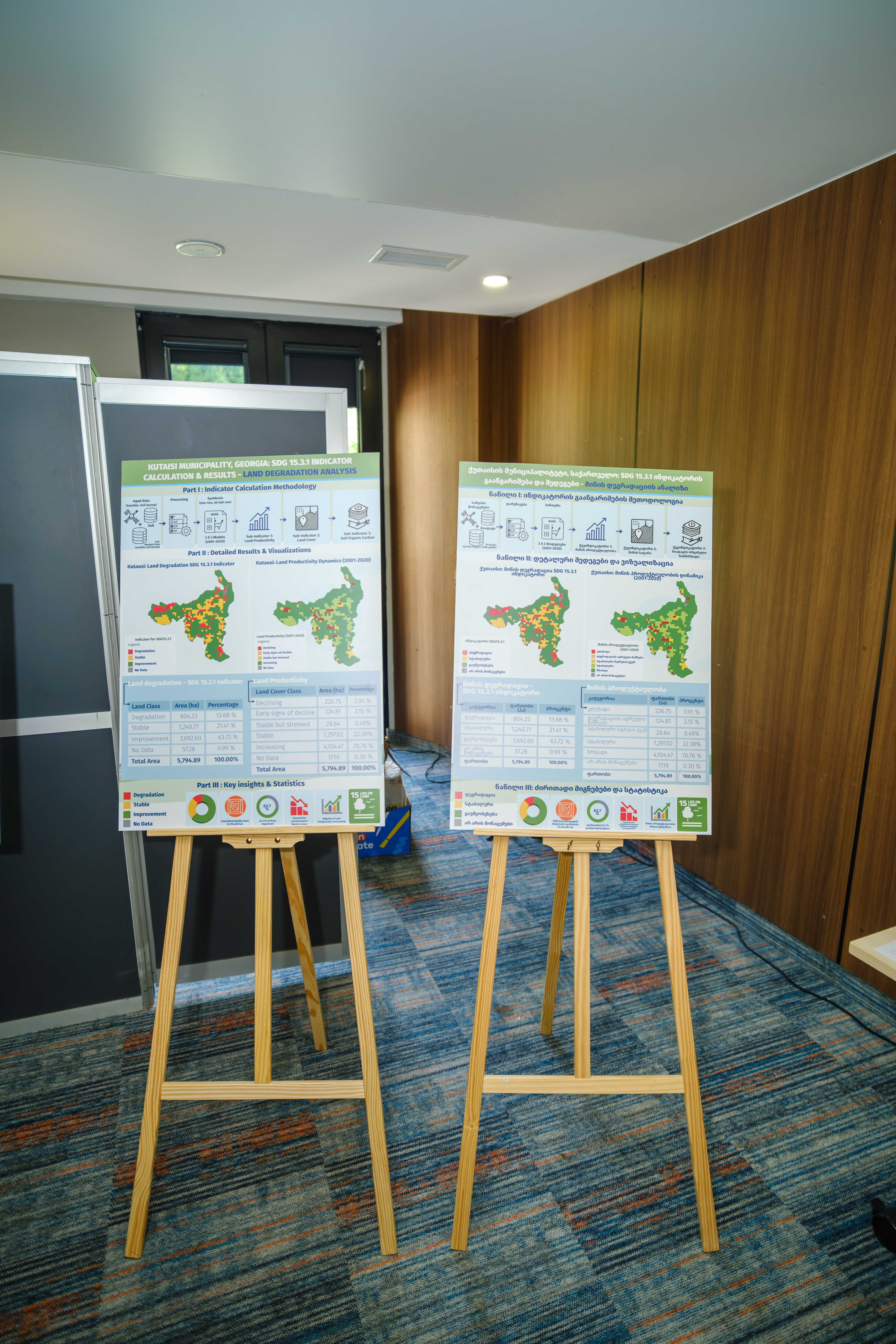
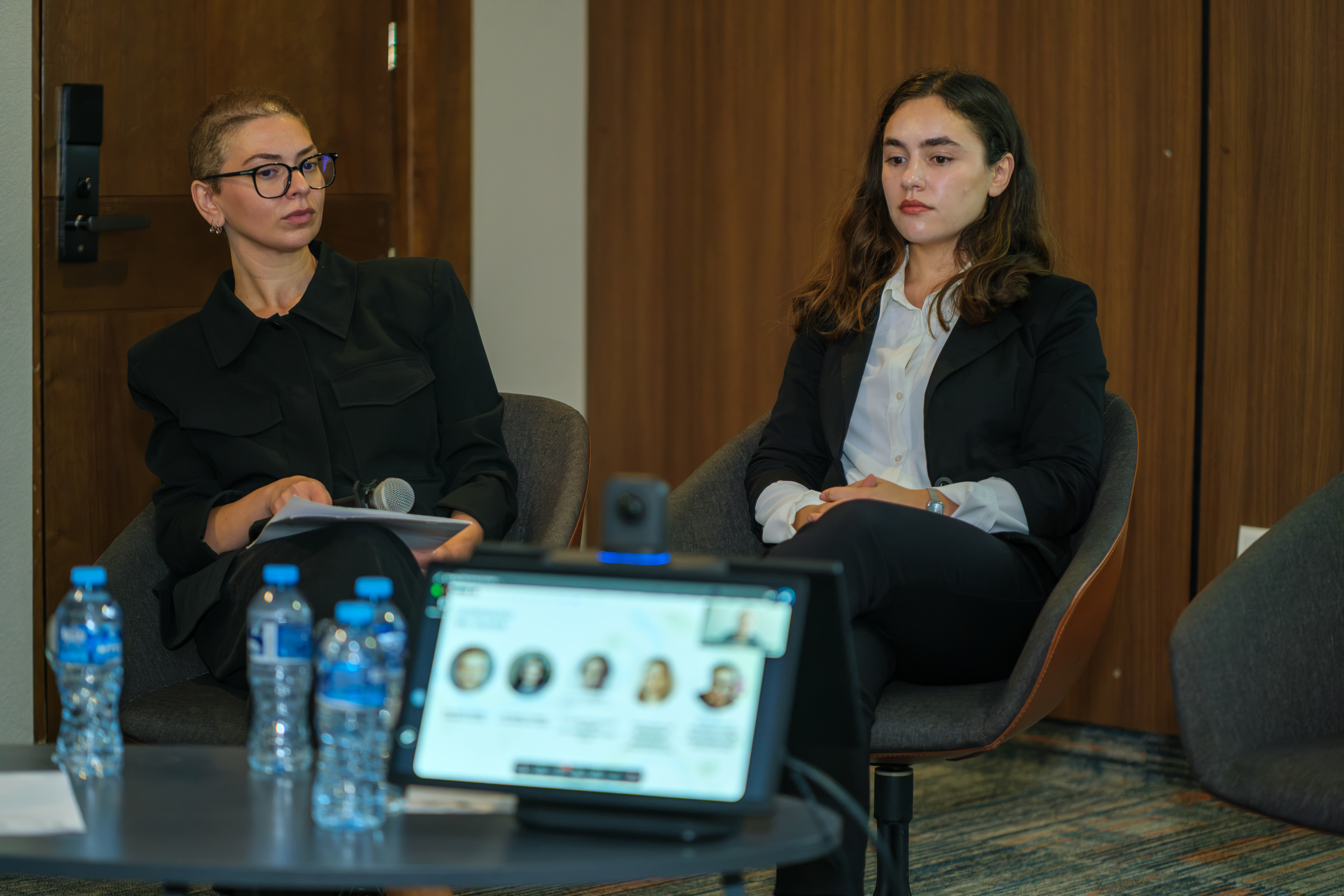
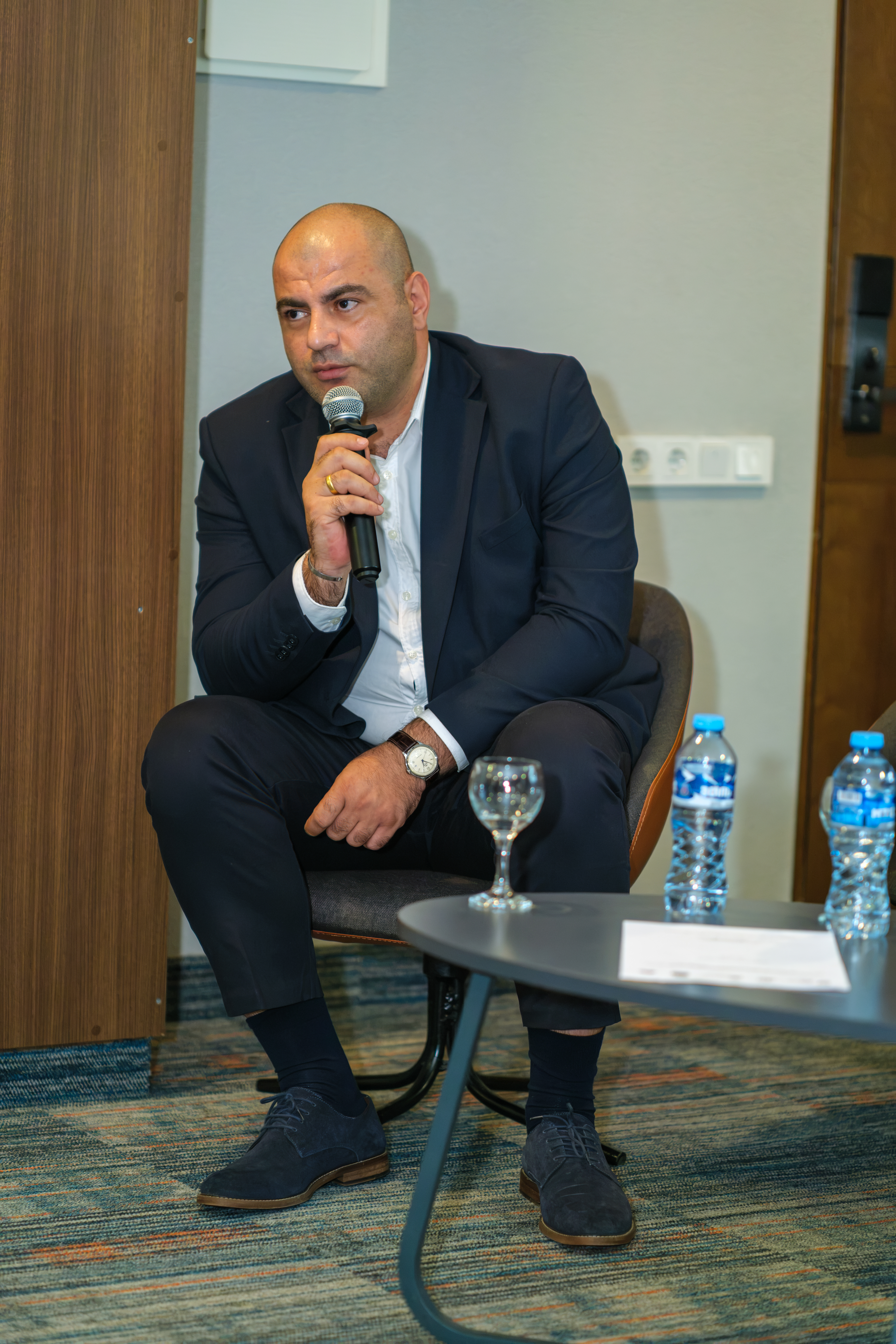
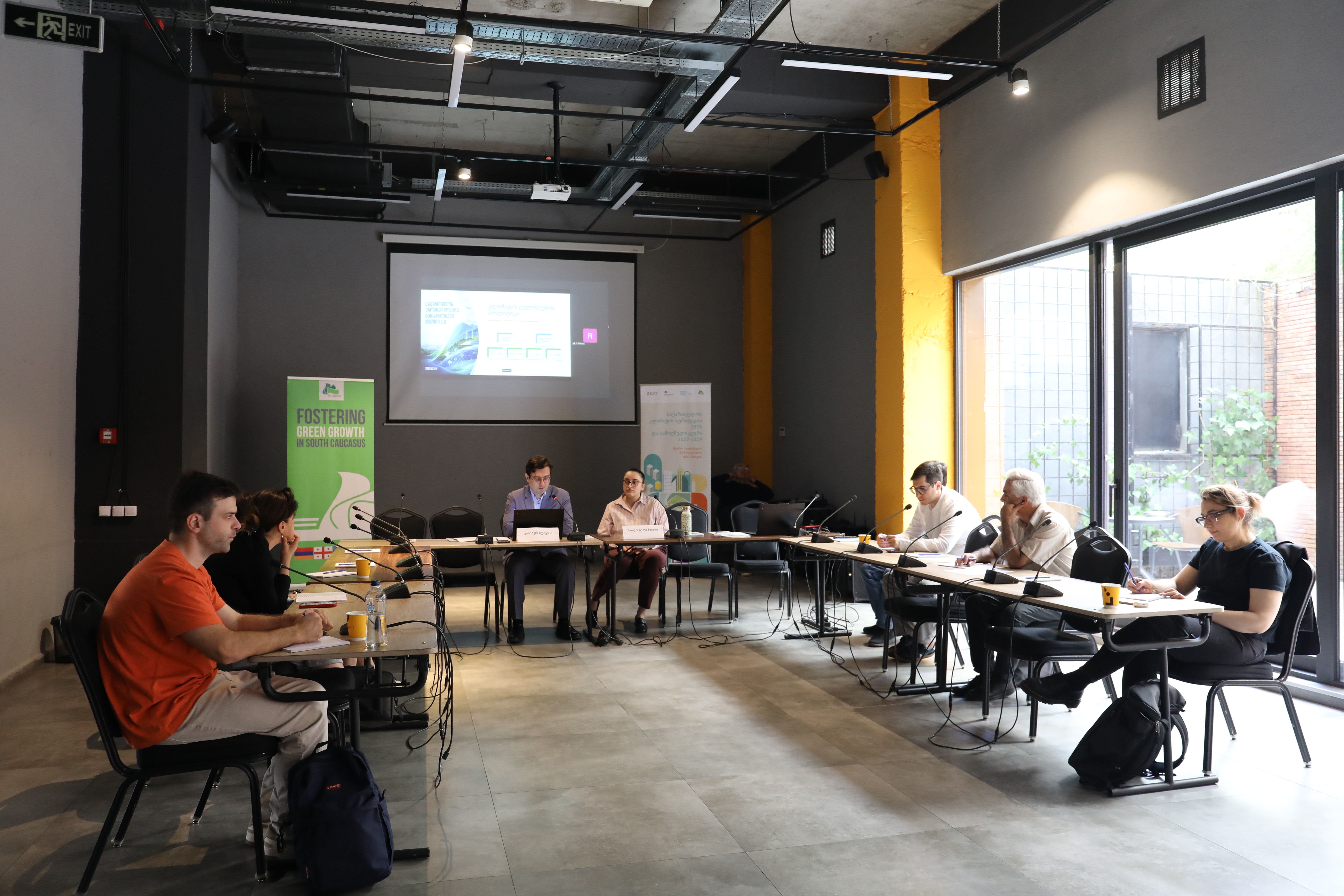
The second panel session, “Land Degradation Hotspots, Demonstrating and Scaling Sustainable Solutions: Lessons from Kutaisi’s Pilot Projects,” focused on practical experiences and lessons learned from the project’s demonstration activities. The discussion covered nature-based solutions in sustainable urban development, sustainable urban forest management, low-carbon mobility, land degradation trends, and the municipal perspective on advancing sustainable urban development in Kutaisi.
Participants also discussed the lessons emerging from the pilot projects and the potential for replicating and scaling up sustainable solutions. Particular attention was given to approaches for maintaining the sustainability of the results and ensuring that the experience gained through the project can support future urban development initiatives.
The workshop concluded with a wrap-up session focusing on the key takeaways, sustainability of the project results and next steps.
The closing workshop marked an important opportunity to bring together project partners and stakeholders to reflect on the progress made towards a more sustainable and low-carbon future for Kutaisi. The discussions highlighted the value of integrating sustainable mobility, low-emission planning, nature-based solutions and improved urban environmental management into the city’s long-term development priorities.