Biodiversity Conservation
The South Caucasus is one of the world's recognised biodiversity hotspots, with a concentration of endemic species and ecosystems of global significance. Protecting and restoring this natural heritage requires work at multiple levels simultaneously - field action, policy support, community engagement and international cooperation - and a long-term commitment that goes beyond individual project cycles. REC Caucasus has been doing this work for over two decades, building programmes that link conservation outcomes to the livelihoods of the people who live in and around these ecosystems.
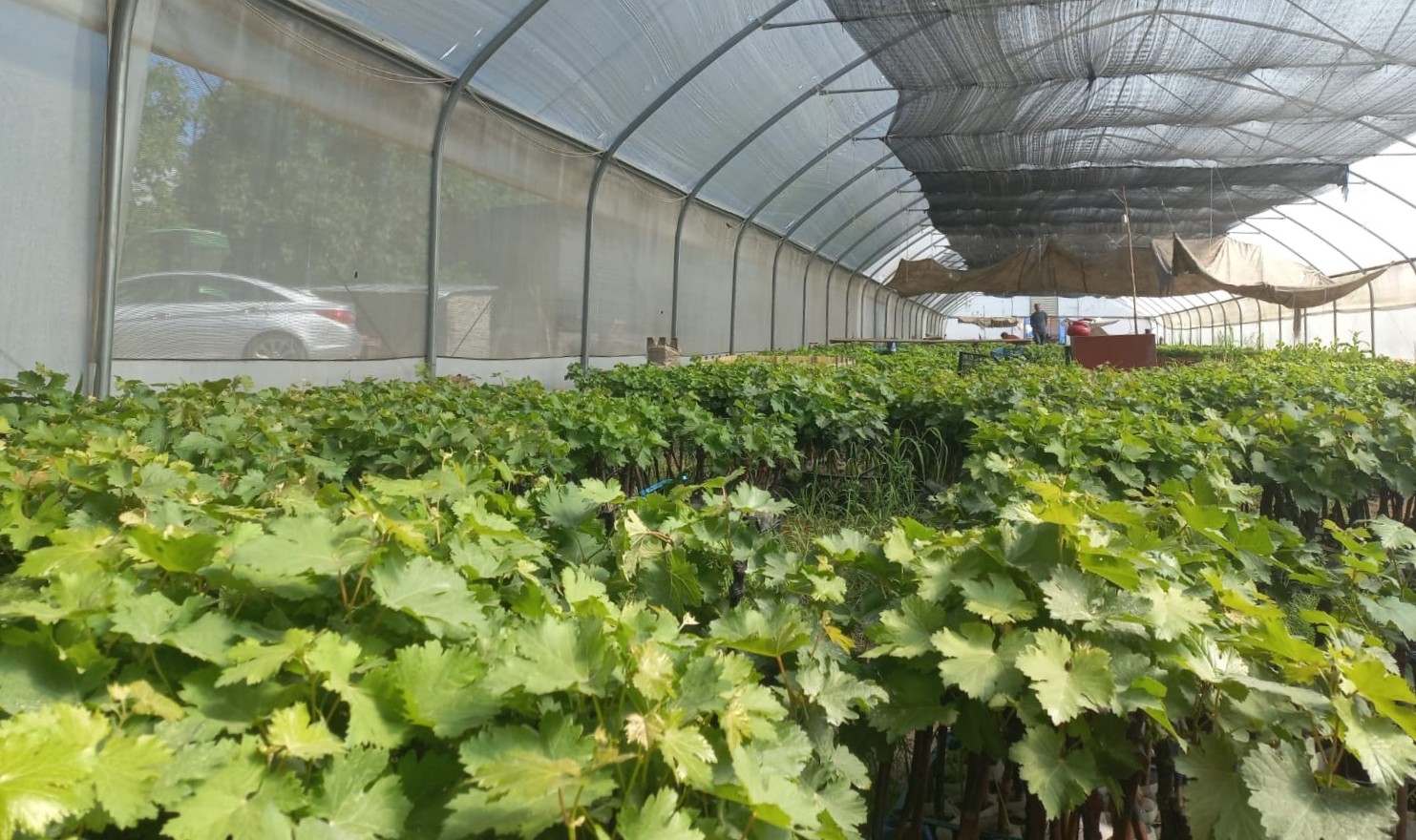
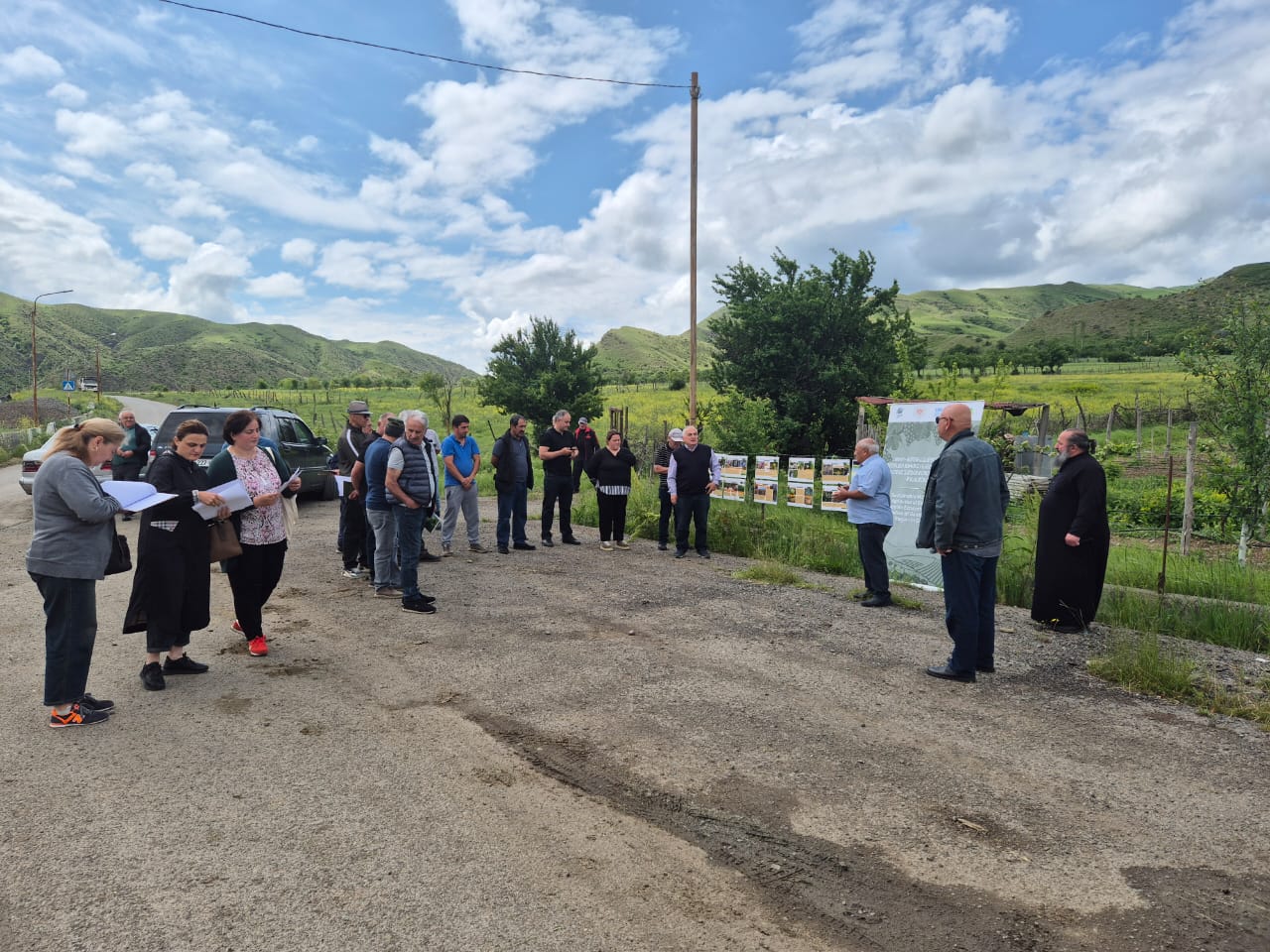
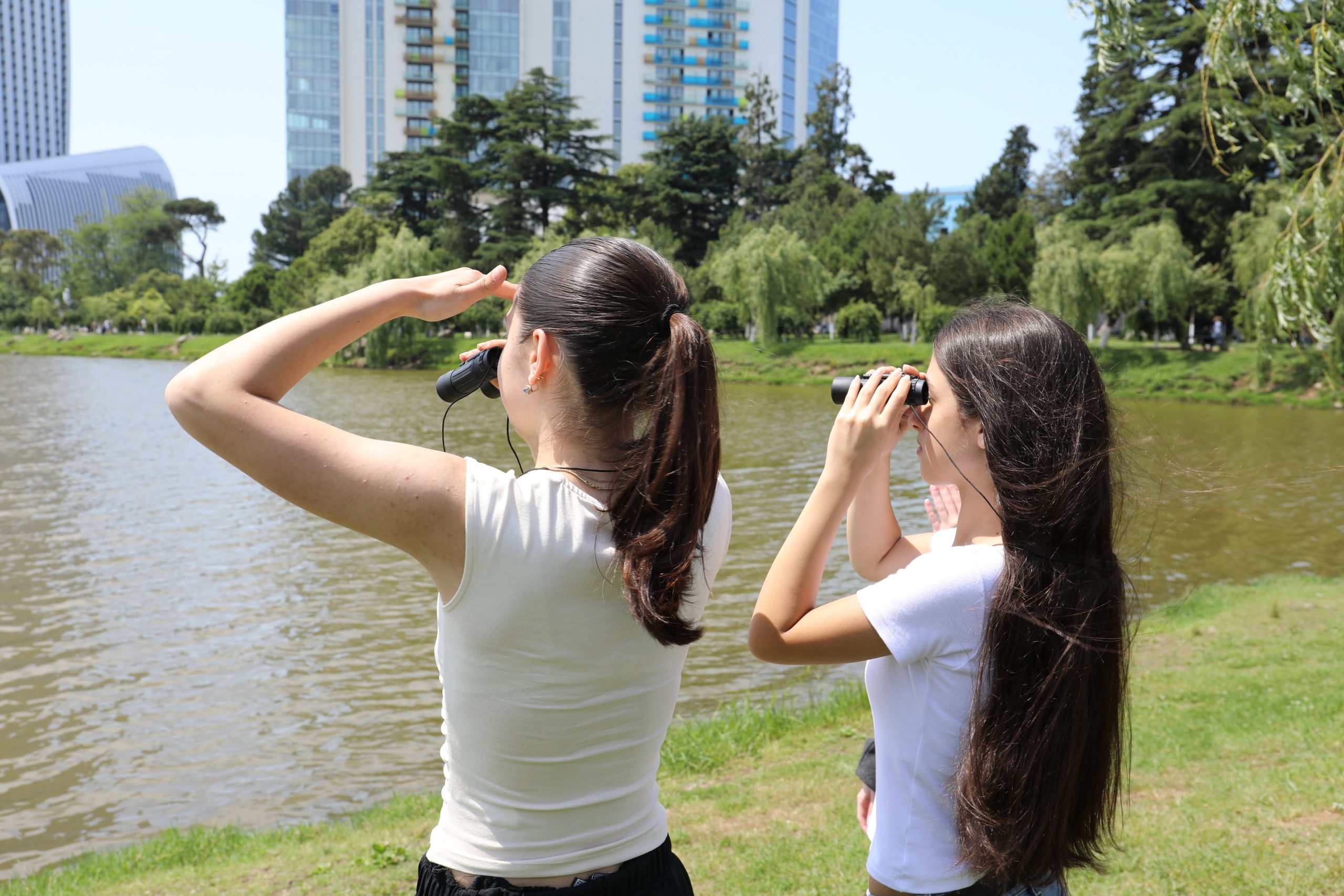
In the Samtskhe-Javakheti region of Georgia, we run a multi-year GEF-funded initiative to preserve traditional Meskhetian wheat and grapevine varieties. In 2024, more than 200 hectares were cultivated with traditional wheat, yielding over 85 tonnes of seed, and 26,630 vine seedlings were distributed to local farmers - with women making up more than a third of direct project beneficiaries. The programme integrates field science, value chain development and rural tourism, making the case that conserving biodiversity and improving rural livelihoods are not competing objectives. At the regional scale, we co-facilitate the Peace Forest Initiative with the UNCCD Global Mechanism and the World Bank, promoting transboundary ecosystem restoration across the South Caucasus. We also run school-based eco-clubs and citizen science programmes - in 2024, engaging more than 120 students across Zugdidi, Kutaisi, Dedoplistskaro and Batumi through the EU-funded Ecolinks project - building the next generation of environmental stewardship from the ground up.