

THE REGIONAL ENVIRONMENTAL CENTRE FOR THE CAUCASUS
The Regional Environmental Centre for the Caucasus (REC Caucasus) is an independent, non-for-profit organisation, established to assist in solving environmental problems as well as development of the civic society in the countries of the South Caucasus.
MISSION
The mission of the REC Caucasus is determined as “to assist in solving of environmental problems in the Caucasus region through the promotion of co-operation at national and regional level among NGOs, governments, business, local communities, and all other environmental stakeholders, in order to develop a free exchange of information, in line with the principles of the Aarhus Convention; offer assistance to all environmental NGOs and other stakeholders; and increase public participation in the decision-making process, thereby assisting the states of the Caucasus in the further development of a democratic civil society”.
FOUNDERS OF REC CAUCASUS
REC Caucasus has been established within the framework of the “Environment for Europe Process” based on the decision made at the Sofia Ministerial Conference in 1995. The founding document of REC Caucasus – its Charter – was signed in September 1999 by the governments of Azerbaijan, Armenia, Georgia and the European Union. In March 2000 REC Caucasus was officially registered as an independent, not-for-profit, non-advocacy foundation in Tbilisi, Georgia.
OUR DONORS
The work of REC CAUCASUS is being supported by:
European Commission (EC), Government of the Netherlands, Government of Norway, Global Environment Facility (GEF), Government of Germany (GIZ/KfW), Eurasian Partnership Foundation, Organization for Security and Co-operation in Europe (OSCE), United States Agency for International Development (USAID), the Principality of Liechtenstein and others. Work of the organisation is supported by the EU, US EPA, Denmark, Switzerland, Italy, the Principality of Liechtenstein, the Netherlands, Critical Ecosystem Partnership Fund (CEPF), etc.
STRUCTURE
Headquarters of REC Caucasus are located in Tbilisi, Georgia. The organisation has also branch offices in Yerevan, Armenia and Baku, Azerbaijan. REC Caucasus is managed by the Executive Body – a collegial Troika consisting of representatives of Armenia, Azerbaijan and Georgia. REC Caucasus is directed by the Board of Directors which comprises representatives from the governments of the three founding states, representatives of NGOs from all three states, a donor representative and a science/ business representative.
OVERALL GOALS
REC Caucasus has been established:
- to serve environmental stakeholders within and outside the South Caucasus region: national and local governments, NGOs, media, business, local communities, science, international community, teachers, students, children, etc;
- to contribute to the improvement of the Caucasus environment by facilitating introduction and implementation of global, European, regional and national environmental policies;
- to provide a gateway for dialogue, networking and cooperation among environmental stakeholders and partners at global, regional, national and local levels;
STAKEHOLDERS
The REC Caucasus serves the following stakeholders in the three countries of the South Caucasus region:
- National and Local Governments
- NGOs
- Media
- Teachers
- Students
- Business
- Science
- Community Based Organisations, as well as
- International Community.
REC CAUCASUS AT WORK: SERVING AS A “BRIDGE”
REC Caucasus successfully implements its mission through various programmes and projects throughout the Caucasus region. One of the tasks of REC Caucasus serves as a “bridge” between the public and governments. REC Caucasus assists its stakeholders in capacity building through provision of information, advice, and expertise and to encourage dialogue, cooperation and public participation in environmental decision-making. REC Caucasus plays an active role in inter-agency cooperation, too. The organisation together with active environmental NGOs and the ministries of environment promotes the idea of environmental protection and sustainable development in the South Caucasus countries, demonstrating examples and arguments of direct links of environmental degradation and destruction with the growth of poverty, migration, economic recession, etc., i.e. other components (social and economic) of sustainable development.
REC CAUCASUS AT WORK: IMPROVING THE ENVIRONMENT
Since its establishment the Regional Environmental Centre for the Caucasus has implemented about 60 medium and large scale projects in the region which have contributed to policy development, capacity building, facilitation of dialogue and networking, information exchange on environmental issues and supporting the civil society in the South Caucasus states. Capacity building and training of various environmental stakeholders at regional, national and local levels have been provided throughout project implementation. REC Caucasus has strong experience in providing trainings to different interest groups and deep knowledge on their needs, demands and constraints.
REC Caucasus is well positioned in South Caucasus region to assist various national and international organizations to implement their activities targeted on the needs of the region, countries and specific stakeholders.
REC Caucasus has strong capacity to address environmental issues related to Rio Conventions and other international covenants simultaneously at national and regional levels. REC Caucasus has been addressing environmental challenges in the region through implementation of local and regional initiatives and projects based on regional platform, strengthened capacity of technical expertise on preservation of biodiversity, climate change (mitigation and adaptation), management of transboundary water resources, sustainable management of natural resources, fighting land degradation, disaster risk reduction, sustainable forest management, capacity development and research learning.
REC Caucasus has proven to be a viable and independent organisation providing services to governments, local authorities, non-governmental organisations, businesses, international organisations and other environmental stakeholders.
Our Projects

In Progress
ICAT Georgia
Location: Georgia Project Name: Grant Support Agreement IN SUPPORT OF National Implementing Partner
 Climate Action
In Progress
Climate Transparency In Action (CBIT2)
Location: Georgia Project Name: PCA Agreement for Impleme
Climate Action
In Progress
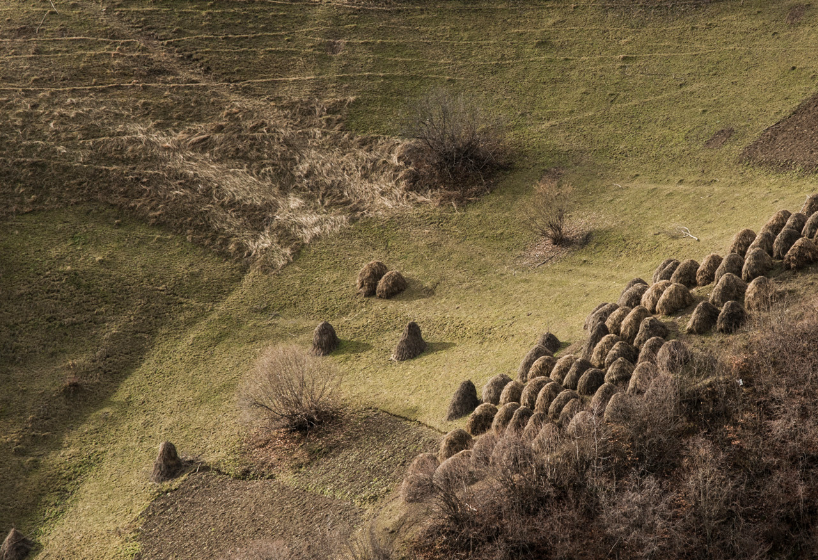
GAZELLE Transforming Policy and Investment through Improving Ecosystem Management and Restoration of Degraded Drylands of Dedoplistskaro Biosphere Reserve in Georgia to Generate Multiple environmental and Social -Economic Benefits.
Location - Georgia, Dedoplistskaro
 Biodiversity Conservation
In Progress
![GEF Support to the 2026 UNCCD National Reporting Process - Umbrella II [Global] - Georgia (GEF Project ID: 11909)](https://www.rec-caucasus.org/img/projects/aerial-view-cattle-grazing-near-winding-creek-dorrigo_1791282872.jpg)
GEF Support to the 2026 UNCCD National Reporting Process - Umbrella II [Global] - Georgia (GEF Project ID: 11909)
Location: Georgia Donor: UNEP Dates: 12 September 2025 - 30 April 2028 Objectiv
 Sustainable Land
In Progress
“Promoting Green Deal Readiness in the Eastern Partnership Countries” (PROGRESS)
Target Countries: Armenia, Azerbaijan, Georgia, Moldova and Ukraine Duration: September
Climate Action
In Progress
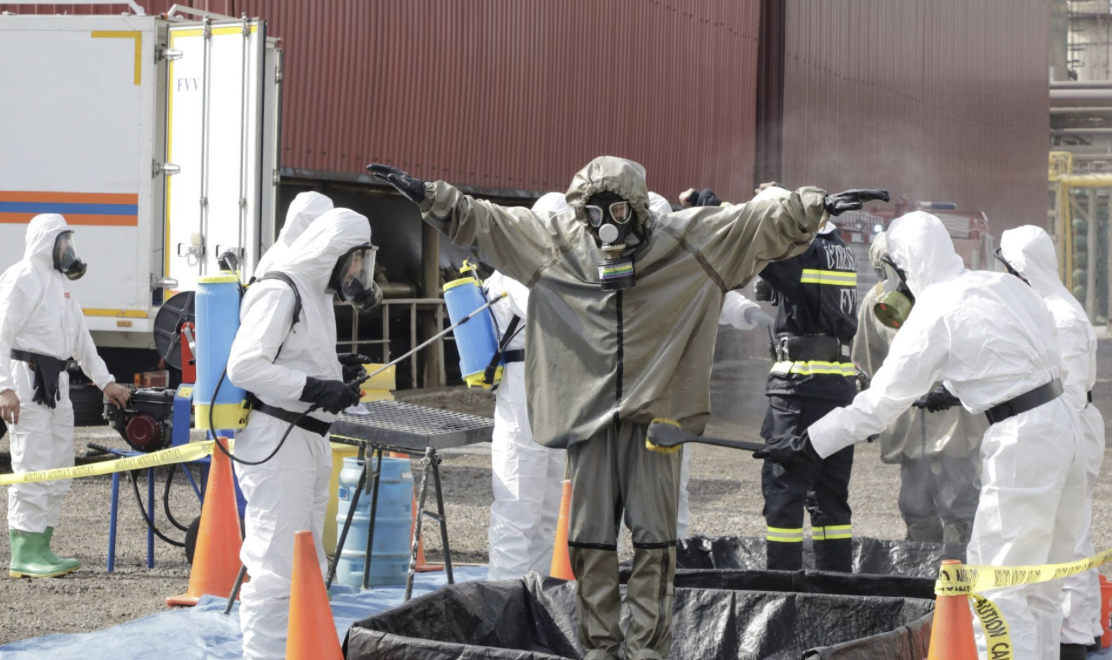
Extended Network of CBRN Training Centres for Innovation
Location: RECC's part is Georgia
 Environmental Policy
In Progress
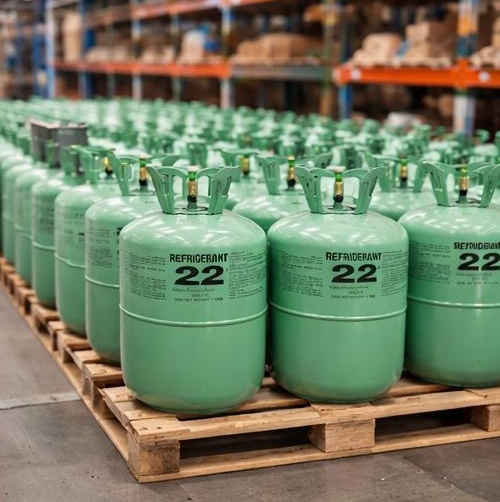
Preparation of national inventory of banks of used or unwanted controlled substances (GEO/DES/96/PRP/52)
Location: Georgia
Climate Action
In Progress
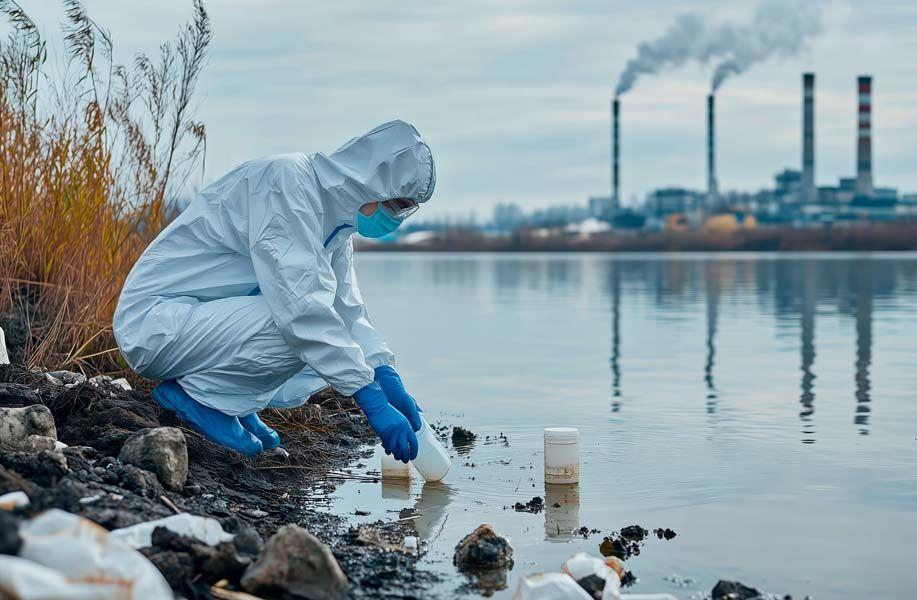
Global Development, Review and Update of National Implementation Plans (NIPs) under the Stockholm Convention (SC) on Persistent Organic Pollutants (POPs)
Location: Georgia
Environmental Policy
In Progress
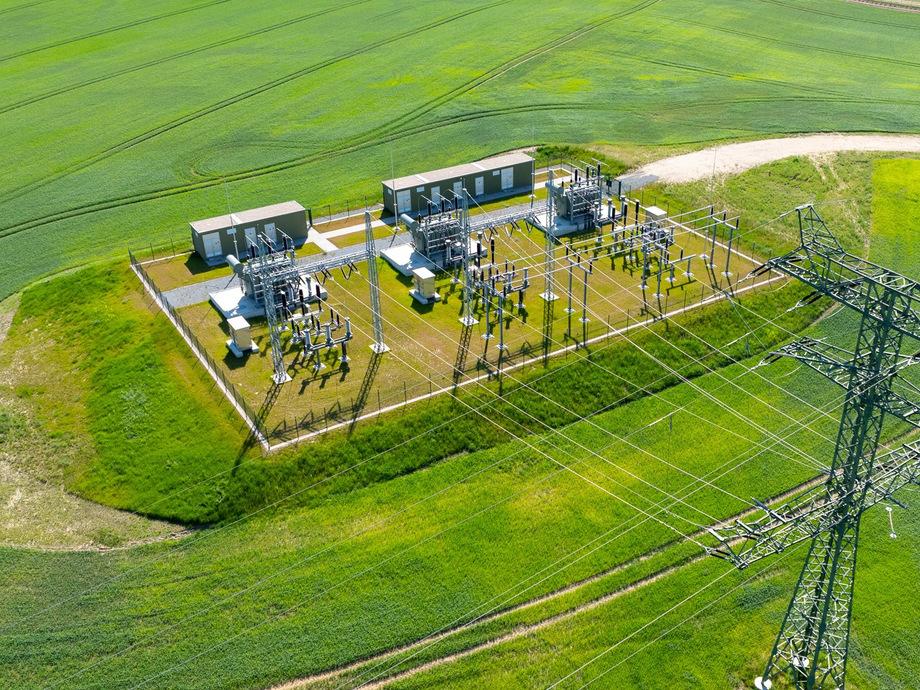
Reduction of industrial POP chemicals in manufacturing and recycling sectors through life-cycle approaches in Georgia
Location: Georgia
 Circular Economy
In Progress

In Progress

In Progress

Sustainable Management of Agricultural Biodiversity in Vulnerable Ecosystems and Rural Communities of Samtskhe-Javakheti Region in Georgia
location – Georgia Donor – GEF Dates – 2023-2026
Biodiversity Conservation
In Progress
Low Carbon Solutions through Nature Based Urban Development for Kutaisi City
location – Georgia Donor – GEF Dates – 2022-2024
Circular Economy