Promoting Georgia’s Agrobiodiversity and Traditional Food Heritage at PanFest International Congress
Agrobiodiversity is a fundamental component of sustainable food systems, climate resilience, and rural development. For Georgia, with its remarkable diversity of traditional crop varieties, it represents a valuable living heritage shaped by generations of farmers and closely connected to local landscapes, traditional knowledge, and food production practices.
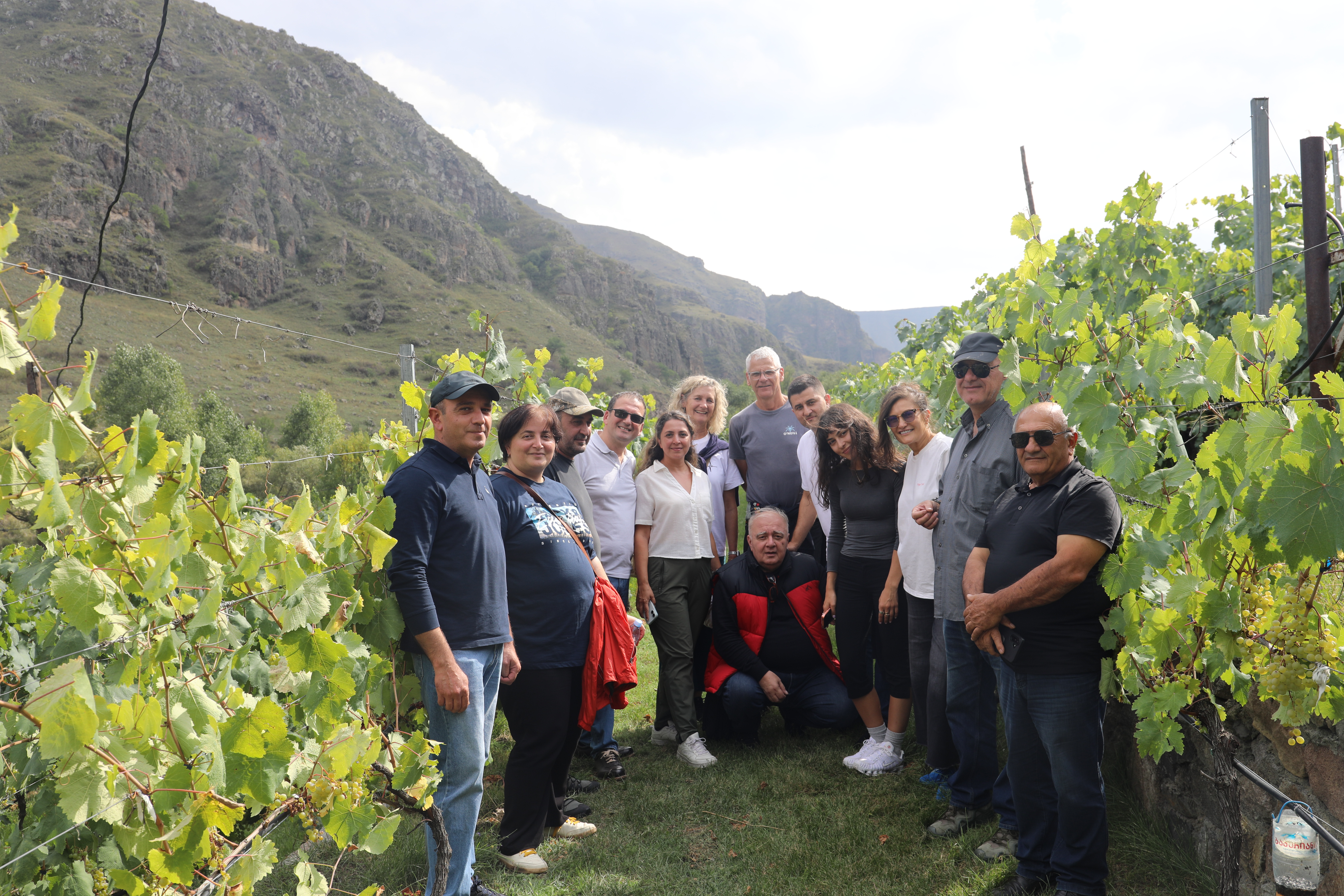
The GEF-funded project “Sustainable Management of Agricultural Biodiversity in Vulnerable Ecosystems and Rural Communities of Samtskhe-Javakheti,” implemented by the Regional Environmental Centre for the Caucasus (REC Caucasus), contributes to the conservation, restoration, and sustainable use of the region’s unique agricultural biodiversity. The project supports traditional crop varieties, local farmers, and new opportunities for sustainable rural development, including agro-tourism.
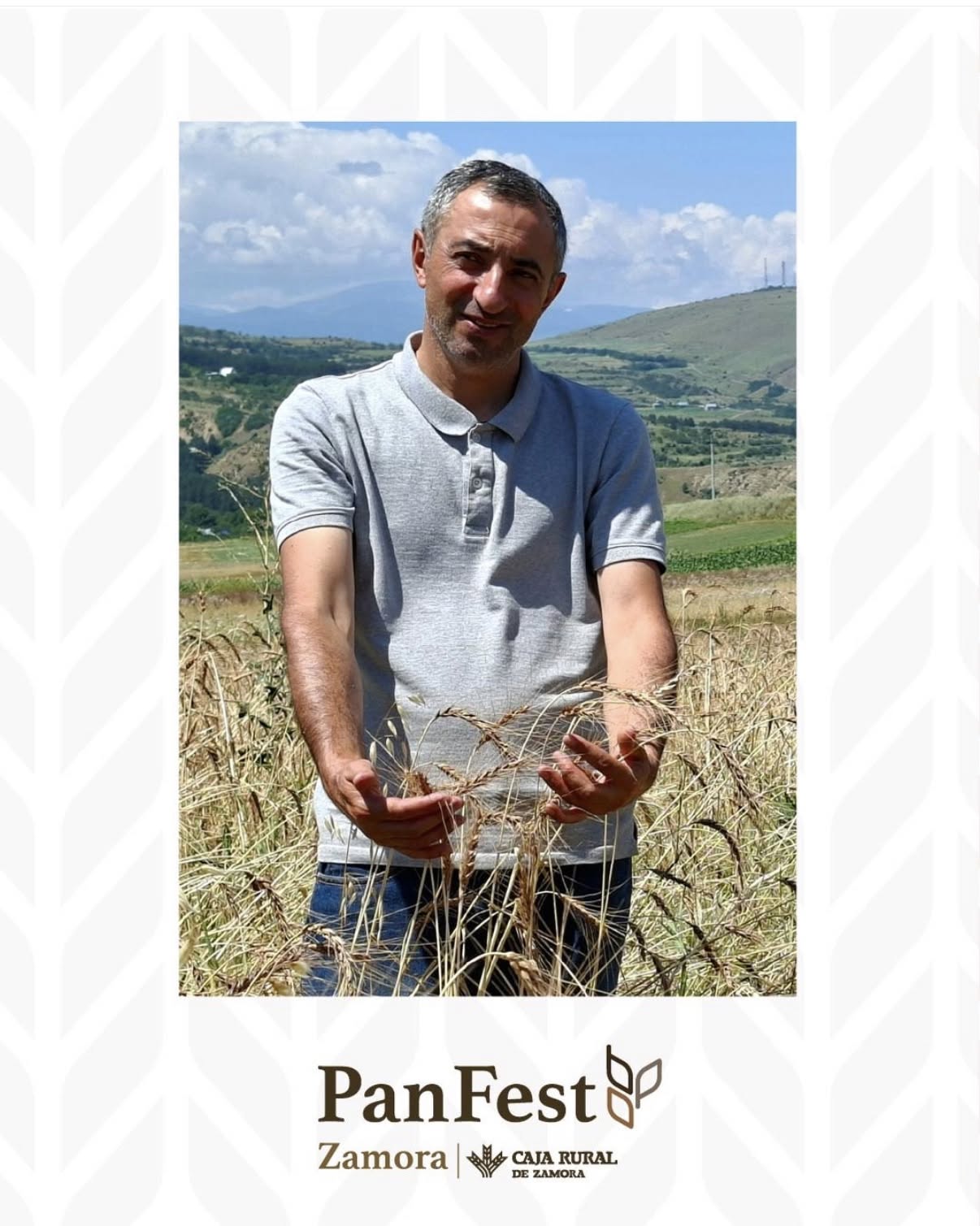
A key focus of the project is the conservation, propagation, and promotion of traditional Meskhetian grapevine and wheat varieties, many of which have become increasingly vulnerable due to changing agricultural practices, reduced cultivation, and the gradual loss of traditional knowledge.
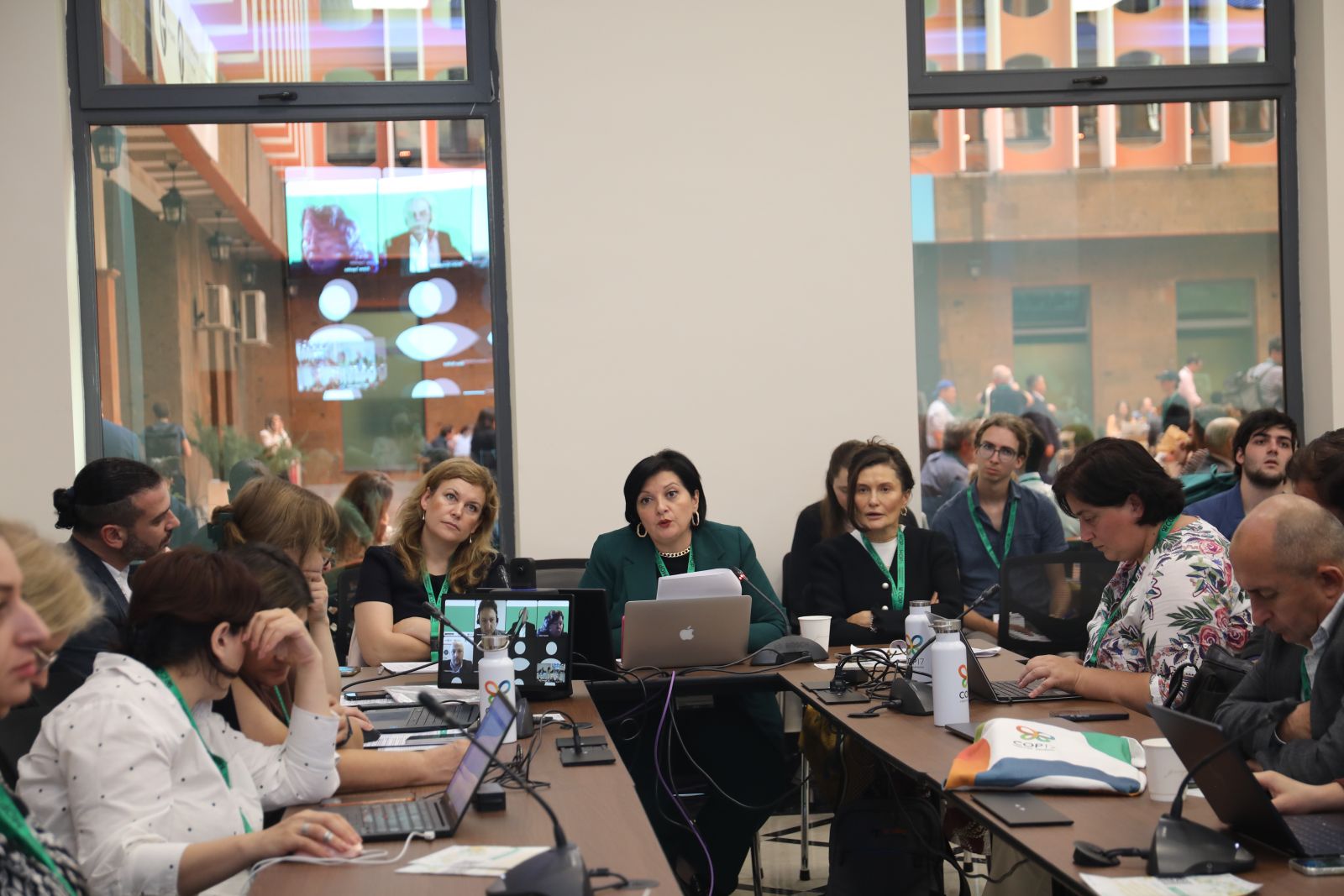
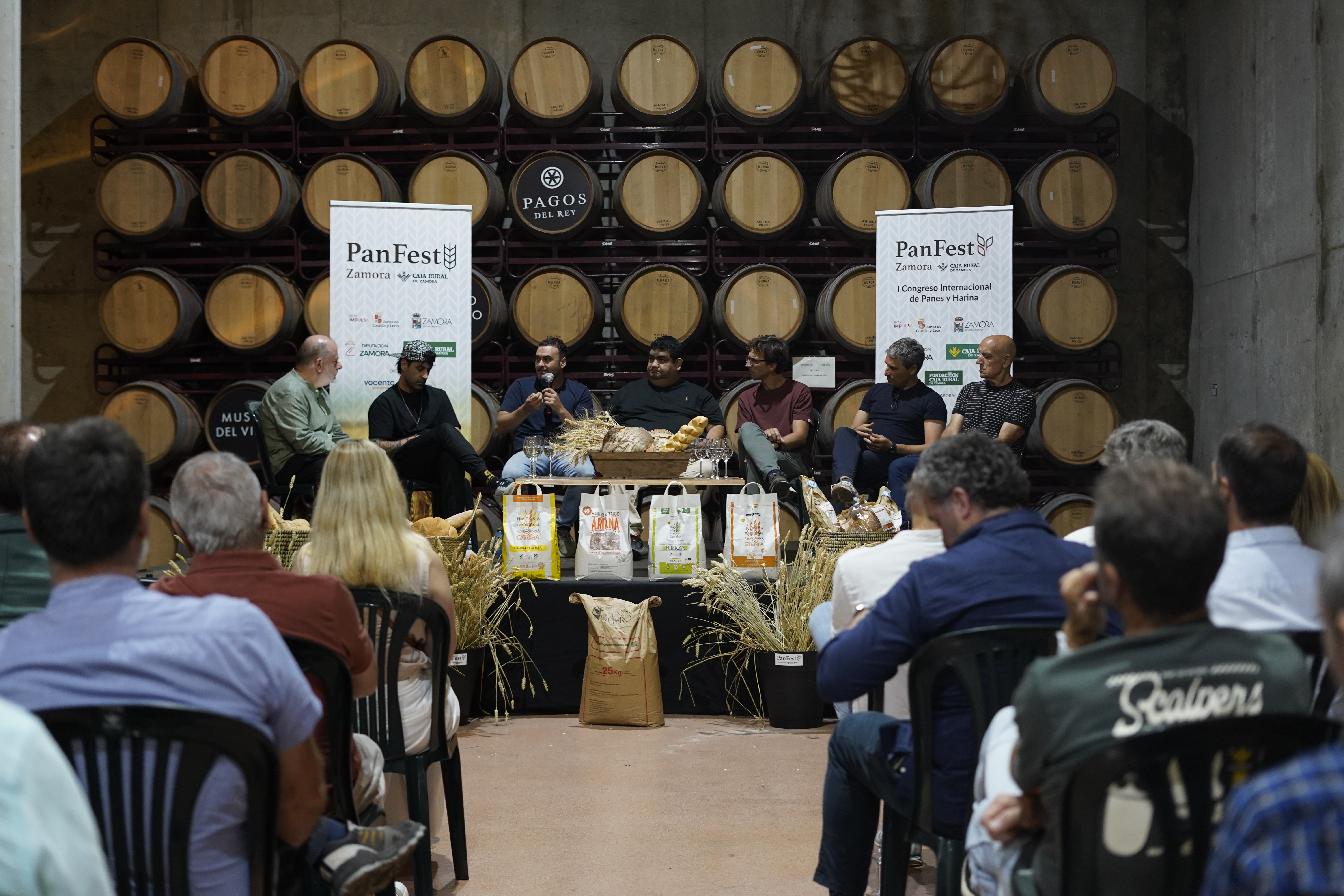
Within this framework, project beneficiaries Tinatin Chilingarashvili and Zaza Ivanidze, who lead the “Ambari” agrotourism family farm in the village of Ghreli, Akhaltsikhe Municipality, participated in the first PanFest International Bread and Flour Congress, held in Zamora, Spain, on 14–16 June 2026.
Organized by Madrid Fusión, one of the world’s leading gastronomy platforms, the congress brought together artisan bakers, researchers, chefs, and food system experts to discuss traditional grains, artisan bread production, and sustainable food practices.
The participation of the project beneficiaries was supported through close cooperation between the project and the Samtskhe-Javakheti Destination Management Organization (DMO), highlighting the importance of partnerships between biodiversity conservation initiatives, local communities, and tourism stakeholders.
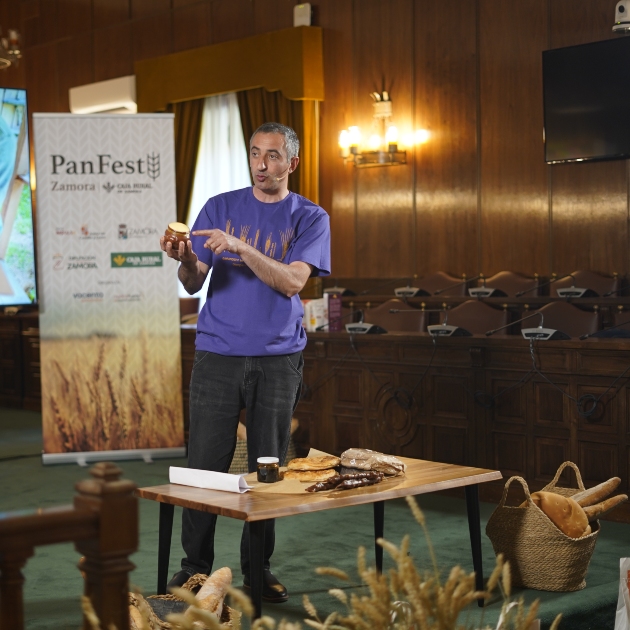
During the congress, Ms. Chilingarashvili and Mr. Ivanidze presented Georgia’s rich wheat heritage, including traditional Meskhetian landraces preserved by generations of farmers, as well as the country’s long-standing bread-making traditions.
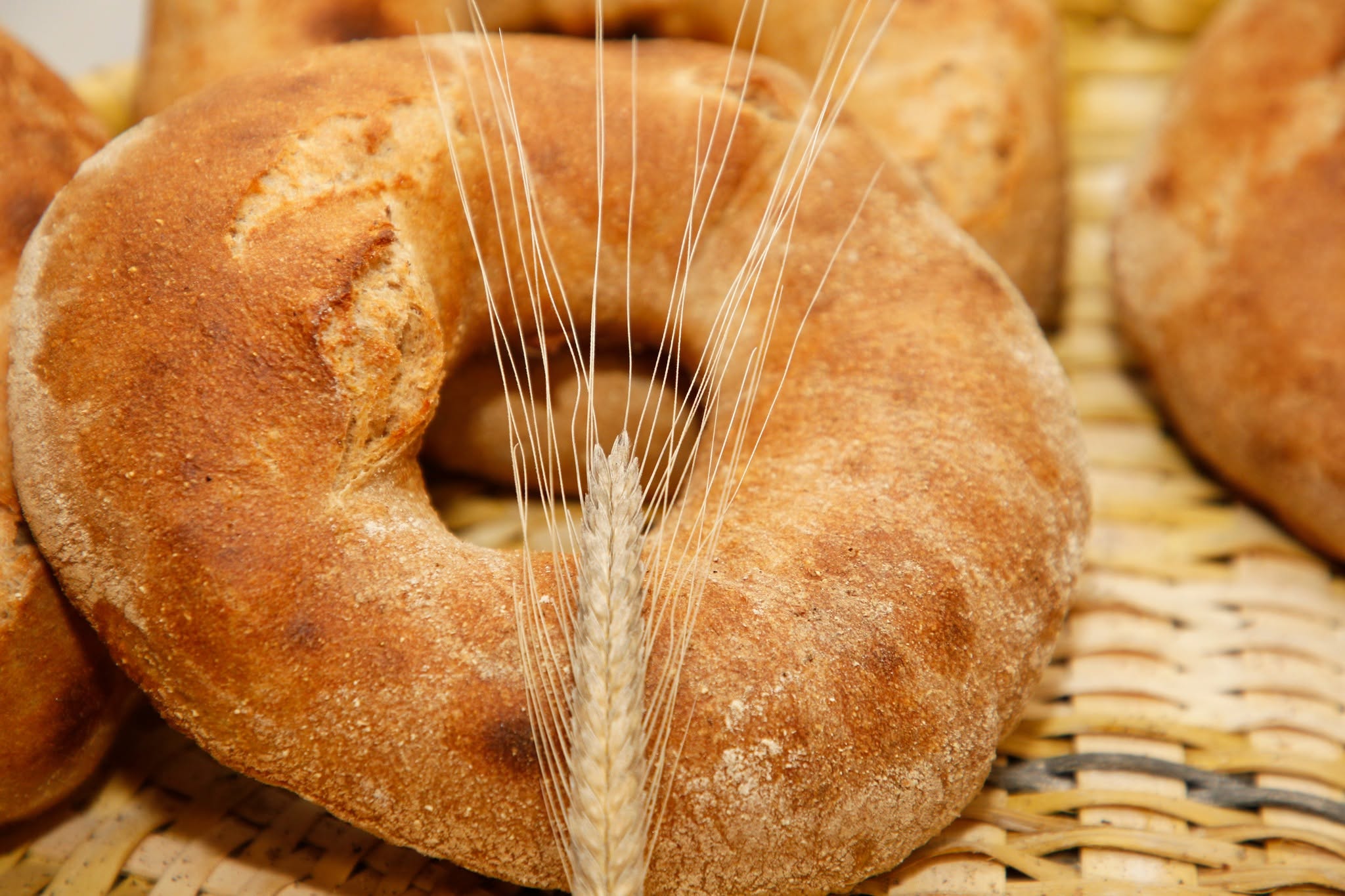
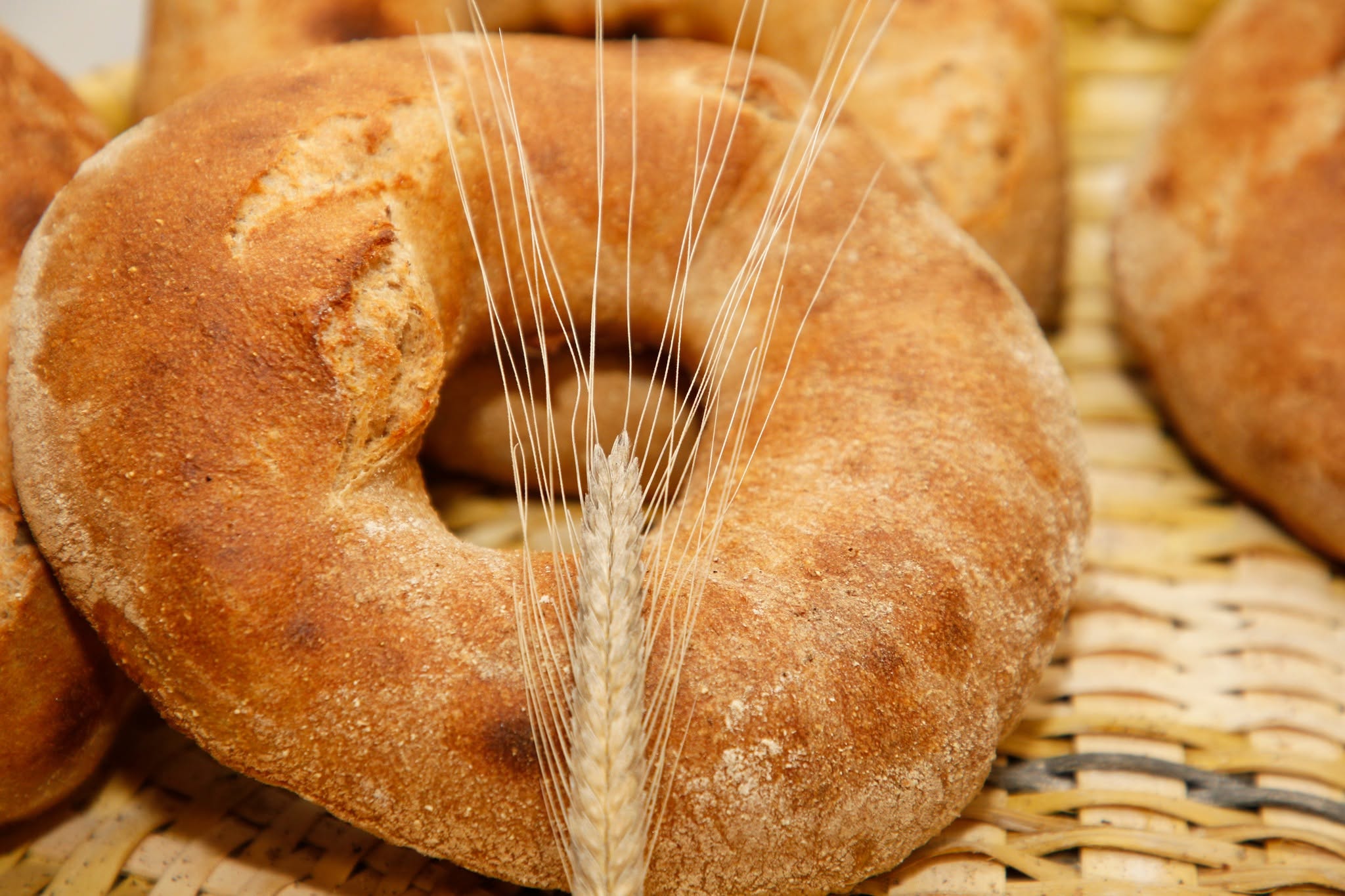
A special focus was placed on the culinary heritage of the Meskheti region. International participants attended a masterclass on traditional Meskhetian Khachapuri and tasted bread baked in a traditional stone oven using flour produced from the local Akhaltsikhe Tsiteli Doli wheat variety. Locally produced mulberry molasses and churchkhela from the Ivanidze family farm further demonstrated the strong connection between agricultural biodiversity, traditional knowledge, and regional identity.
Farmers who preserve traditional crop varieties play a crucial role in safeguarding Georgia’s agricultural heritage, valuable genetic resources, and traditional knowledge. Through agro-tourism, these resources can also create new economic opportunities by offering authentic experiences that connect local food, landscapes, traditions, and rural lifestyles.
Georgia’s participation in PanFest highlights the potential of linking agrobiodiversity conservation with sustainable tourism development. The collaboration between the project, local farmers, and the Samtskhe-Javakheti DMO demonstrates how integrated approaches can contribute to biodiversity conservation while creating sustainable economic opportunities for rural communities and promoting Georgia’s unique agricultural heritage internationally.
_1783885834.JPG)