Agro-Innovation Ideathon Inspires Young People to Develop Climate-Resilient Solutions for Agriculture
As climate change increasingly affects agricultural production in Georgia, farmers are facing growing challenges in maintaining the quality and reliability of their harvests. Rising temperatures, shifting weather patterns and increasingly unpredictable growing seasons are placing pressure on agricultural production and rural livelihoods.
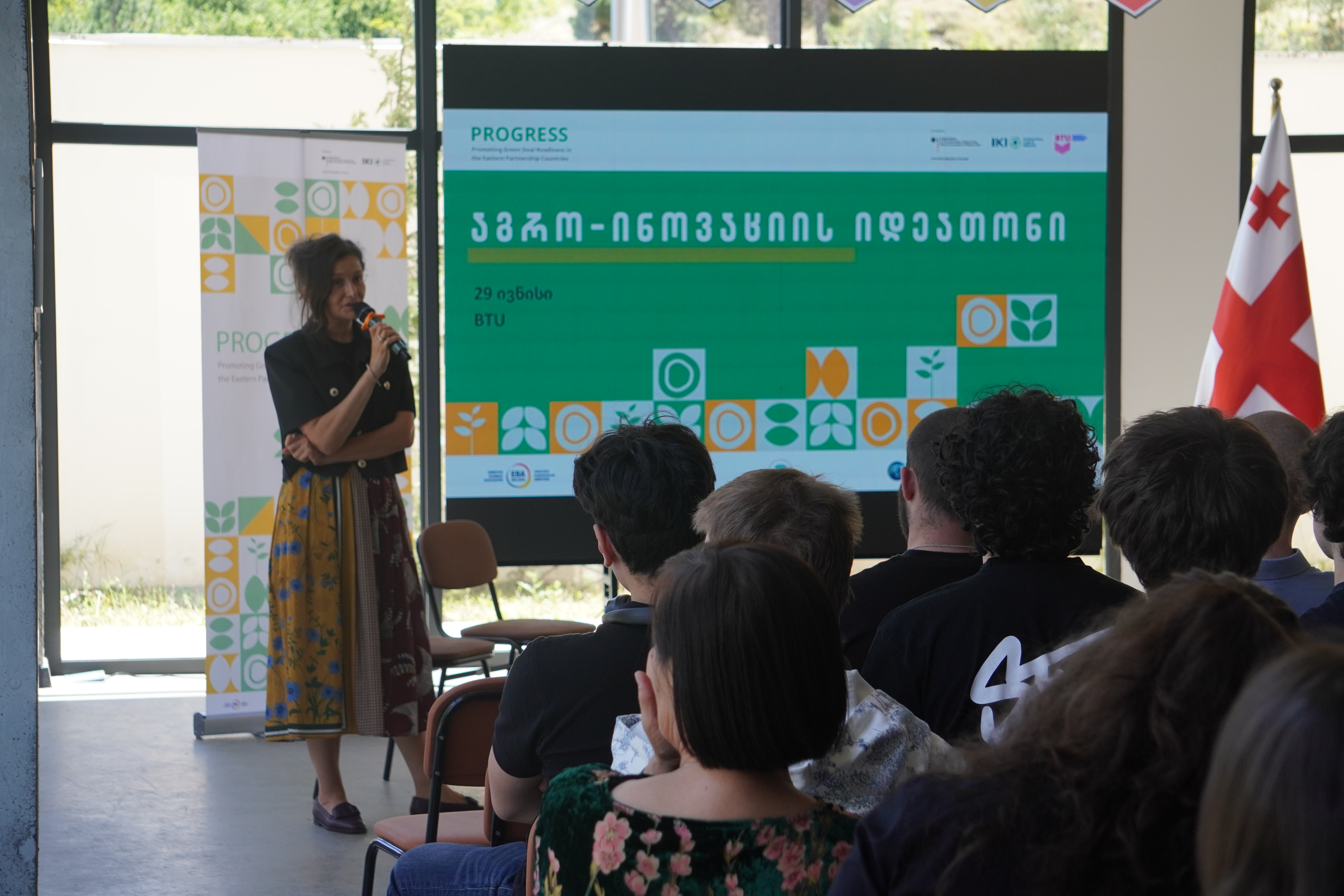
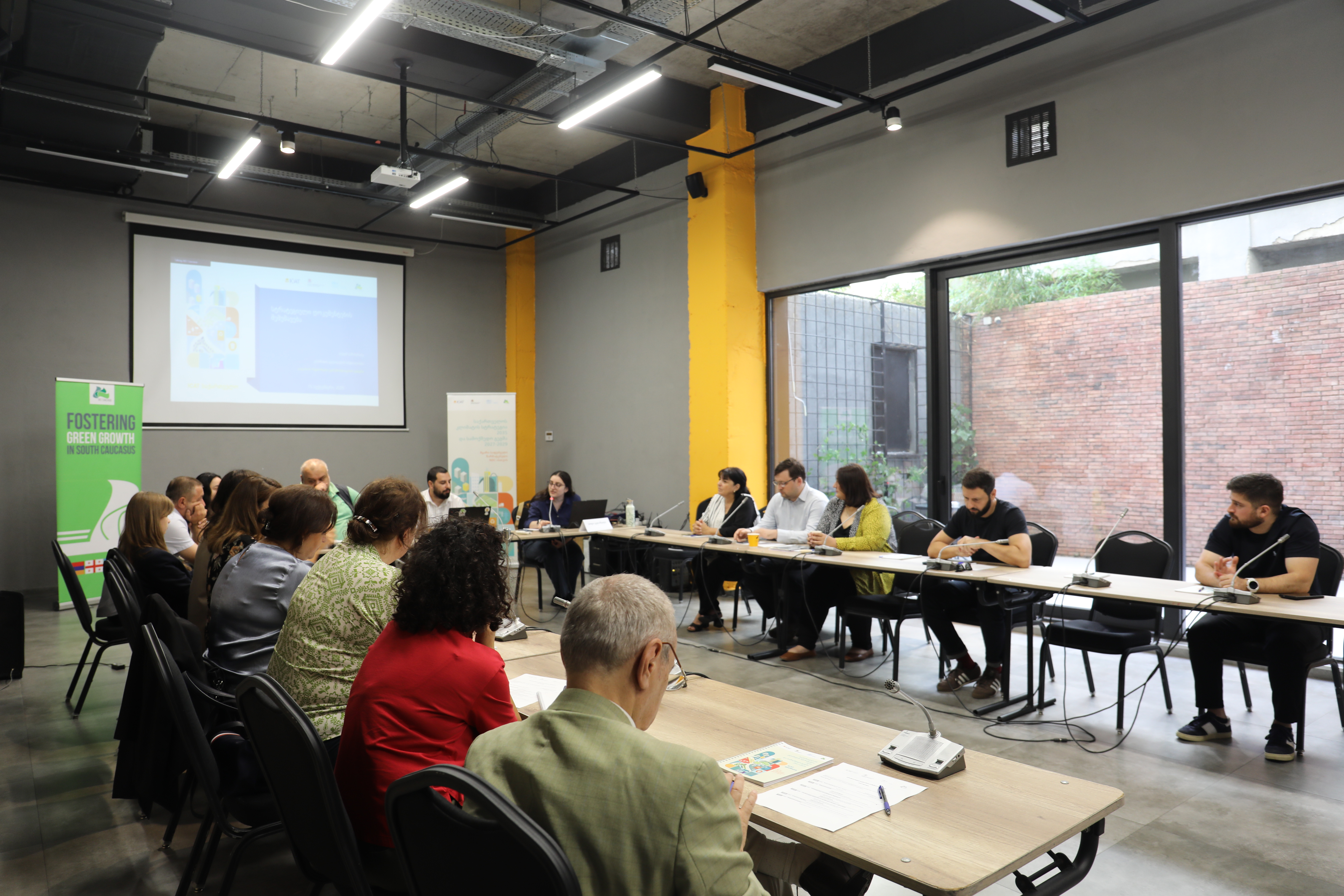
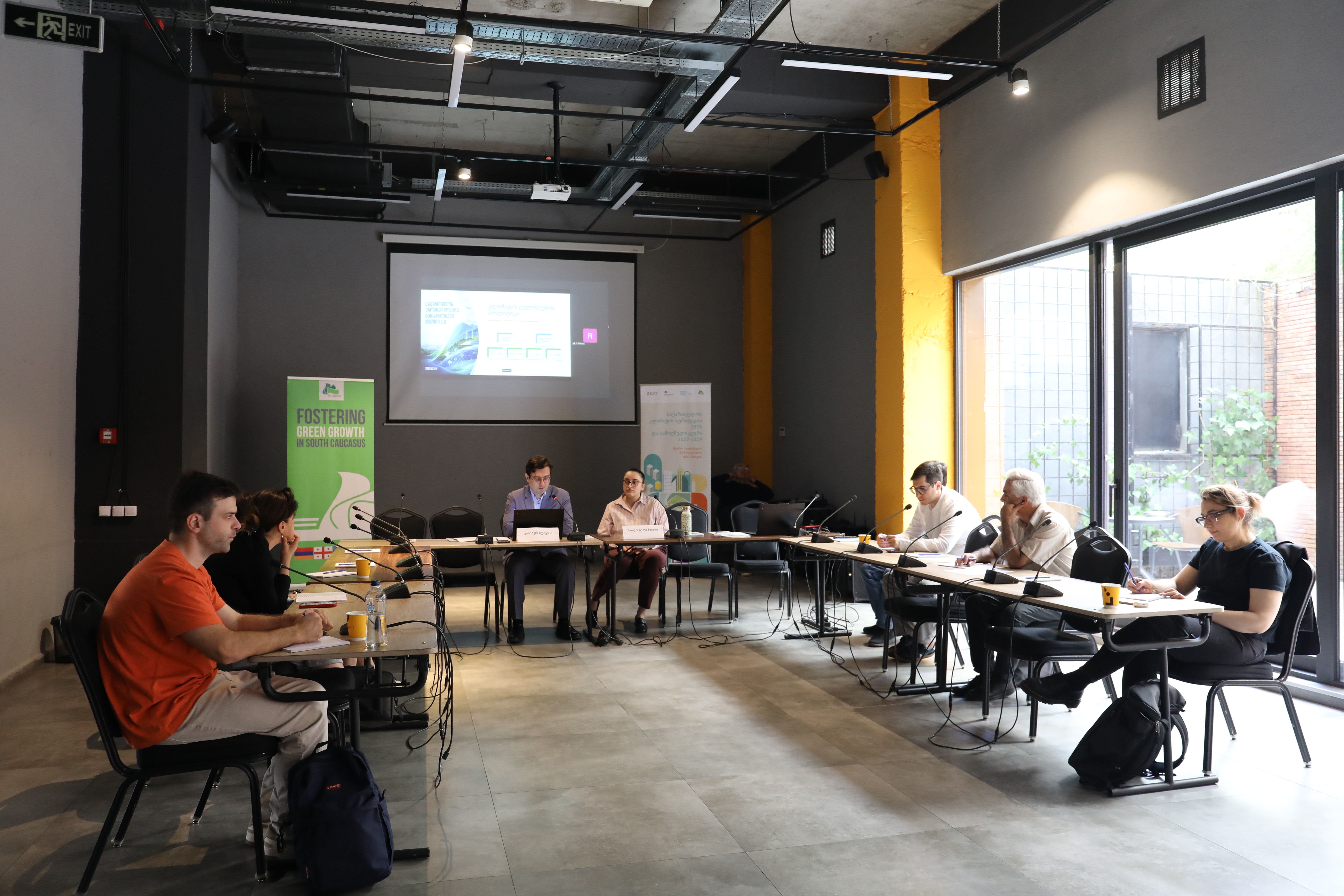
To encourage innovative responses to these challenges, the Regional Environmental Centre for the Caucasus (REC Caucasus) organised the Agro-Innovation Ideathon on 29 June at the Business and Technology University (BTU) in Tbilisi. The event brought together more than 100 young people to develop practical, business-oriented solutions that strengthen climate resilience in agriculture. It was held within the framework of the regional project “Promoting Green Deal Readiness in the Eastern Partnership Countries” (PROGRESS).
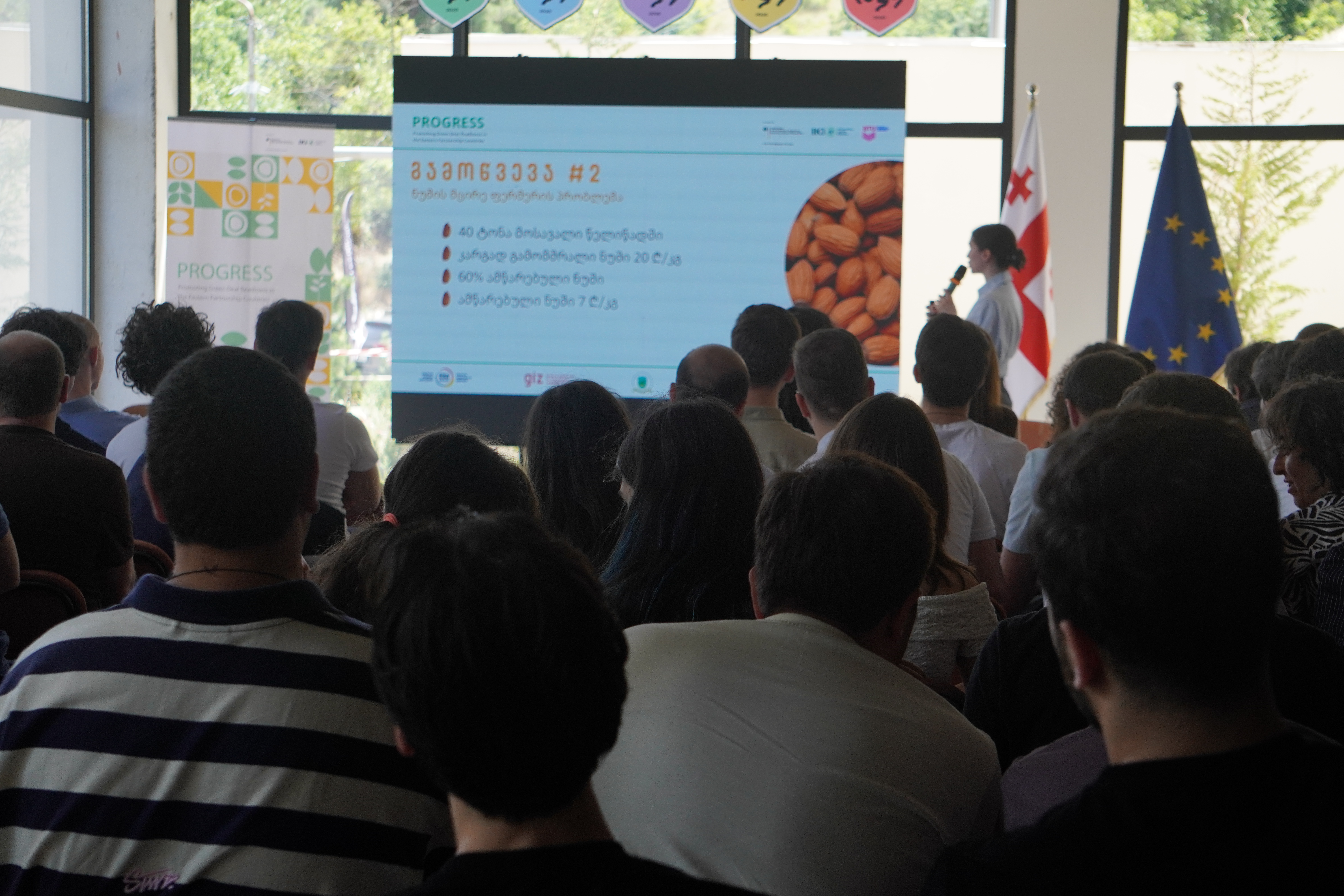
The ideathon challenged participants to address one of the most pressing impacts of climate change on agriculture: declining harvest quality across different farming systems. Working in teams, participants developed smart, investment-ready concepts that transform harvest losses into new economic opportunities while supporting climate adaptation and improving rural livelihoods.
The competition focused on crops that are important for Georgia’s agricultural sector, including blueberries and almonds—two high-value crops whose productivity and quality are particularly sensitive to changing climatic conditions—as well as wheat, with special attention given to endemic varieties that form part of the country’s agricultural heritage.
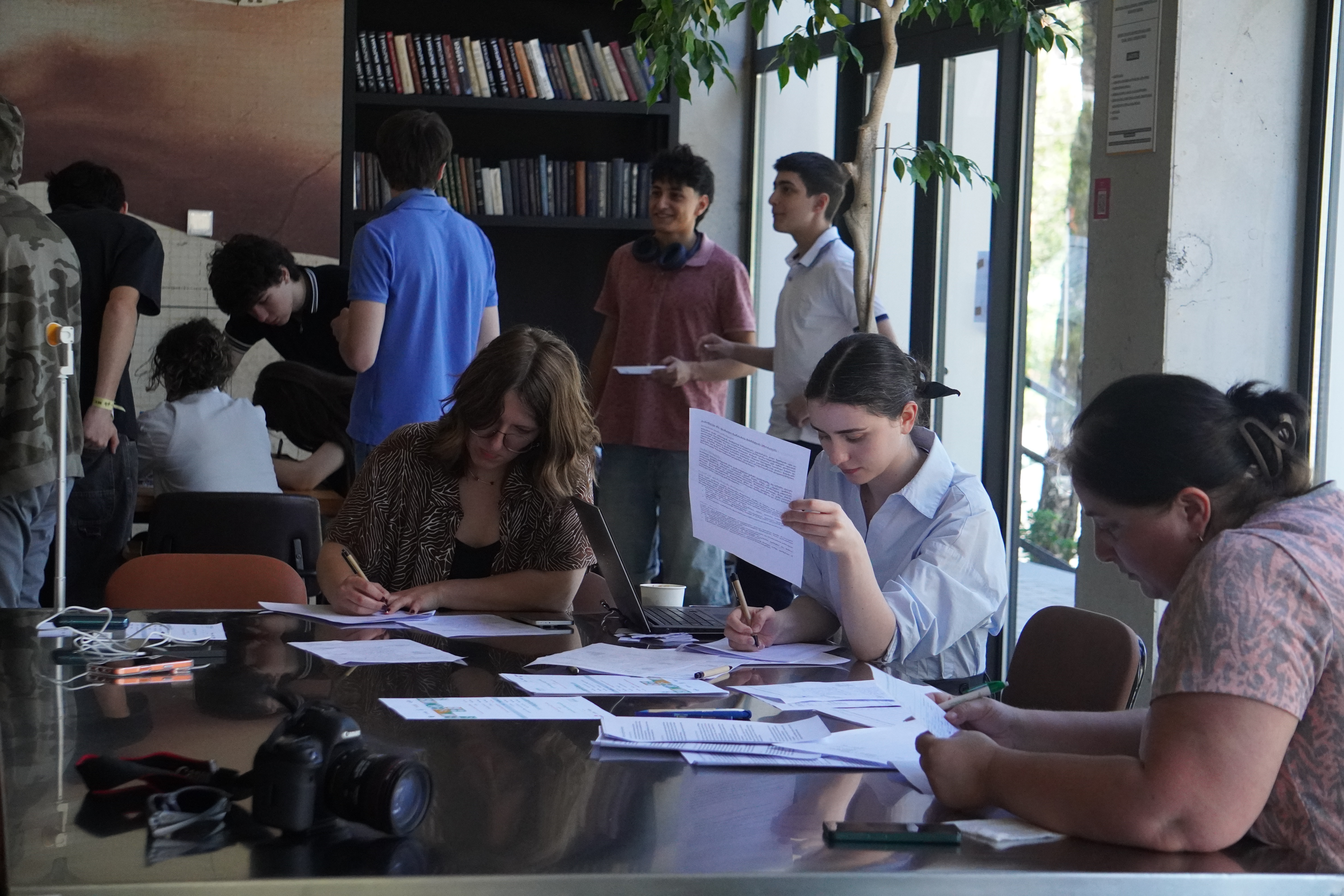
The competition was open to young people and students aged 16 to 28, who worked in teams of five. Participants without a team were matched with others at the start of the event, creating opportunities for collaboration, networking and knowledge exchange. Throughout the day, participants also engaged with experts and mentors from the agricultural and innovation sectors.
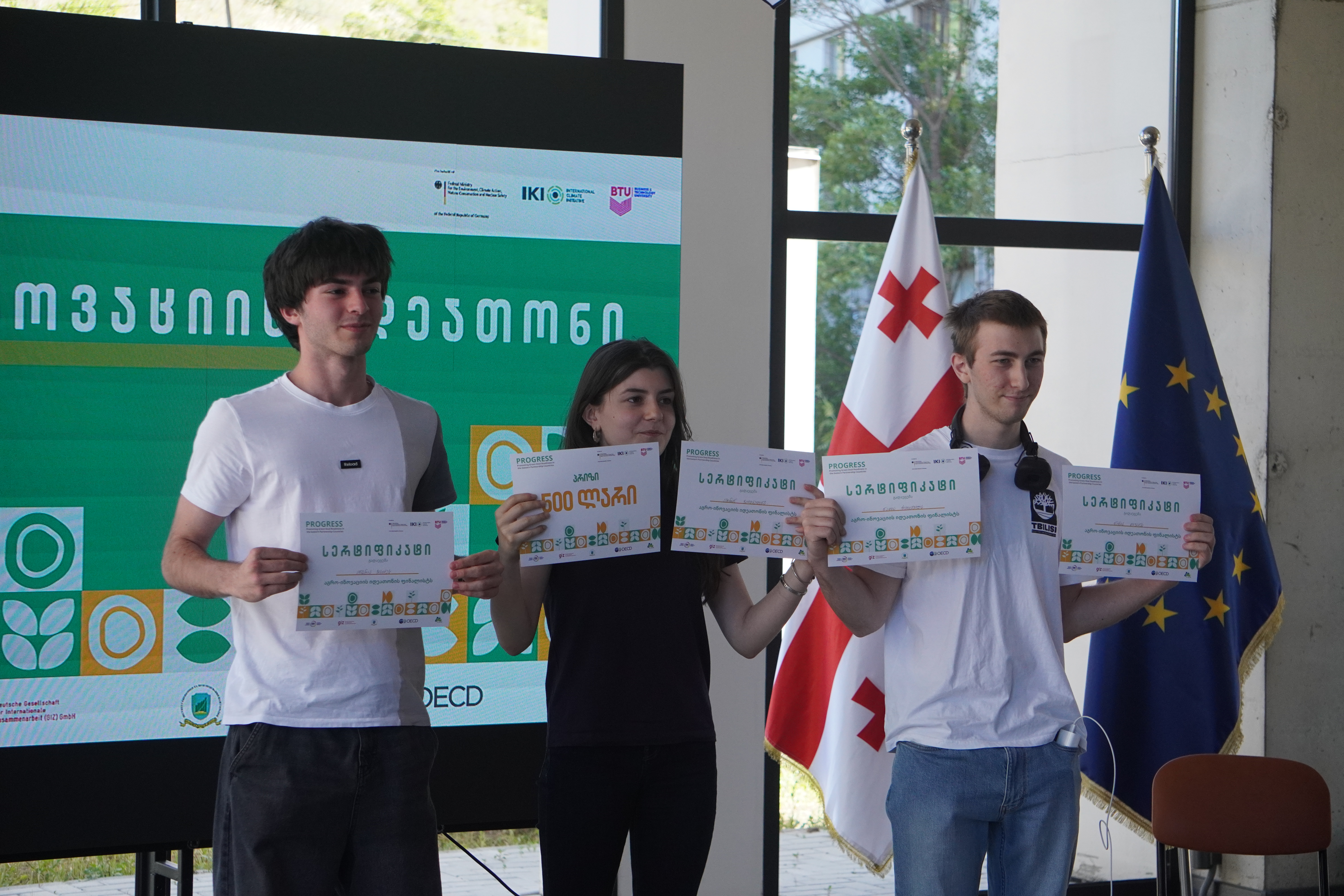
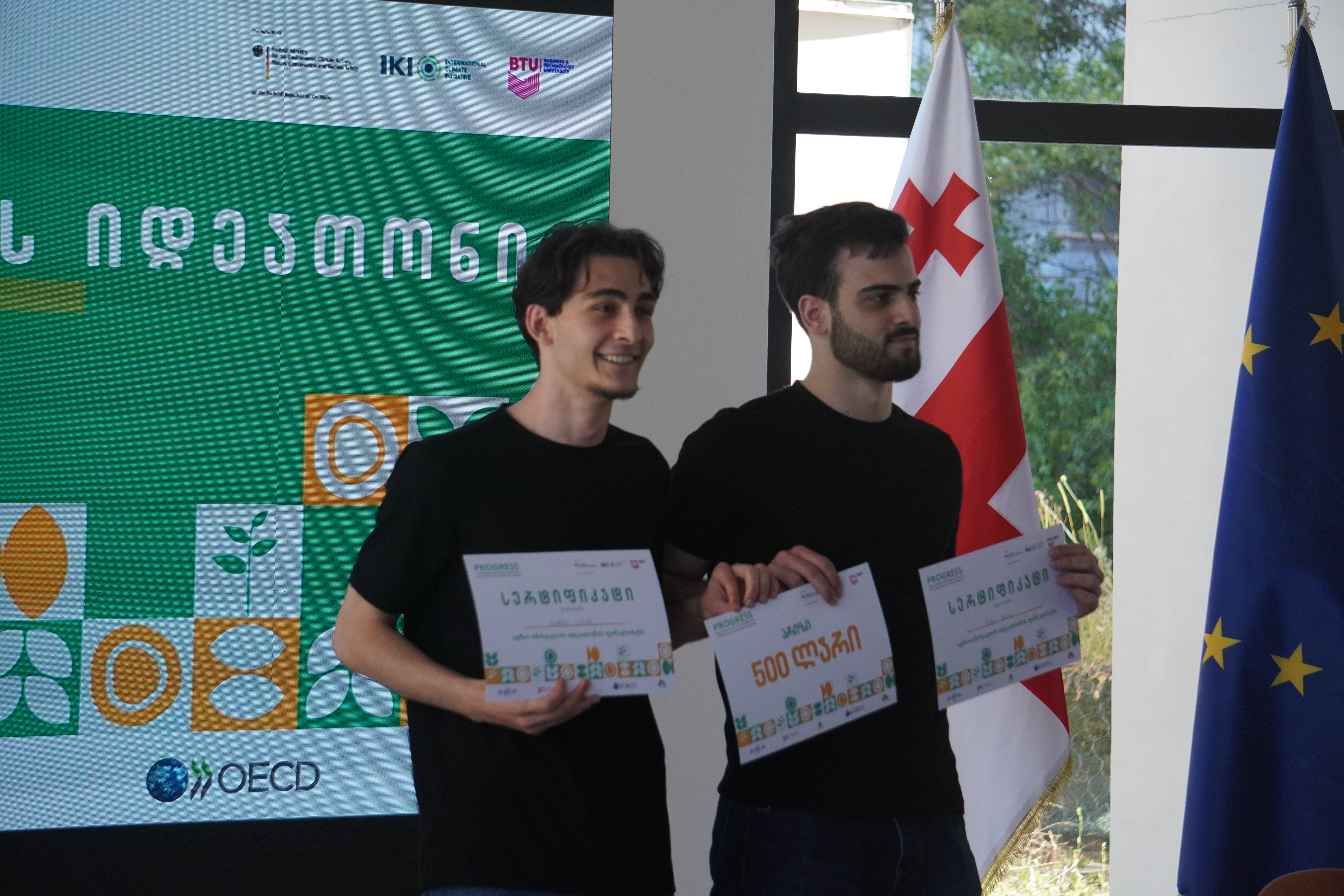
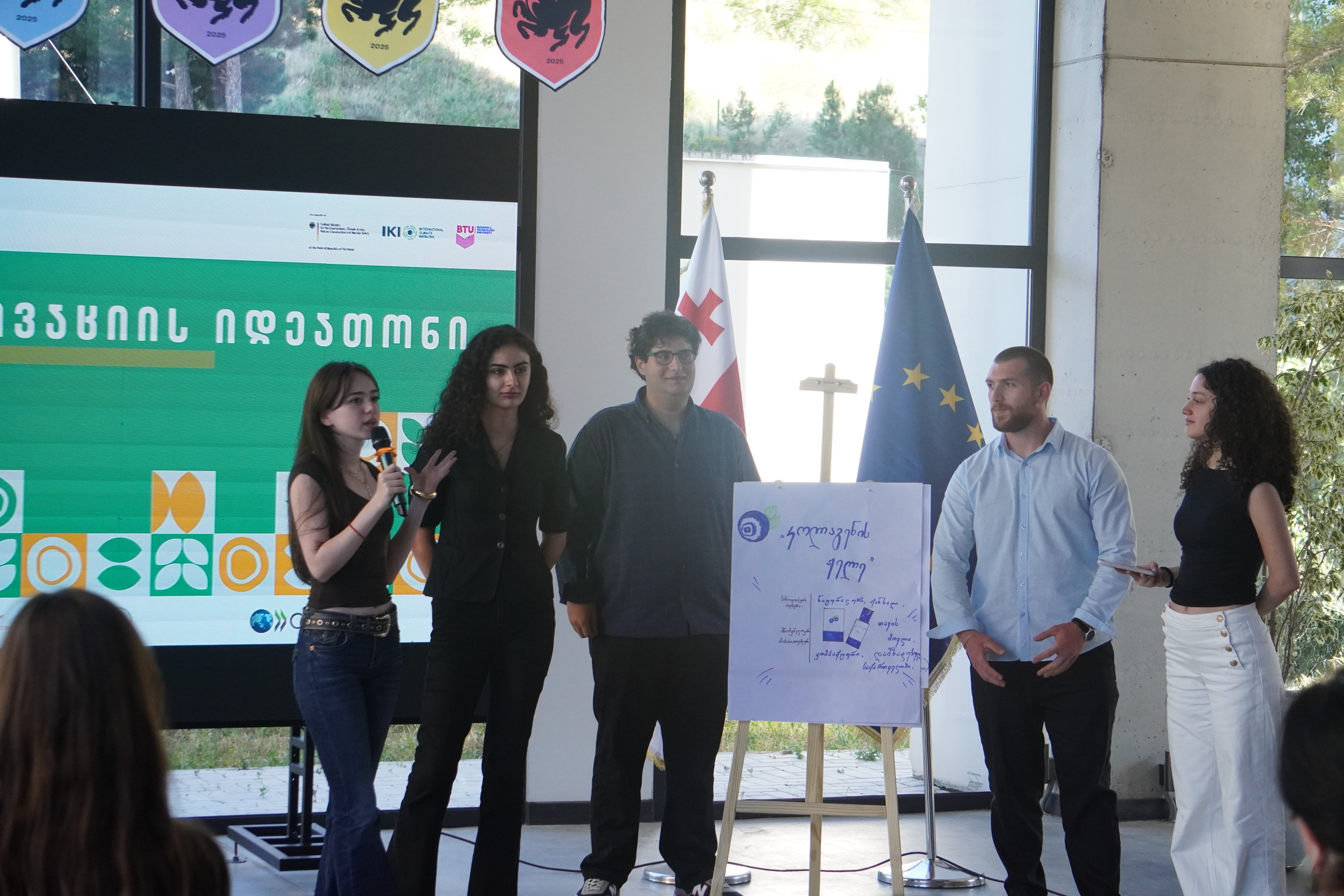
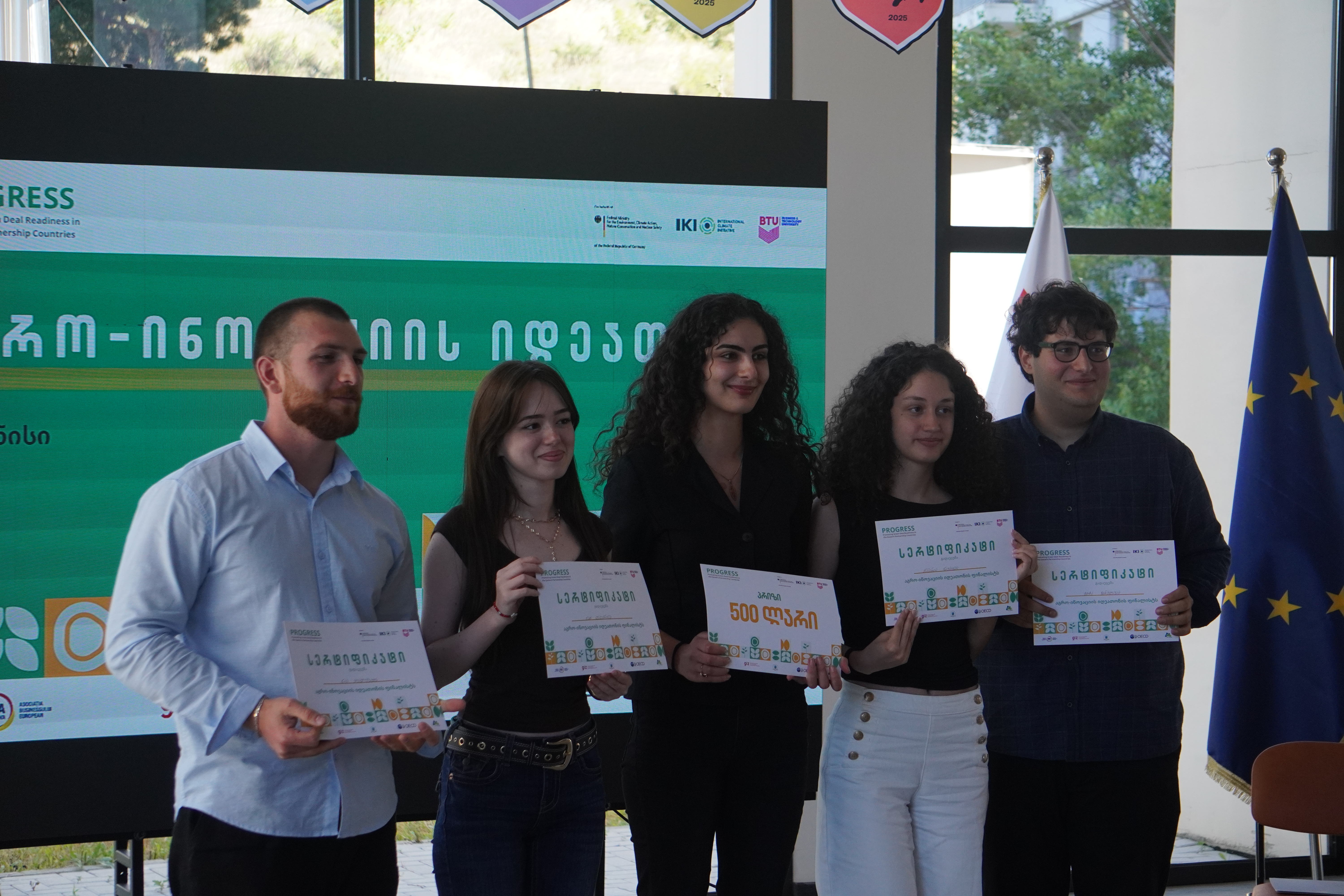
Following the evaluation process, three finalist teams were selected, each presenting solutions addressing challenges faced by blueberry, almond, and wheat producers. During the final pitching session, the teams presented their ideas to the jury, after which all three finalists were recognised and awarded. The overall winner was a three-member team that developed an innovative solution addressing challenges related to wheat production.
The winning team received a cash prize of GEL 2,500, while additional prizes were awarded to the finalist teams in recognition of their innovative solutions.
By connecting young innovators with real challenges facing the agricultural sector, the Agro-Innovation Ideathon contributed to strengthening innovation for climate adaptation in Georgia. The event also reflects the broader objective of the PROGRESS project: supporting the development of smart agricultural practices and more resilient value chains that enable farmers to maintain product quality, strengthen incomes and improve market access under changing climate conditions.