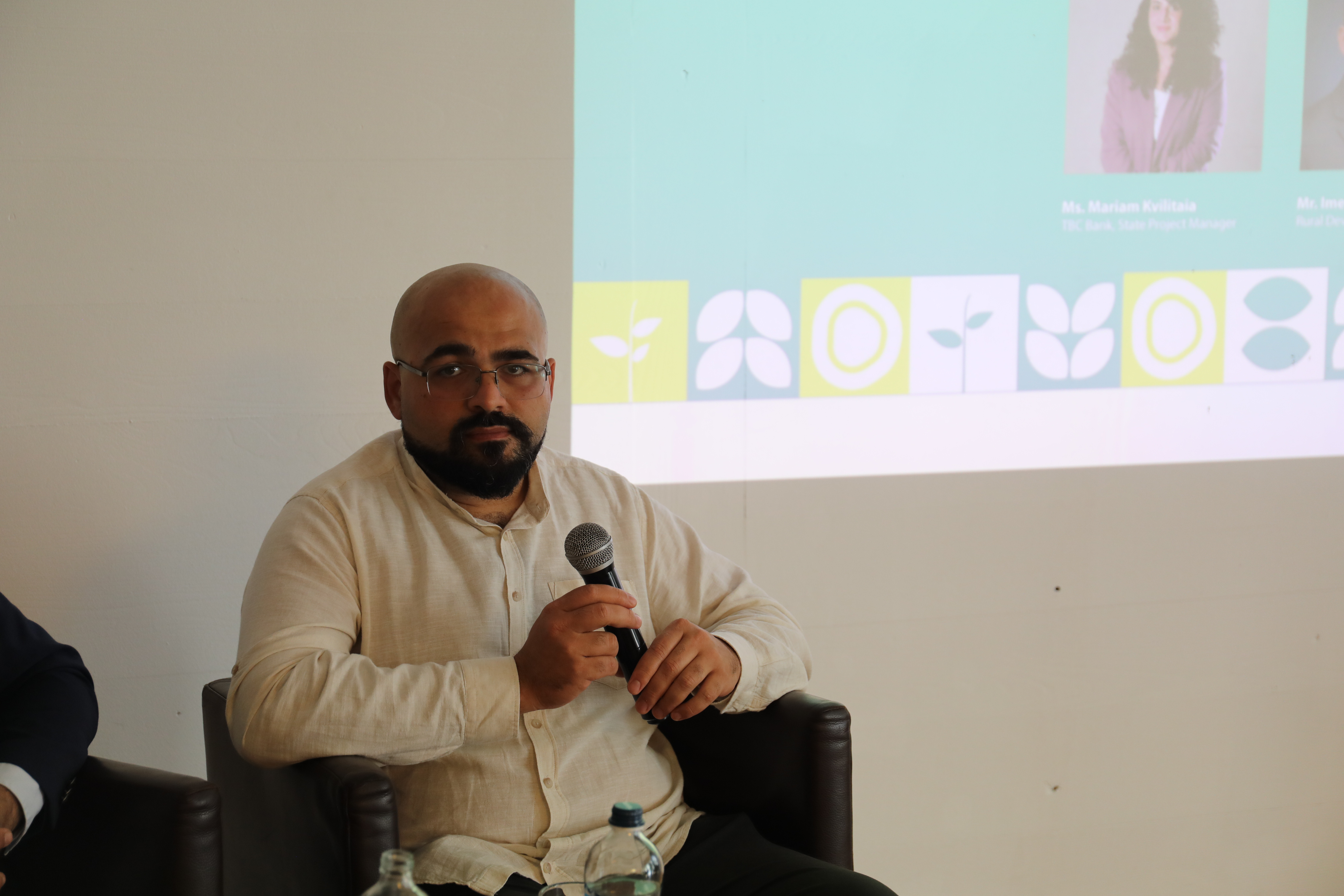
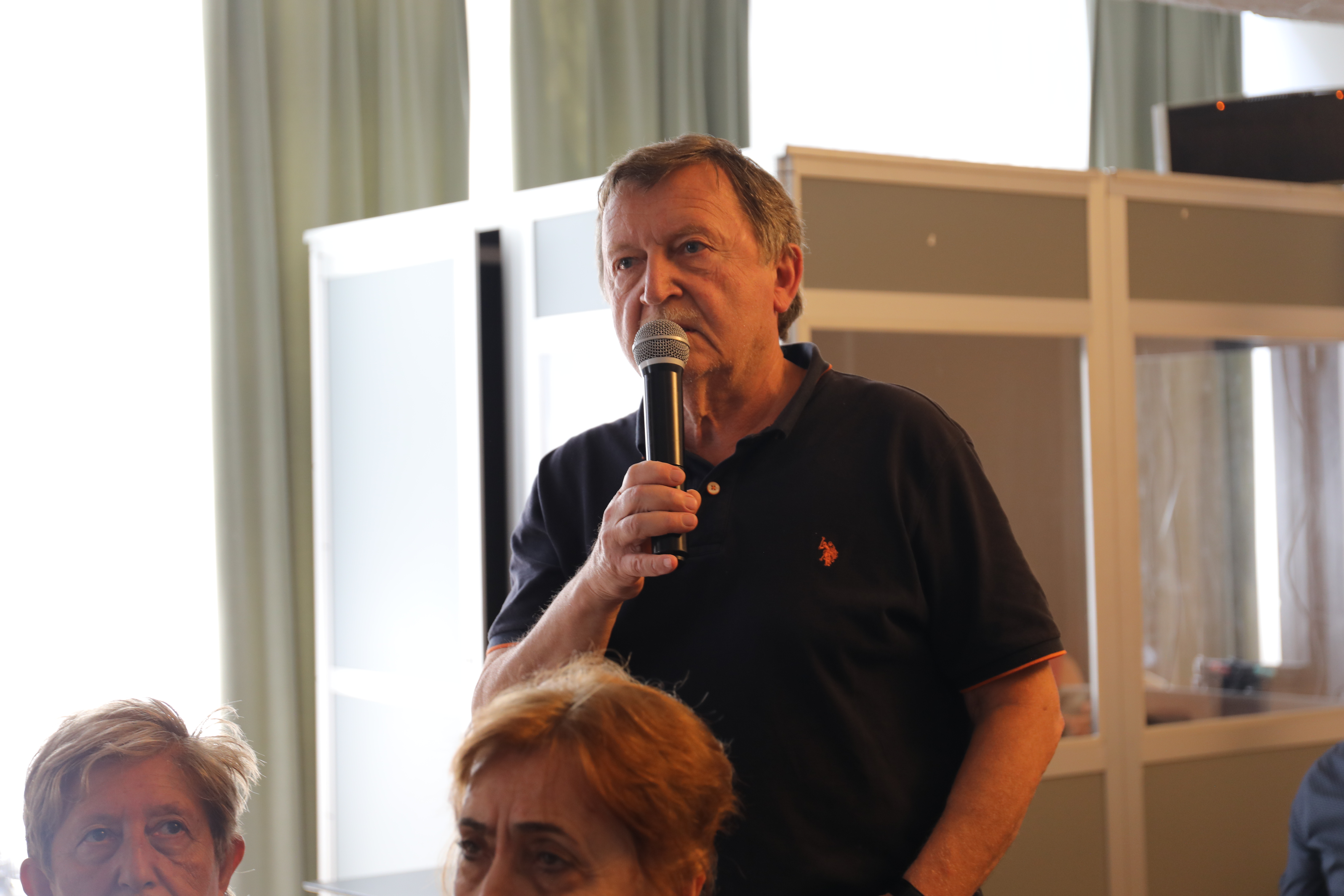
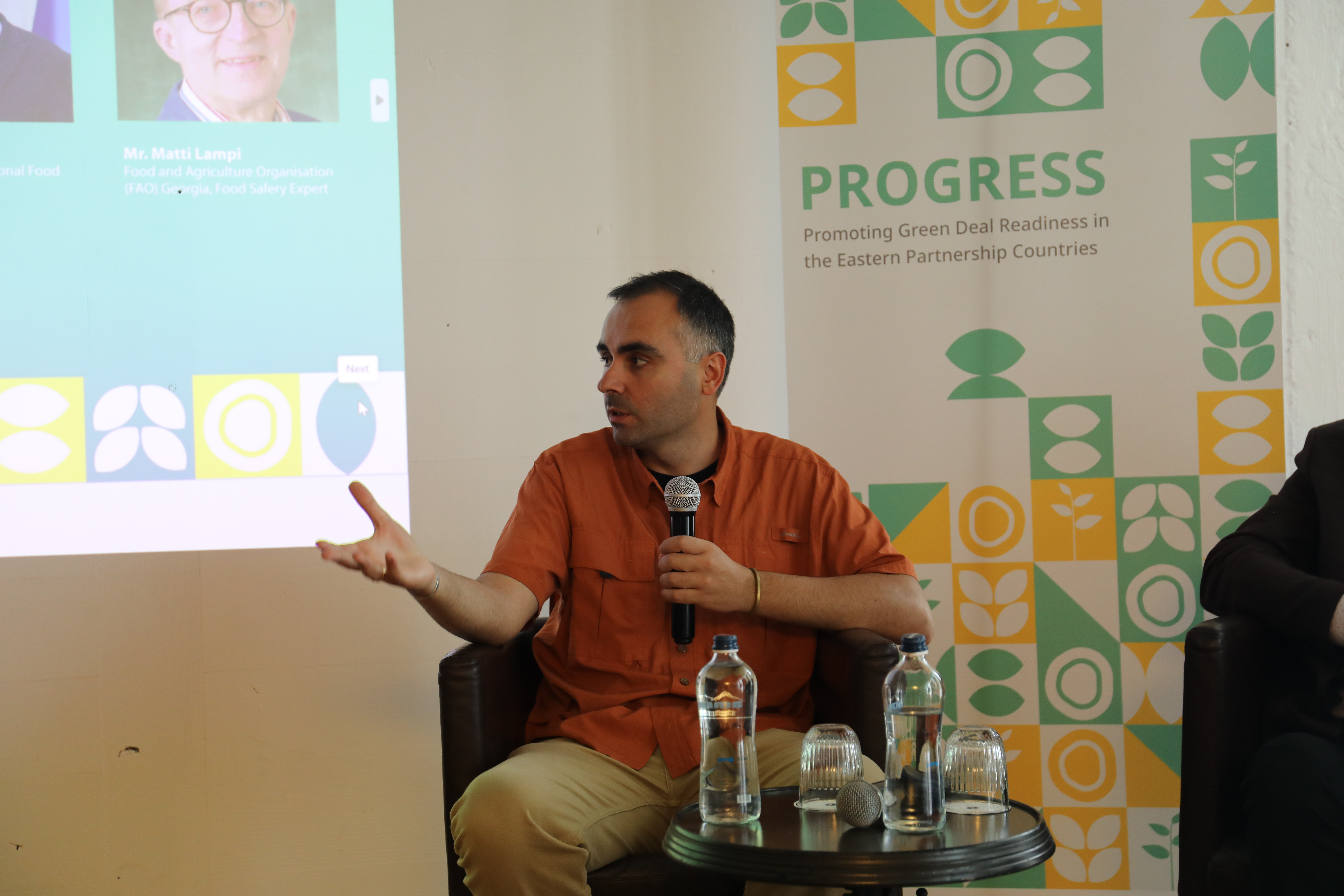
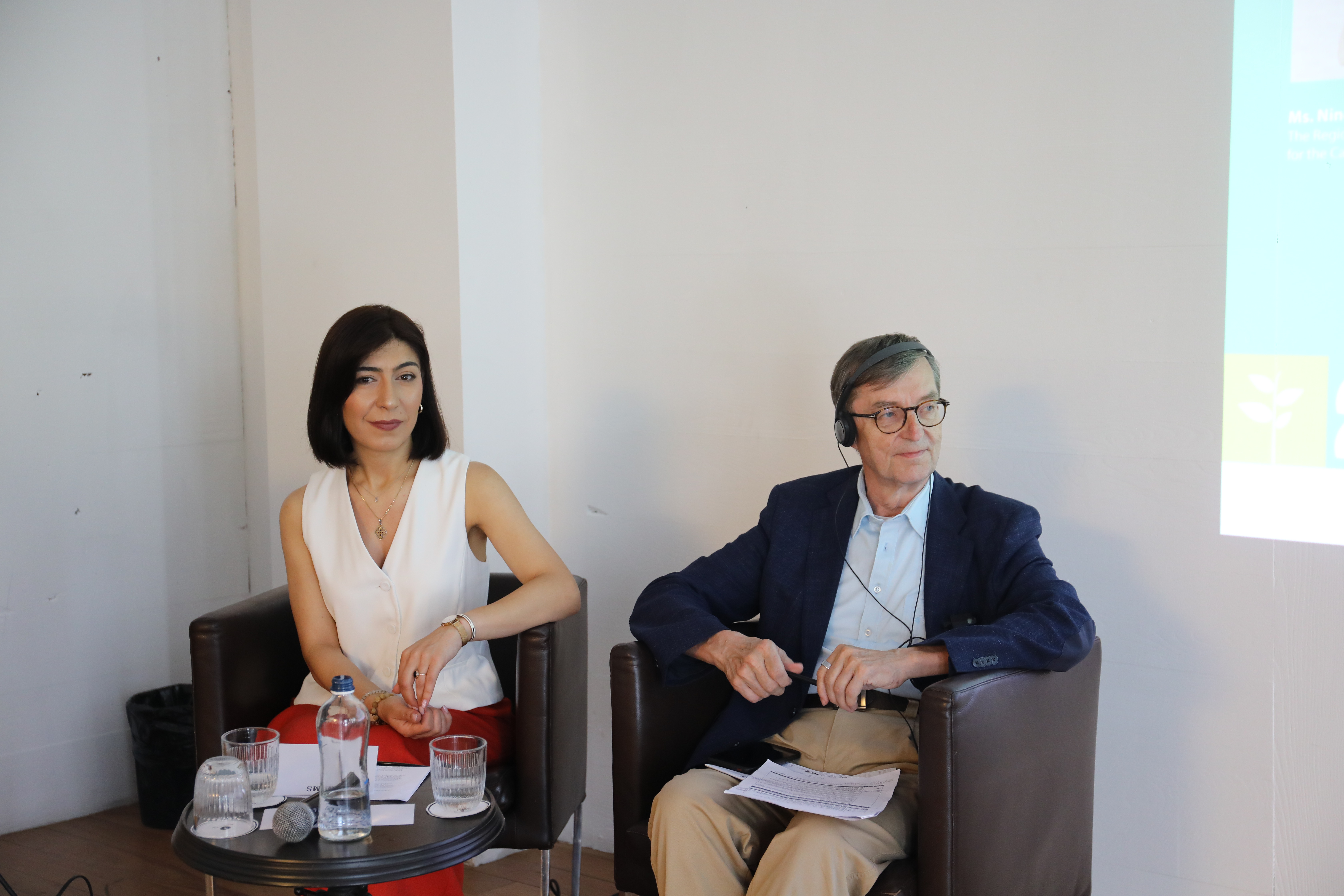
National Roundtable on Climate-Smart Agriculture and European Standards Held in Georgia
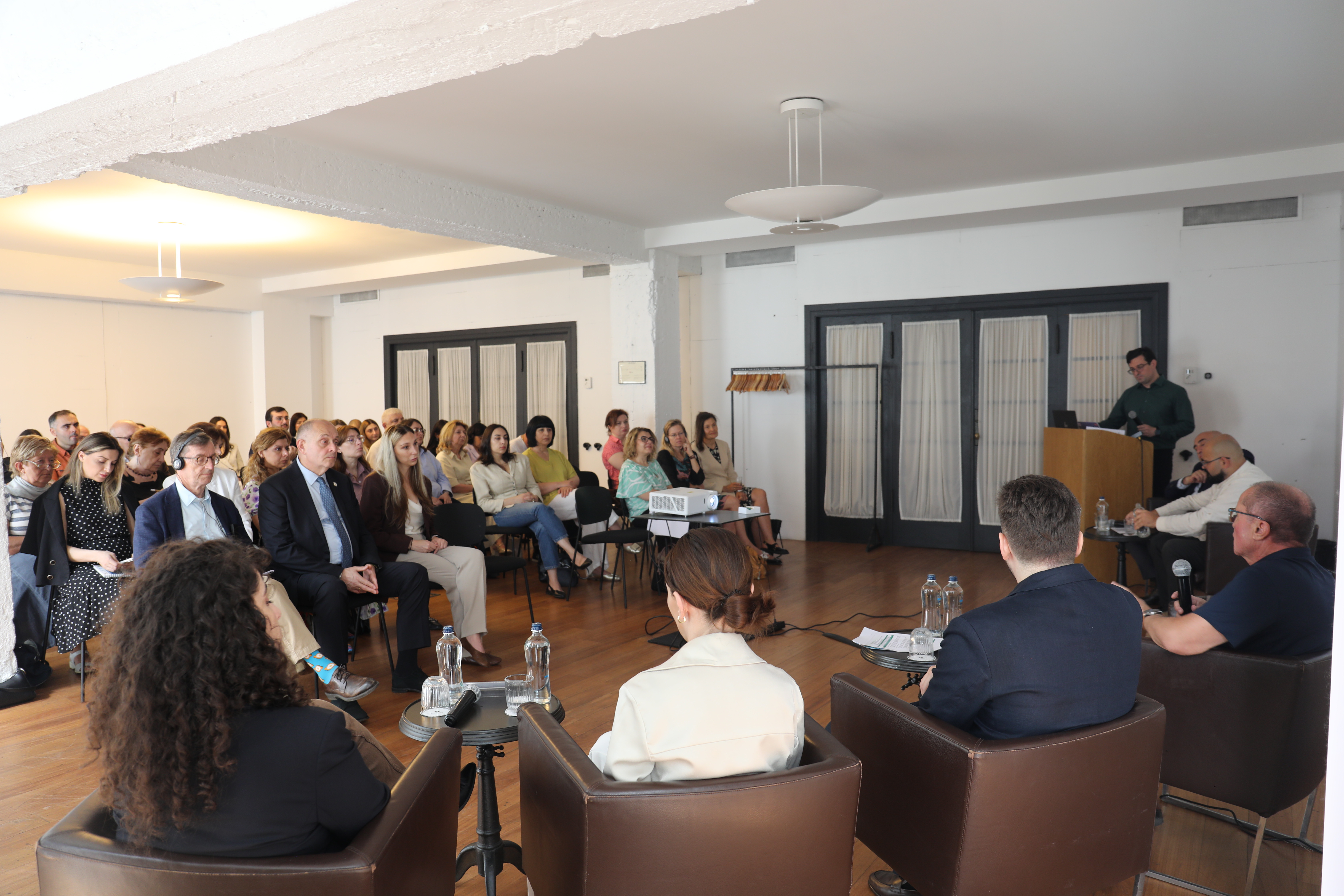
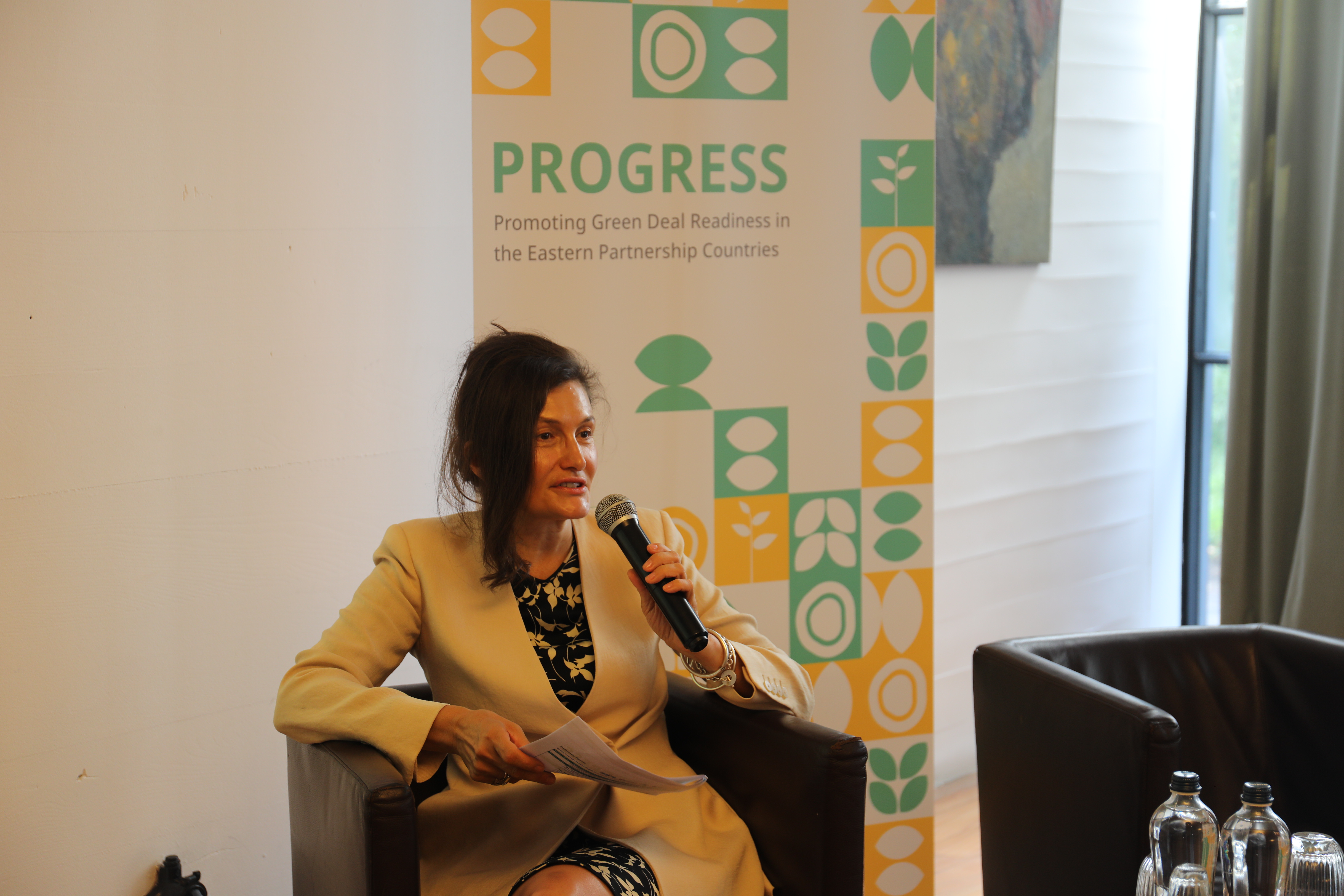
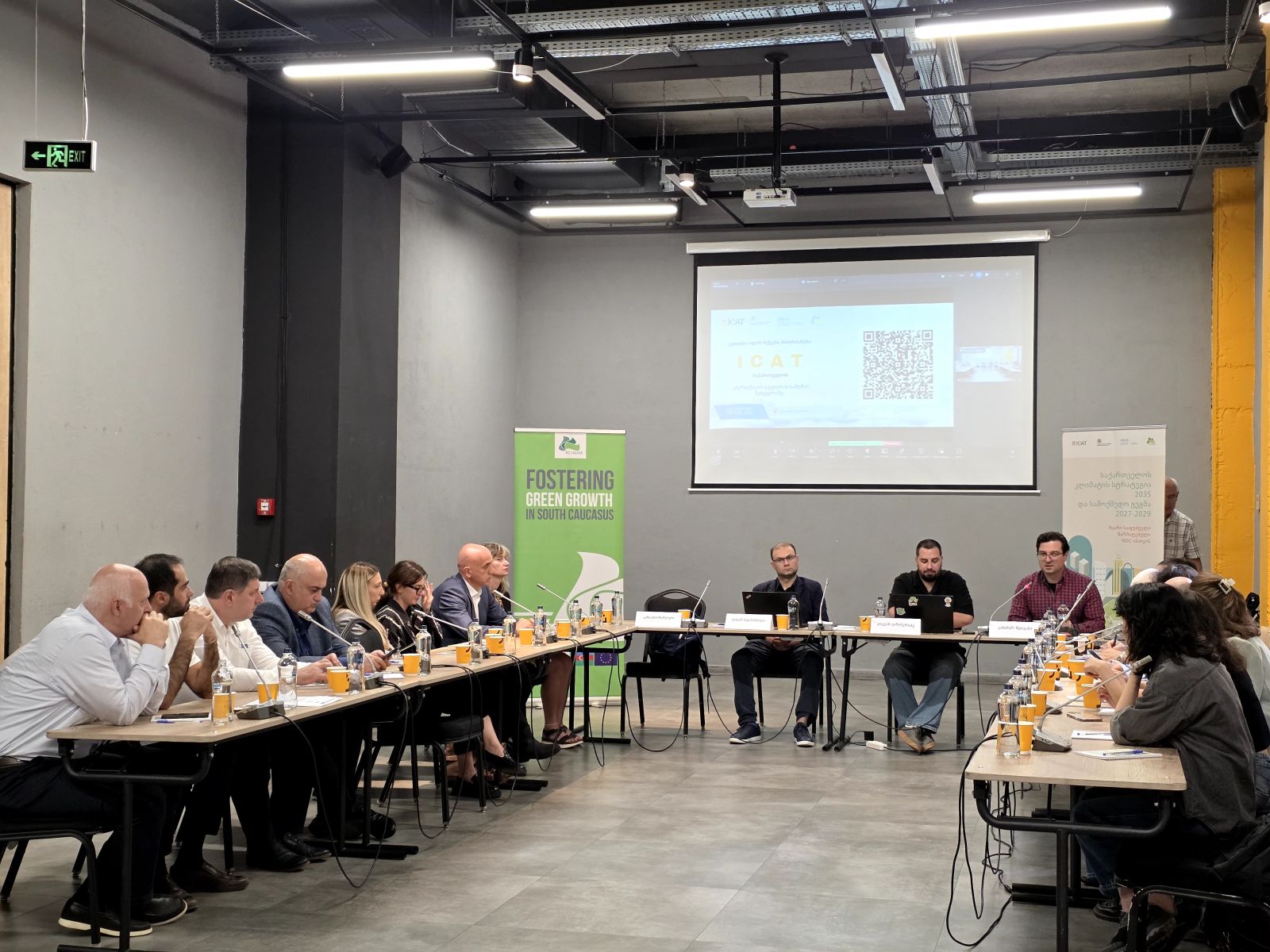
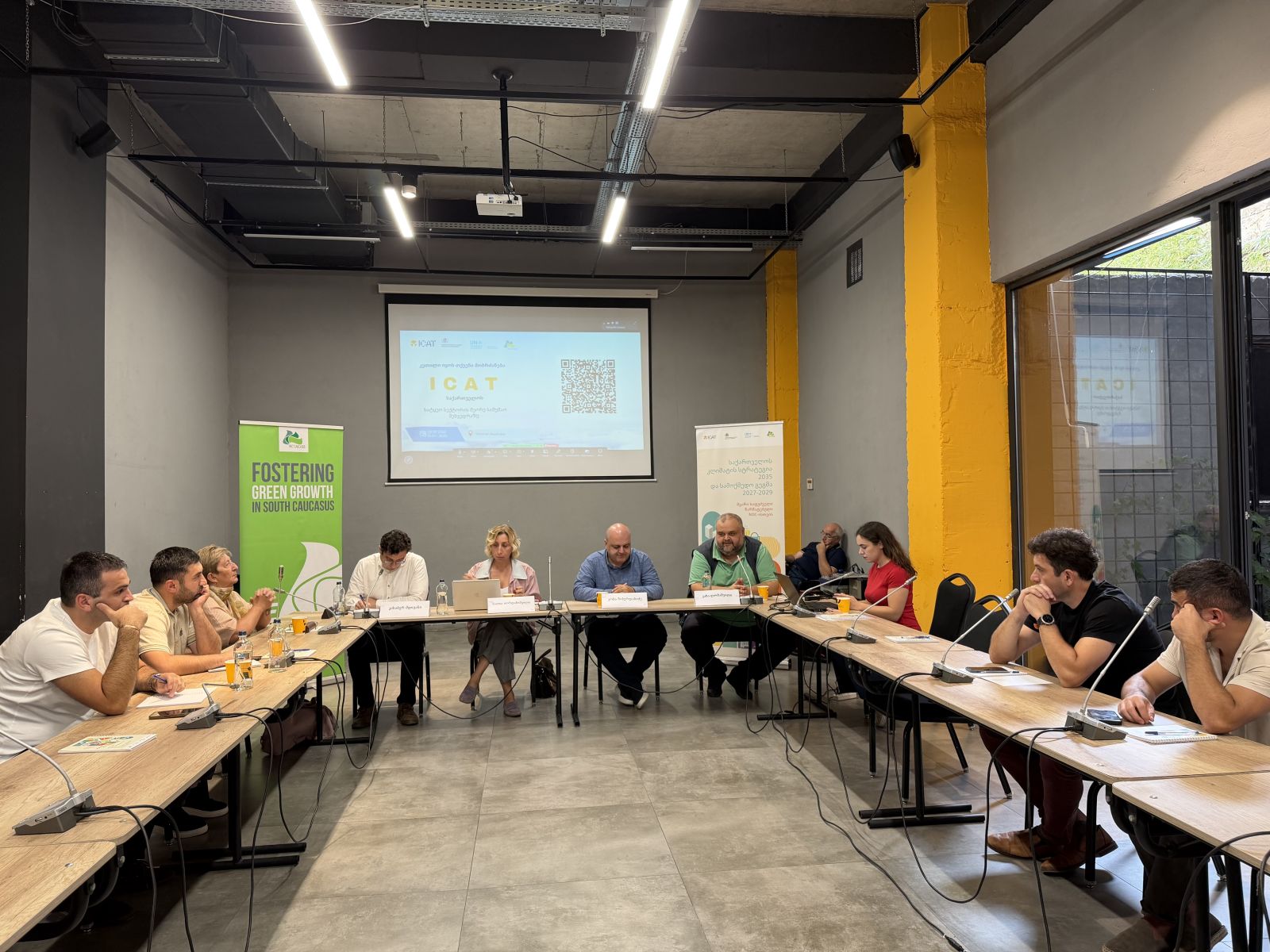
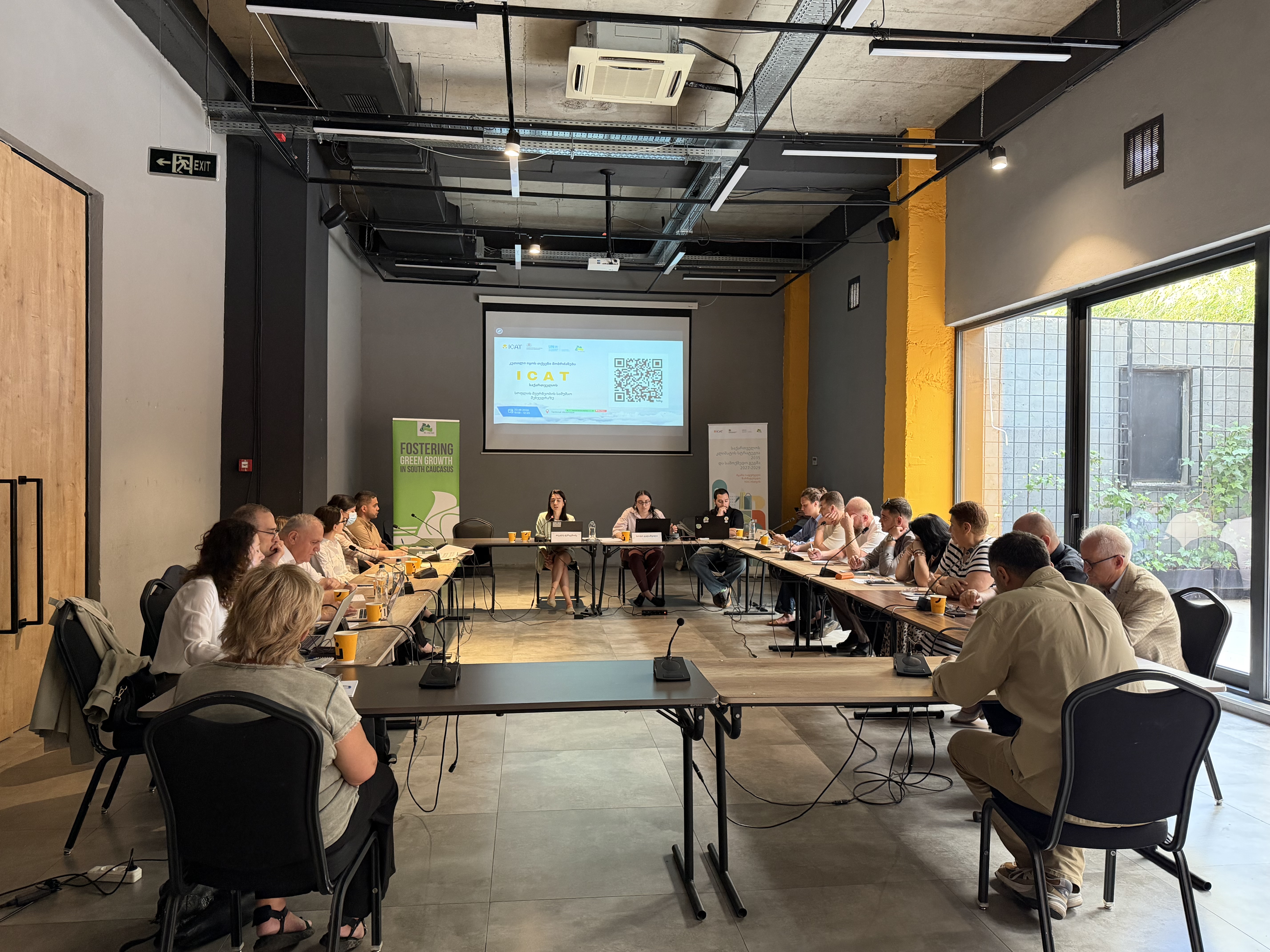
A National Roundtable on climate-smart agriculture (CSA) and green agri-food certification was held in Tbilisi within the framework of the project “Promoting Green Deal Readiness in the Eastern Partnership Countries” (PROGRESS).
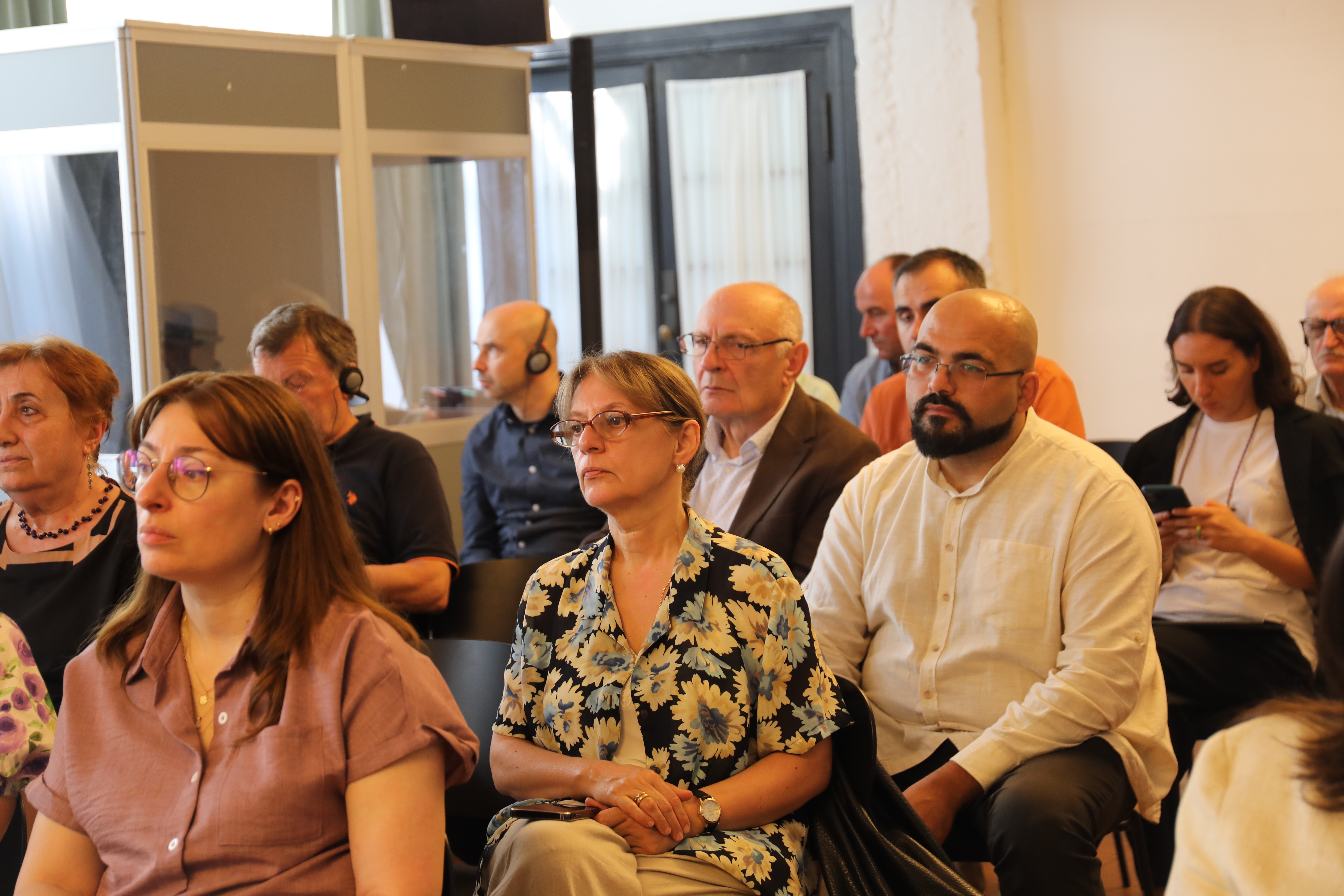
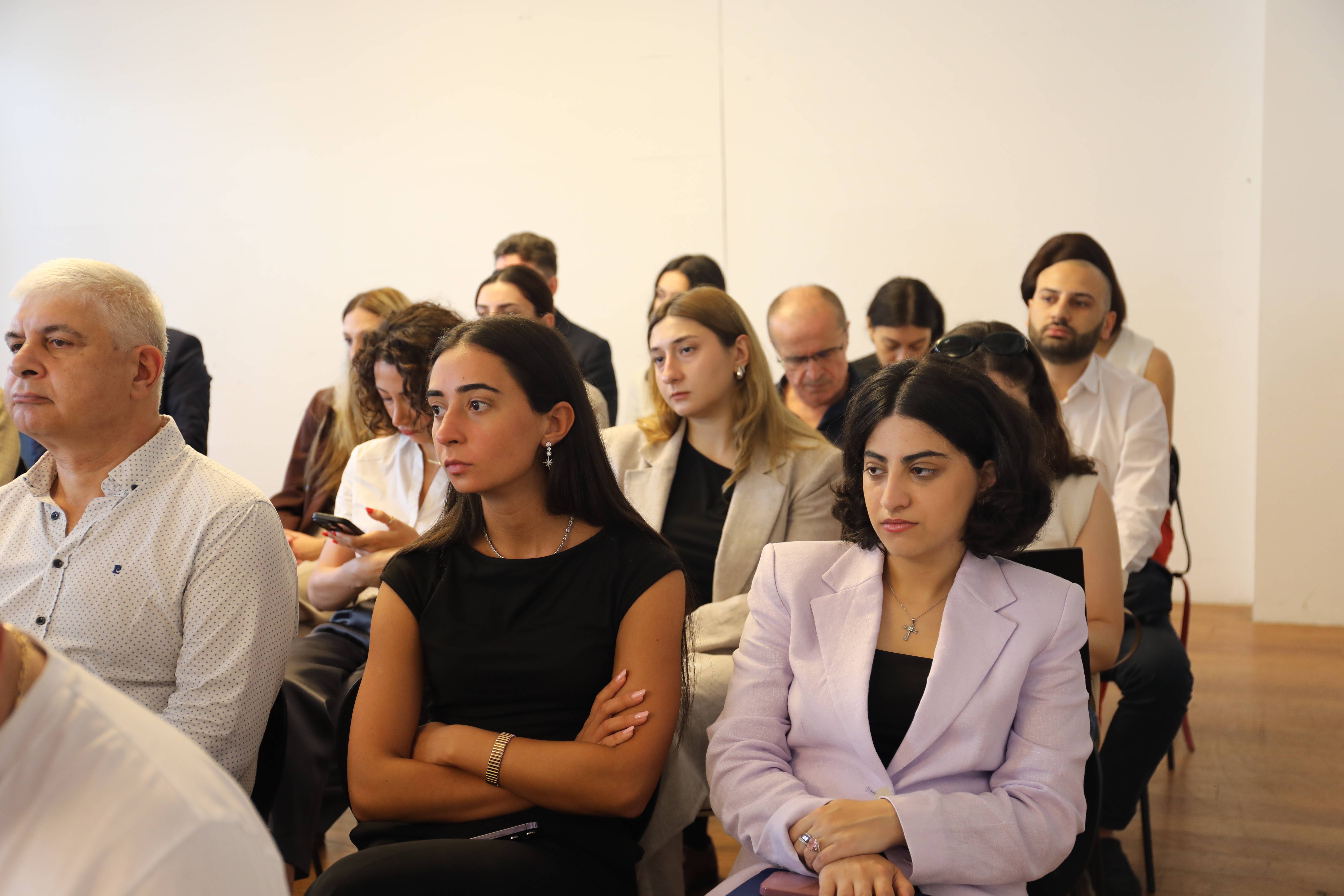
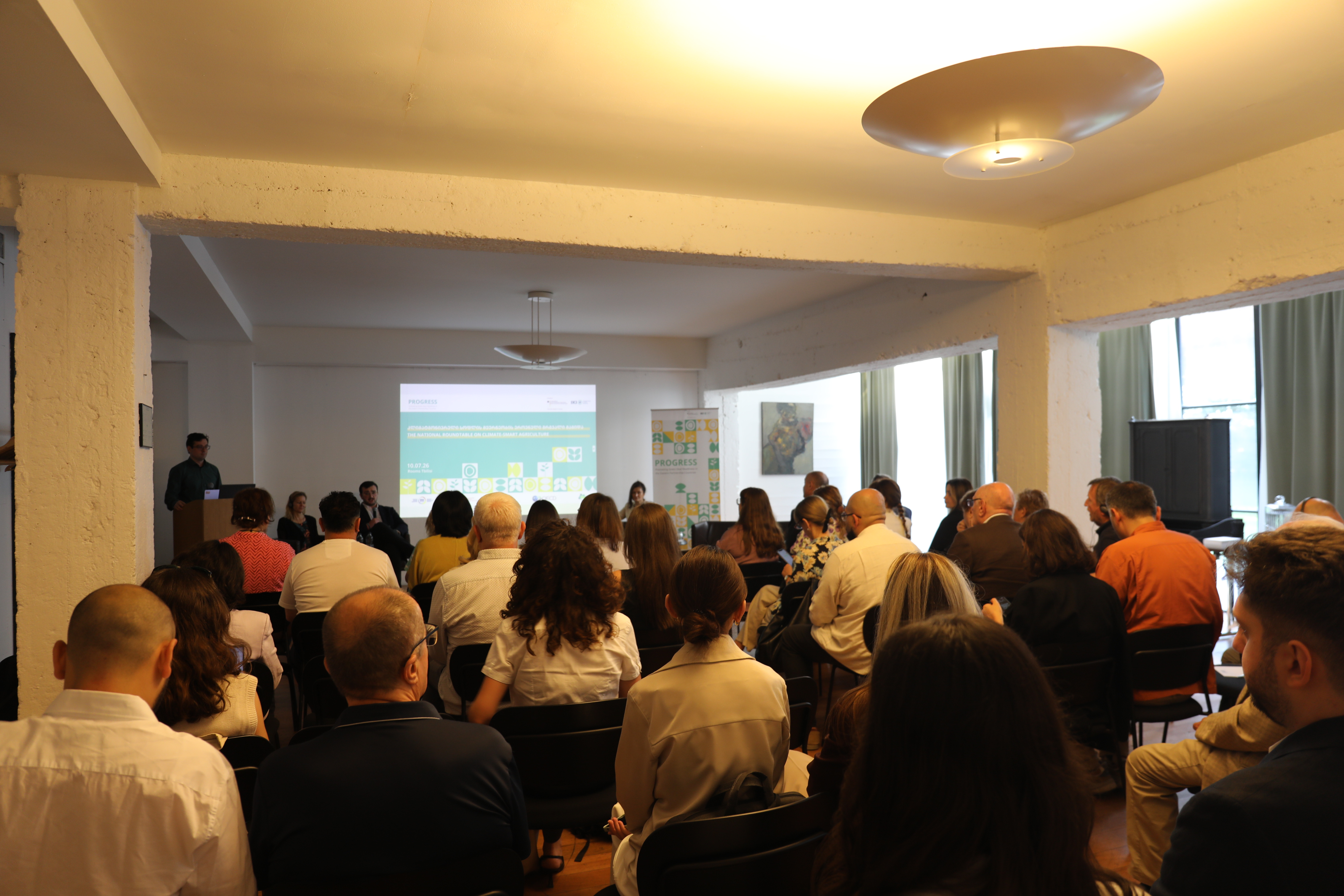
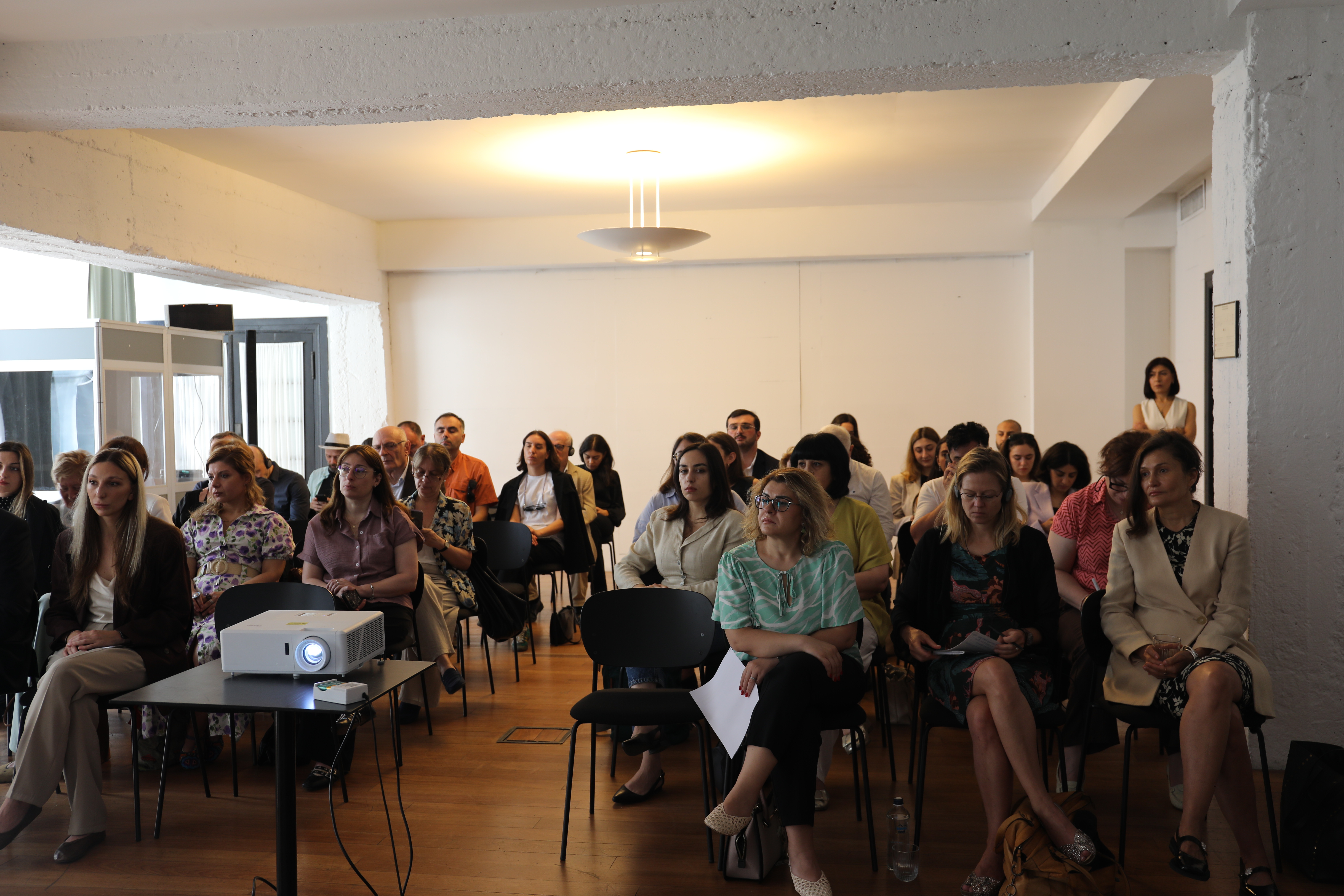
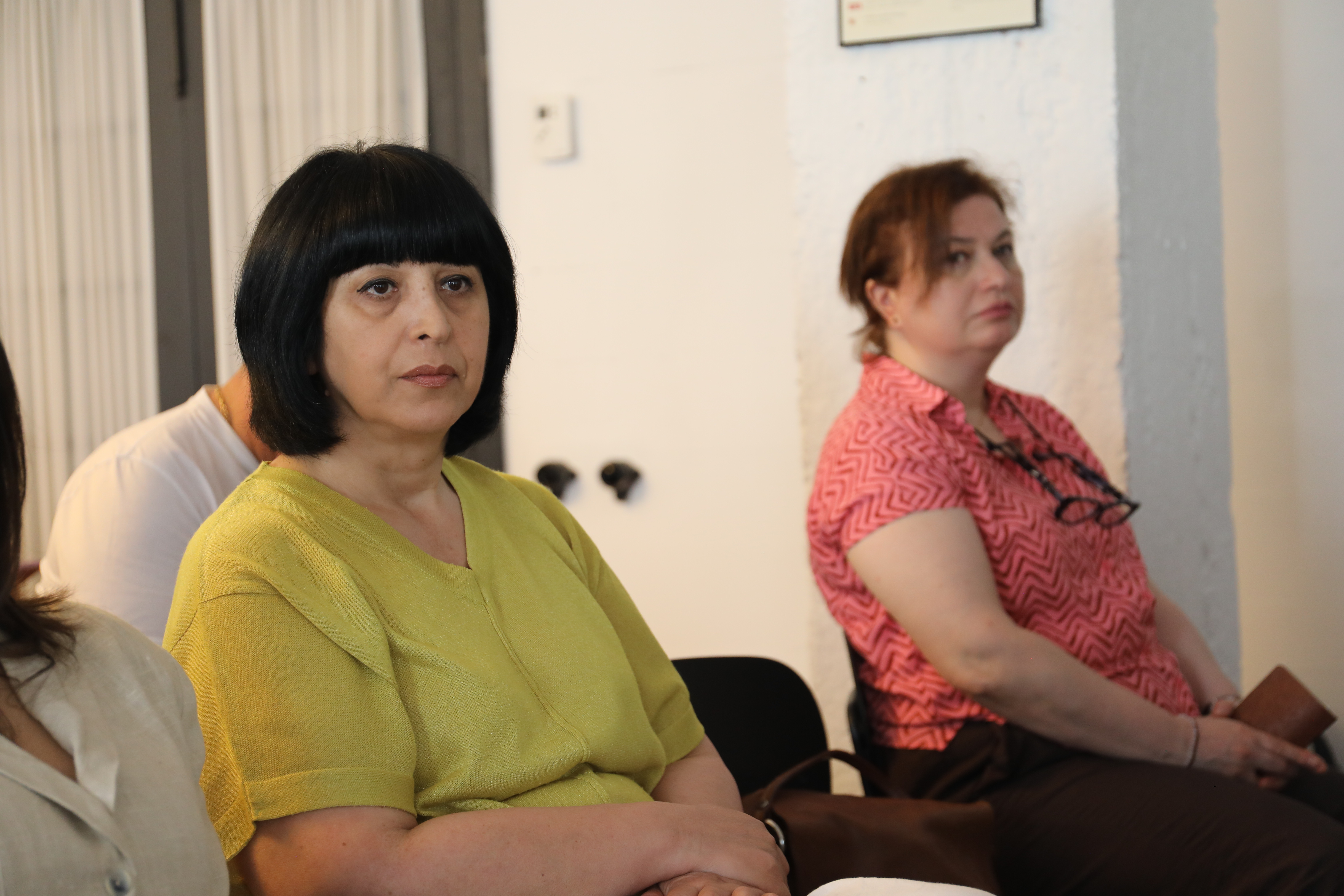
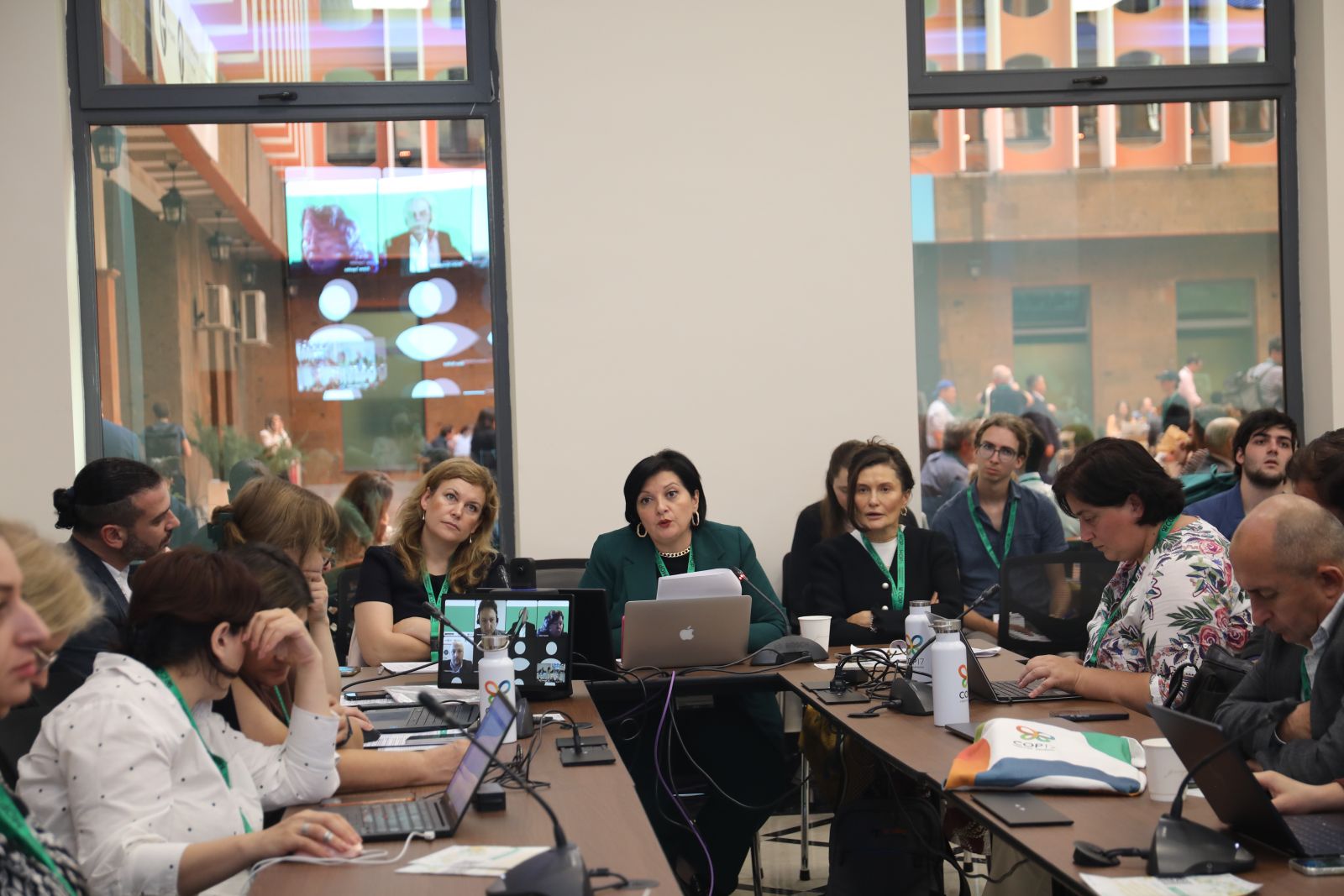
Organised by the Regional Environmental Centre for the Caucasus (REC Caucasus) in cooperation with the Deutsche Gesellschaft für Internationale Zusammenarbeit (GIZ) GmbH and with the support of the German Federal Government’s International Climate Initiative (IKI), the event brought together around 50 participants, including representatives of government institutions, civil society organisations, local authorities, and farmers.
The roundtable aimed to support the preparedness of Georgia’s agricultural sector for the requirements of the European Green Deal, promote the green transformation of local production, and strengthen the alignment of Georgian products with European standards.
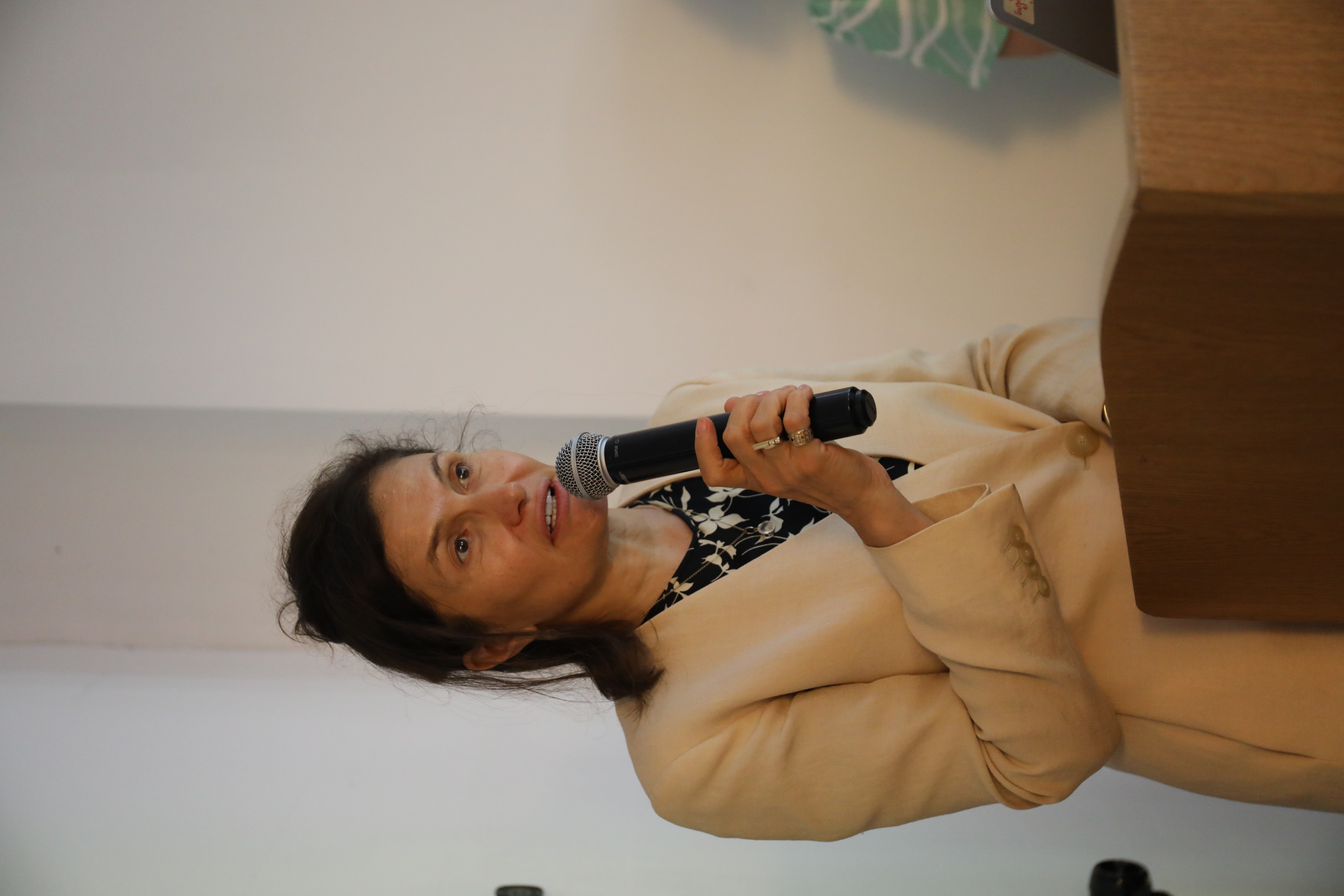
The event opened with welcoming remarks by Giorgi Khuroshvili, First Category Senior Specialist at the Horticulture Development Division of the Ministry of Environmental Protection and Agriculture of Georgia; Martina Kolb, PROGRESS Programme Director at GIZ; and Sophiko Akhobadze, Executive Director of REC Caucasus.
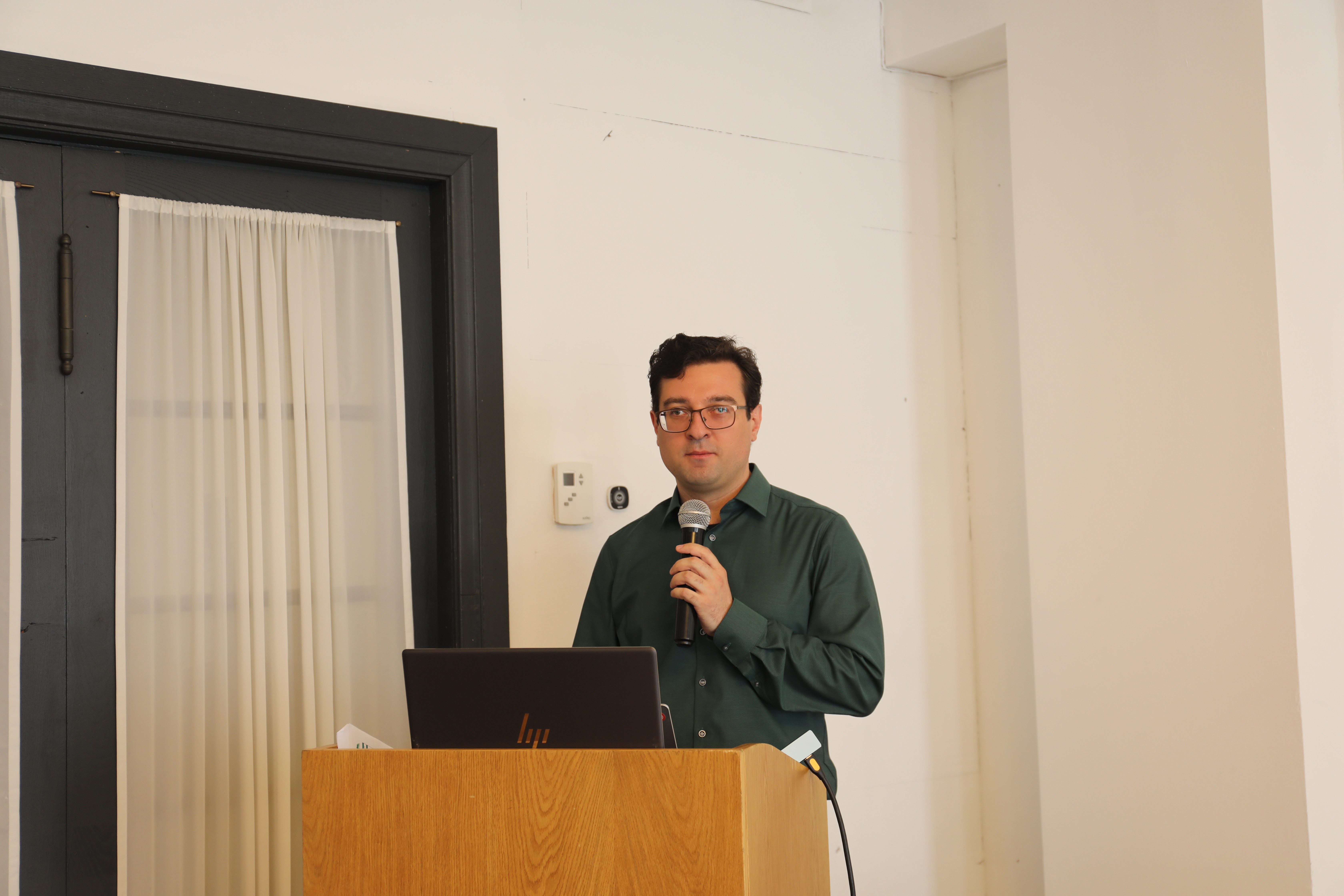
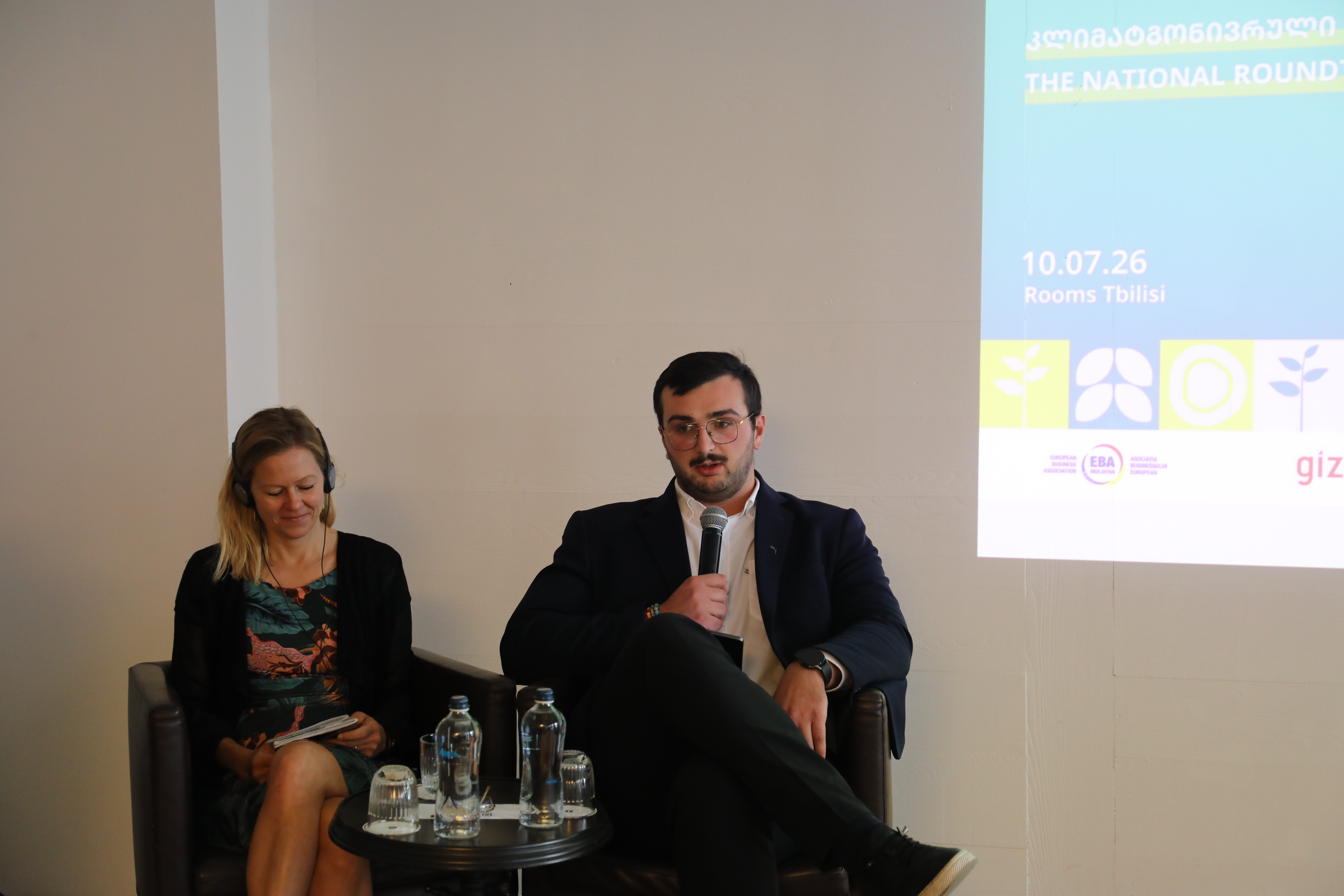
Opening the panel discussion, Kakha Mdivani of REC Caucasus presented the key climate-related challenges affecting Georgia’s agricultural sector. Rising temperatures and heat stress, droughts and water scarcity, extreme weather events, soil erosion, and the spread of new pests and diseases were highlighted among the growing threats to agricultural productivity and economic resilience. He emphasised the need for region-specific adaptation measures and the wider adoption of climate-smart agricultural practices.
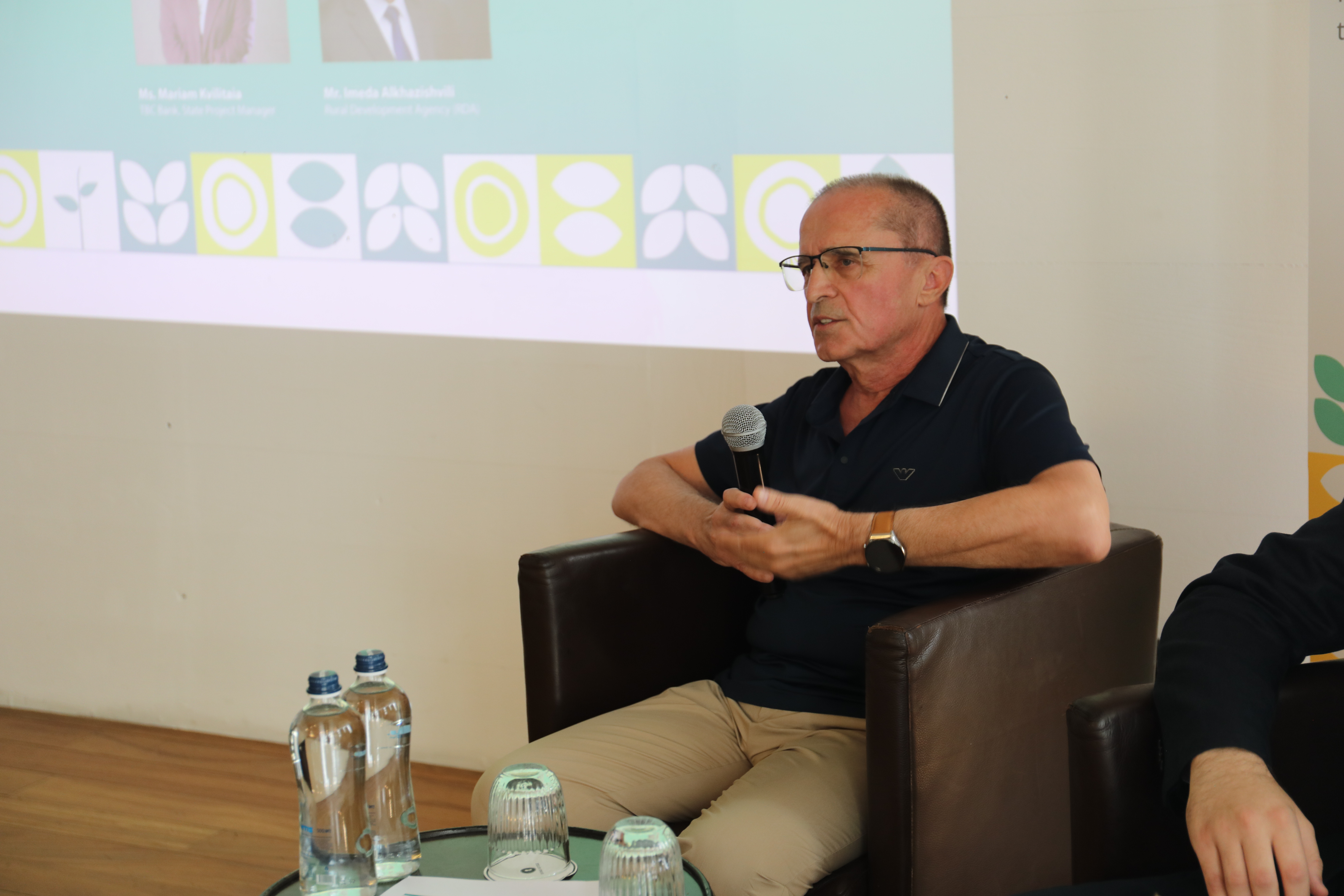
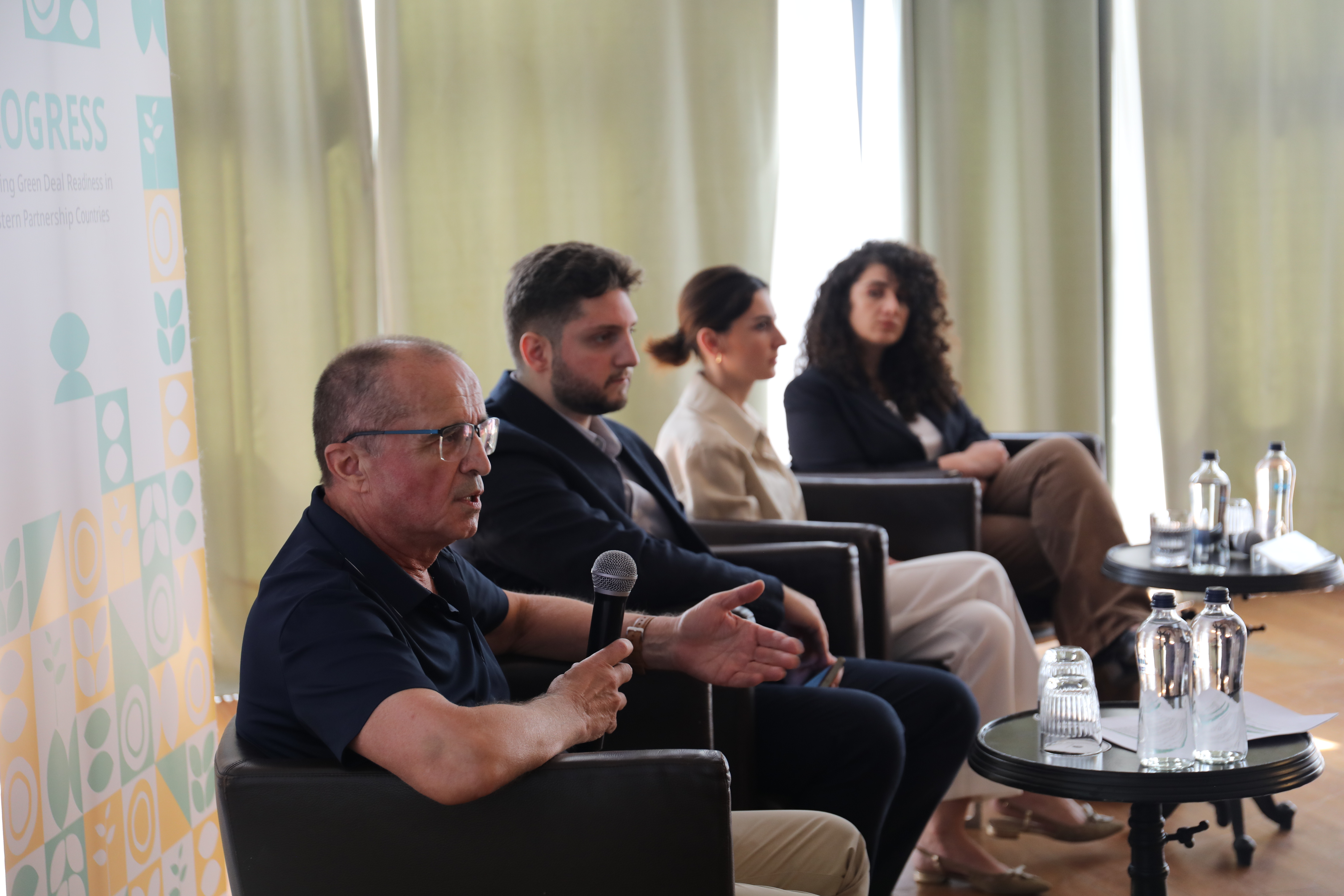
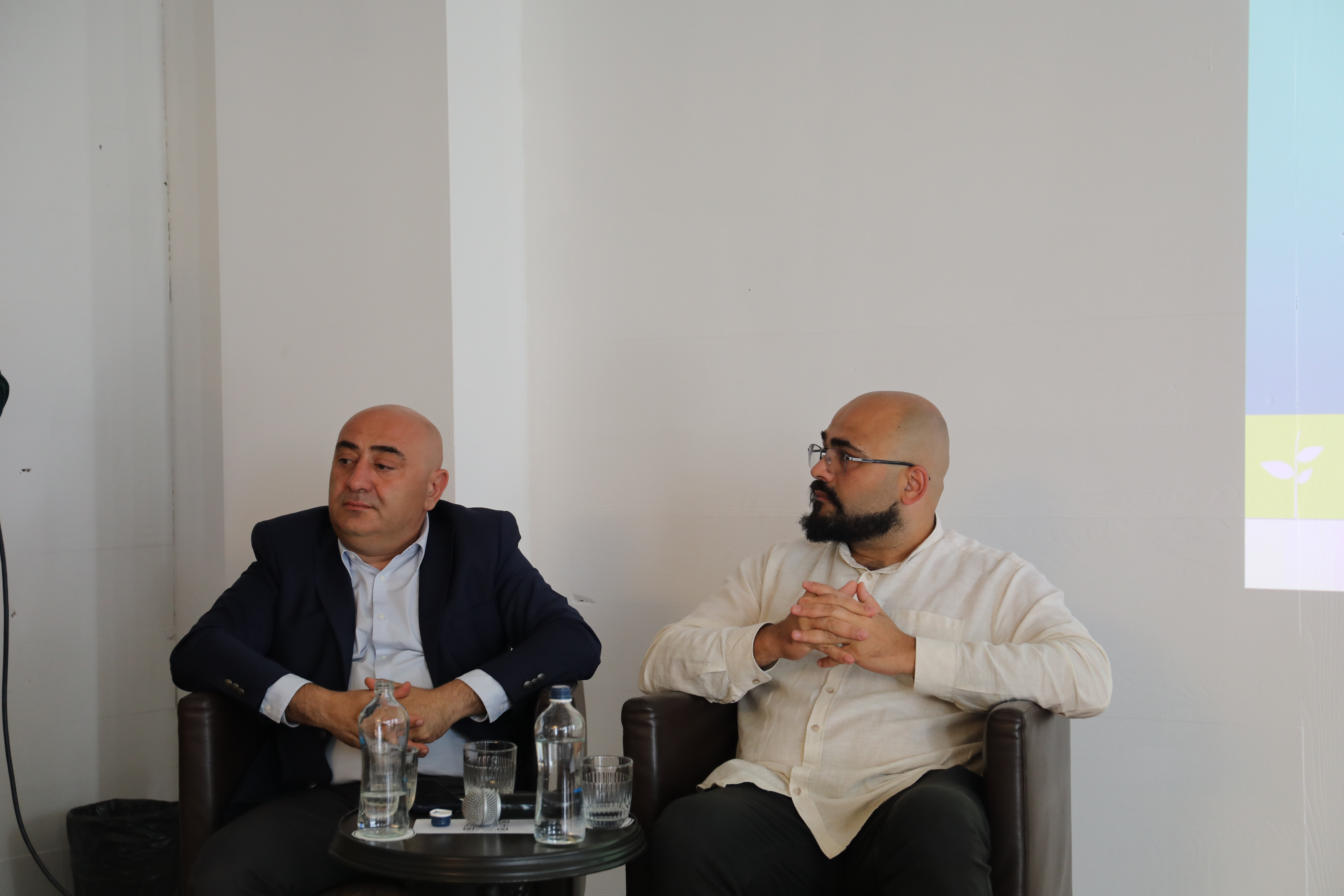
The first panel discussion focused on the economic benefits of climate-smart agriculture and the role of green finance. Participants highlighted the importance of modern irrigation and fertigation systems in reducing production costs and increasing productivity. Representatives of the banking sector discussed growing support for green and sustainable agricultural projects through more favourable interest rates, reduced guarantee requirements, and access to grant components.
Project beneficiary Grigol Mandaria shared the experience of a blueberry juice production business strengthened through project support. Powered by solar energy and equipped with its own cold storage and processing facilities, the enterprise was able to maintain resilience despite an abundant harvest and low blueberry market prices.
Participants also discussed agricultural insurance and other financial risk management mechanisms. It was noted that, although insurance cannot prevent losses, it remains an important financial instrument for farmers, with coverage reaching 60–70% in regions such as Kvareli.
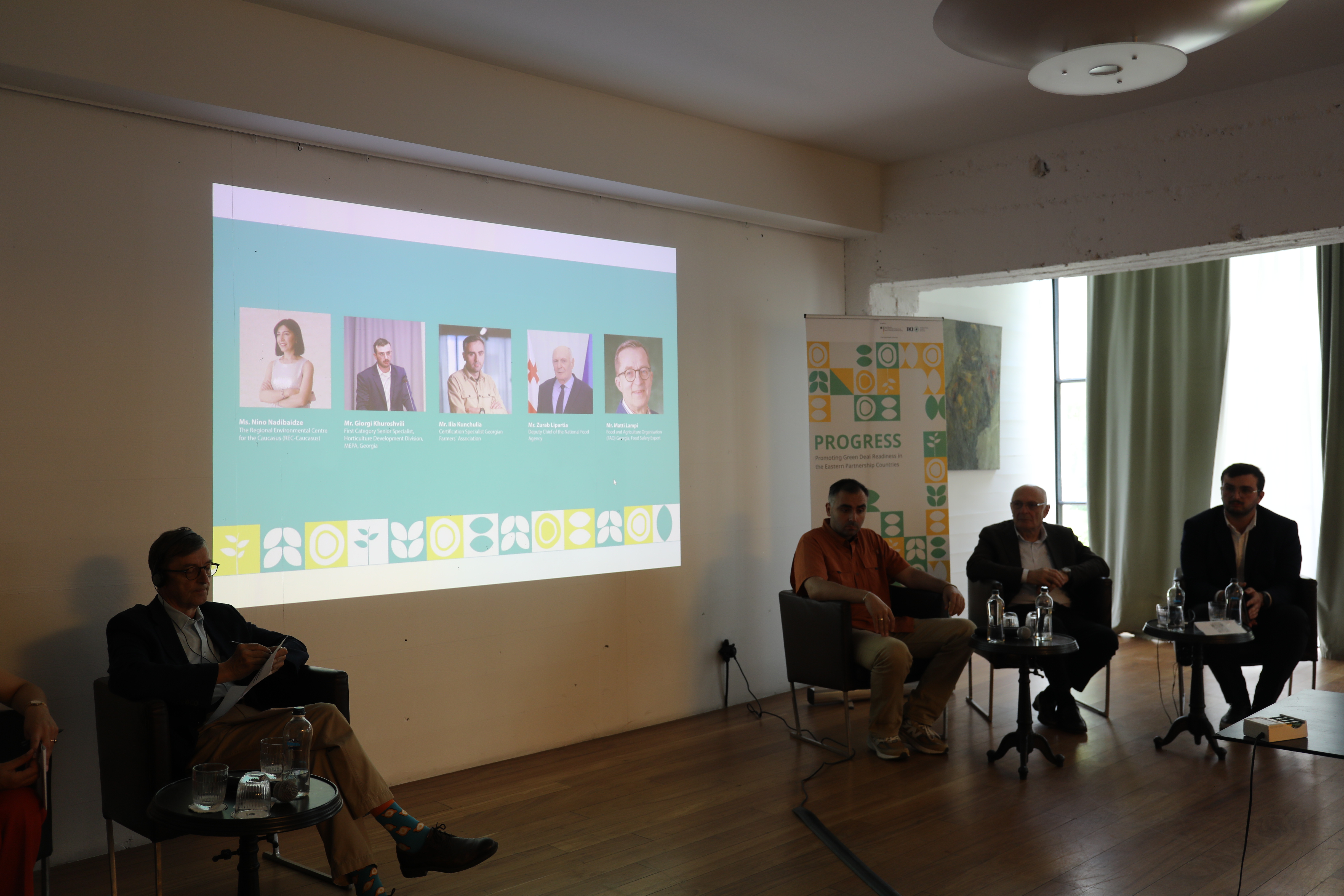
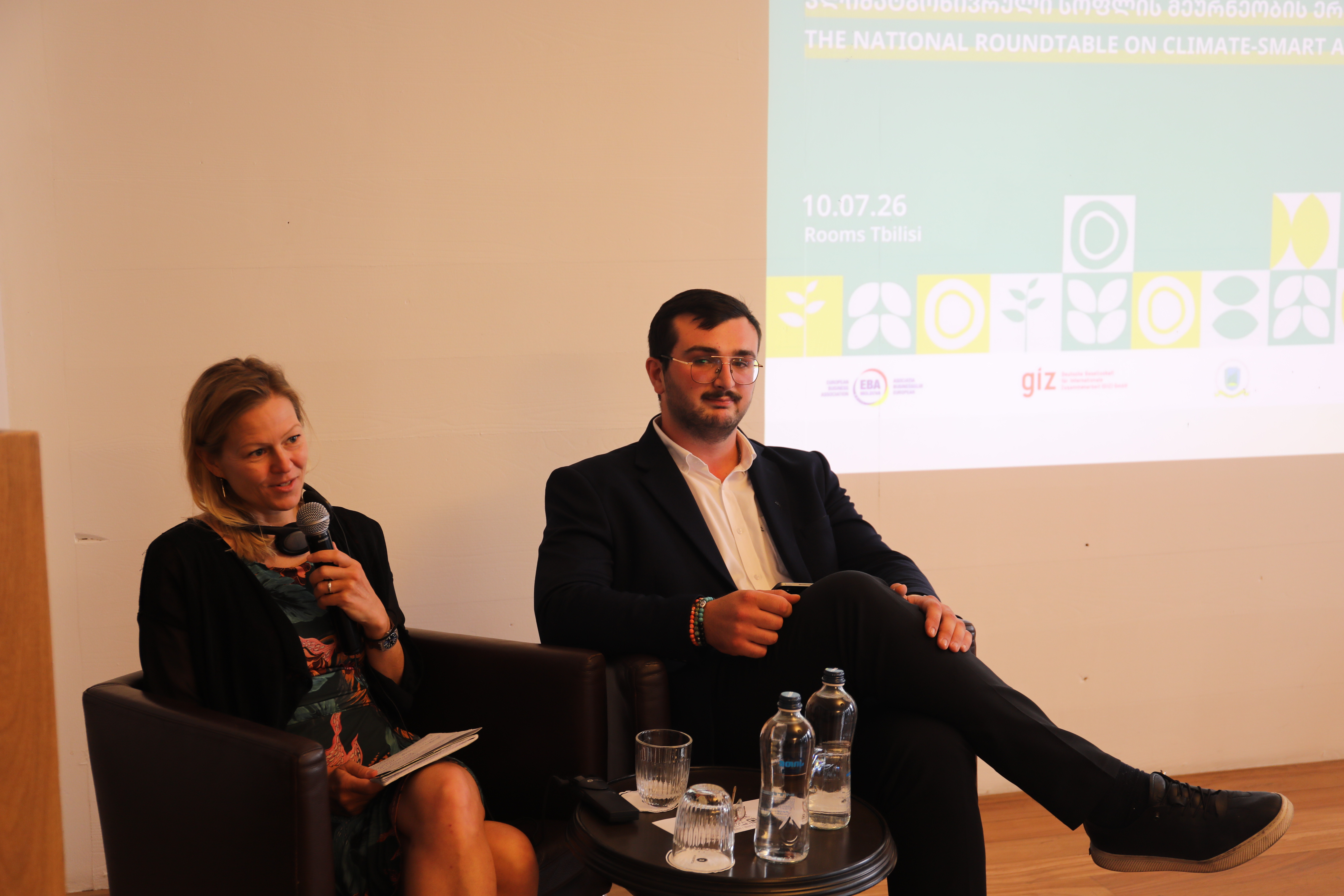
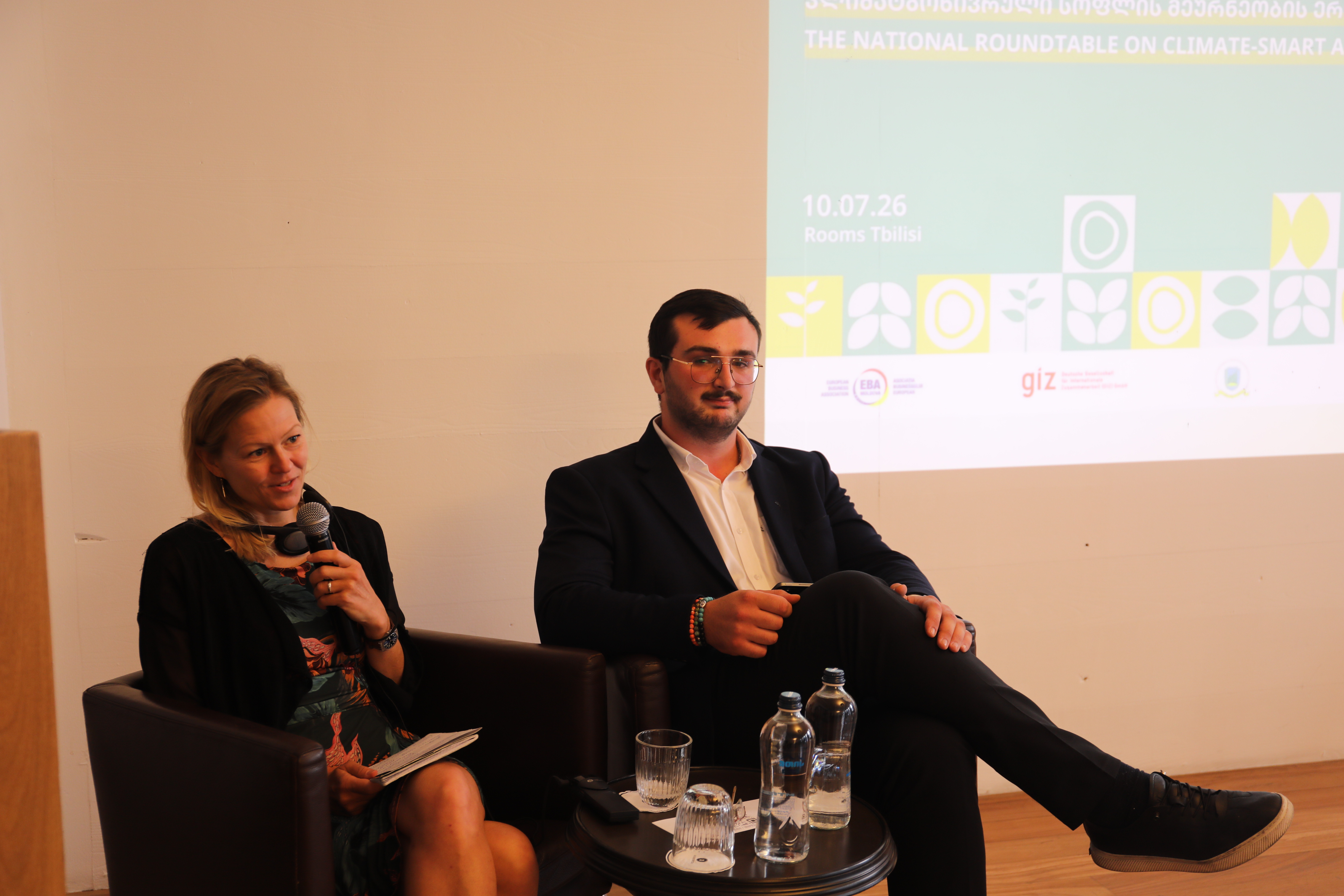
The second panel, moderated by Nino Janelidze of GIZ, focused on adapting Georgia’s agricultural sector to European Green Deal requirements.
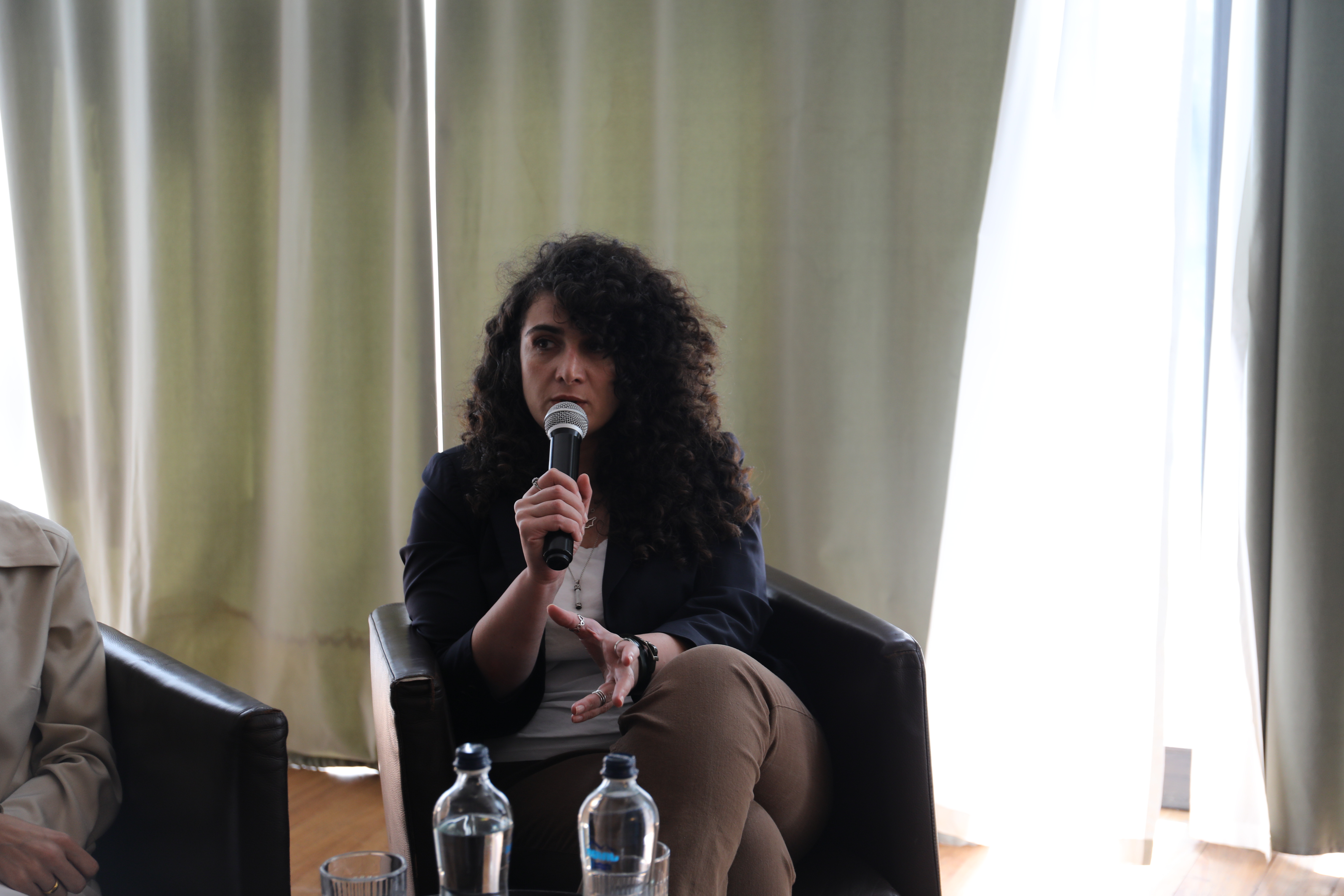
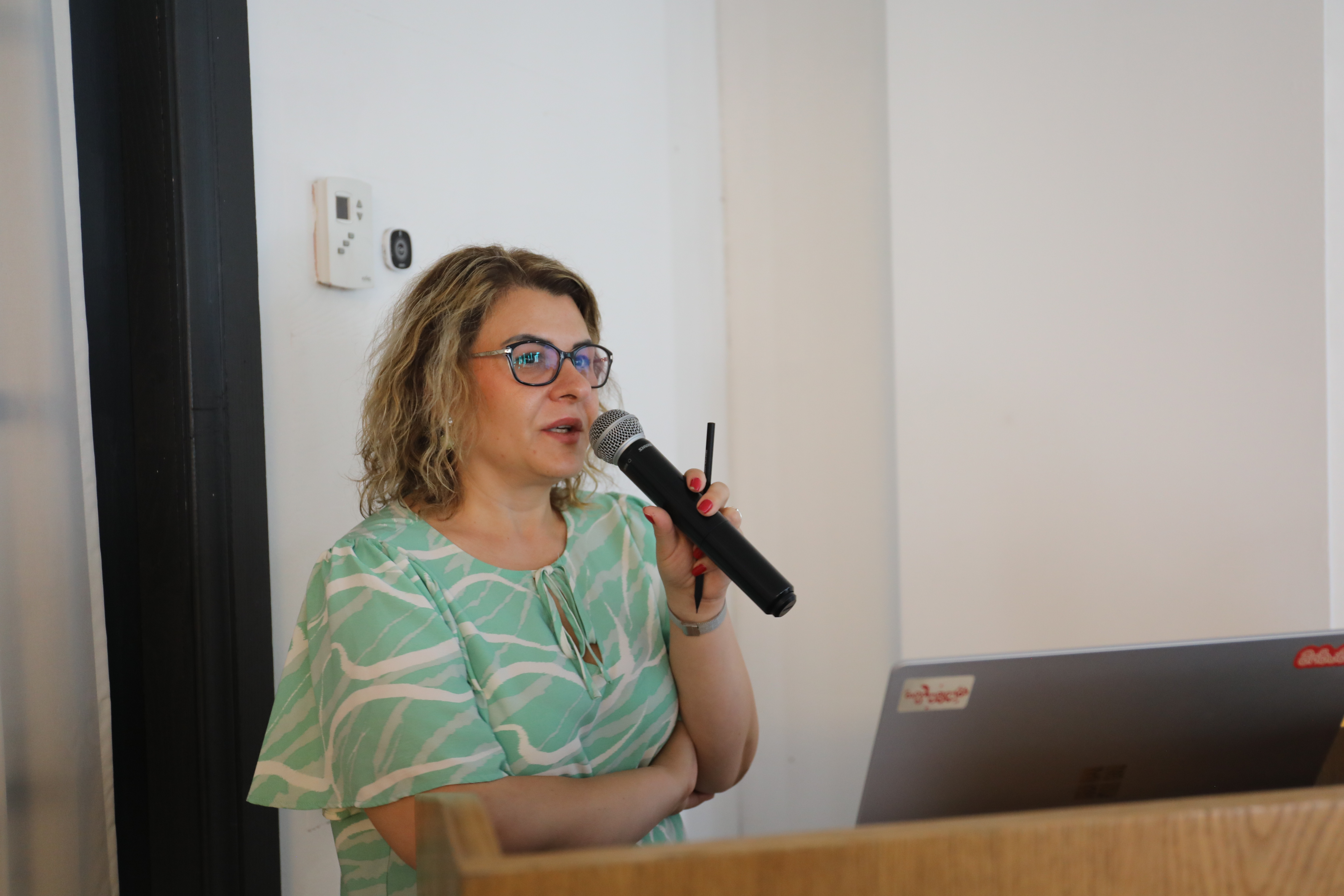
Nino Nadibaidze, Project Coordinator and Technical Advisor at REC Caucasus, highlighted the role of digital technologies, including smart sensors and digital field record management, in reducing emissions and ensuring product traceability — a key requirement for accessing European markets and strengthening the competitiveness of Georgian products. She also emphasised the importance of stronger coordination among ongoing programmes and institutions.
Representatives and experts from the Ministry of Environmental Protection and Agriculture of Georgia (MEPA), the National Food Agency (NFA), the Georgian Farmers’ Association (GFA), and the Food and Agriculture Organization of the United Nations (FAO) discussed the main barriers farmers face in meeting certification and food safety requirements.
Participants noted that approximately 300 regulations have been reviewed and updated as part of Georgia’s alignment with the European Union, highlighting the need for further awareness-raising among farmers. Particular attention was also given to pesticide use. While imported quantities are currently monitored, controlling pesticide sales and use remains a challenge, underlining the need to strengthen traceability systems and promote greater awareness among farmers and consumers.
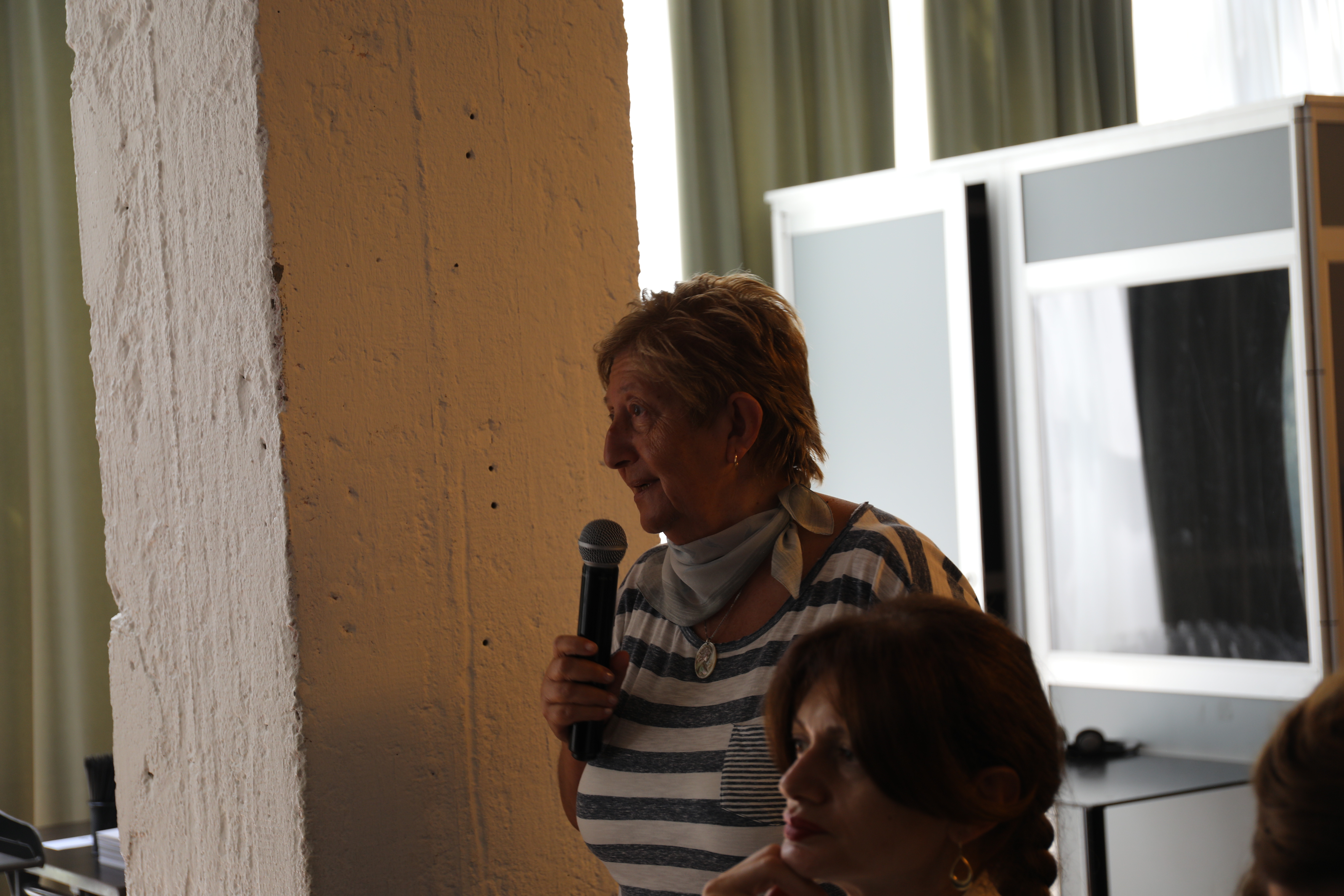
Following the panel discussions, participants had the opportunity to directly engage with the speakers. The discussion focused on access to green finance for small and medium-sized farmers, barriers to international certification, including GlobalG.A.P., and government support for traceability systems and laboratory testing.
The roundtable concluded by emphasising that the European Green Deal and access to European markets offer significant opportunities for Georgia. However, meeting European requirements requires an integrated and coordinated approach involving government institutions, the private sector, financial institutions, and international partners.
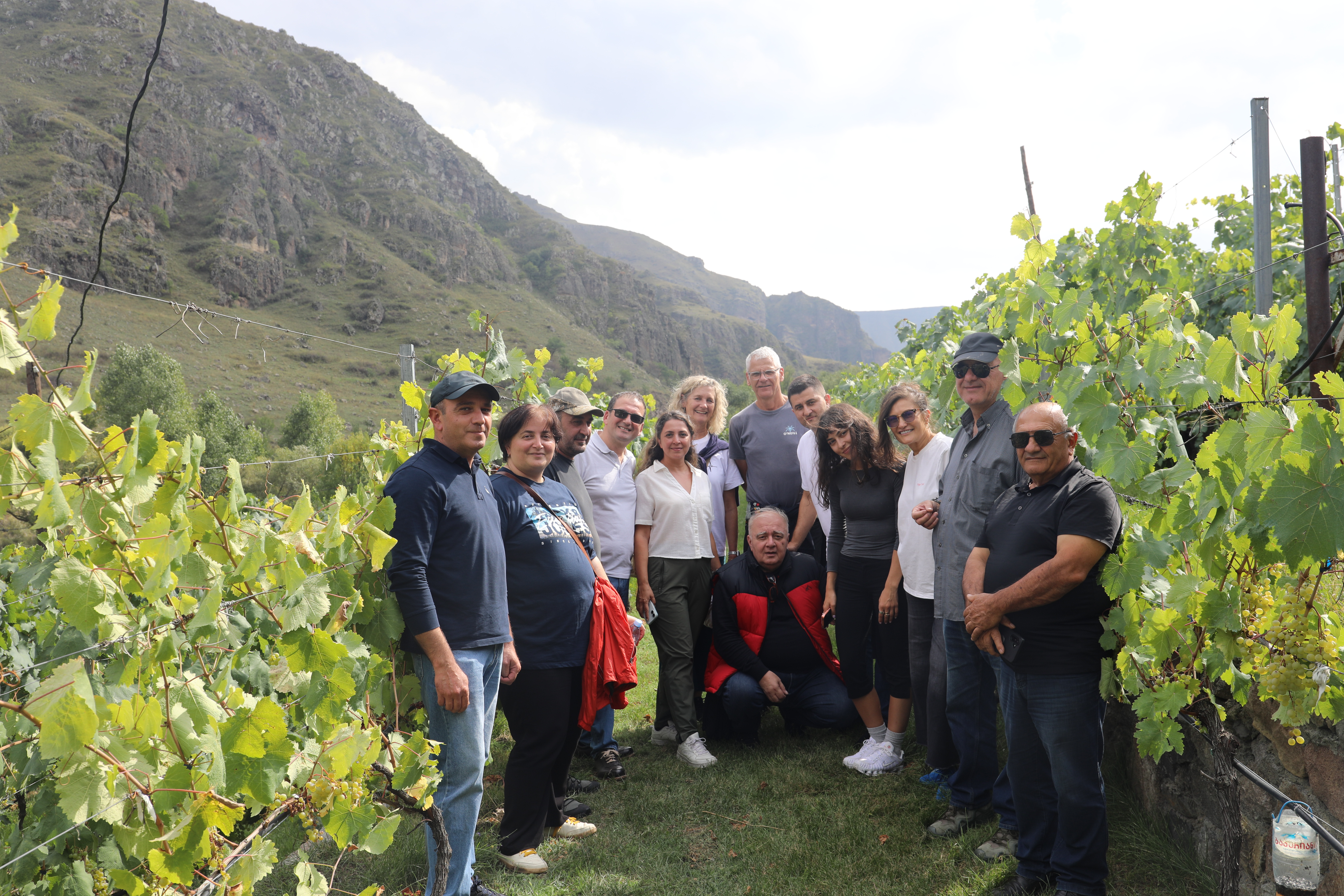
The event concluded with a traditional lunch and informal networking session, providing participants with an opportunity to discuss future cooperation and joint initiatives.