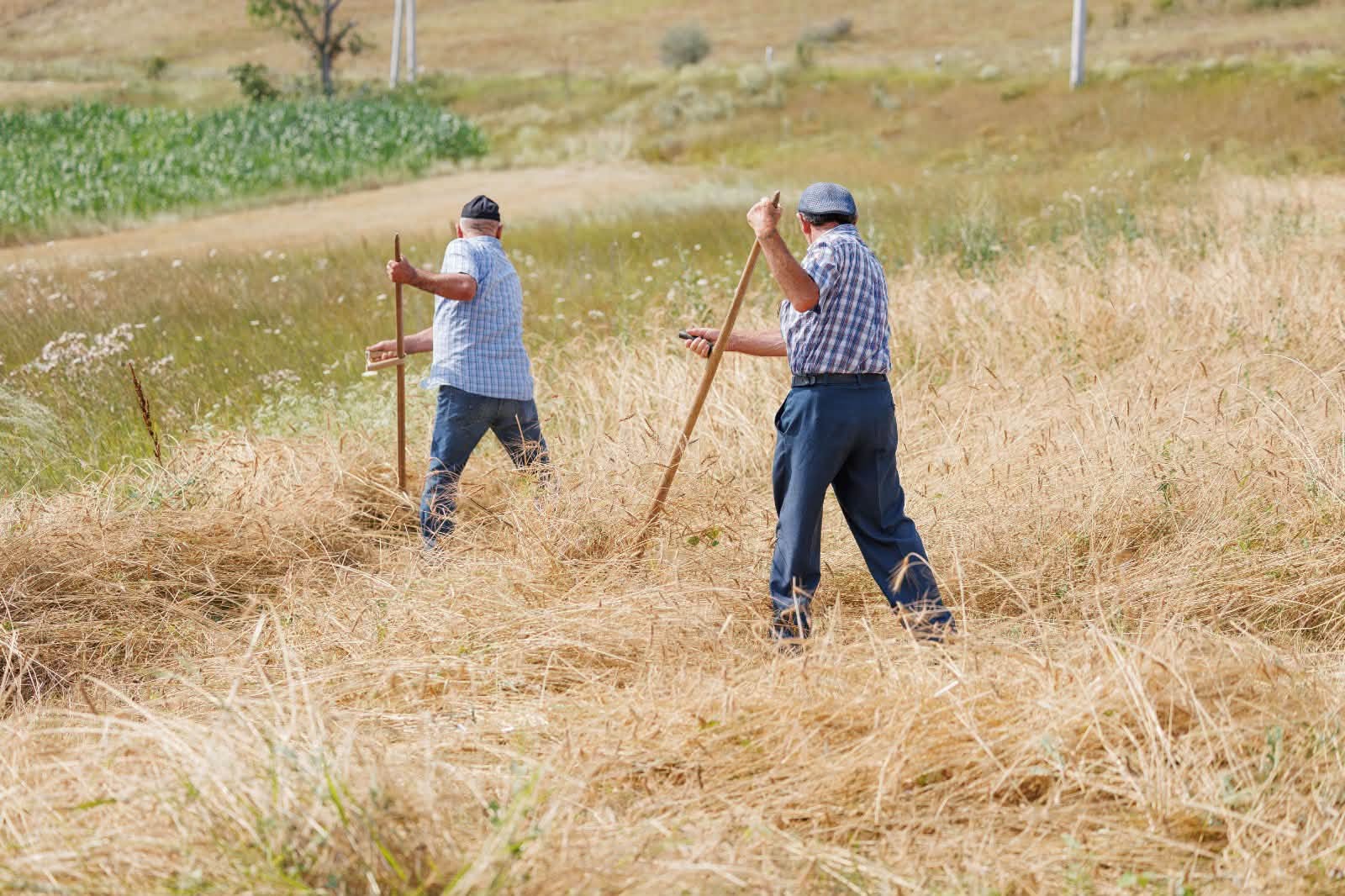
The Golden Ear Festival Celebrates Wheat Heritage, Agrobiodiversity, and Rural Development in Samtskhe-Javakheti
Georgia is globally recognized as one of the most vital genetic centers of wheat diversity. Out of the 27 wheat species identified worldwide, 14 occur in Georgia, including several endemic species found nowhere else on Earth. This exceptional phenomenon highlights the country's unique role in conserving agricultural biodiversity and safeguarding priceless genetic resources for future generations. Within Georgia, the Samtskhe-Javakheti region holds a legendary place in the history of grain cultivation, often referred to as the “Cradle of Bread.” For centuries, local communities have cultivated traditional wheat landraces deeply intertwined with the region’s culture, identity, and livelihoods. Varieties such as Meskhetian Dika, Akhaltsikhe Tsiteli Doli, and Shavpkha represent not only a critical chapter of Georgia’s agricultural heritage but also a valuable genetic treasury that contributes to food security, climate resilience, and sustainable agricultural development.
The cultural significance of Georgian wheat achieved international recognition when UNESCO inscribed “Georgian Wheat Culture: Traditions and Rituals” on the Representative List of the Intangible Cultural Heritage of Humanity. This milestone extends far beyond simple farming practices; it encompasses traditional ecological knowledge, customs, community rituals, authentic bread-making practices passed down through generations, and unique ancient farming technologies, including historic terrace-farming systems. For regions like Samtskhe-Javakheti, where wheat cultivation has shaped both the physical landscapes and human livelihoods for centuries, this UNESCO inscription underscores the urgency of protecting and promoting traditional wheat varieties and their associated cultural heritage.
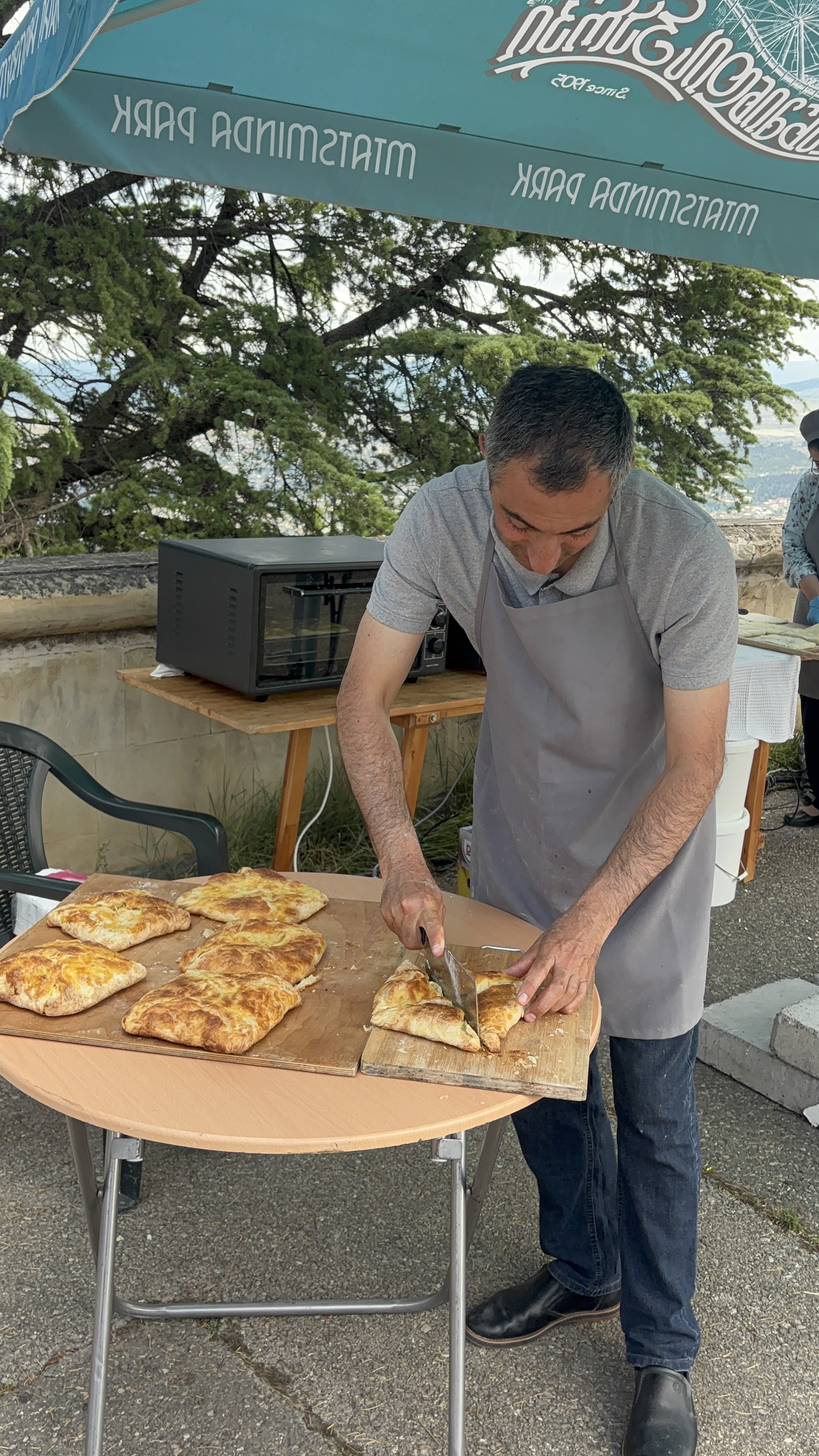
Against this backdrop, the “Golden Ear” Festival served as a vital platform for promoting the conservation and sustainable use of agricultural biodiversity and raising awareness about traditionally farmed endemic wheat varieties and wheat-derived products. The event was co-organized in cooperation with various organizations striving for the popularization and support of endemic wheat both within the country and abroad. These events provided a unique opportunity for the beneficiaries of the Global Environment Facility (GEF)-funded project, “Sustainable Management of Agricultural Biodiversity in Vulnerable Ecosystems and Rural Communities of Samtskhe-Javakheti Region in Georgia,” implemented by the Regional Environmental Centre for the Caucasus (REC Caucasus). These carefully selected and supported individuals were able to showcase their products to visitors, effectively reviving and bringing back to life the authentic tastes and culinary traditions of the past. Furthermore, various festivals and events organized under this initiative aimed to introduce the diverse, distinct flavors of Georgian—and specifically endemic Meskhetian—wheat varieties and their products to the wider public through tasting and evaluation sessions. At the heart of these efforts was the promotion of agrobiodiversity products and the popularization of bread, not only as a cultural treasure but as Georgia's most critical component of national food security.
The festival successfully brought together farmers, researchers, local authorities, development partners, tourism stakeholders, and visitors to celebrate the region’s rich agrarian traditions. Farmers selected and supported by REC Caucasus through the project actively participated in the event, presenting high-quality products made from traditional Meskhetian wheat varieties and sharing their hands-on experiences in cultivating and conserving local genetic resources. The central message of the festival was that the reproduction and cultivation of traditional wheat landraces is far more than an agricultural chore. Unlike seeds stored statically inside gene banks, wheat cultivated actively in farmers’ fields remains a living genetic resource that continues to naturally evolve and adapt to shifting climatic and environmental pressures.
The reproduction of endemic and traditional wheat varieties contributes directly to the conservation of agrobiodiversity by reducing the risk of genetic erosion. Furthermore, it strengthens the resilience of local food production against climate change, as these native Meskhetian varieties have developed vital adaptive traits over centuries, including high drought tolerance, perfect compatibility with local soil compositions, and natural resistance to environmental stresses and local pests. Beyond ecological sustainability, local wheat production acts as a powerful driver for economic growth and rural development. The booming market demand for authentic, locally sourced, and environmentally sustainable food products has significantly increased the value of traditional grains. Developing robust local value chains—from seed production and cultivation to milling, traditional baking, branding, and tourism—opens up lucrative, diversified income streams for rural families while heavily reinforcing the regional economy.
The nexus between wheat conservation and agrotourism is becoming increasingly crucial in Samtskhe-Javakheti. Traditional bread-baking techniques, authentic Meskhetian cuisine, such as the famous Tenili cheese, unique cultural landscapes, and centuries-old farming terraces offer exceptional, unforgettable experiences for visitors seeking genuine culinary and rural tourism. Branded events like the “Golden Ear” Festival provide an ideal medium to showcase these traditions, linking biodiversity conservation directly to tourism development. The event also highlighted the vital importance of preserving traditional knowledge and passing it on to younger generations, ensuring that these UNESCO-recognized customs remain vibrant, living practices rather than static historical memories.
Through the joint support of the Global Environment Facility (GEF), the United Nations Environment Programme (UNEP), the Ministry of Environmental Protection and Agriculture of Georgia, and REC Caucasus, the ongoing efforts to restore, conserve, and promote traditional Meskhetian wheat varieties continue to thrive. The festival proved once again that nature conservation, economic development, cultural preservation, and sustainable tourism are deeply interconnected loops, forging a resilient and sustainable future for the rural communities of Samtskhe-Javakheti, ensuring that Georgia’s wheat culture continues to thrive for generations to come.