Nurturing the Custodians of Meskhetian Vine Heritage Through Science and Practice
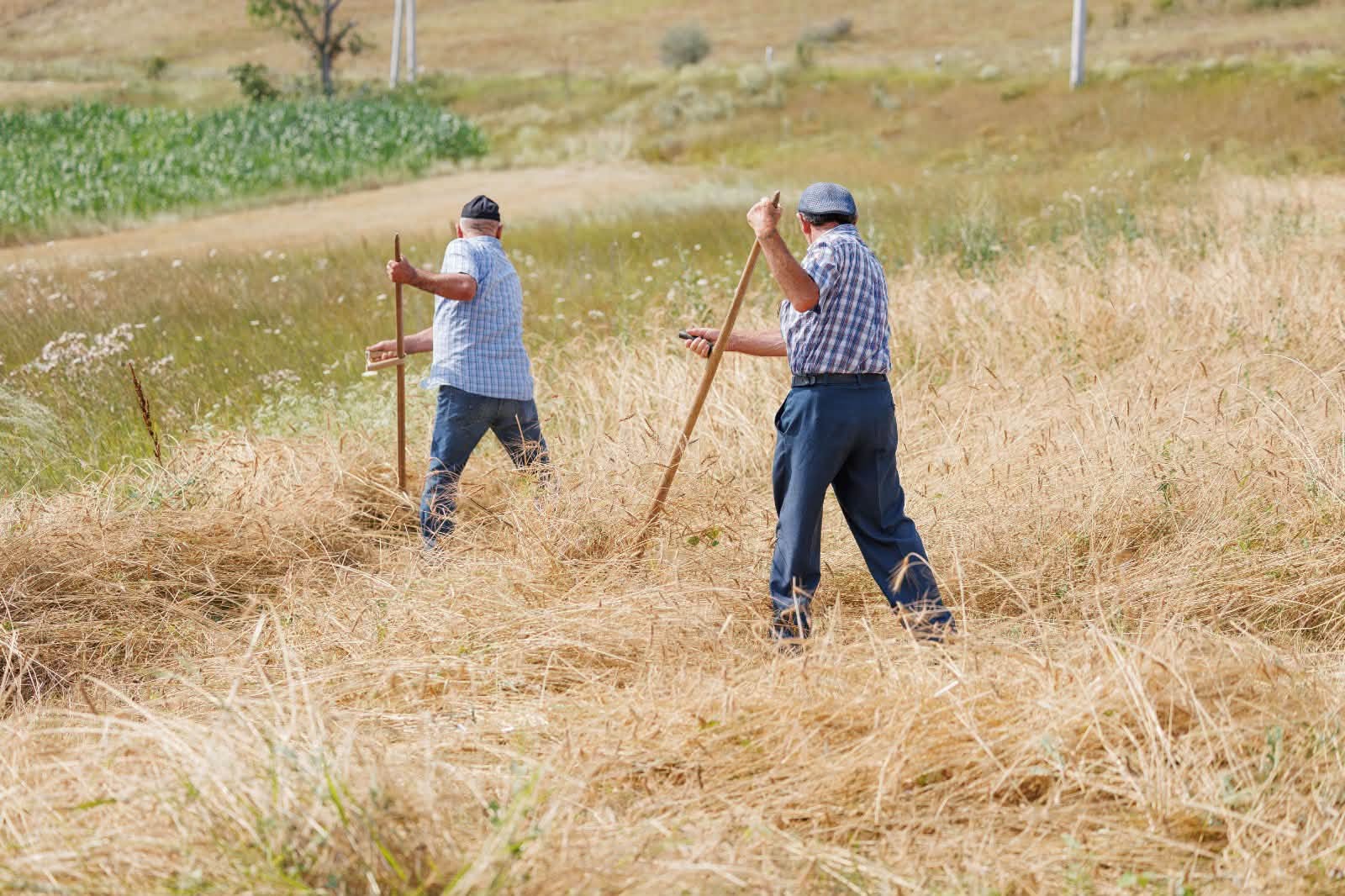
Knowledge and experience sharing in agriculture, particularly when based on scientific research and practical field experience, is essential for the sustainable development of rural communities. In regions such as Samtskhe-Javakheti, access to specialized training opportunities remains limited, while unique local grape varieties and traditional viticultural practices—an important part of Georgia’s agricultural biodiversity and cultural heritage—face increasing risks of disappearance.
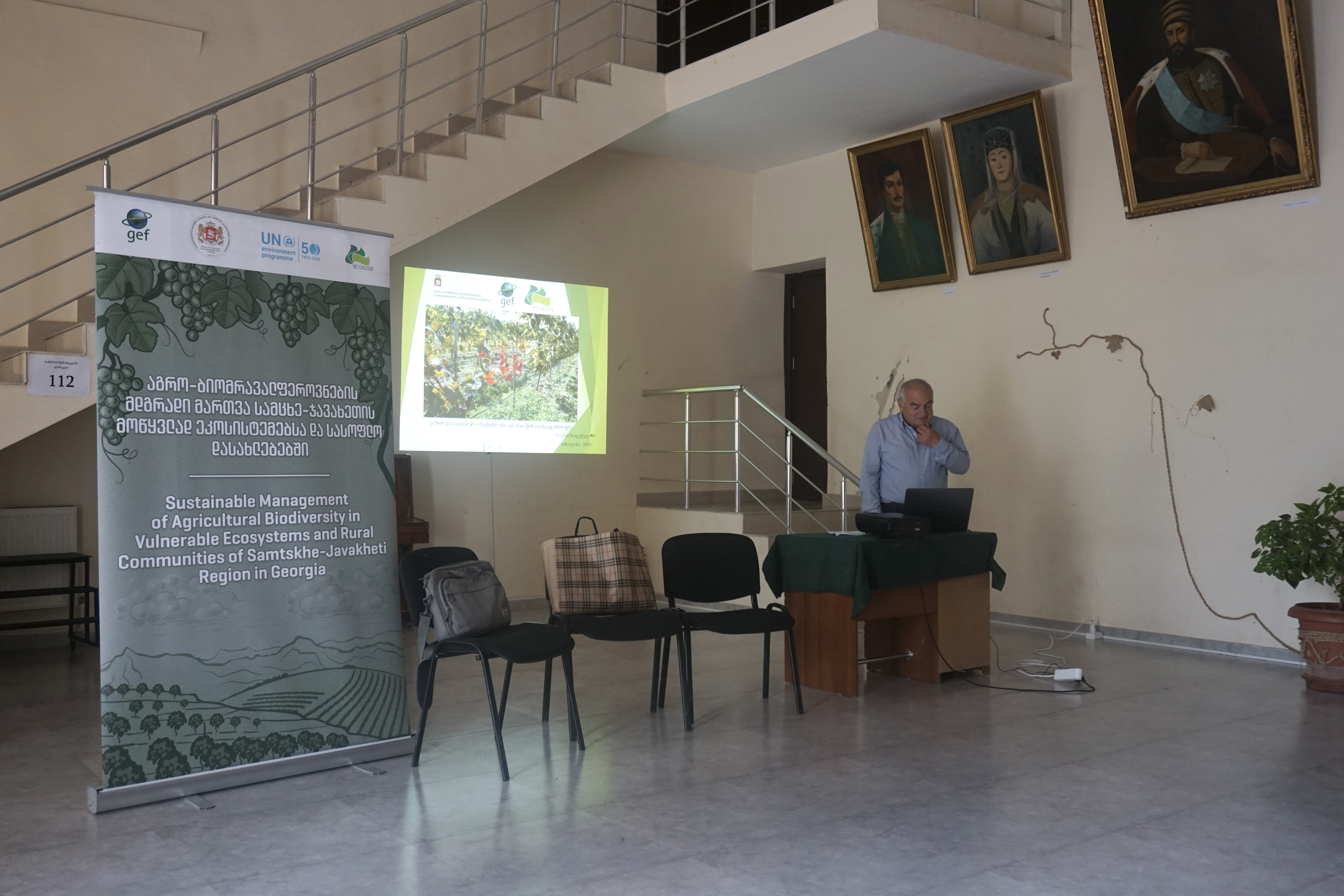
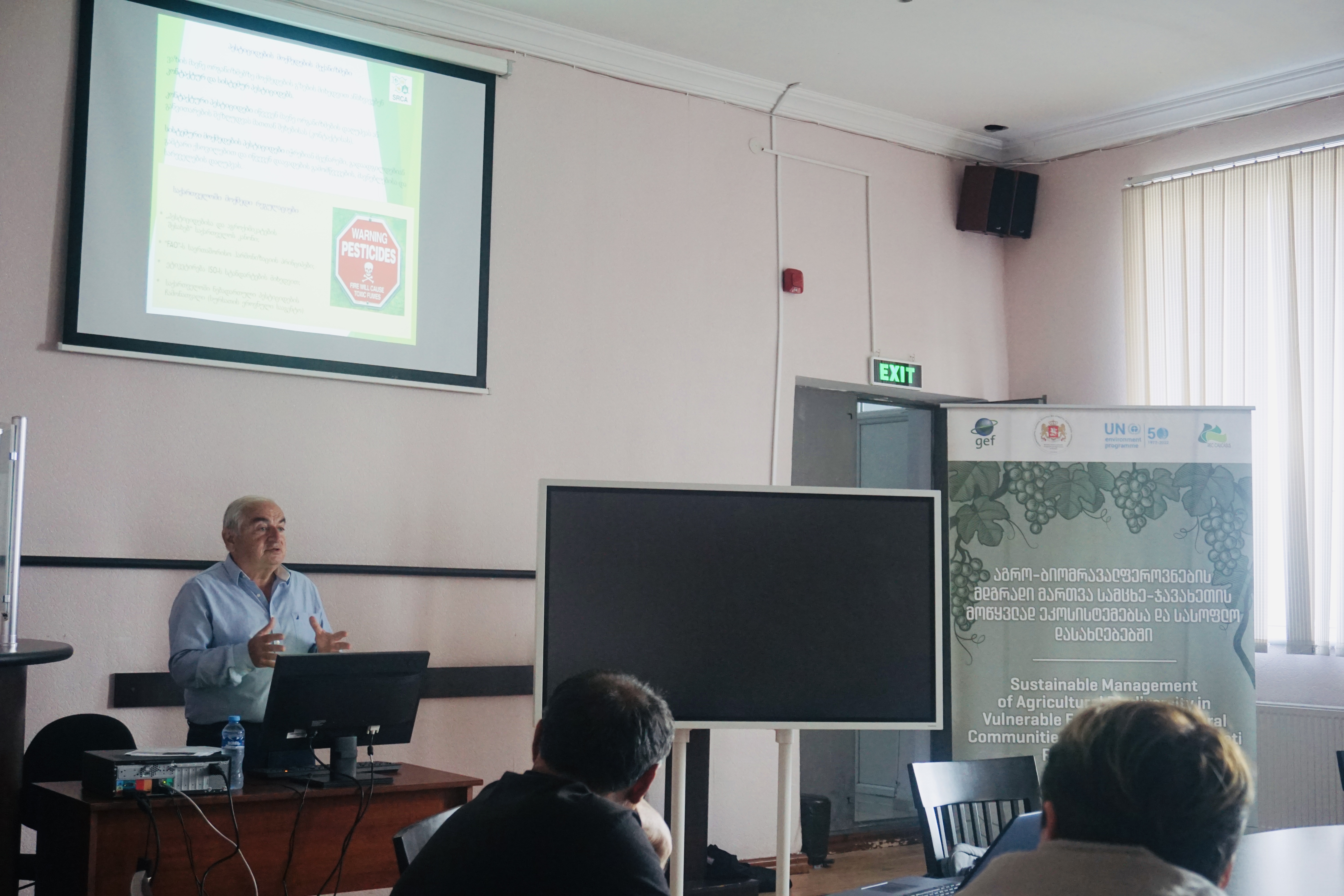
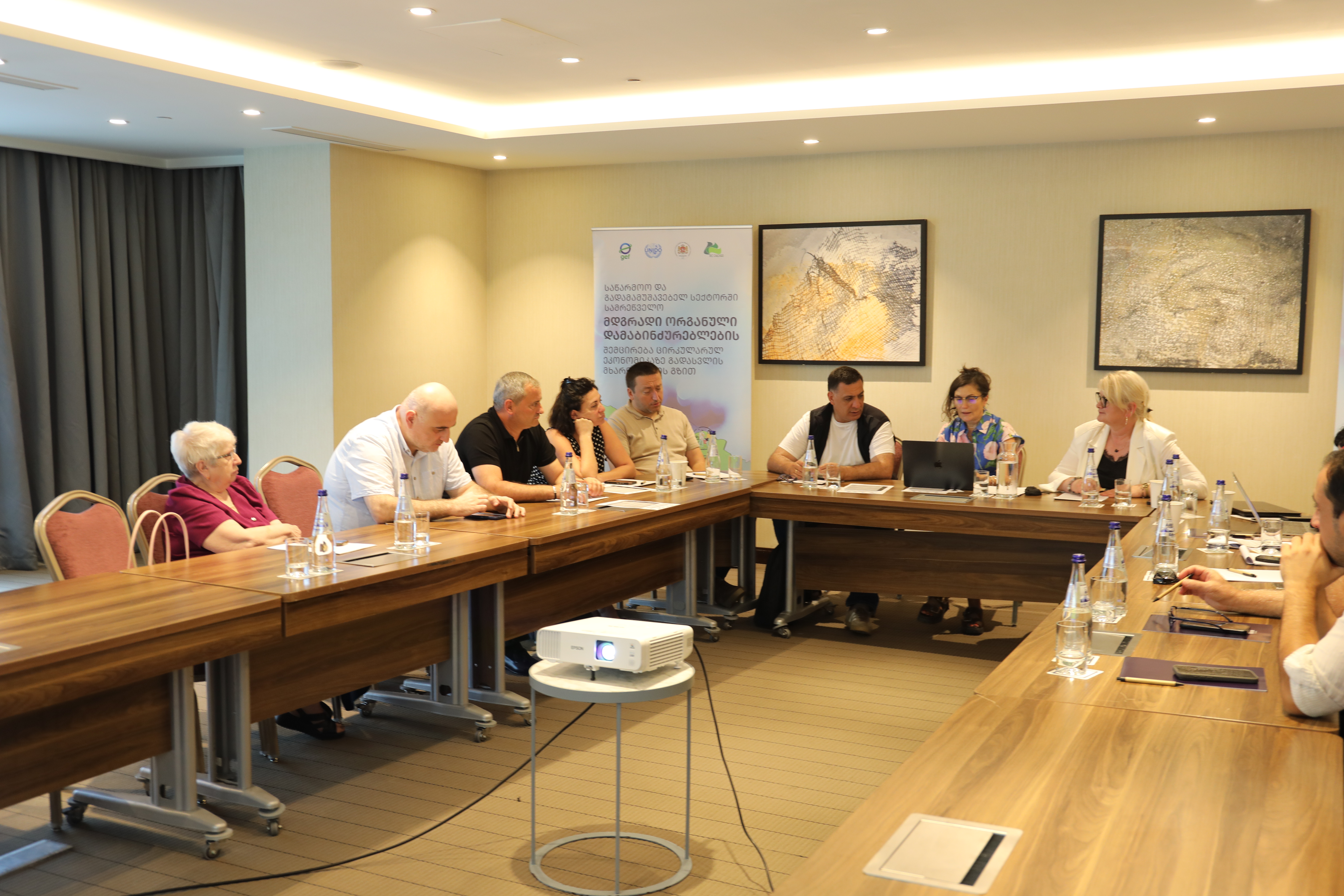
To address these challenges, the Regional Environmental Centre for the Caucasus (REC Caucasus), within the framework of the GEF-supported project “Sustainable Management of Agricultural Biodiversity in Vulnerable Ecosystems and Rural Communities of Samtskhe-Javakheti Region in Georgia,” continues to organize practical training activities aimed at strengthening farmers’ knowledge and skills in sustainable vineyard management. The training was conducted in cooperation with Samtskhe-Javakheti State University, the Scientific-Research Center of Agriculture (SRCA), and the Samtskhe-Javakheti Destination Management Organization (DMO).
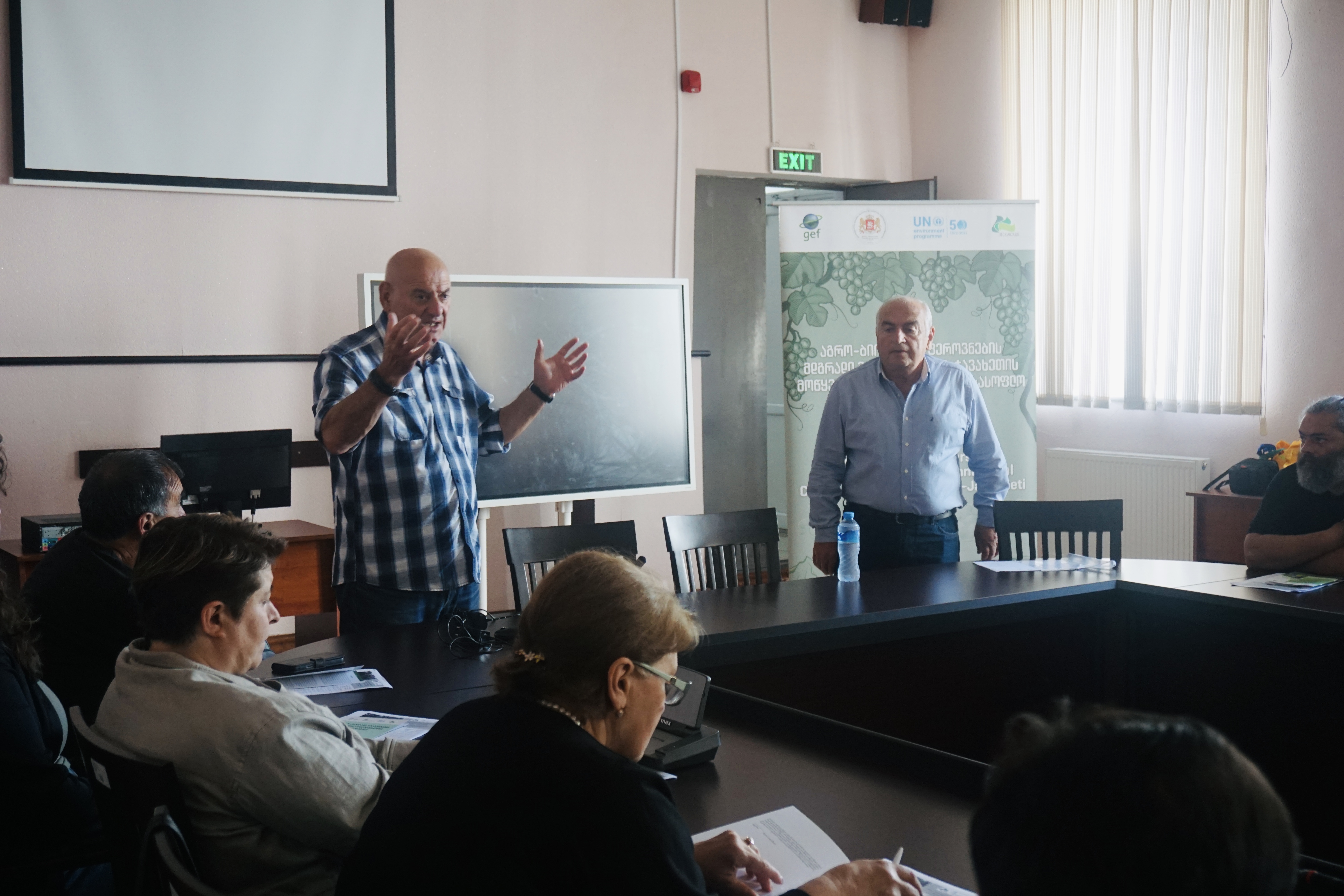
Particular emphasis was placed on strengthening cooperation between farmers, researchers, and academic institutions to ensure that research-based knowledge reaches local communities. Students, young researchers, and farmers received up-to-date information directly from experts while also exchanging practical experiences. This collaboration helped bridge the gap between scientific knowledge and field practice.
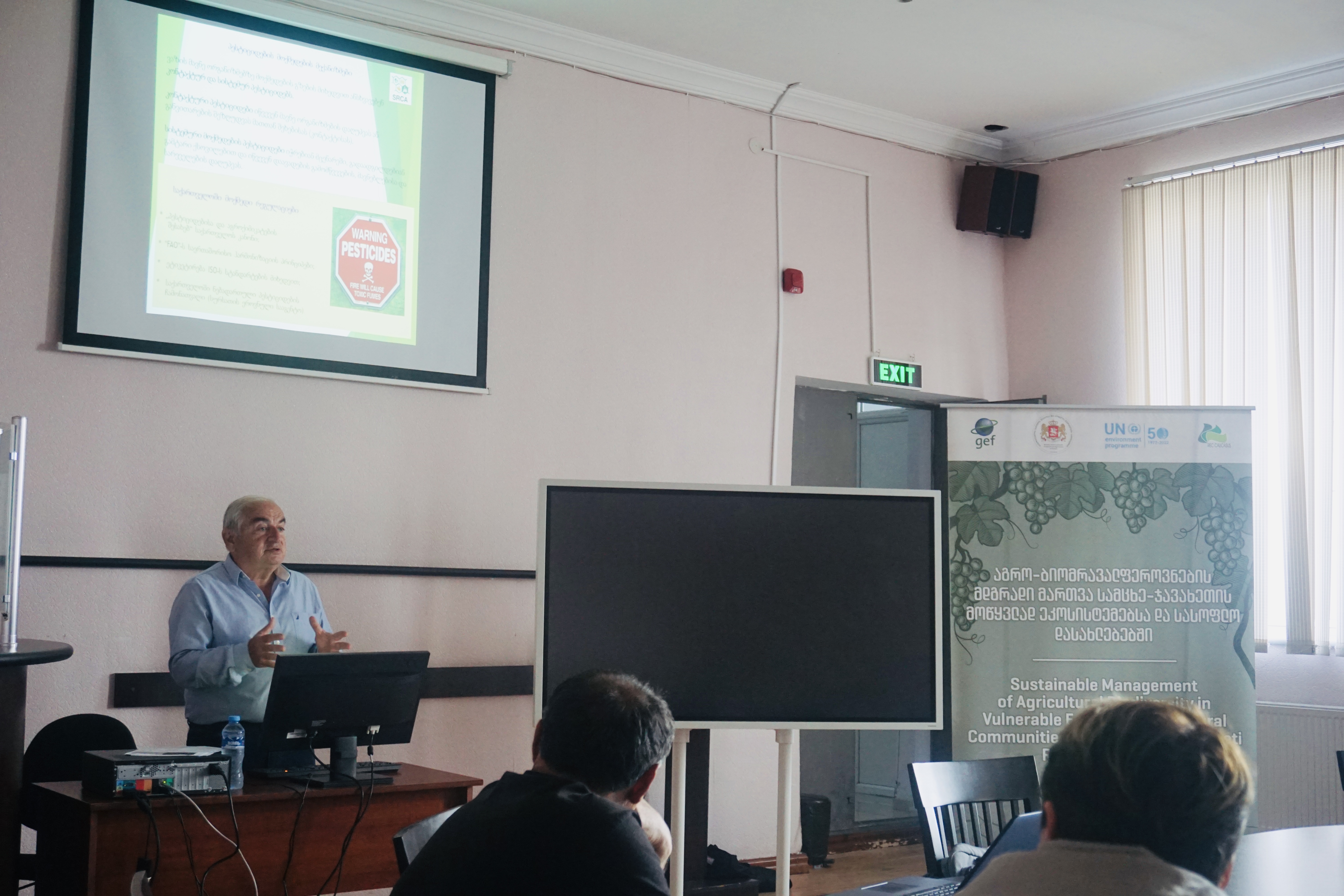
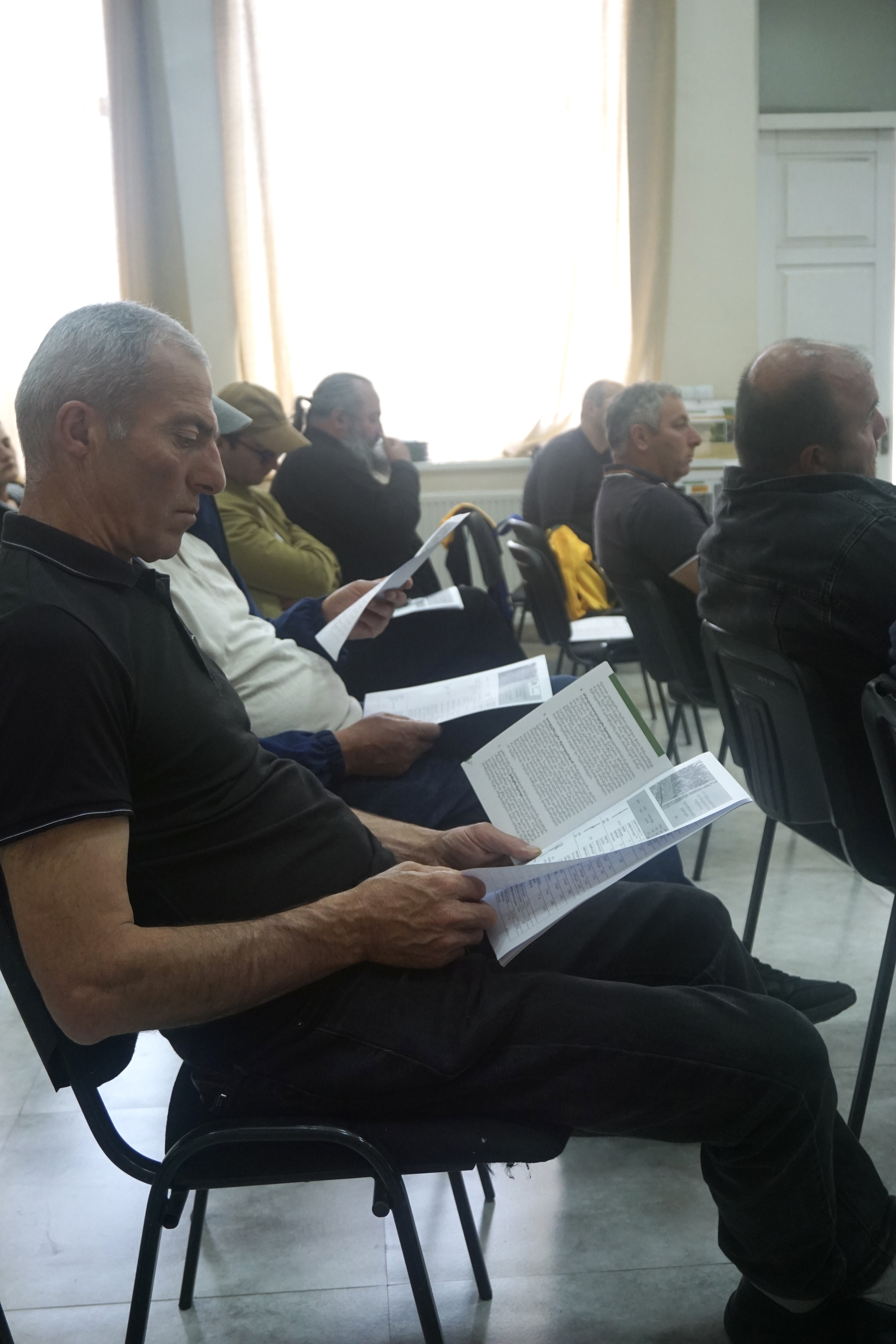
Vine pests and diseases remain among the main threats to grape production, a challenge further intensified by climate change. The training covered pest identification, disease diagnosis, integrated pest management, and sustainable agricultural practices. Through visual presentations and field discussions, participants learned how to recognize problems in their vineyards and apply effective prevention and management measures.
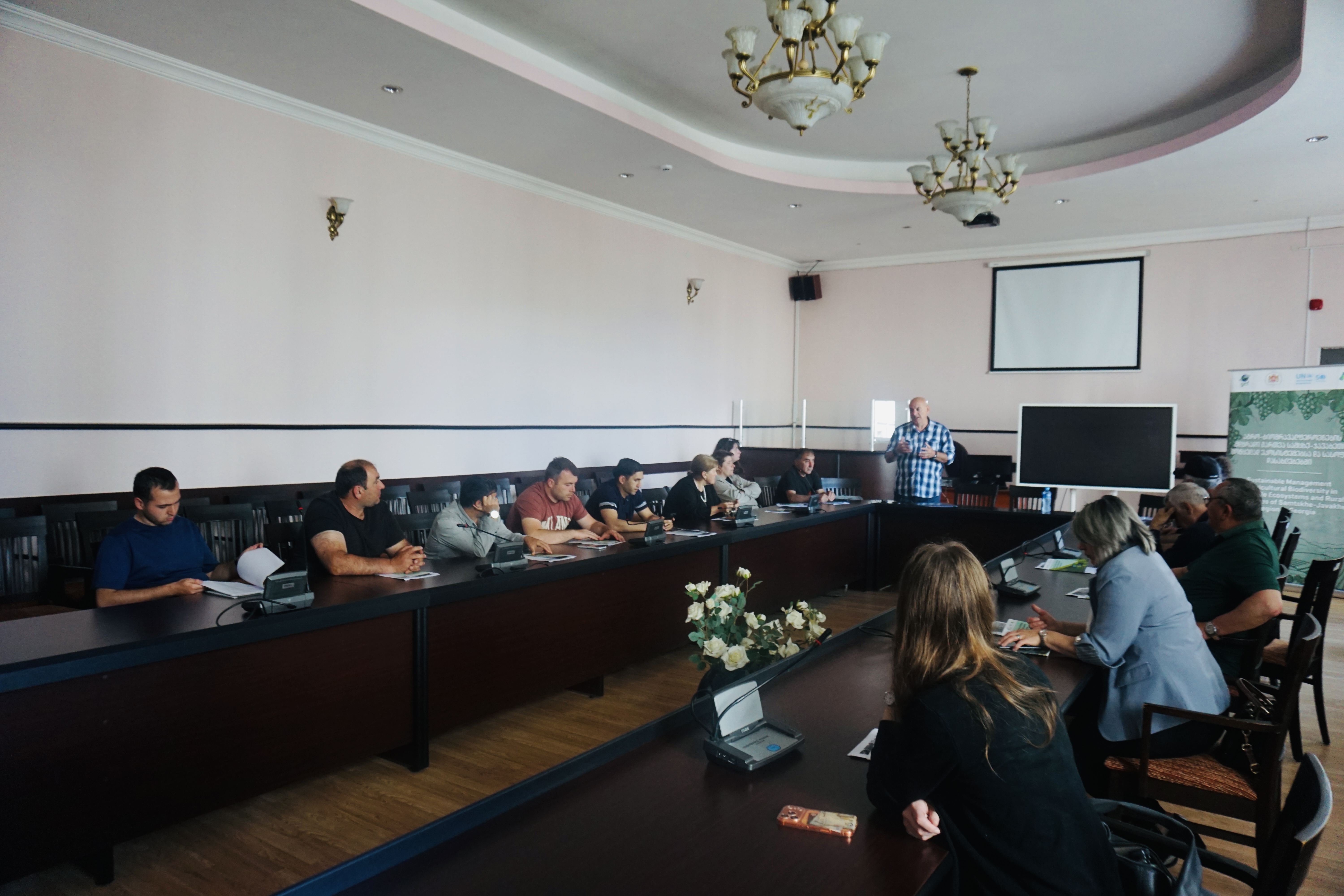
More than 40 farmers, students, and other stakeholders participated in the event. The involvement of tourism sector representatives highlighted the growing connection between agrobiodiversity conservation and agrotourism development. Traditional Meskhetian grape varieties, authentic wine-making traditions, and local products are increasingly attracting visitors interested in cultural and rural tourism, creating new economic opportunities for local communities.
With the support of GEF, UNEP, the Ministry of Environmental Protection and Agriculture of Georgia, and REC Caucasus, ongoing efforts continue to conserve, restore, and promote endangered Meskhetian vine varieties. These initiatives contribute to improved vineyard management, the conservation of local genetic resources, stronger value chains, and the development of agrotourism based on the region’s unique agricultural heritage.
“Theoretical knowledge alone is not enough for effective pest and disease management. Practical experience enhances farmers' skills, and trainings like this provide both the knowledge and hands-on experience needed for successful implementation in the field,” noted David Tsukishvili, a farmer from Adigeni Municipality.
“I joined the project from its very beginning with a strong desire to establish a vineyard of traditional Meskhetian grape varieties. Since then, I have gained valuable practical knowledge and support. The visual materials used during the trainings make it much easier to identify pests, insects, and disease symptoms, while practical demonstrations provide useful hands-on experience,” said Maiko Murjikneli, a farmer from Aspindza Municipality.
By promoting knowledge sharing, scientific cooperation, and sustainable agricultural practices, such trainings represent an important investment in the future of viticulture, agrobiodiversity conservation, rural development, and agrotourism in Samtskhe-Javakheti.