From Seed to Sustainability: A New Chapter in Agrobiodiversity Conservation in Samtskhe-Javakheti
The conservation and sustainable use of agricultural biodiversity are among the key priorities for ensuring food security, climate resilience, and the preservation of local genetic resources. In this regard, the establishment of a seed bank for traditional Meskhetian wheat varieties represents an important milestone for the Samtskhe-Javakheti region and for Georgia’s efforts to safeguard its unique agricultural heritage.
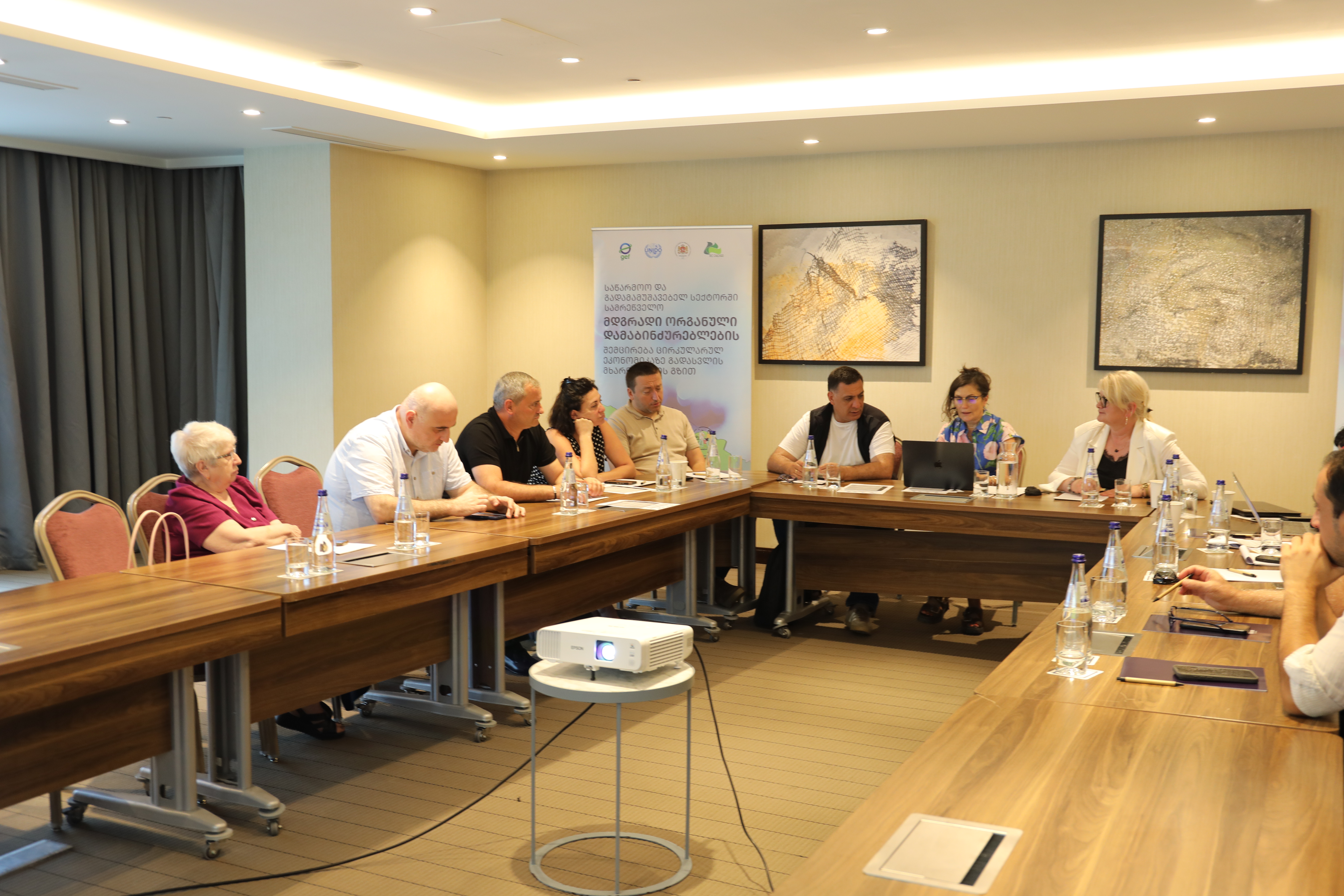
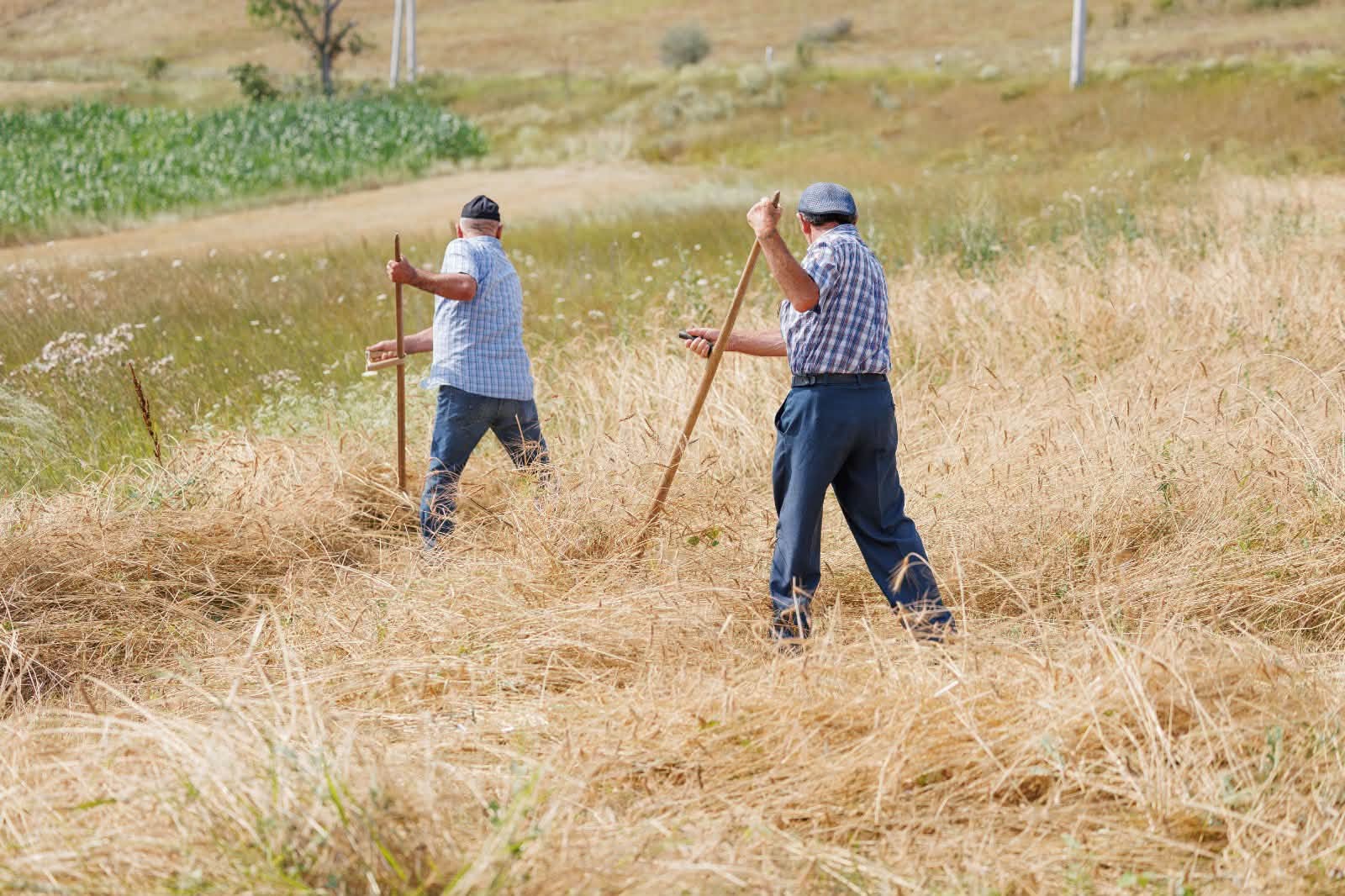
Within the framework of the Global Environment Facility (GEF) supported project, “Sustainable Management of Agricultural Biodiversity in Vulnerable Ecosystems and Rural Communities of Samtskhe-Javakheti Region in Georgia,” implemented by the Regional Environmental Centre for the Caucasus (REC Caucasus), significant efforts are being made to conserve, restore, and promote endangered local wheat varieties. One of the most important initiatives under the project is supporting the establishment of a seed bank dedicated to Meskhetian wheat varieties.
Seed banks play a crucial role in the conservation of agrobiodiversity. They serve as repositories of valuable genetic resources, ensuring that traditional crop varieties are preserved for future generations and remain available for cultivation, research, and breeding purposes. As climate change, land degradation, and the replacement of local varieties with commercial cultivars continue to threaten agricultural diversity, seed banks provide an effective mechanism for preventing genetic erosion and safeguarding unique local traits that have developed over centuries of adaptation to local environmental conditions.
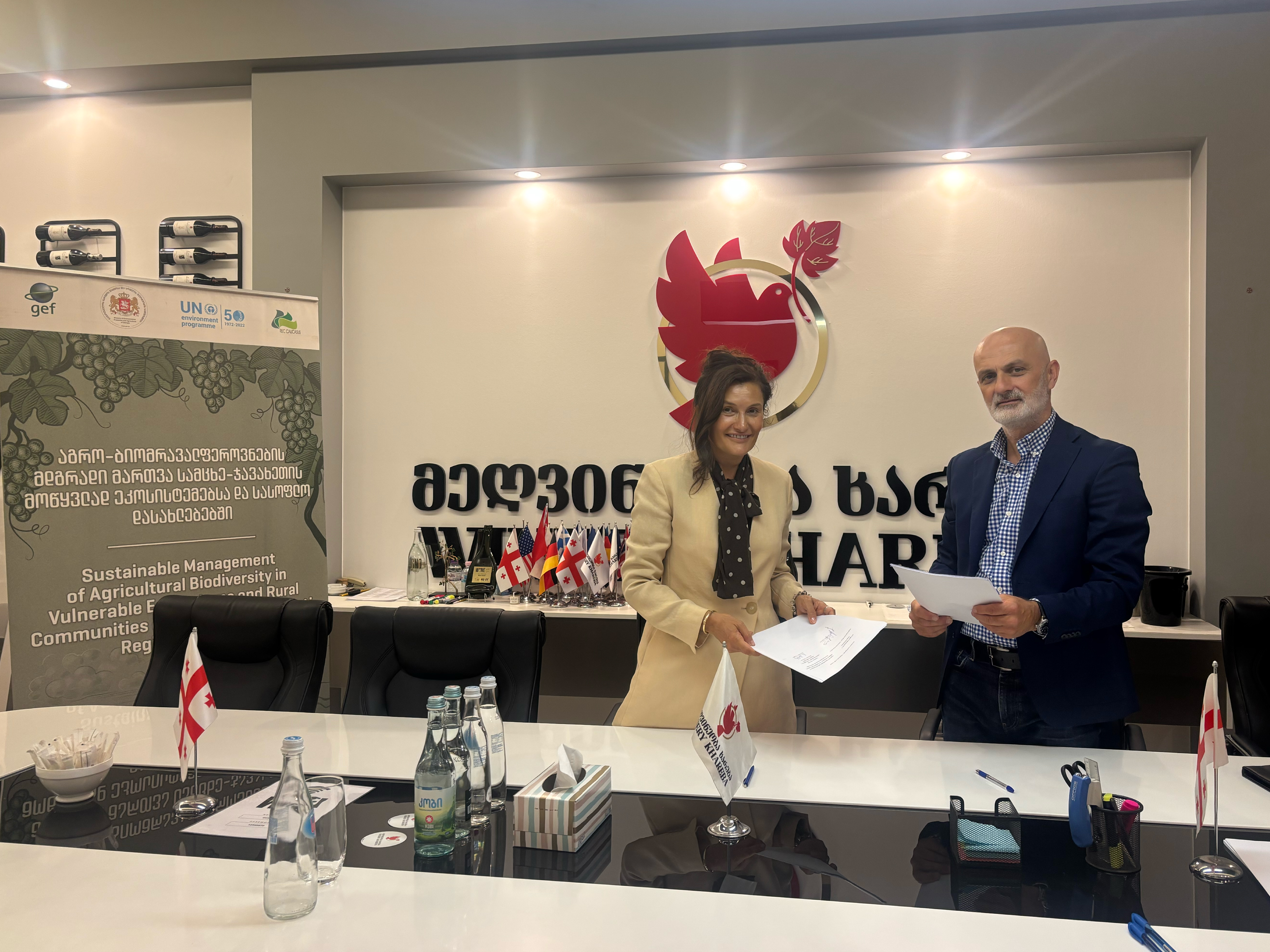
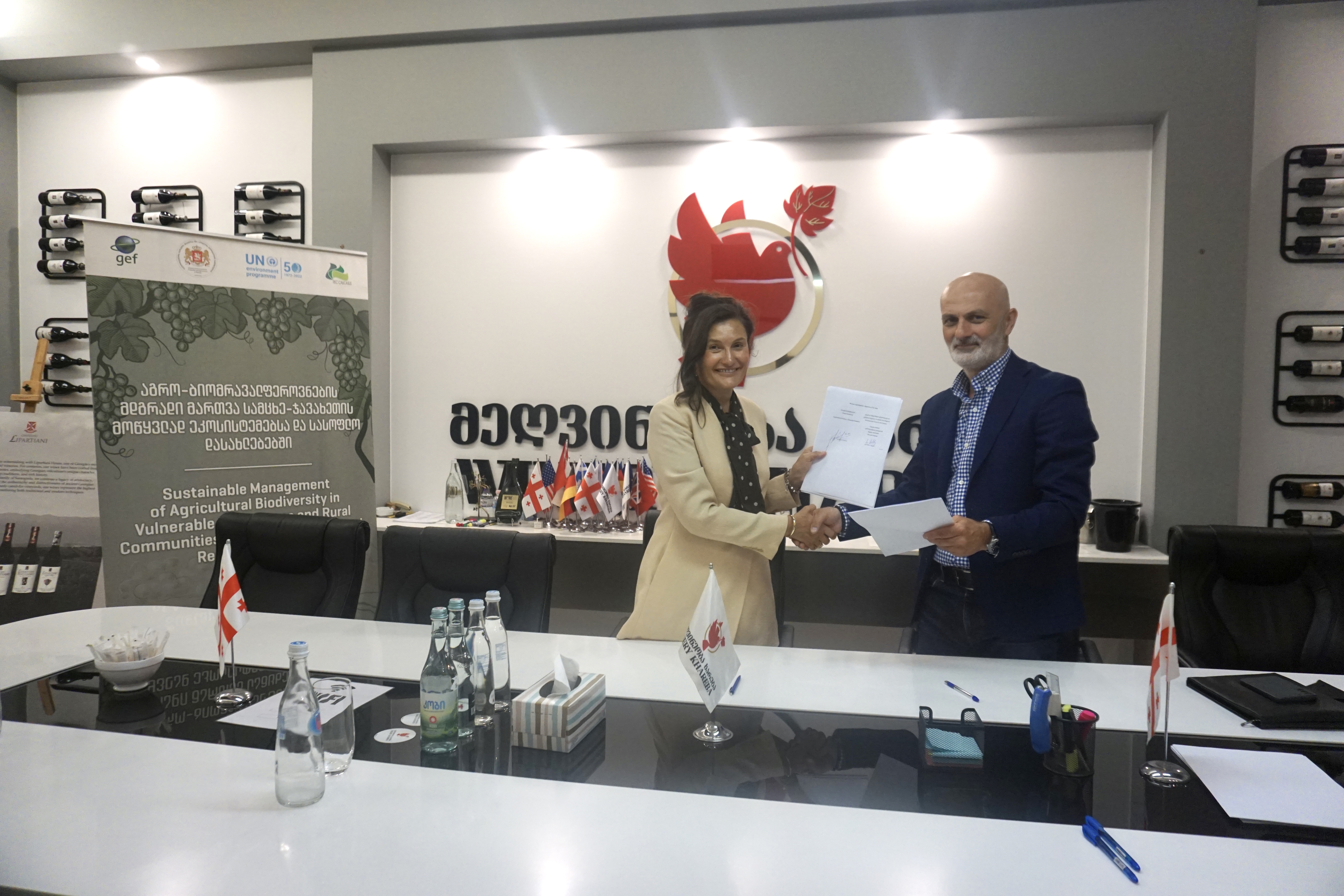
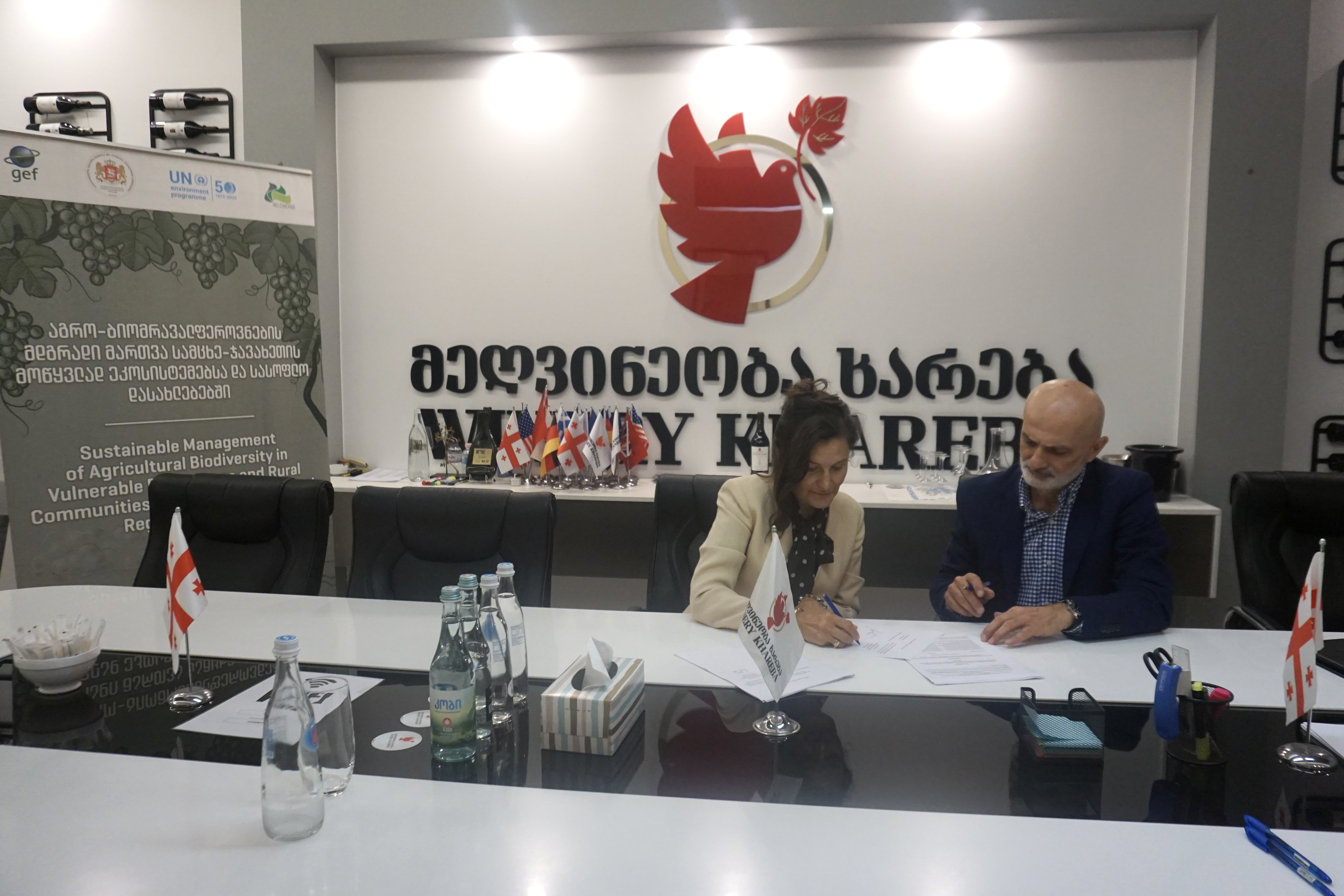
A particularly significant achievement of the project is the establishment of the first seed bank of its kind in the Niala Valley, Aspindza Municipality, implemented in cooperation with local producer Mr. Aleksandre Kharebava and supported by the GEF-funded agrobiodiversity project. This initiative demonstrates how local communities can actively contribute to the conservation and sustainable use of agricultural biodiversity and genetic resources.
Importantly, the seed bank goes beyond the simple storage and multiplication of seeds. It encompasses the entire seed management cycle, including:
- Systemic collection and sorting
- Cleaning and advanced processing
- Quality control and secure storage
- Regeneration of traditional Meskhetian wheat seed material
By ensuring the preservation of high-quality and genetically pure seed stock, the seed bank helps safeguard valuable local genetic resources, strengthens local seed systems, and improves farmers’ access to quality planting material adapted to local environmental conditions. At the same time, it contributes to preventing genetic erosion and supports the long-term conservation of Meskhetian wheat varieties for future generations.
Beyond preserving seeds, the initiative contributes to strengthening local seed systems, improving farmers’ access to quality planting material, and increasing awareness about the importance of traditional varieties. It also creates opportunities for knowledge sharing among farmers, researchers, and local communities, ensuring that traditional agricultural practices and crop diversity remain an integral part of the region’s cultural and agricultural identity.
Ultimately, the establishment of the seed bank is expected to contribute to the long-term conservation of Meskhetian wheat varieties, support climate-resilient agriculture, and promote the sustainable use of agricultural biodiversity as a foundation for rural development. By protecting local genetic resources today, the initiative helps secure future opportunities for food production, scientific research, value-added products, and the preservation of the unique agricultural heritage of Meskheti.