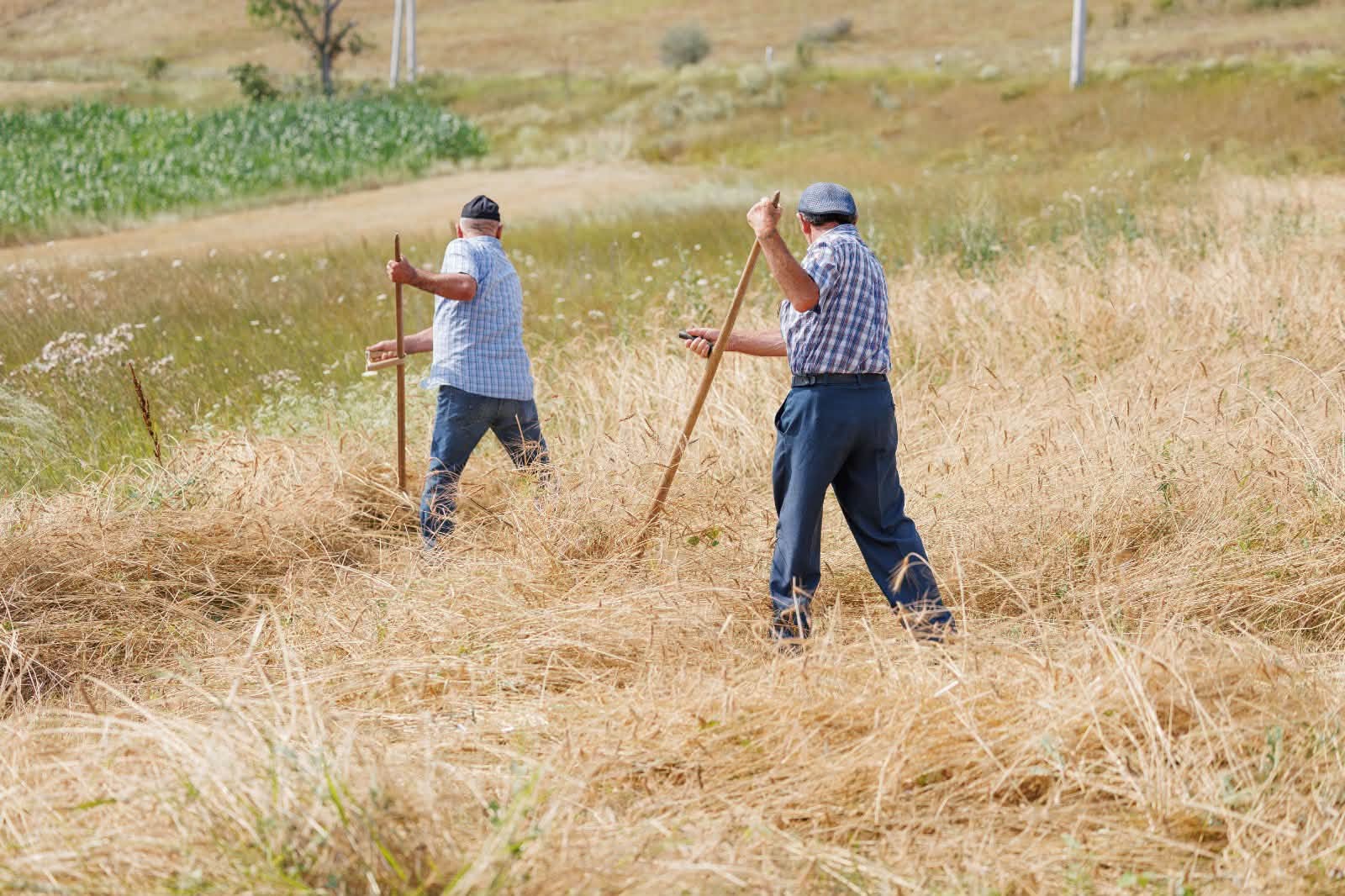
From Root to Table: Preserving Samtskhe-Javakheti’s Rare Agrobiodiversity
Samtskhe-Javakheti is one of Georgia’s key regions for agricultural biodiversity, known for its nearly 20 unique local grapevine varieties and 3 endemic wheat varieties, as well as its rich agricultural traditions and authentic gastronomy. These resources are an important part of the region’s cultural heritage and represent a valuable asset for sustainable rural development, climate resilience, food security, and tourism.
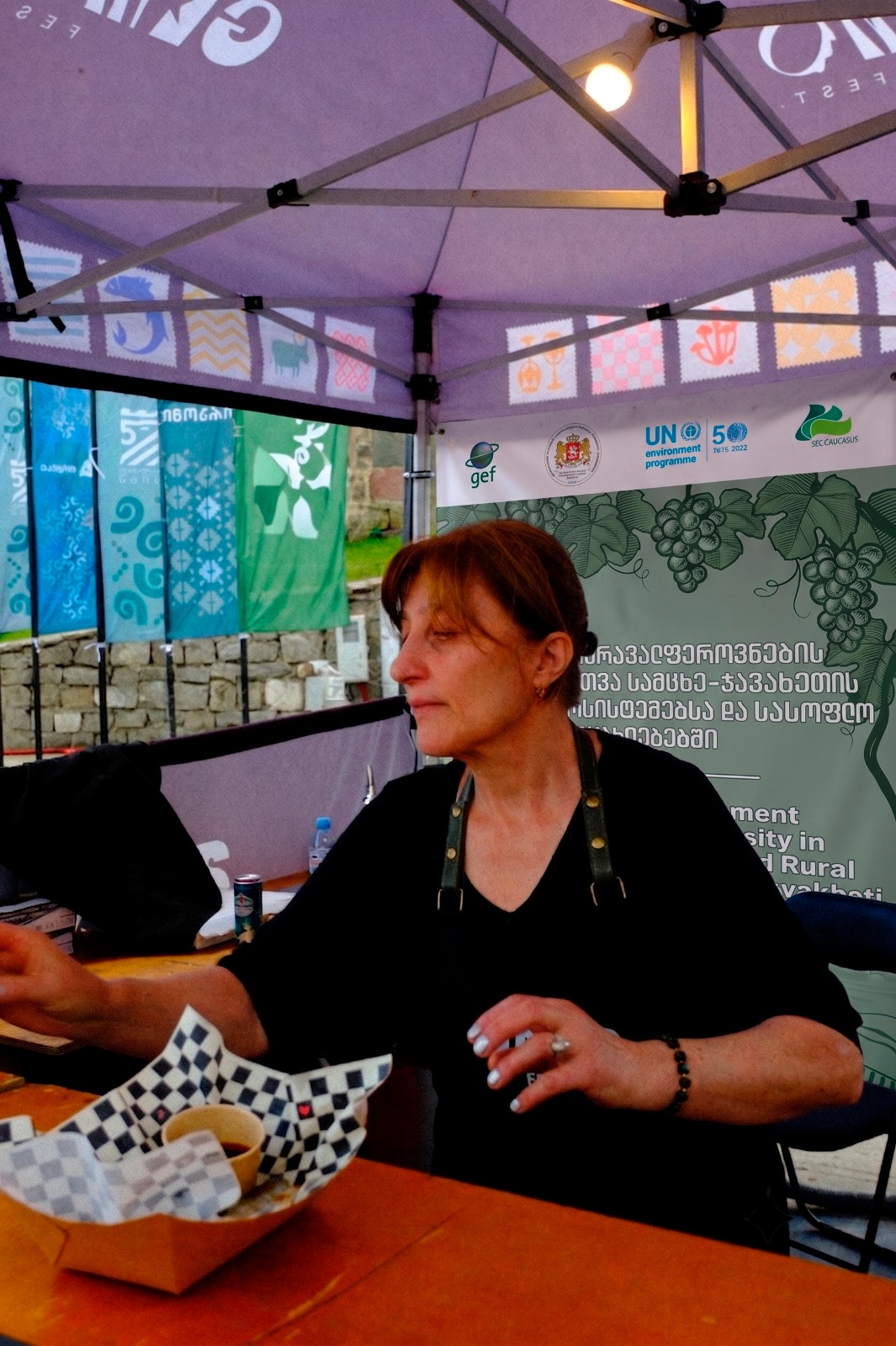
Funded By GEF through UNEP/RECC project “Sustainable Management of Agricultural Biodiversity in Vulnerable Ecosystems and Rural Communities of Samtskhe-Javakheti,”tby empowering local farmers to integrate endemic grape and wheat varieties into regional value chains, the initiative effectively laid the groundwork for innovative, sustainable tourism products. These heritage-driven offerings were successfully showcased at Gemo Fest in Akhaltsikhe, an event that brought together more than 25 project beneficiaries
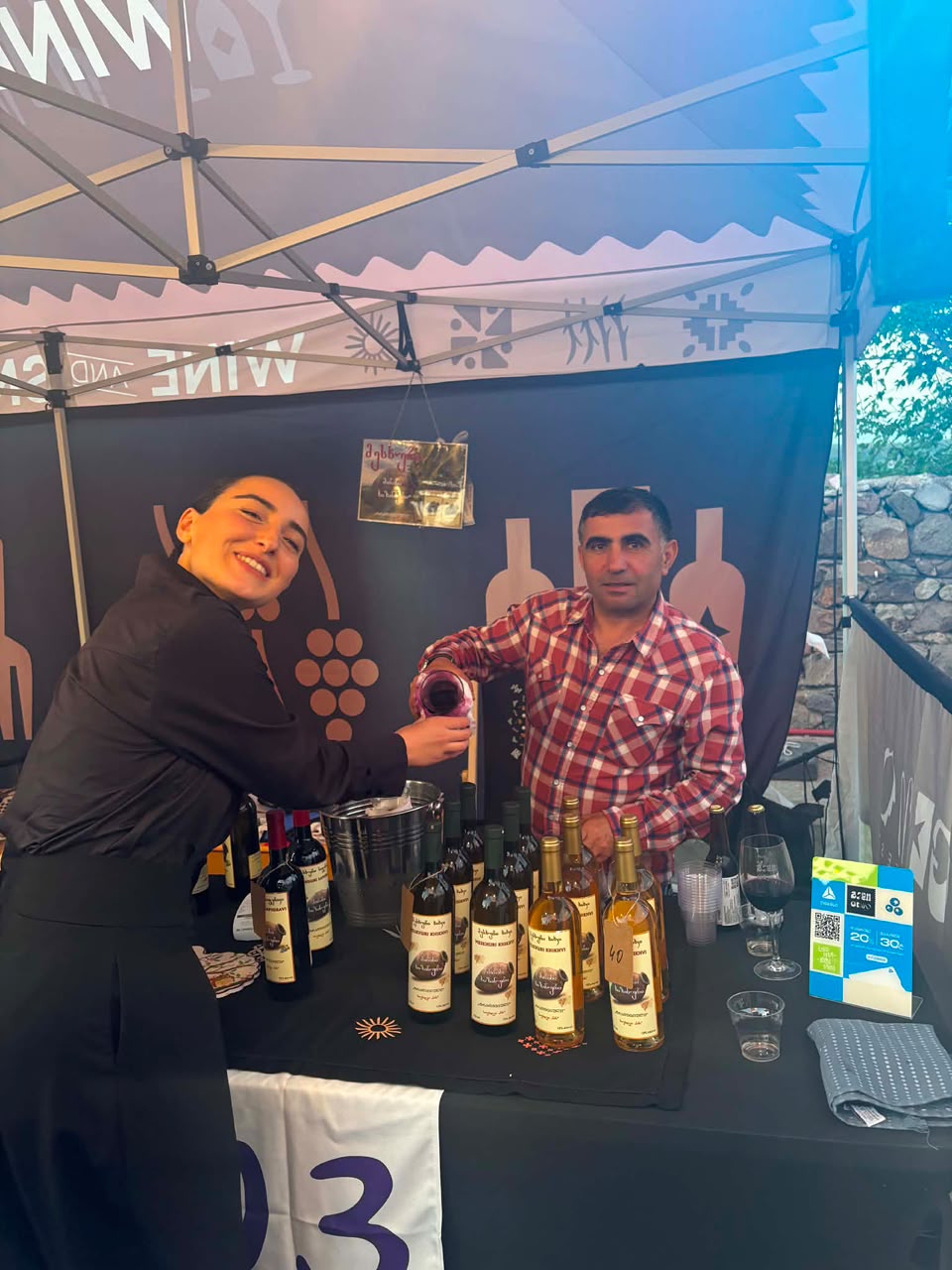
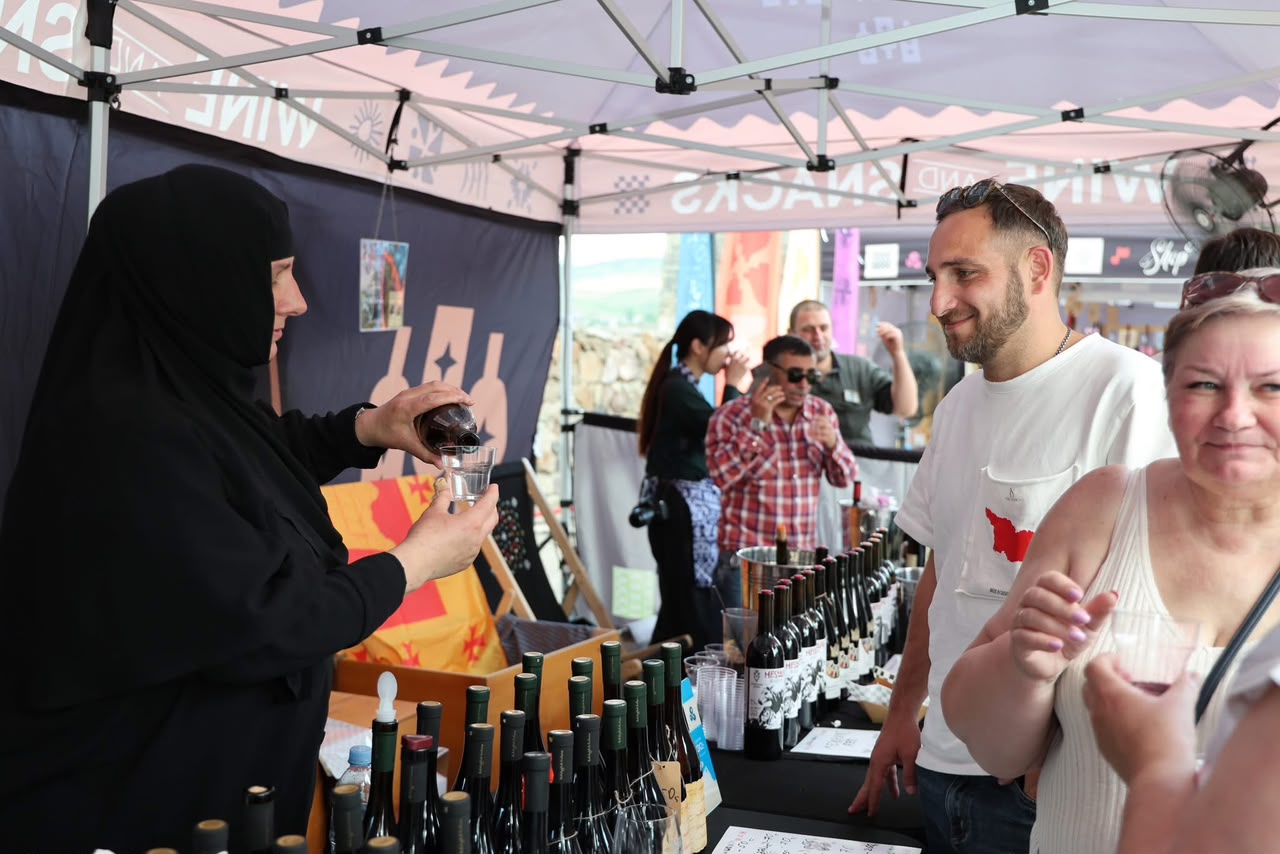
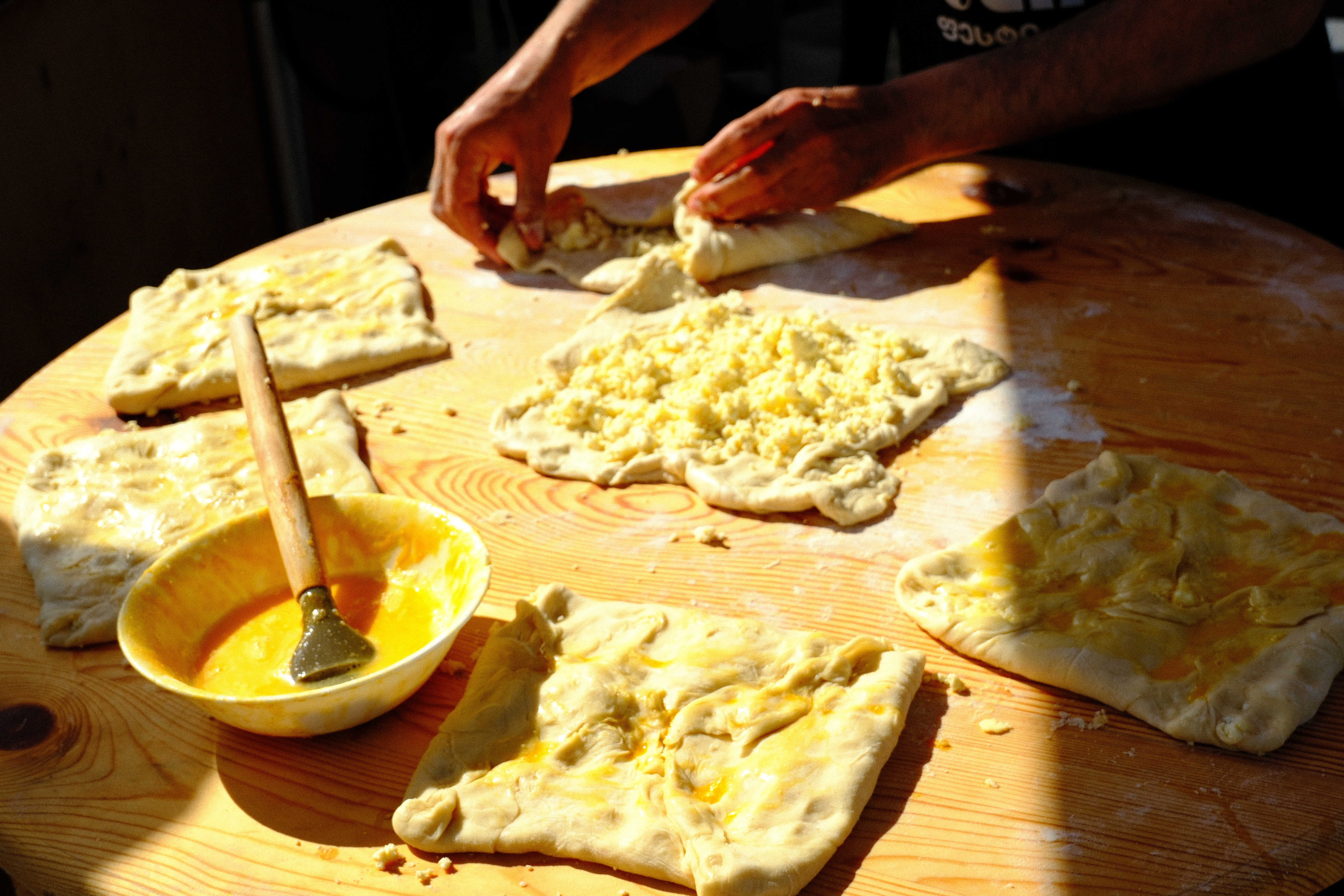
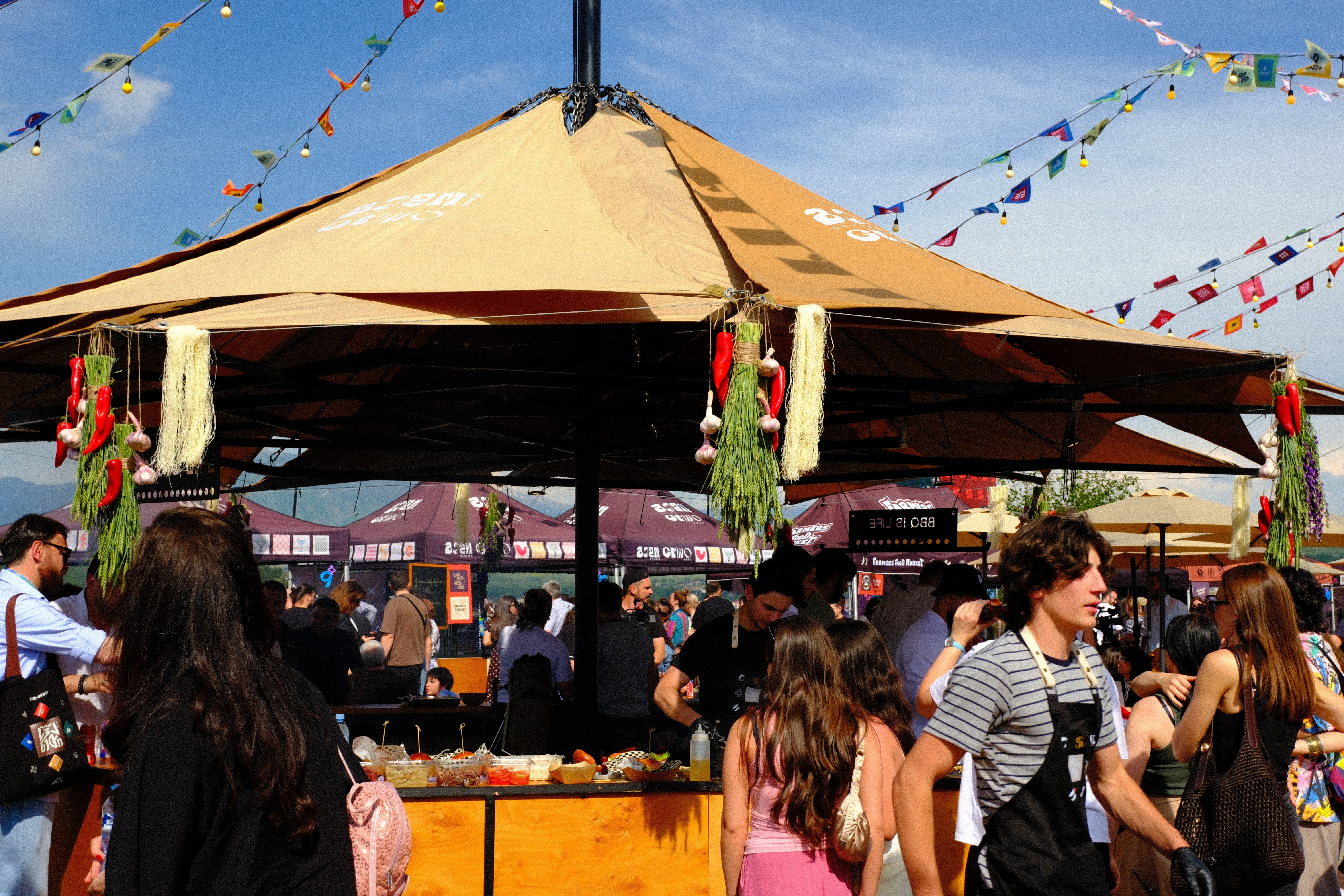
Gemo Fest served as an important platform connecting agrobiodiversity conservation with gastronomy, tourism, and local economic development. The festival showcased wines produced from indigenous Meskhetian grapevine varieties, traditional bread and bakery products made from local endemic wheat varieties, and other authentic products reflecting the region’s agricultural heritage. By promoting these products, the festival helped raise public awareness, create market opportunities for local producers, and encourage the continued cultivation of traditional varieties.
The cooperation between Gemo Fest and the project demonstrated the importance of multi-stakeholder cooperation in achieving both conservation and development objectives. While the project focuses on conserving and sustainably using local genetic resources, the festival brings these resources closer to consumers, visitors, tourism operators, and markets, helping ensure that agrobiodiversity remains a living and economically valuable part of the region’s future.
The use of local grapevine and wheat varieties in gastronomy is especially important, as it transforms biodiversity into an economic asset. Authentic products offer visitors a unique experience, strengthen the region’s identity and competitiveness, and create additional income opportunities for farmers, producers, and tourism businesses. At the same time, they help preserve traditional knowledge, culinary practices, and cultural heritage associated with local varieties.
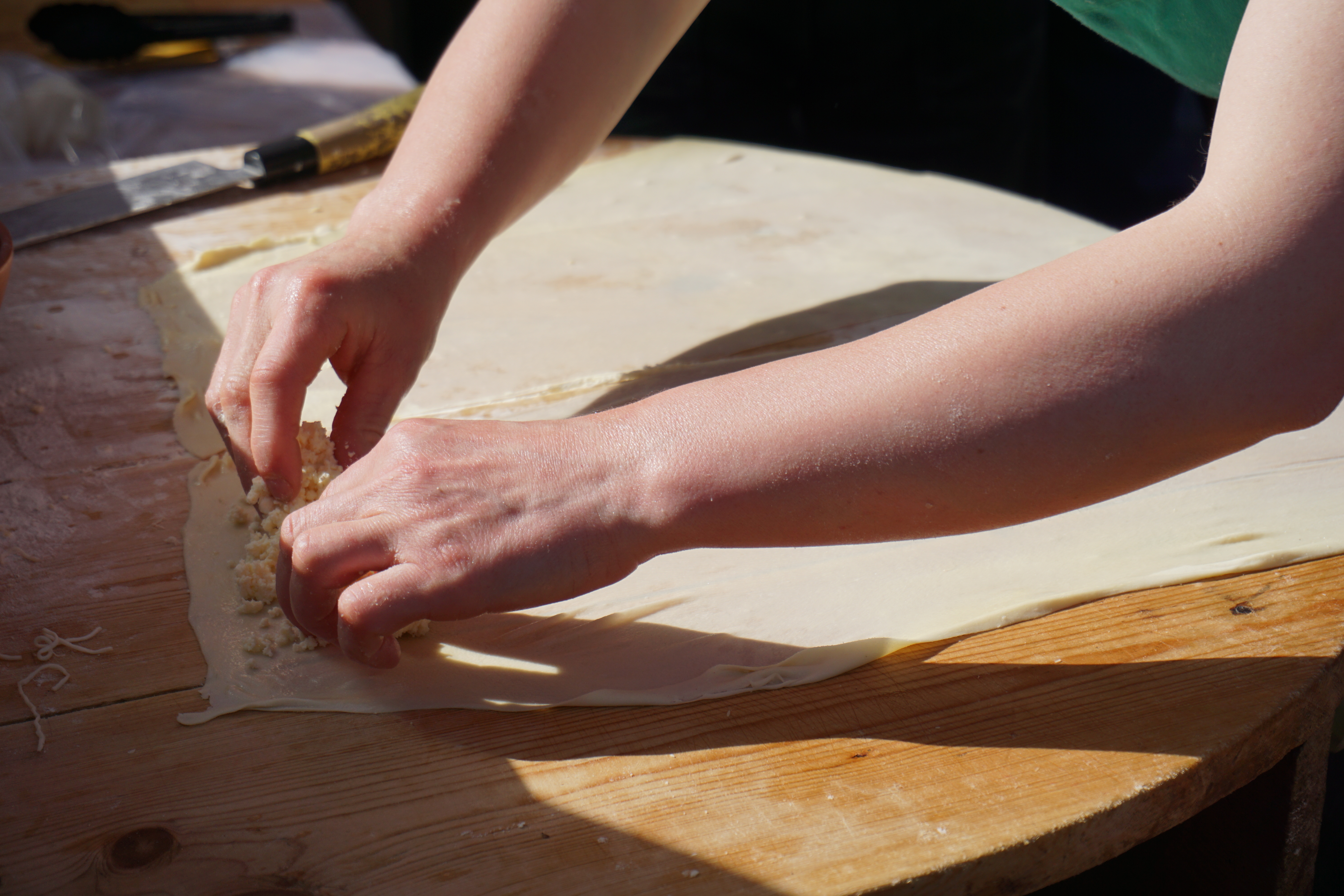
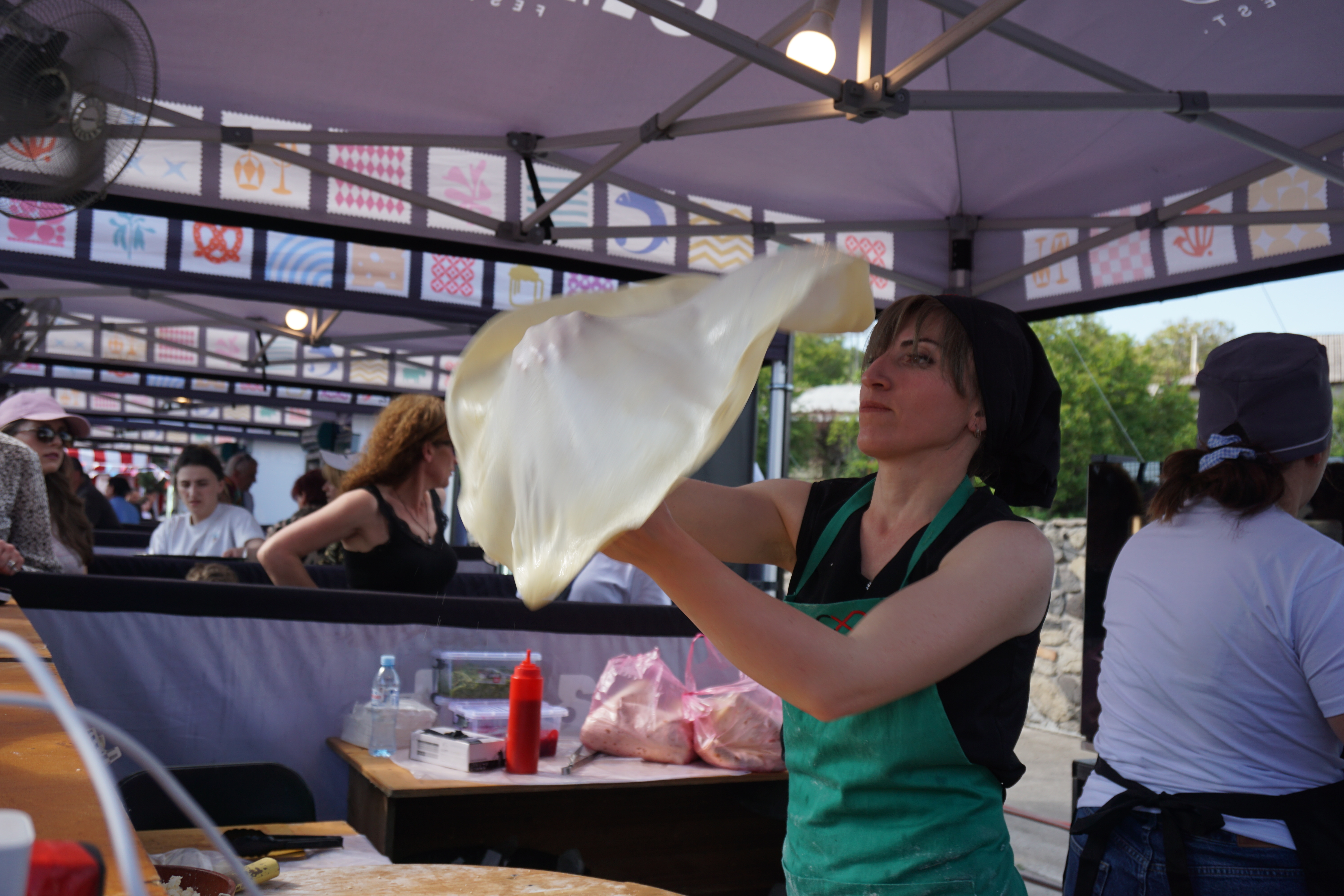
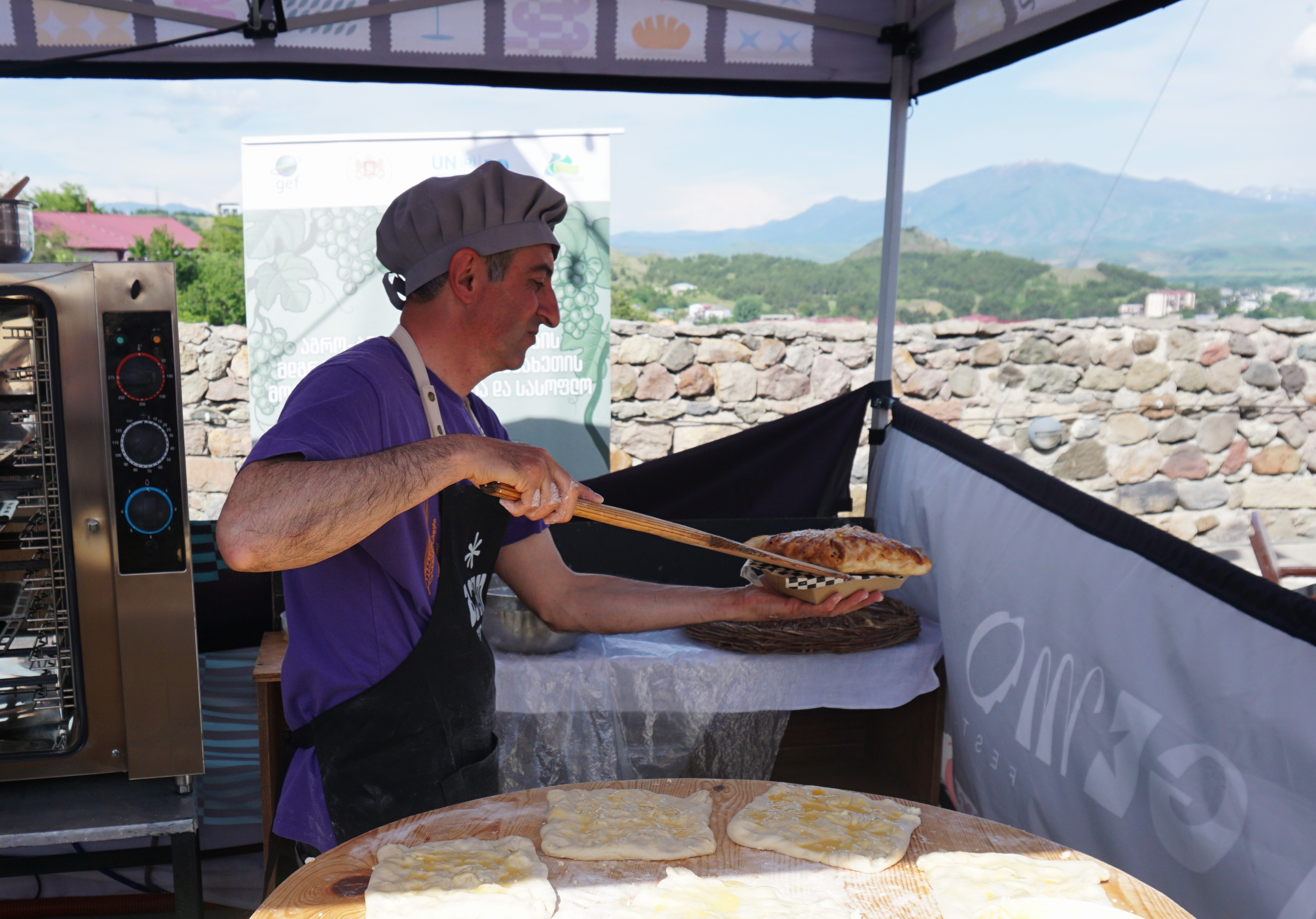
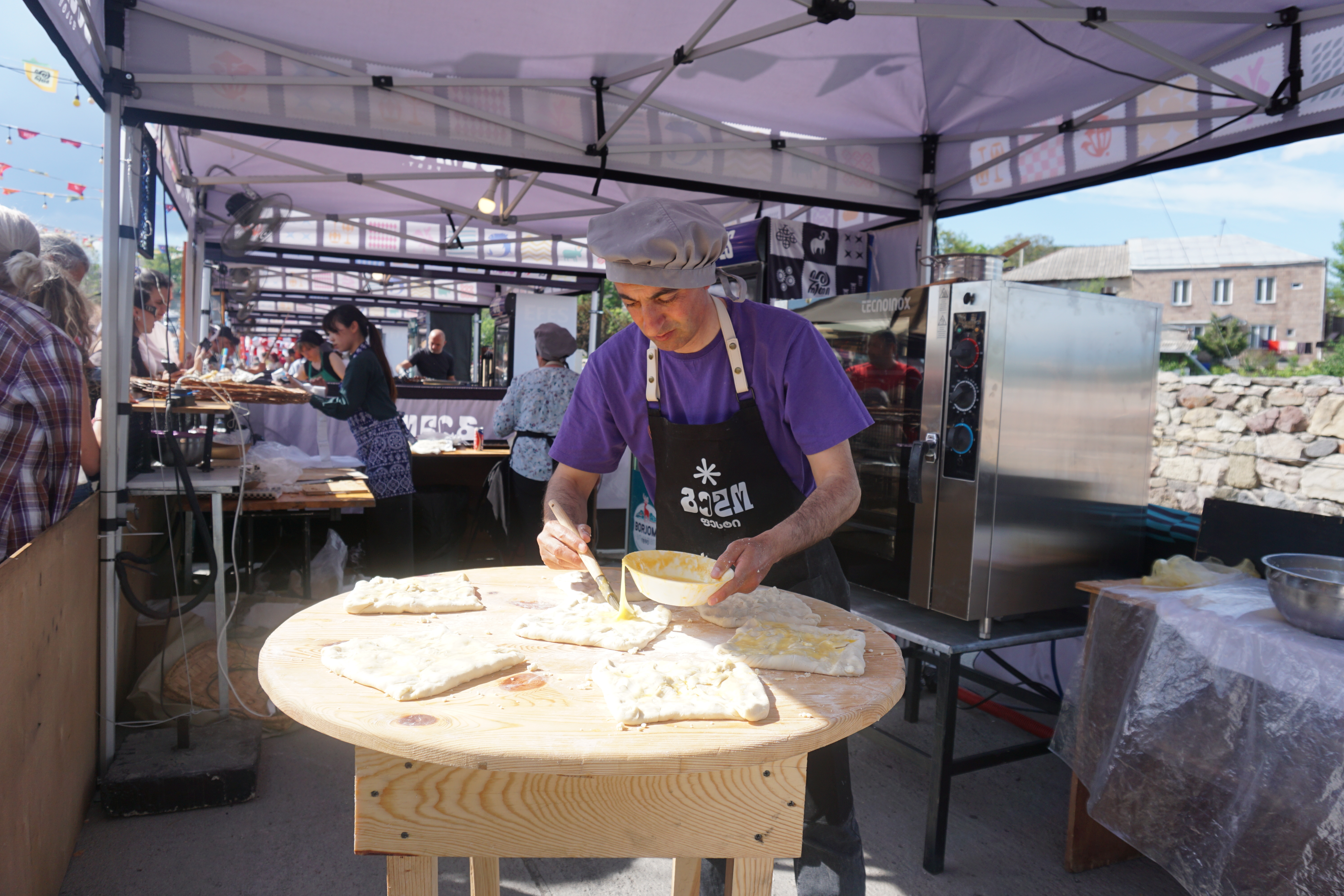
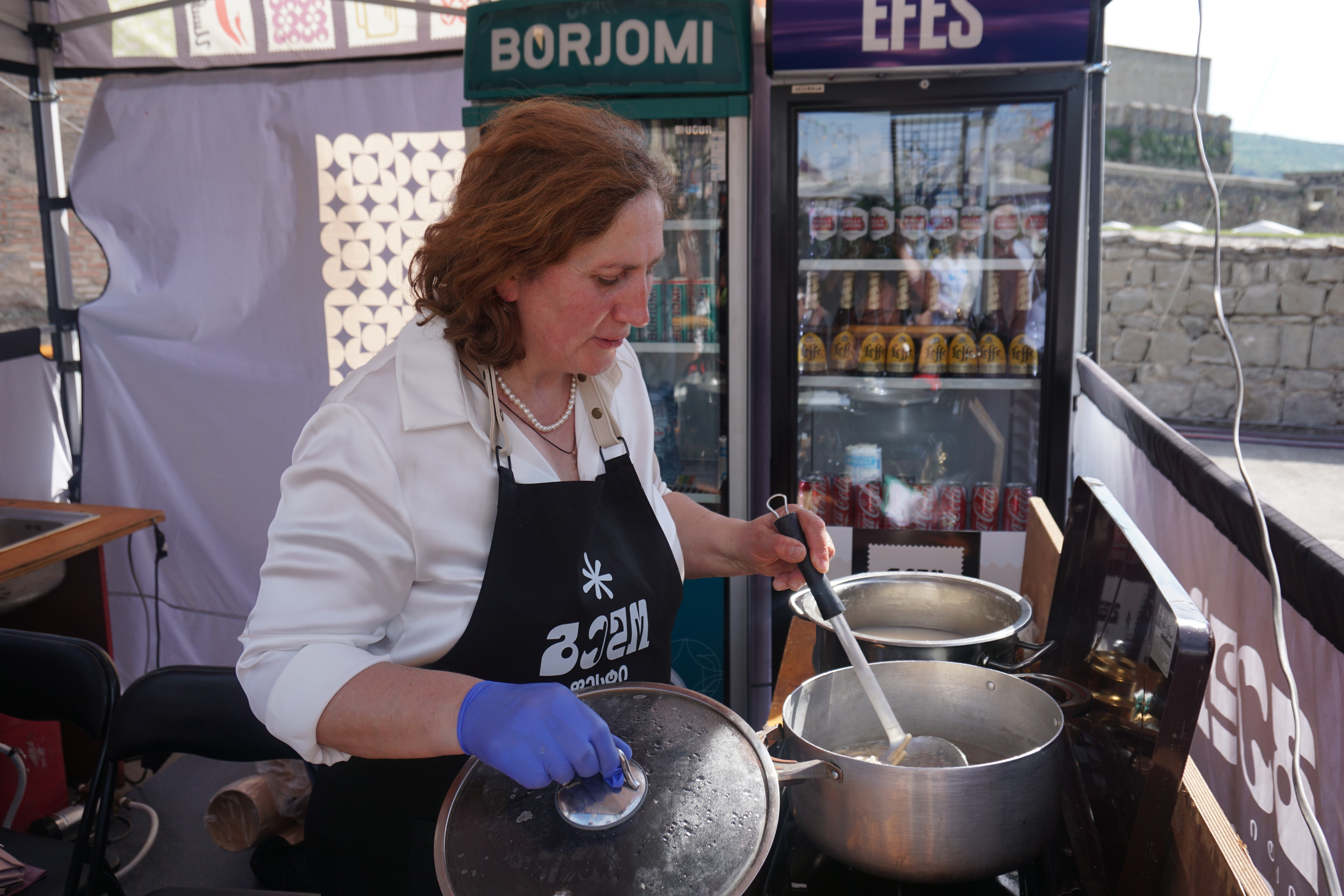
Through project support, local farmers, wine producers, agrotourism farms, and rural entrepreneurs participated in the festival and presented products based on local agricultural biodiversity and traditional knowledge. Among the featured participants were Monastris Nobati, which presented wines and authentic local products; Meskhuri Oda and Ambari, which showcased traditional Meskhetian khachapuri and other local gastronomic specialties prepared with Meskhetian wheat varieties; and Tirebi, which presented traditional Meskhetian dishes and bread products.
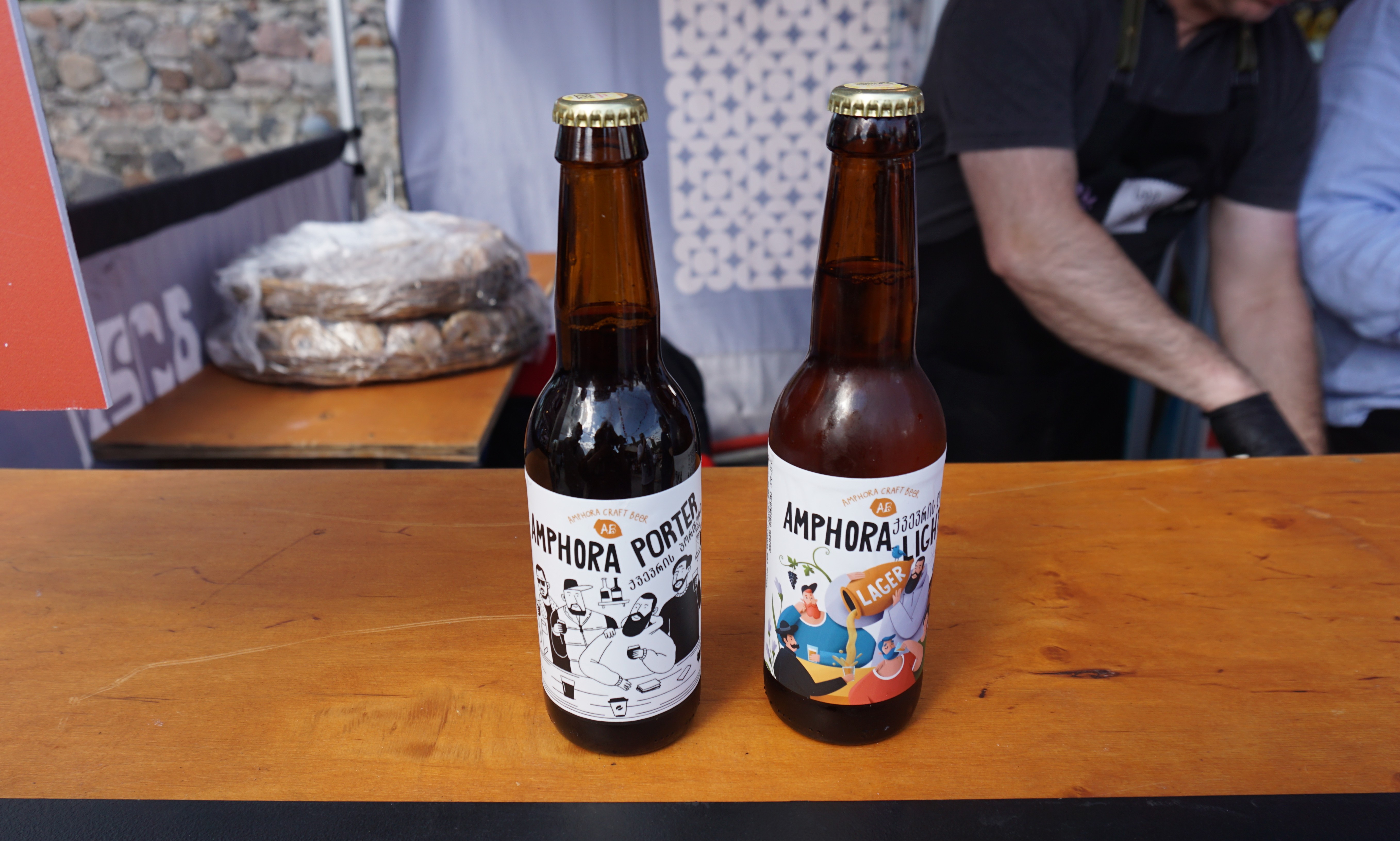
The festival also highlighted wines produced from endemic Meskhetian grape varieties by Gia Lekishvili, demonstrating the successful conservation and use of local vine genetic resources. Another distinctive product presented at the festival was traditional Qvevri Beer by Zaza Zedginidze, which attracted strong interest by combining traditional production methods with local identity and heritage.
The strong interest shown by visitors confirmed the growing demand for authentic products linked to local agricultural biodiversity. It also demonstrated that traditional Meskhetian grape and wheat varieties are not only valuable genetic resources requiring conservation, but also a foundation for distinctive products, tourism experiences, and new economic opportunities for rural communities.
By supporting the participation of local producers and agrotourism enterprises, the project strengthened the connection between agrobiodiversity conservation, local entrepreneurship, gastronomy, and tourism. Gemo Fest clearly showed that preserving traditional varieties and food culture can generate tangible economic benefits while contributing to the long-term conservation of Samtskhe-Javakheti’s unique agricultural heritage.







_1781073558.jpeg)