Georgia's biosphere reserves at the forefront of COP17: how South Caucasus' first biosphere reserves turn global targets into local action
Yerevan, 27 October 2026
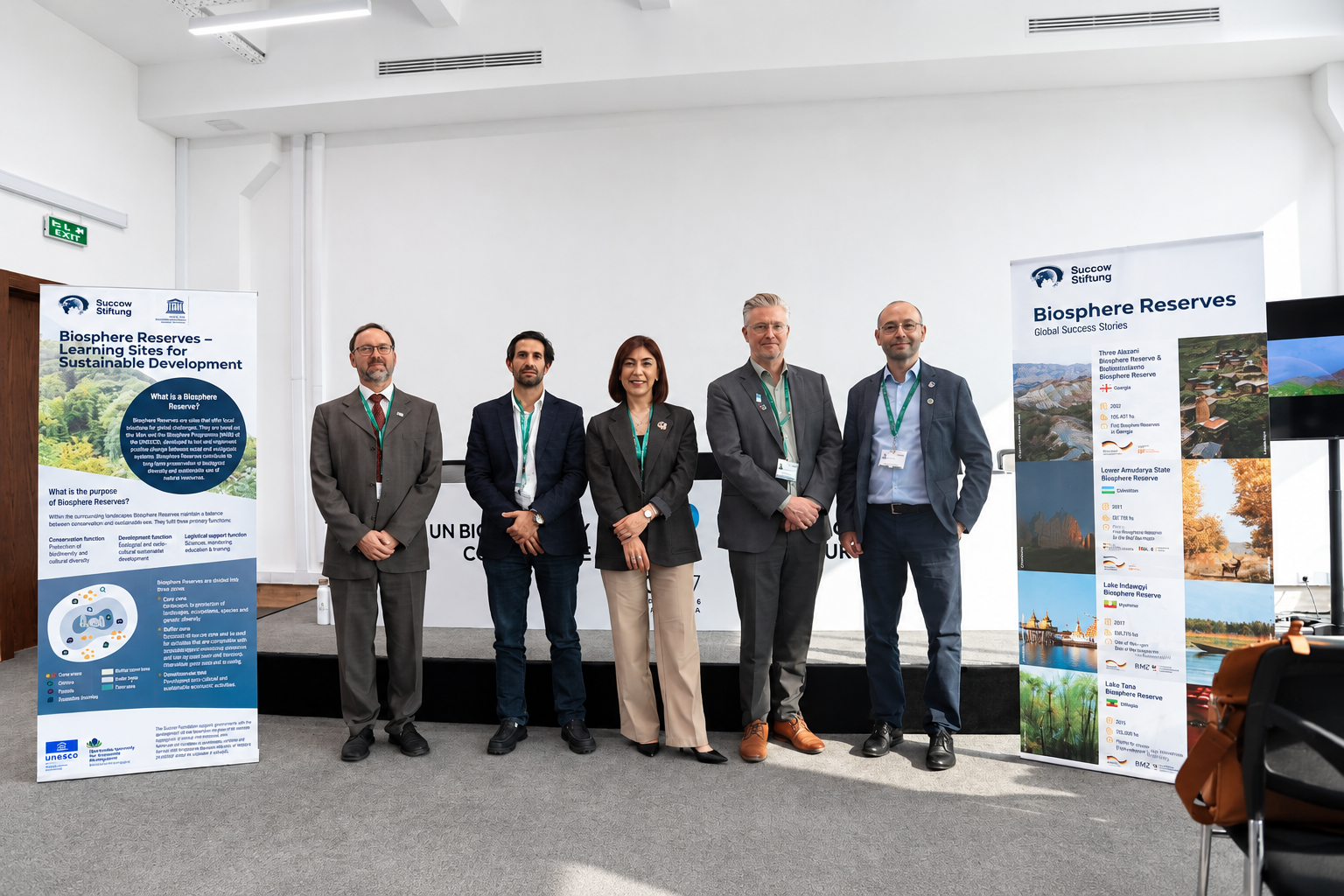
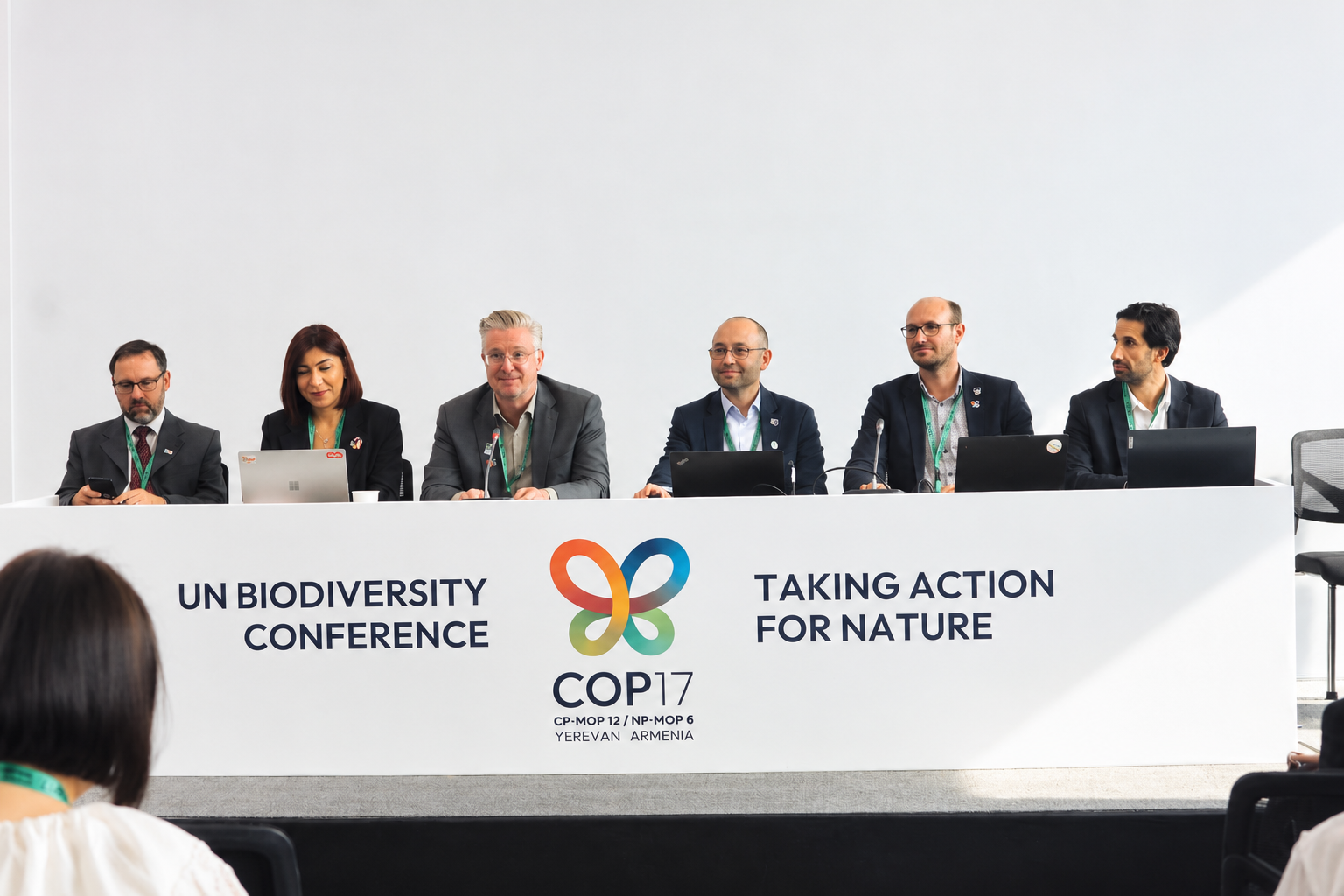
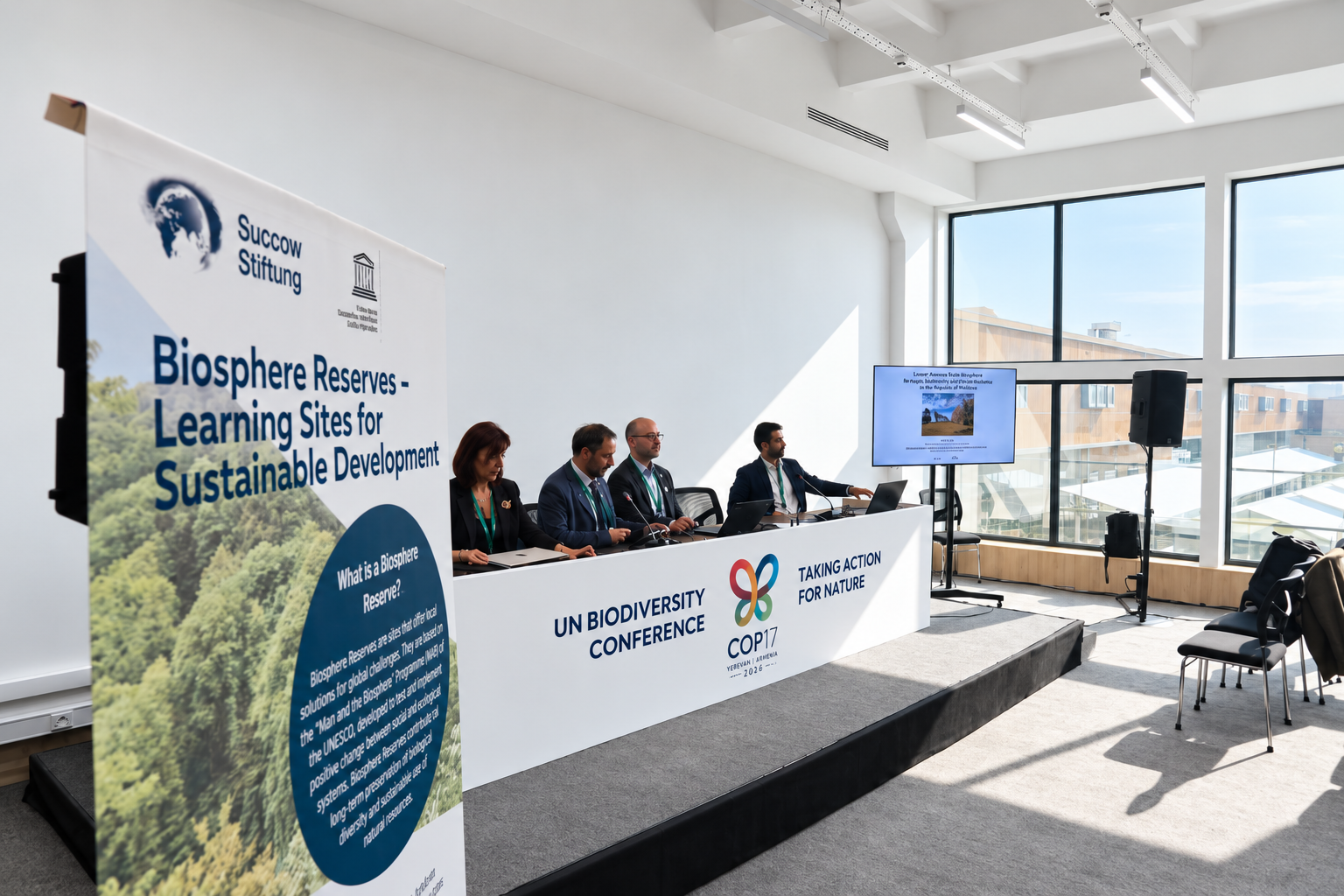
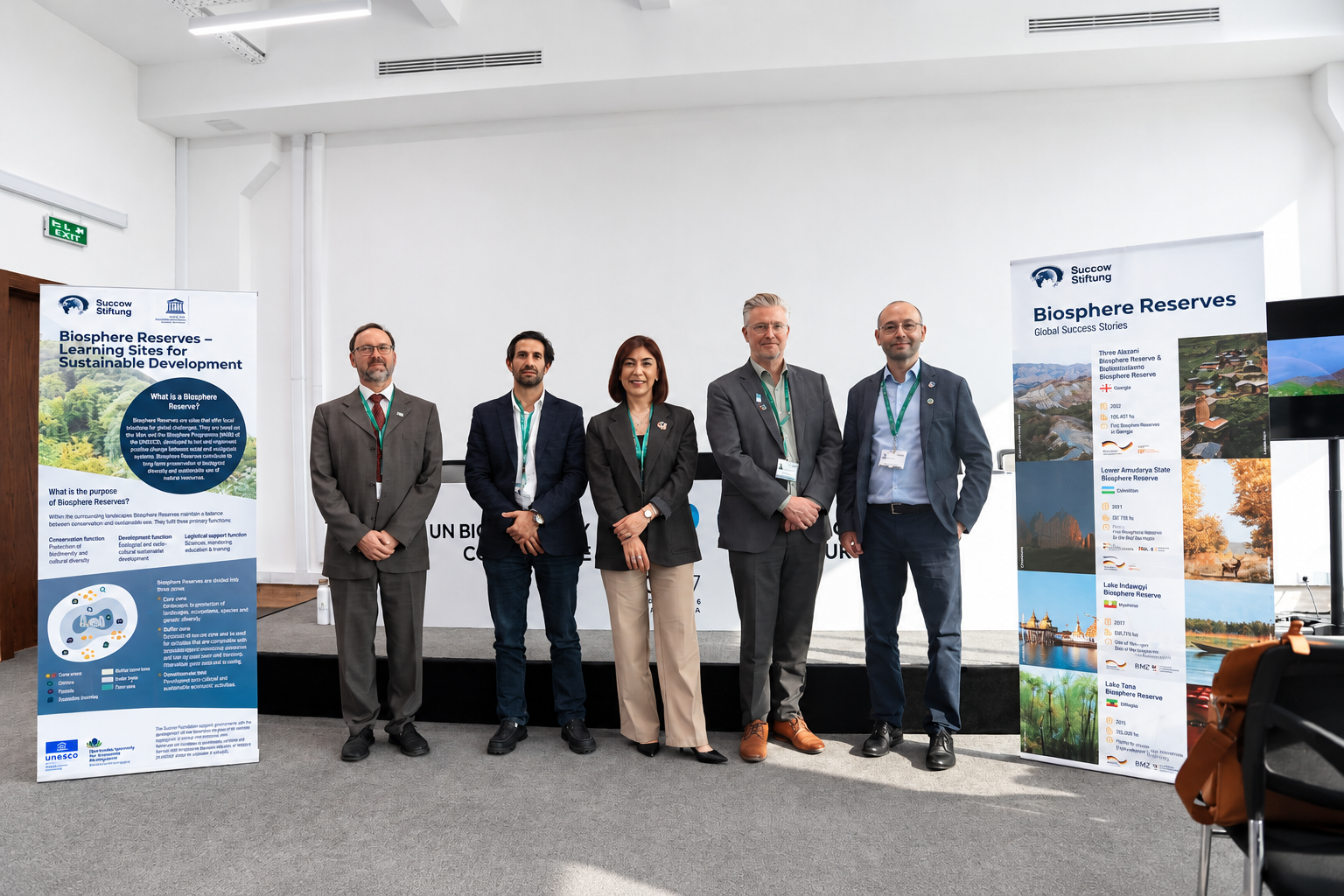
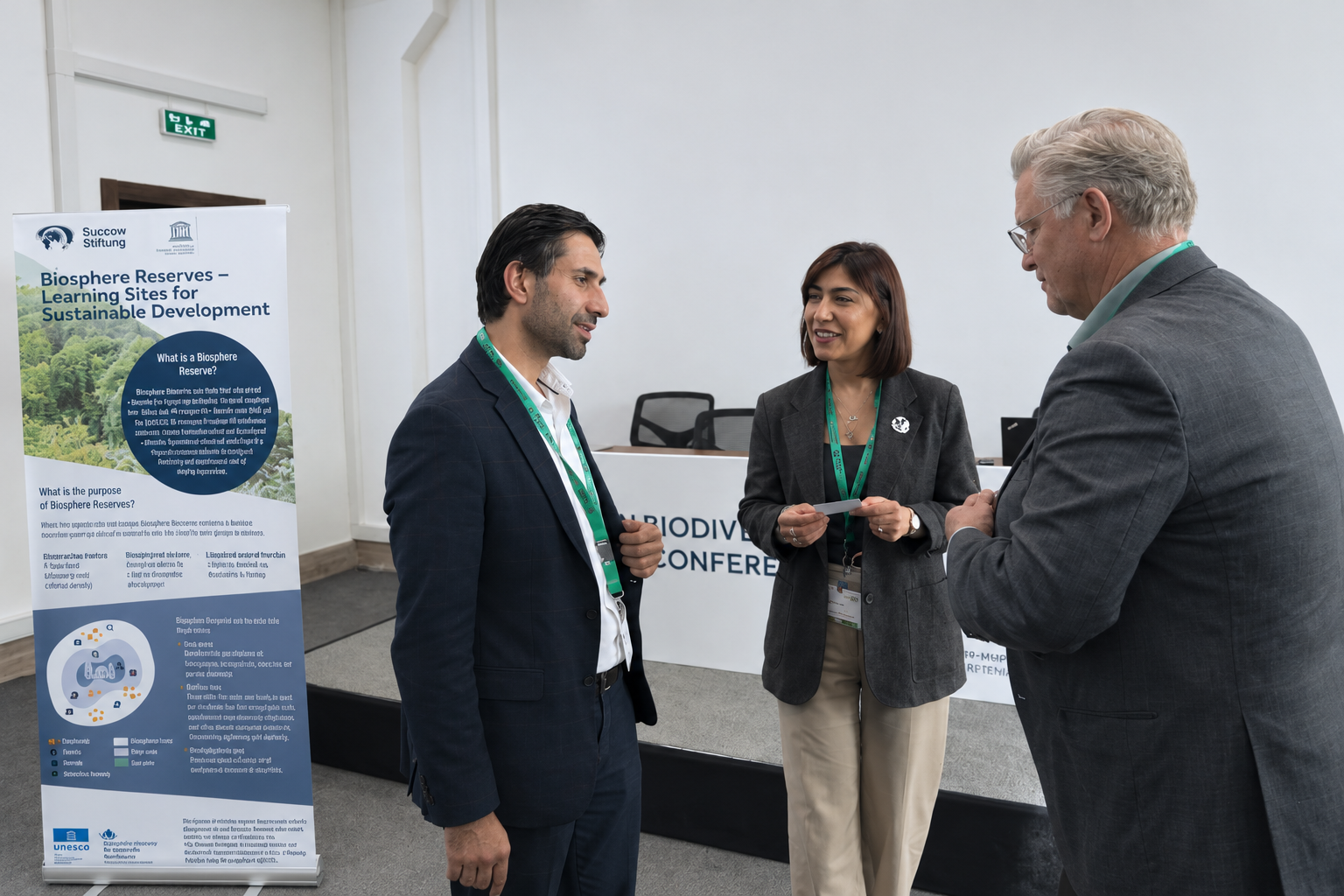
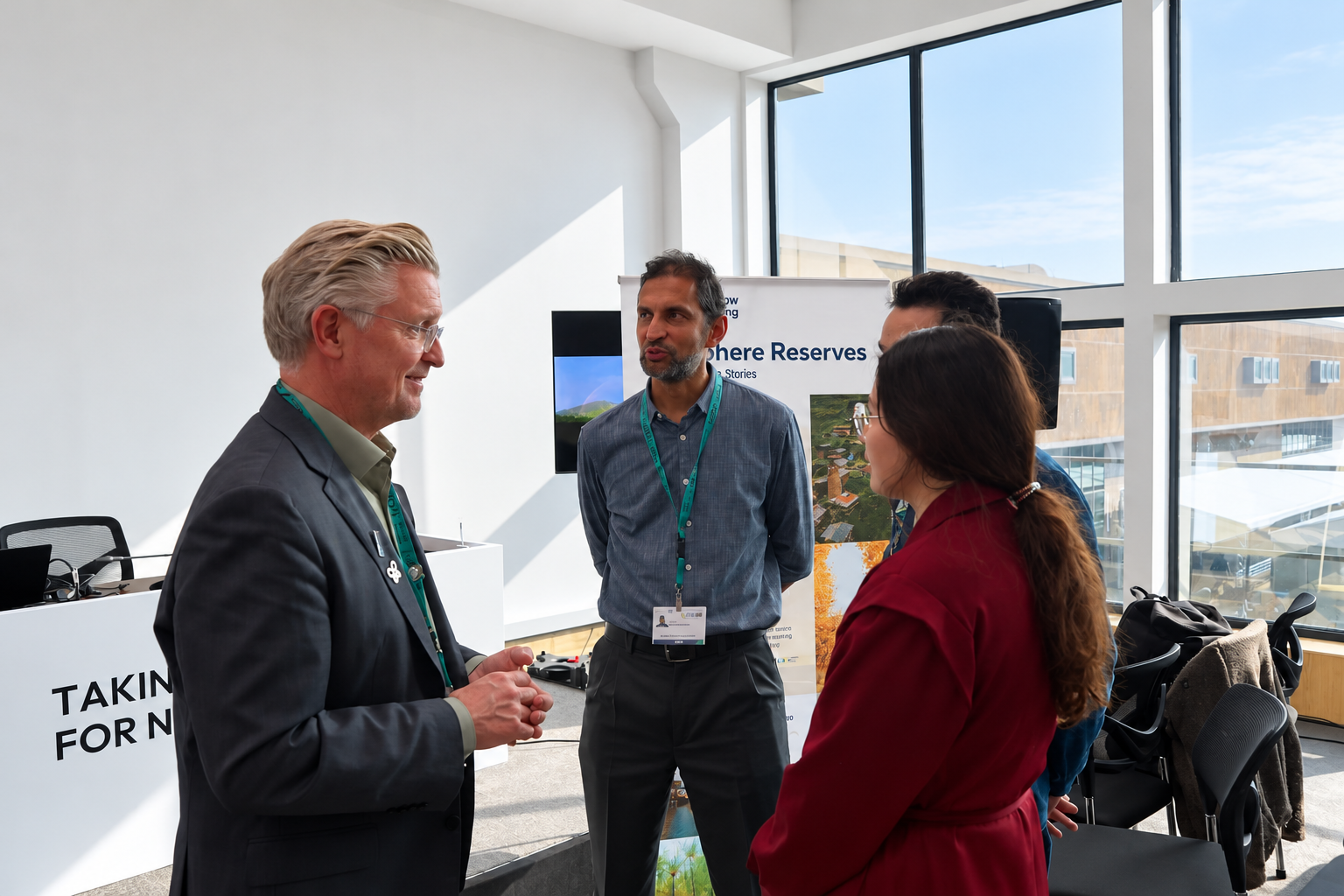
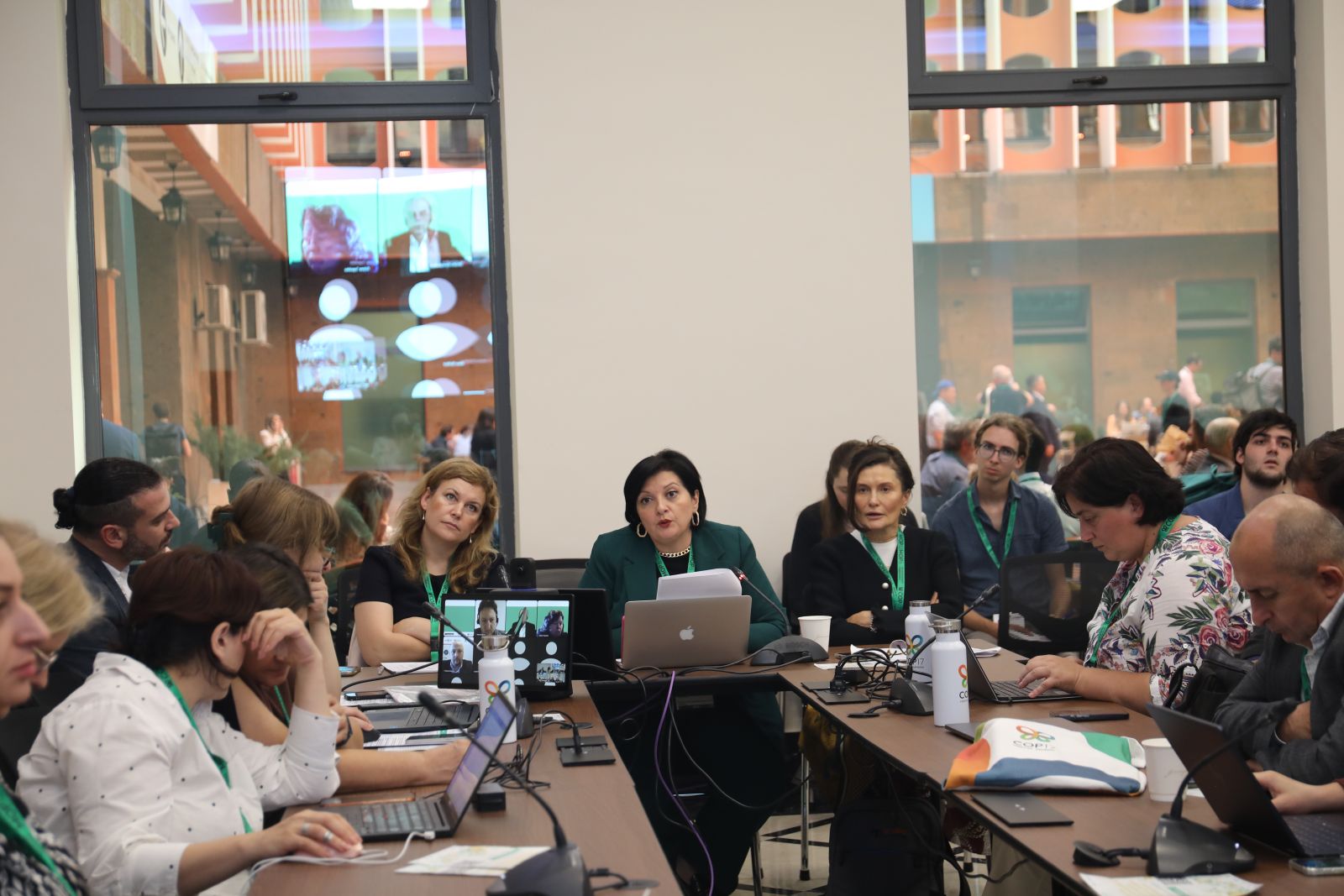
What can a biosphere reserve contribute before it even has a management body? At a CBD COP17 side event organised by the Michael Succow Foundation, REC Caucasus shared Georgia's answer. The event was titled "Beyond Protected Areas: Biosphere Reserves as Tools for KMGBF Implementation - Lessons from the Southern Caucasus".
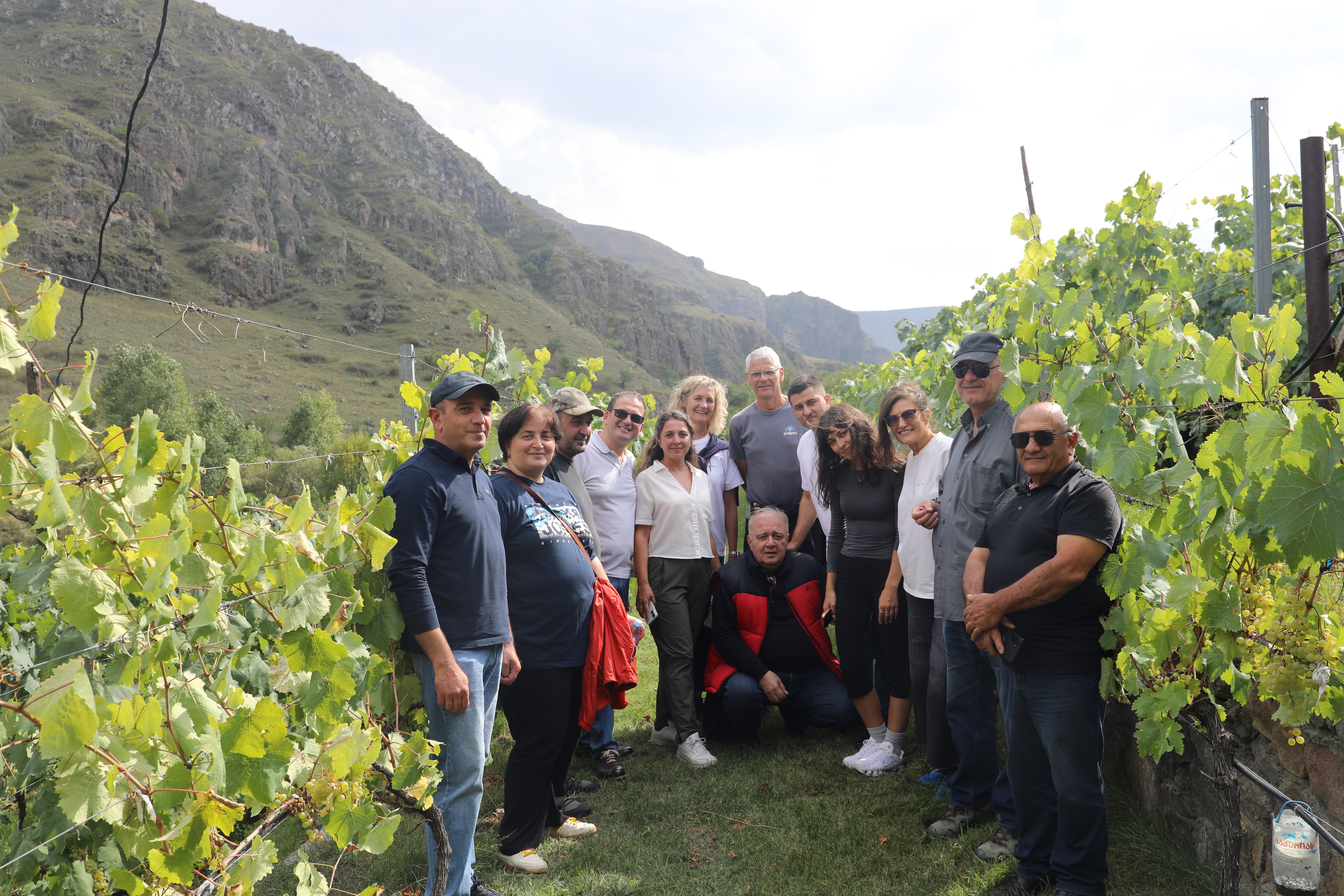
In 2022, UNESCO designated Three Alazani Rivers and Dedoplistskaro BRs as the first Biosphere Reserves in the South Caucasus.REC Caucasus was part of both nominations: as the Michael Succow Foundation’s implementing partner in Three Alazani BR, with support from IKI through GIZ, and in the EU-funded nomination of Dedoplistskaro BR.
During the side event, REC Caucasus underscored that biosphere reserves generate tangible benefits long before formal governance mechanisms are established, noting that the nomination process itself established a shared evidence base on biodiversity, sustainable agriculture, and ecotourism while establishing spatial zonation co-designed through inclusive, participatory planning with local communities, local resource users, and pastoralists.
The presentation linked this work directly to the Kunming-Montreal Global Biodiversity Framework. In total, 451,896 ha are now zoned and planned as one landscape, which supports Target 1. In Dedoplistskaro, 268 ha of degraded ranglands are under restoration (Target 2). Existing protected areas serve as core zones (Target 3), and the transition zones support sustainable use through pasture planning, local products and ecotourism (Target 10). The zonation was designed together with local actors, and the proposed governance model includes an advisory council (Target 22).
Work on the ground continues. In Three Alazani, REC Caucasus opened an Information Space in Akhmeta, installed signage and launched the website threealazani.ge. In Dedoplistskaro, it executes the GEF-funded GAZELLE project with UNEP, which restores pastures, revives local crafts and is developing a co-governance guideline and an integrated management plan. The next step, REC Caucasus stressed, is permanent governance that turns the platforms built during nomination into a lasting mandate.
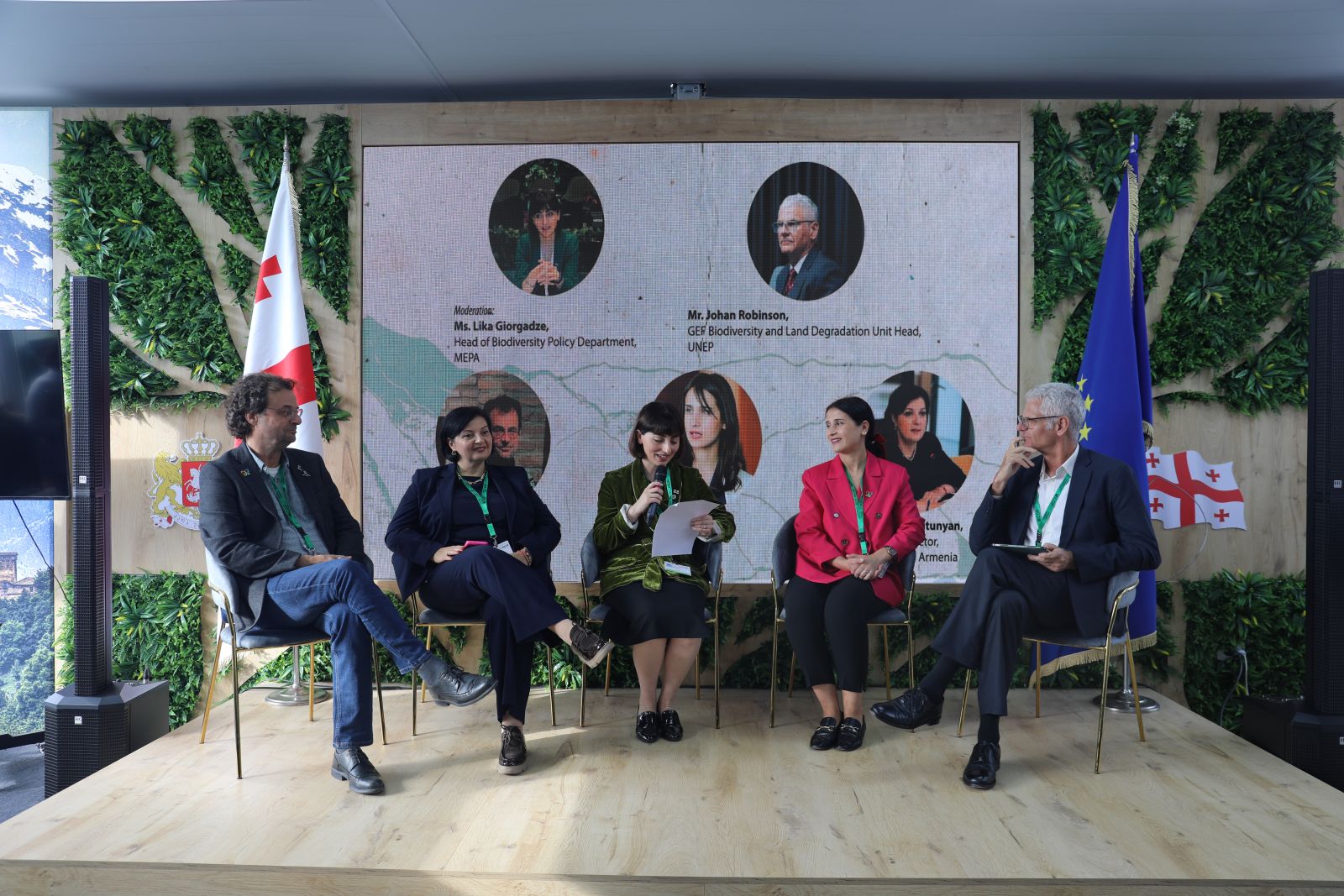
Georgia's experience set the scene for the focal case study of Dilijan, on its way to becoming Armenia's first biosphere reserve. The event closed with a discussion moderated by Petr Cupa of the International Advisory Committee for Biosphere Reserves.