Georgia Launches Development of the 2027–2030 National Action Plan for Circular Waste Management
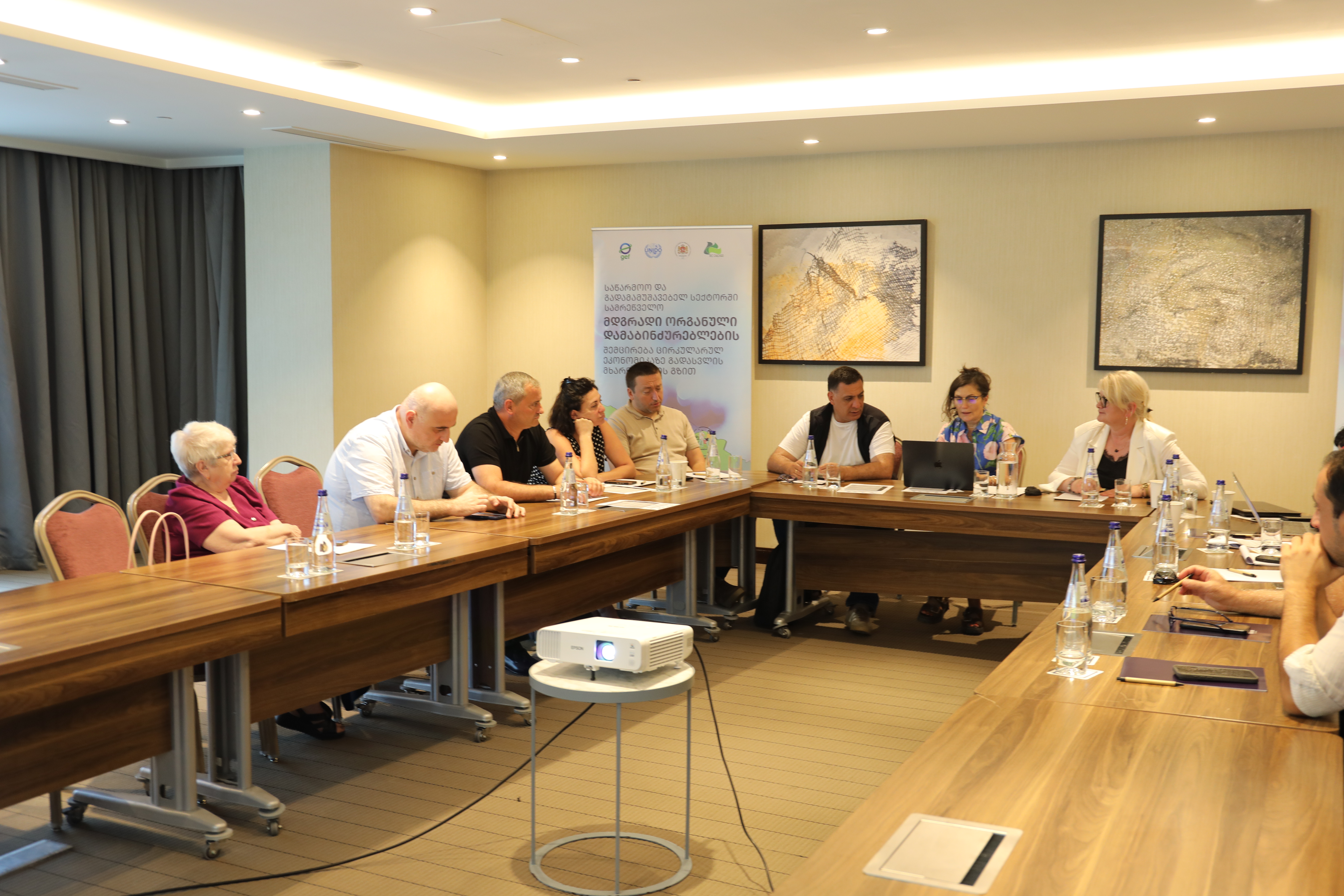
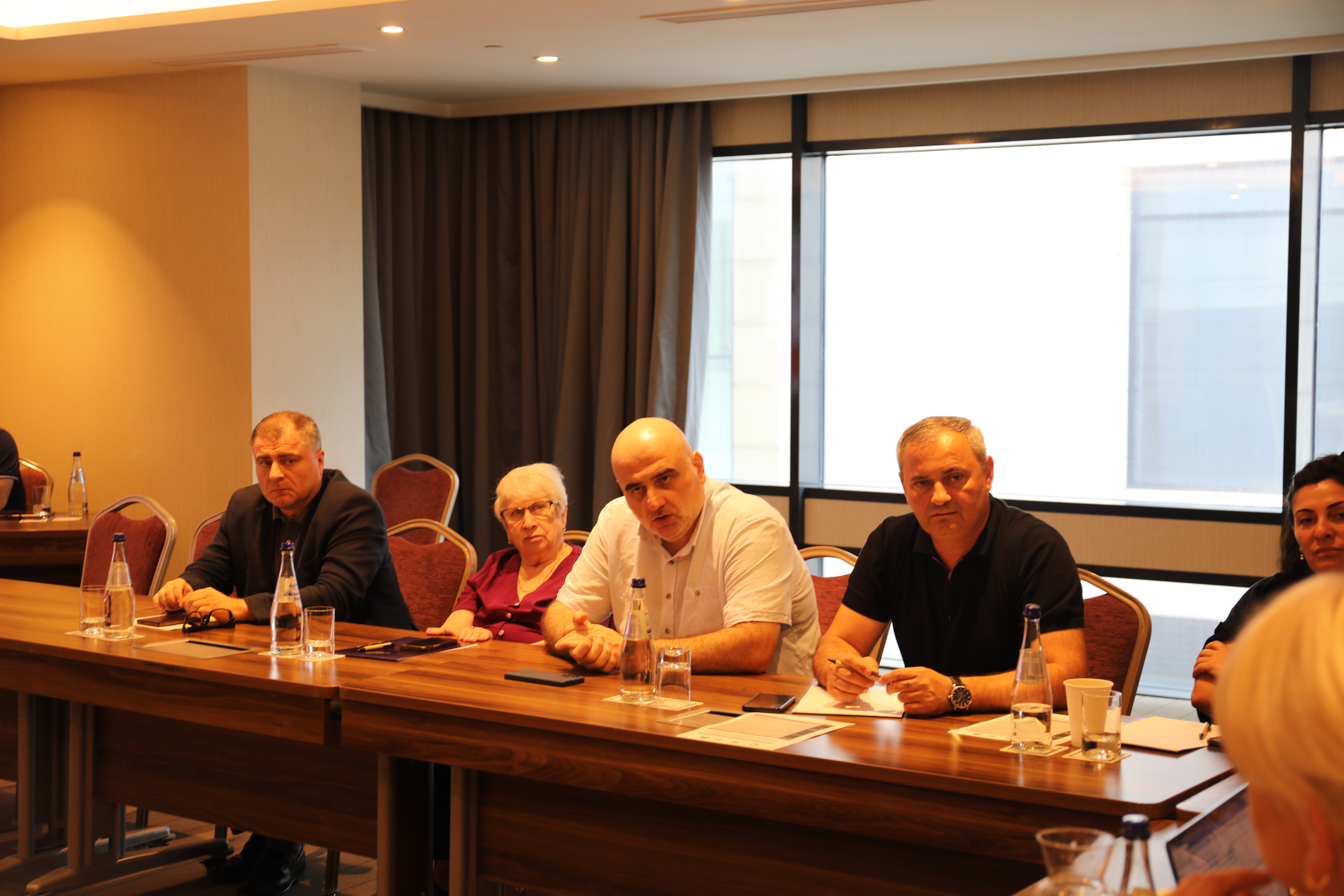
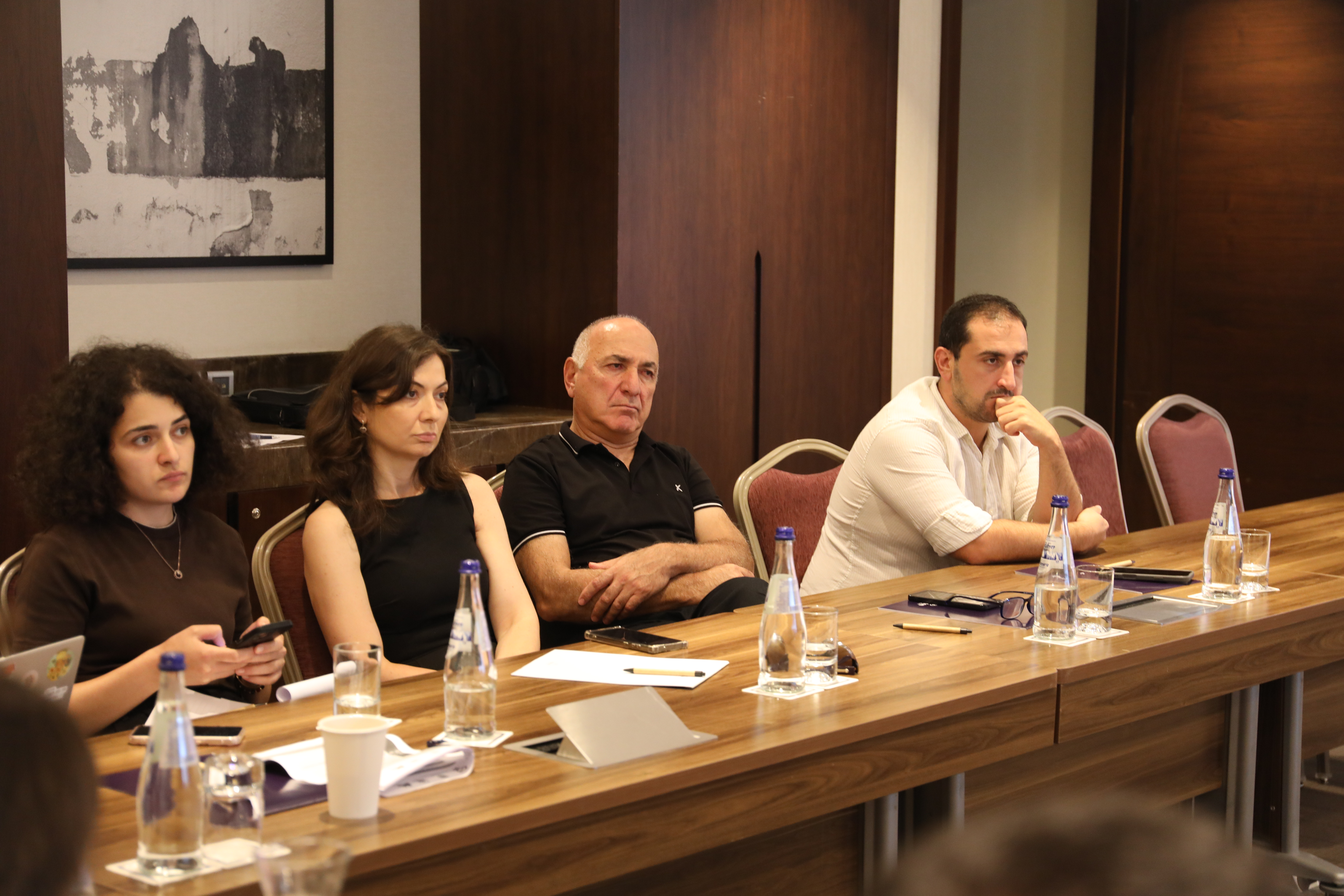
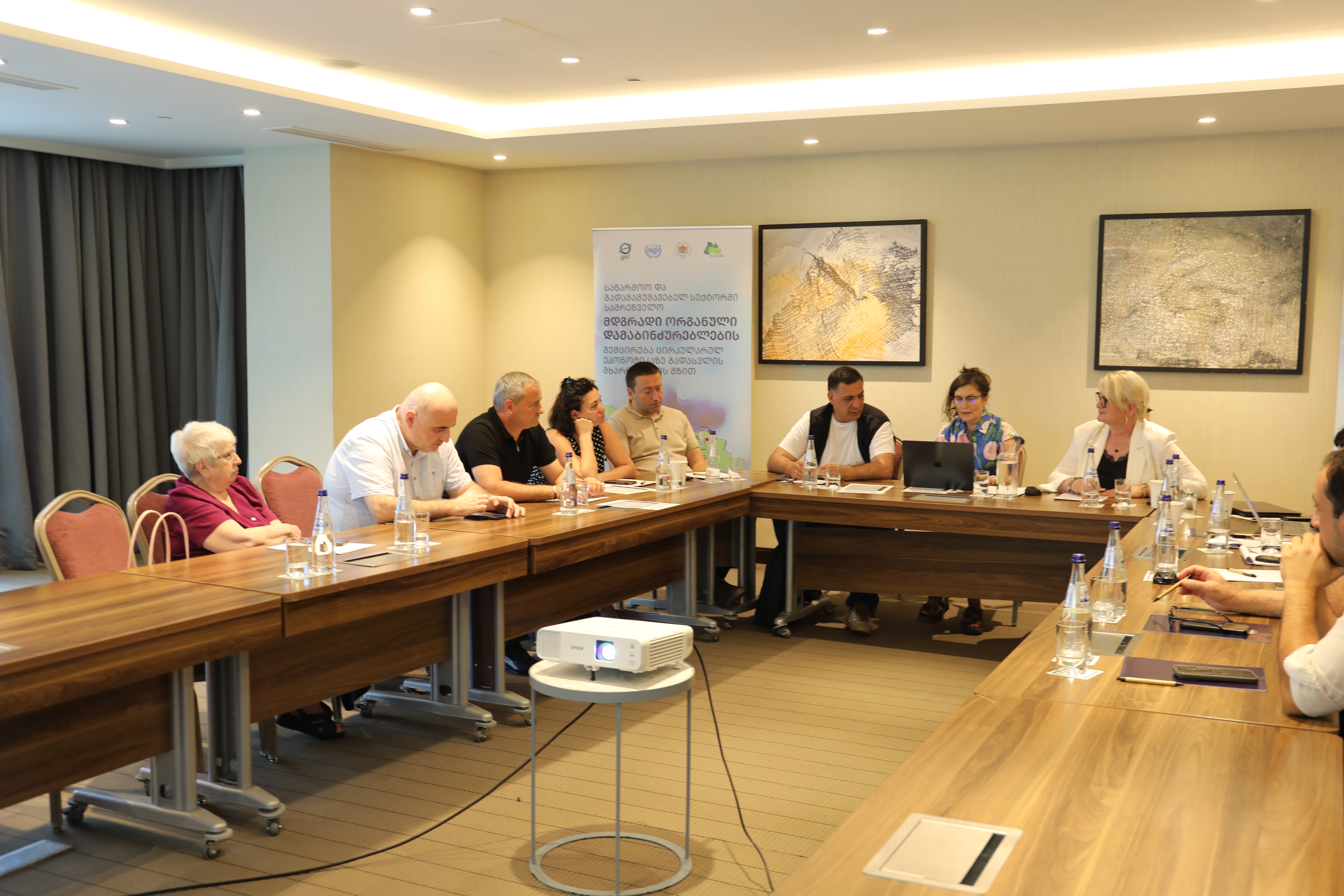
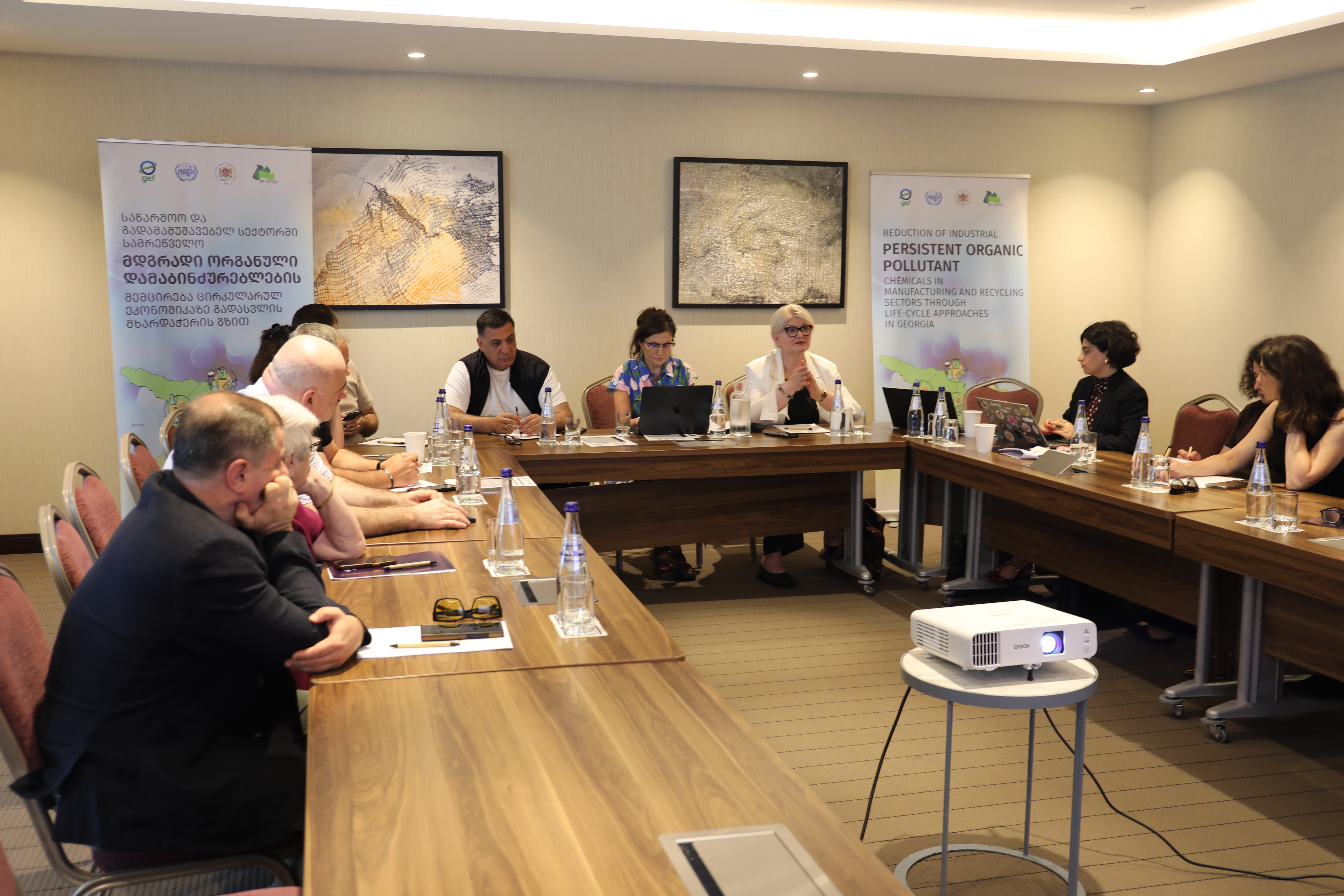
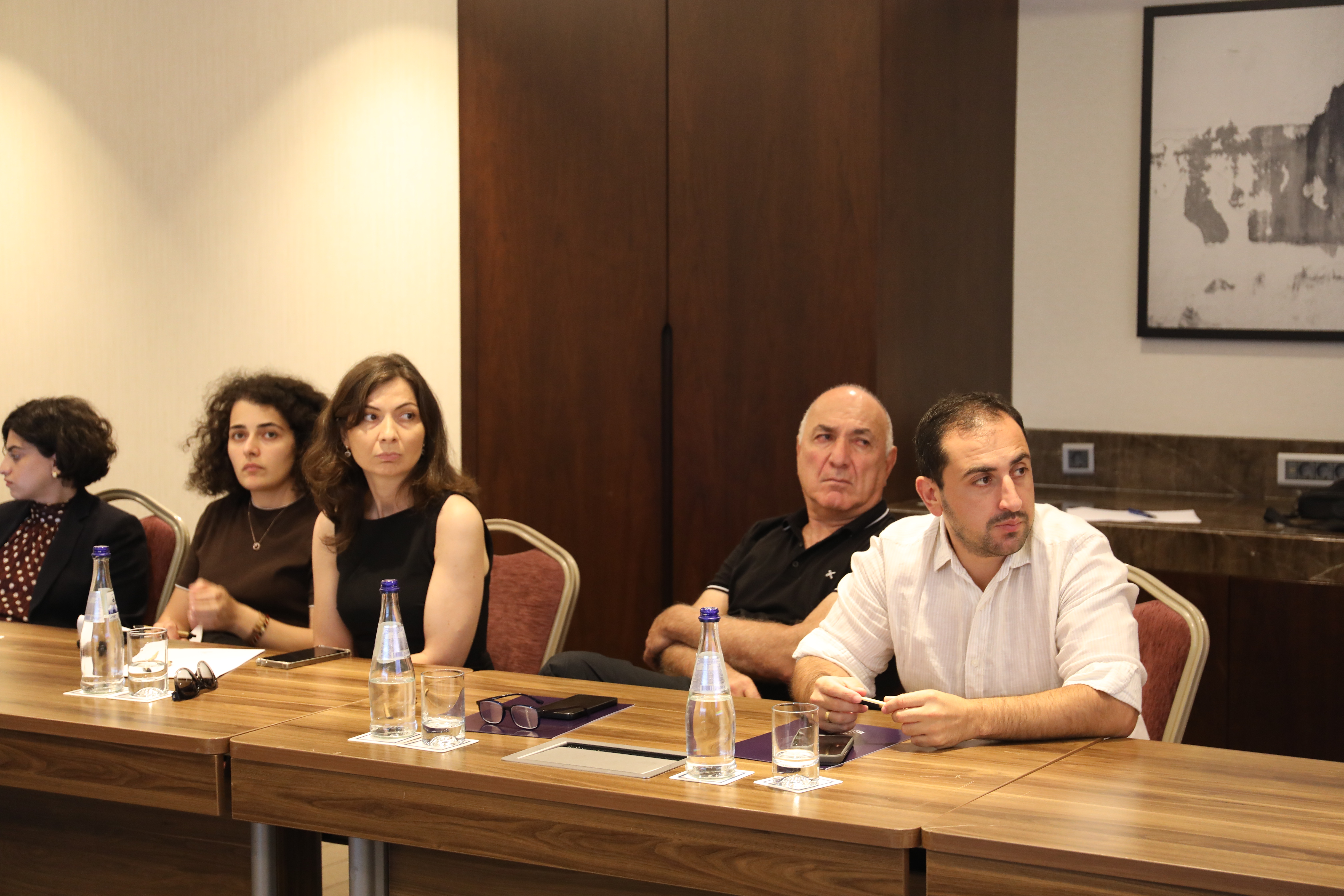
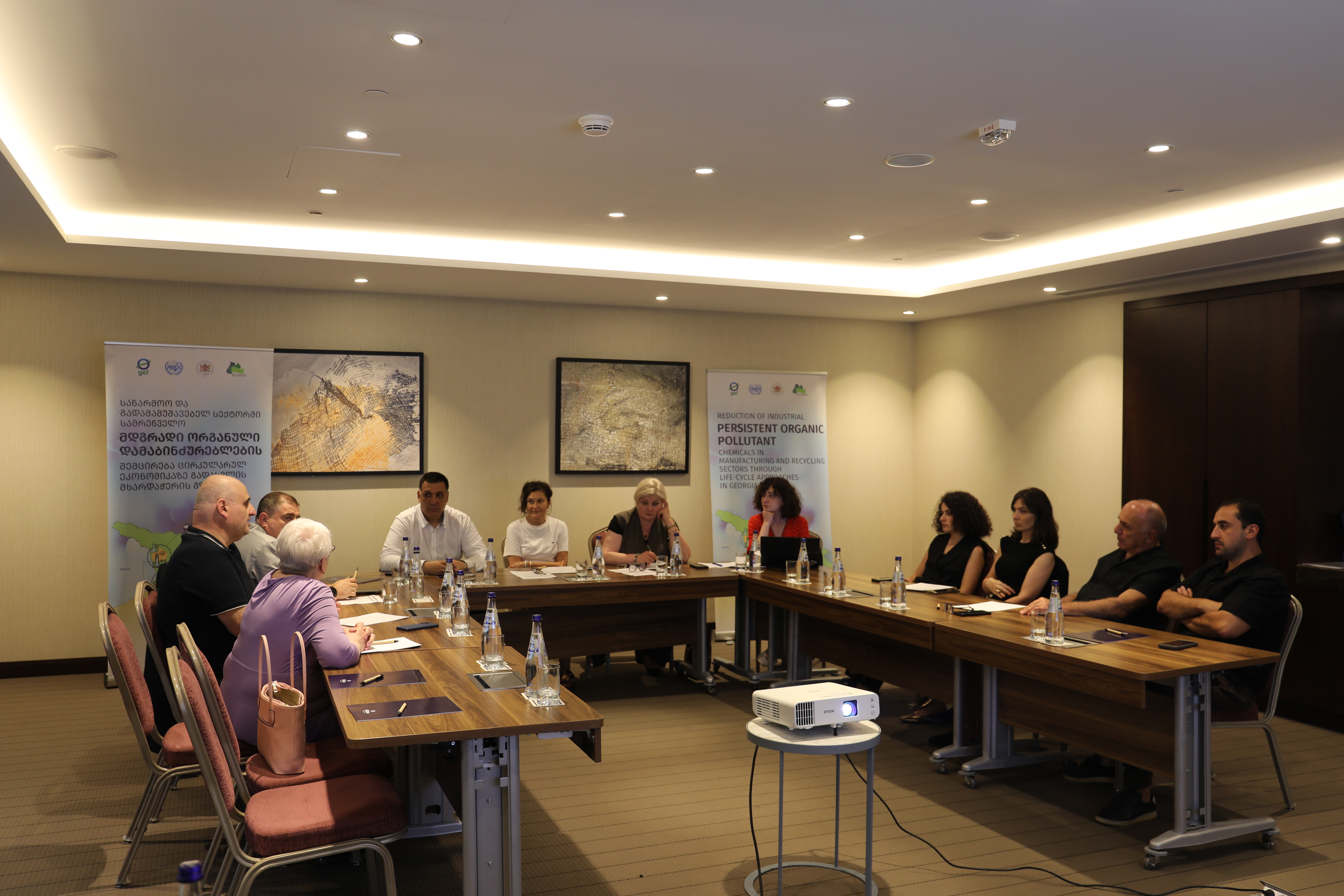
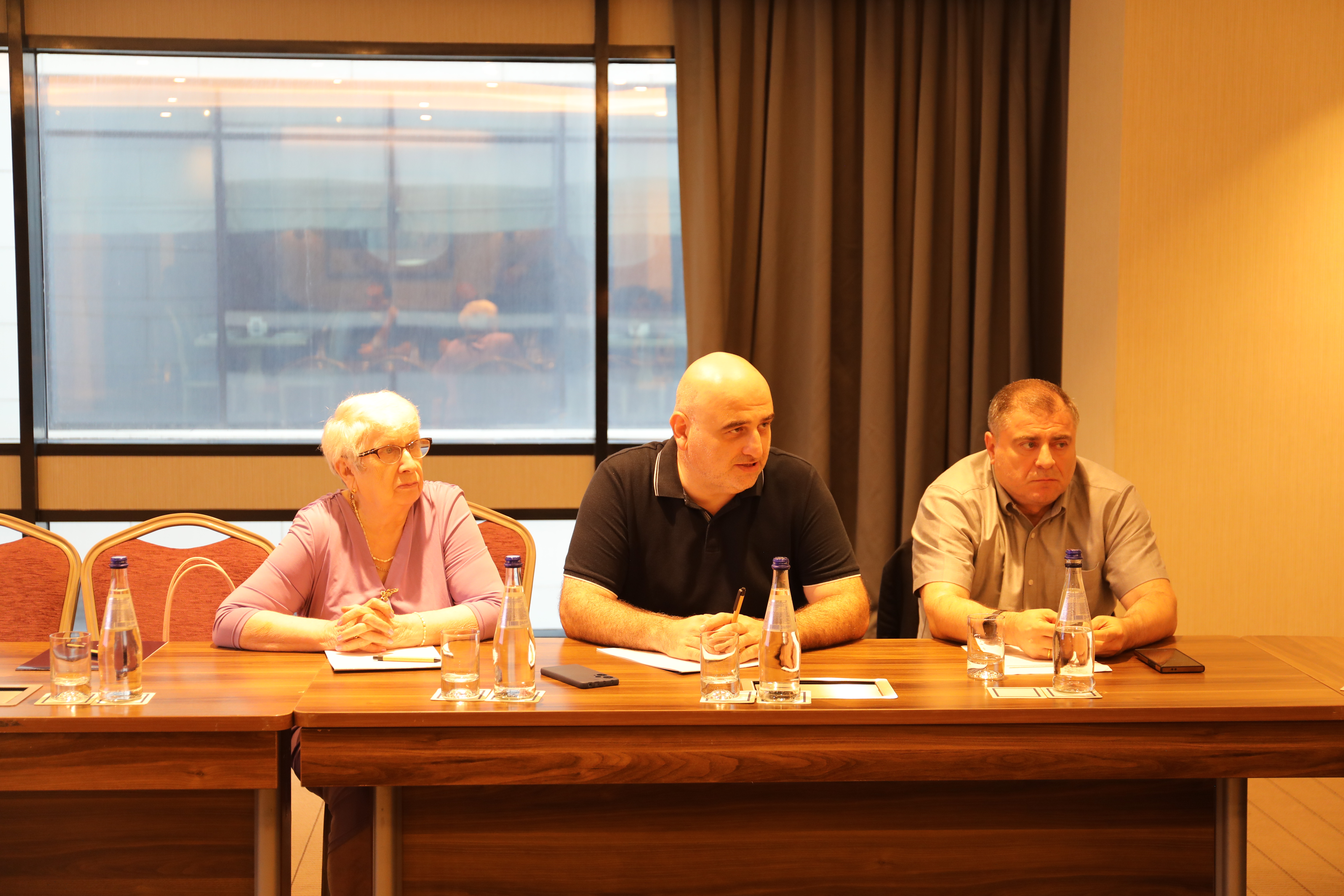
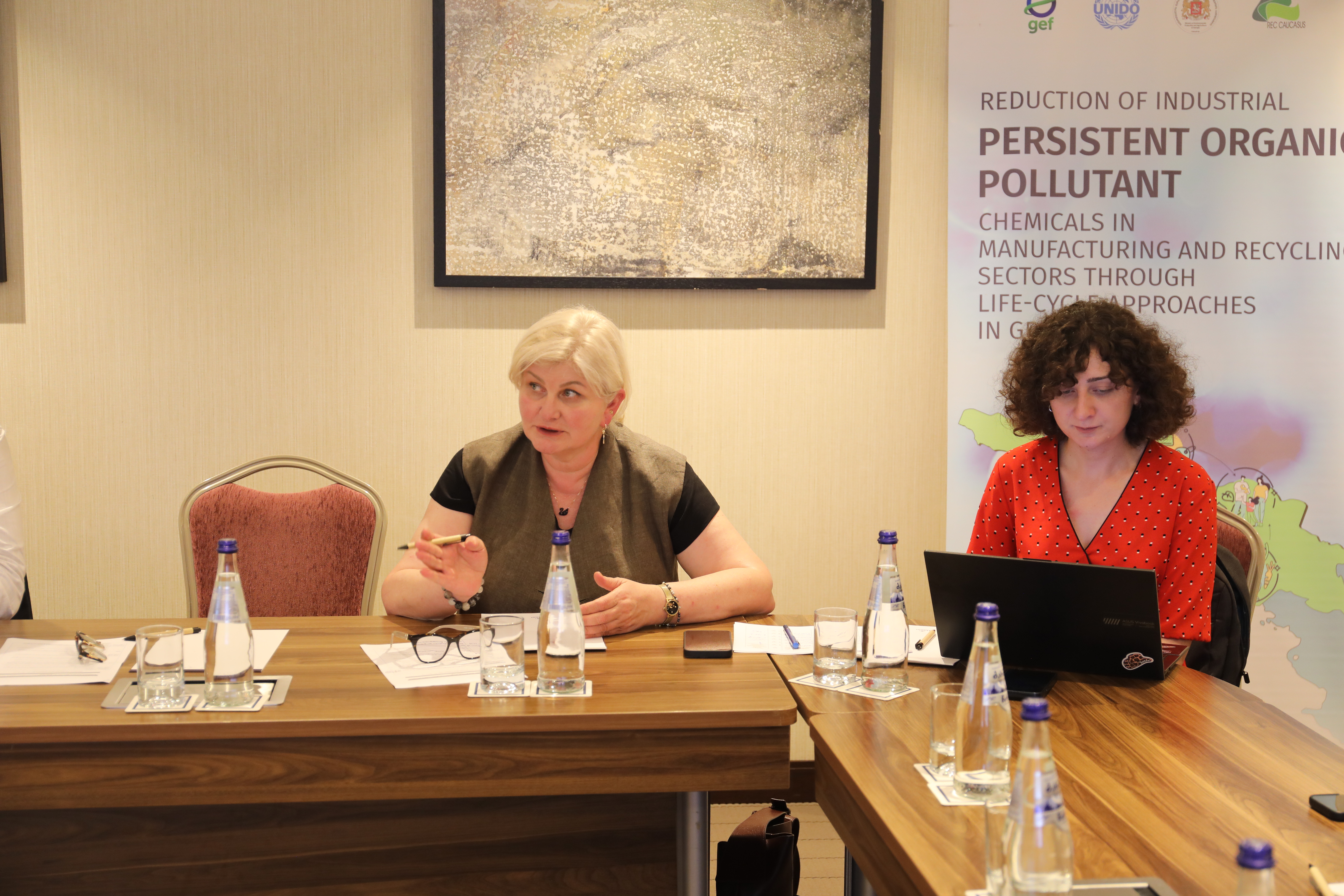
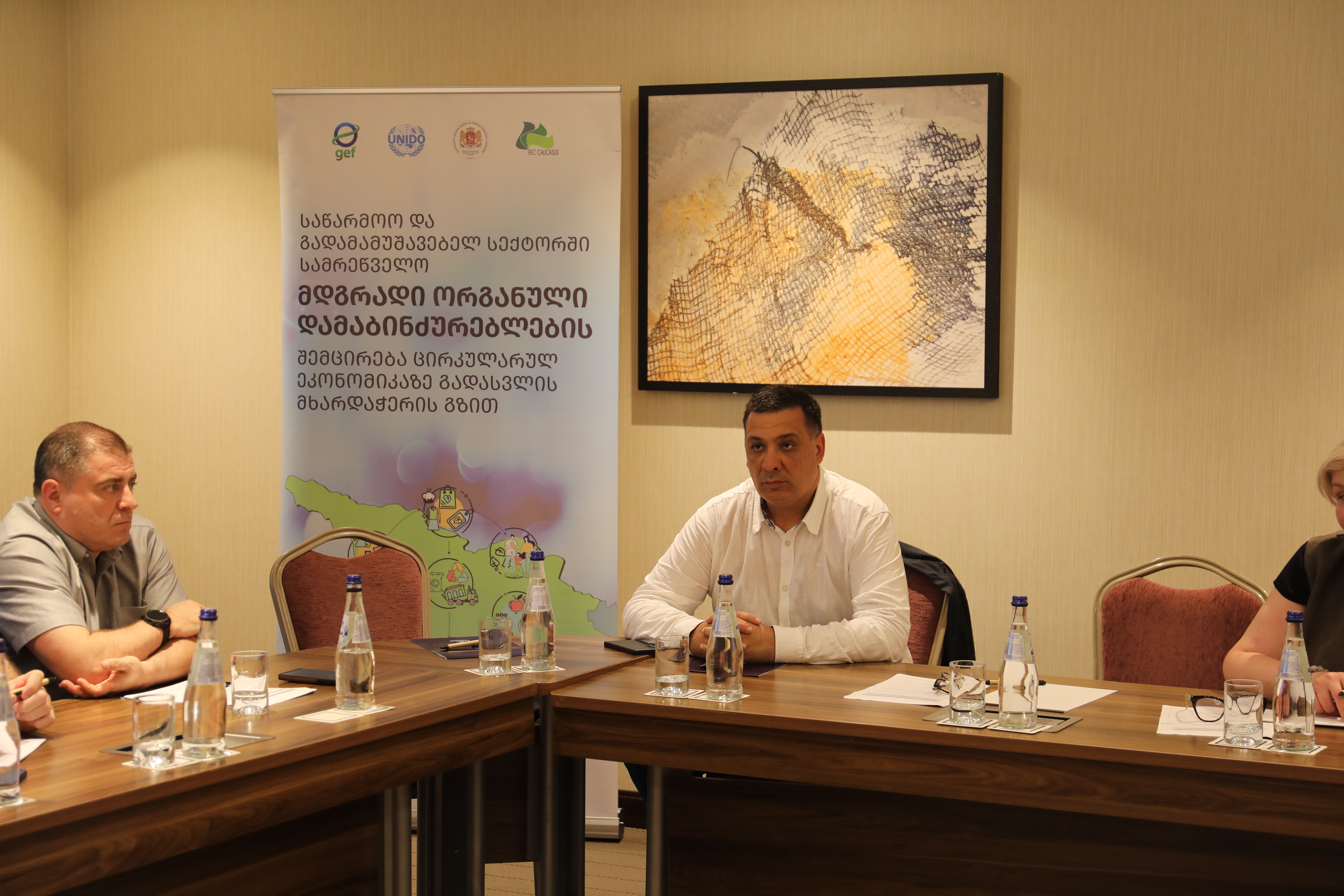
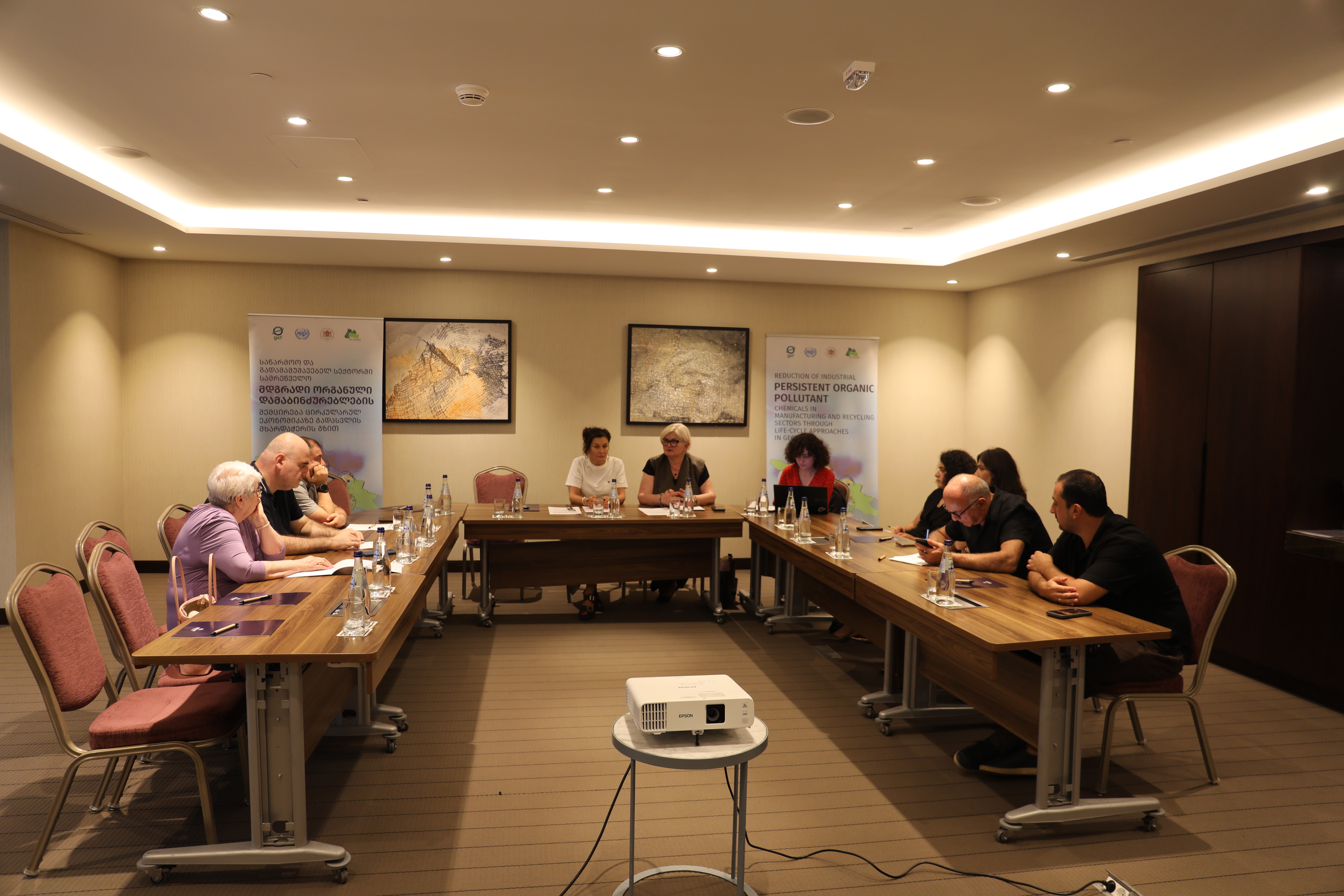
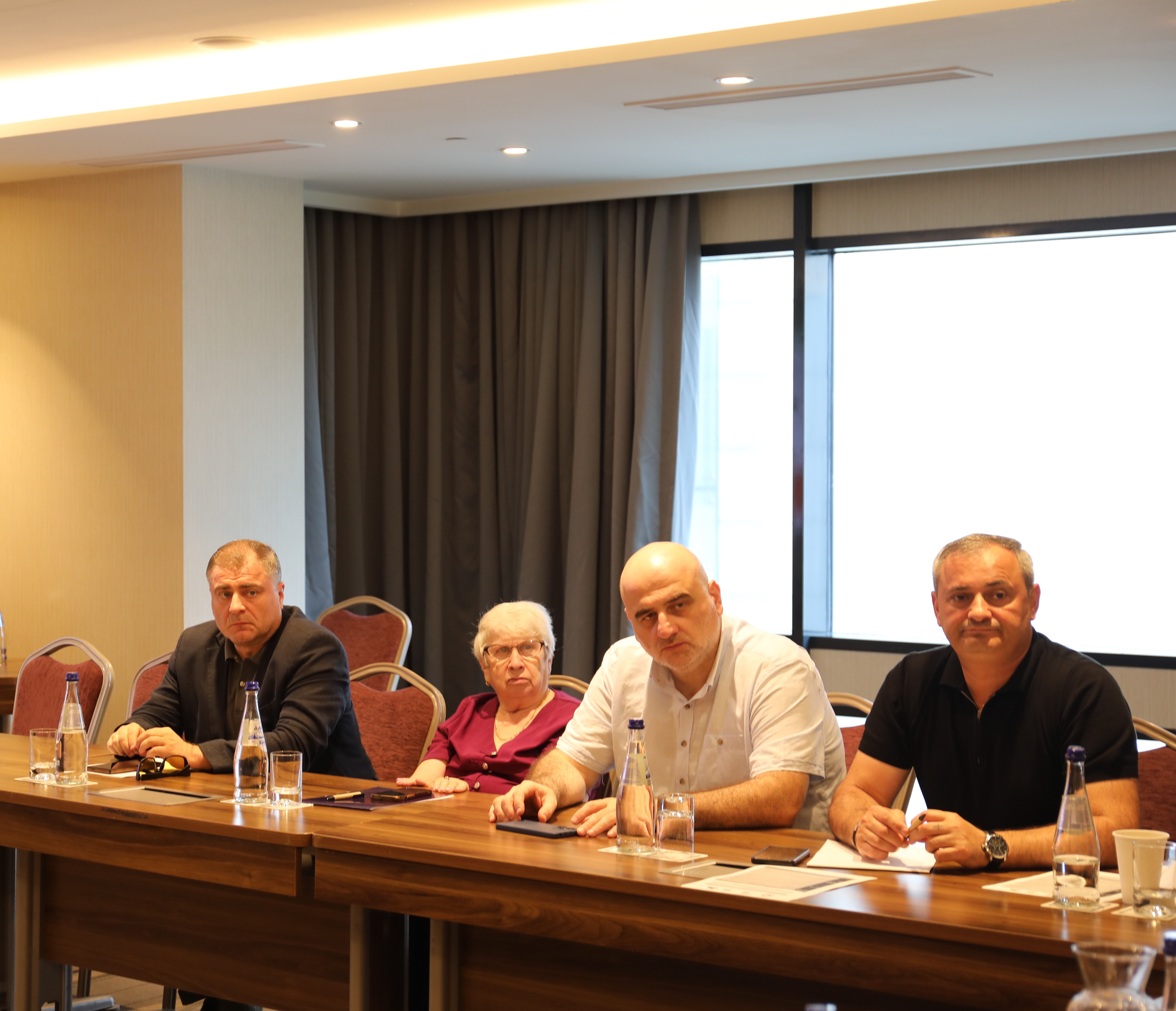
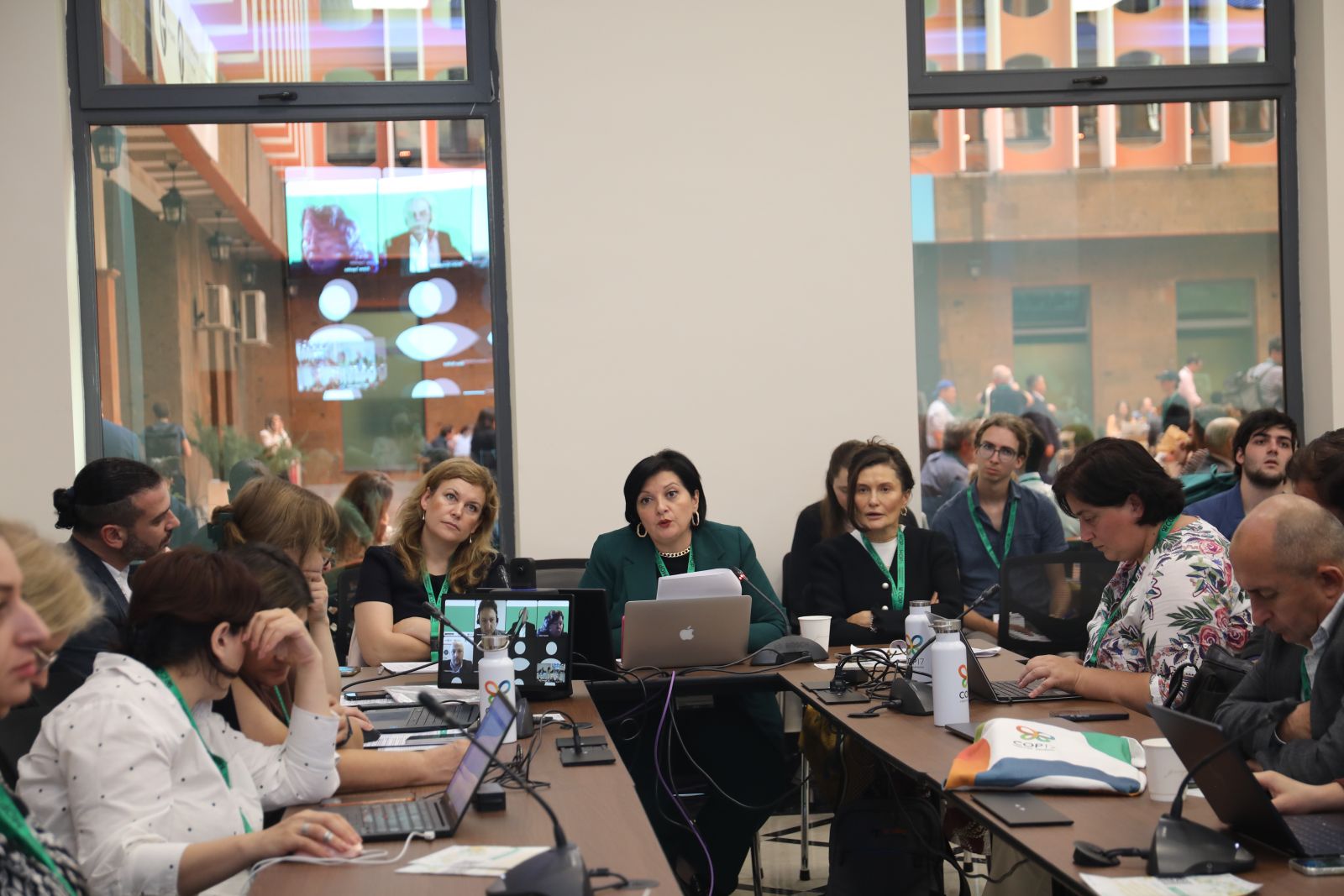
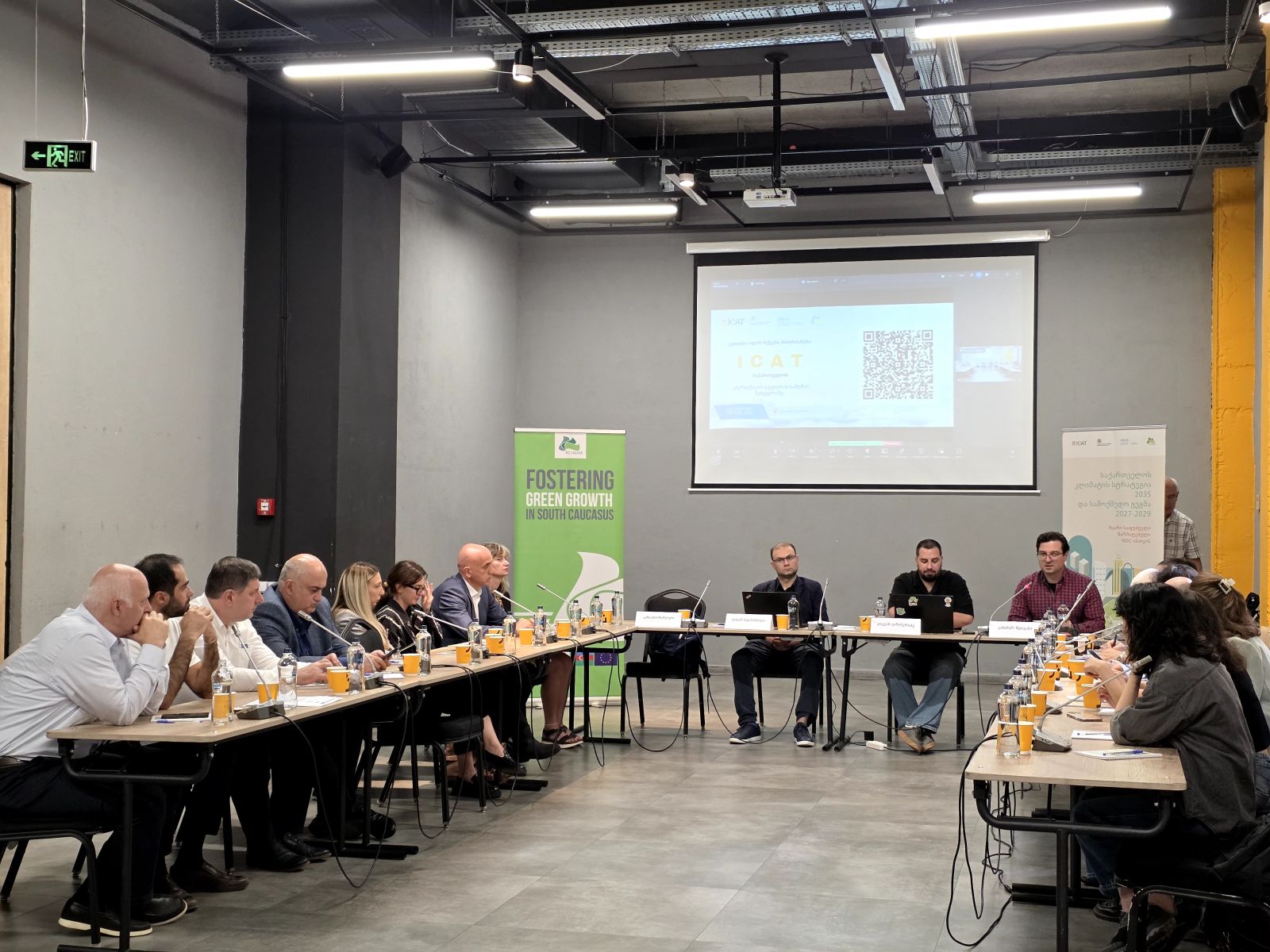
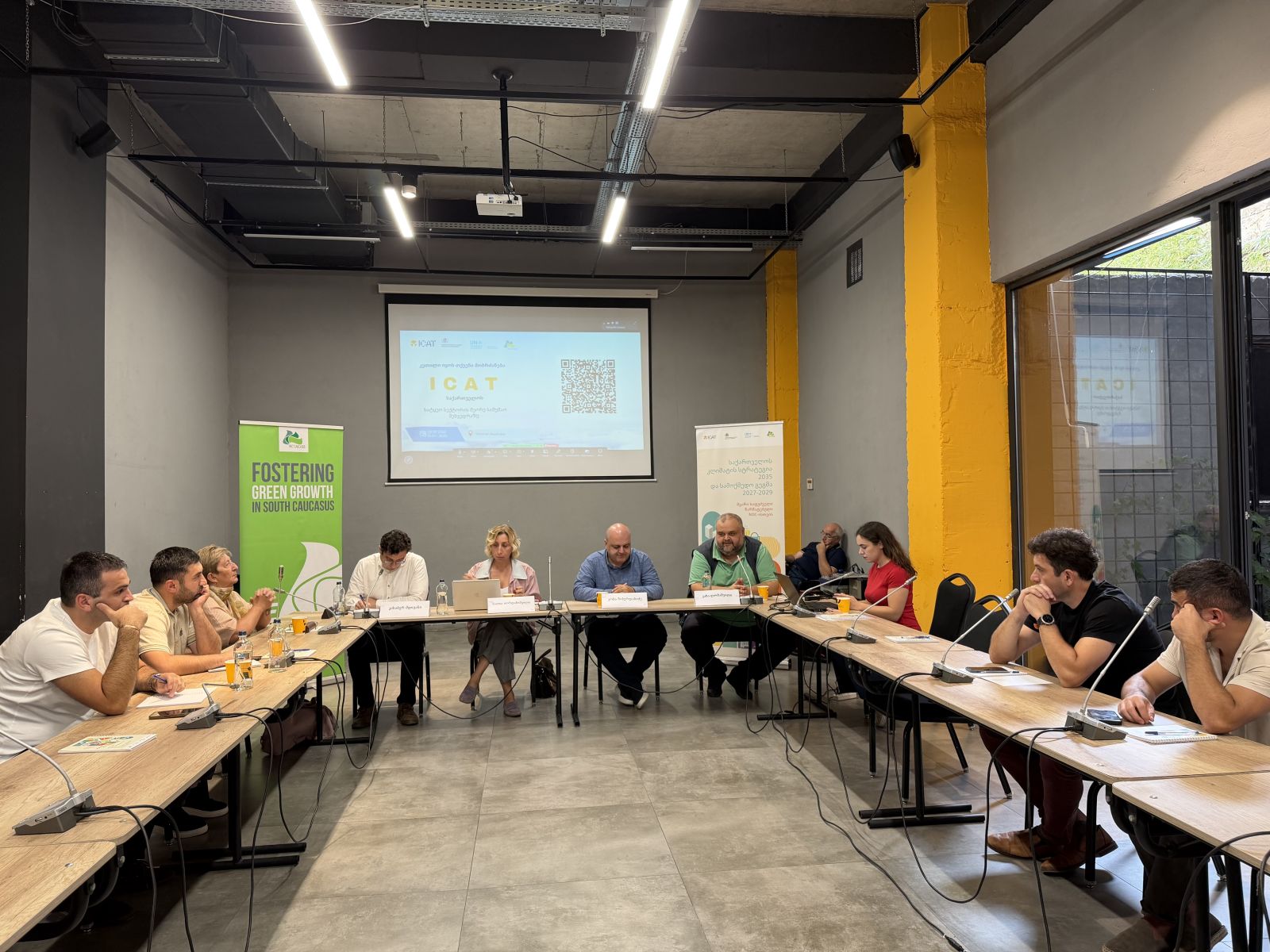
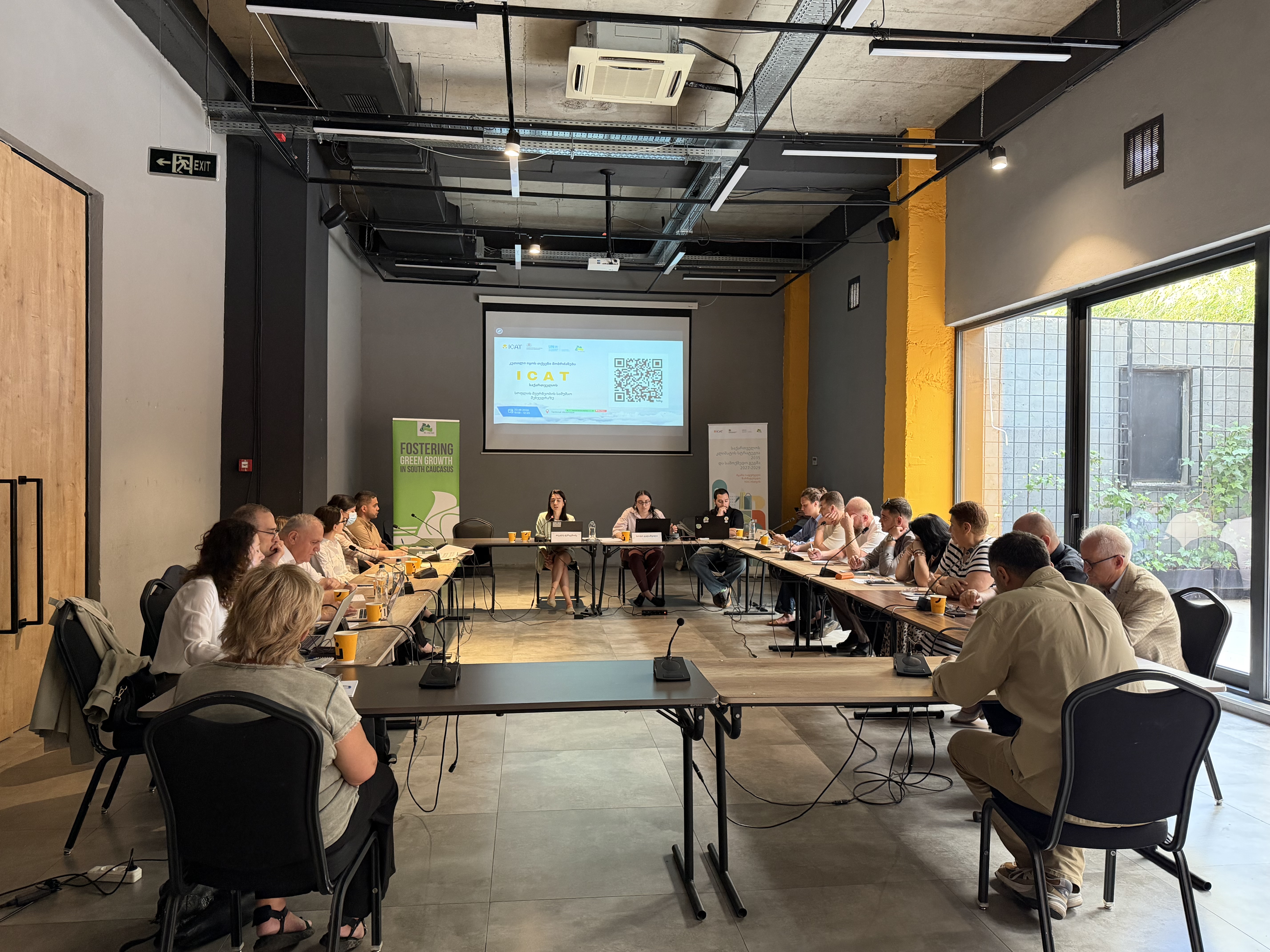
A stakeholder workshop for municipalities in Western Georgia was held on August 25 - 27 to support the update of the National Waste Management Strategy for 2016-2030 and the development of the 2027-2030 National Action Plan.
The new Action Plan is based on modern circular economy principles and European standards for resource efficiency. It aims to strengthen Georgia’s waste management system, enhance environmental protection, and safeguard public health and safety.
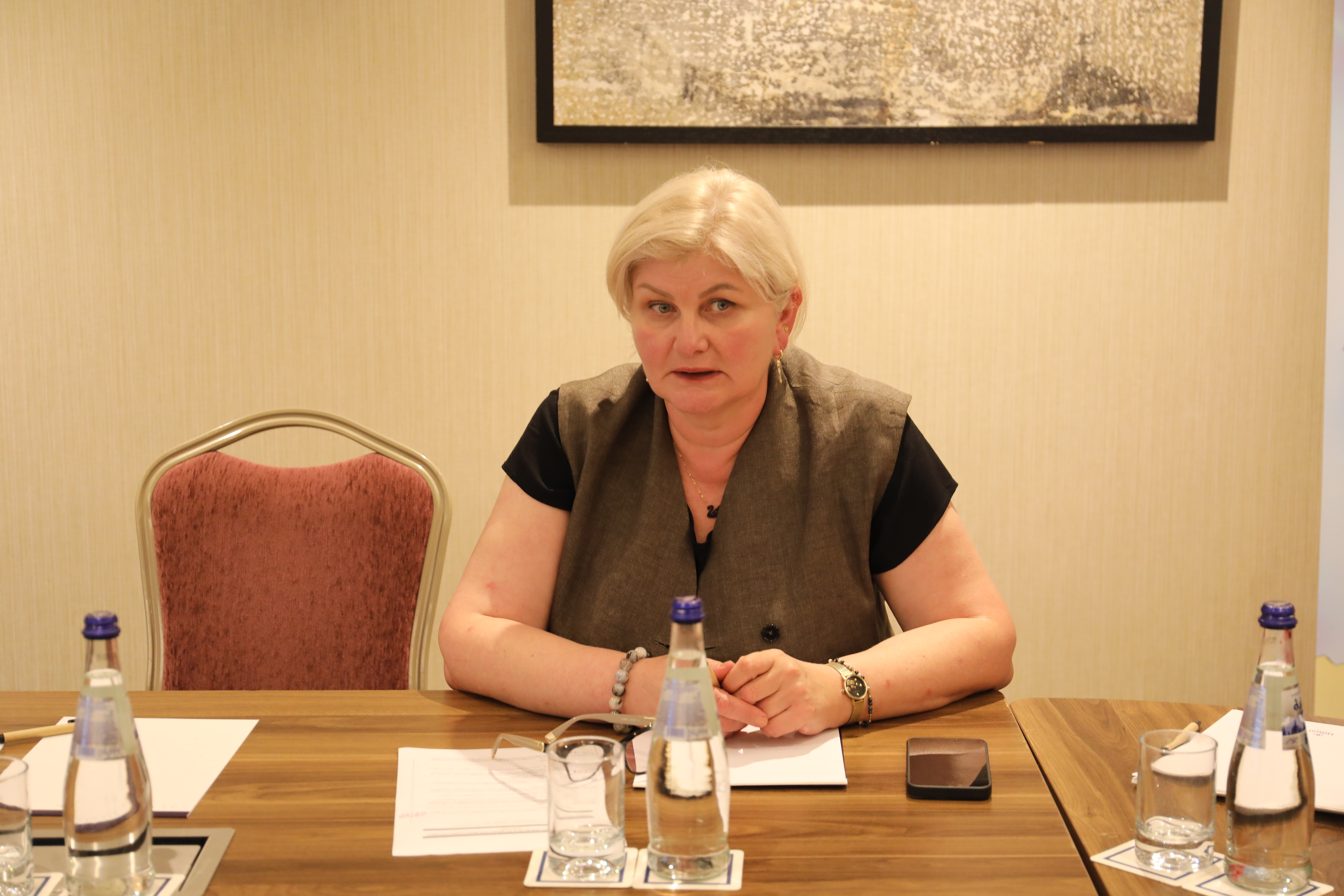
“During the process of updating the 2027-2030 National Action Plan, we have an ambitious goal: through the broad engagement of the Solid Waste Management Company, municipalities, the Government of Adjara, and other stakeholders, we aim to identify effective measures based on existing challenges. These measures will ensure both environmental protection and the safeguarding of public health and safety within clear and defined timelines,” said Irma Gurguliani, Deputy Head of the Waste and Chemical Substances Management Department at the Ministry of Environmental Protection and Agriculture of Georgia.
According to Mikheil Gogolidze, Director of the Solid Waste Management Company of Georgia, significant infrastructure development is planned by 2030.
“By 2030, we plan to develop and put into operation regional sanitary landfill facilities in Zugdidi, Zestaponi, Sagarejo, Ninotsminda, Kaspi and Tetritskaro, establish 25 waste transfer stations, and gradually close 26 dumpsites,” Gogolidze said.
A key element of the new Action Plan is the introduction of circular economy approaches, under which waste is no longer viewed simply as material to be discarded, but as a potential source of valuable secondary raw materials that can be reused and recycled.
The Action Plan includes:
- significantly increasing recycling rates;
- strengthening the effective implementation of the Extended Producer Responsibility (EPR) system and expanding it to new waste streams;
- strengthening systems for the safe management of chemical substances;
- developing regional sanitary landfill infrastructure;
- gradually transitioning to separate waste collection;
- strengthening the institutional capacities of municipalities and providing targeted technical assistance.
Inclusivity and sustainability are central to the development process. Continuous consultations with municipalities, government institutions and other relevant stakeholders will support broad participation and ensure that the Action Plan reflects existing needs and challenges.
The updated National Action Plan will contribute to bringing Georgia’s waste management system closer to modern European standards, improving resource efficiency, and supporting the localization and achievement of the United Nations Sustainable Development Goals (SDGs).