ICAT Georgia: New Project to Strengthen NDC Tracking and Greenhouse Gas Projections in Priority Sectors
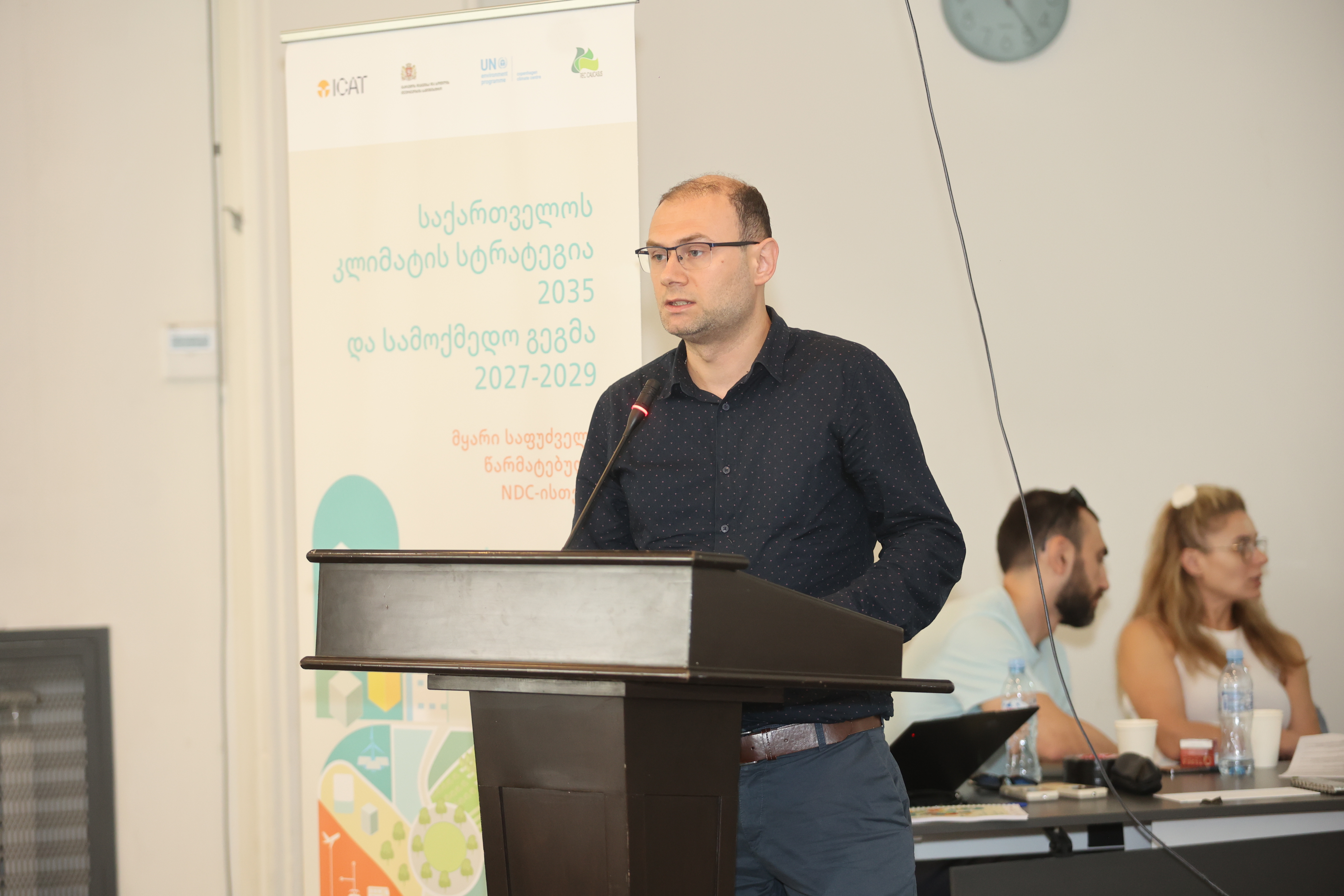
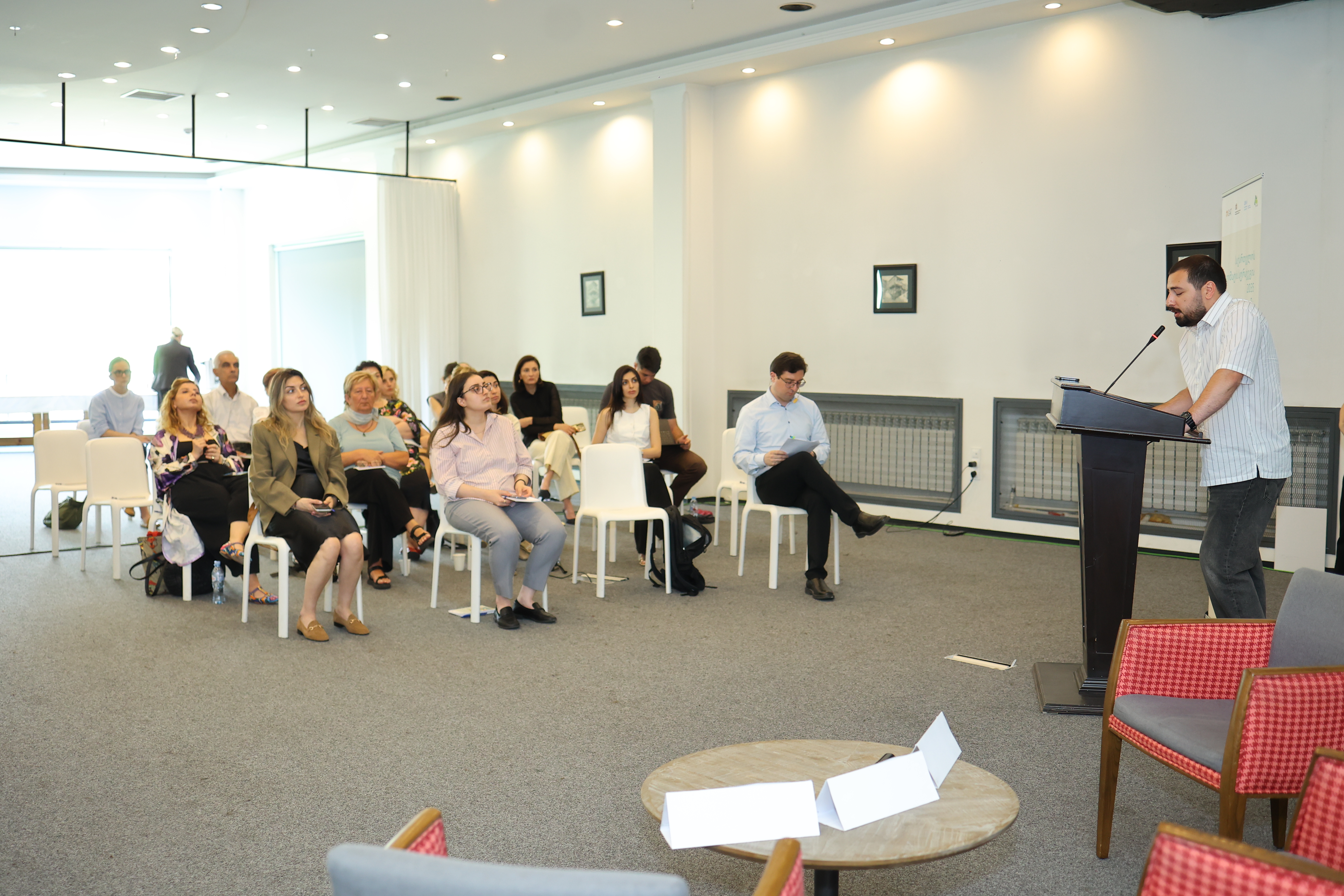
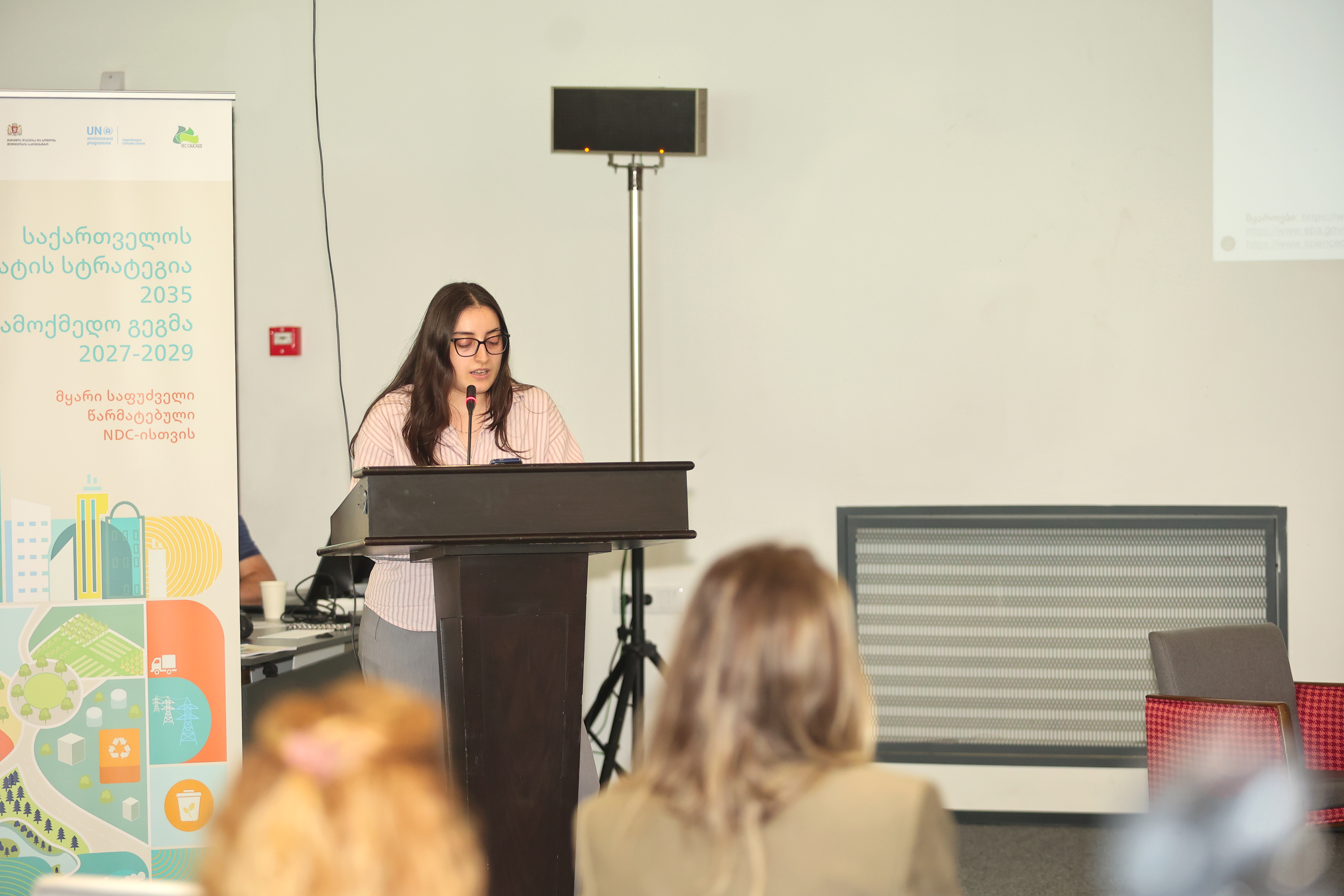
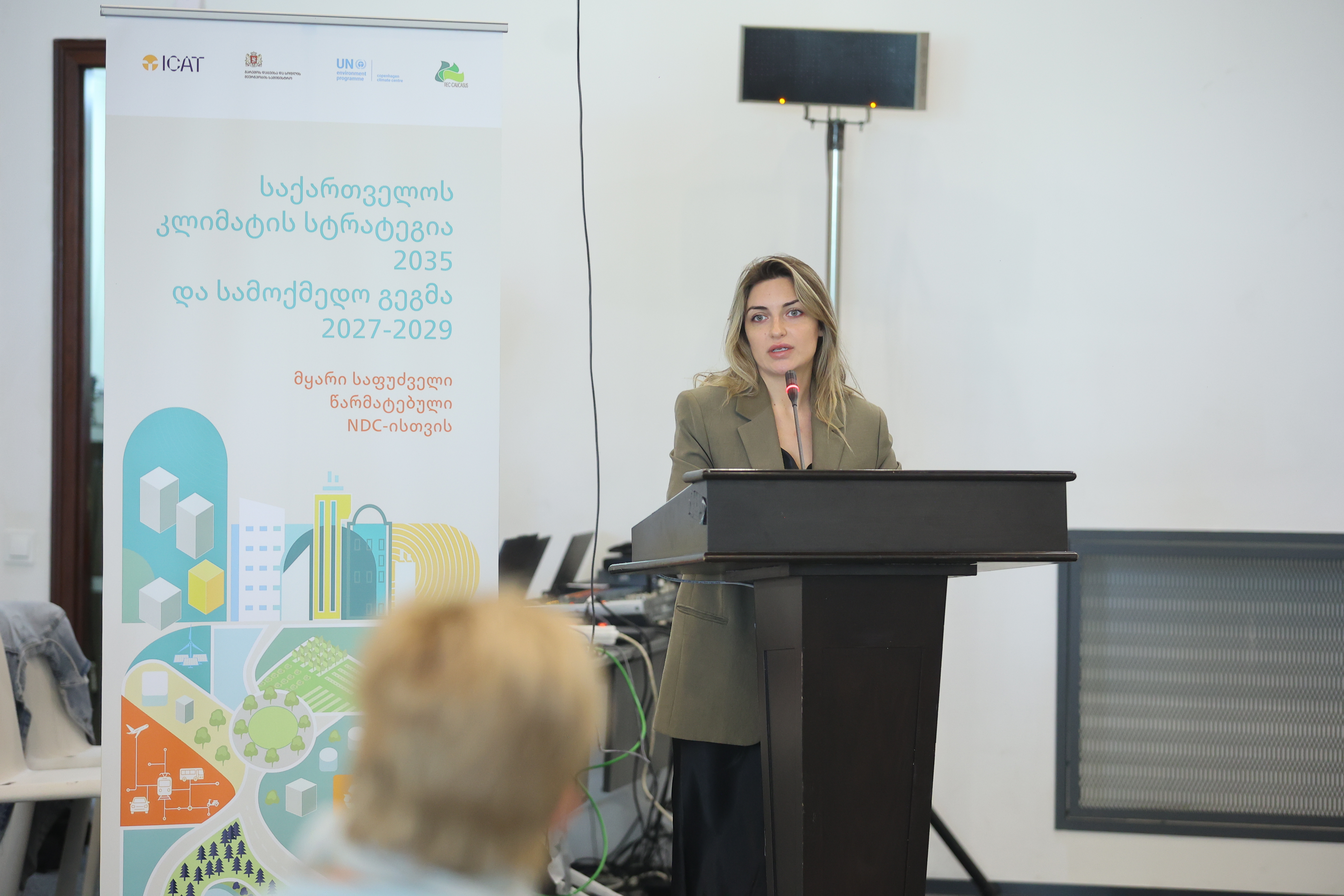
The Regional Environmental Centre for the Caucasus (REC Caucasus), in close cooperation with the Ministry of Environmental Protection and Agriculture of Georgia (MEPA), officially launched the project “ICAT Georgia: Developing a Framework for NDC Tracking and GHG Projections in Priority Sectors” during an inception workshop held on 7 July in Tbilisi. The initiative aimed to strengthen Georgia’s capacity to monitor climate action, improve greenhouse gas (GHG) projections, and support evidence-based implementation of the country’s Nationally Determined Contribution (NDC).
As Georgia continues implementing its climate commitments under the Paris Agreement, the project was designed to strengthen institutional coordination, improve climate data management, and develop an integrated framework for tracking progress across priority sectors. It will also introduce the Greenhouse Gas Abatement Cost Model (GACMO) instrument, which will support evidence-based assessment of mitigation options and climate policy planning throughout the implementation period.
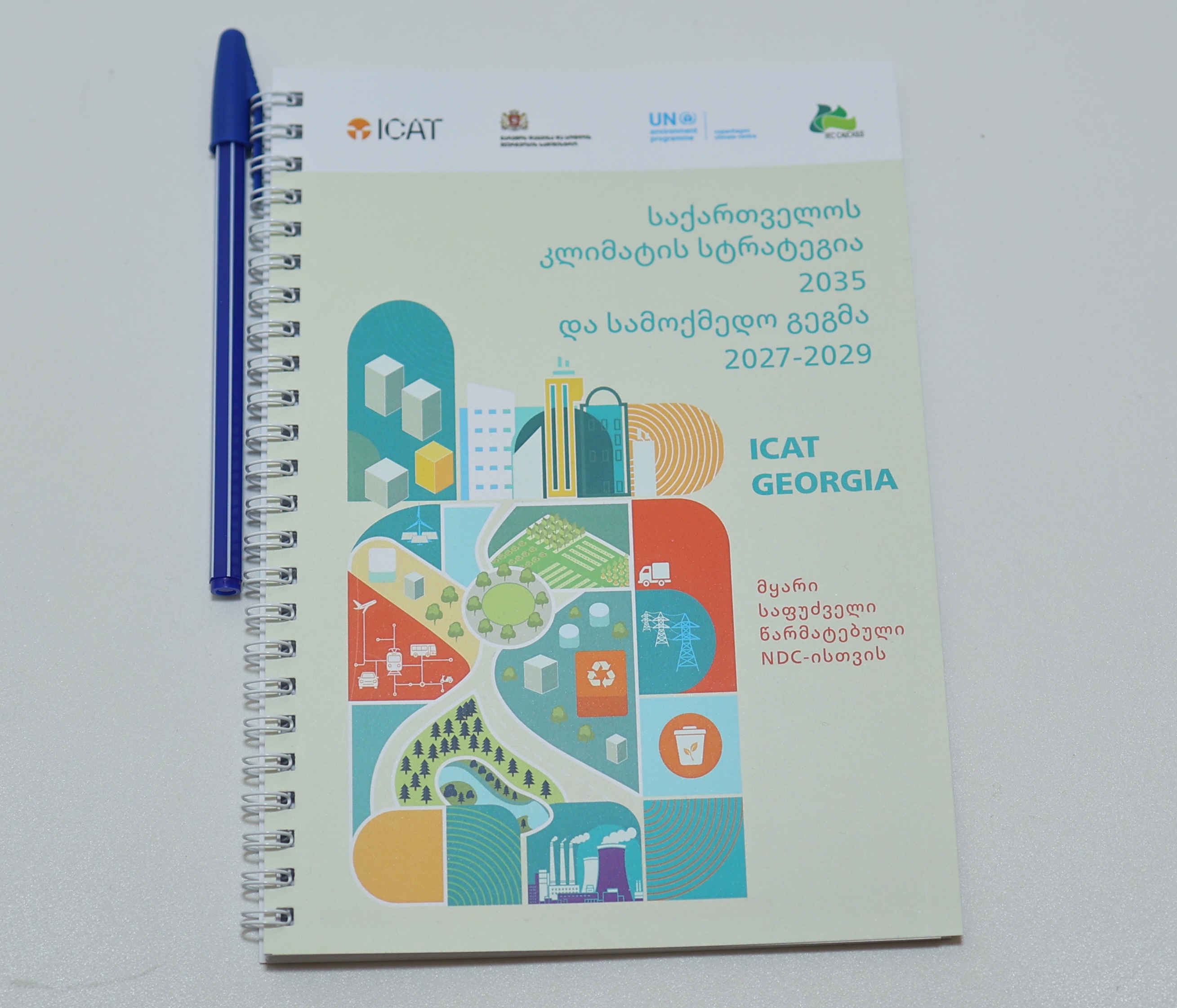
Funded by the Initiative for Climate Action Transparency (ICAT) and managed by the United Nations Office for Project Services (UNOPS), the project is being implemented by REC Caucasus, with the United Nations Environment Programme Copenhagen Climate Centre (UNEP-CCC) serving as the international technical partner. The projectwill contribute to updating Georgia’s National Climate Strategy and Action Plan, strengthening greenhouse gas projections, and improving the country's climate transparency framework.
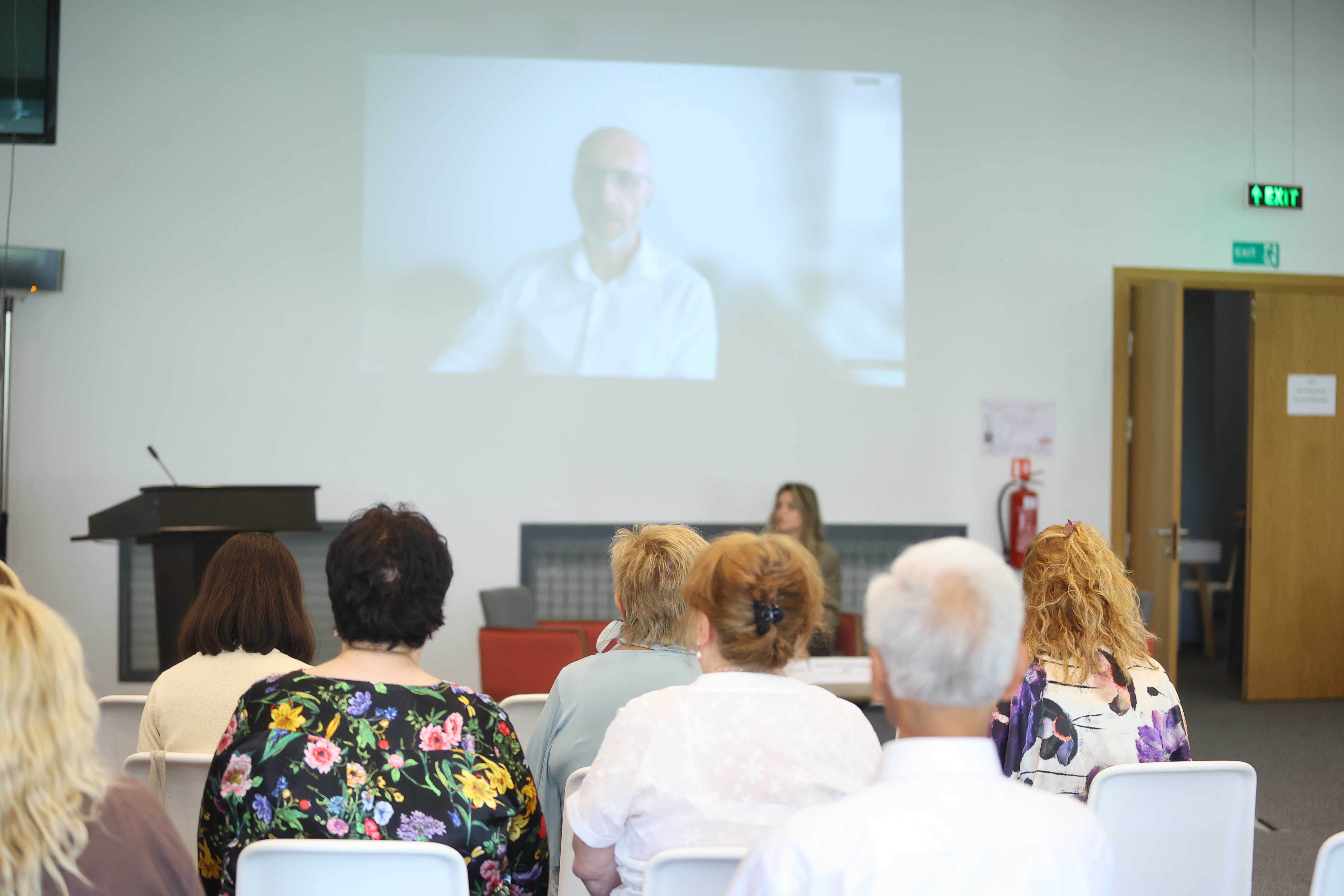
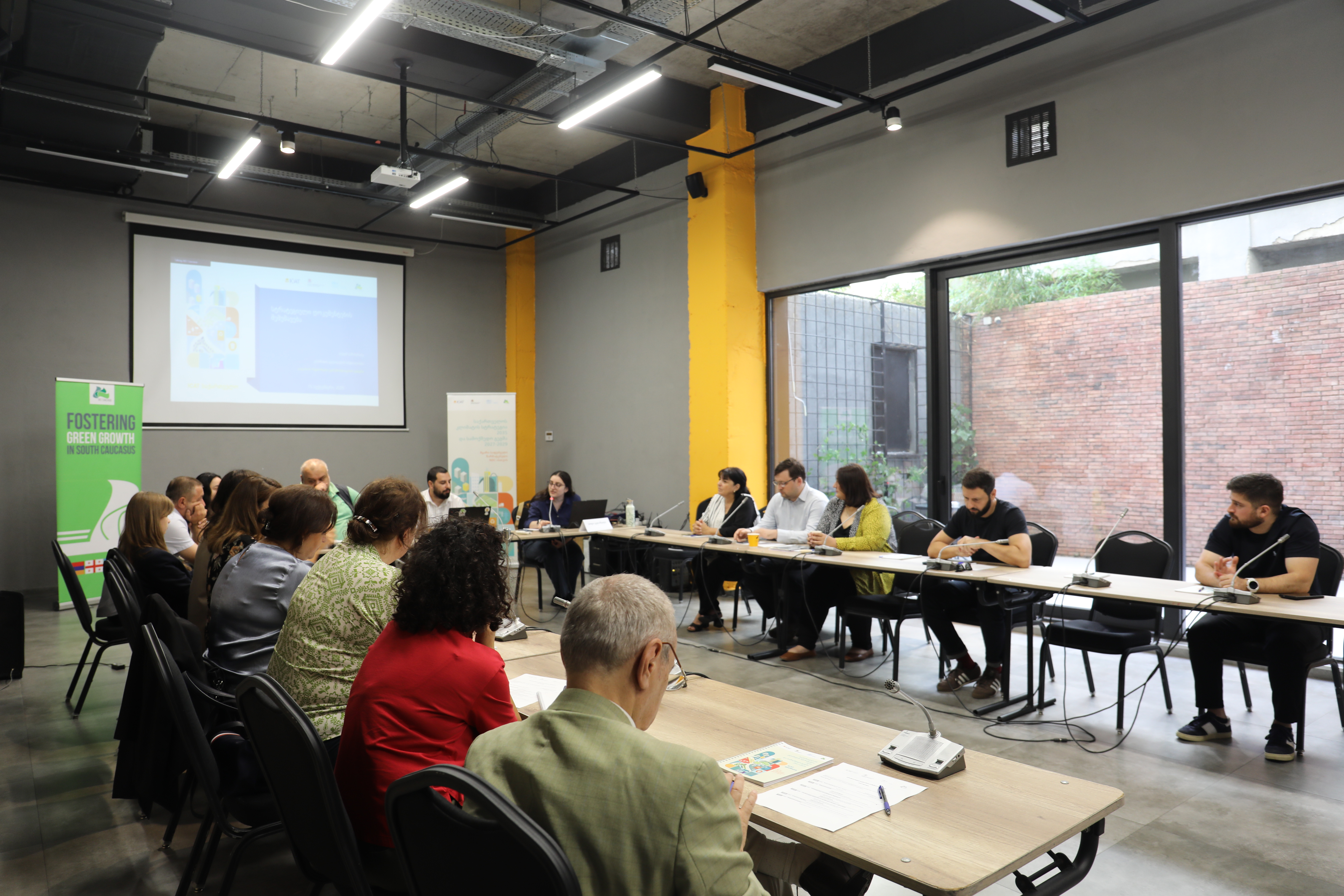
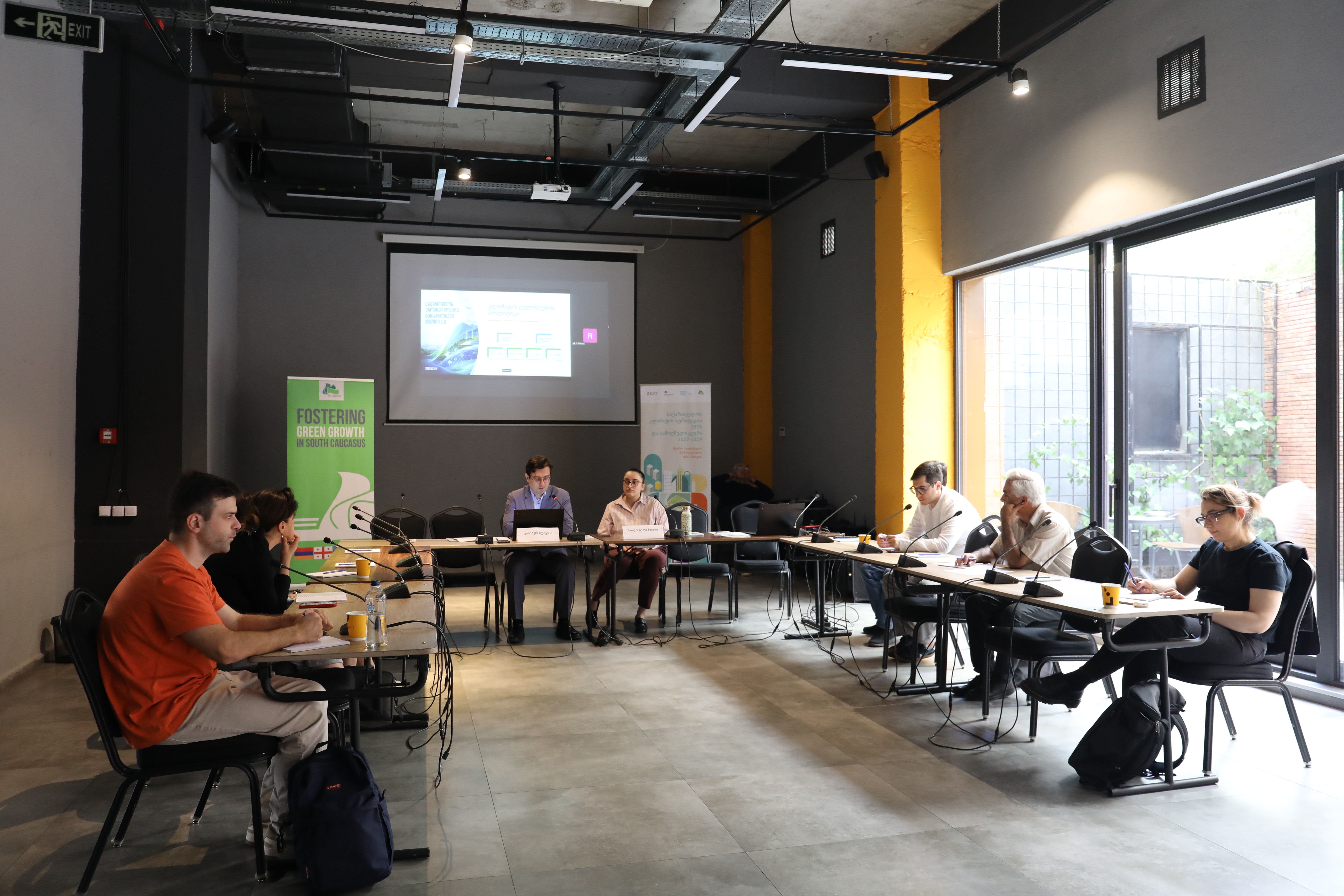
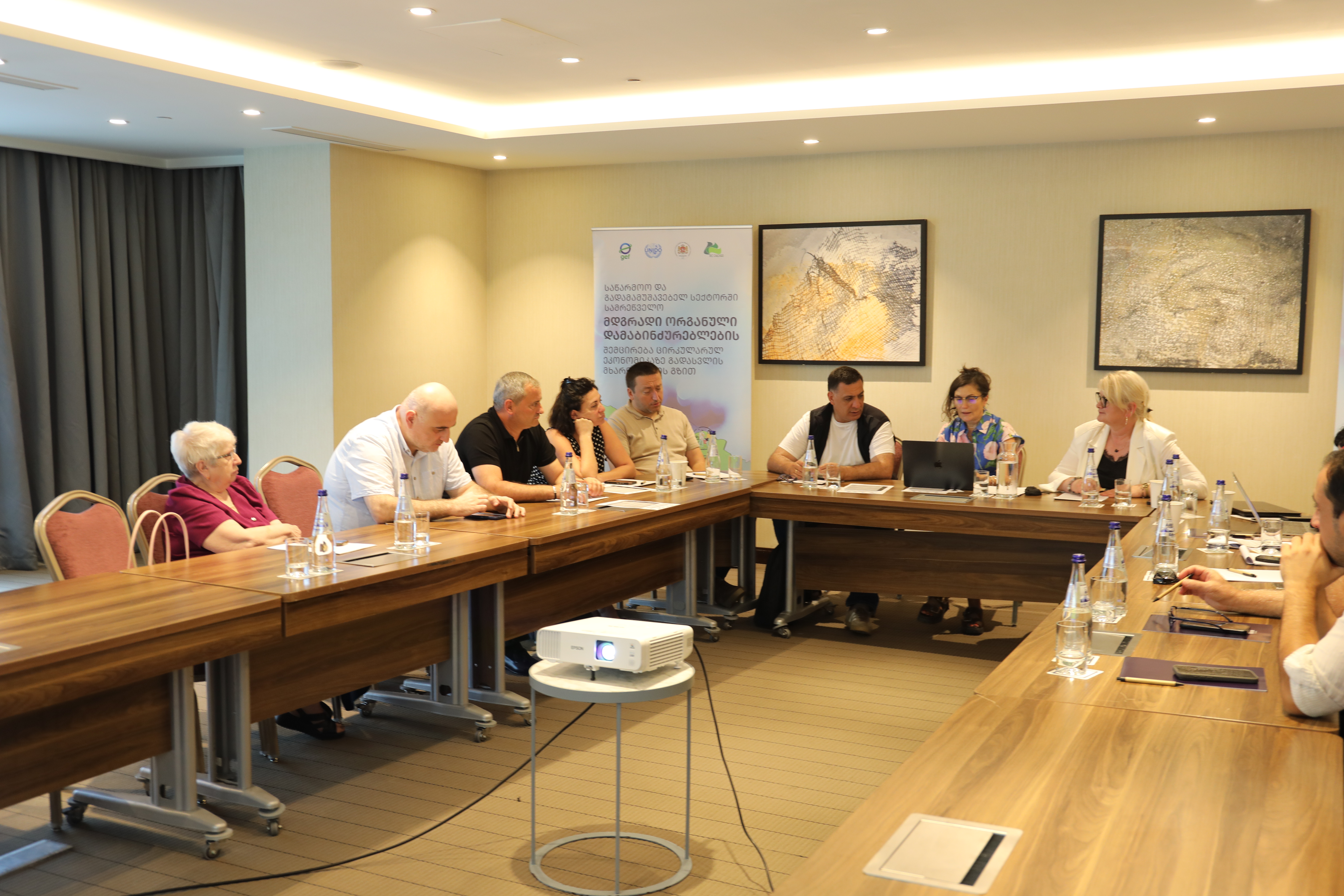
The hybrid inception workshop brought together representatives of central government institutions, municipalities, civil society, academia, the private sector, and international development partners. Participants representing the energy, transport, buildings, industry, waste, agriculture, and forestry sectors discussed the project’s objectives, implementation approach, and opportunities for strengthening cooperation in climate planning and reporting.
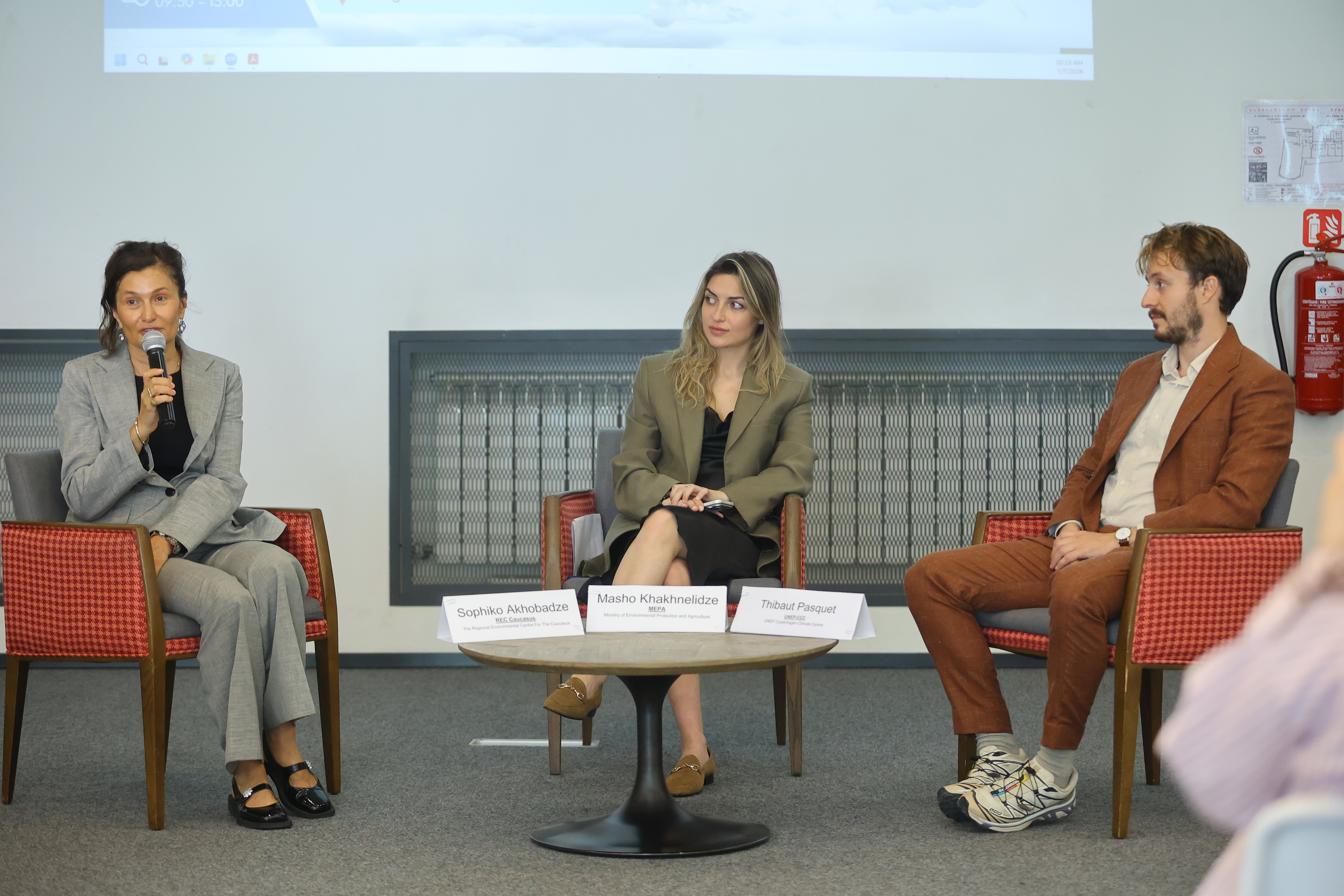
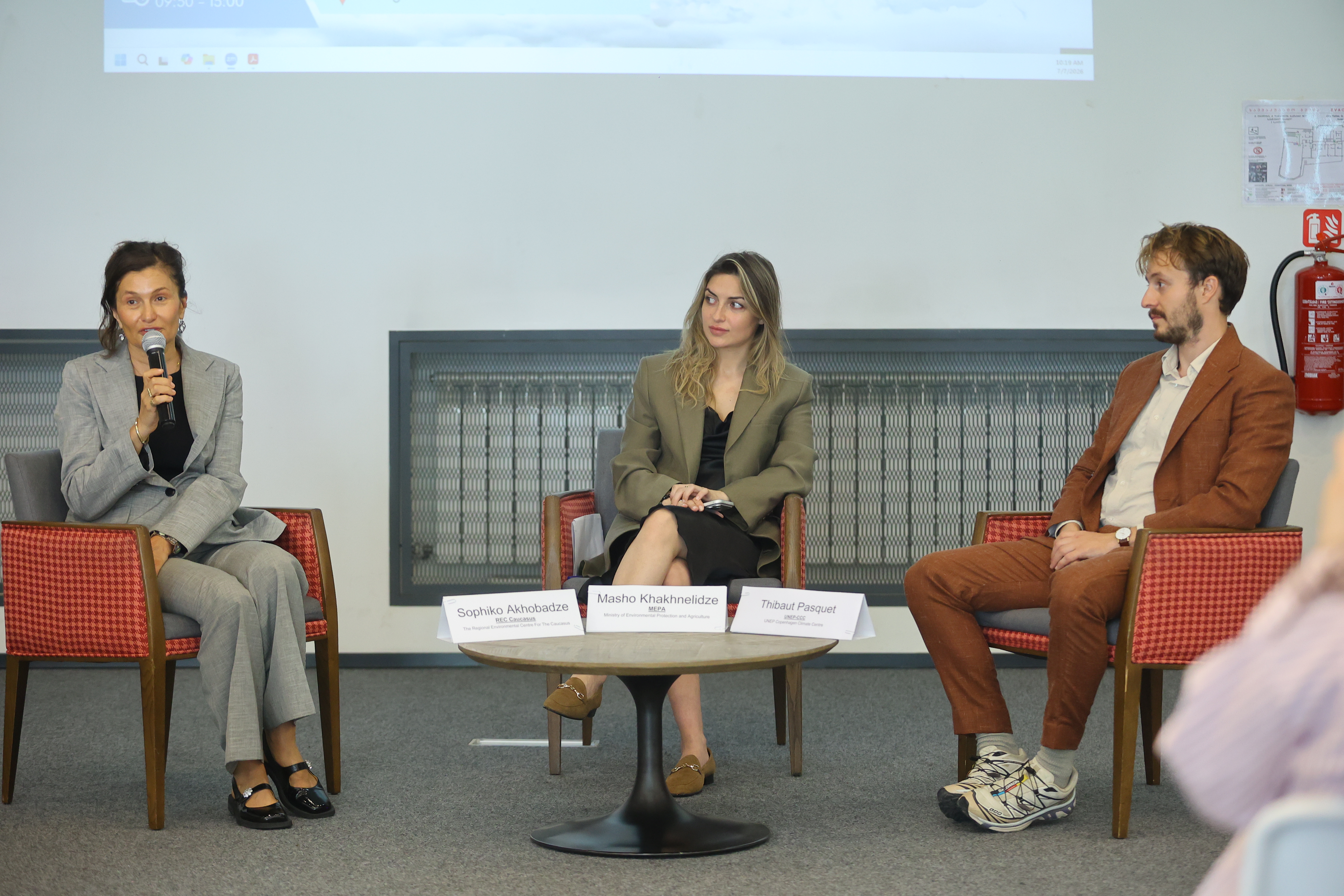
Opening the workshop, Sophiko Akhobadze, Executive Director of REC Caucasus, highlighted the importance of strengthening the analytical and institutional foundations for NDC implementation:
“Building on Georgia’s previous work on climate reporting, we now have the opportunity to link sectoral mitigation measures with robust data and projections, so that decisions are based on evidence and progress can be tracked more transparently.”
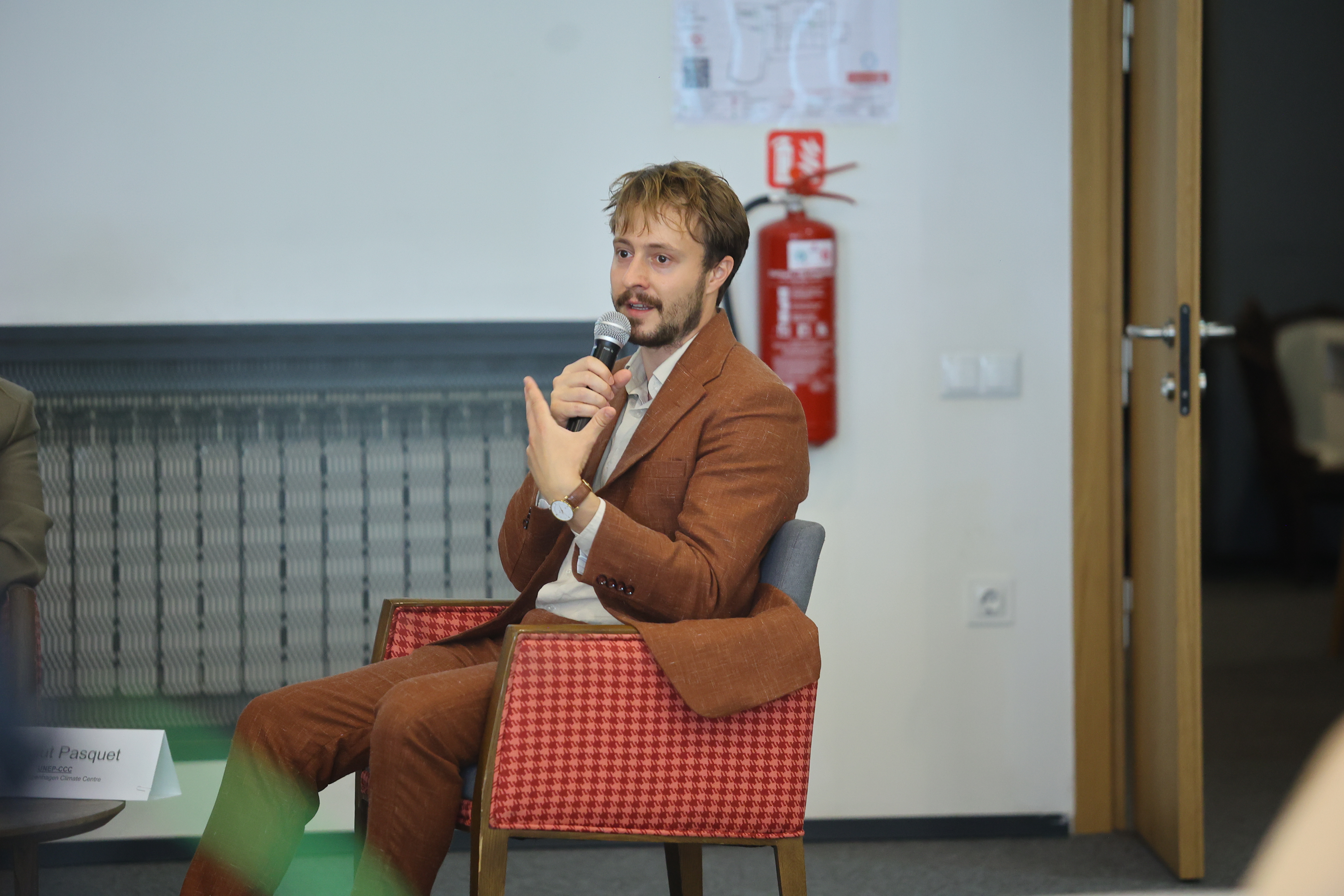
Representatives of MEPA, ICAT and UNEP Copenhagen Climate Centre emphasized the importance of coordinated action, practical methodologies, and institutional capacity building to support transparent climate monitoring and reporting.
On behalf of ICAT, Oleg Bulanyi, Country Team Lead, welcomed Georgia as a partner country: “ICAT’s role is to provide practical tools and methodologies that countries can fully own and integrate into their regular workflows. In Georgia, the focus will be on adapting and using the GACMO model to assess the impact of mitigation actions and building the capacity needed to sustain this work beyond the project’s lifetime”.
Discussions also highlighted the need for close cooperation among national stakeholders to ensure that the new framework would be practical, credible, and aligned with international good practice while responding to Georgia’s national priorities.
The project focuses on three key priorities:
- Updating Georgia’s National Climate Strategy and Action Plan in line with NDC 3.0;
- Developing an integrated framework for NDC tracking and GHG projections in priority sectors using the GACMO tool;
- Strengthening institutional capacity for transparent climate monitoring, reporting, and evidence-based decision-making.
Through close cooperation with government institutions and sectoral stakeholders, the project will strengthen Georgia’s climate transparency framework and support the implementation of the country’s long-term climate commitments under the Paris Agreement.