Boosting National Lab Testing in Georgia to Tackle Legacy PCB Pollution
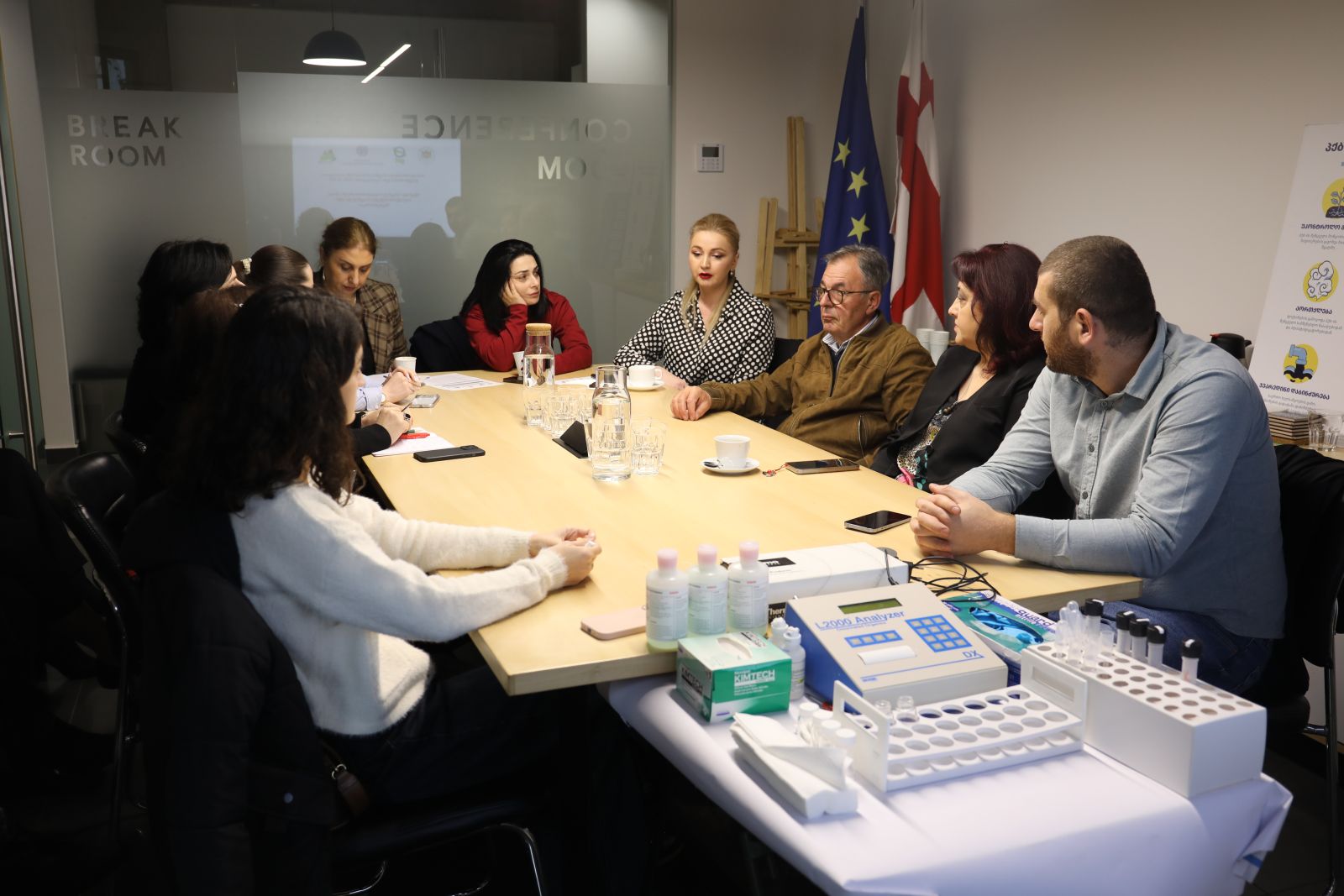
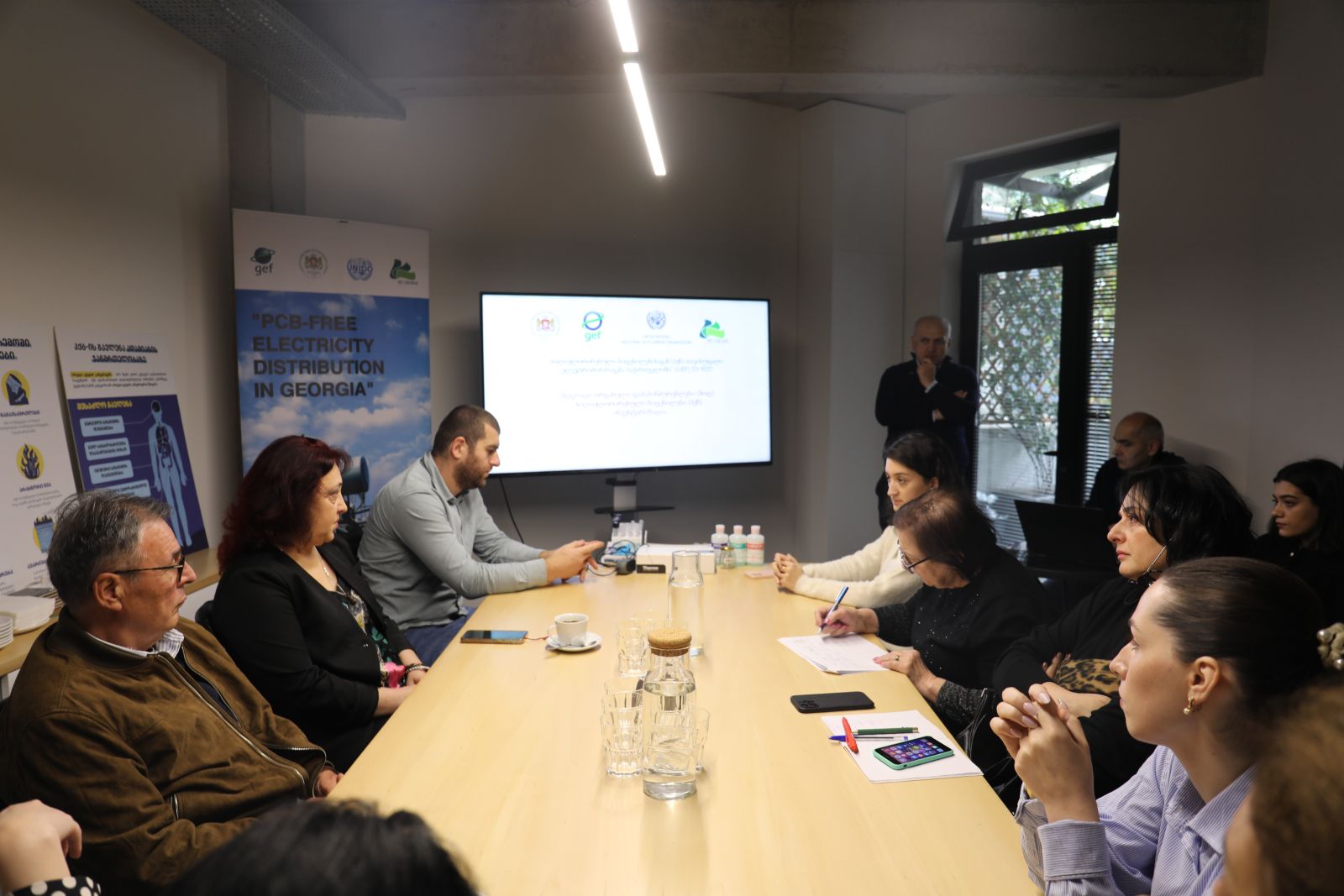
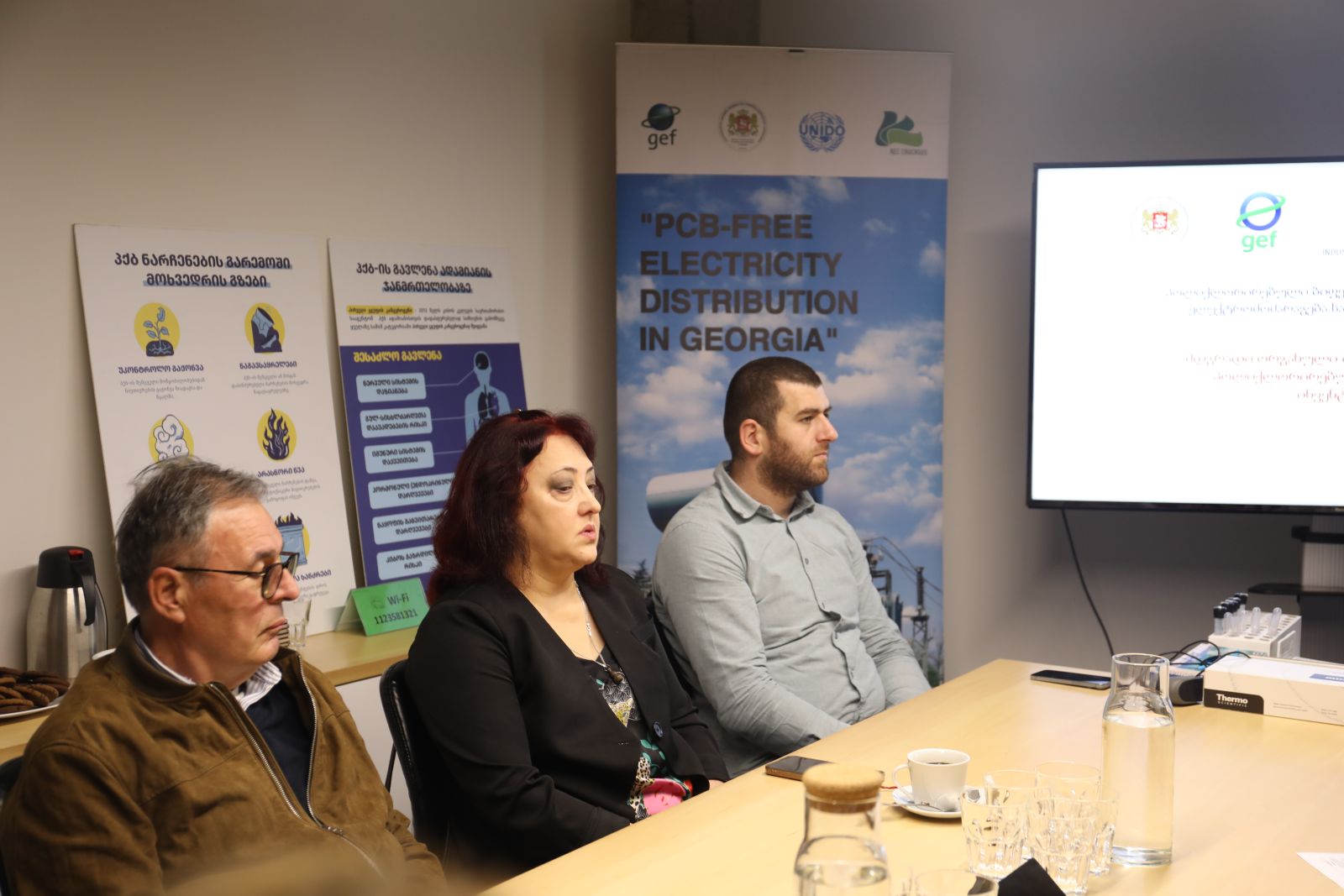
On 17-18 November 2026, the Regional Environmental Centre for the Caucasus hosted a two-day training in Tbilisi to strengthen testing laboratory capacity for PCBs - identifying polychlorinated biphenyls, toxic industrial chemicals regulated among the original "Dirty Dozen" persistent organic pollutants.
The training was organised within the framework of the project “PCB-free Electricity Distribution in Georgia”, funded by the Global Environment Facility (GEF) and implemented with the support of the United Nations Industrial Development Organization (UNIDO).
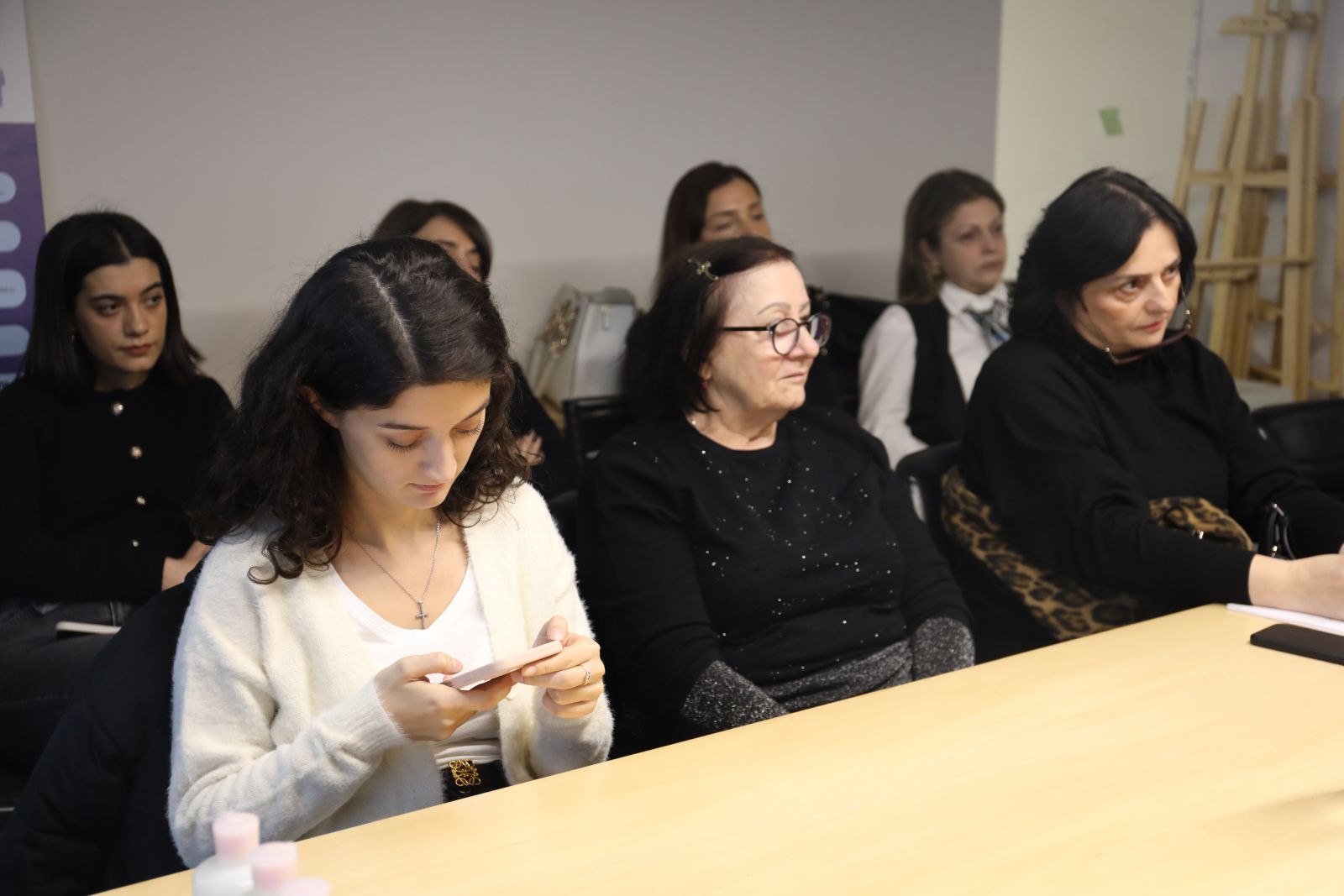
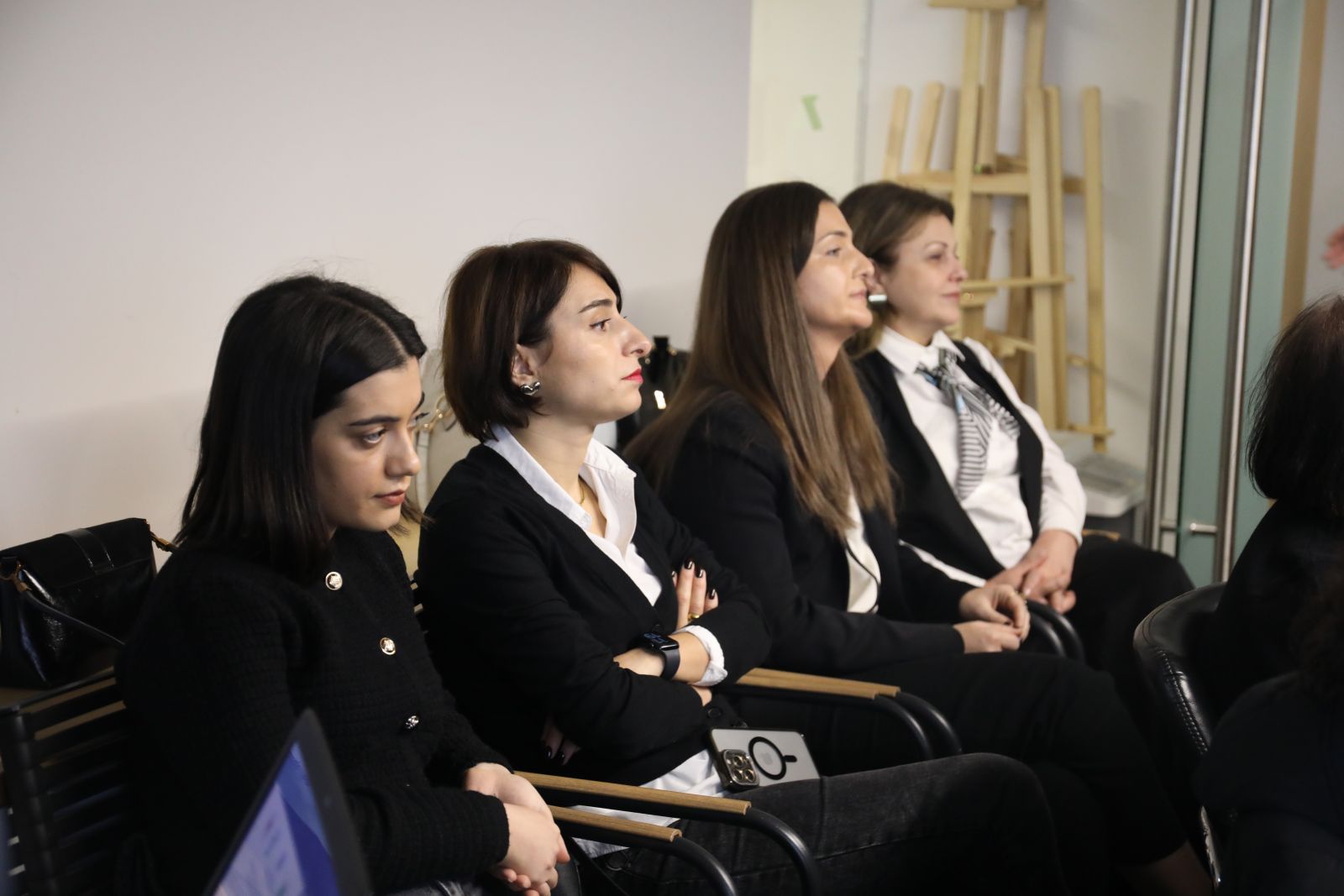
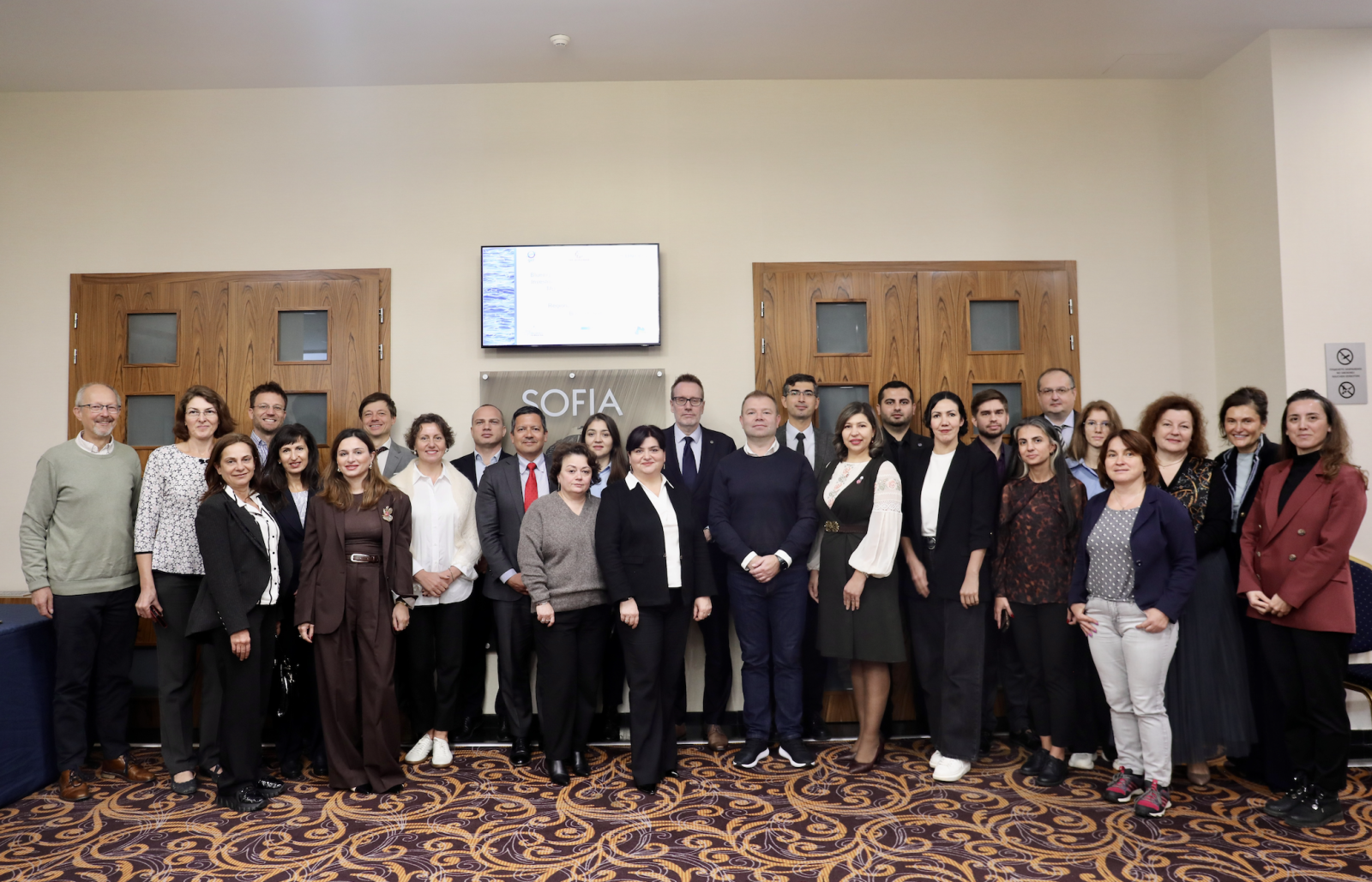
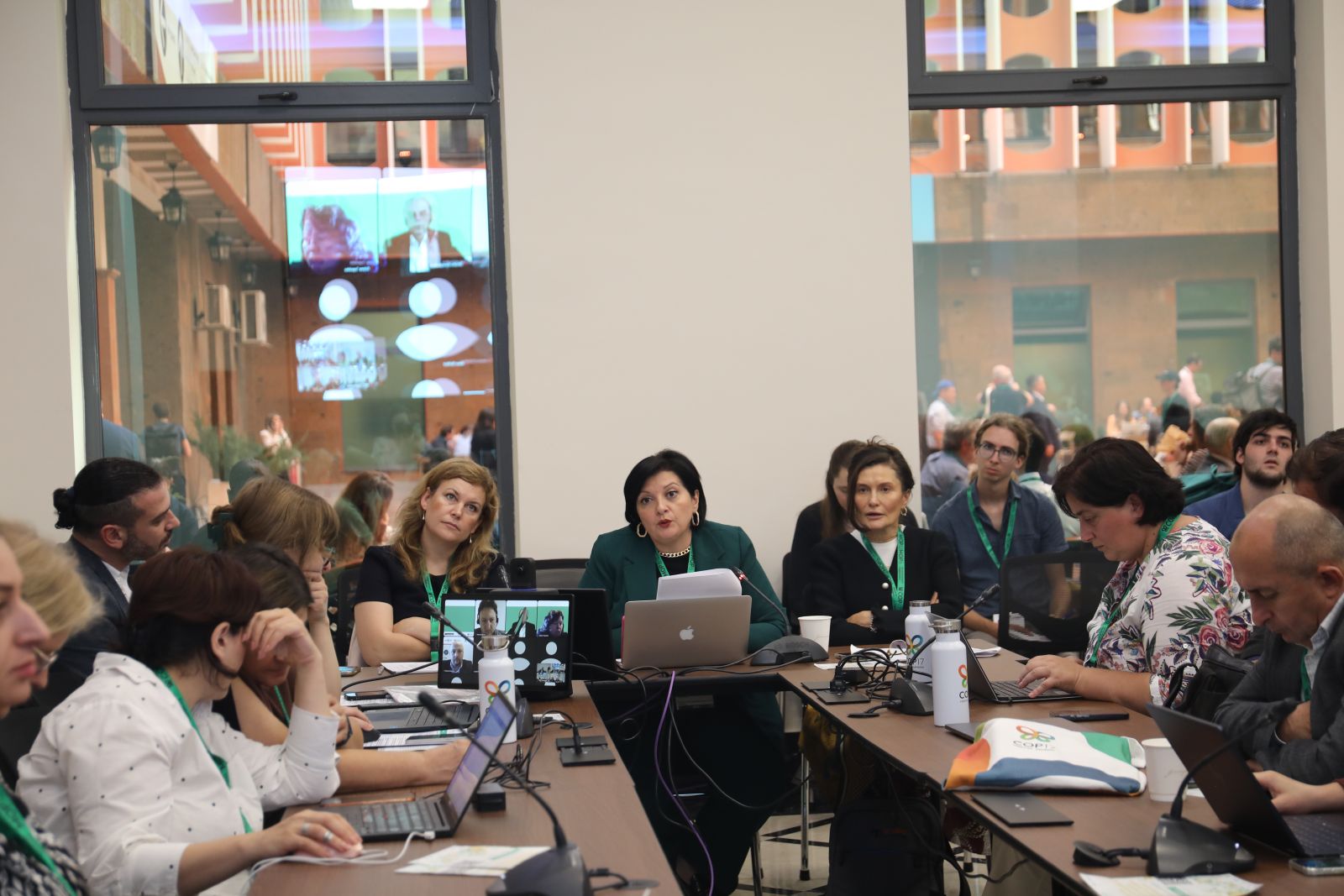
The event brought together 17 participants representing more than 10 specialized laboratories across the country, alongside key national institutions. Attendees included representatives from the Ministry of Environmental Protection and Agriculture of Georgia, the National Environmental Agency (NEA), JSC Georgian State Electrosystem (GSE), Energo-Pro , and the State Laboratory of Agriculture, among other relevant testing facilities and organizations.
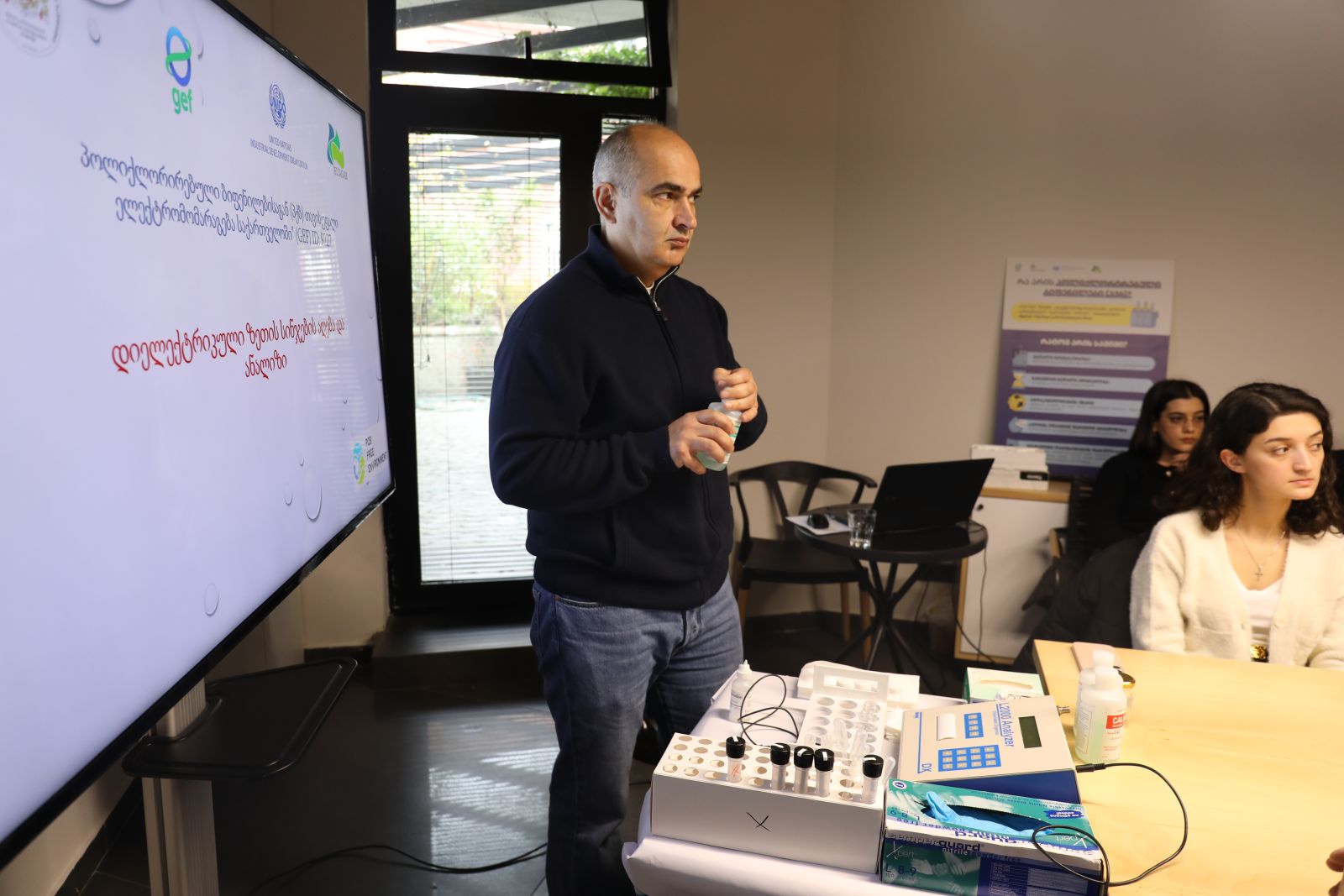
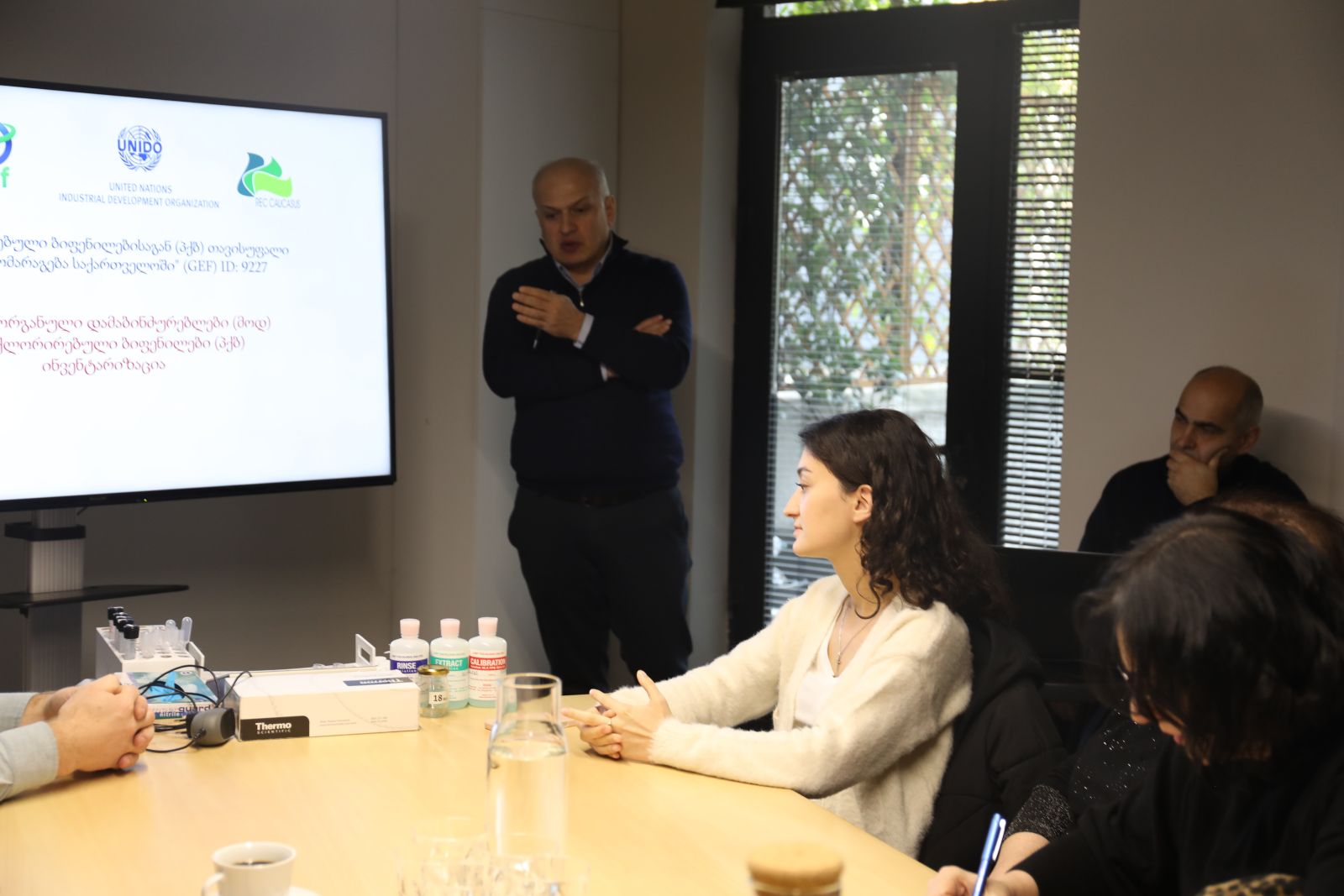
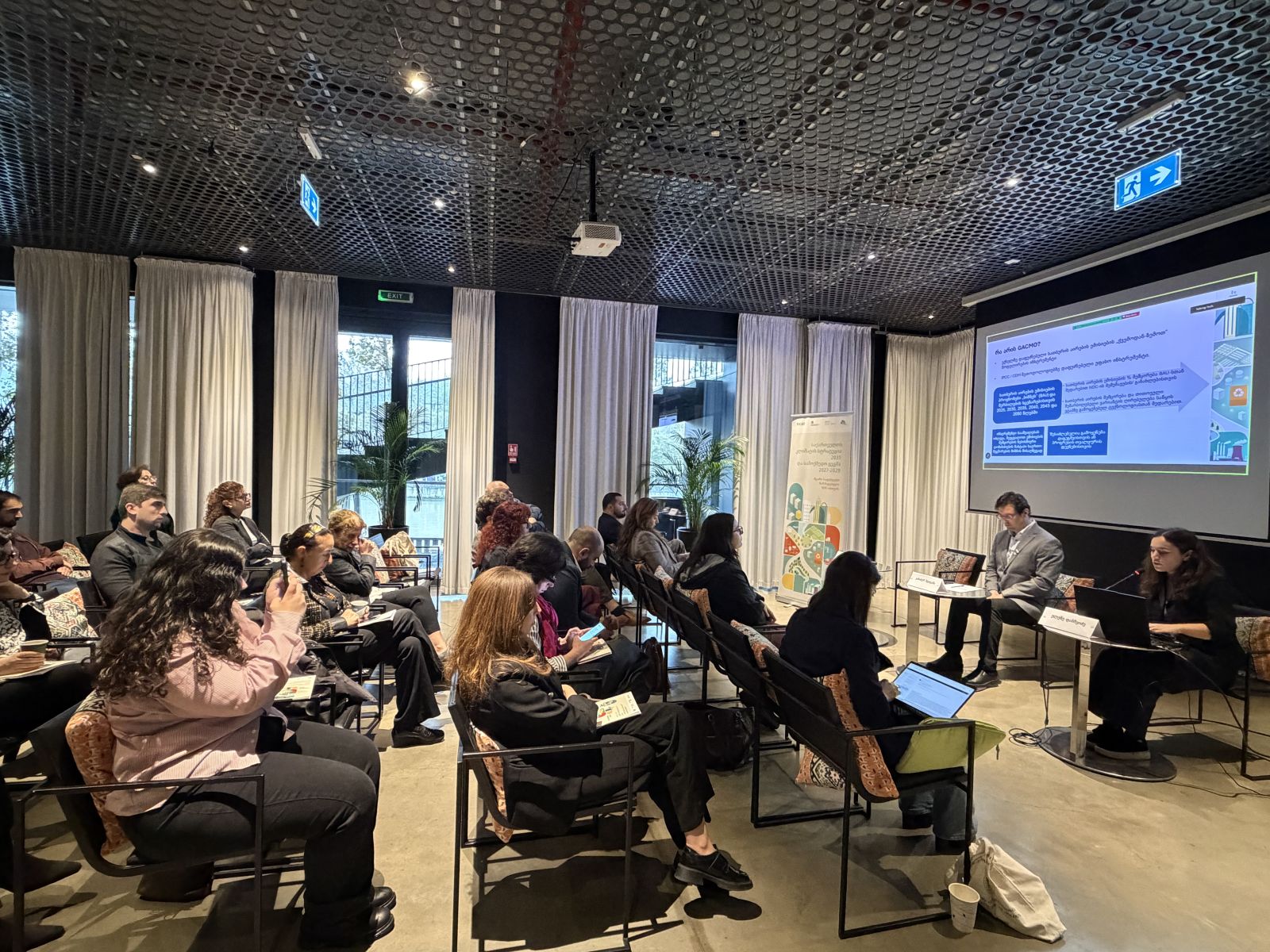
The two-day programme combined theoretical sessions with practical exercises, covering key aspects of Persistent Organic Pollutants (POPs), legislative requirements related to PCBs, PCB inventory, and the environmentally sound management of PCB-contaminated electrical equipment and dielectric oils.
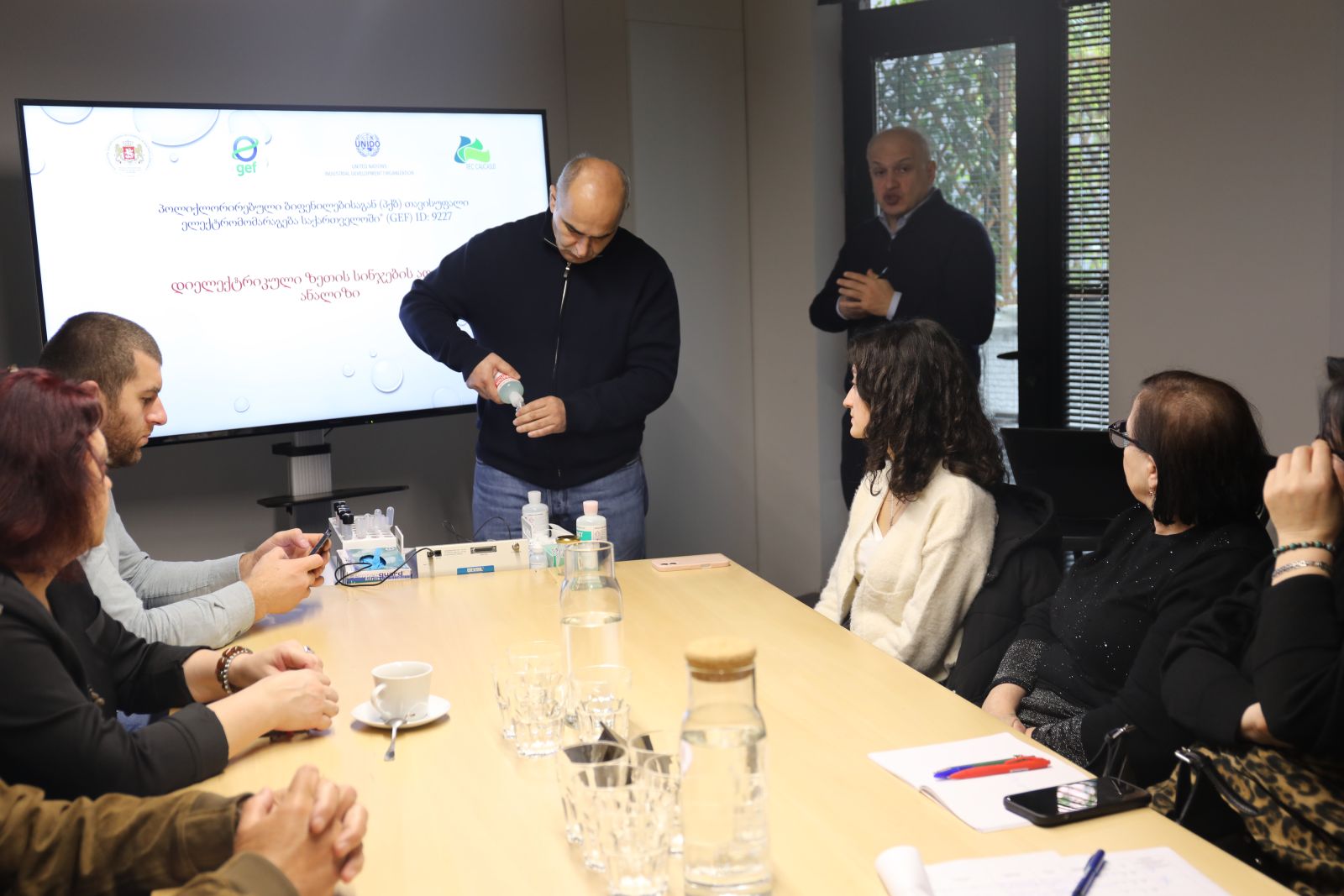
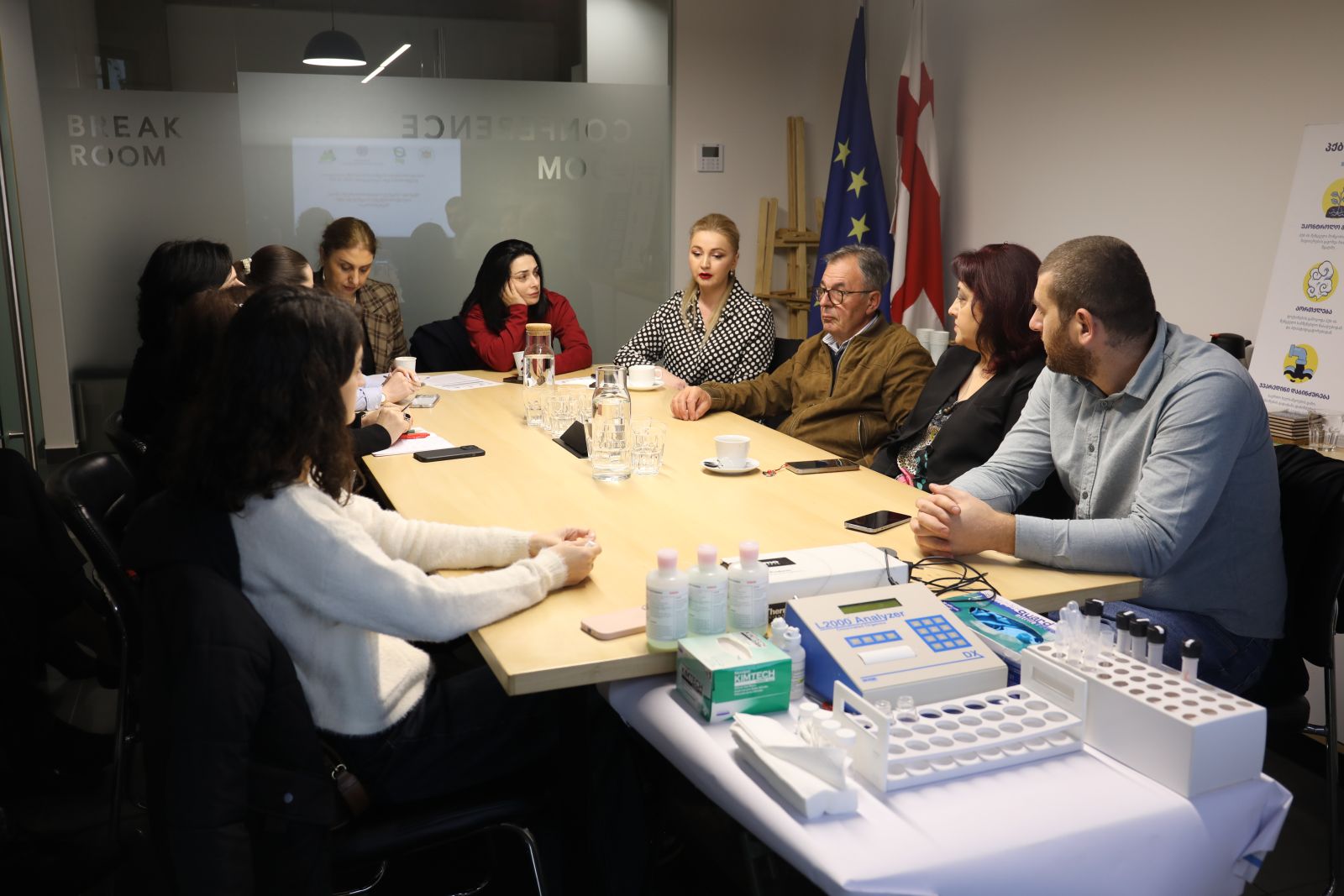
Focusing on accurate PCB identification, REC Caucasus Experts trained participants on the operating principles and full analytical workflow of the Dexsil L2000 DX Chlorinated Analyzer, including sample preparation, testing procedures, calibration, data recording, and quality assurance. Participants also gained practical experience by performing supervised, hands-on PCB screening tests using the analyzer.
The discussions further addressed measures to prevent PCB contamination and cross-contamination, safe handling and transportation of samples, occupational health and safety requirements, and the alignment of laboratory reporting with the national PCB database and regulatory requirements.
The training aimed to strengthen the technical and professional capacities of national testing laboratories and relevant institutions, contributing to more effective PCB identification, monitoring, and environmentally sound management in Georgia.
This initiative represents another important step towards the phase-out of PCBs in Georgia and the fulfilment of the country's commitments under the Stockholm Convention on Persistent Organic Pollutants.
The project “PCB-free Electricity Distribution in Georgia” is implemented by REC Caucasus with financial support from the Global Environment Facility (GEF) and in cooperation with the United Nations Industrial Development Organization (UNIDO).