ICAT Georgia Presents GACMO Tool to Strengthen Climate Mitigation Planning
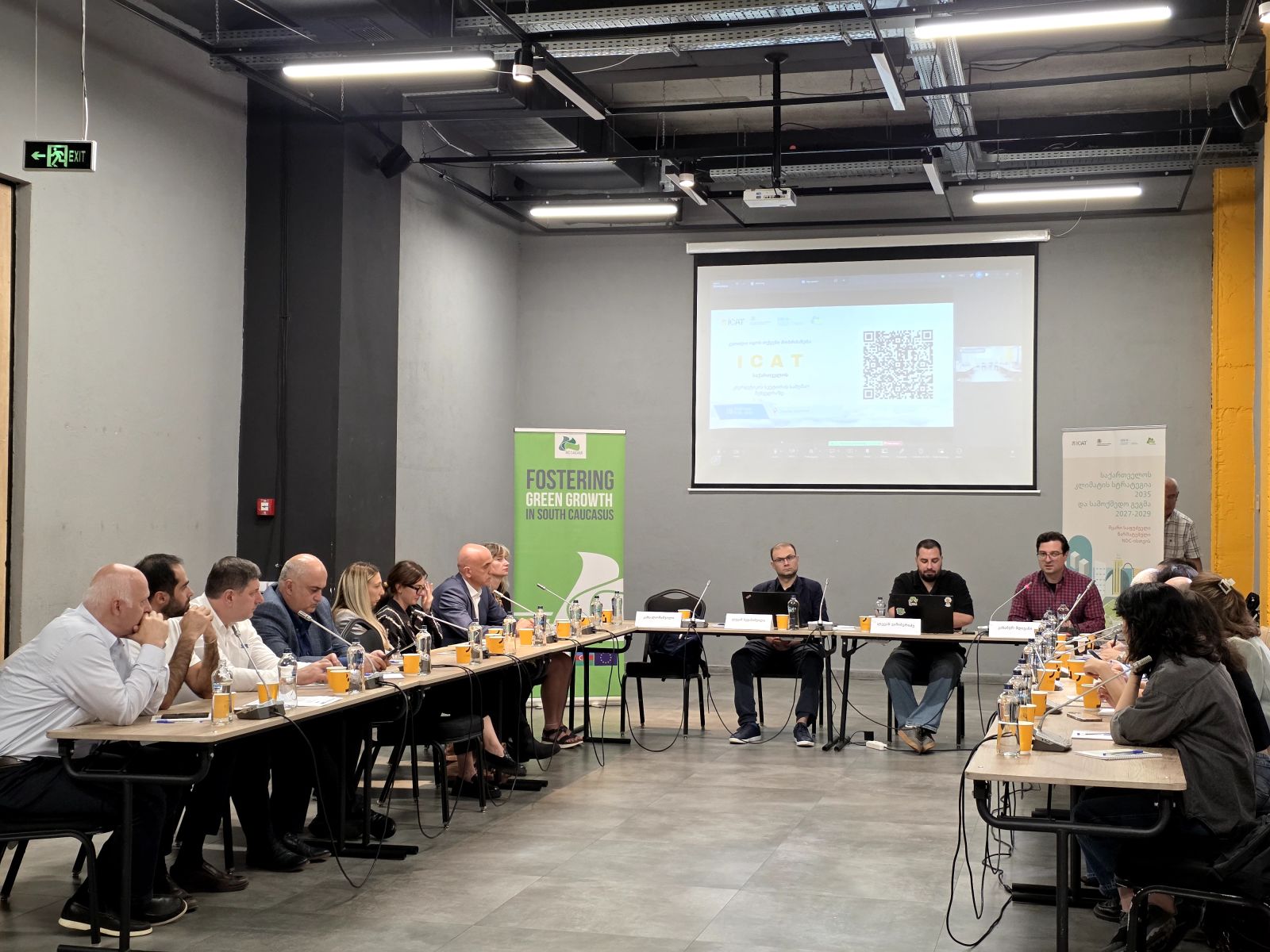
On 30 October 2026, the Regional Environmental Centre for the Caucasus (REC Caucasus), under the ICAT Georgia project, organised a presentation and training session on the Greenhouse Gas Abatement Cost Model (GACMO), a practical tool designed to support greenhouse gas (GHG) emissions projections and the assessment of mitigation measures.
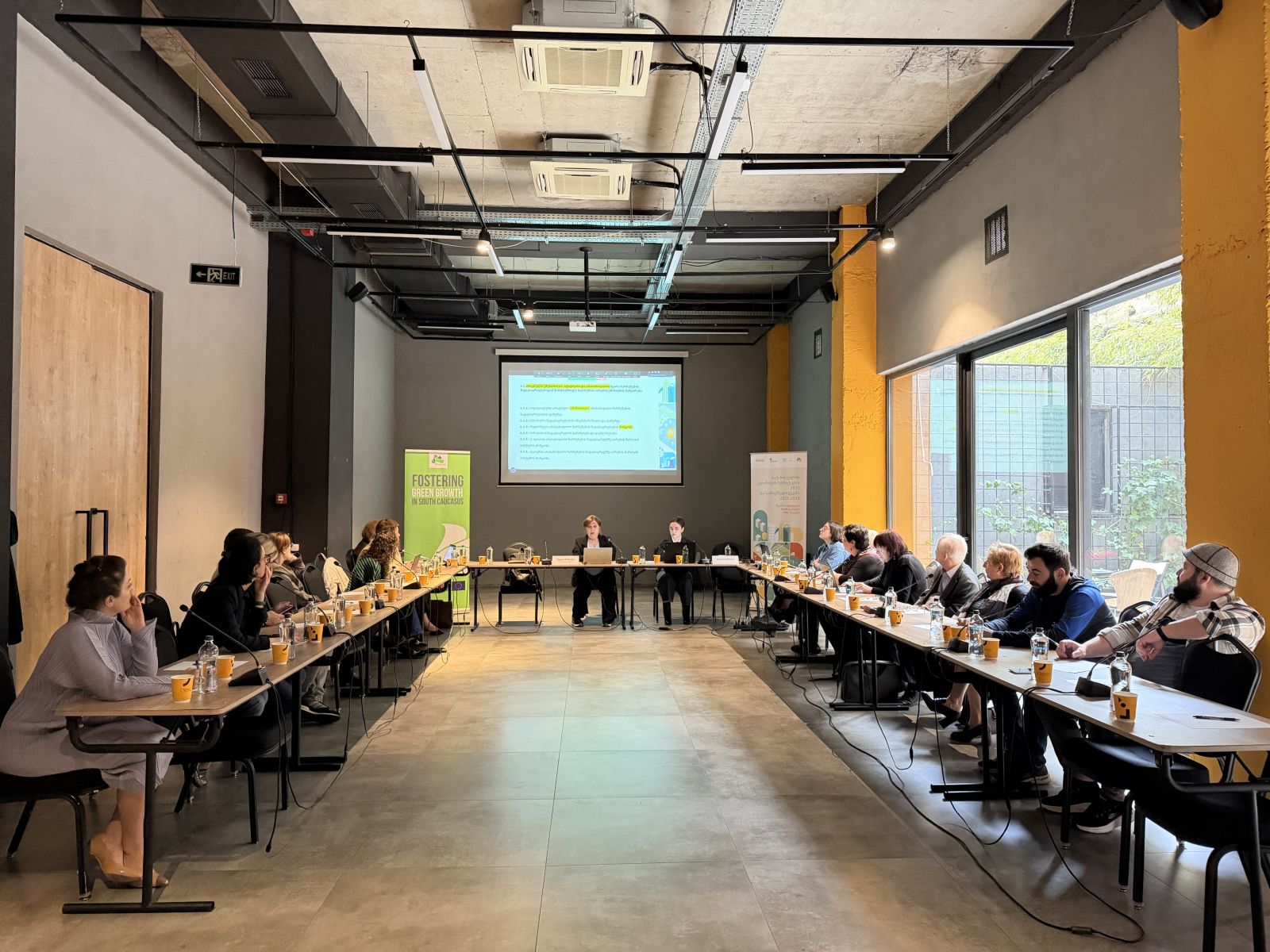
Held in Tbilisi, the event brought together representatives of relevant government institutions and sectoral experts to explore how GACMO can contribute to Georgia's climate policy planning, emissions forecasting and monitoring of mitigation progress.
The event opened with welcoming remarks by Kakha Lomashvili, representing the Ministry of Environmental Protection and Agriculture of Georgia; Lucia Cortina from the Initiative for Climate Action Transparency (ICAT); and Sophiko Akhobadze from REC Caucasus. The speakers highlighted the importance of reliable national data, active stakeholder engagement and transparent climate action frameworks in developing and implementing Georgia's climate policies. They also emphasised the tool's potential to support the preparation and future updates of Georgia's Climate Change Strategy and Climate Change Action Plan, as well as the implementation of its Nationally Determined Contribution (NDC).
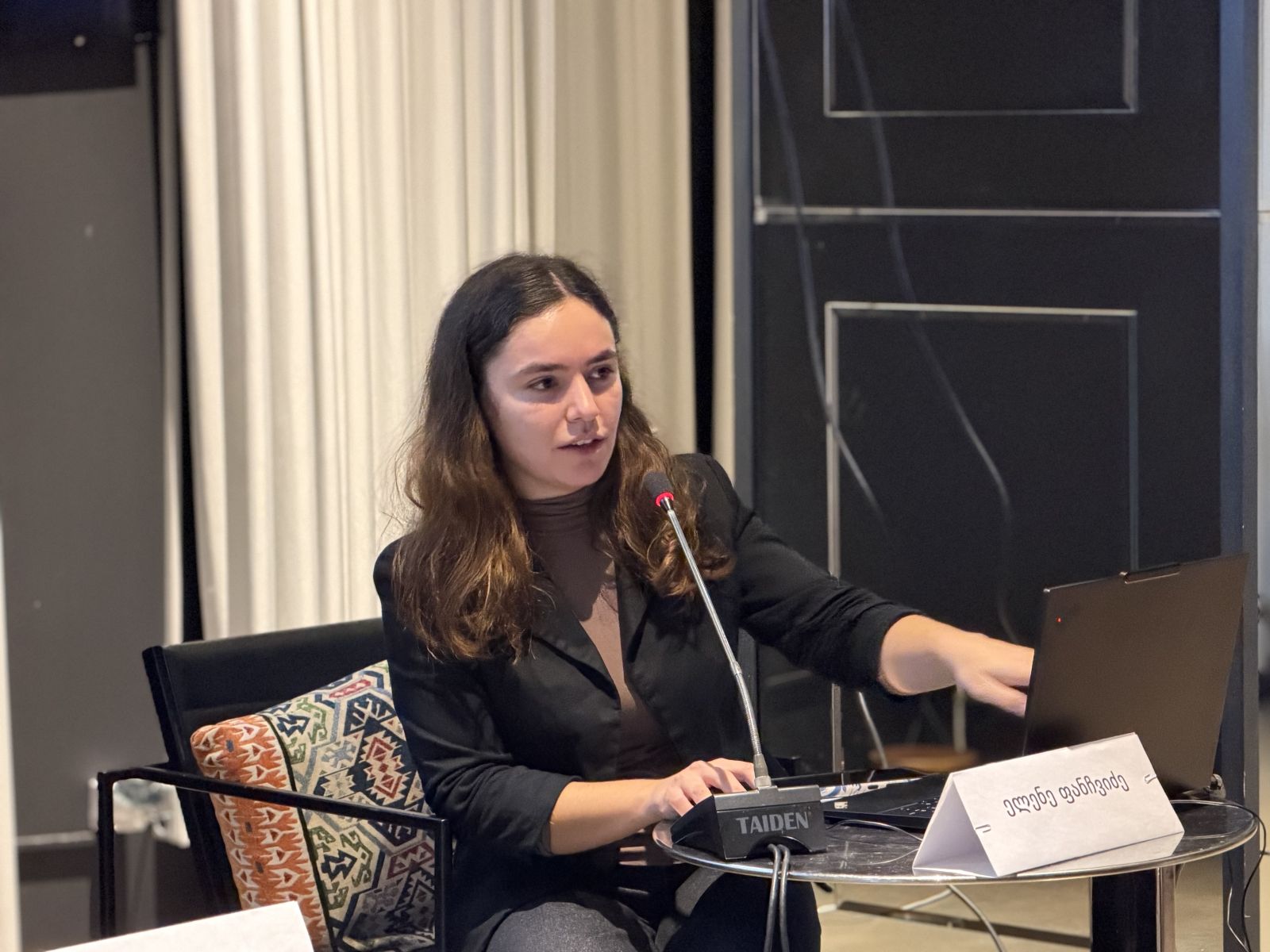
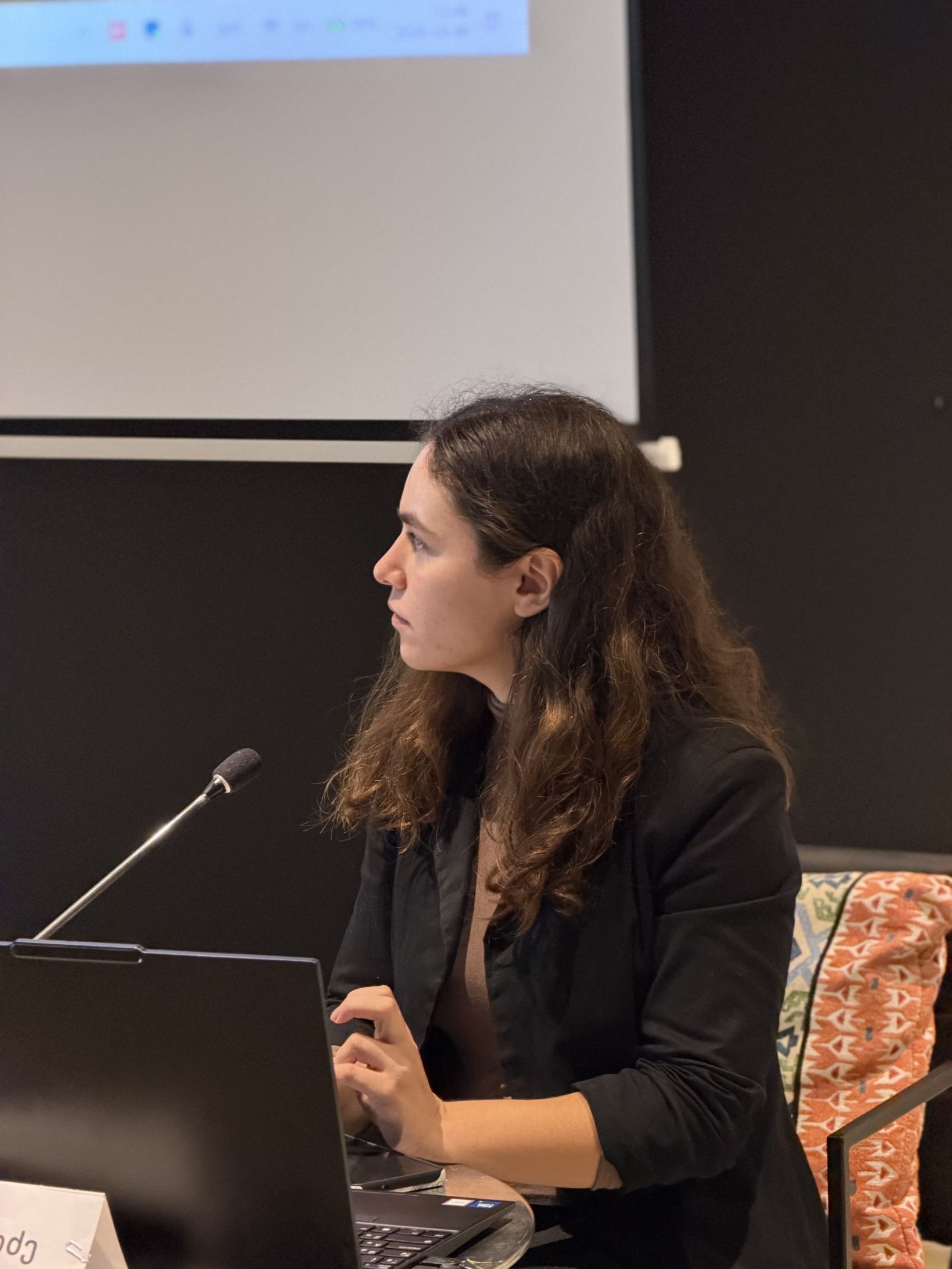
During the technical session, Elene Panchvidze, Buildings Sector Expert, introduced participants to GACMO, a free, Excel-based tool developed by the UNEP Copenhagen Climate Centre. The presentation demonstrated how the tool uses national data to develop Business-as-Usual (BAU) and mitigation scenarios up to 2050, assess the emission reduction potential of different mitigation measures, and estimate their associated costs and investment requirements.
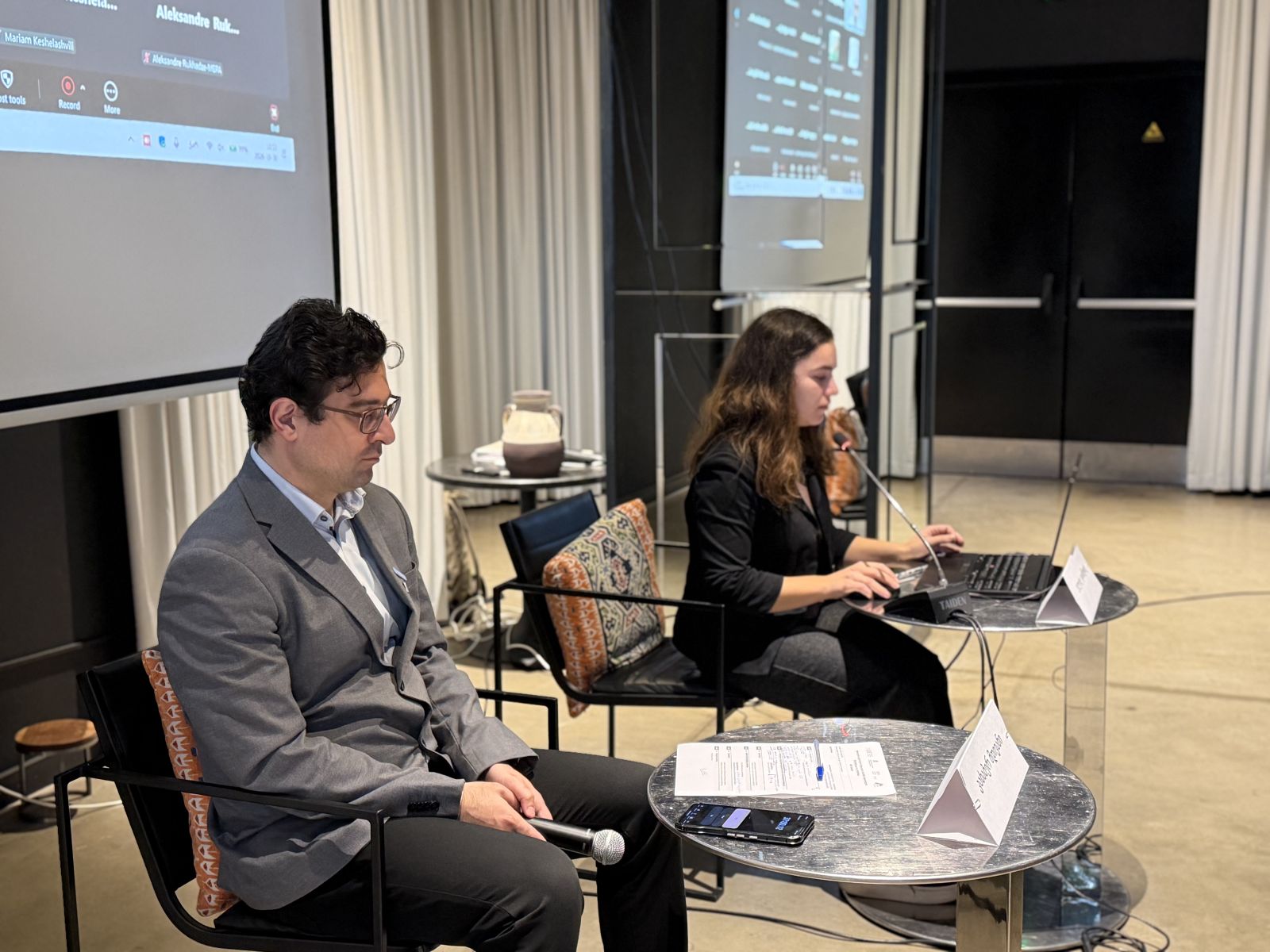
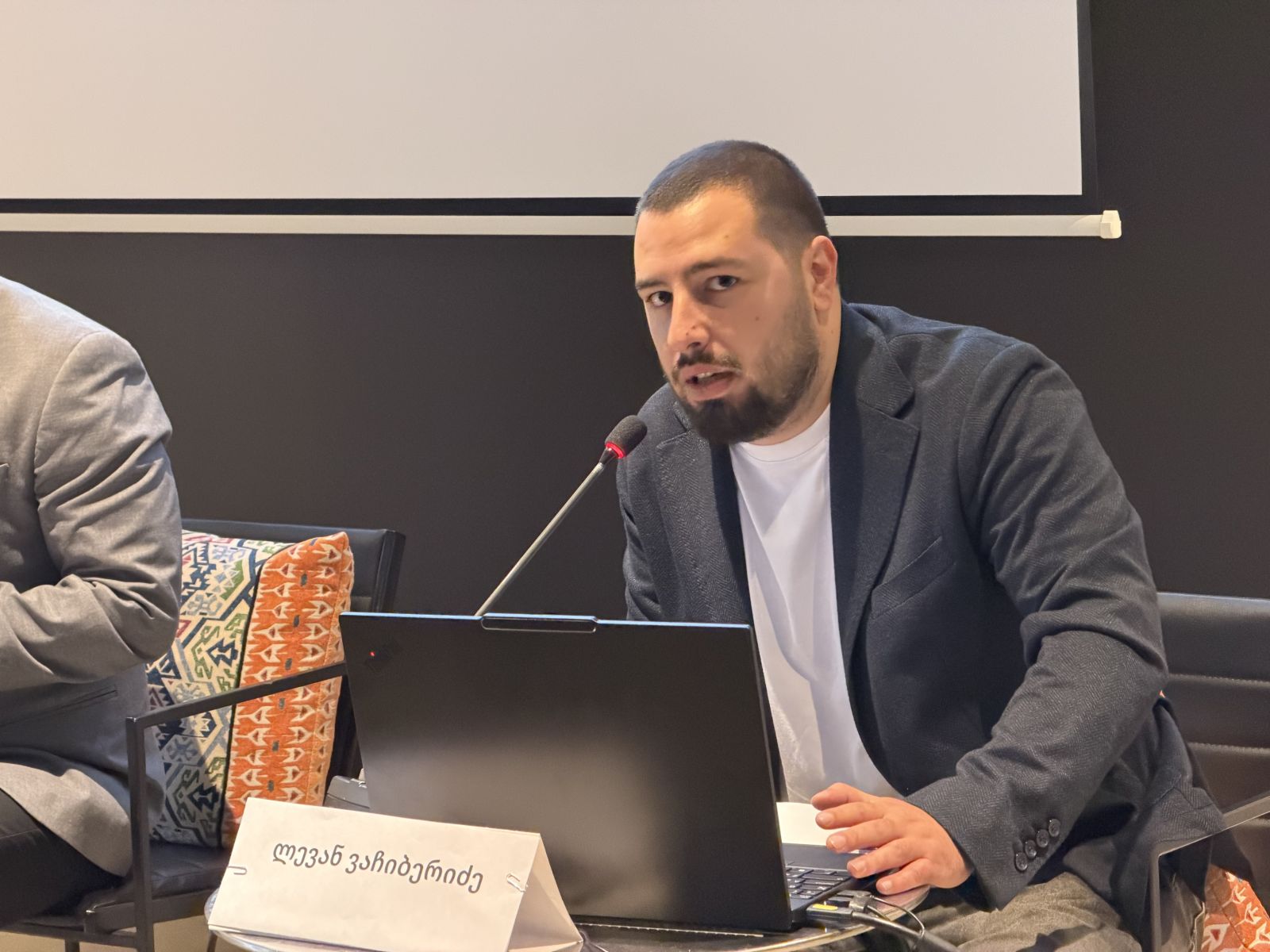
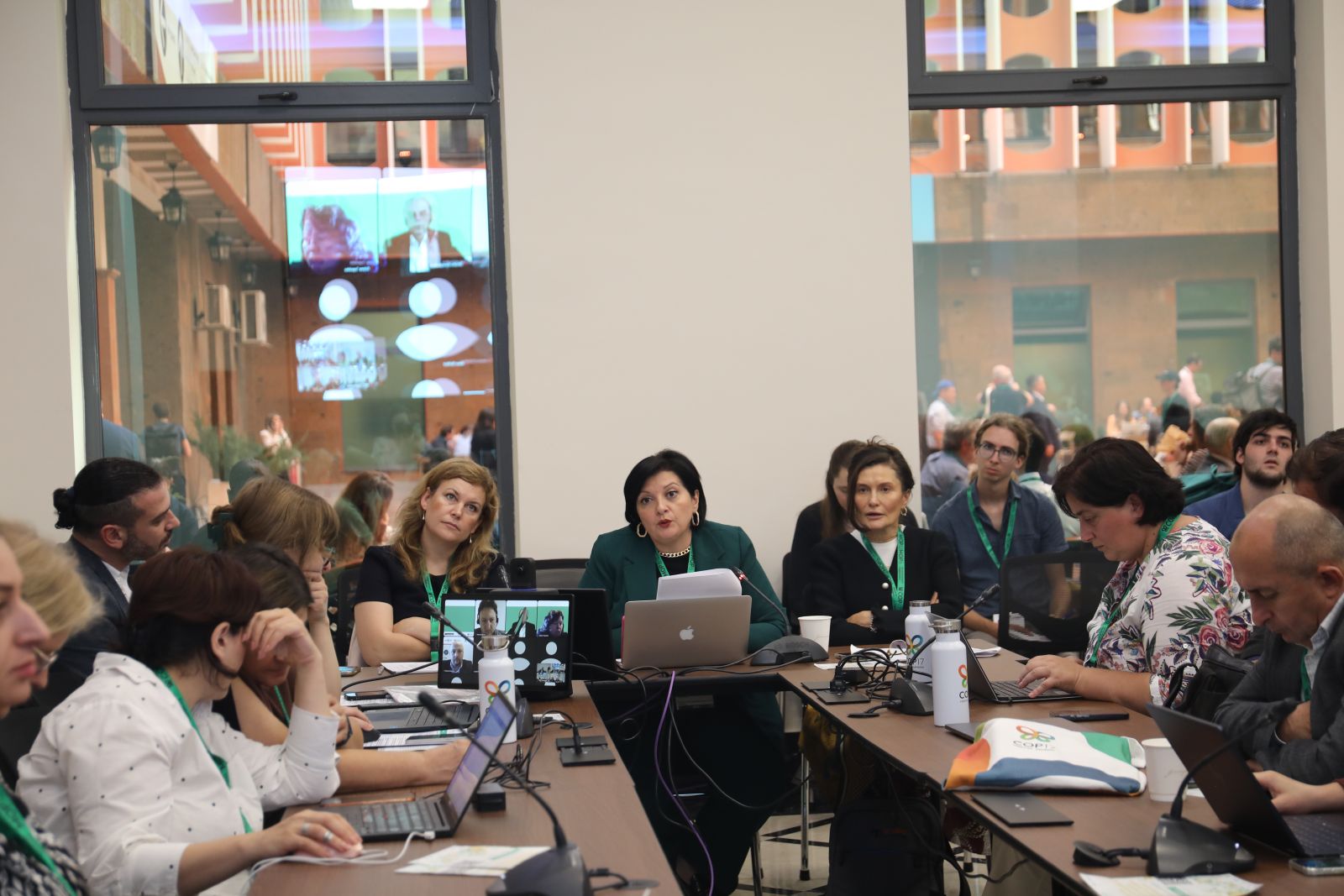
The session also explored GACMO's functions for tracking mitigation progress and monitoring domestic and international climate finance. This was followed by a practical training led by Levan Vachiberidze, Climate Change Policy Expert, who demonstrated the tool's specific features and application. Dedicated question-and-answer sessions provided an opportunity for participants to discuss data requirements, modelling assumptions and the tool's potential use in Georgia.
Discussions also highlighted the importance of ensuring consistency between Georgia's Climate Change Action Plan and its National Energy and Climate Plan (NECP), particularly in relation to emissions projections and mitigation measures. Representatives of the Ministry of Economy and Sustainable Development stressed the potential of GACMO to support this alignment, while exchanges with GEOSTAT representatives and sectoral experts underlined the need for accurate national data and well-justified assumptions, including population growth, GDP, energy consumption and sector-specific trends.
The discussions reaffirmed that combining reliable national data, sectoral expertise and appropriate modelling tools is essential for developing realistic emissions projections, identifying mitigation opportunities and strengthening the implementation and monitoring of Georgia's climate commitments.