Where Every Grain Tells a Story: Alooba 2026 in Dedoplistskaro
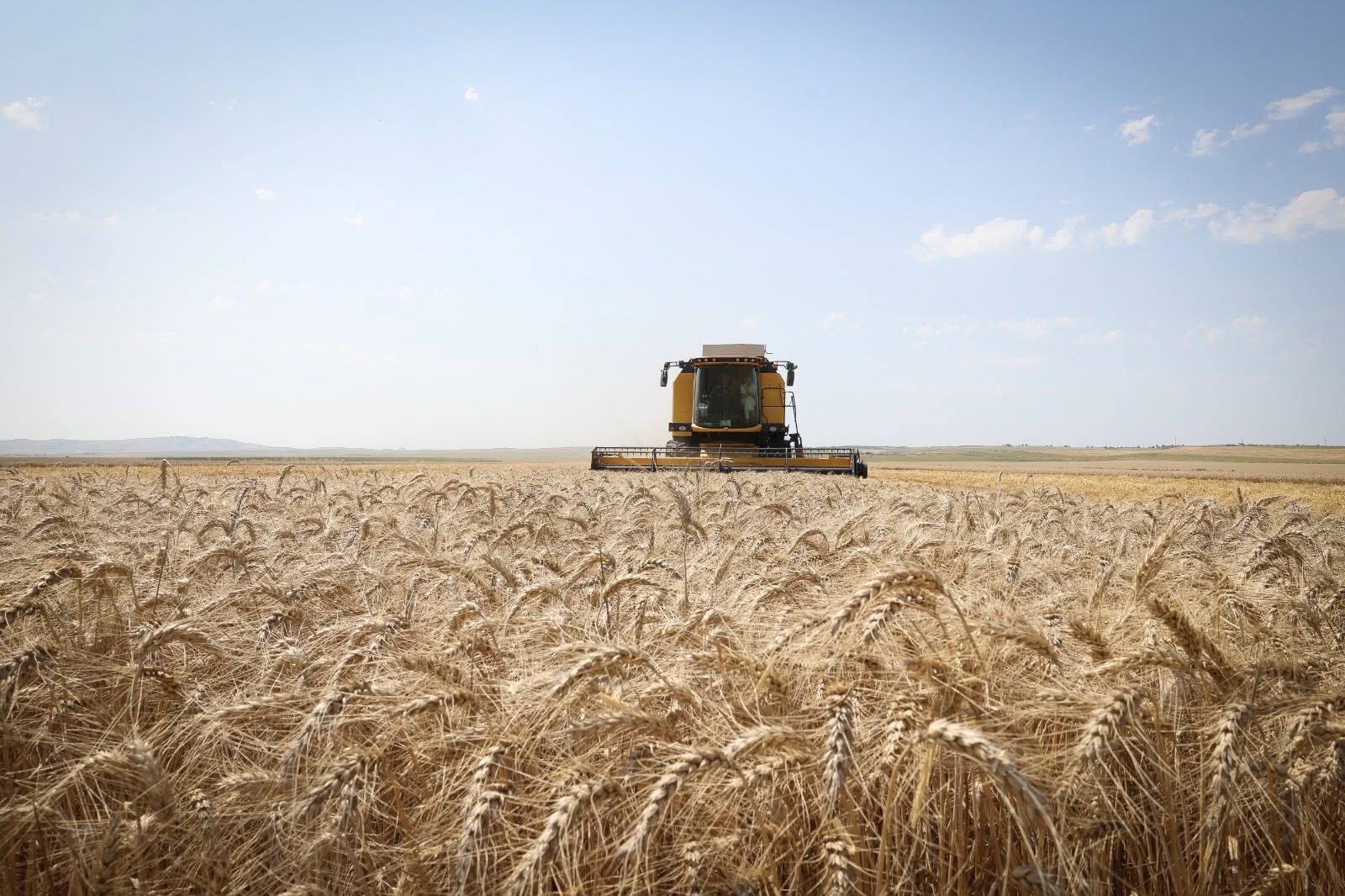
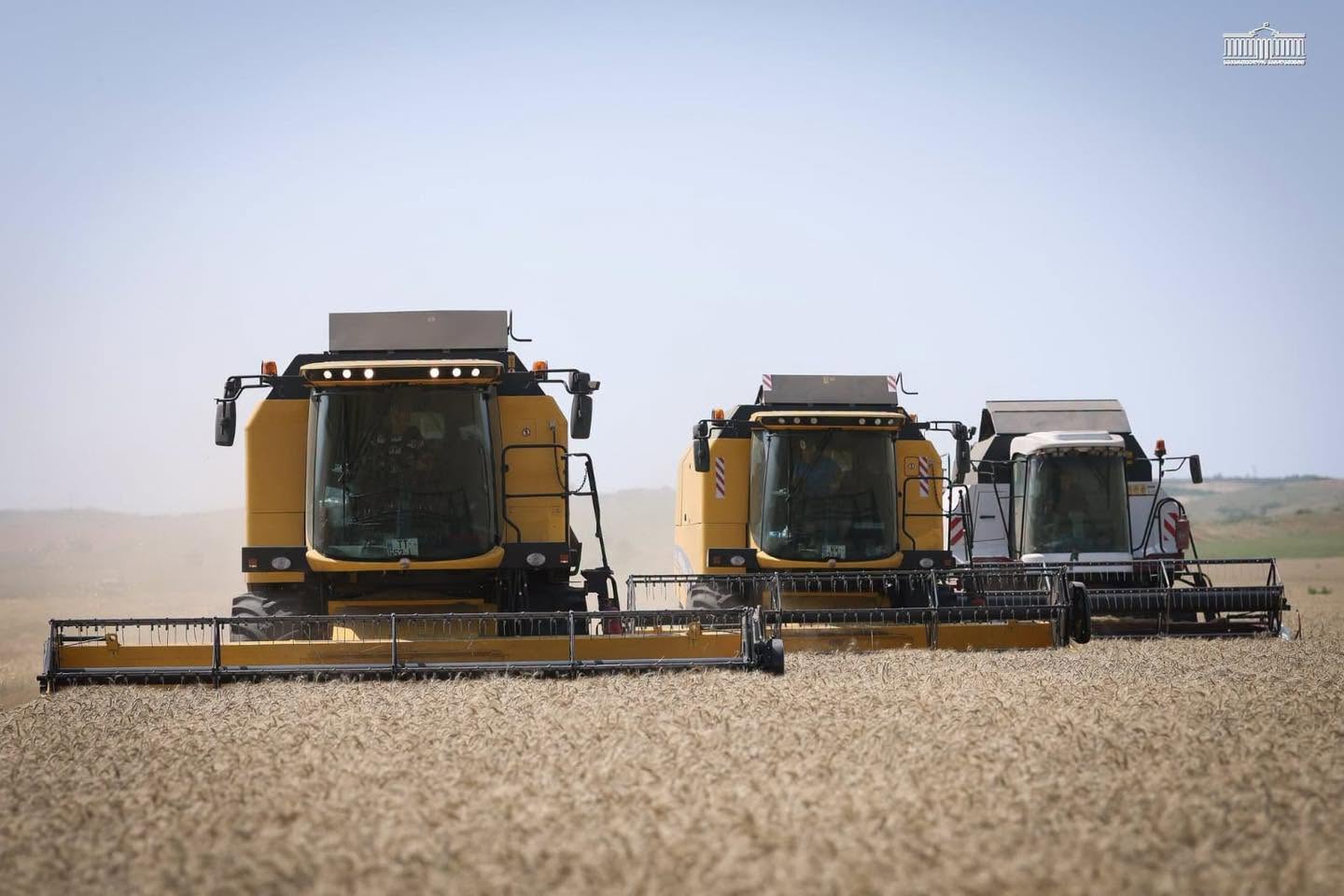
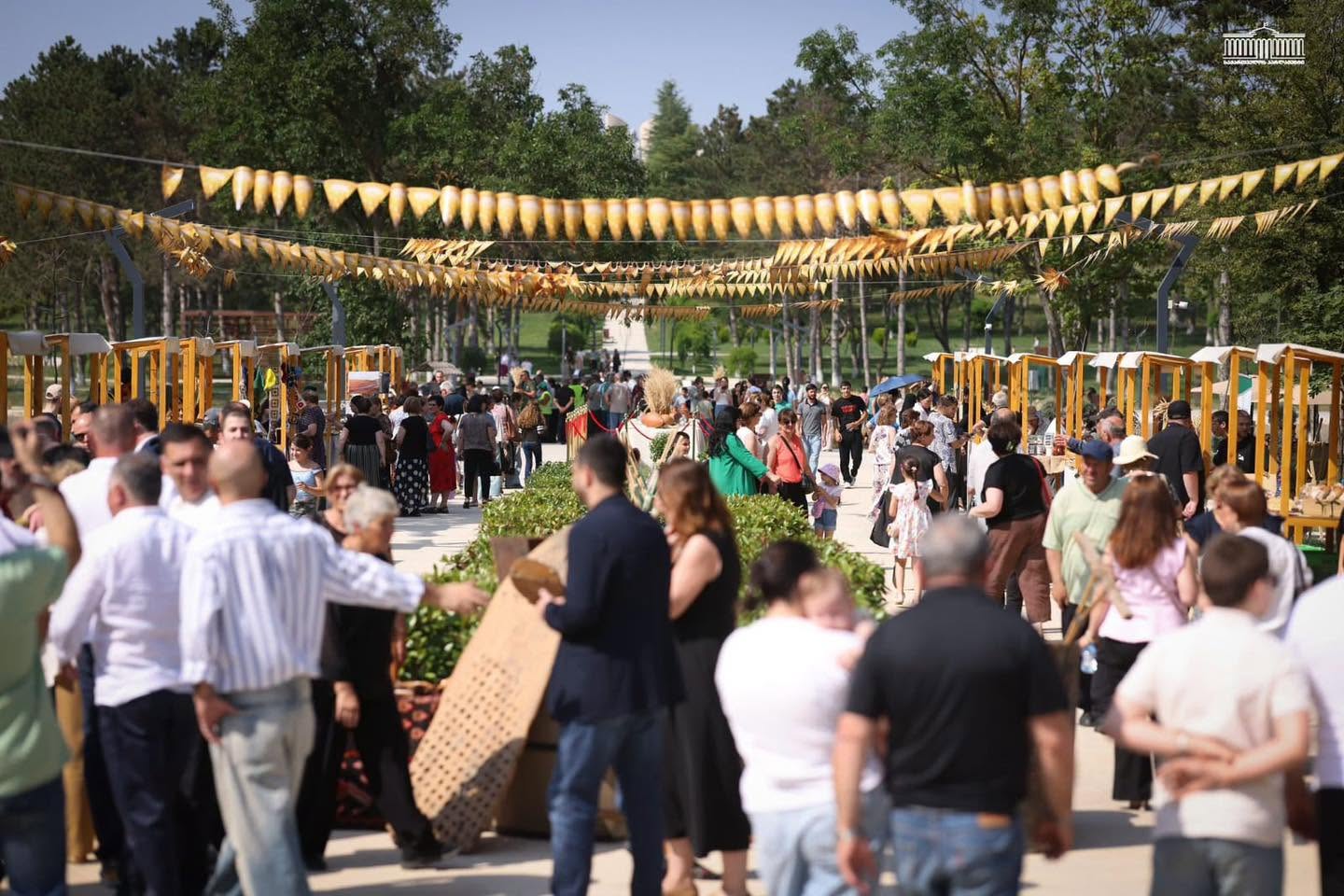
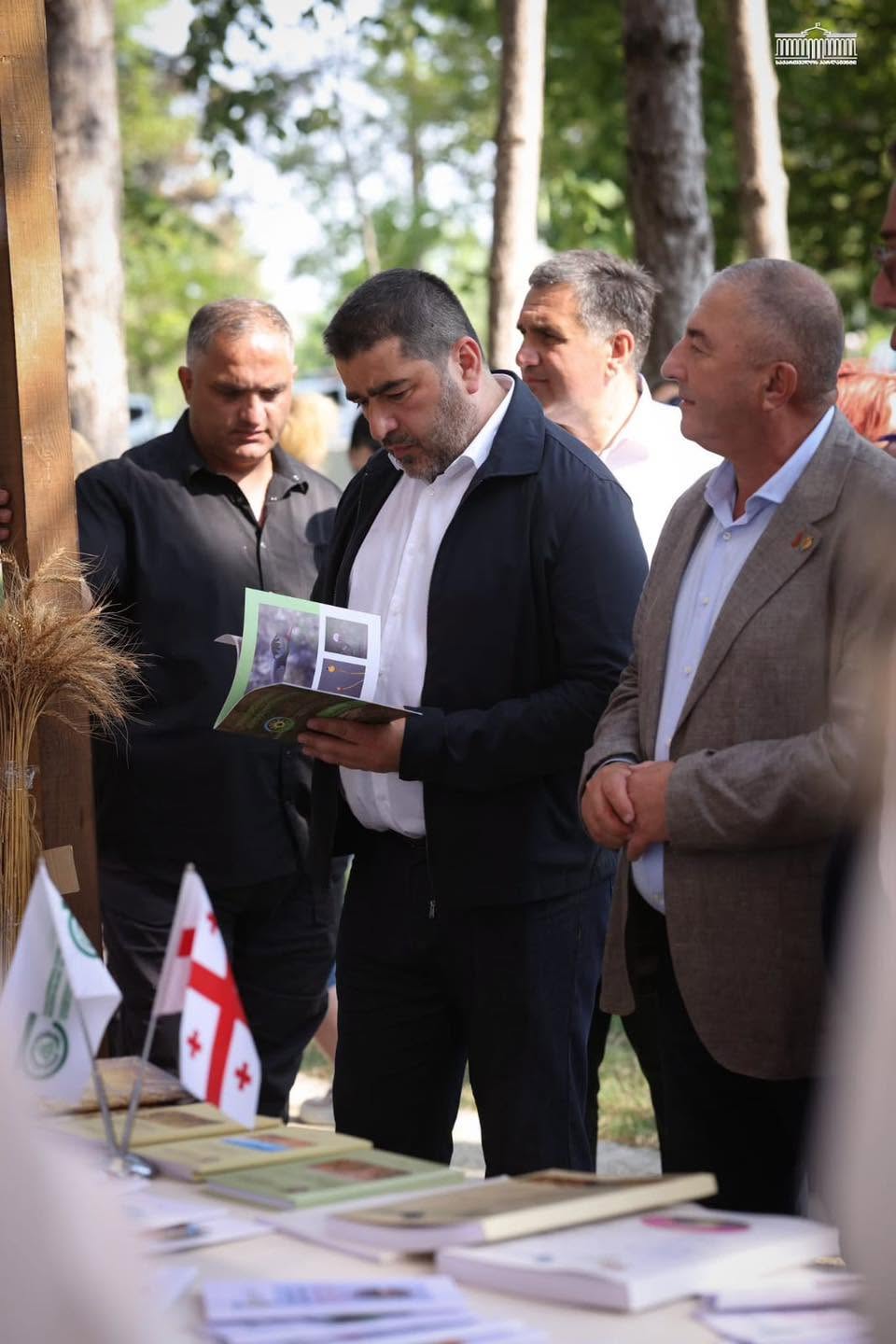
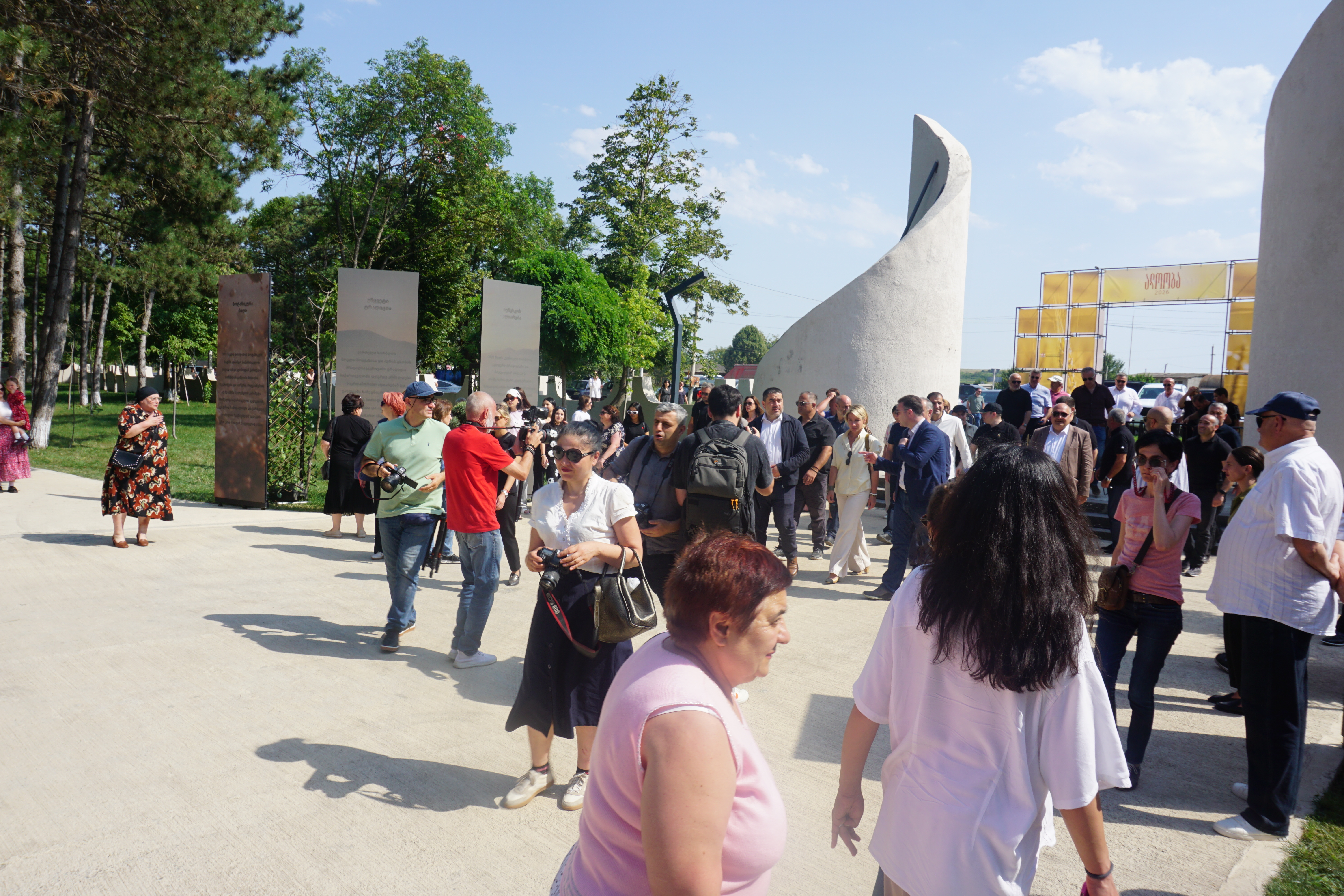
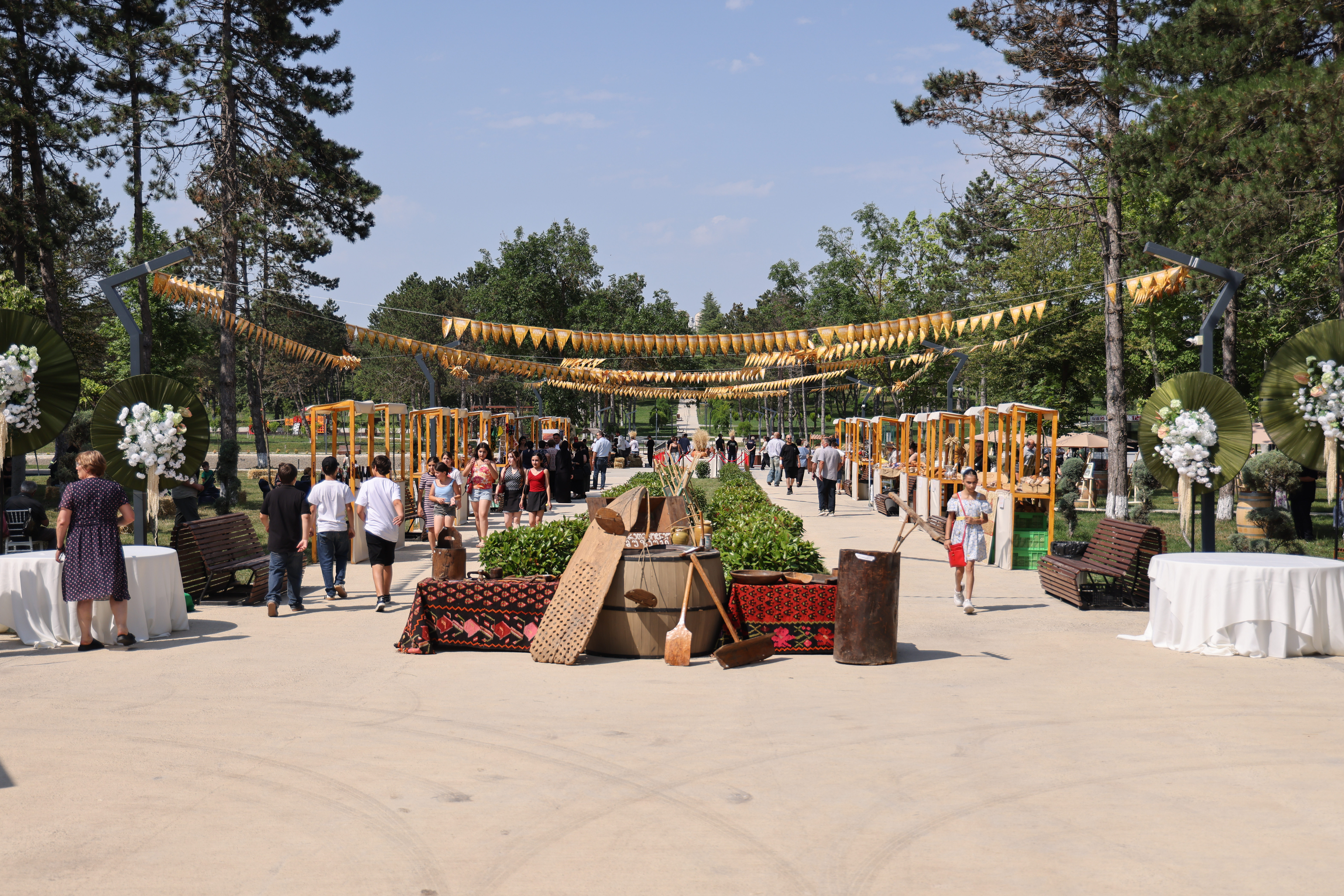
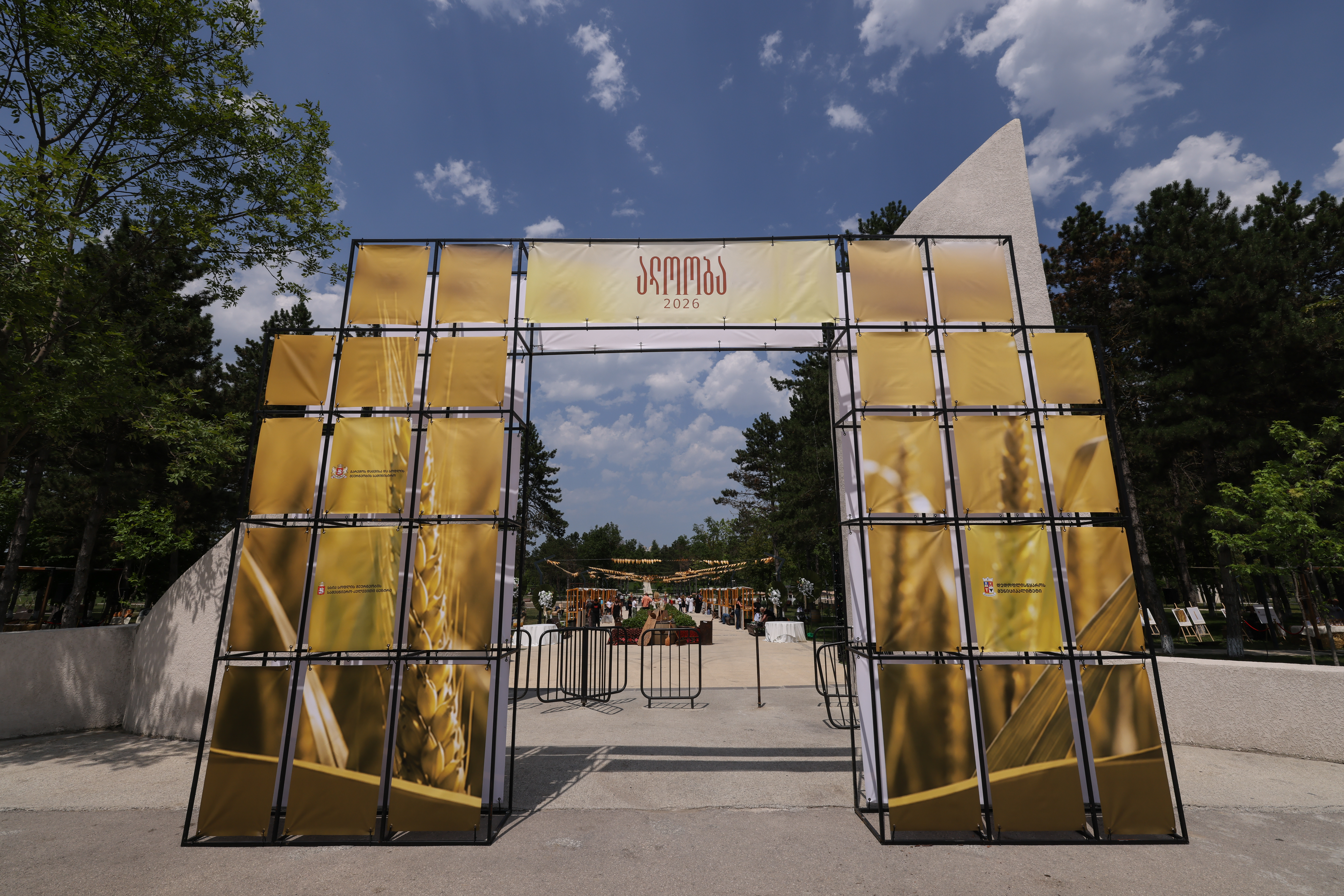
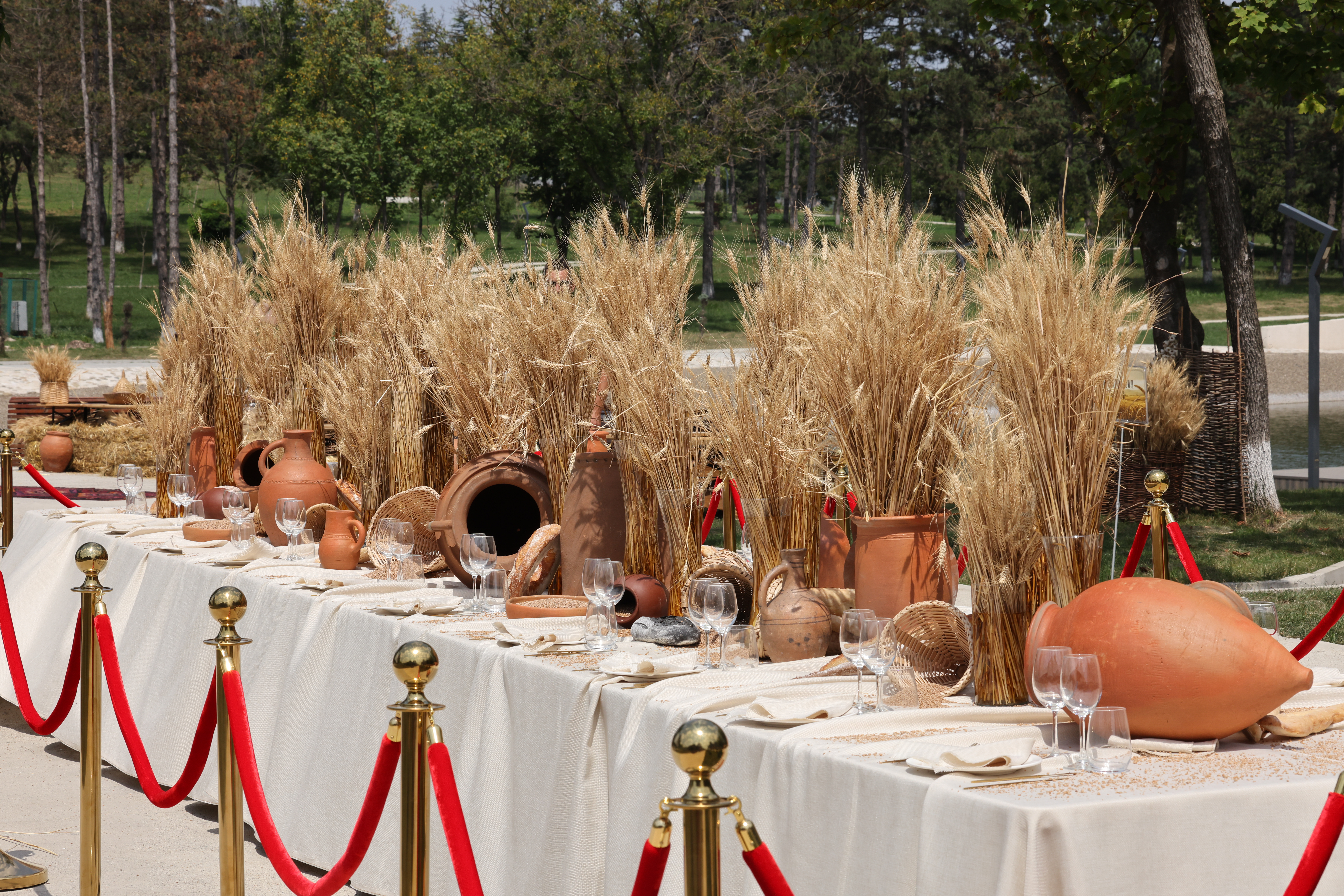
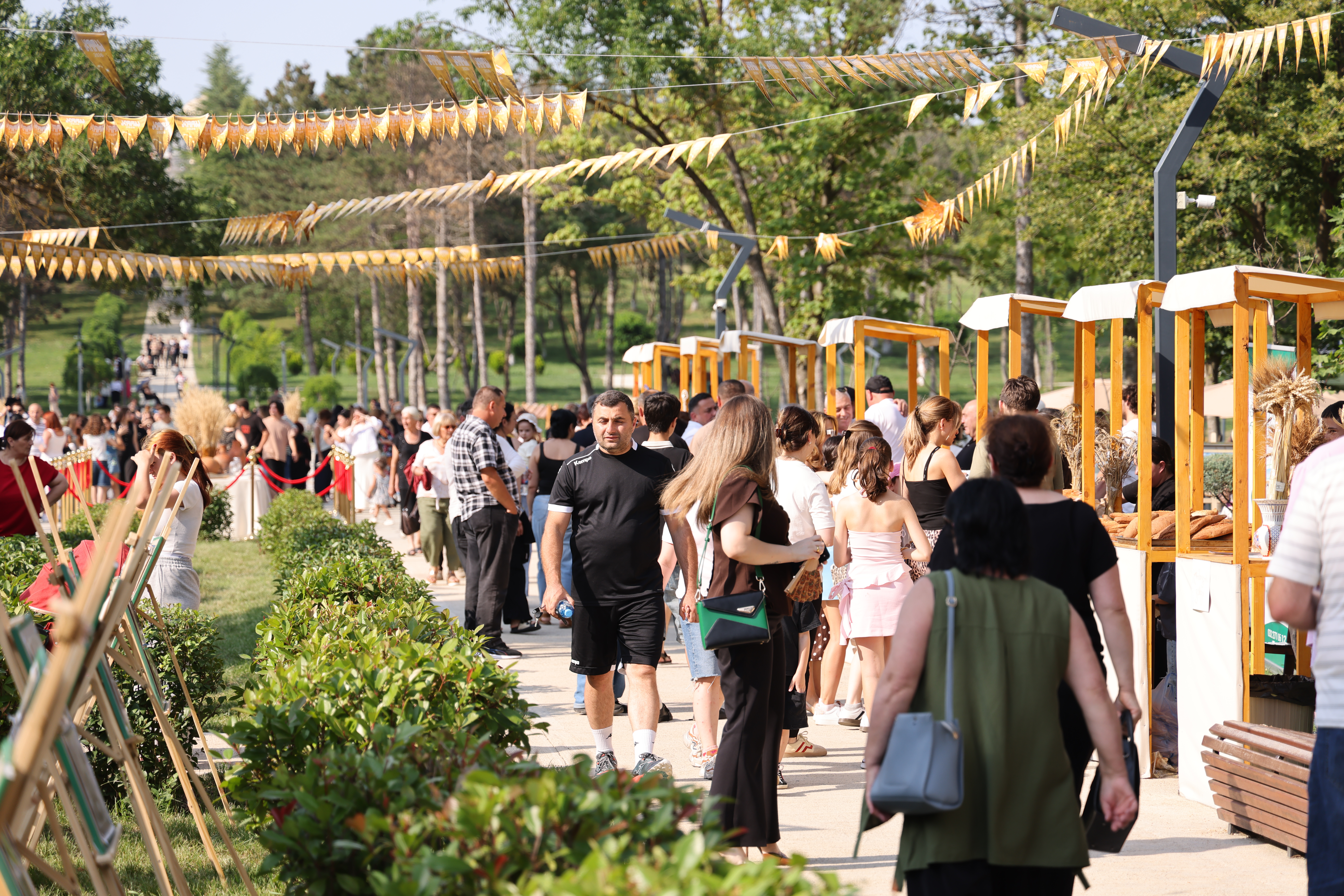
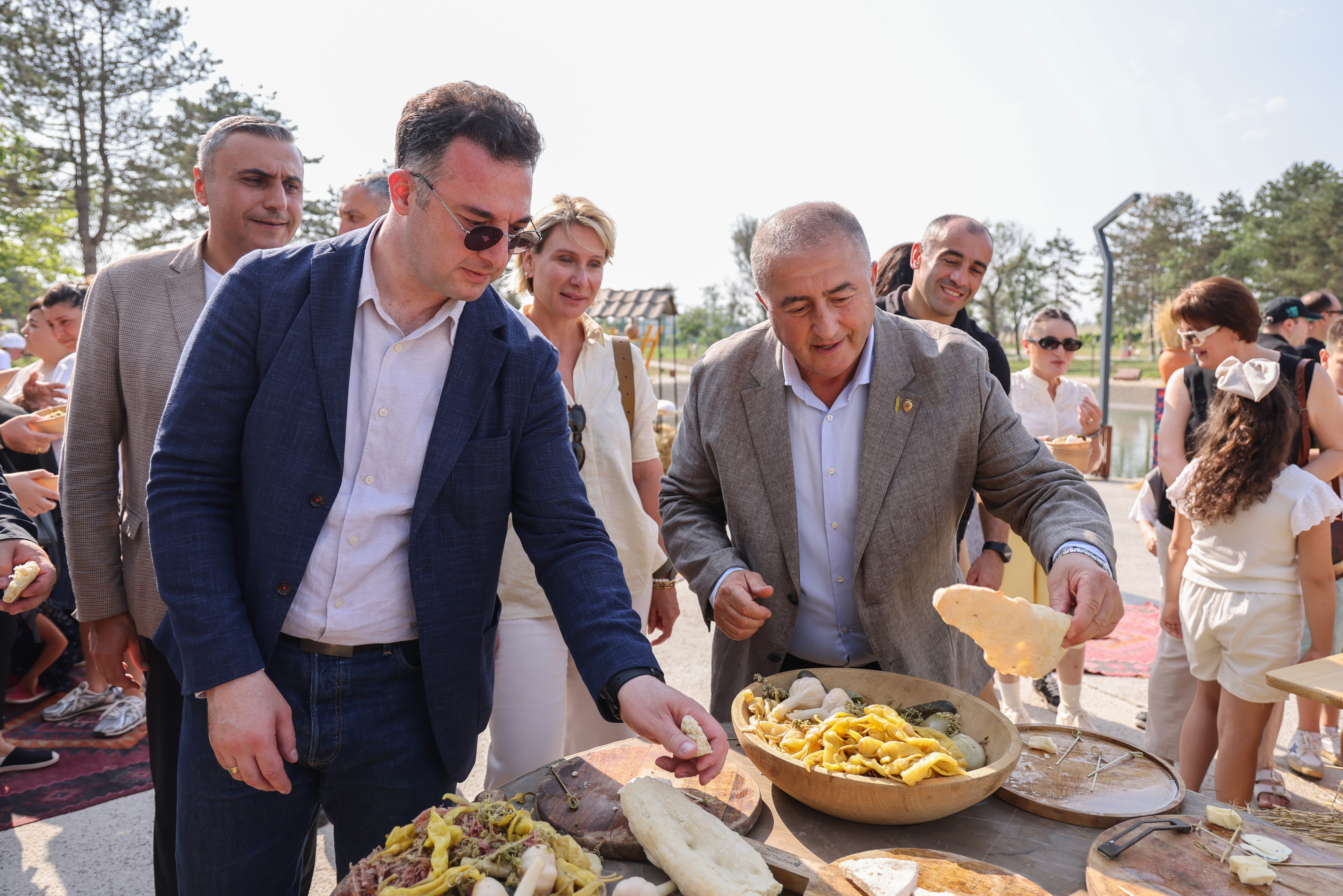
On 25 July 2026, Dedoplistskaro hosted Alooba 2026, bringing together farmers, researchers, local producers, public institutions and visitors to celebrate Georgia’s wheat heritage and the traditions that have shaped rural life for generations.
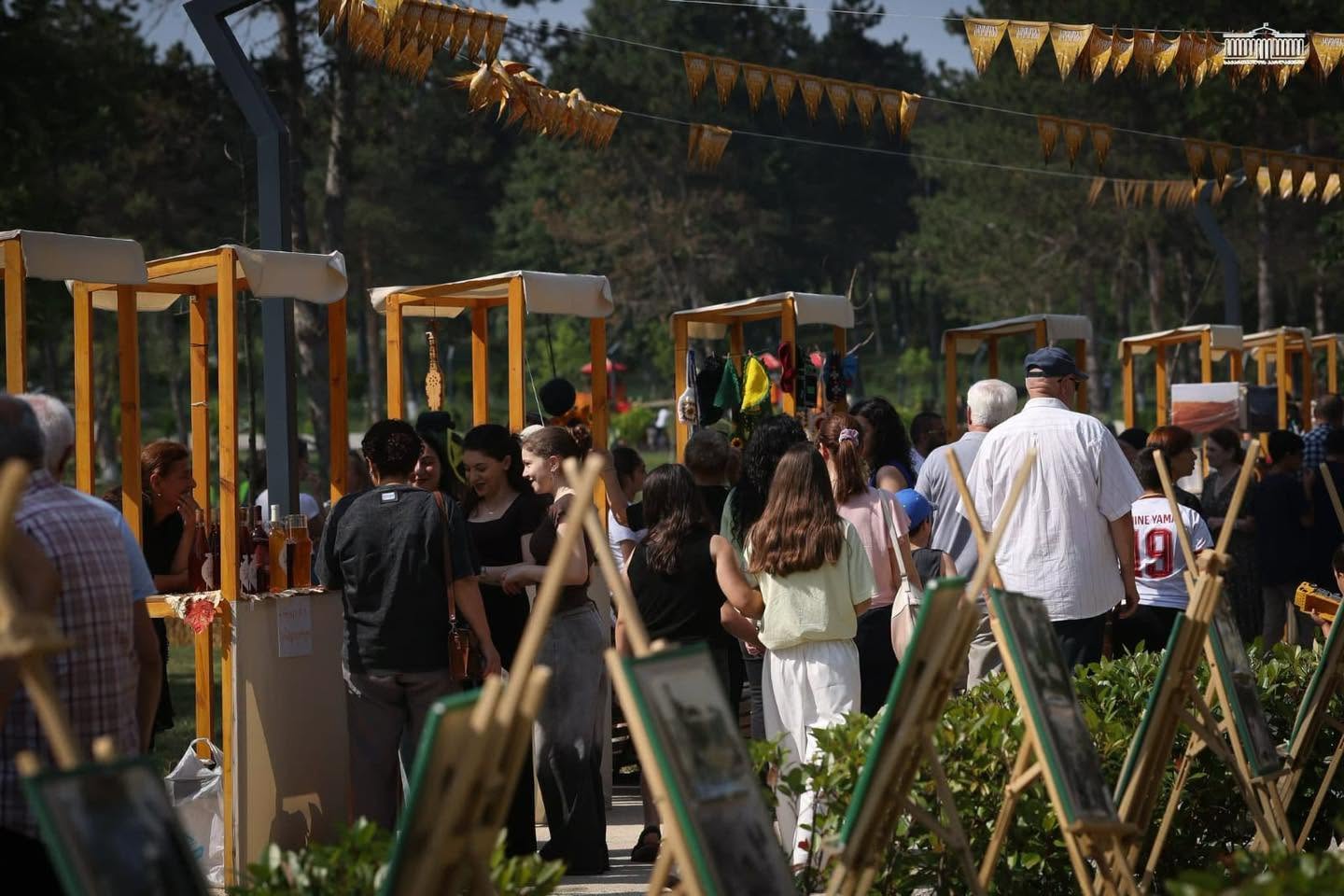
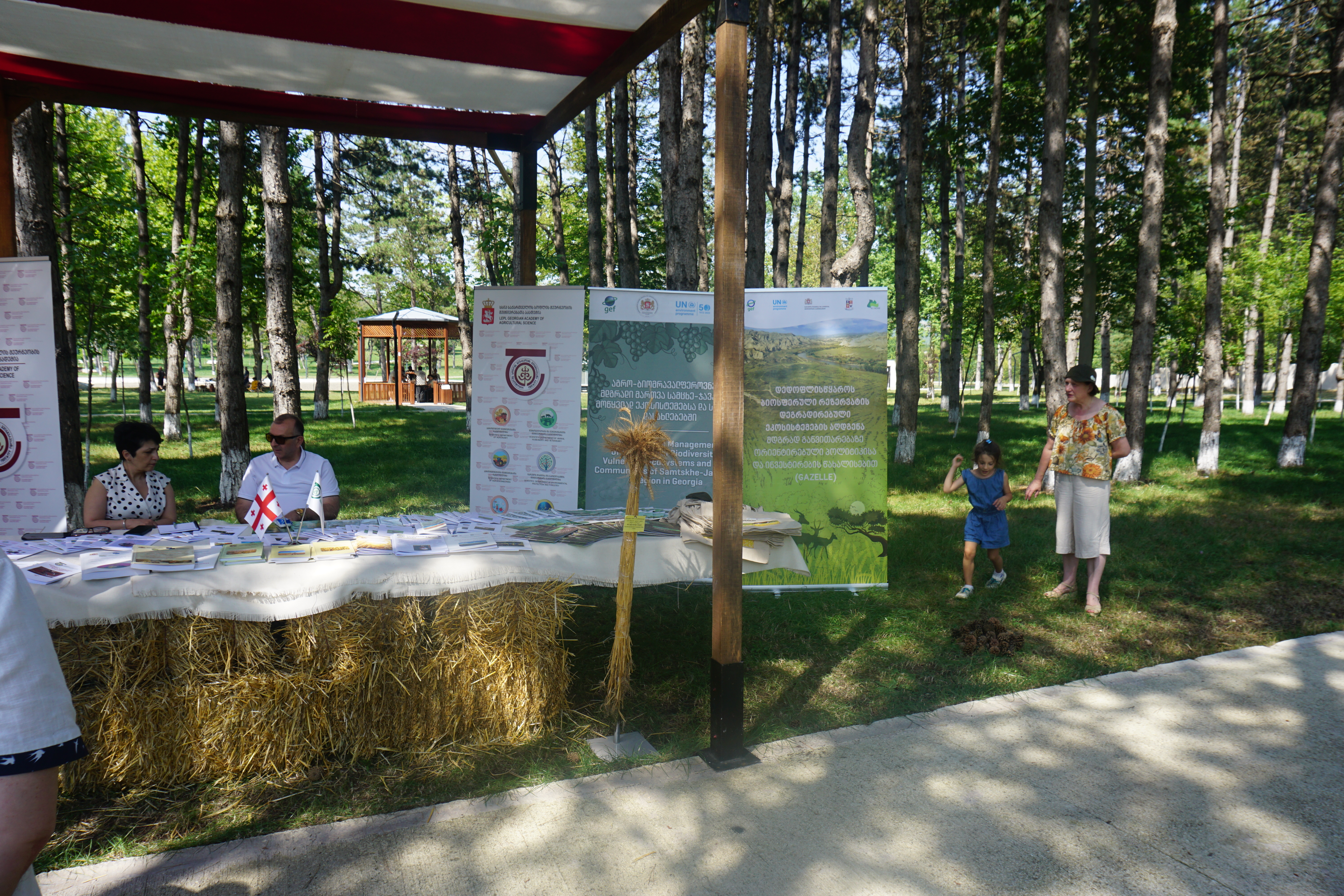
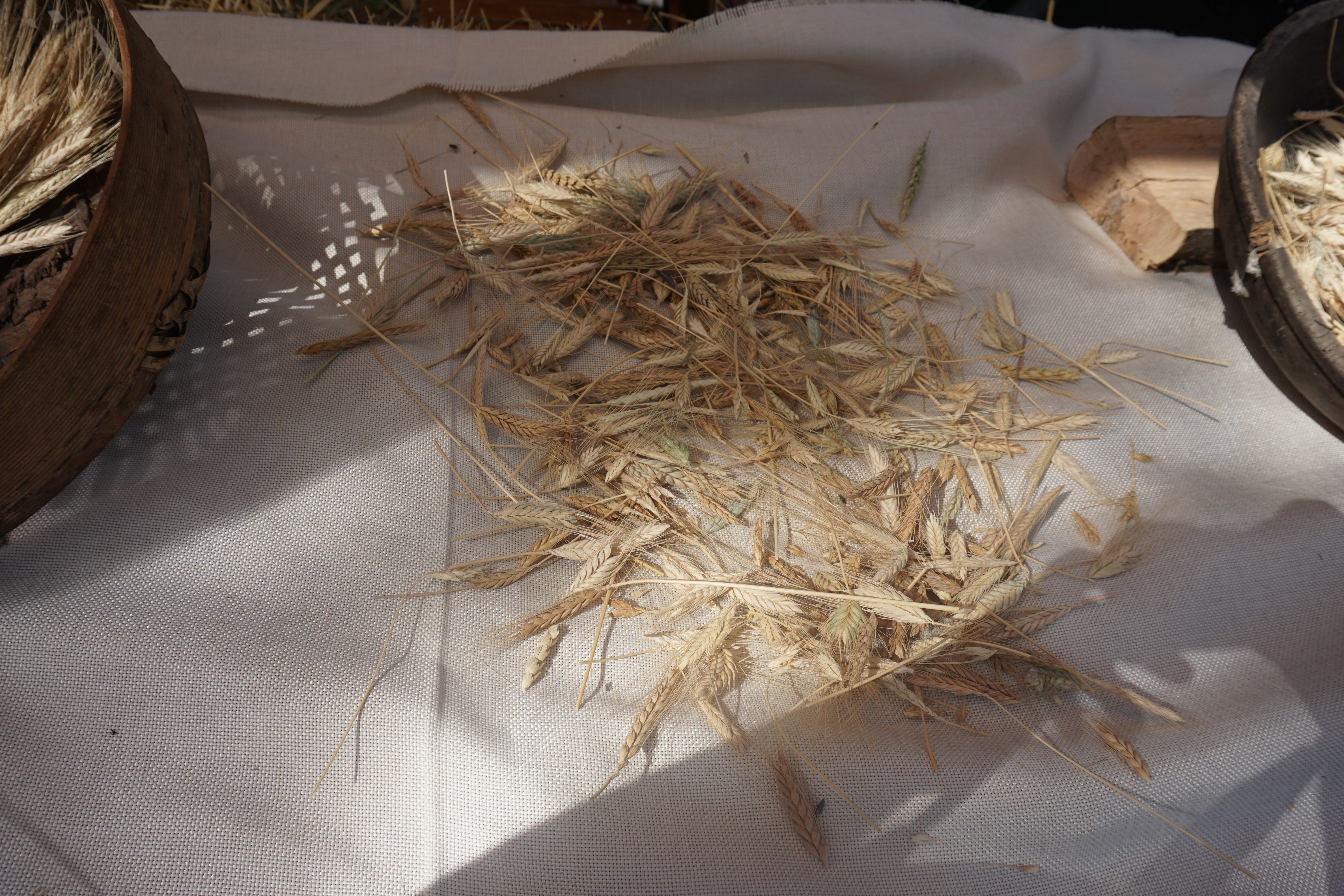
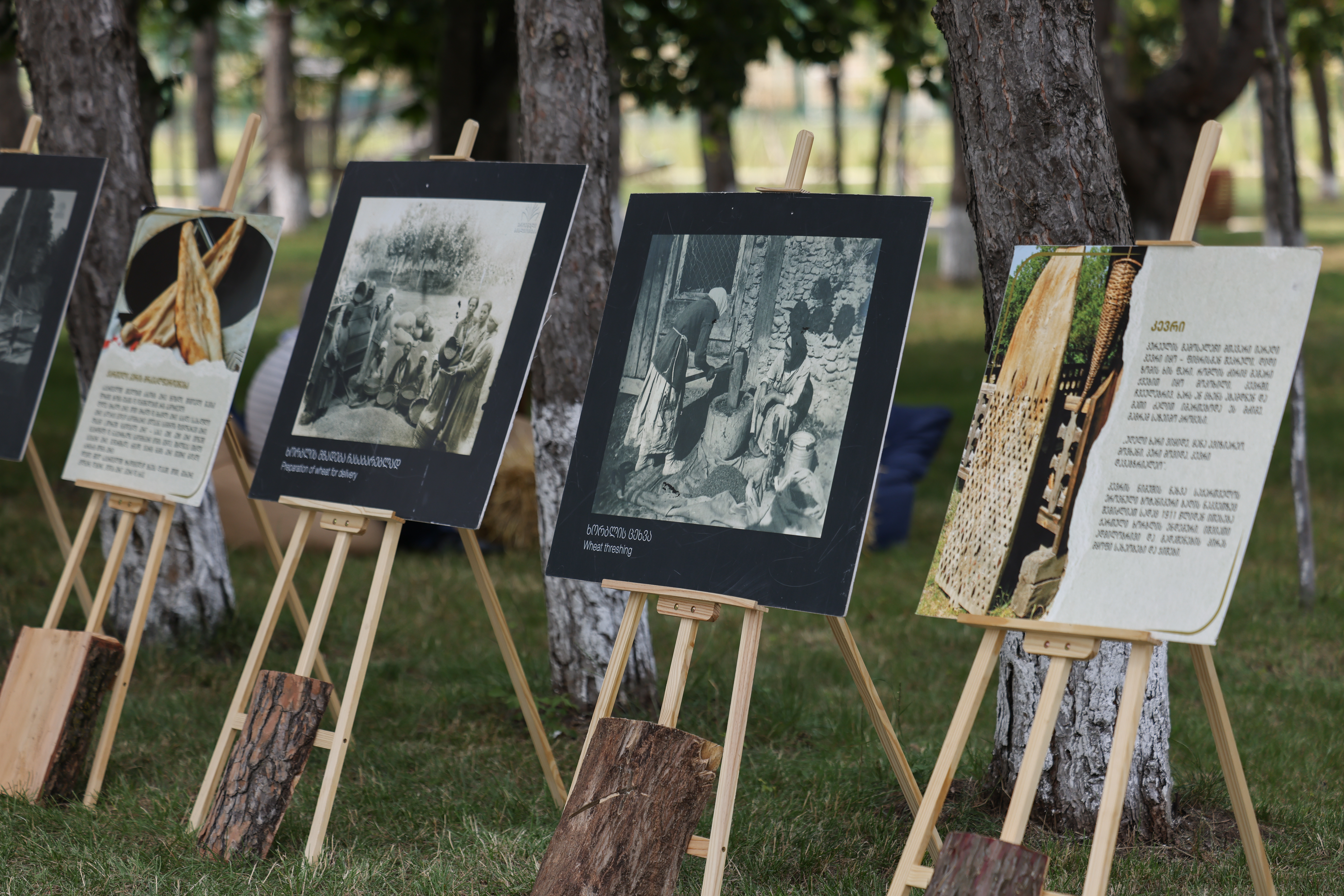
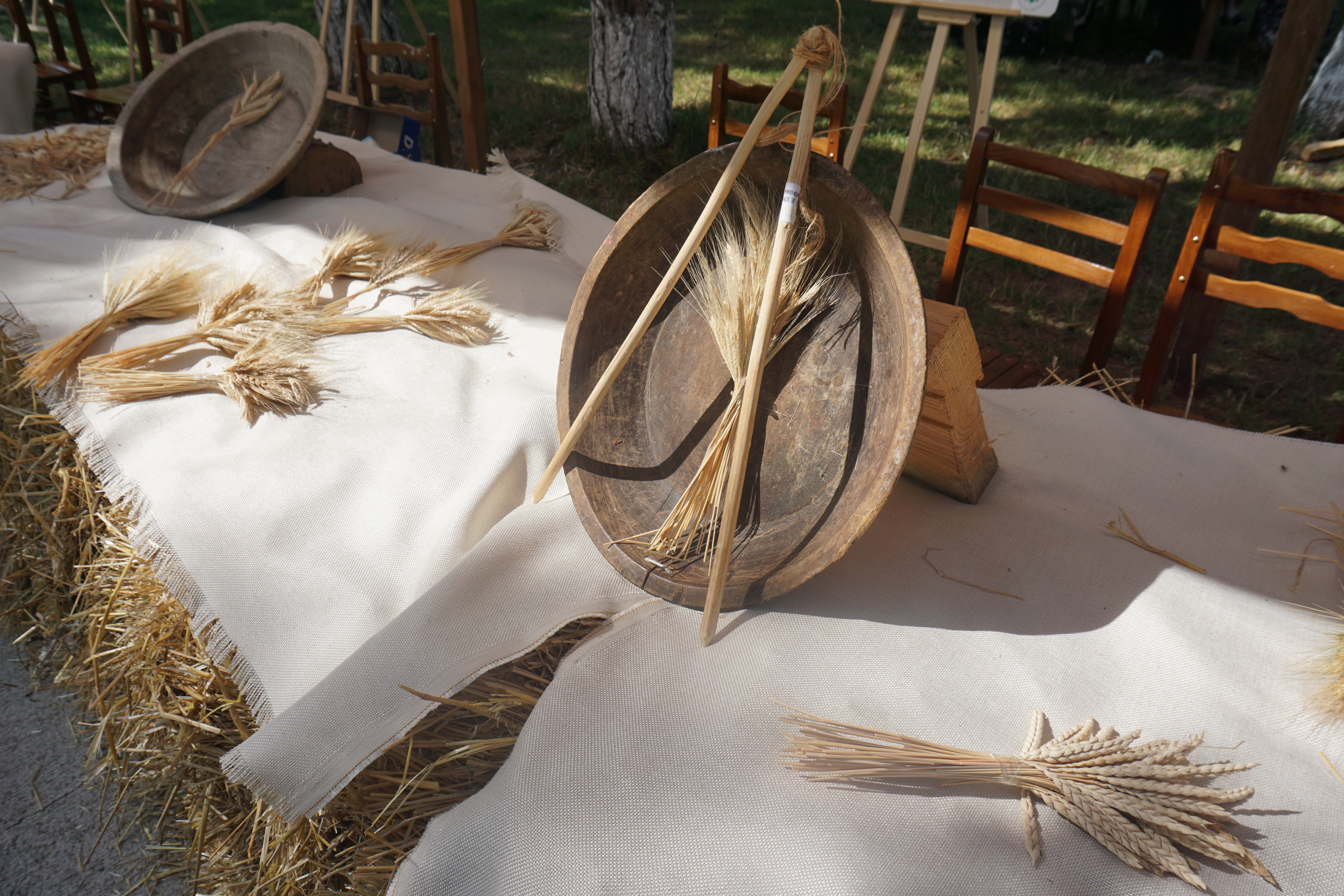
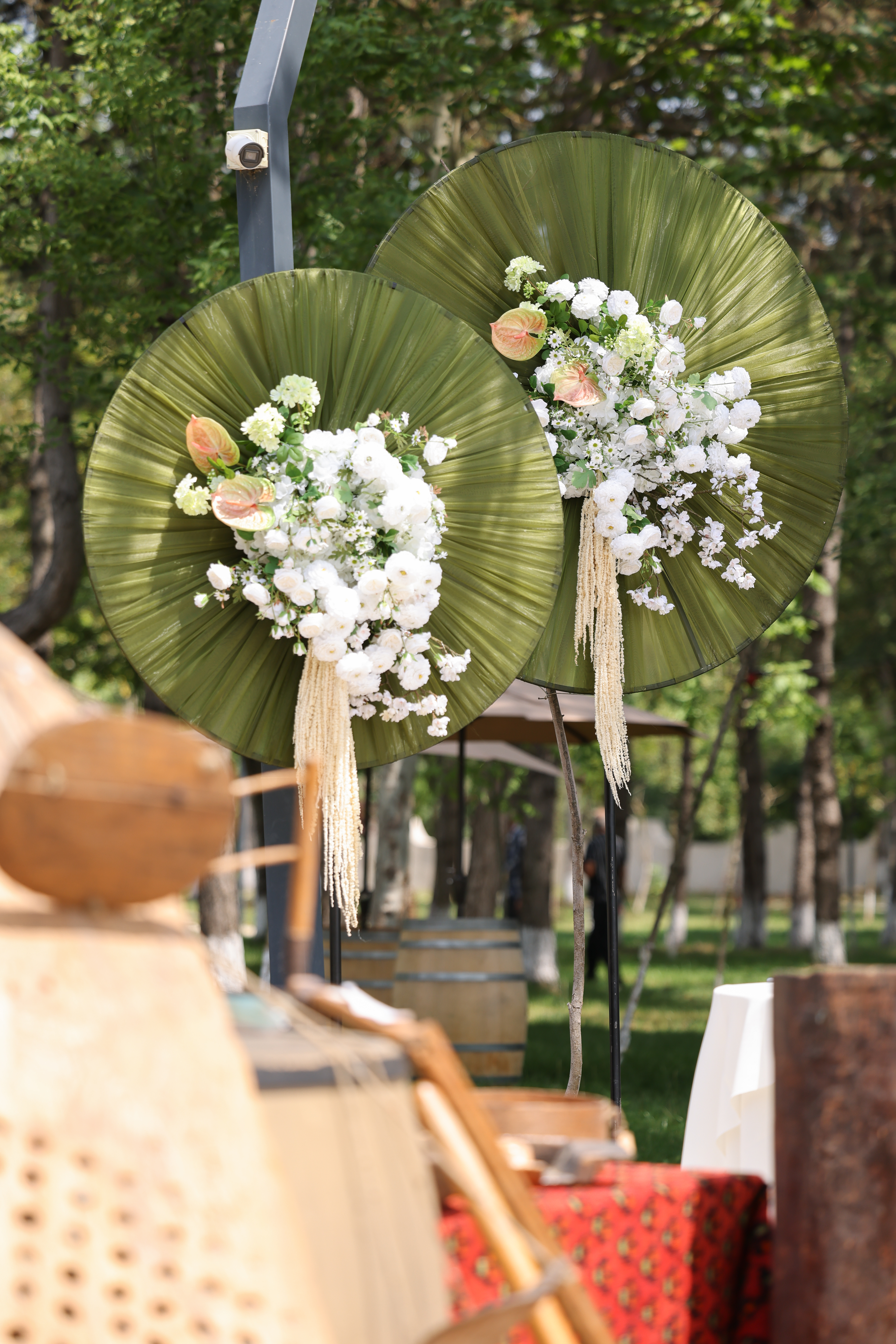
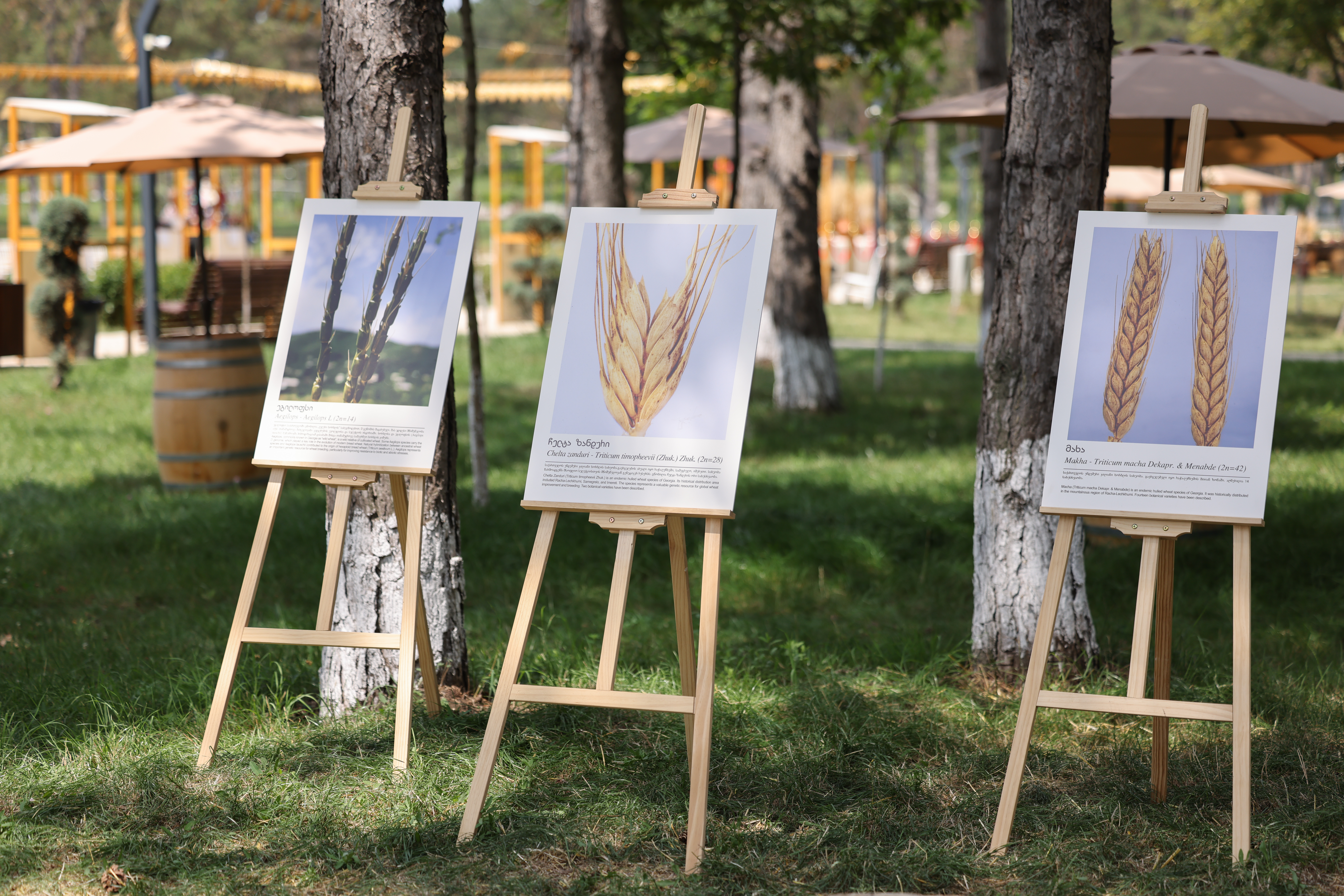
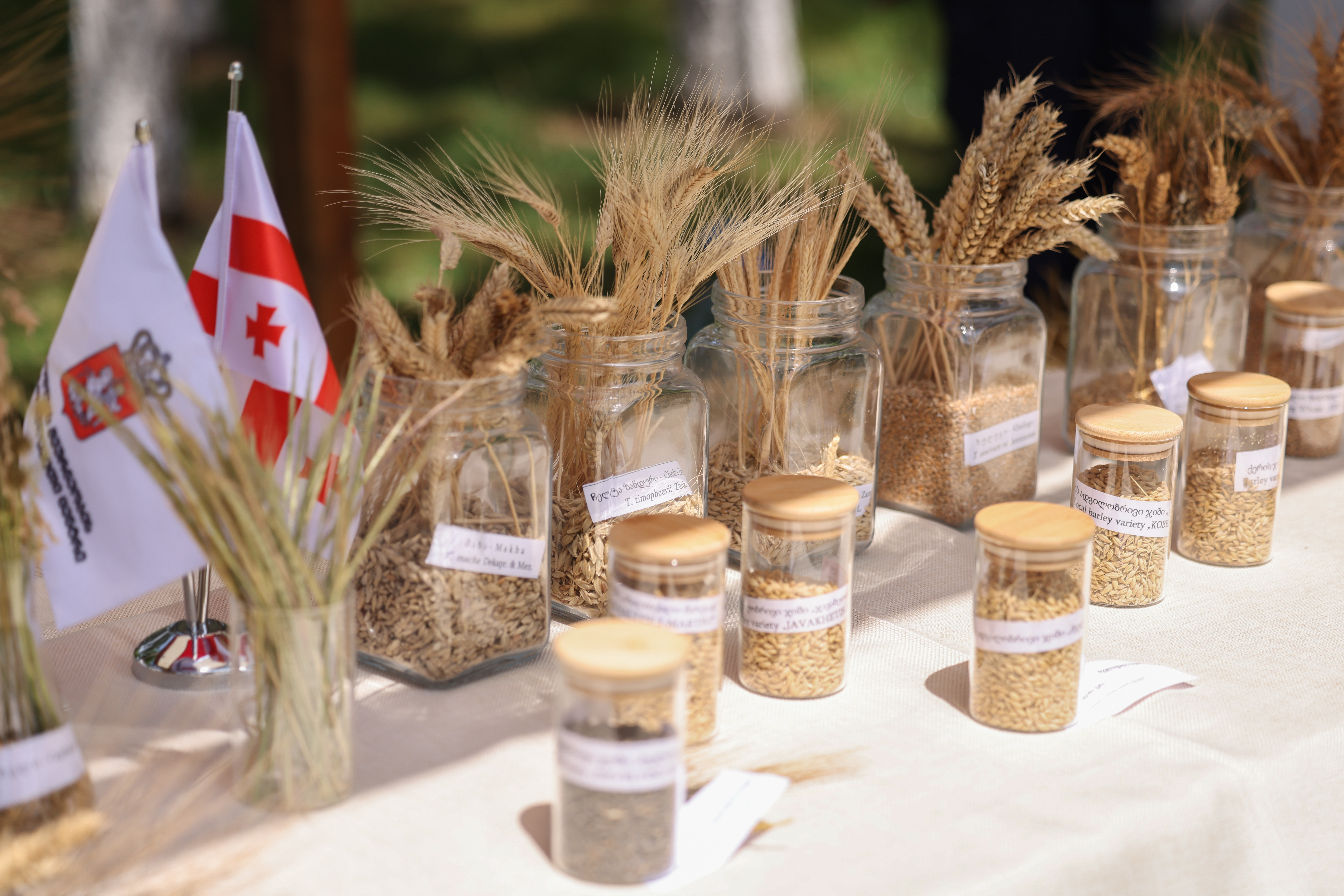
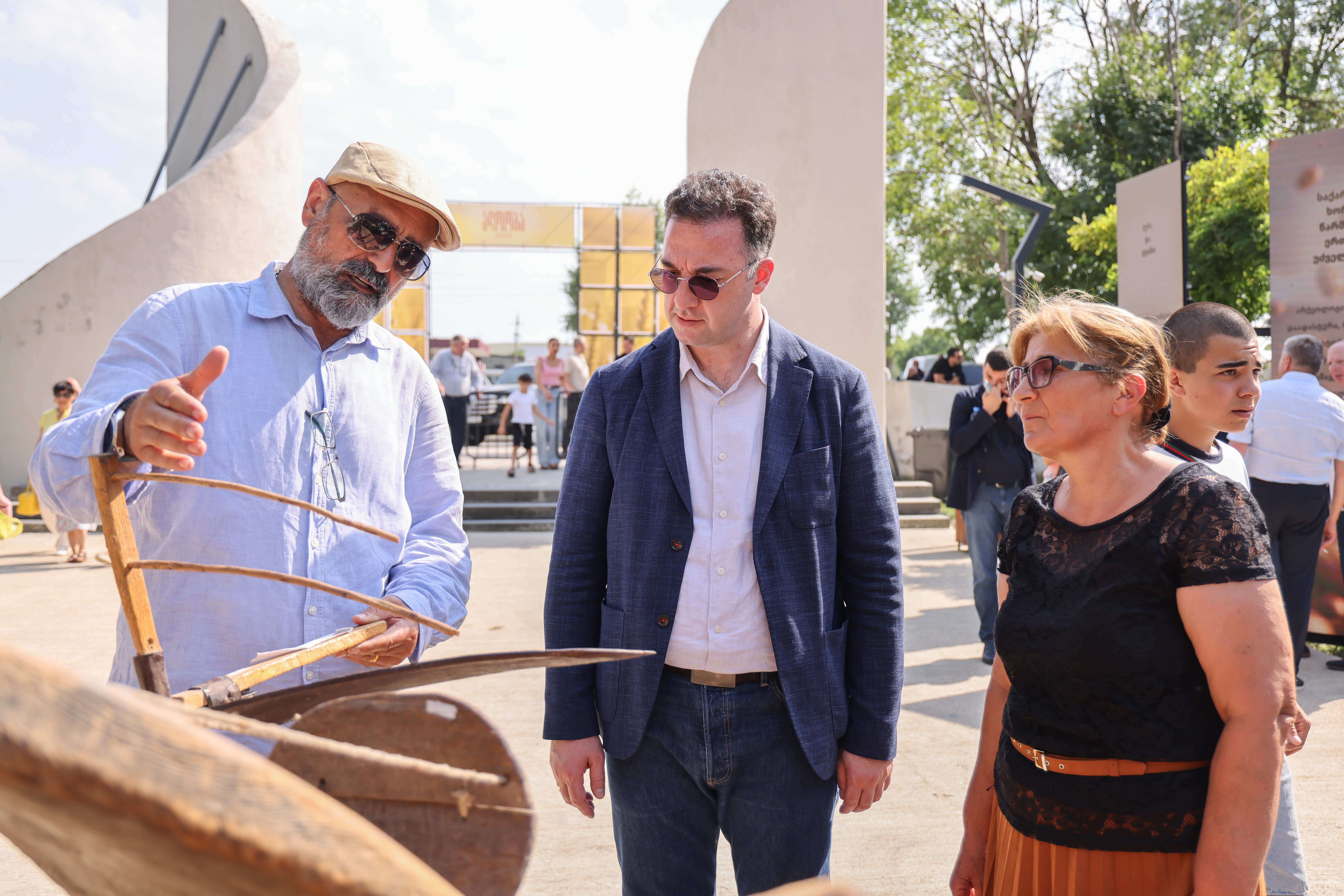
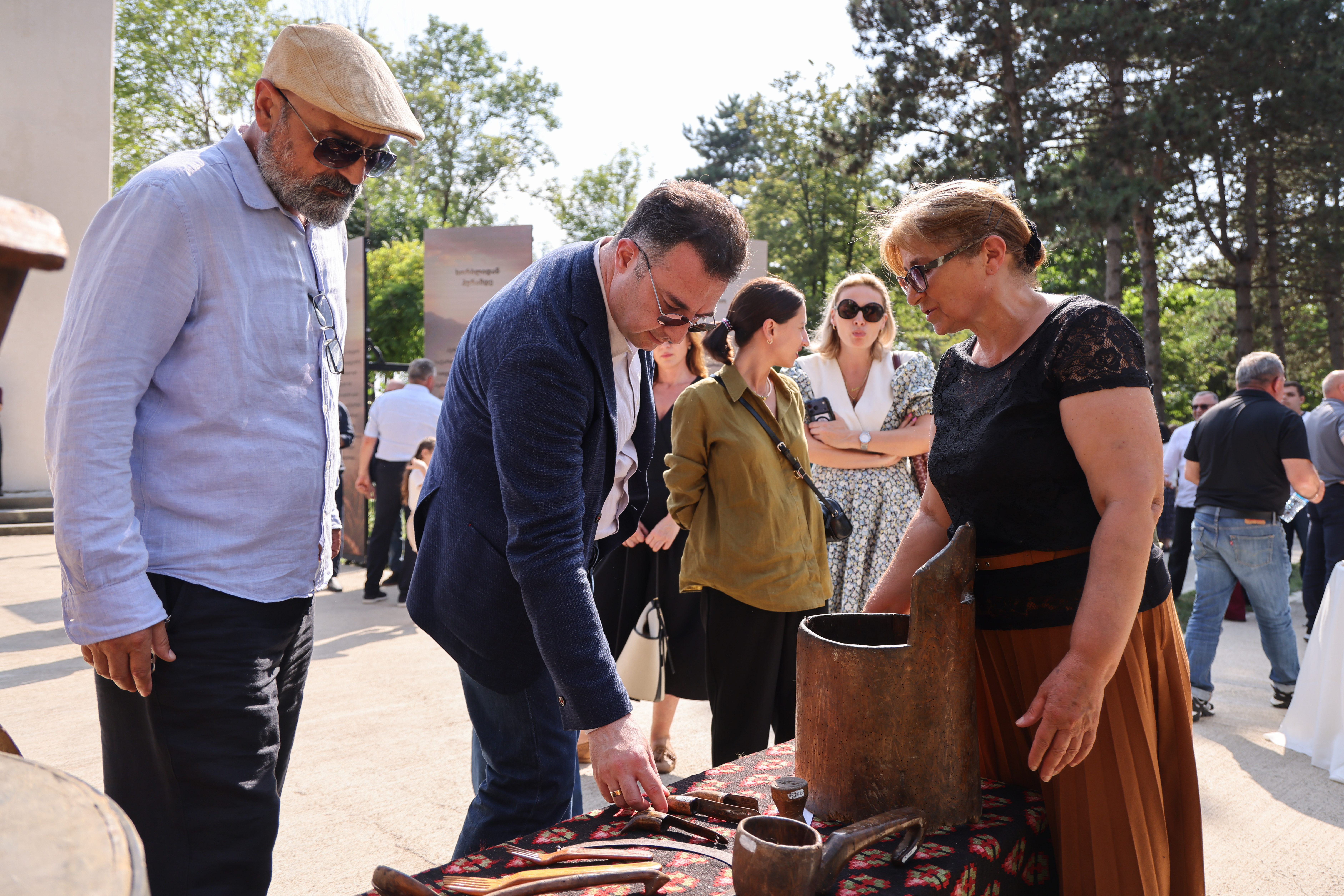
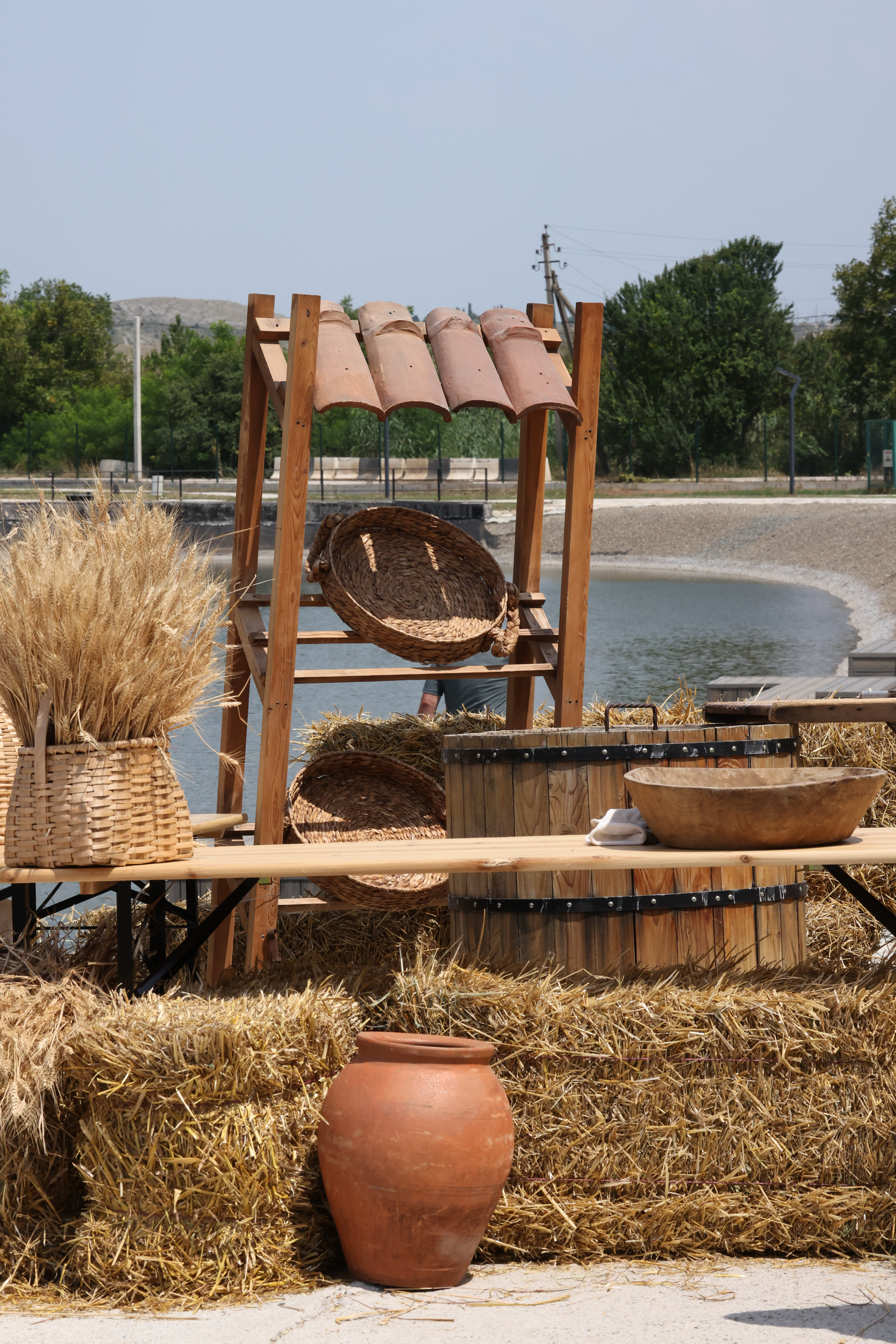

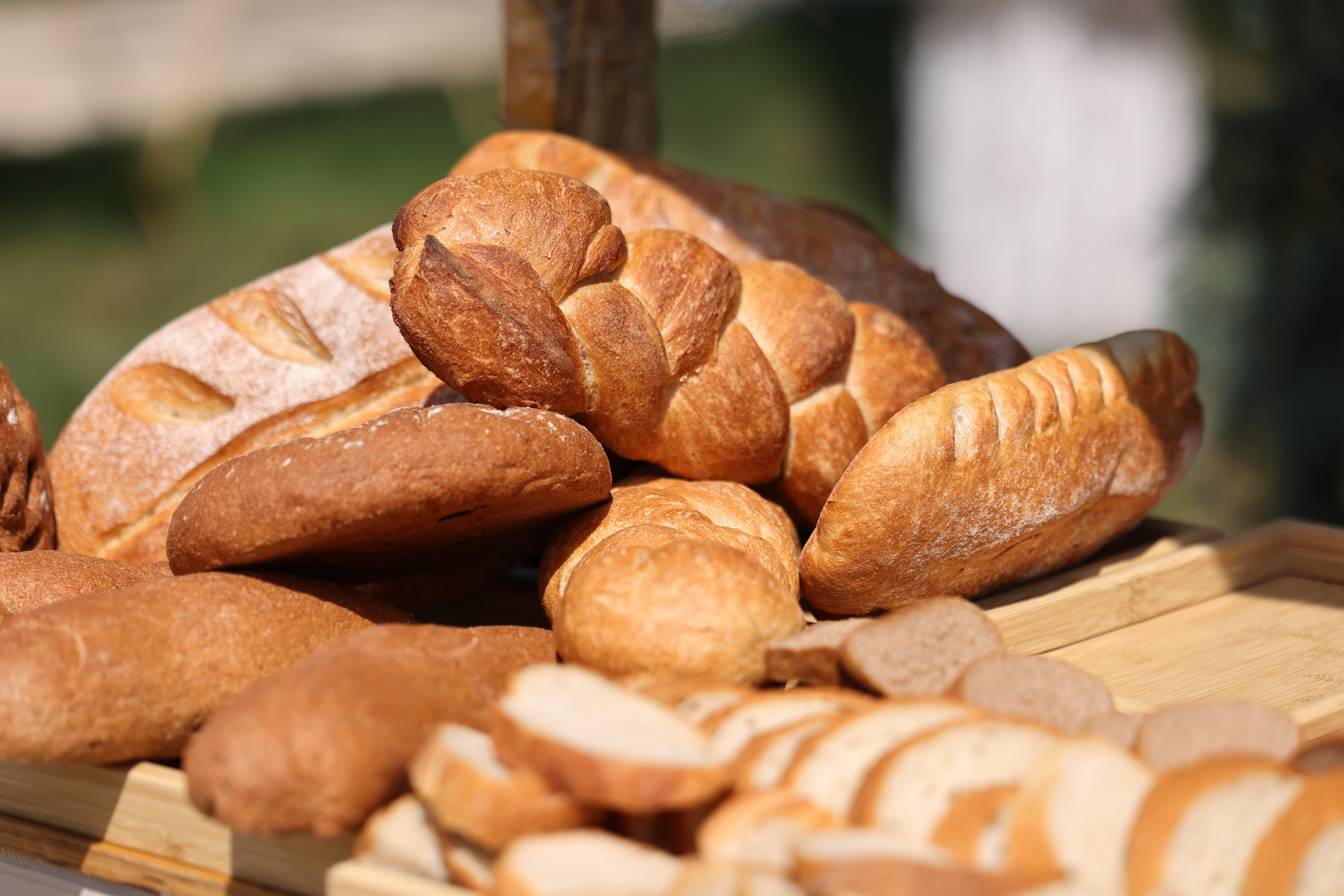
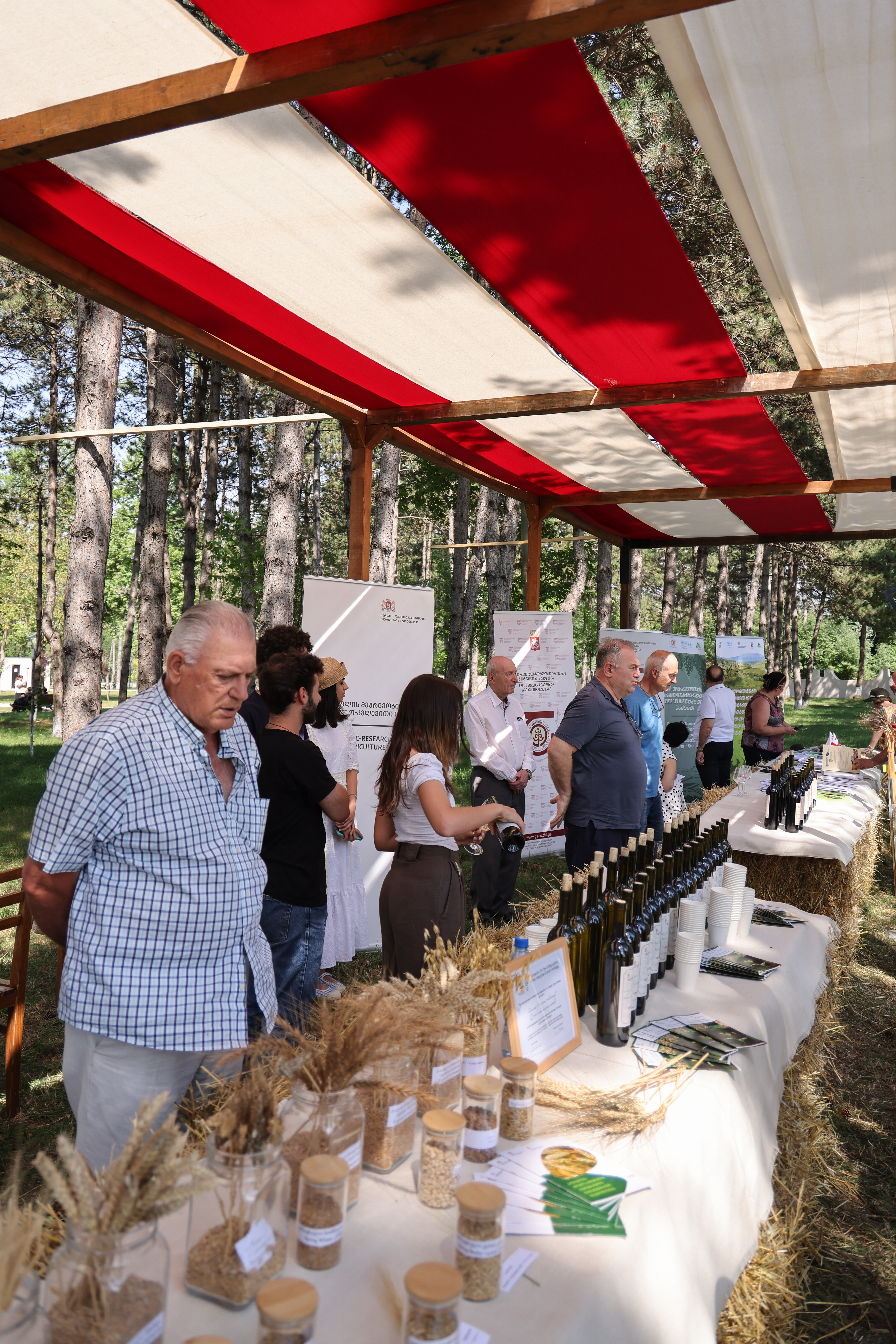
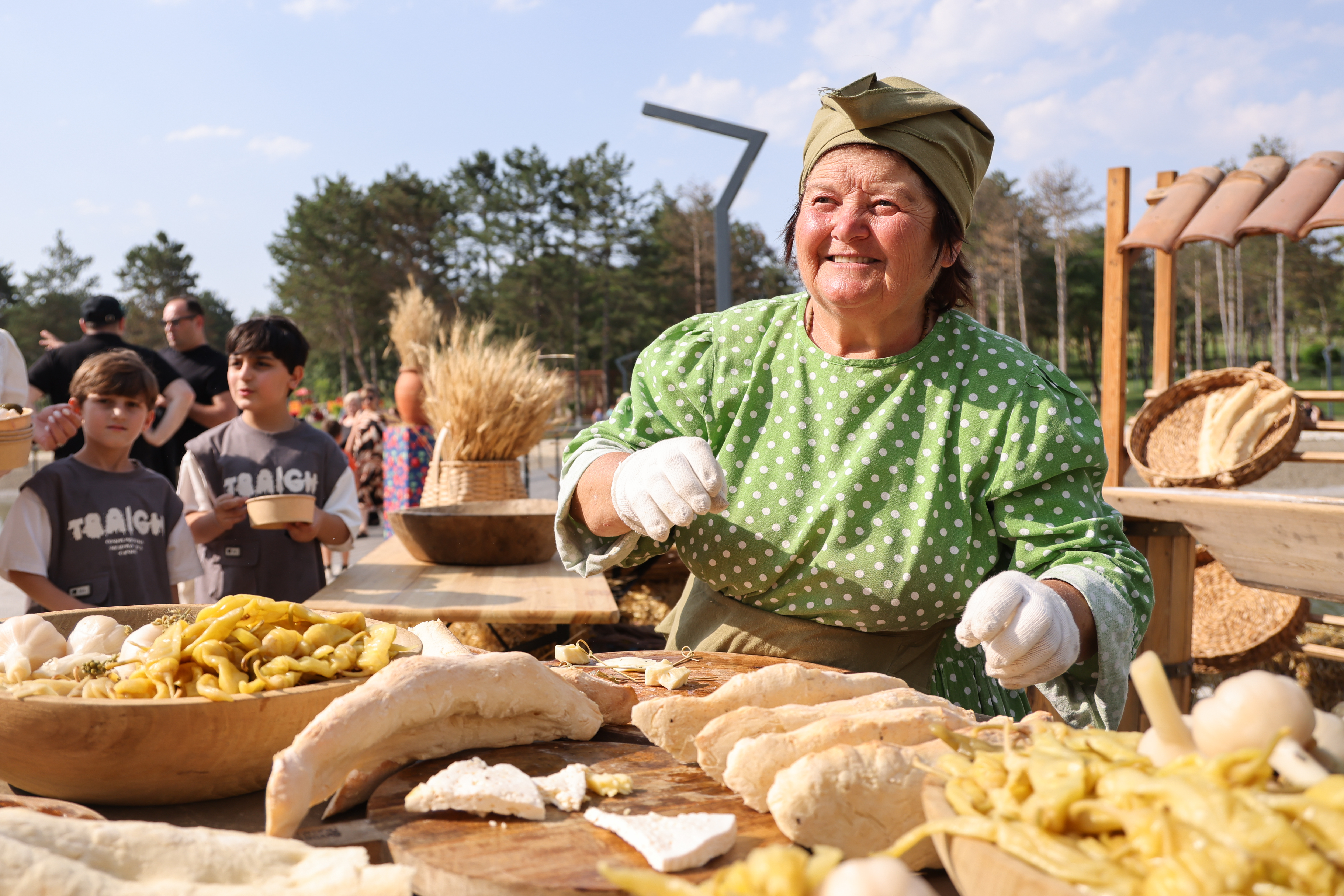
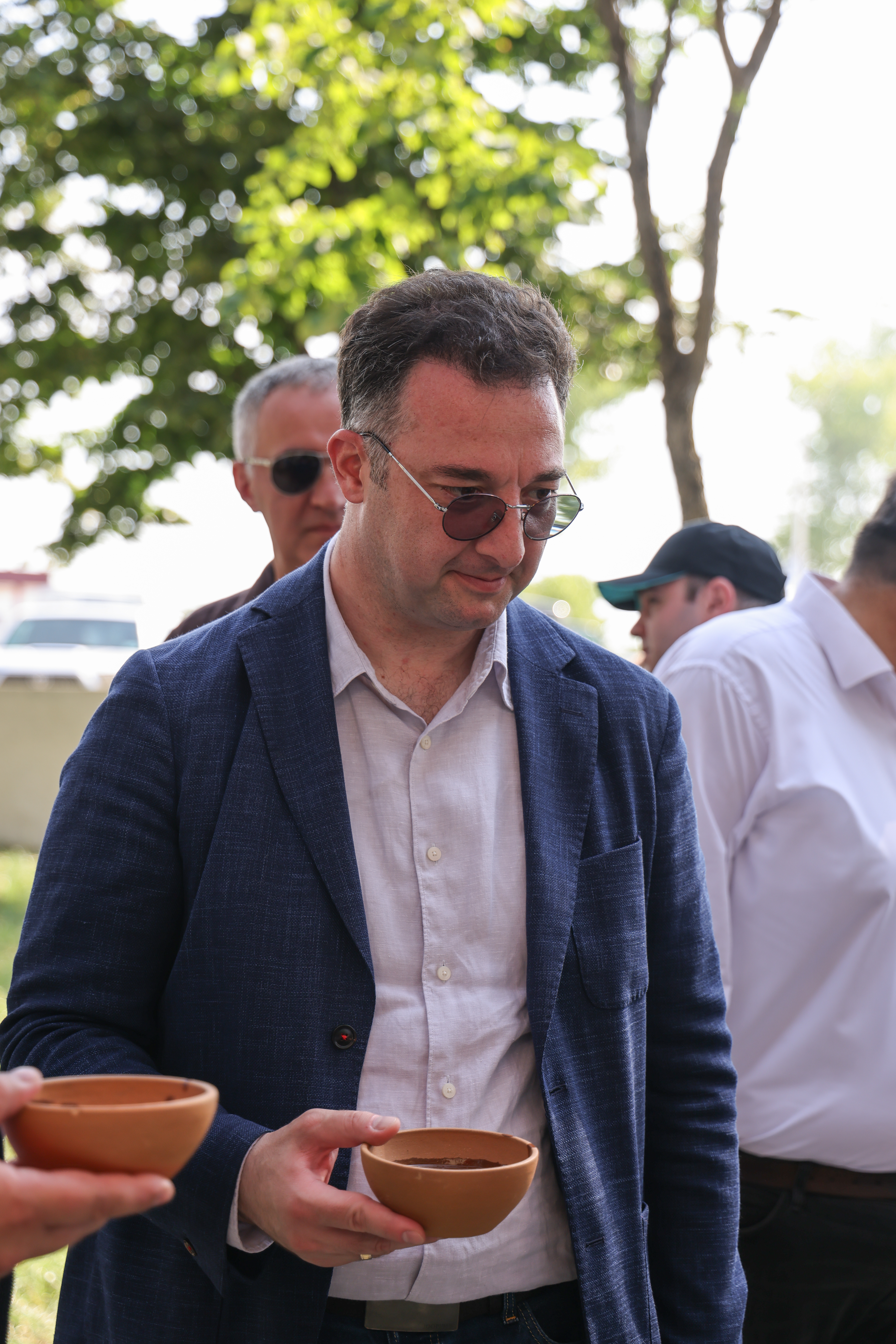
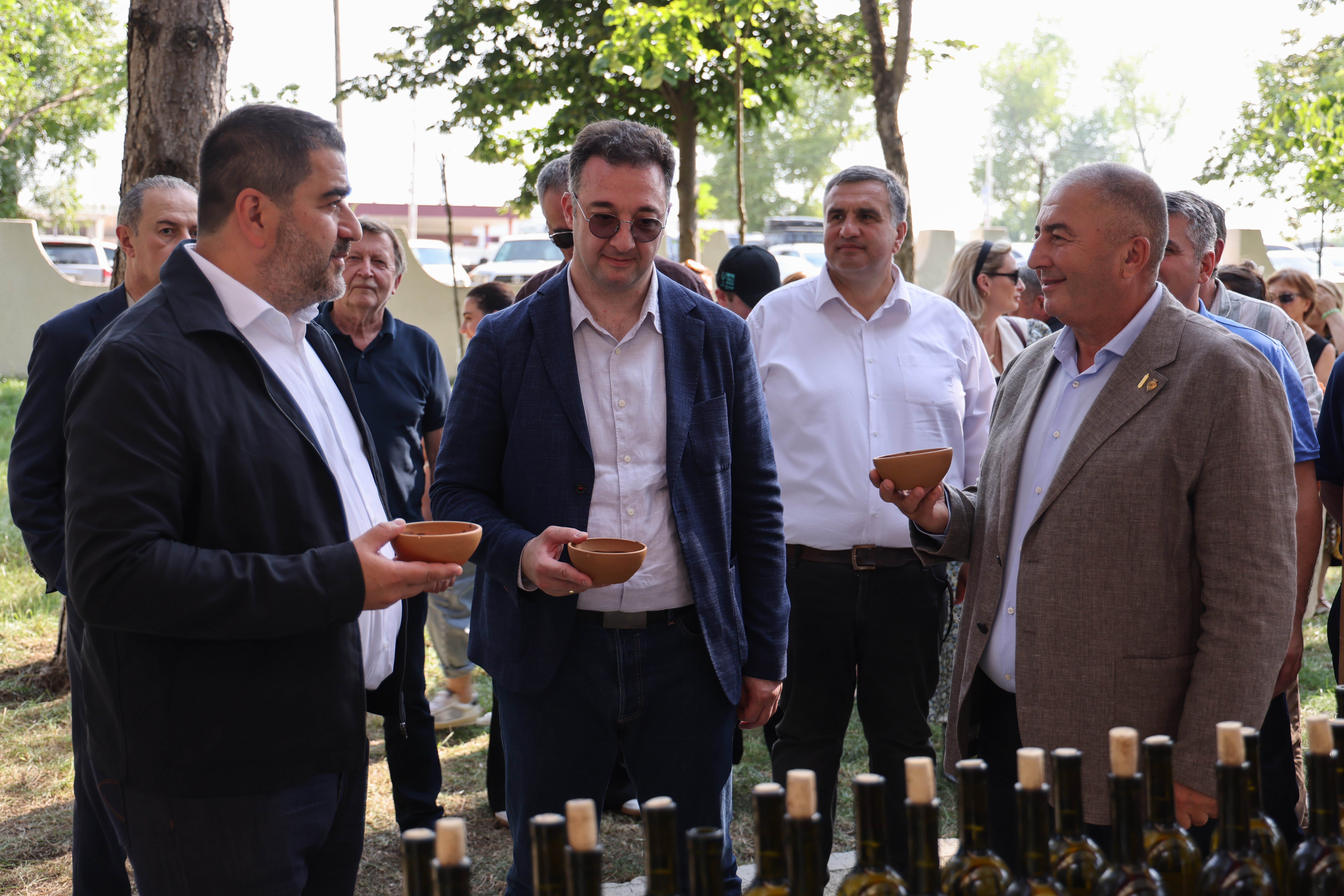
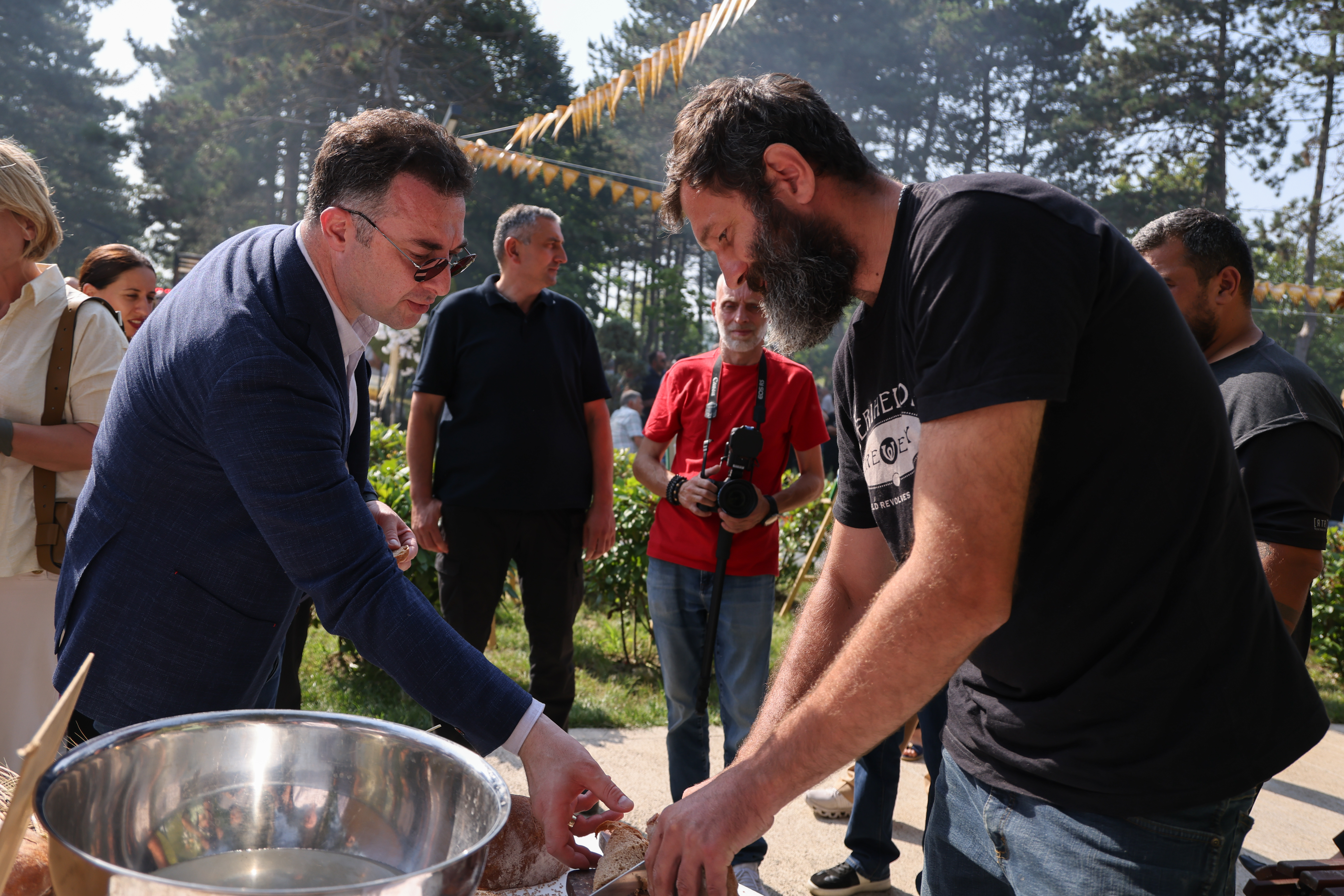
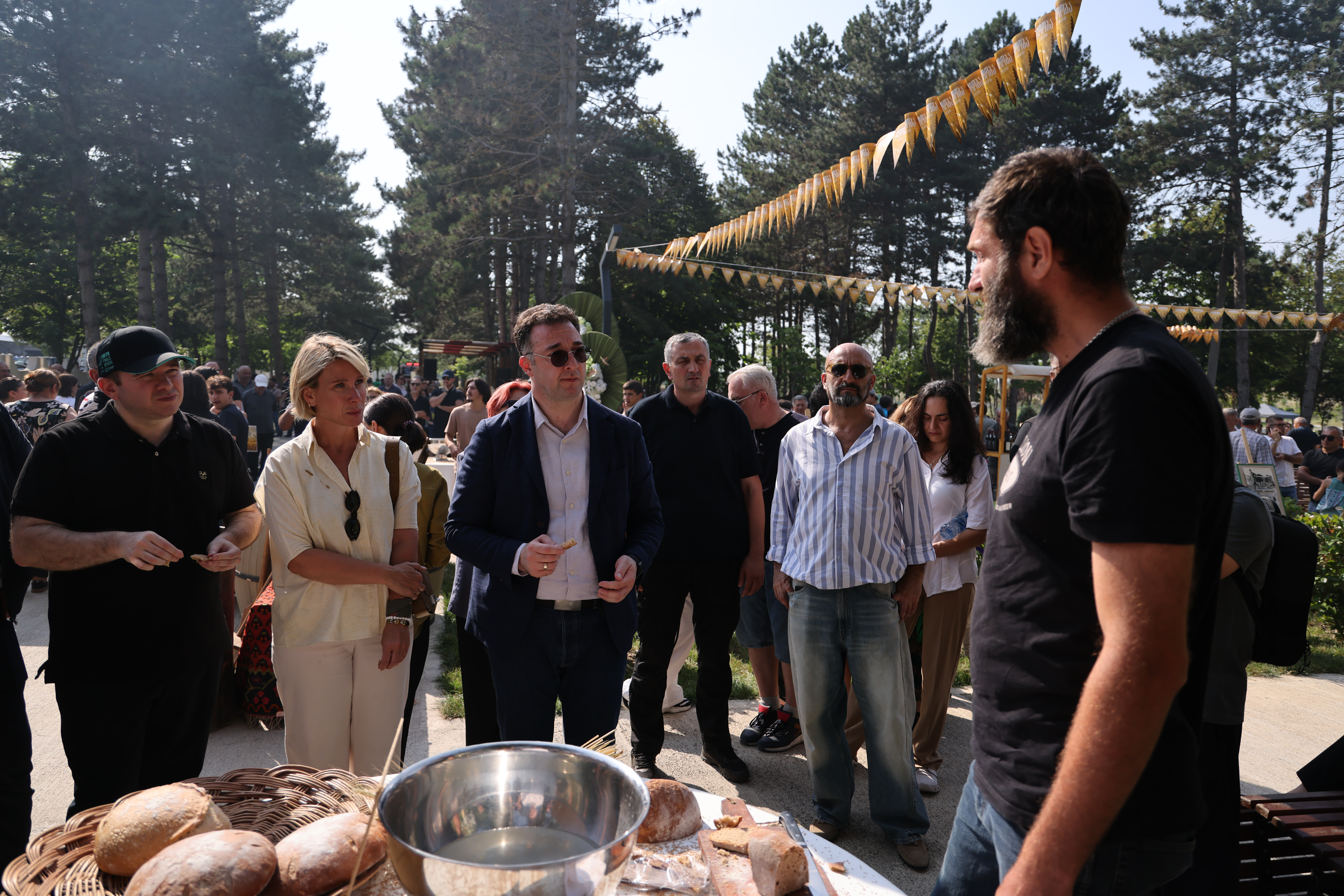
Under the theme “From Grain to Bread,” the festival showcased Georgia’s endemic wheat species and local varieties, traditional bread-making, scientific and ethnographic knowledge, and locally produced foods. Visitors had the opportunity to taste bread made from endemic Georgian wheat varieties and discover local products, gaining a direct experience of the region’s agricultural and culinary heritage. By connecting visitors with local producers and their products, Alooba also helped promote the visibility of Dedoplistskaro and the wider region, creating opportunities for rural tourism and local economic development.
But Alooba is more than a harvest celebration. It highlights why agricultural biodiversity matters for resilient food systems and rural communities.
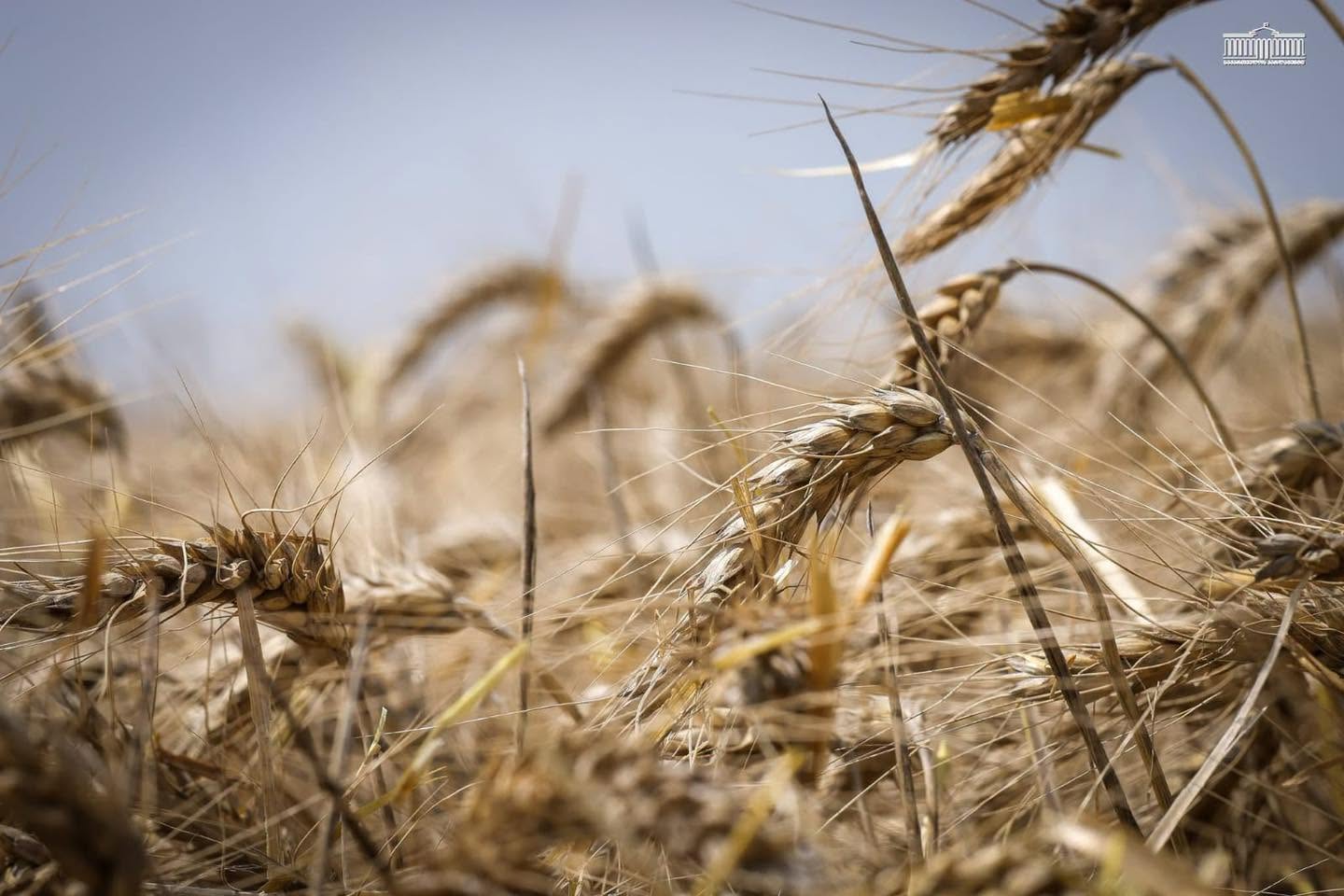
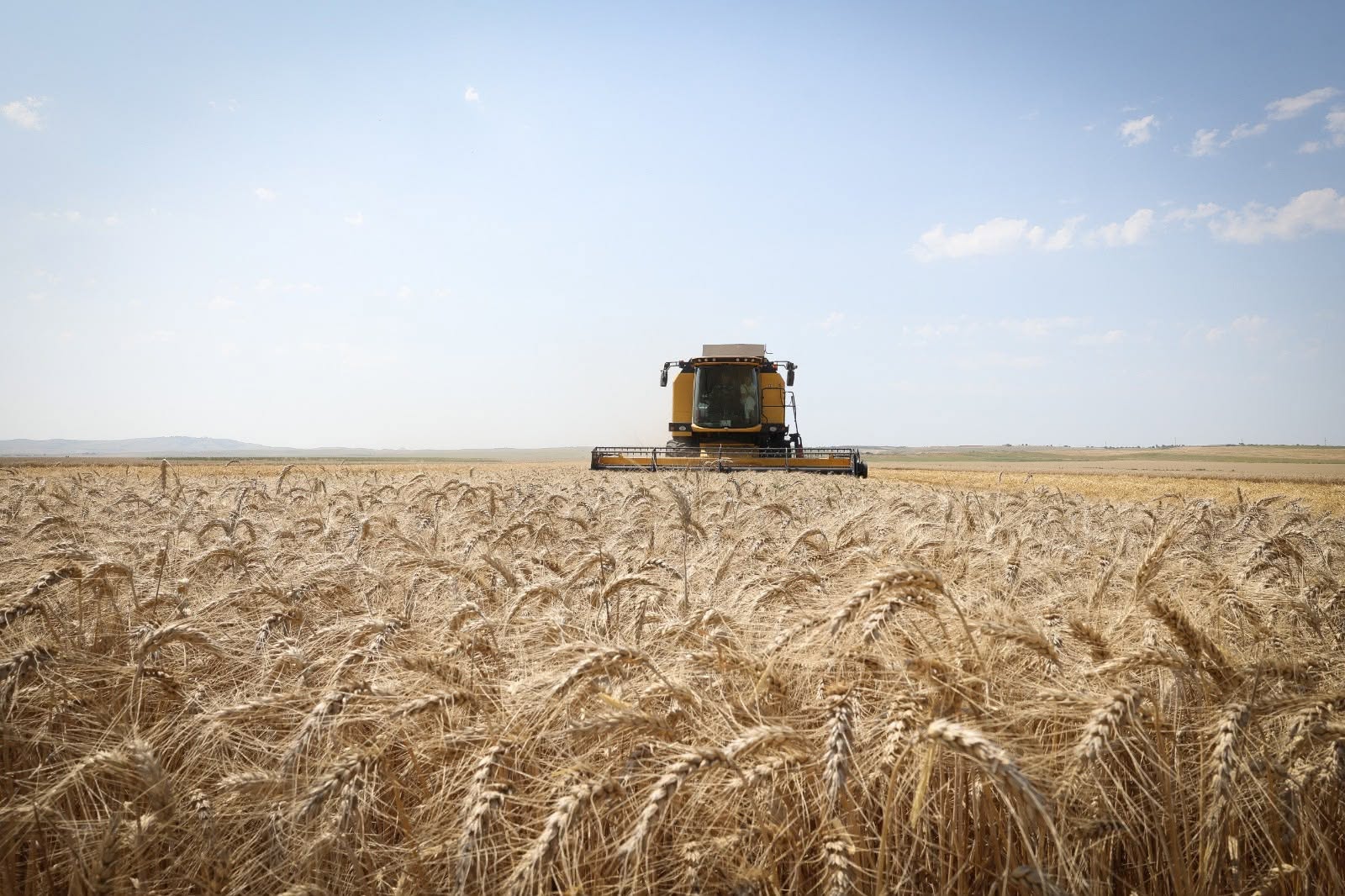
Georgia’s traditional wheat varieties are valuable genetic resources shaped and maintained by farmers over generations. Keeping them in cultivation helps preserve genetic diversity and provides options for future agriculture, particularly as farming systems face changing environmental and climatic conditions. This is why conservation and sustainable use must go hand in hand: local varieties need to remain in farmers’ fields, be multiplied and used for food production, while consumers and markets recognize their value.
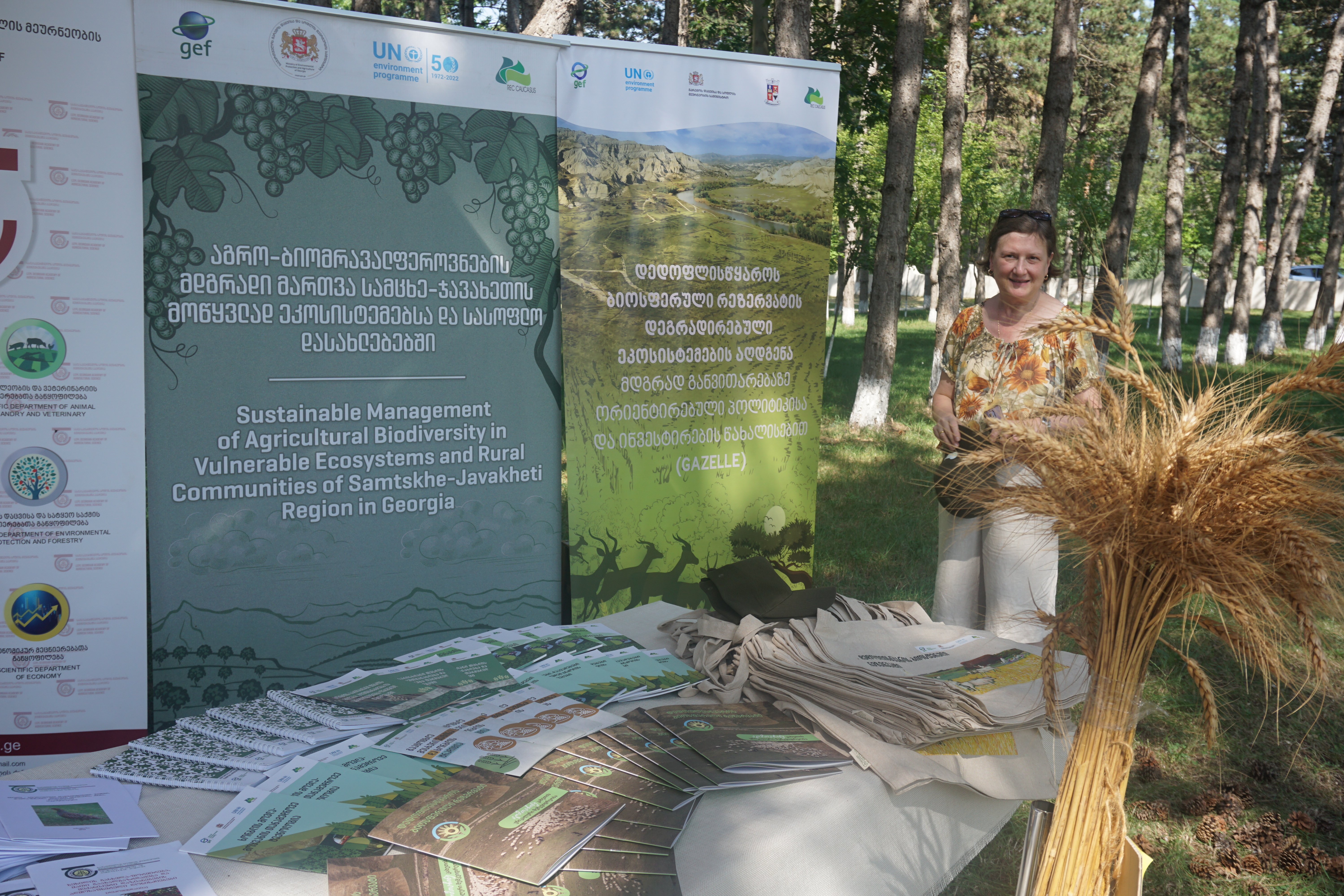
This approach is closely aligned with the work of the GEF-funded, UNEP-supported project “Sustainable Management of Agricultural Biodiversity in Vulnerable Ecosystems and Rural Communities of Samtskhe-Javakheti Region of Georgia,” implemented by REC Caucasus. Through support to farmers, local seed conservation, capacity building, value addition and agro-tourism, the project has demonstrated how agricultural biodiversity can be conserved while generating opportunities for sustainable use.
A key lesson is that long-term sustainability cannot depend on projects alone. Stronger and continued engagement by national and local government is essential to integrate agricultural biodiversity into agricultural, rural development, food security and tourism policies and programmes. Public institutions can provide the enabling environment farmers need through policy support, research, extension services, access to quality seed, market development and continued investment in agricultural heritage.
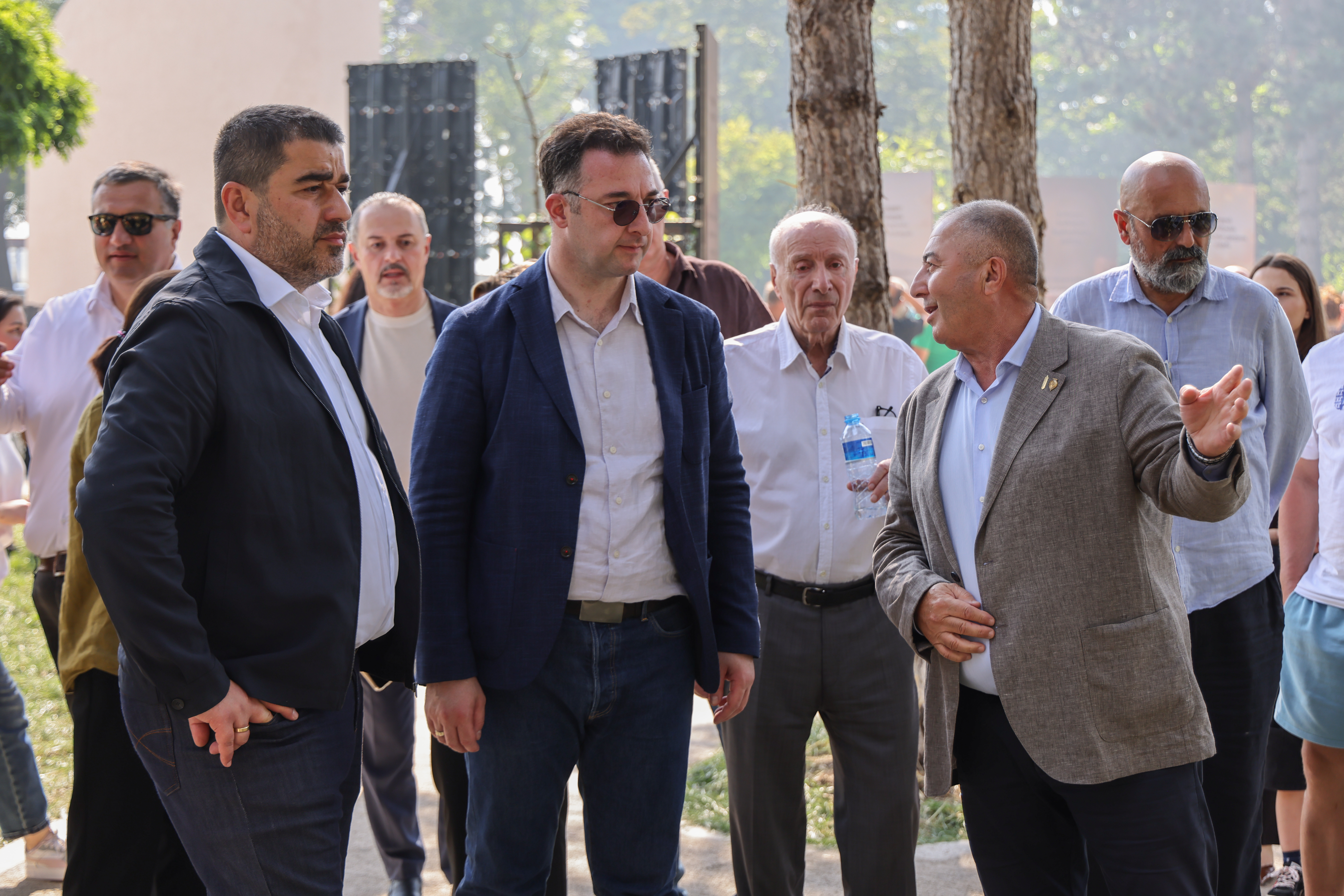
The involvement of public institutions in initiatives such as Alooba is therefore important not simply for supporting an annual event, but for institutionalizing the conservation and sustainable use of agricultural biodiversity and ensuring that progress achieved through development projects continues beyond their implementation period.
At the same time, connecting traditional wheat with local food, tourism and markets can create economic incentives for conservation. Traditional varieties can become distinctive local foods and value-added products, while agricultural heritage can enrich the visitor experience and support farmers, small businesses and rural tourism.
Alooba also keeps traditional knowledge alive by creating opportunities for it to be practiced, shared and passed to younger generations. The importance of this heritage was further recognized in 2025, when “Georgian Wheat Culture: Traditions and Rituals” was inscribed on UNESCO’s Representative List of the Intangible Cultural Heritage of Humanity.
Ultimately, the success of agricultural biodiversity conservation will depend on what happens beyond the festival: whether local varieties continue to be cultivated, farmers can benefit from their production, consumers value their products, and public institutions remain committed to their conservation and sustainable use.
Alooba 2026 demonstrates that agricultural biodiversity is not only a heritage to celebrate, but a resource that can contribute to food security, resilient agriculture, rural tourism and sustainable local economies.
The harvest may take place once a year, but conserving the diversity behind it is a long-term responsibility.