Where Every Grain Tells A Story: Celebrating Wheat Heritage and Agrobiodiversity in Village Ghreli
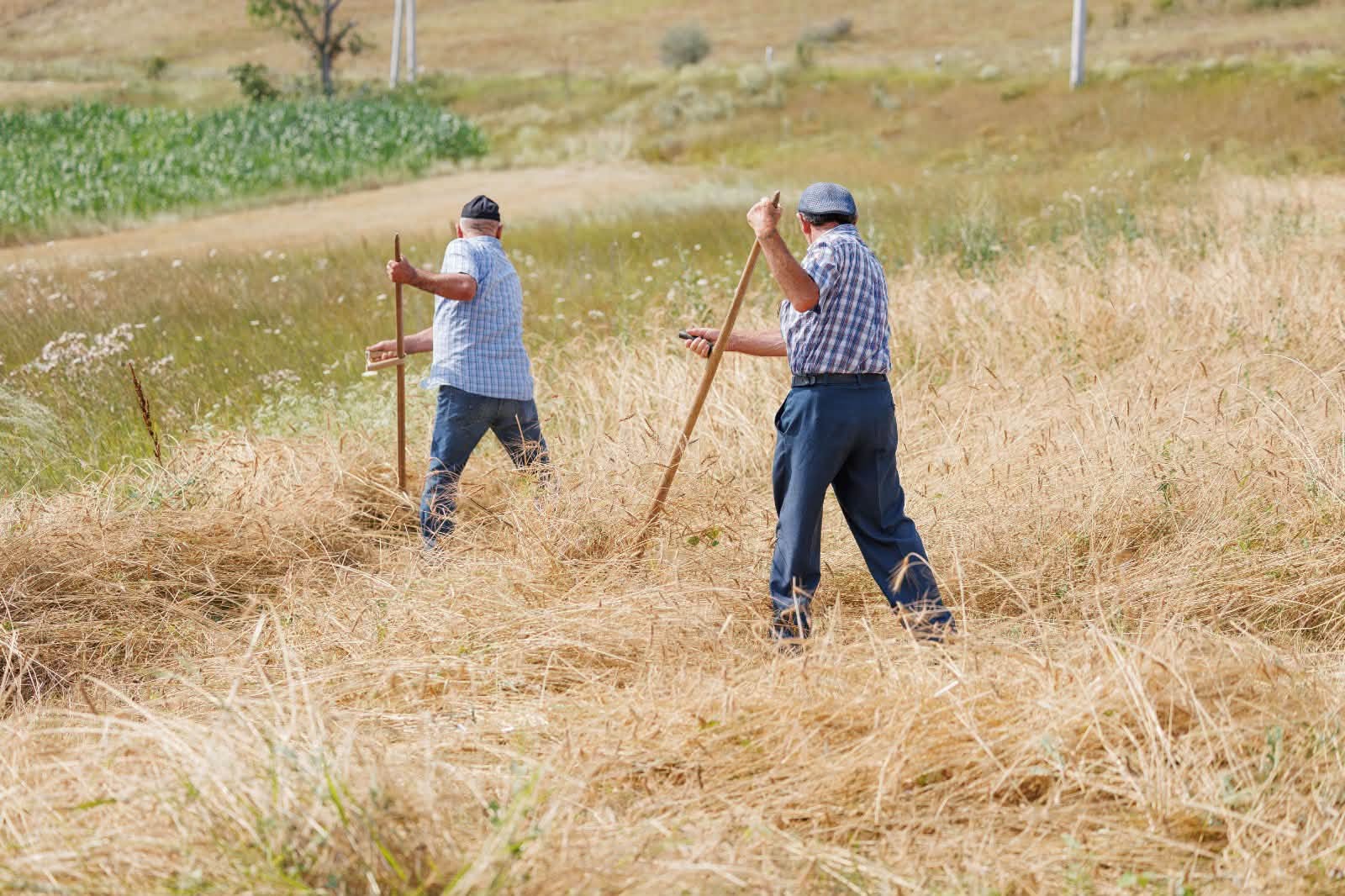
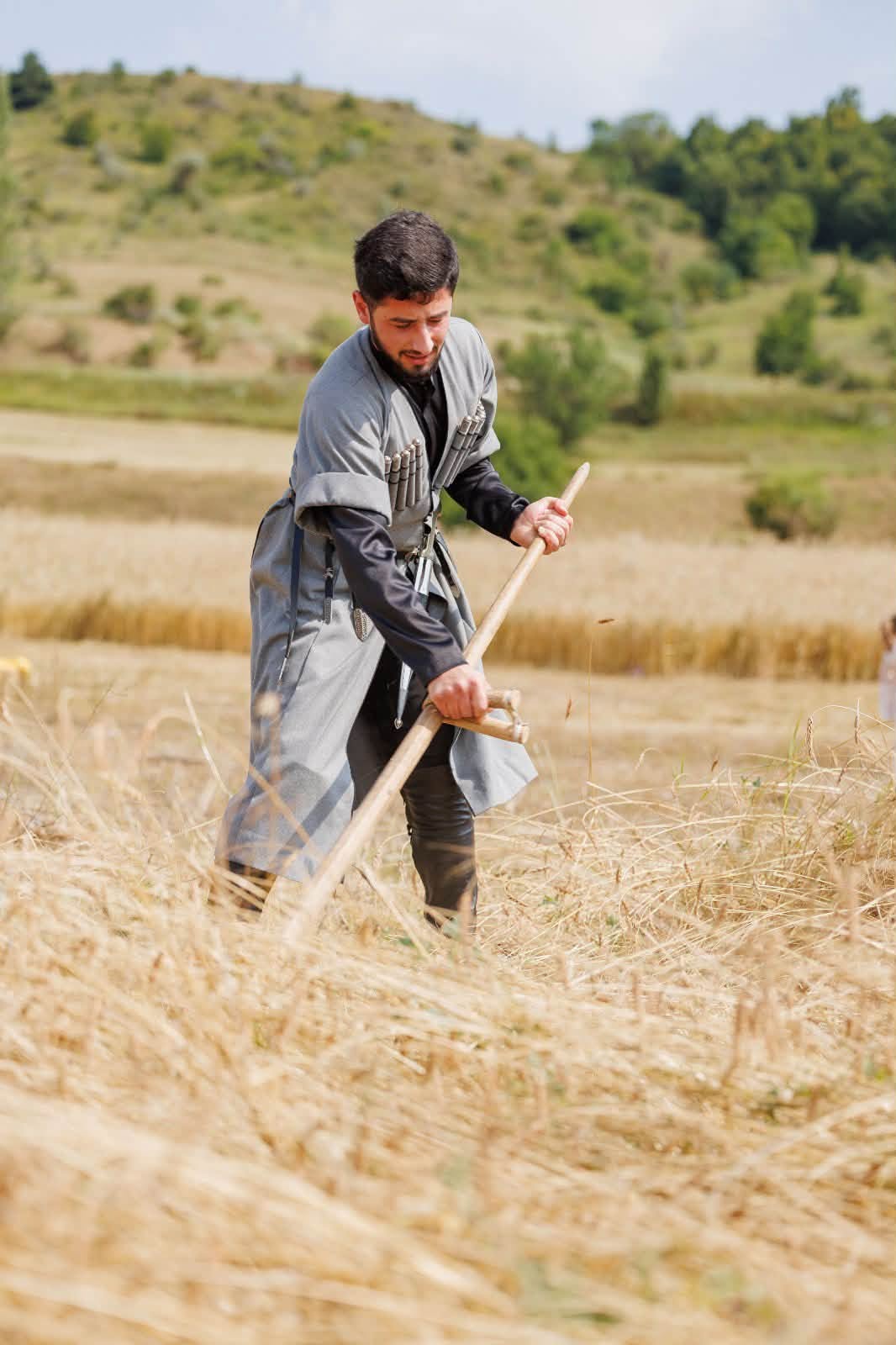
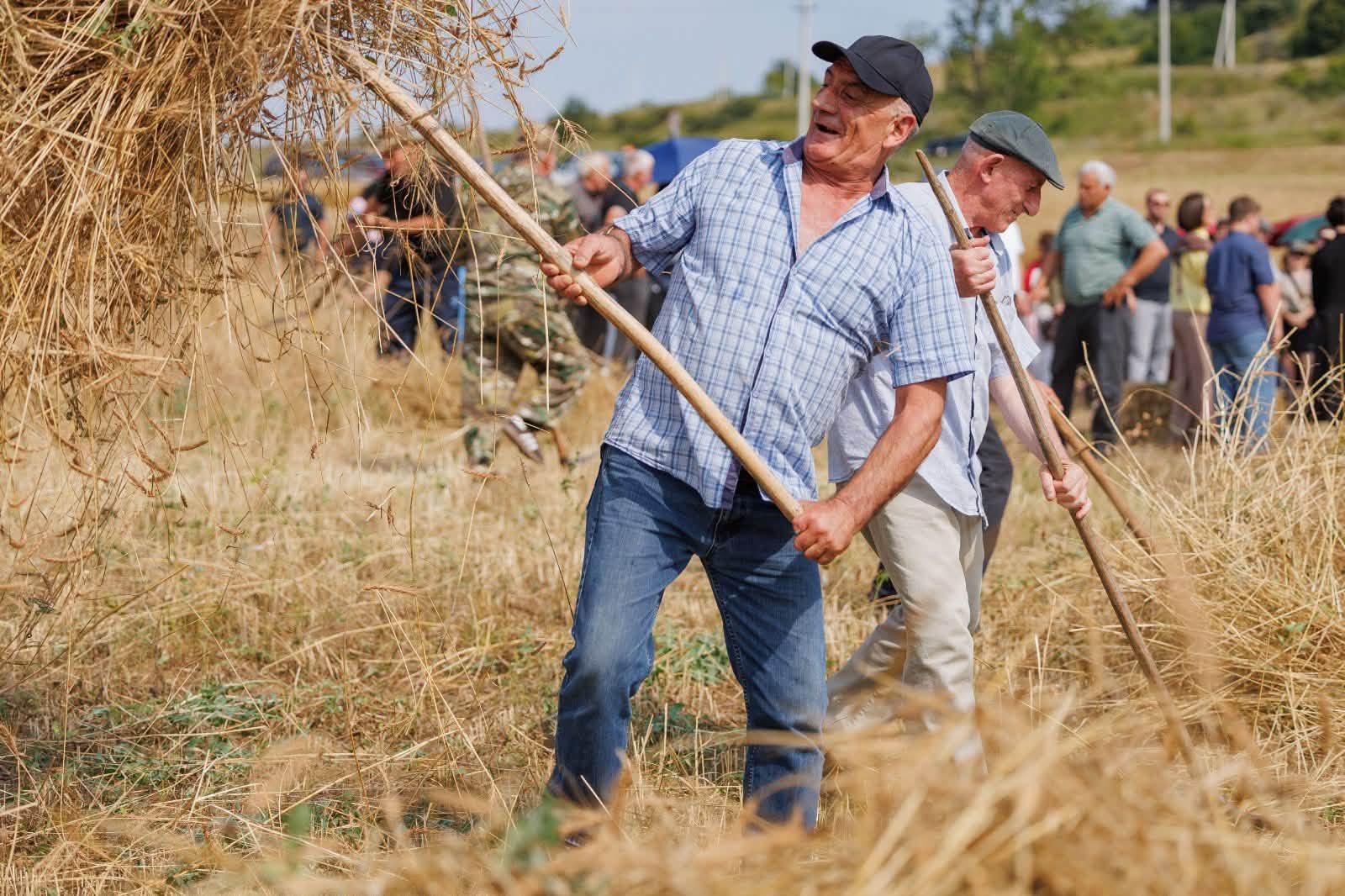
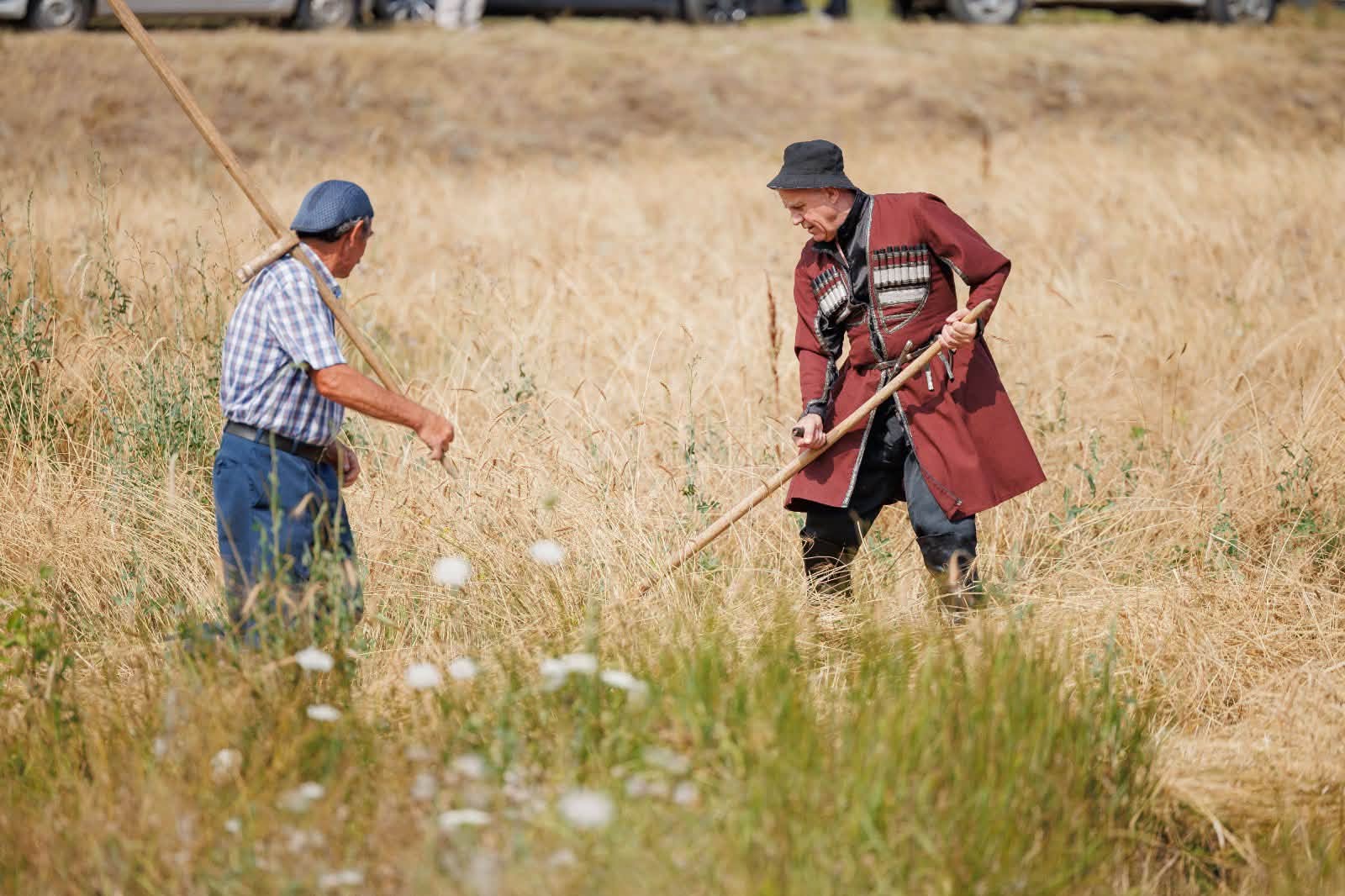
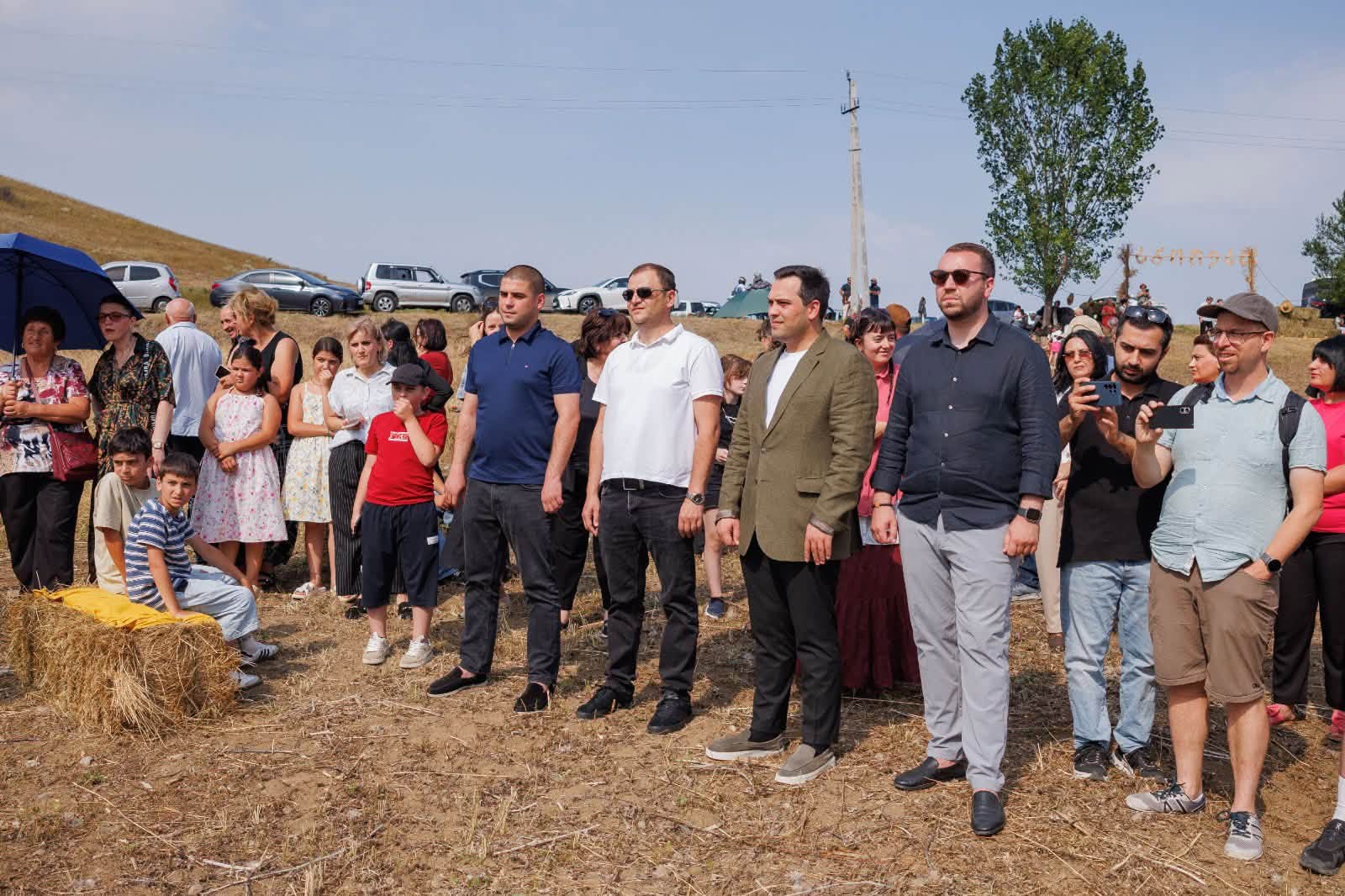
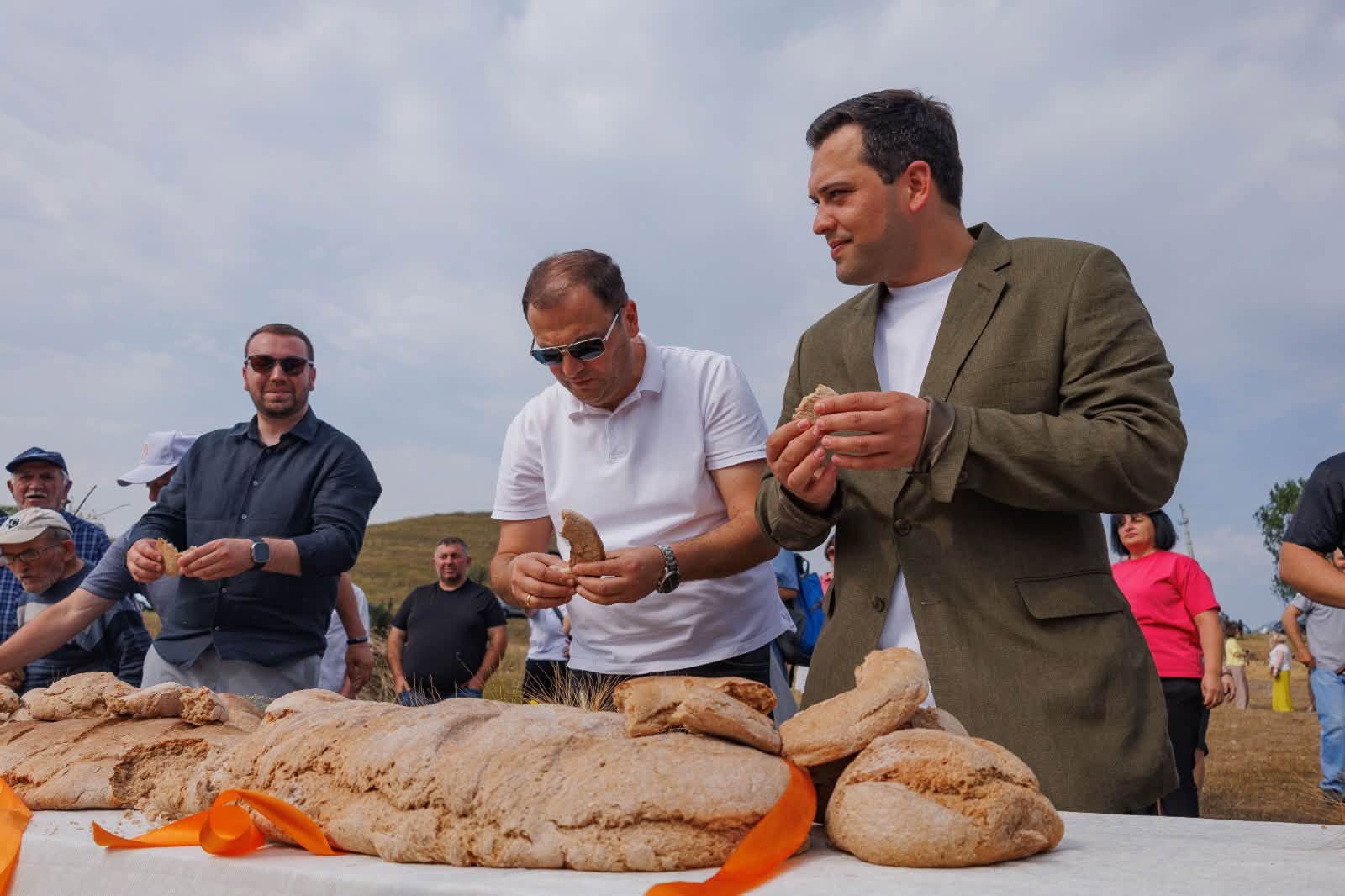
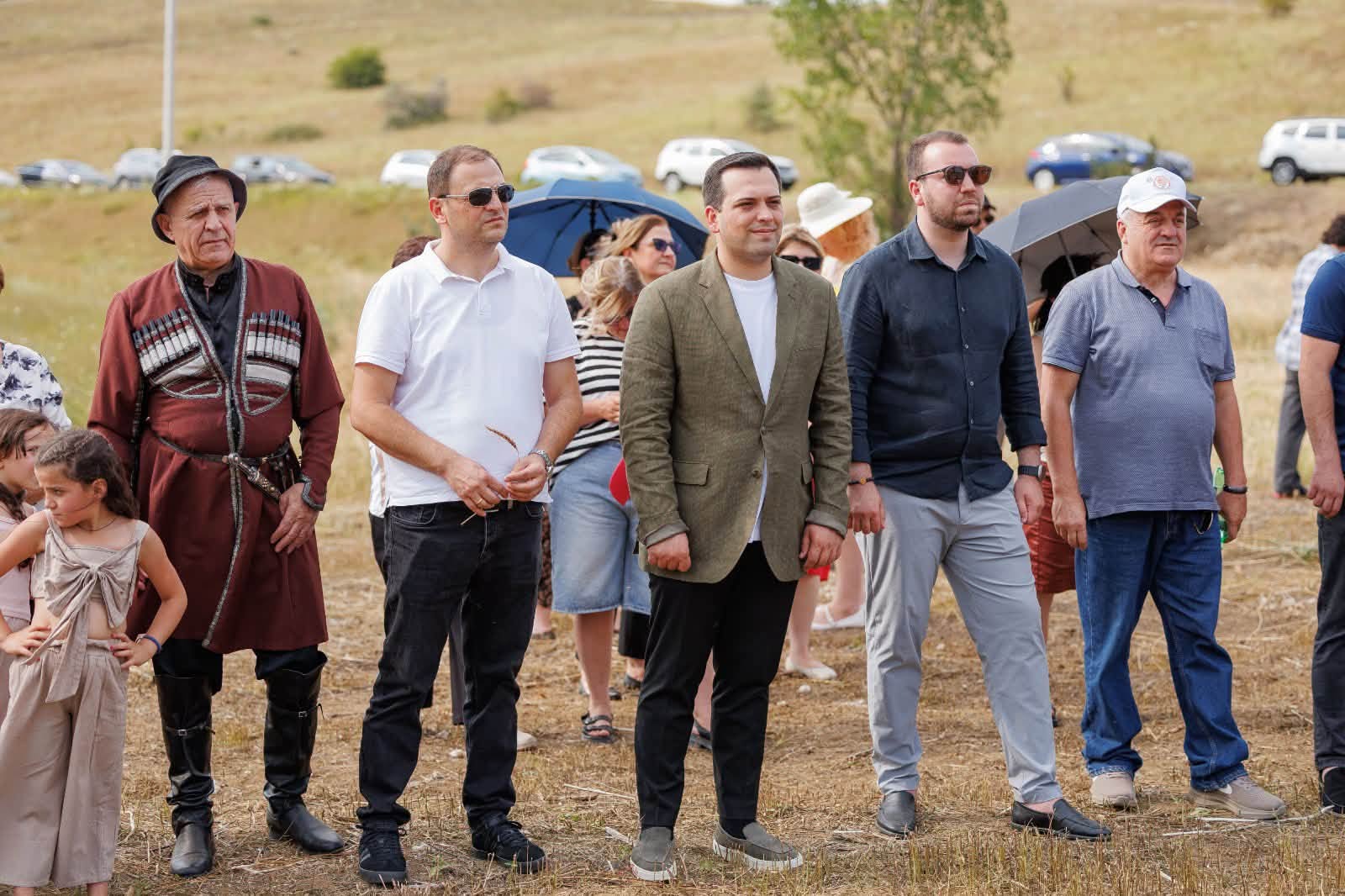
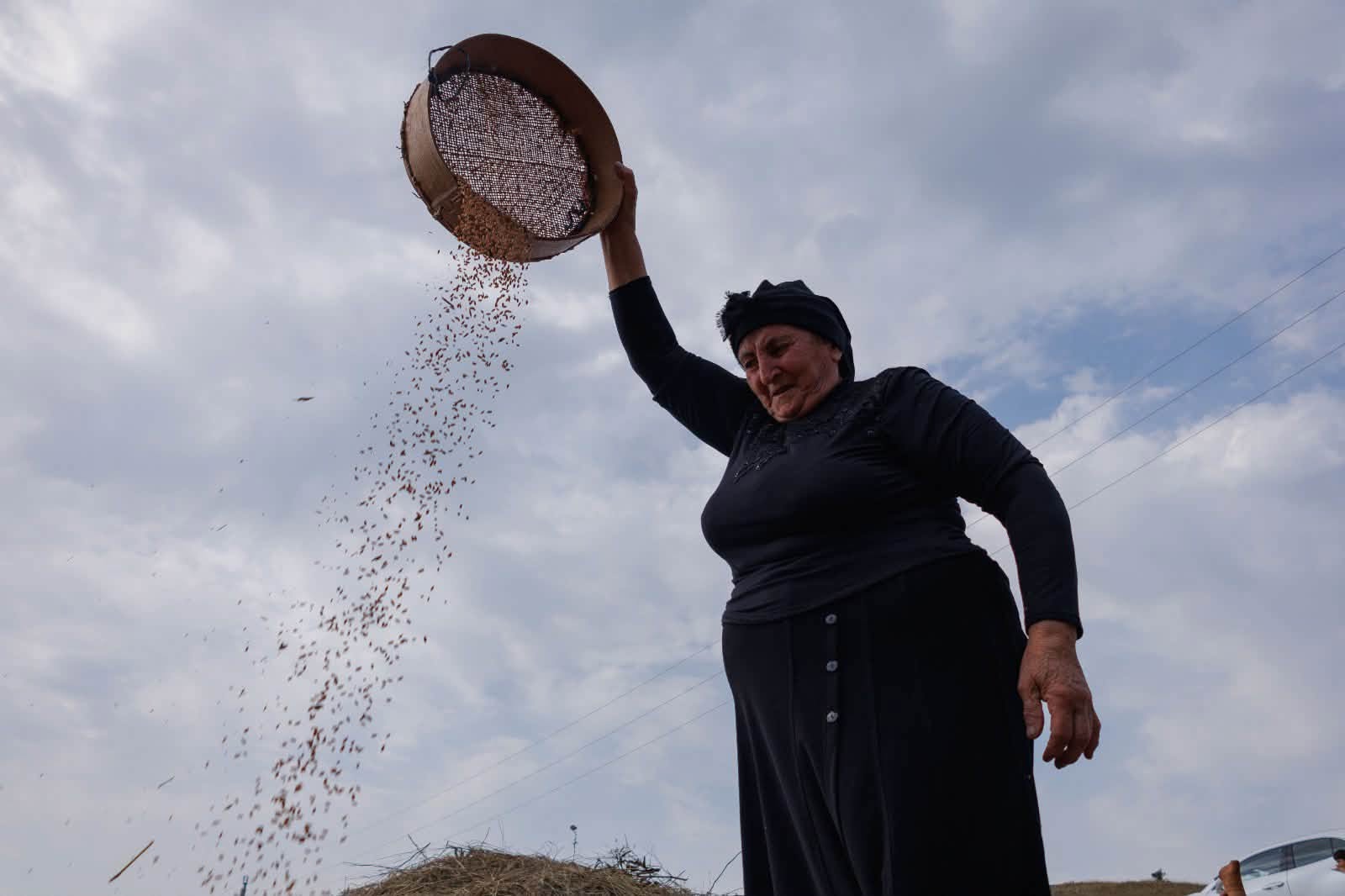
For the second consecutive year, the village of Ghreli in Akhaltsikhe Municipality, Samtskhe-Javakheti, hosted Kalooba — a traditional wheat harvest celebration bringing together farmers, local communities, public institutions, tourism representatives and visitors.
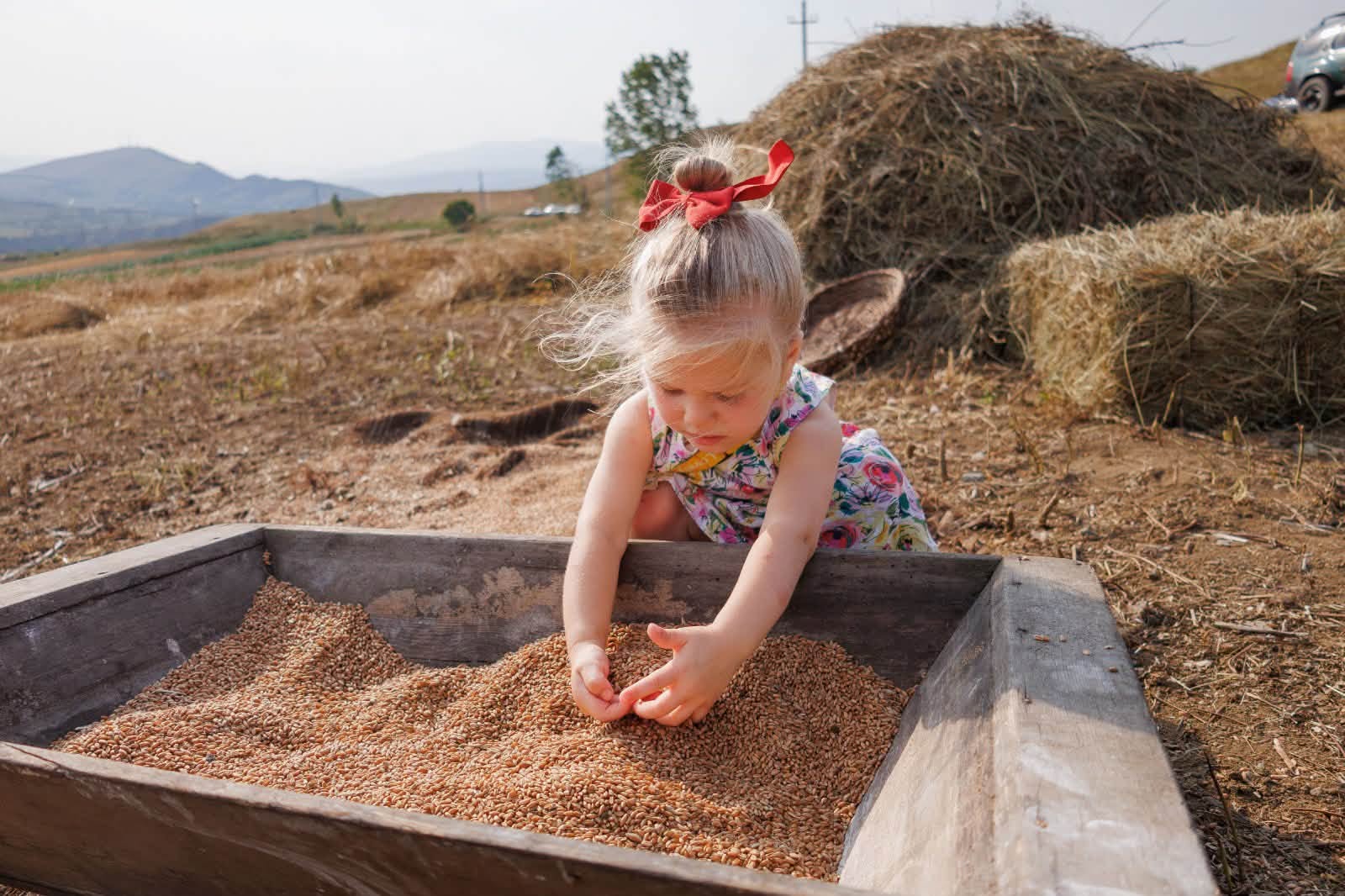
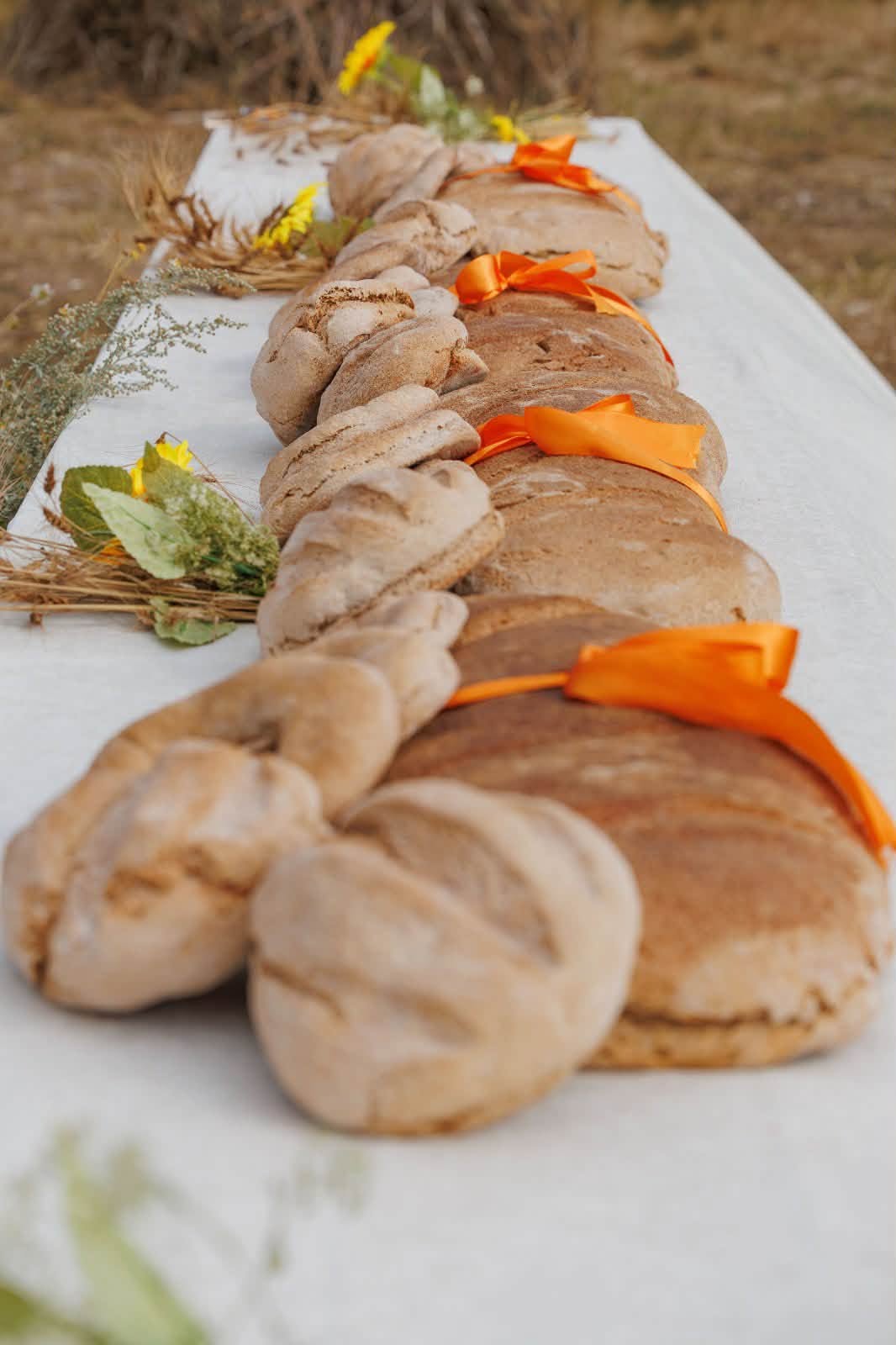
Kalooba is much more than a harvest festival. It is a revival of traditional knowledge and practices connecting people with the land, wheat and food. In a region rich in agricultural heritage, the celebration provides an important opportunity to promote the conservation and sustainable use of local wheat varieties such as Akhaltsikhe Tsiteli Doli, Dika and Shavpkha.
The conservation of these varieties depends not only on preserving seed, but on keeping them alive in farmers' fields. Farmers need to continue cultivating, multiplying and using local varieties, while finding sufficient economic value in their production. This is particularly important as traditional varieties can face competition from modern, higher-yielding crops.
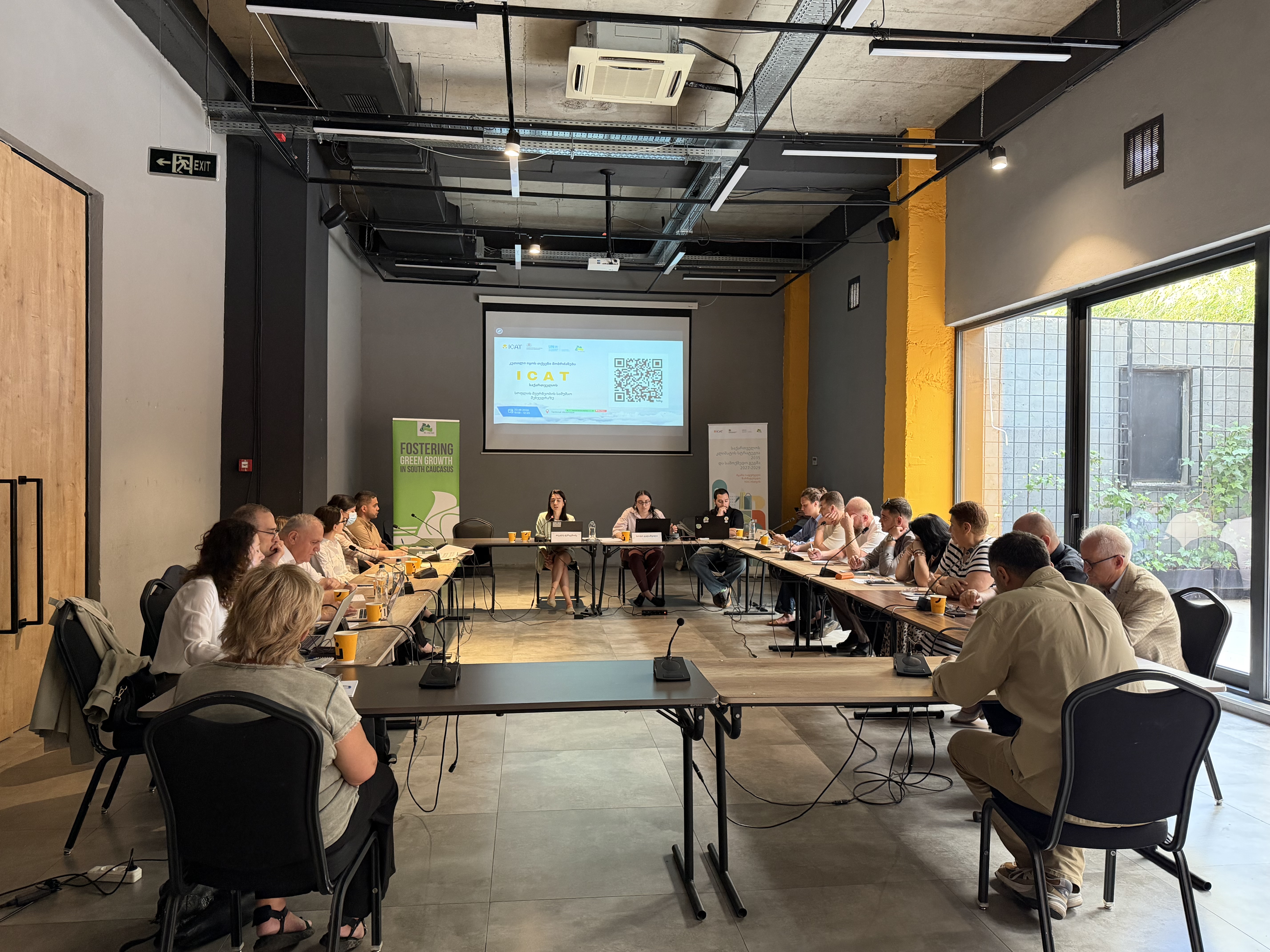
The GEF-funded, UNEP-supported project “Sustainable Management of Agricultural Biodiversity in Vulnerable Ecosystems and Rural Communities of Samtskhe-Javakheti Region of Georgia,” implemented by REC Caucasus, has supported this process by providing local wheat seed material, technical advice, farmer training and support for on-farm conservation and multiplication of traditional varieties.
The project has also promoted the connection between agricultural biodiversity, local products and agro-tourism, recognizing that traditional wheat can become an important part of the region's cultural and tourism identity. Events such as Kalooba provide an opportunity to demonstrate this connection — from local seed and farming practices to traditional food and community traditions.
The growing involvement of local government and the Samtskhe-Javakheti Destination Management Organization (DMO) is particularly important. Their participation helps transform a project-supported initiative into a locally owned tradition and demonstrates that agricultural biodiversity is not only an environmental issue, but also an opportunity for cultural preservation, tourism and rural economic development.
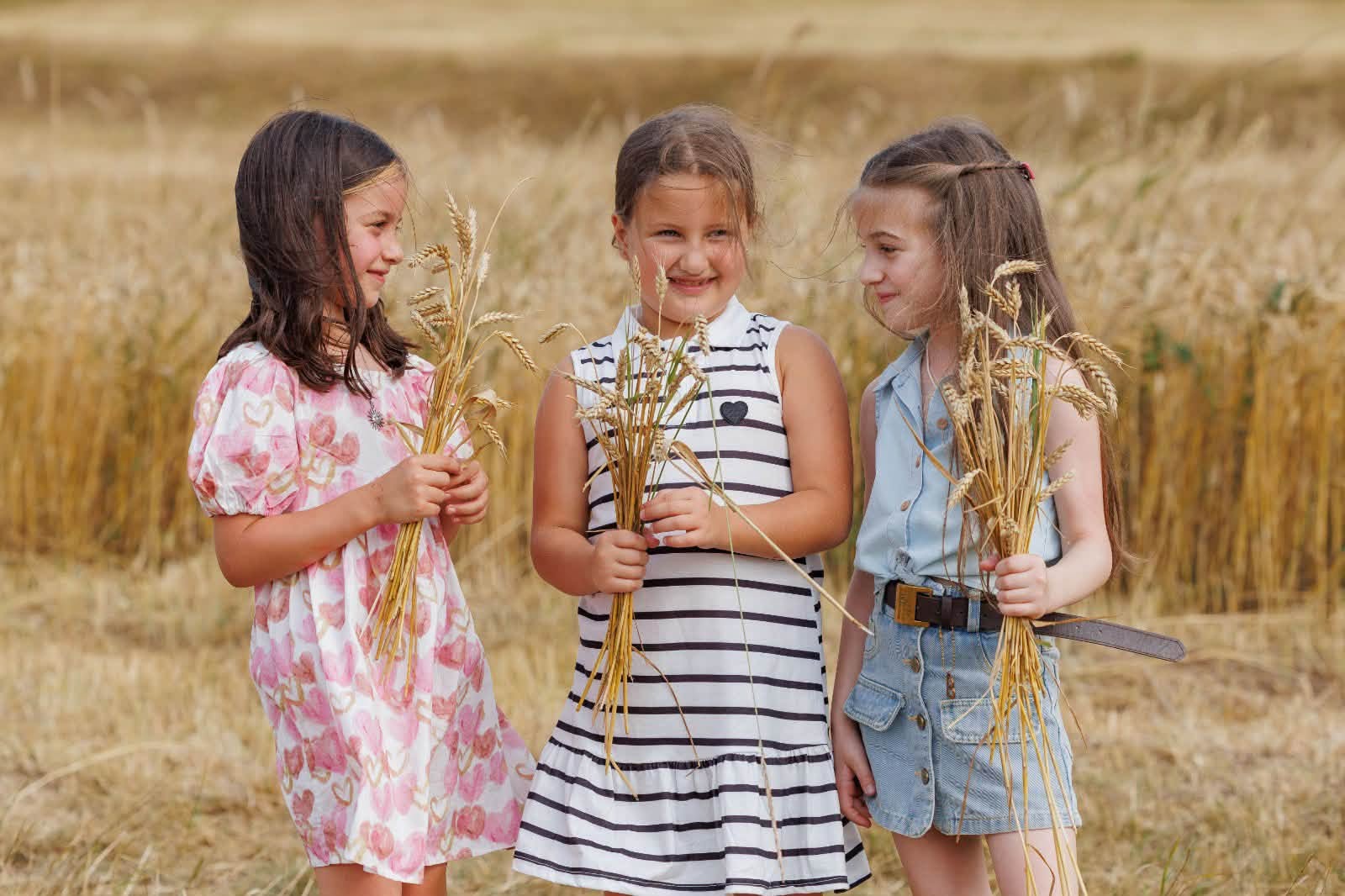
Kalooba also creates a space for younger generations to learn about traditional agricultural practices and understand the value of local varieties. This is essential for ensuring that agricultural knowledge and cultural heritage are passed on rather than lost.
The event is especially relevant following the 2025 inscription of “Georgian Wheat Culture: Traditions and Rituals” on UNESCO's Representative List of the Intangible Cultural Heritage of Humanity.
For Kalooba to remain sustainable beyond the project period, continued ownership by local communities, municipalities and tourism institutions will be essential. Stronger links between farmers, local markets, bakeries, restaurants and tourism businesses can create demand for traditional wheat products and provide farmers with greater incentives to continue cultivating local varieties.
In this way, Kalooba represents more than a celebration of the harvest. It demonstrates how agricultural biodiversity, cultural heritage, farming, food and tourism can work together to support sustainable rural development and keep Georgia's unique wheat heritage alive for future generations.