Georgia Exports 160 Tonnes of PCB-Containing Hazardous Waste for Final Environmentally Sound Disposal
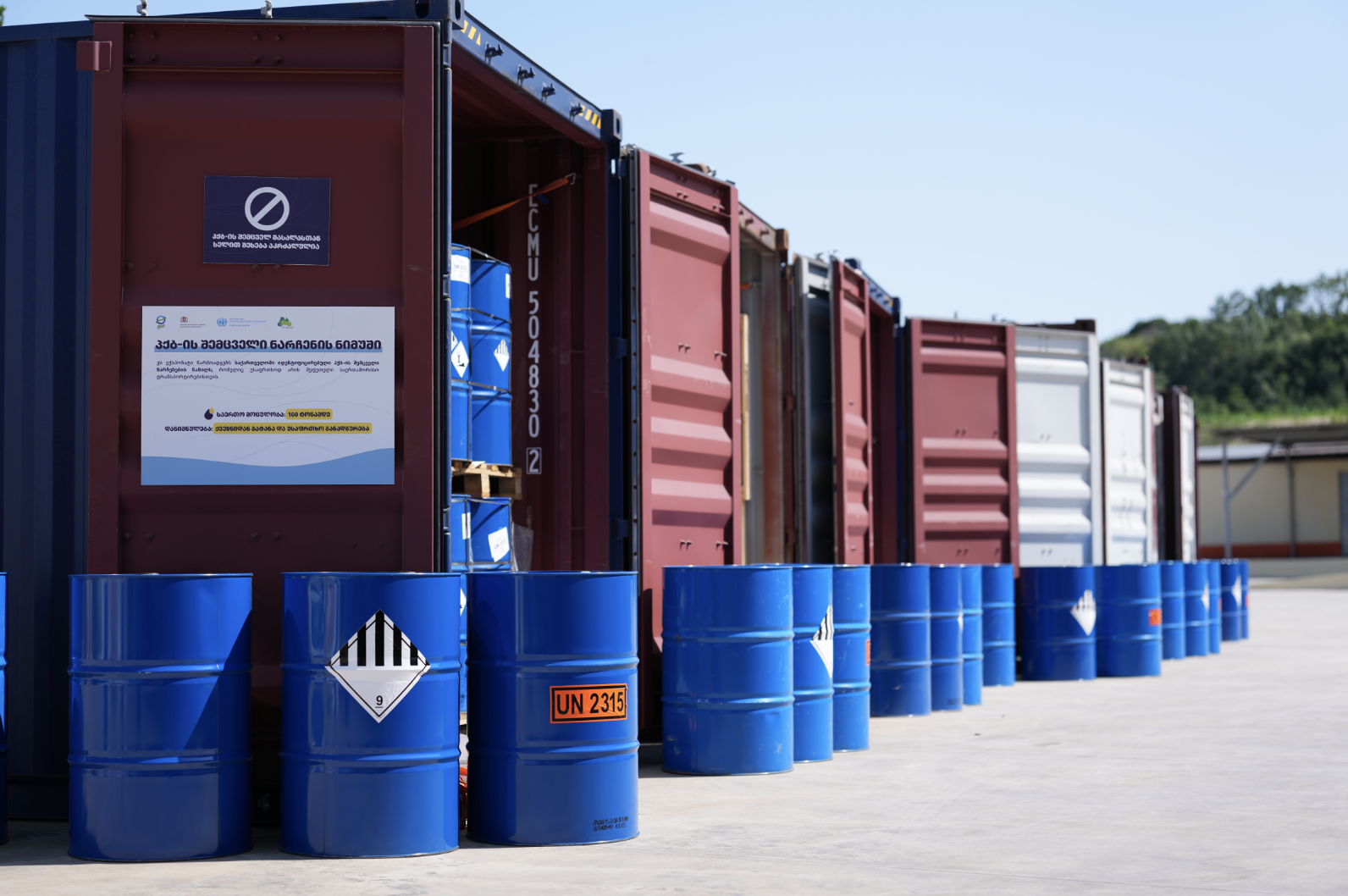
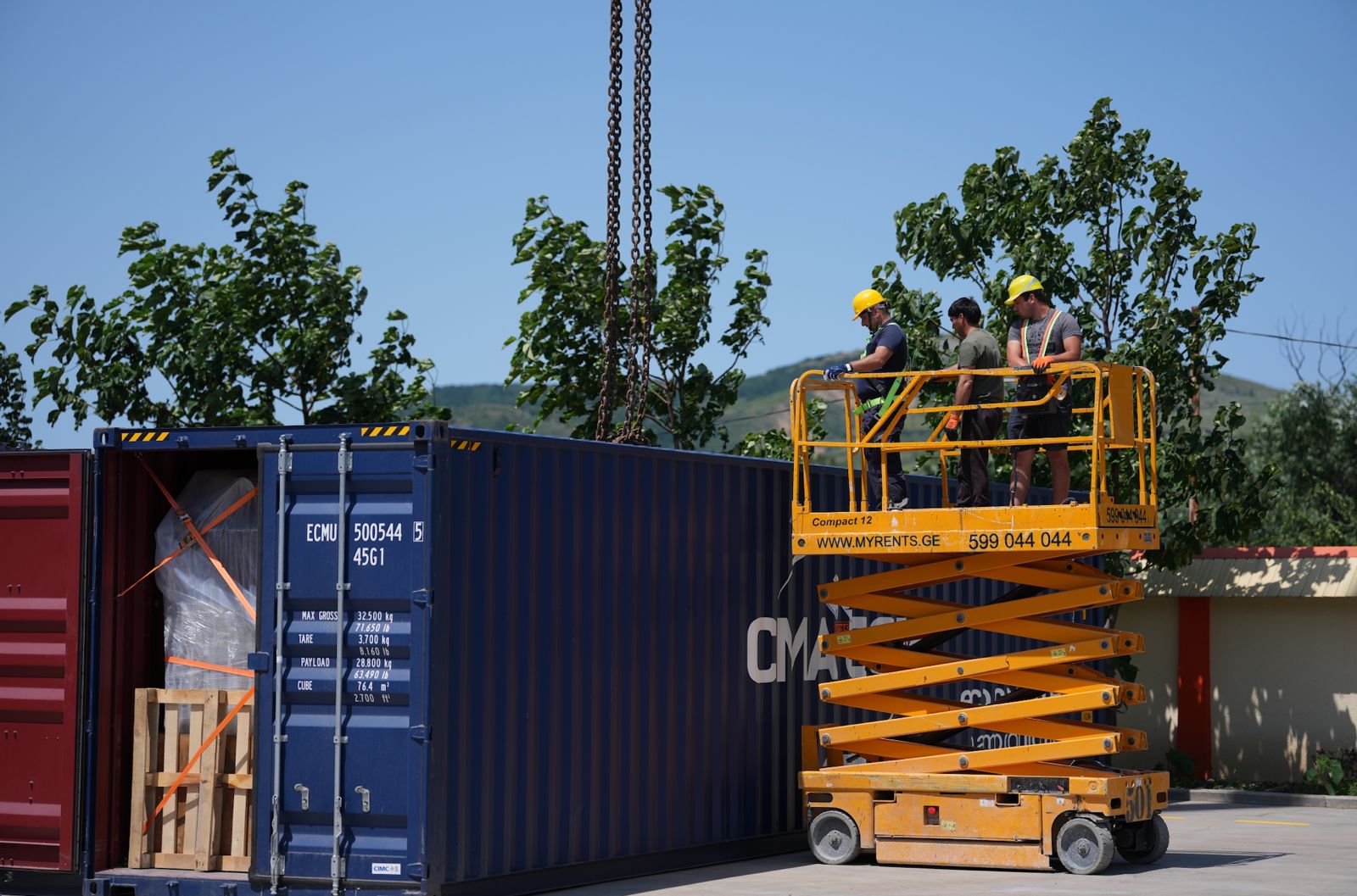
Georgia has reached a significant milestone in addressing one of the country’s major persistent pollution risks, with 160 tonnes of hazardous waste containing polychlorinated biphenyls (PCBs) securely sealed in UN-approved drums and prepared for safe export to a certified destruction facility in France for final environmentally sound disposal.
An official ceremony marking the safe export and disposal of PCB-containing hazardous waste from Georgia was held on 27 July at the premises of Medical Technology LLC near Martkopi.
PCBs are among the world's most hazardous persistent organic pollutants. Due to their high toxicity and persistence in the environment, they can pose significant risks to both human health and ecosystems. Their safe management and final elimination therefore remain an important priority under international environmental commitments.
Since 2016, systematic work has been underway to identify, register, and ensure the environmentally sound management of PCB-containing equipment and waste.
As part of this work, more than 7,000 pieces of electrical equipment across 14 companies throughout Georgia were inspected. PCB-contaminated equipment was identified, a system for its safe management was established, and 160 tonnes of hazardous waste were safely packaged, documented and prepared for export in accordance with international requirements. The waste will undergo final treatment at a certified destruction facility in France using environmentally sound methods.
The achievement represents the culmination of years of coordinated work involving government institutions, international organisations and private-sector companies, and marks an important step towards reducing the environmental and health risks associated with legacy PCB contamination.
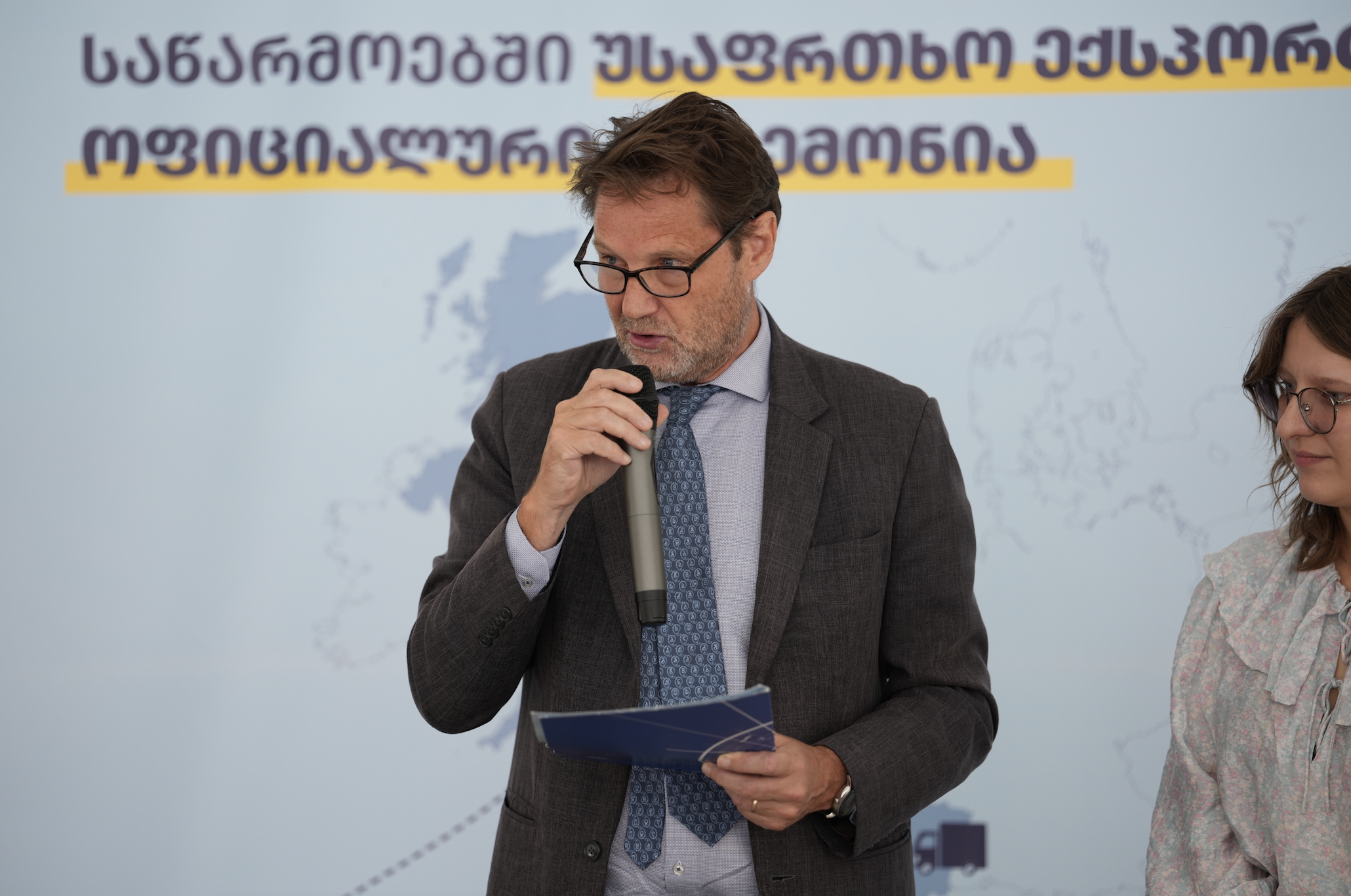
The ceremony was officially opened by Solomon Pavliashvili, Deputy Minister of Environmental Protection and Agriculture of Georgia.
Highlighting the significance of this milestone, Pavliashvili said:
“I am pleased that the Government of Georgia is actively working to fulfil its obligations under the Stockholm Convention. For the first time in Georgia, a large-scale inventory, safe collection and export of hazardous persistent organic pollutants (POPs), specifically PCBs, has been carried out.”
Participants were also addressed by Douglas Webb, UNDP Resident Representative in Georgia and Acting United Nations Resident Coordinator in Georgia.
Emphasising the importance of sustained international cooperation, Webb said:
“This project is very important and close to our hearts at UNDP. The demonstration of commitment and the demonstration of results are what keep international partnerships strong. Today’s milestone shows both, and it will help us continue this important work together.”
The official opening was moderated by Lasha Inauri, Head of the Primary Structural Unit of the Waste and Chemicals Management Policy Department.
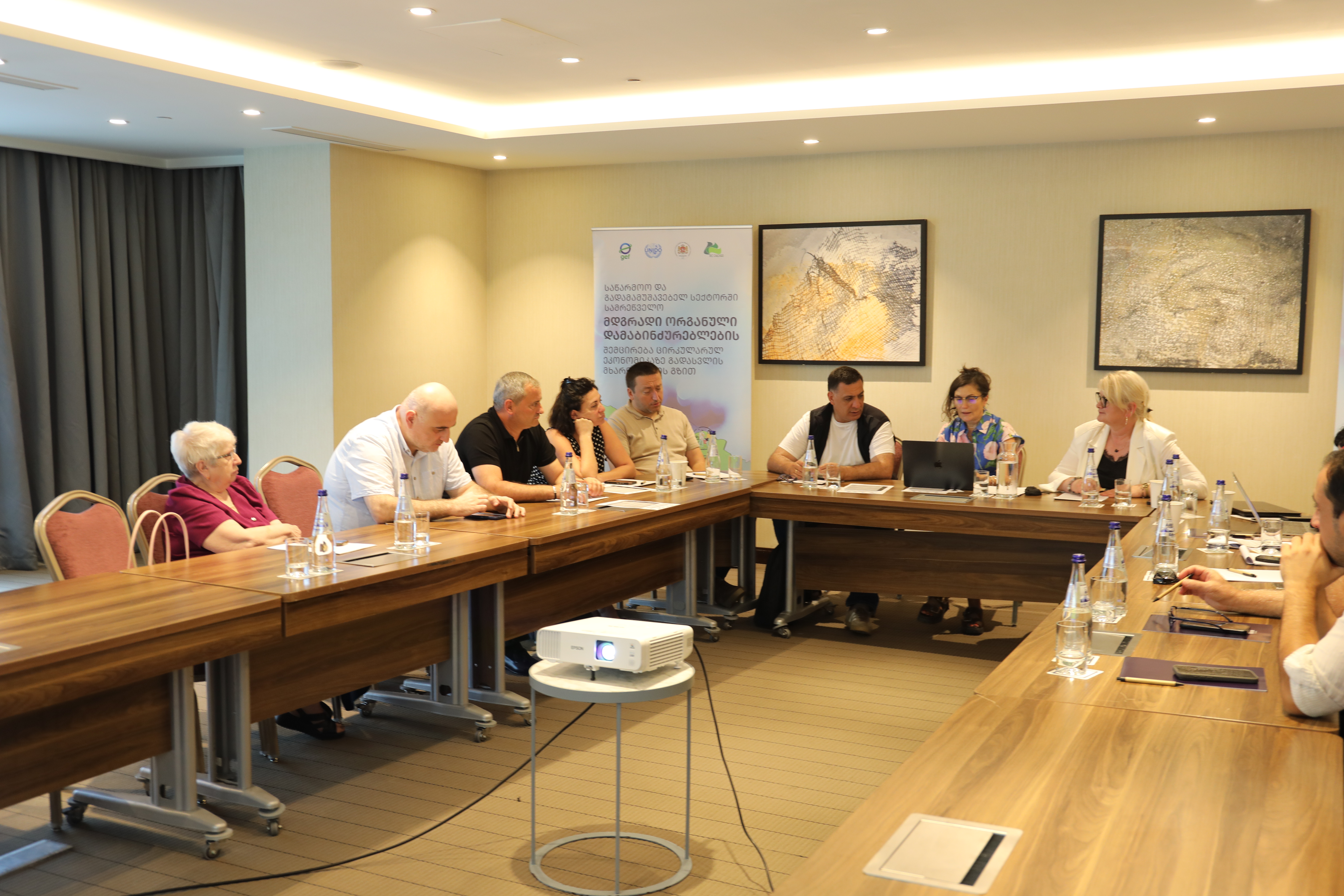
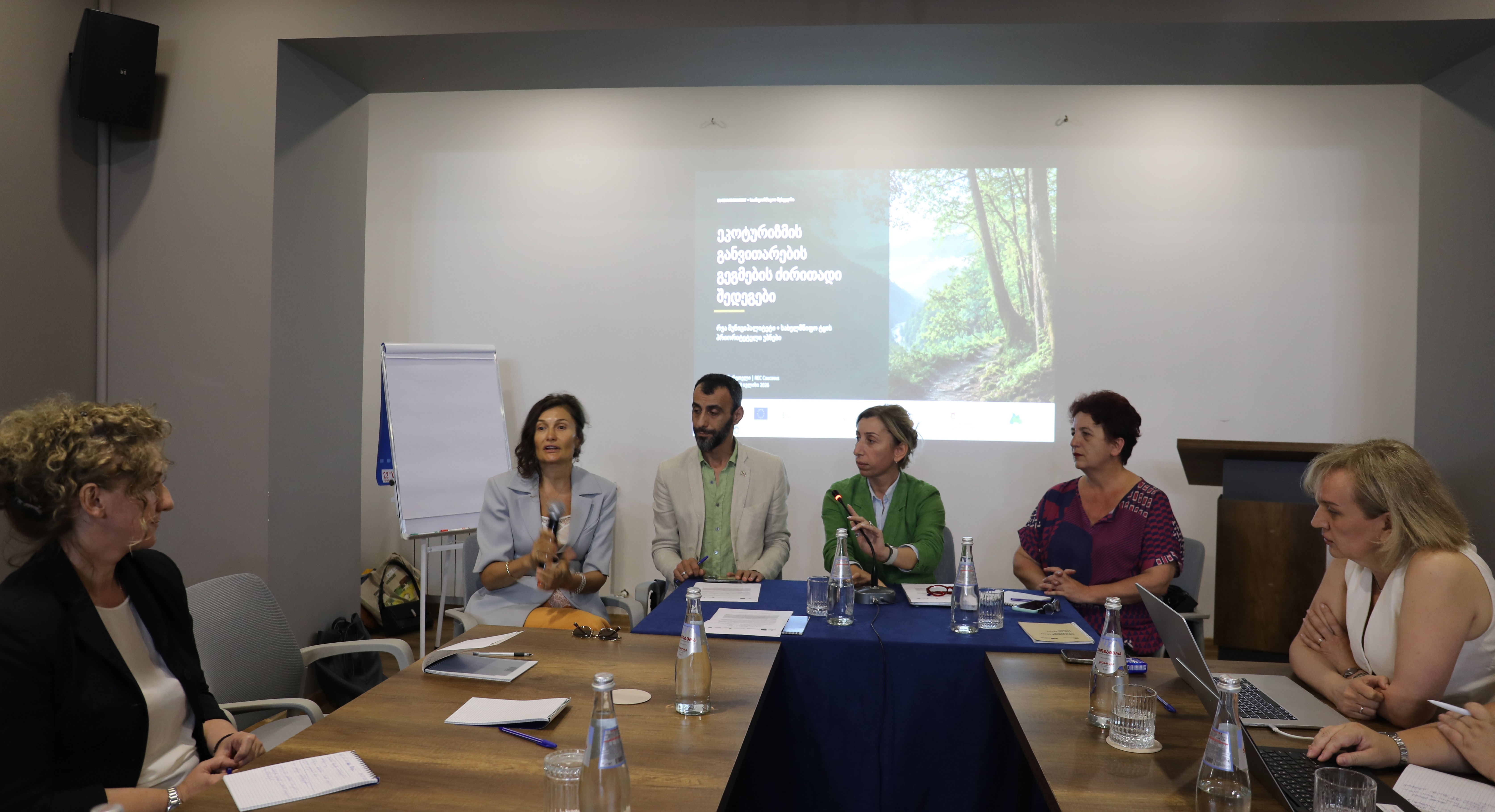
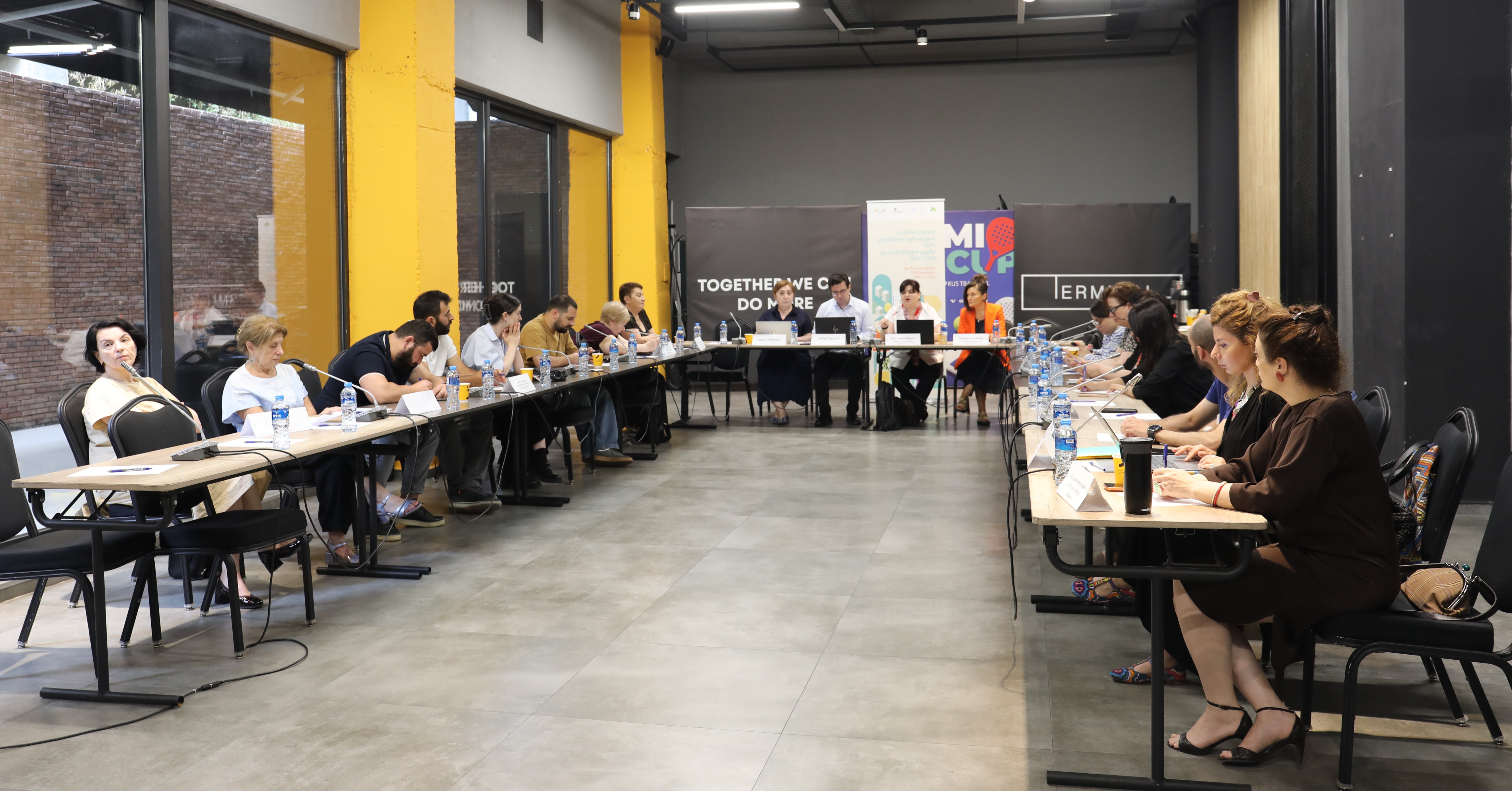
The event brought together representatives of the Government of Georgia and state institutions, international organisations, partner private-sector companies, companies that had transferred PCB-containing waste for safe management, as well as national and international media.
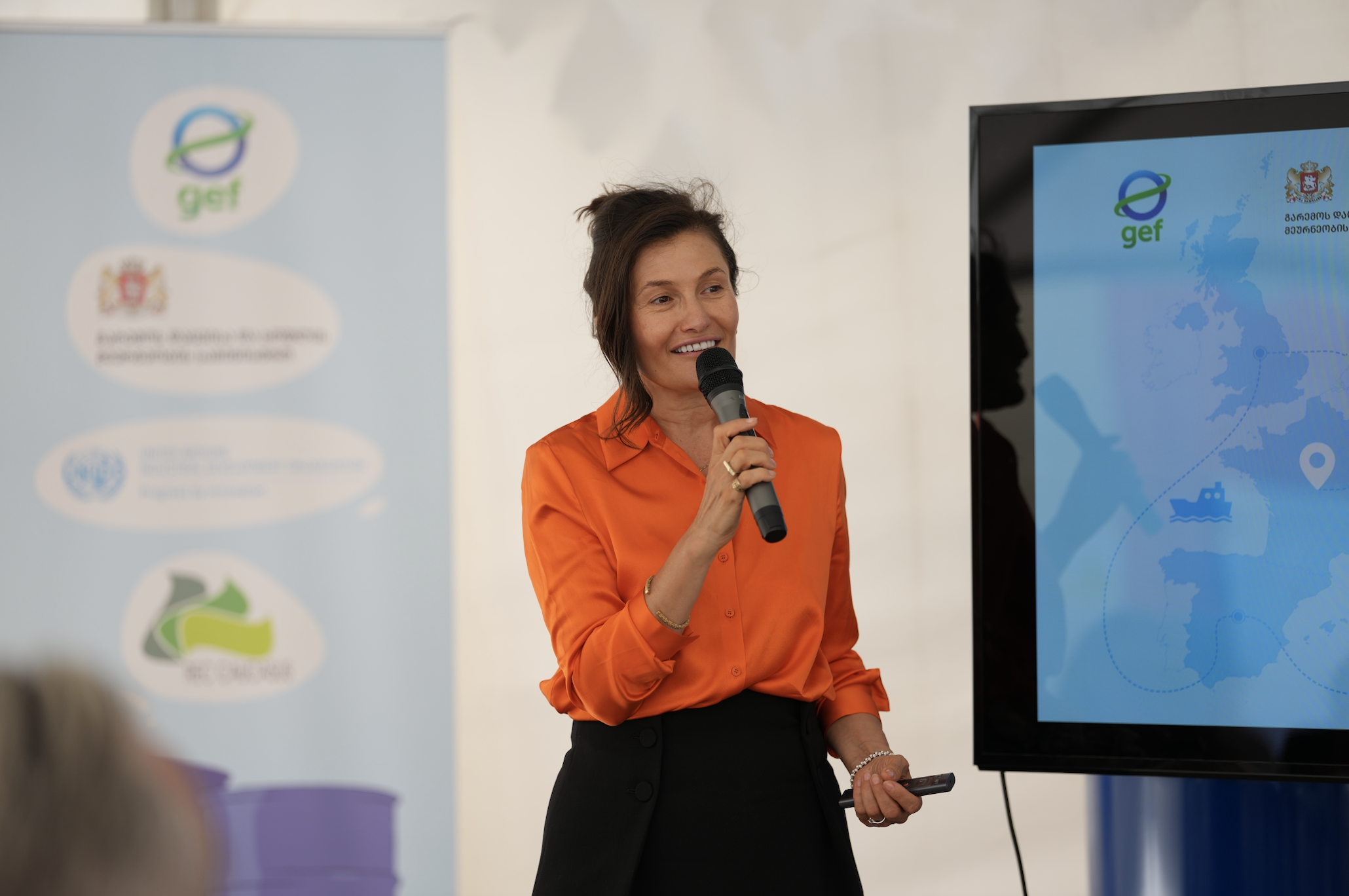
During the second part of the event, Sophiko Akhobadze, Executive Director of REC Caucasus, presented the achievements and experience gained through the project.
Participants were then guided through a specially designed thematic information exhibition illustrating the full cycle of PCB management - from identification and inventory to decontamination, safe packaging, temporary storage and safe export from Georgia to certified facilities in Europe.
Through thematic installations and visual materials, participants explored the key results achieved in Georgia, the procedures required for the safe management of PCB-containing waste, the actual shipment prepared for export, and the transportation route from Georgia to its final destination.
The exhibition provided a visual account of the multi-year process that has made it possible to safely remove one of the country’s most hazardous toxic waste streams and ensure its final treatment in accordance with international environmental standards.
The event was organised within the framework of the project “PCB-Free Electricity Supply in Georgia” (GEF ID: 9227).
The project is initiated by the Ministry of Environmental Protection and Agriculture of Georgia, funded by the Global Environment Facility (GEF), implemented by the United Nations Industrial Development Organization (UNIDO), with the Regional Environmental Centre for the Caucasus (REC Caucasus) serving as the executing partner.
Beyond identifying, collecting and preparing PCB-containing hazardous waste for safe export, the project has contributed to strengthening environmental and social responsibility among participating companies. The practices introduced through the project have supported closer alignment with international environmental standards, improved environmental governance and strengthened the participating companies’ capacity to manage hazardous chemicals and waste responsibly.
The safe removal of 160 tonnes of PCB-containing hazardous waste from Georgia represents a tangible result of the country’s efforts to fulfil its international environmental commitments and an important step towards eliminating its toxic legacy, protecting the environment and safeguarding human health.
_1785310489.jpeg)
_1785310509.jpeg)
_1785310520.jpeg)
_1785310524.jpeg)
_1785310528.jpeg)
_1785310531.jpeg)
_1785310537.jpeg)
_1785310540.jpeg)
_1785310547.jpeg)
_1785310550.jpeg)
_1785310556.jpeg)
_1785310560.jpeg)