Leaving a Toxic Legacy Behind: How Georgia Is Building a PCB-Free Electricity Distribution System
A nationwide project is tracking down a banned Soviet-era chemical hidden inside the country's electrical equipment, putting Georgia on course to meet two hard deadlines under the Stockholm Convention.
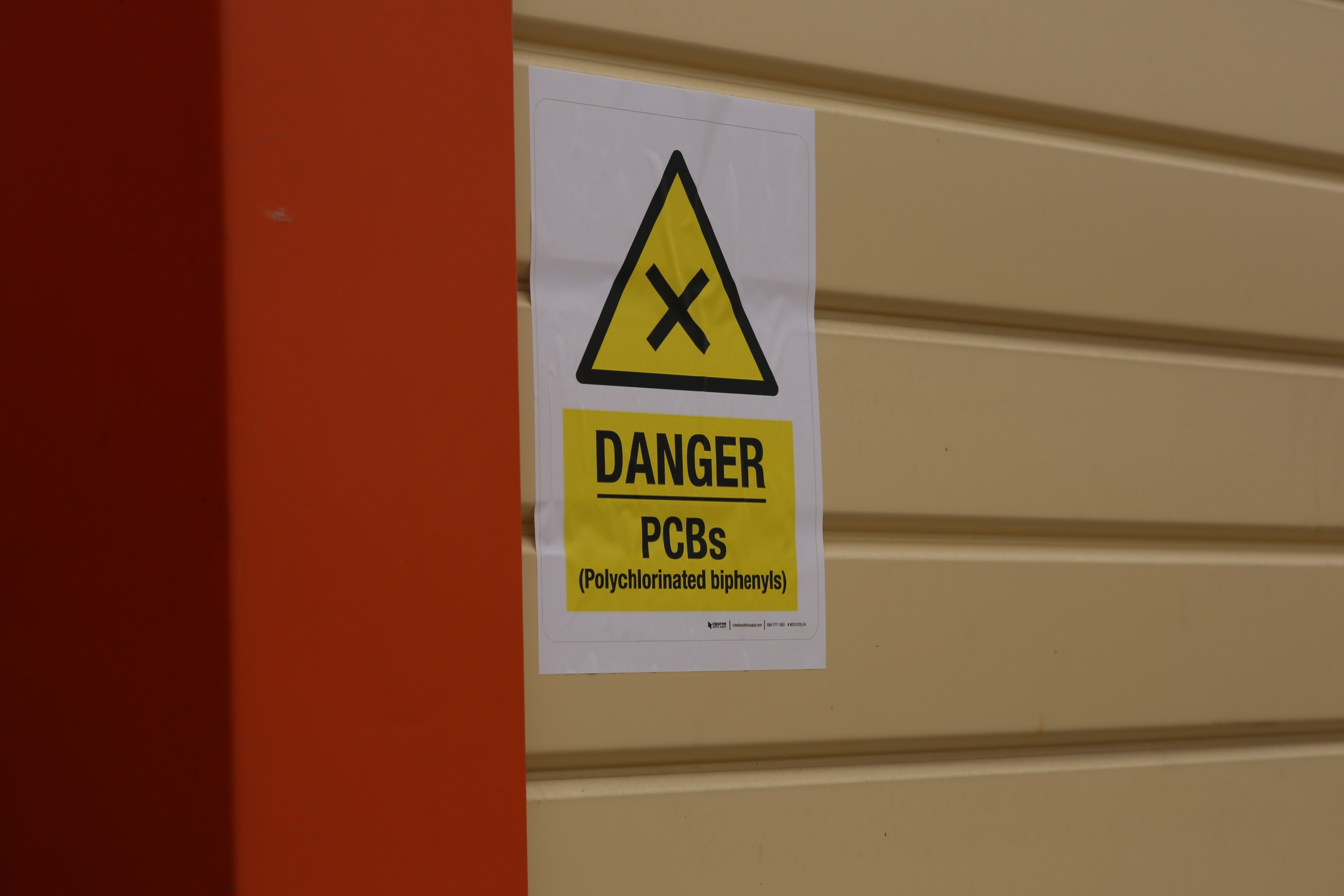
Polychlorinated biphenyls (PCBs) represent one of the most significant historical chemical liabilities within Georgia's electricity distribution infrastructure. For decades, these synthetic compounds were extensively used as insulating and cooling fluids inside thousands of high-voltage transformers, capacitors, and oil switches across the national grid.
Engineers historically prized PCBs precisely because of their extreme chemical stability, flame resistance, and thermal insulation capacities, which allowed them to protect high-voltage equipment for years without degrading. However, the exact chemical resilience that made PCBs operationally useful is precisely what renders them dangerous to the ecosystem.
Because they do not break down naturally, PCBs are classed internationally as Persistent Organic Pollutants (POPs). They linger in the environment for decades, travel vast distances via atmospheric and aquatic pathways, and accumulate directly in living tissues.
The public health implications of these compounds are severe. As persistent pollutants, PCBs present extreme dangers to human health and the environment due to their ability to bio-magnify within the food chain. They are toxic, highly carcinogenic, and exposure has been systematically linked to damage within the human immune and nervous systems, as well as the development of malignant tumors. Because PCBs bio-magnify, their concentration intensifies as they move upward through the food chain, meaning a single leaking legacy transformer can precipitate long-term, systemic public health risks.
Institutional Framework and Global Commitments
To systematically address this environmental challenge, Georgia is actively fulfilling its statutory mandates as a party to the Stockholm Convention on Persistent Organic Pollutants. Under this global treaty, the country is legally bound to remove all PCB-contaminated equipment from active service by 2025 and achieve complete, environmentally sound disposal of the associated hazardous waste by 2028.
These targets are being systematically addressed through the project "PCB-Free Electricity Distribution in Georgia."This comprehensive initiative brings together the Ministry of Environmental Protection and Agriculture of Georgia (MEPA), the Regional Environmental Centre for the Caucasus (REC Caucasus), and the United Nations Industrial Development Organization (UNIDO), with financial mobilization provided by the Global Environment Facility (GEF).
The strategic execution driving the project's timeline combines experienced, knowledgeable service providers and rigorous oversight to ensure that decontamination complies entirely with these hard international deadlines, enabling the complete elimination of documented PCB sources within the required framework.
Methodological Precision: The Two-Step Verification Protocol
Because PCBs are undetectable by visual inspection, separating contaminated assets from clean infrastructure requires a rigorous, data-driven diagnostic protocol. The project utilizes a strict regulatory baseline: any equipment exhibiting a PCB concentration above the 50 ppm (parts per million) threshold is legally classified as contaminated and targeted for intervention.
To optimize resources across thousands of scattered infrastructure assets, the inventory process employs a synchronized, two-step analytical sequence:
- Phase 1: Field Screening: Technicians utilize portable, chlorine-specific analyzers directly at utility sites. This rapid, cost-effective screening method flags the presence of chlorine—a core component of PCBs—allowing the field teams to efficiently isolate suspect units.
- Phase 2: Laboratory Verification: Any sample indicating a potential breach of the 50 ppm threshold is subjected to mandatory Gas Chromatography (GC) analysis within an accredited laboratory environment. Gas Chromatography serves as the definitive analytical standard, precisely quantifying PCB concentrations to eliminate diagnostic margins of error.
Quantifying the Inventory: Results and National Extrapolations
The nationwide inventory achieved substantial scale, comprehensively auditing approximately 7,000 electrical devices across Georgia, including transformers, capacitors, and oil switches. The field and laboratory findings revealed that out of these thousands of assessed assets, 347 devices—representing roughly 5 percent of the audited infrastructure—exceeded the safety threshold of 50 ppm and were formally confirmed as PCB-contaminated.
Among these findings, the project isolated specific clusters of high-level contamination, most notably identifying seven critical legacy transformers containing Sovtol, a highly hazardous Soviet-era PCB-based insulating fluid. These seven units carried a combined physical equipment mass of 23,817 kilograms, within which 5,438 kilograms of pure Sovtol fluid was securely isolated. To date, these comprehensive efforts have resulted in the systematic collection and secure storage of up to 109 tonnes of PCB-contaminated oil and related hazardous materials, all currently awaiting final disposal.
The critical insight embedded within these project metrics lies in the variance between the 347 confirmed devices and a statistically projected 860 contaminated units nationwide. By applying the observed 5 percent contamination rate across Georgia's entire active utility fleet, statistical modeling indicates that approximately 860 devices likely remain on the grid containing PCBs above the regulatory limit.
This discrepancy highlights two critical institutional narratives. First, it demonstrates monumental progress, confirming that a significant portion of the country's toxic legacy has been successfully mapped, isolated, and contained. Second, it serves as a stark warning: hundreds of unverified, legacy units likely remain active and undetected on the national grid. This reality underscores the absolute necessity for sustained, systematic monitoring and testing regimes that extend far beyond the immediate life cycle of the current project phase.
Cross-Sectoral Cooperation and Multi-Stakeholder Engagement
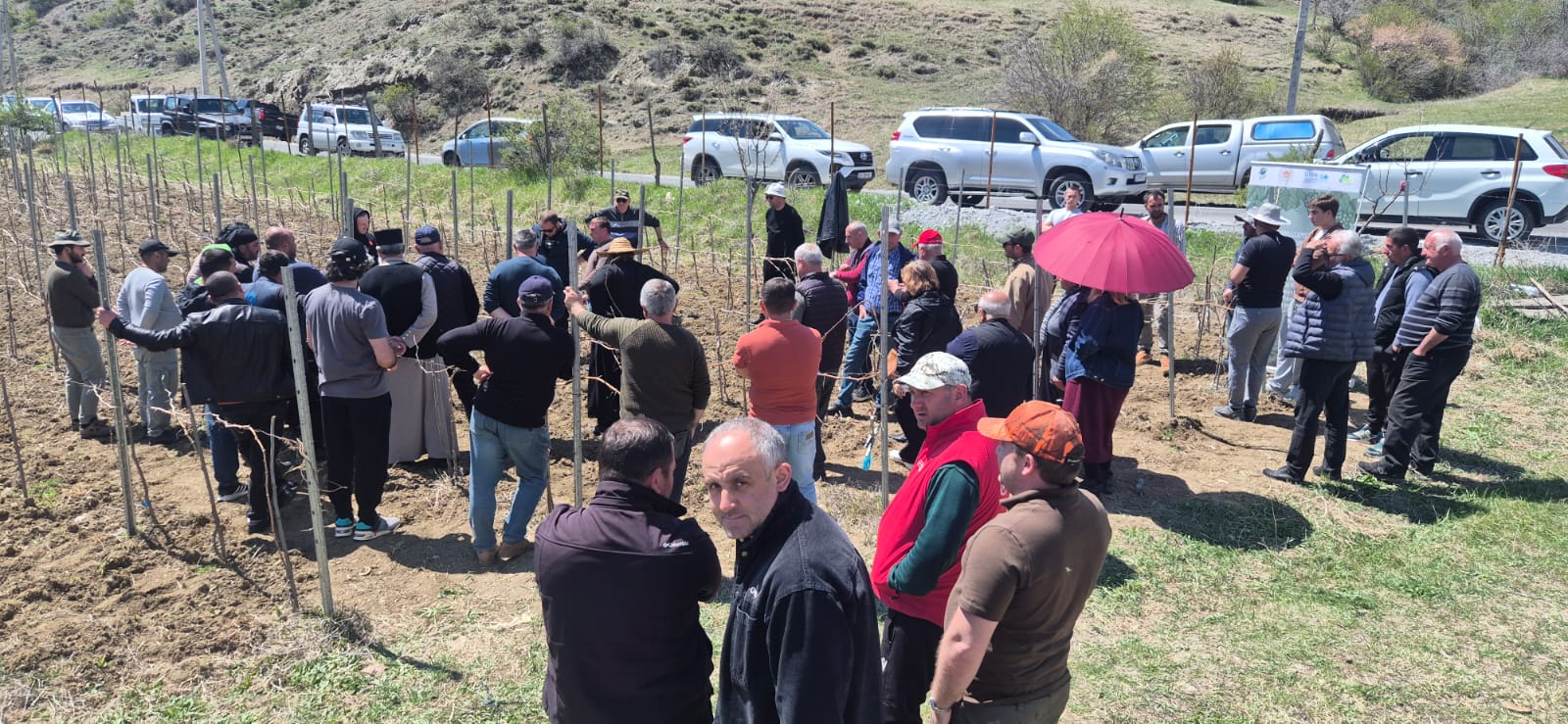
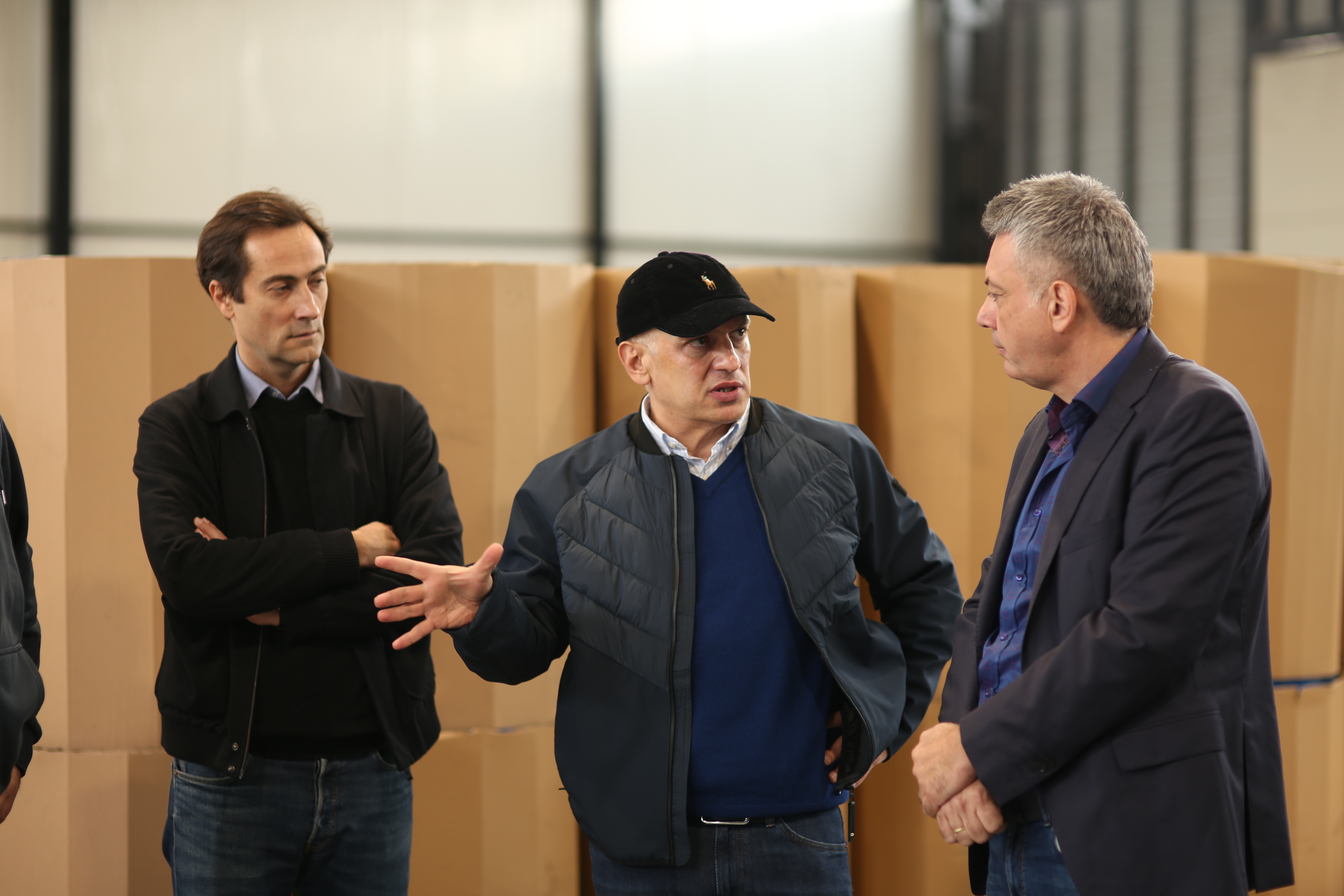
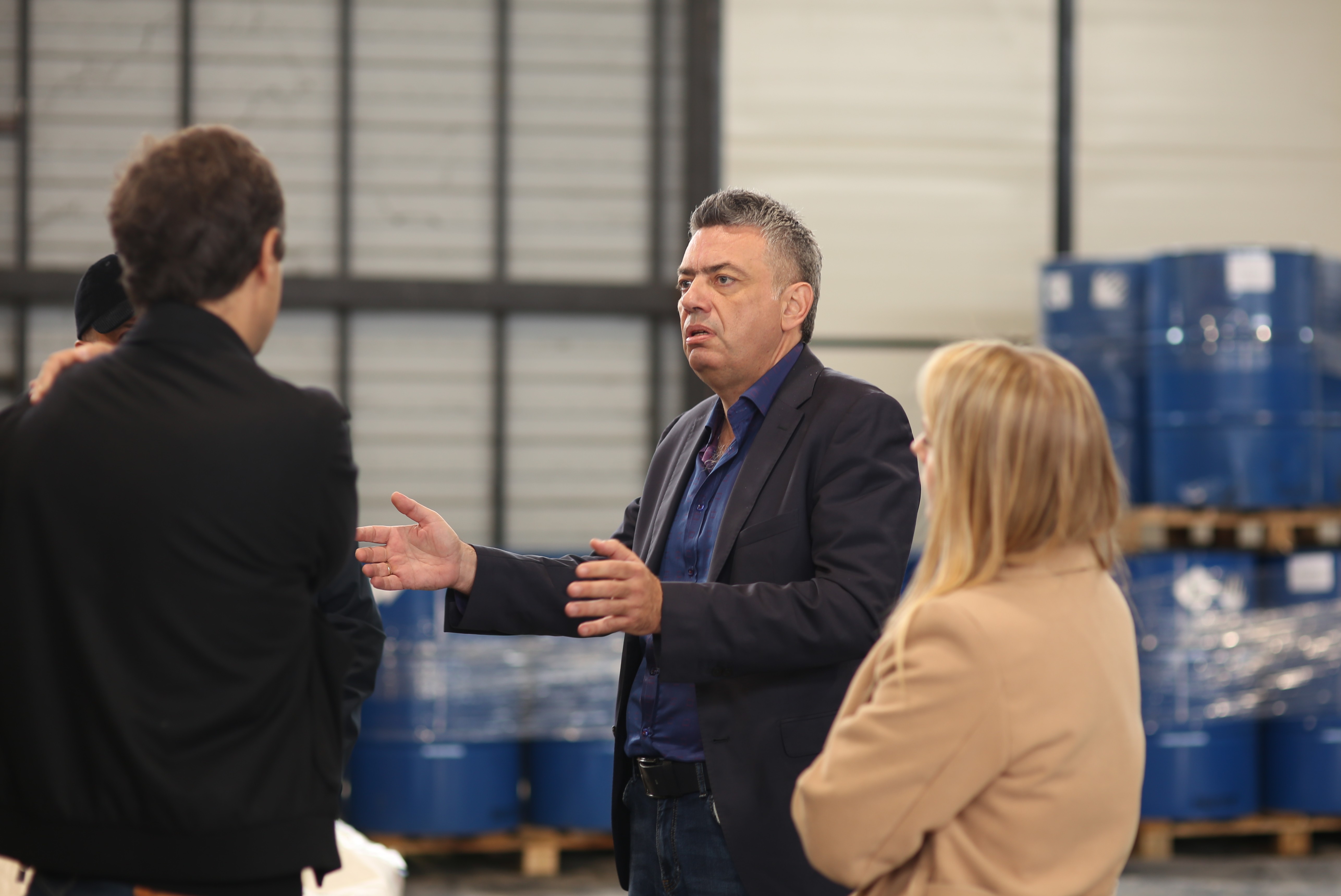
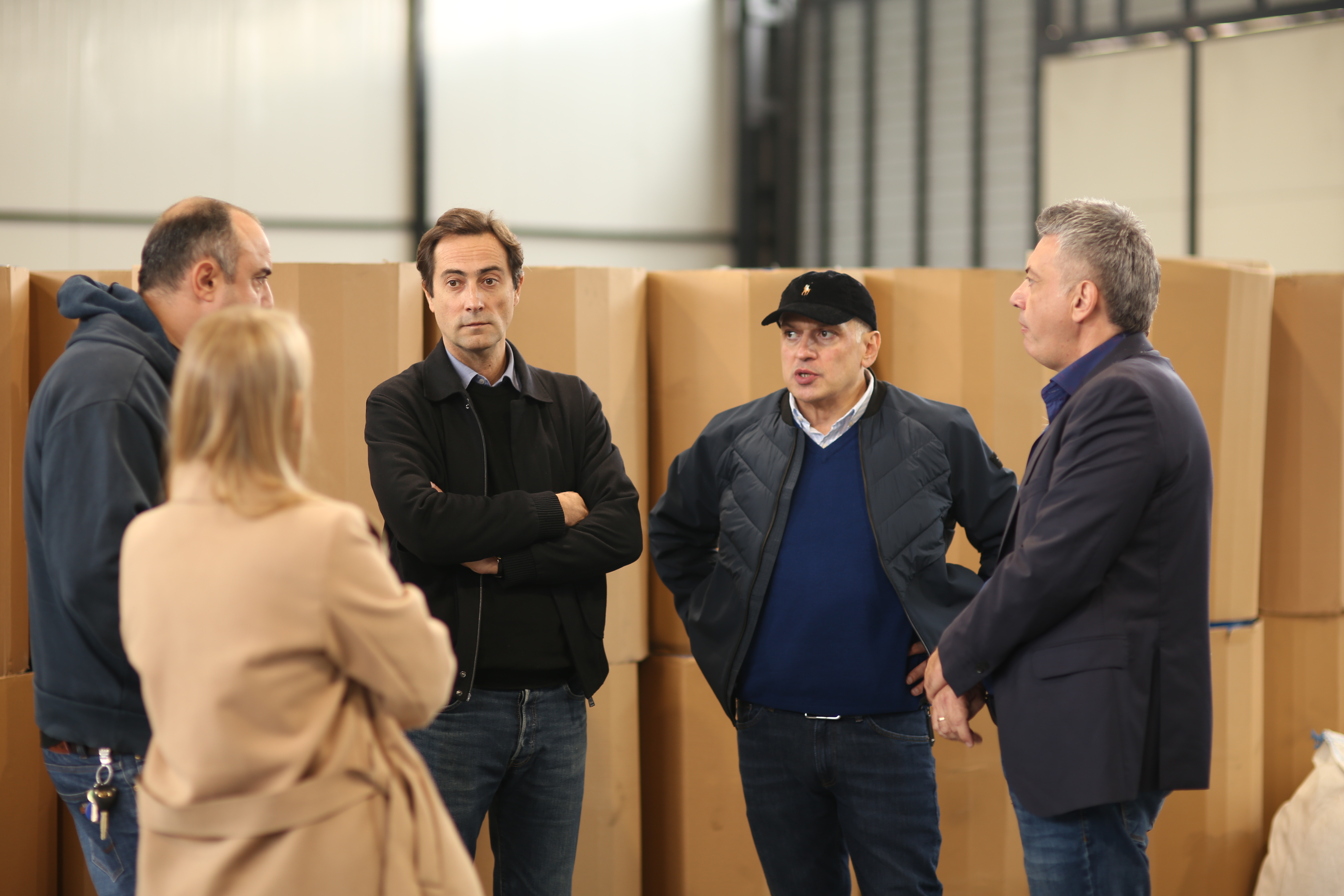
An infrastructure intervention of this magnitude requires unprecedented operational synergy between environmental regulators and Georgia’s primary energy, industrial, and transport entities. To secure seamless access to sensitive, active high-voltage assets, the project fostered close cooperation across a broad spectrum of state and private stakeholders.
Within the energy and utilities sector, essential partnerships were mobilized with the Georgian State Electrosystem, Energo-Pro Georgia, Telasi, LLC Georgian Water and Power, LLC Georgian International Energy Corporation, and Georgia Melioration. Engagement similarly expanded into heavy industry and manufacturing, integrating major facilities including JSC Rustavi Azot, the Rustavi Metallurgical Plant, LLC HeidelbergCement Georgia, JSC Mina, and LLC Knauf Gips Tbilisi. Furthermore, comprehensive mapping across national logistics and transit infrastructure required active coordination with JSC Georgian Railway, the Tbilisi Transport Company, and JSC Corporation Poti Seaport.
By granting technical teams direct access to live operational equipment—frequently balancing complex maintenance schedules to mitigate local power disruptions—these diverse partners demonstrated a shared institutional commitment to national eco-safety.
Infrastructure Rehabilitation via Advanced Retrofilling
Definitely resolving the PCB challenge does not automatically necessitate the wholesale destruction of costly capital assets. For active transformers that retain substantial operational lifespan, the project introduces a sustainable circular solution: decontamination through retrofilling.
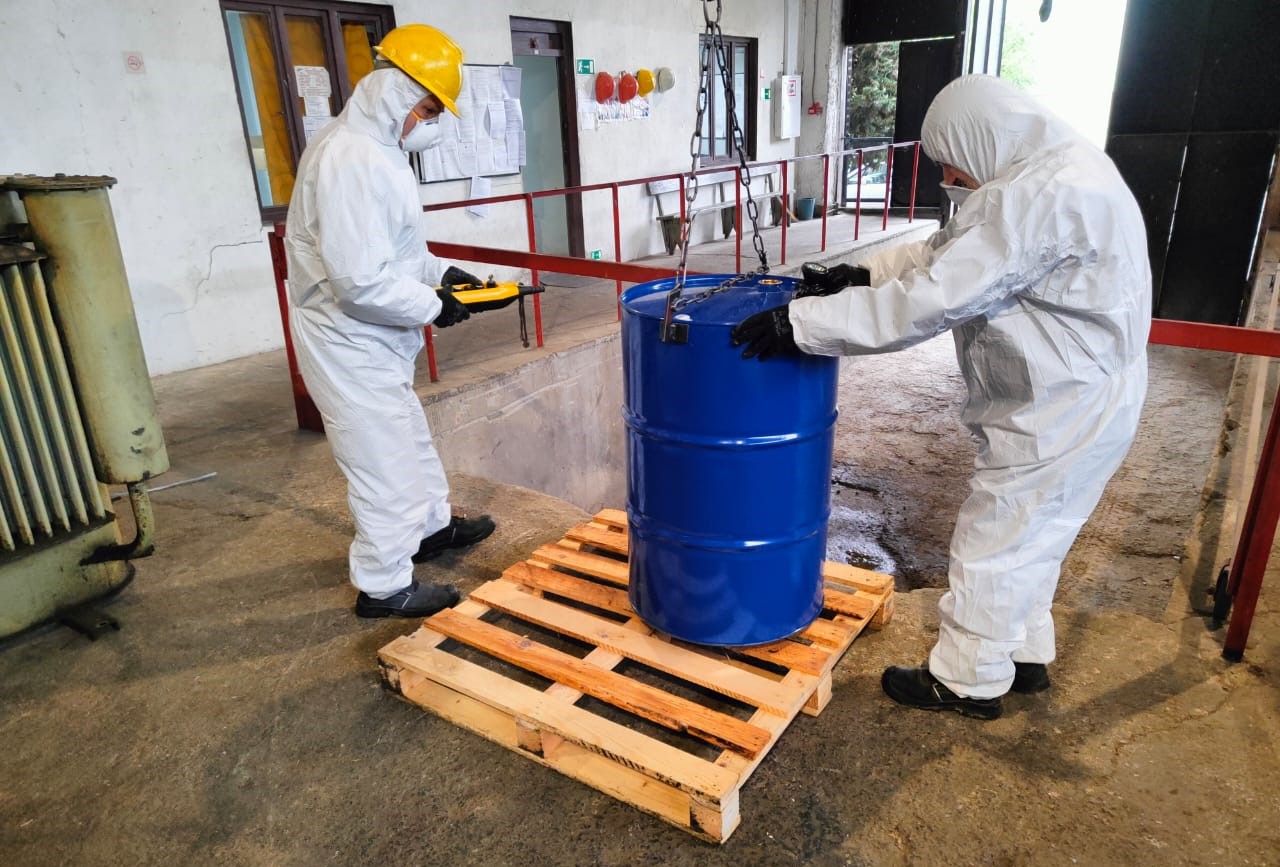
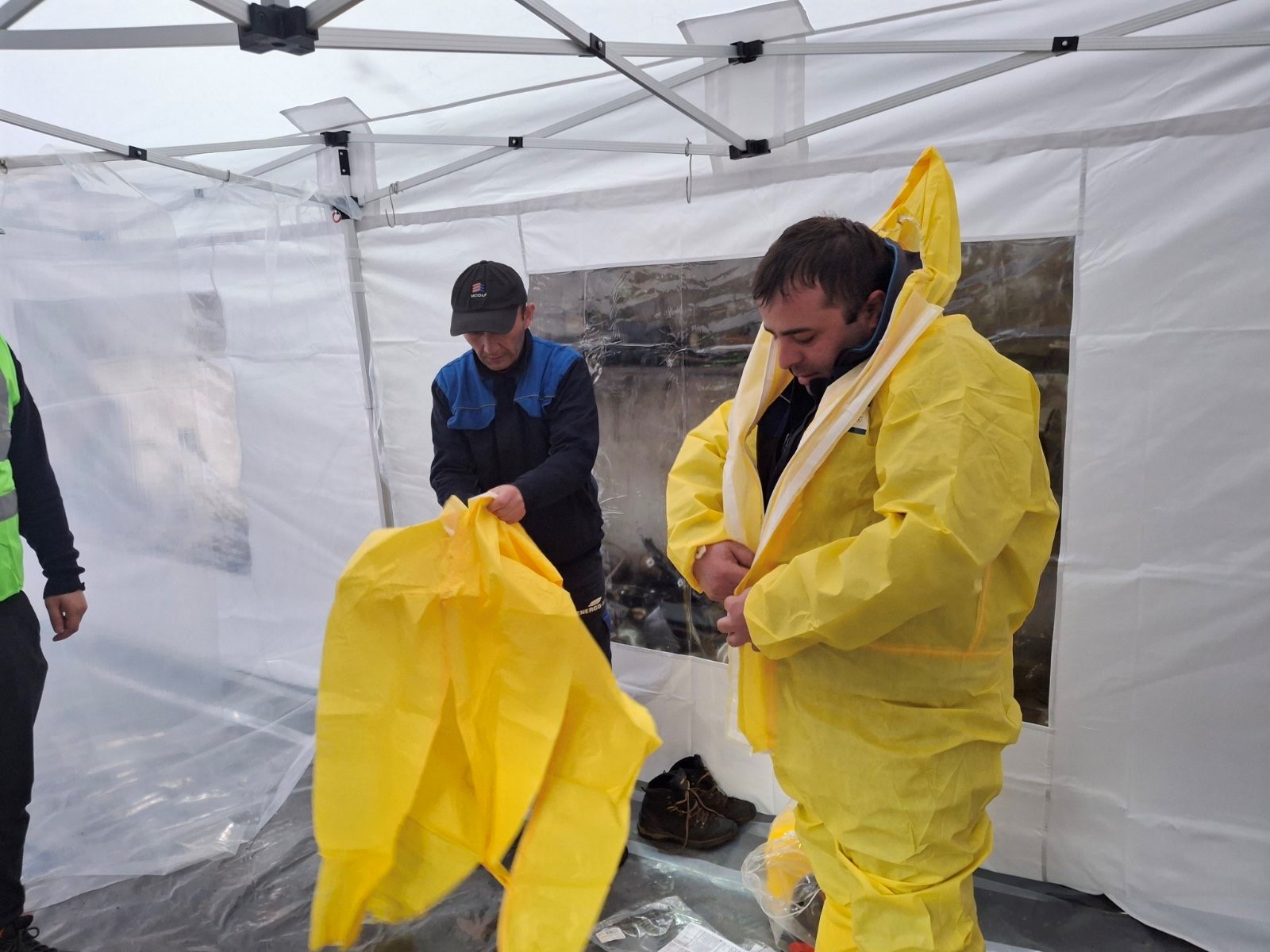
To build long-term domestic capacity, the licensed environmental services firm Polyeco (Greece) provided comprehensive technical training, specialized personal protective equipment (PPE), and UN-approved safety containment systems to local maintenance crews at Energo-Pro, Telasi, and Georgian Railway.
The standardized retrofilling workflow follows a strict technical sequence:
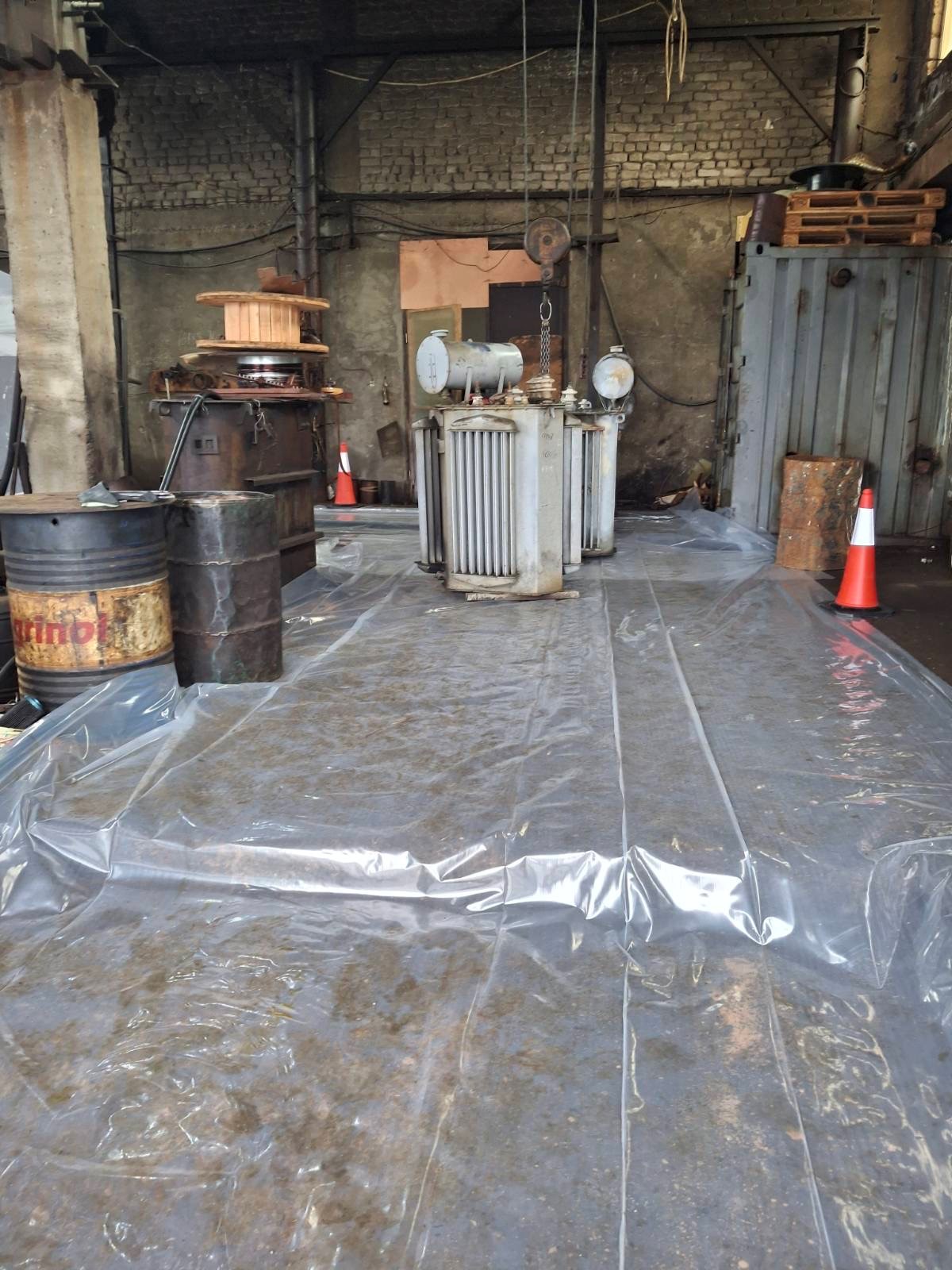
Complete Oil Drainage
The hazardous, PCB-contaminated dielectric oil is fully evacuated from the transformer housing under strict containment protocols to prevent accidental environmental spillage.
Flushing
The internal core and windings of the transformer are thoroughly flushed with specialized solvents to dissolve and clear residual chemical films, eliminating the risk of contaminating the replacement fluid.
Dielectric Refilling
The deconditioned unit is refilled with fresh, unpolluted, and eco-safe dielectric fluid, allowing the piece of utility infrastructure to safely resume its function on the grid.
Following a mandatory 90-day operational stabilization period, the retrofilled transformer undergoes rigorous re-testing. Only upon laboratory confirmation that the fluid remains safely below the 50 ppm threshold is the asset formally reclassified as clean, preserving vital grid infrastructure while permanently eliminating its toxic risk.
The Final Mile: Transboundary Export and Irreversible Destruction
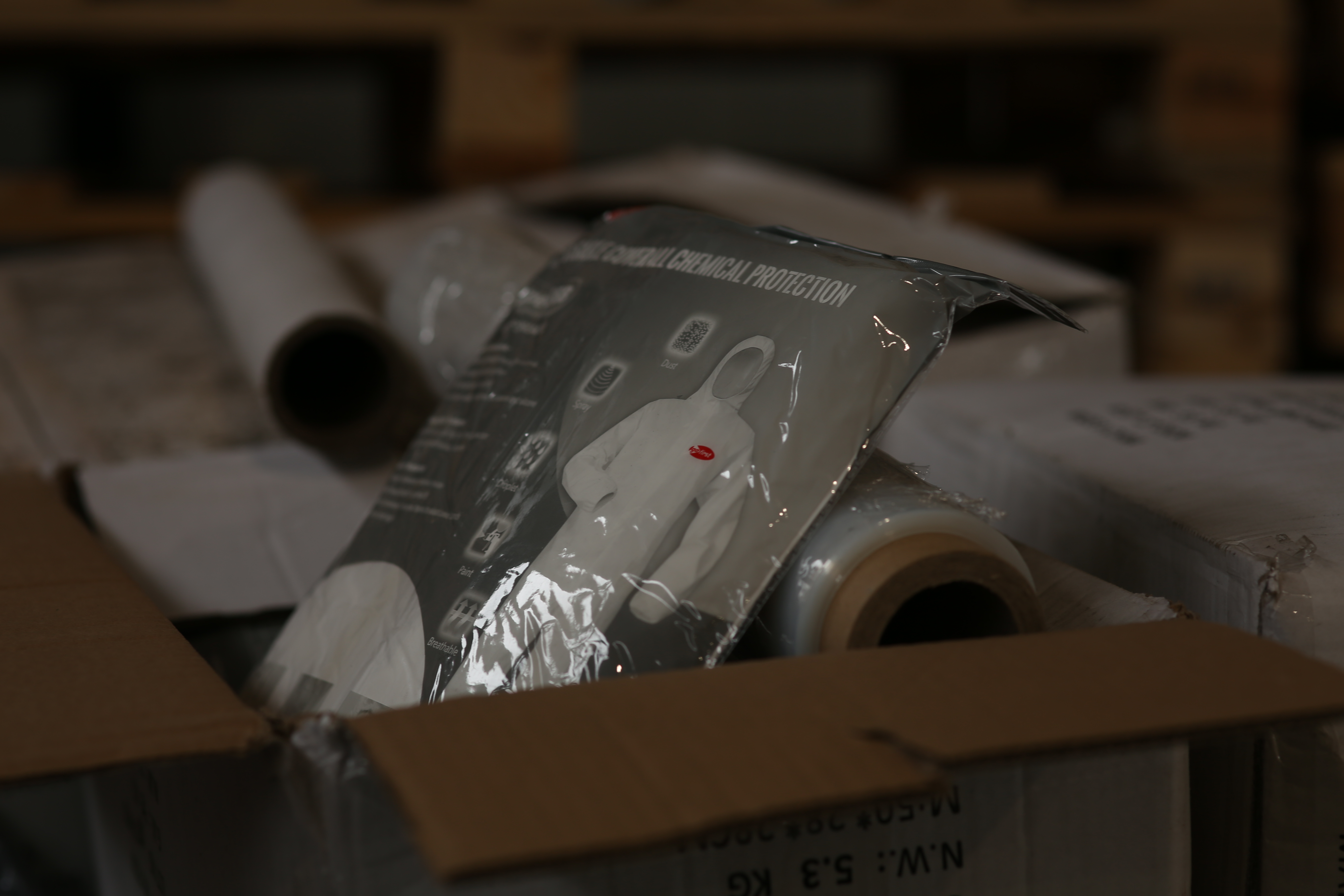
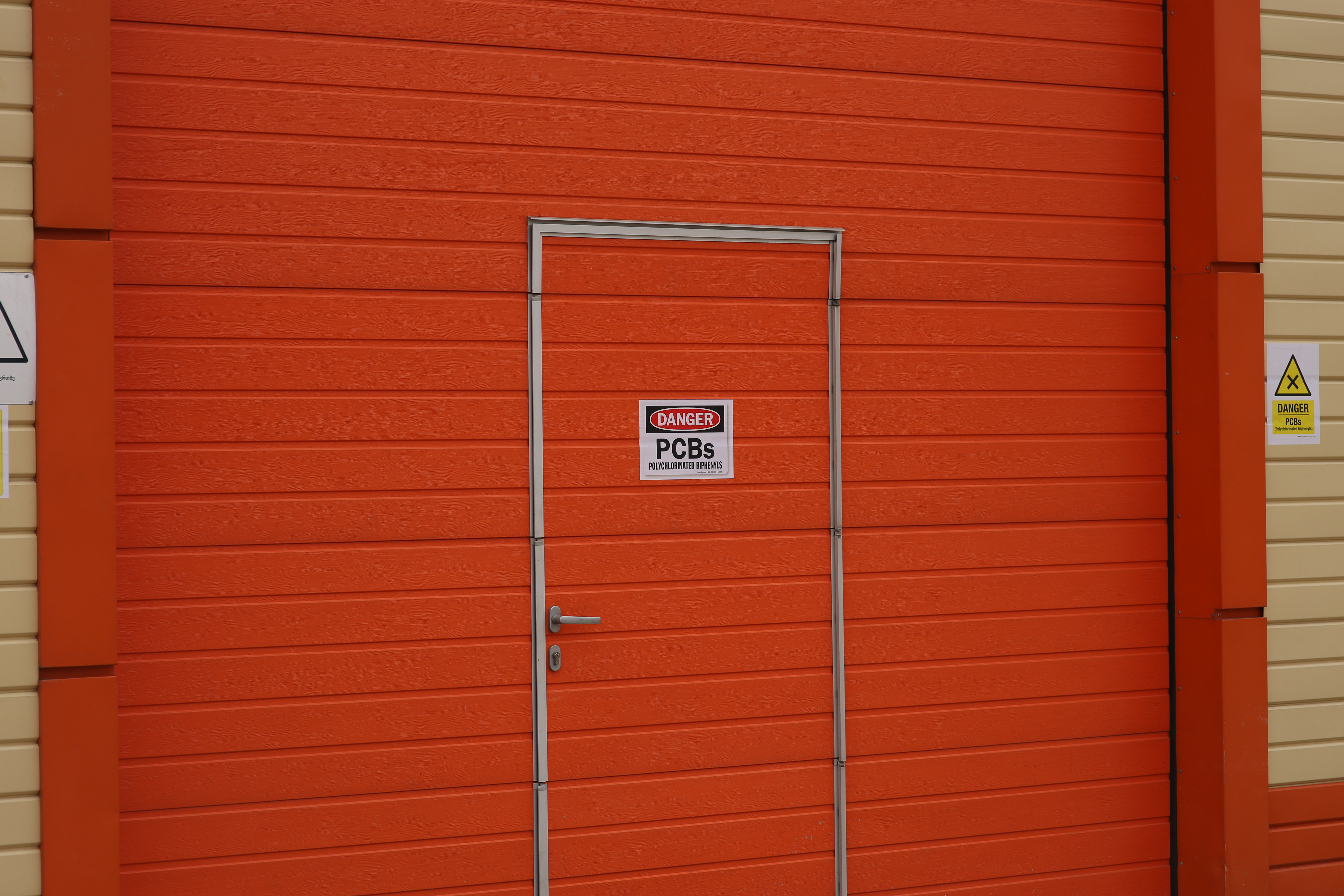
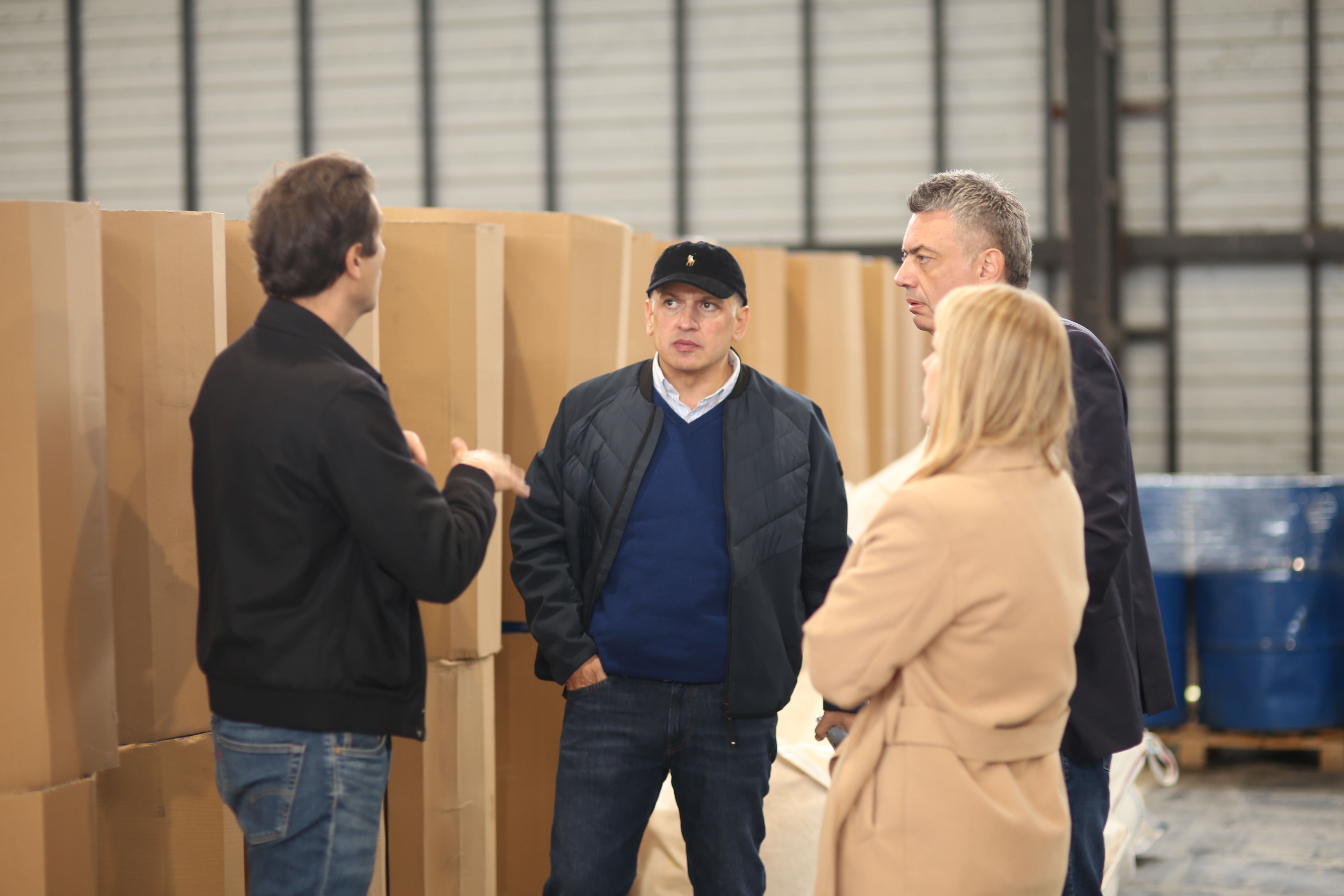
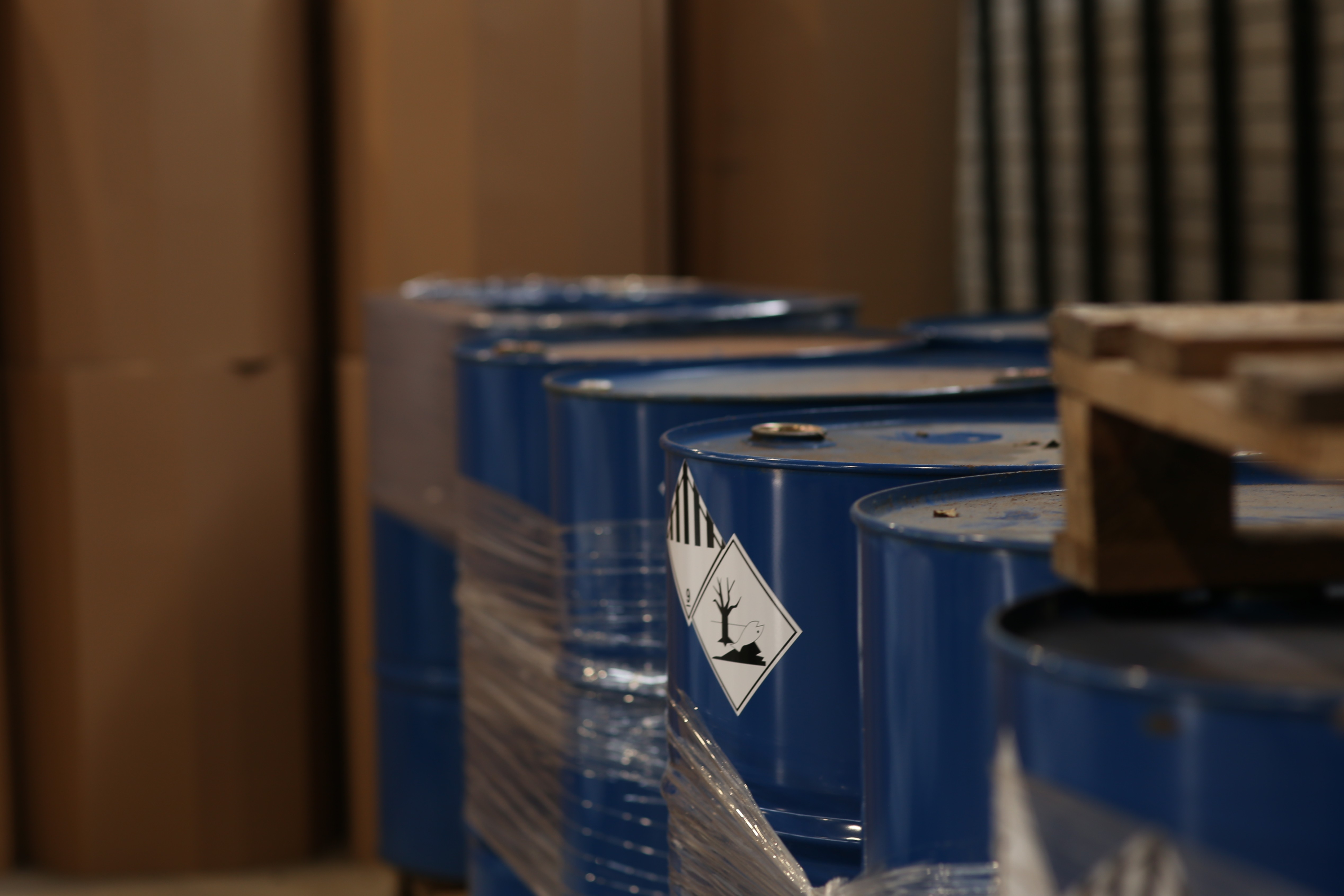
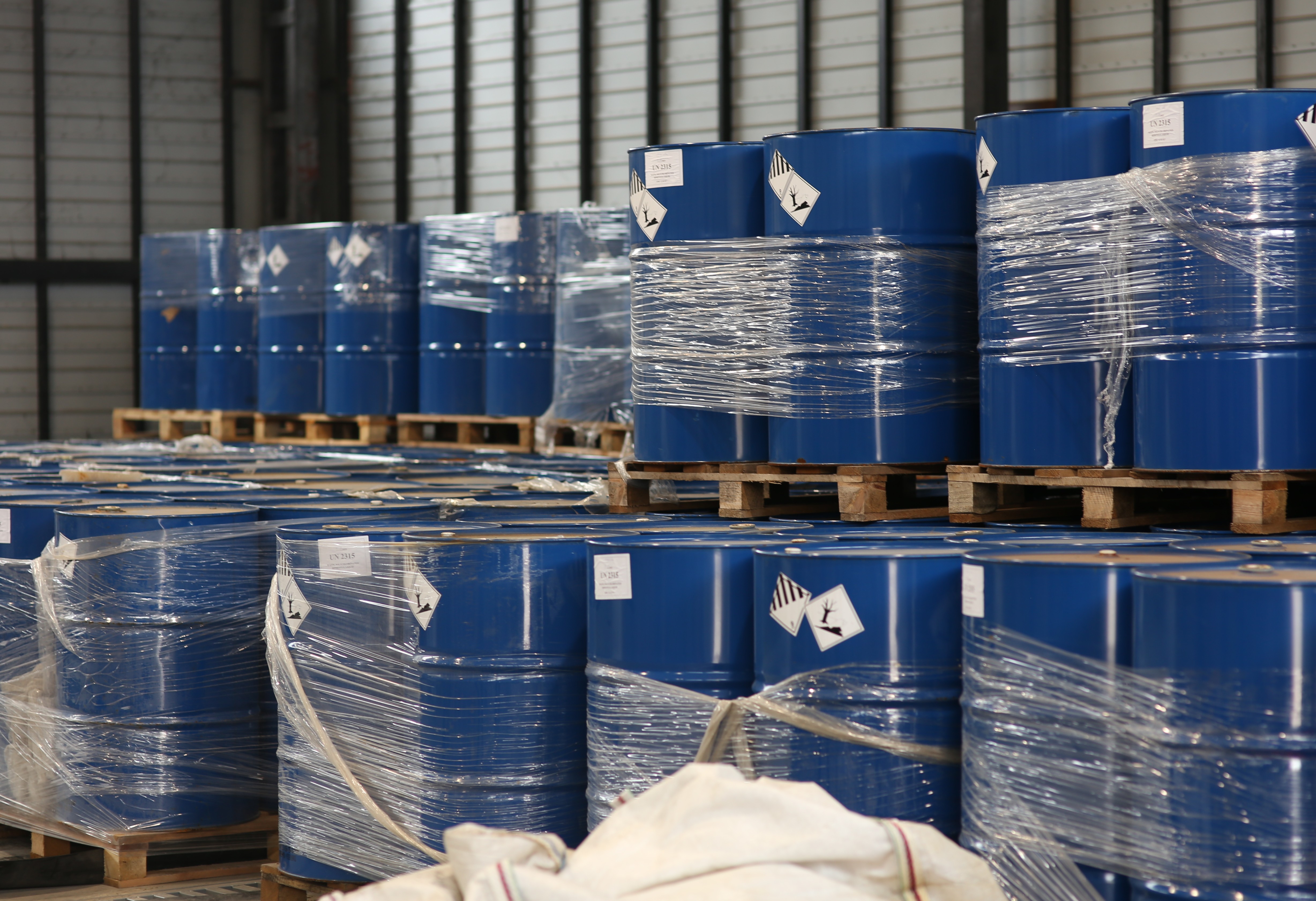
The localized collection of hazardous waste represents an intermediary success; the ultimate objective is absolute elimination. Currently, the inventory has yielded an accumulation of 109 tonnes of contaminated oil and associated debris, with additional volumes actively being recovered as field operations conclude. This entire volume is securely sealed within UN-approved specialized drums, temporarily housed at a licensed storage facility managed by Medical Technology under strict environmental safeguards.
Because Georgia does not possess domestic specialized high-temperature chemical destruction facilities, the final phase of the project relies on international transboundary transit mechanisms. Facilitated by Polyeco, the hazardous cargo will be exported in compliance with the Basel Convention to a highly specialized, internationally certified destruction facility in France.
At this facility, the waste will undergo certified high-temperature combustion technology. This thermal process operates at temperatures exceeding 1,100°C, breaking down the stubborn molecular bonds of the chlorinated hydrocarbons and ensuring their irreversible destruction.
Through the successful implementation of this project, Georgia is not merely executing a localized environmental cleanup; it is cementing its position as a proactive regional leader in international chemical safety management. By methodically neutralizing its Soviet-era chemical inheritance, honoring its Stockholm Convention deadlines, and safeguarding public health, the country ensures that while its electrical electricity distribution network keeps humming, the invisible threat once hidden within it is gone for good.
_1782114700.jpeg)