Strengthening Municipal Cooperation for Agrobiodiversity and Agrotourism Development in Samtskhe-Javakheti
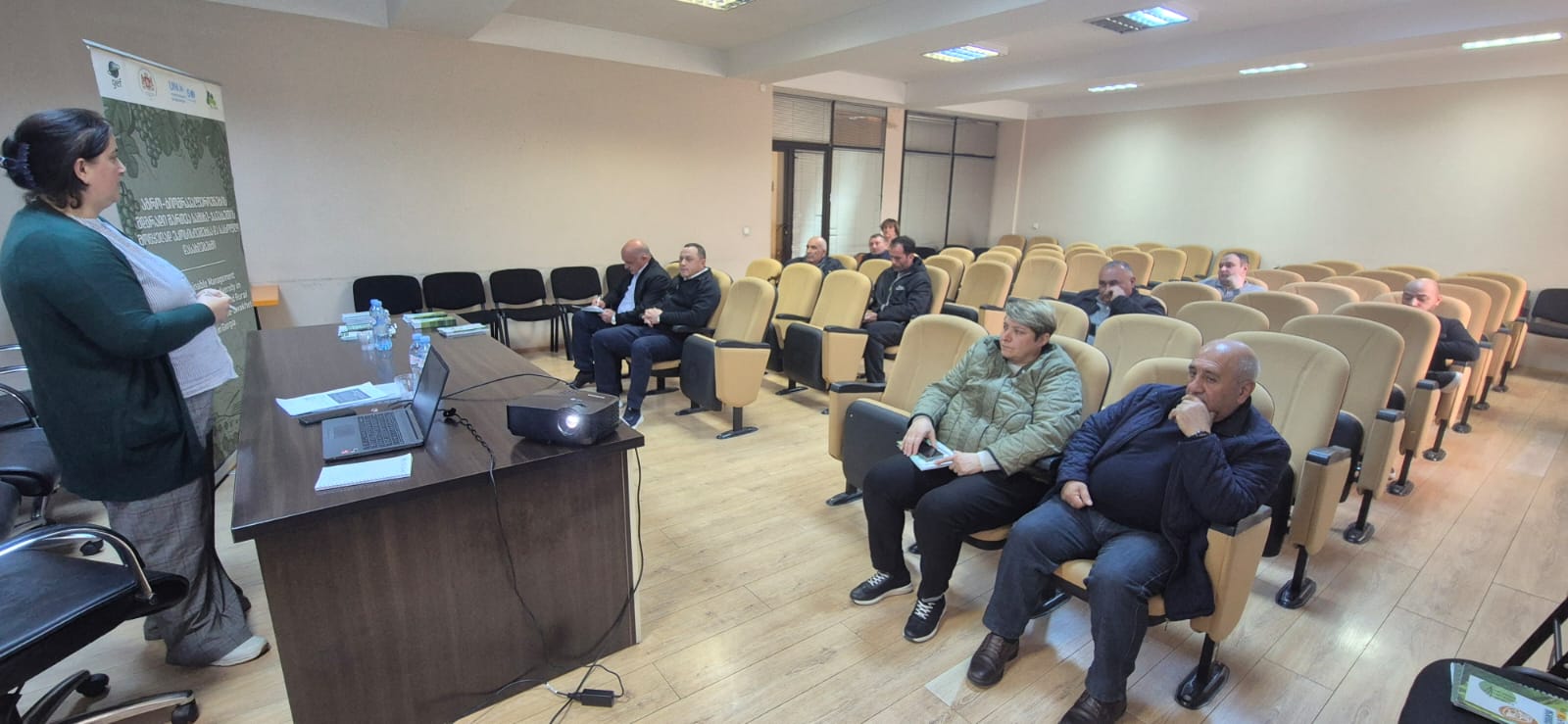
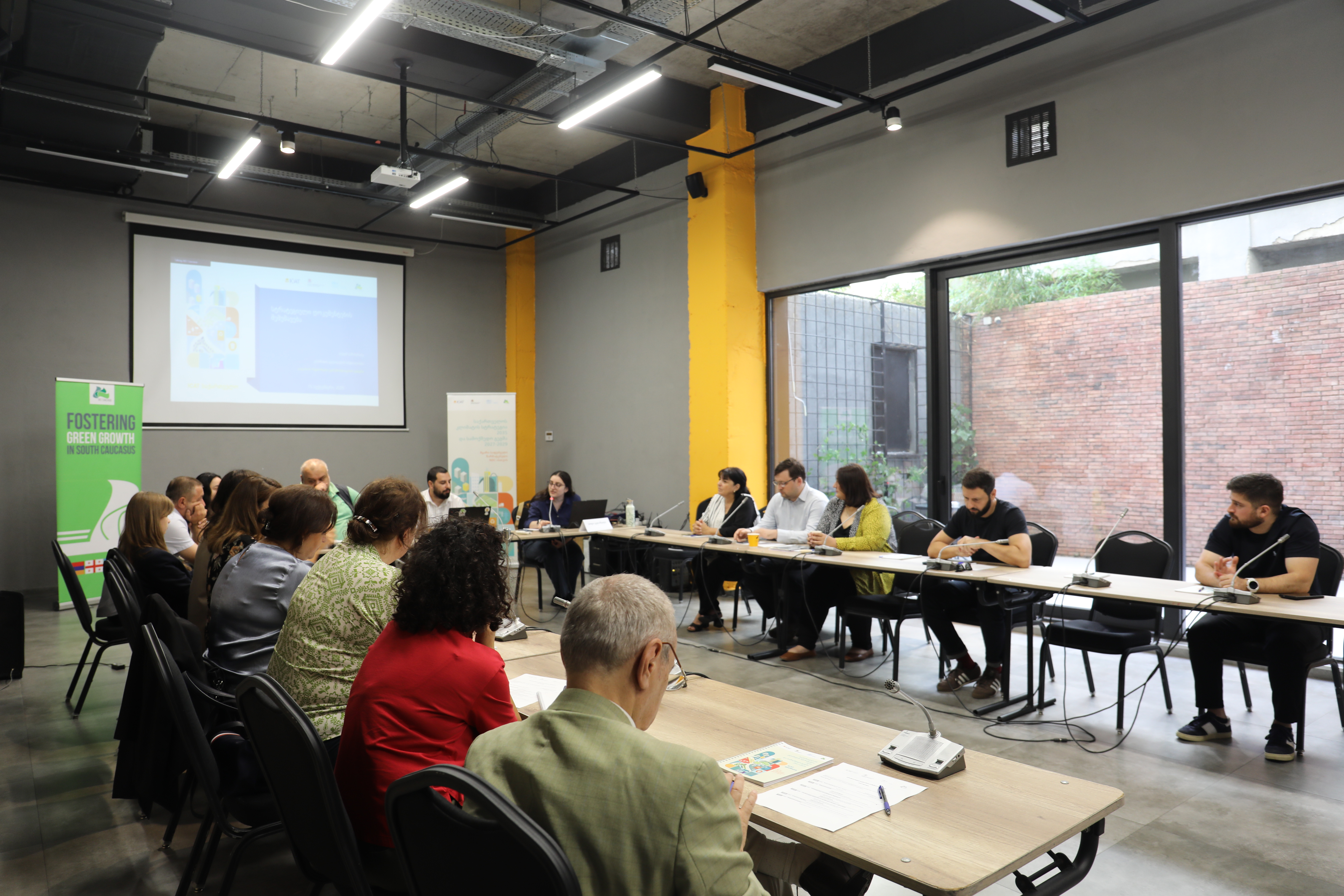
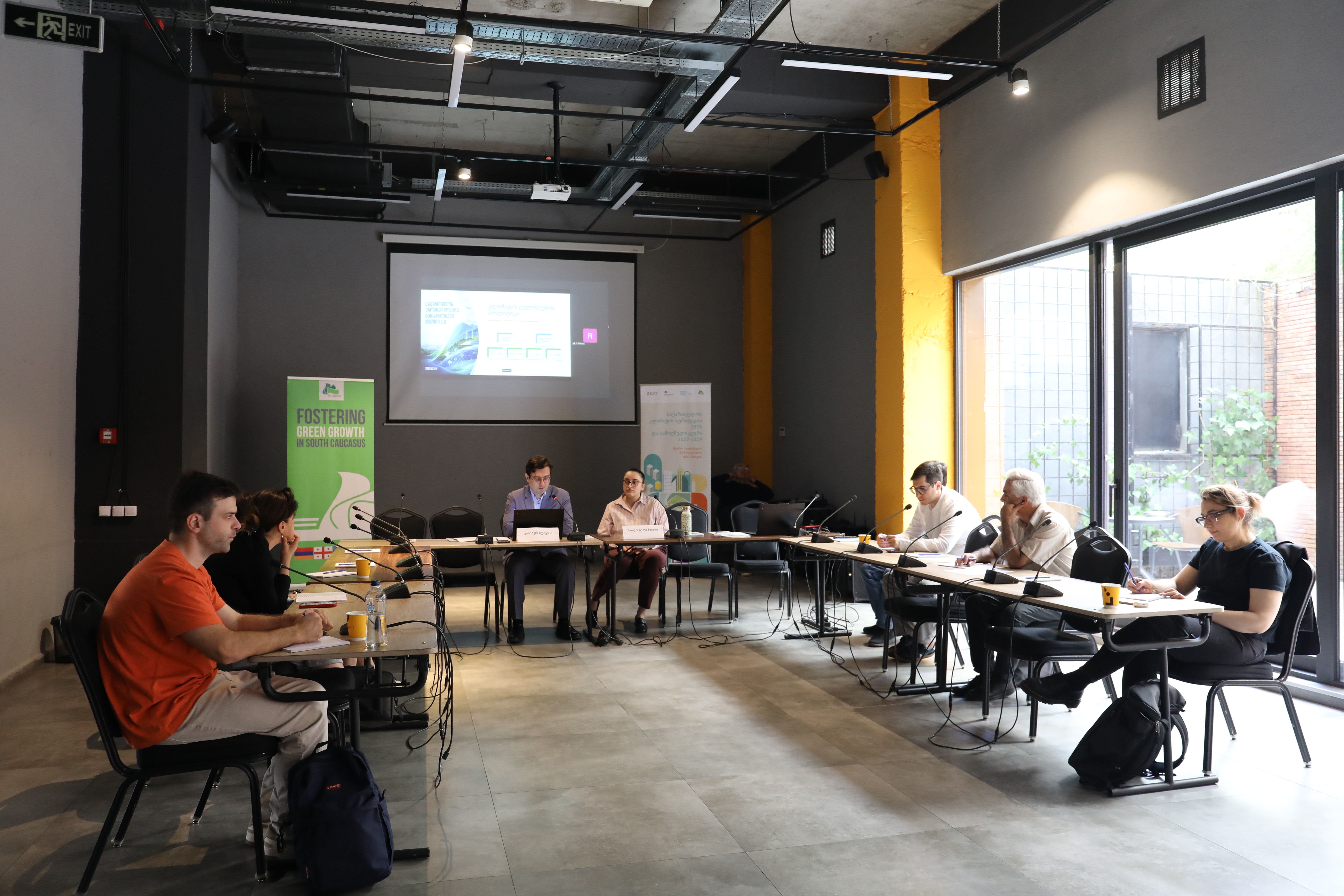
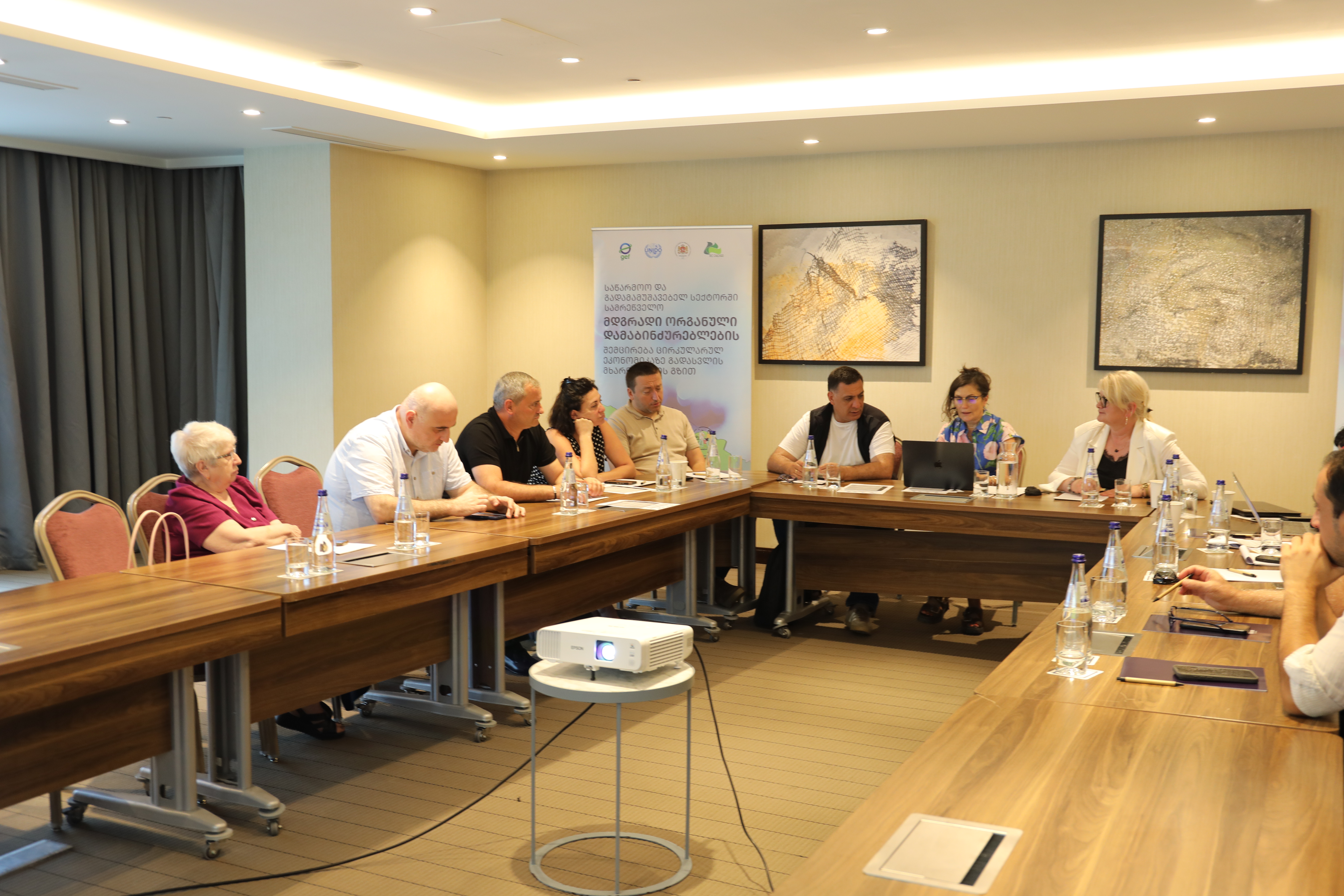
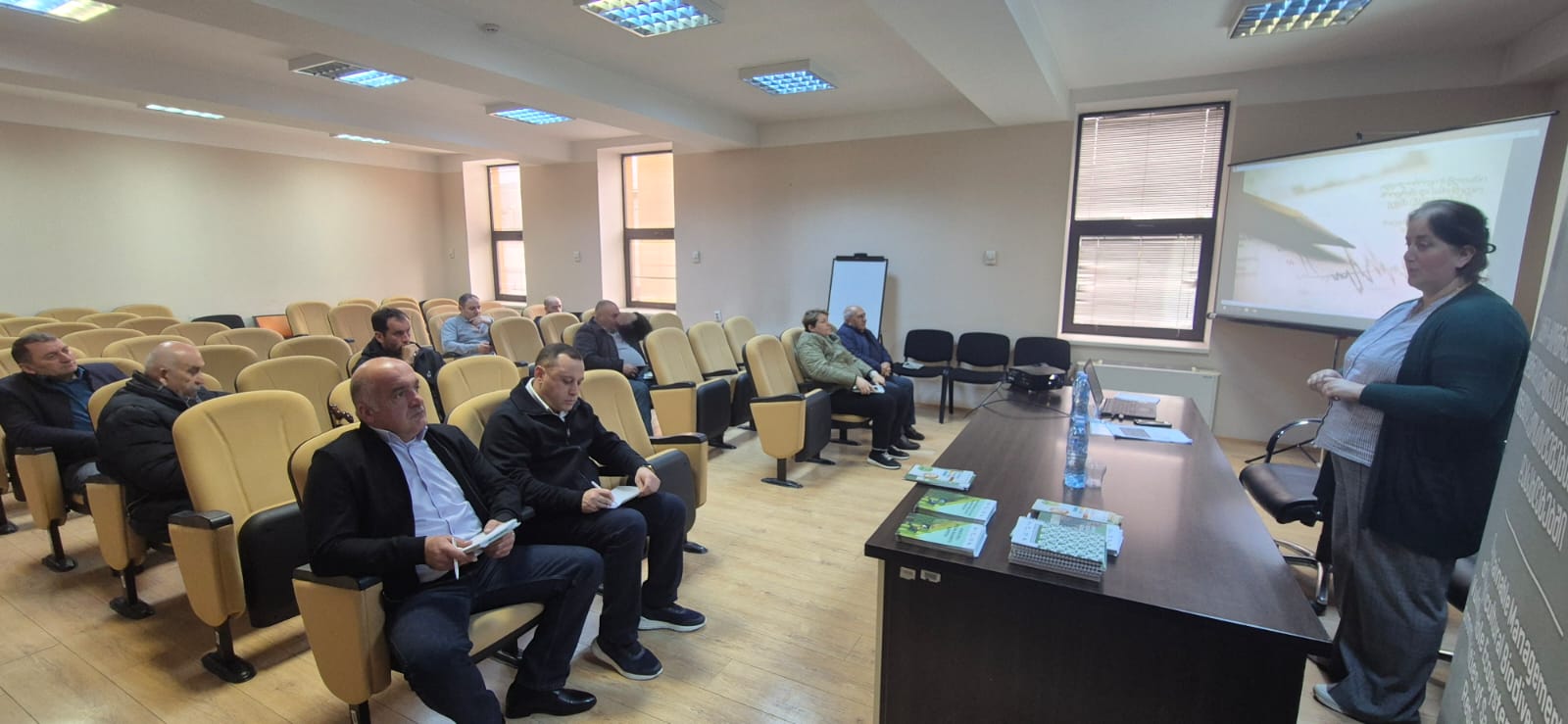
A multi-stakeholder working meeting brought together representatives of local authorities, farmers, experts, and development partners to discuss draft municipal programmes and action plans focused on the in-situ and on-farm conservation and sustainable use of vine and wheat agrobiodiversity, including unique Meskhetian landraces, as well as the development of agrobiodiversity-based agrotourism.
The meeting was facilitated by the Regional Environmental Centre for the Caucasus (REC Caucasus) within the framework of the project supported by the Global Environment Facility (GEF) “Sustainable Management of Agricultural Biodiversity in Vulnerable Ecosystems and Rural Communities of Samtskhe-Javakheti Region in Georgia”, aiming to strengthen sustainable agricultural practices and rural livelihoods in the Samtskhe-Javakheti region of Georgia.
Participants reviewed key components of the draft municipal programmes and action plans, including practical measures to support farmers maintaining traditional vine and wheat varieties, improve value chains, and promote agrotourism as a driver of rural economic diversification. Special attention was given to aligning local initiatives with national-level policy and legislative frameworks, including proposed amendments supporting agrobiodiversity conservation.
A central topic of the meeting was the critical importance of cooperation across sectors and stakeholders. Participants emphasized that sustainable outcomes in agrobiodiversity conservation and agrotourism development can only be achieved through coordinated efforts. “Cooperation is the key to turning local knowledge and traditional practices into real economic opportunities. Without collaboration between farmers, municipalities, and businesses, these initiatives cannot reach their full potential,” noted Marika Kapanadze, Project Coordinator at REC Caucasus.
The discussions highlighted that linking farmers, local authorities, tourism operators, and markets is essential to building functional value chains and creating sustainable income opportunities based on traditional products.
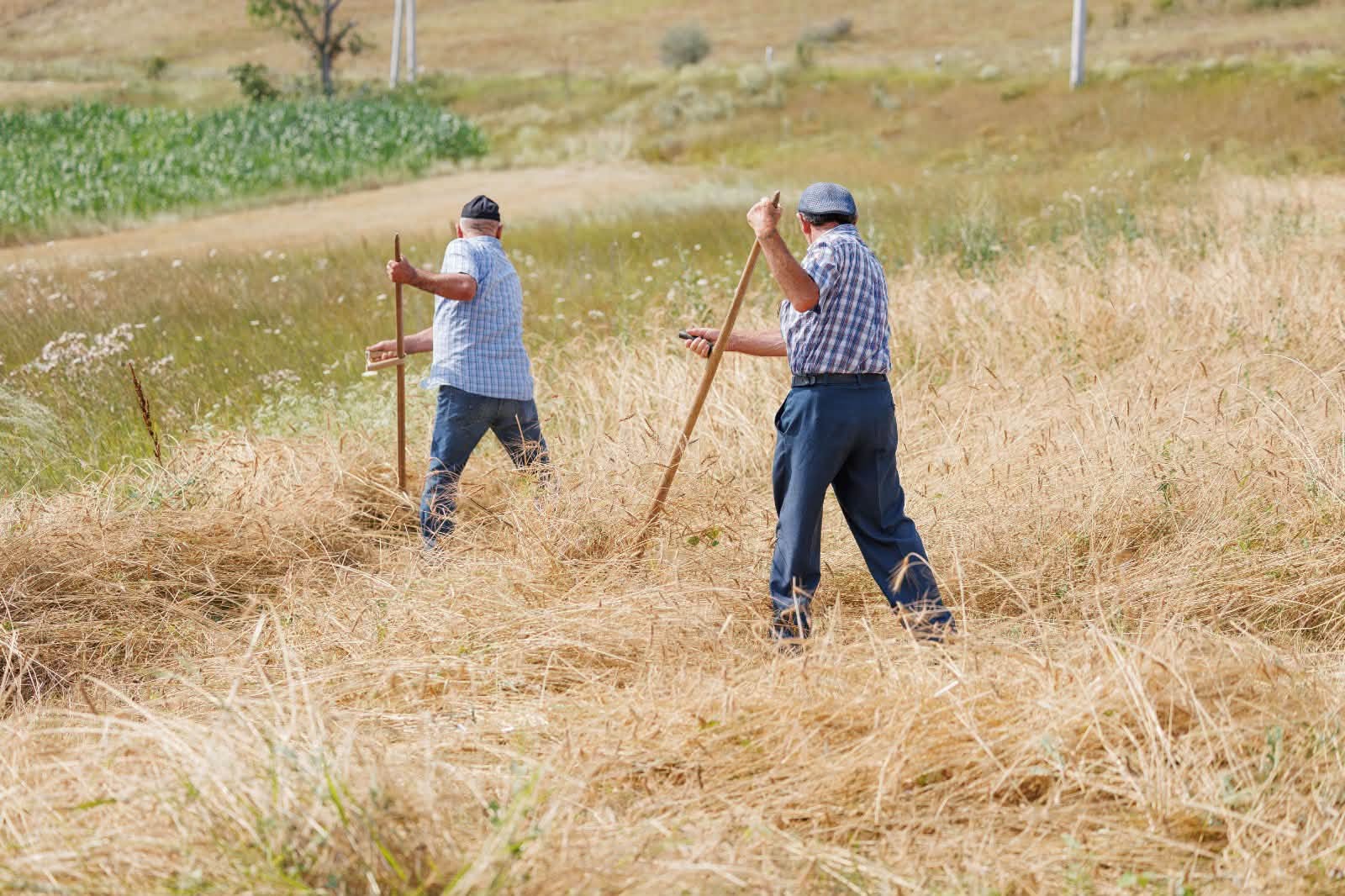
The meeting underscored the importance of supporting farmers who maintain traditional vine and wheat varieties, many of whom play a crucial role in preserving agrobiodiversity and cultural heritage. “Our traditional varieties are part of our identity, but they also represent an opportunity for the future. With the right support and cooperation, we can turn this heritage into sustainable livelihoods,” remarked Tamar Tsikarishvili, Head of Samtskhe-Javakheti Regional Information and Consultation Center of the Rural Development Agency of the Ministry of Environmental Protection and Agriculture of Georgia (MEPA).
Participants also emphasized the growing potential of agrotourism as a tool for diversifying rural economies and promoting local products. David Mumladze, Head of Samtskhe-Javakheti Destination Management Organization (DMO) of the Georgia National Tourism Administration (GNTA), highlighted the importance of agrotourism in the economic development of the region, noting that it connects agriculture with culture and tourism. By working together, the stakeholders can create unique experiences that benefit both farmers and local businesses.
Participants provided feedback and recommendations on the draft documents, contributing to the refinement of municipal programmes and action plans. The outcomes of the meeting will inform the finalization of these strategic documents, supporting their implementation at the municipal level.
The discussion and recommendation session enabled participants to agree on key priorities for further refinement. The process also helped build shared ownership of the prorammes, which is essential for successful implementation. Integrating agrobiodiversity and agrotourism into municipal planning was highlighted as a strategic pathway toward resilient, inclusive, and sustainable rural development.
The meeting concluded with a clear recognition that integrating agrobiodiversity and agrotourism into municipal planning is not only an environmental priority but also a strategic opportunity for sustainable rural development. Strengthening cooperation between stakeholders at local, regional, and national levels was identified as a critical factor for ensuring long-term impact.
_1775132193.jpeg)