REGIONAL MEETING ON CLEAN FUELS AND VEHICLES: Eastern Europe Caucasus and Central Asia Countries (EECCA) | | | | | Concept Paper | | | | | Background
Motor vehicle activity is responsible for much of the urban air pollution in developing countries. This is true of many Central Asian and Caucasus countries that have aging vehicles, sour (high sulphur) crude and old refineries. Fuel specification in the region generally follows the Russian Gohst Standards, however, the use of leaded gasoline in 4 central Asian countries and high levels of sulphur in diesel (mostly from 2,000 – 5,000 ppm) are detrimental to health and better urban air quality in the region. In this light, a regional meeting to address these issues would be of use to these nations. The Partnership for Clean Fuels and Vehicles (PCFV) was formed at the World Summit on Sustainable Development in Johannesburg in 2002. With its secretariat at UNEP head quarters in Nairobi, the partnerships mandate is to facilitate the use of clean fuels and vehicles in developing countries with its main foci being the phase-out of leaded gasoline, the reduction of sulphur levels in fuels and the adoption of cleaner vehicles (including aftertreatment technologies such as the catalytic converter). The 90-strong partnership is composed of governments, the private sector, NGOs, IGOs and institutions of higher learning. The PCFV was responsible for facilitating the phase-out of gasoline in Sub-Saharan Africa by the end of 2005, consequently, a global campaign to help countries phase-out leaded gasoline by end of 2008 is being pursued by the PCFV. The Meeting
Objectives This 2-day meeting aimed at the sensitization of stakeholders and policy makers from the countries in the region that included: Armenia, Azerbaijan, Belarus, Georgia, Kazakhstan, Kyrgyzstan, Republic of Moldova, the Russian Federation, Tajikistan, Turkmenistan, Ukraine and Uzbekistan. Furthermore, a consensus on the phase-out of leaded gasoline and the reduction of sulphur levels in motor vehicle fuels was reached, leading to national action plans for the adoption and implementation of these targets, these are: | | | | | - The phase-out of leaded gasoline from counties that still use it, this includes: Kazakhstan, Tajikistan, Turkmenistan, and Uzbekistan by the end of 2008.
| | - The reduction of sulphur levels in fuel, specifically the reduction of diesel sulphur to 50 ppm: the time line and intermediate levels required to reach this objective depended on the exact situation and needs of each country.
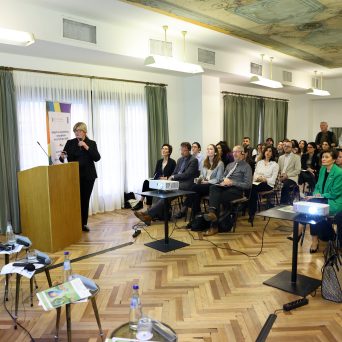
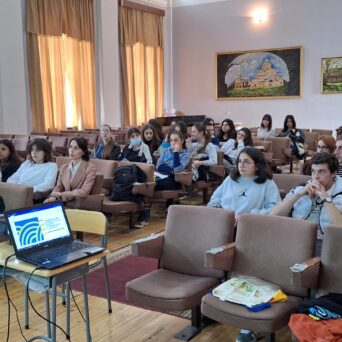
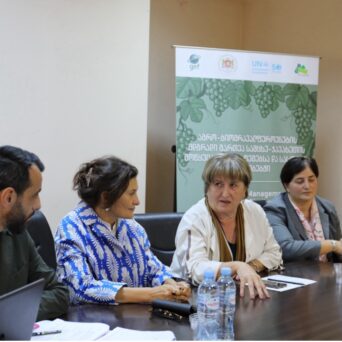
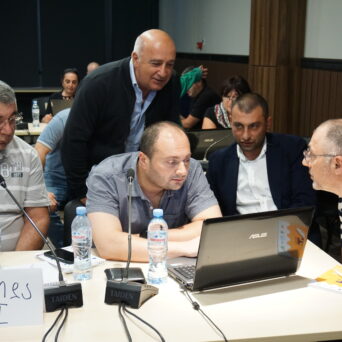
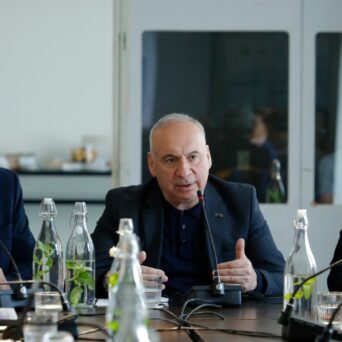
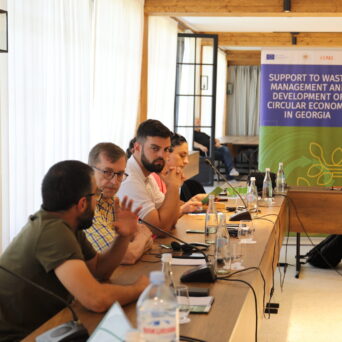
| | Timing, Venue and Participants This 2-day meeting took place in Tbilisi, Georgia, 24-25 January 2008. The Partnership for Clean Fuels and Vehicles (PCFV) / UNEP was endeavor to invite participants from a broad range of relevant sectors, including: senior to middle level managers/ policy makers from Ministries of Environment/ Energy/ Transport, NGOs involved in such environmental matters, refinery heads / local oil companies, vehicle manufacturers / retailers and institutions of higher learning. PCFV/ UNEP supported 2 participants per country. Foreseen Outputs This meeting served as an initial step in engaging countries in further discussions and cooperation at the national level to create national action plans on the implementation of cleaner fuels and vehicles. If successful, this meeting and the consequent follow-up activities made in agreement with each country should result in the phase-out of leaded gasoline, reduction of sulphur levels in fuels and the mandating of cleaner vehicles in the region within timelines determined by PCFV targets and national decisions. The mode of operation for follow up activities is generally an agreement on further activities by a local agency in the country with support of seed funding from UNEP in the form of a Memorandum of Understanding (MOU). The following outputs are envisioned: | | | | | - Regional / Sub-regional resolution to phase-out leaded gasoline by end 2008. This to be coordinated with the respective UNEP regional offices at high level ministerial meetings.
| | - Regional / Sub-regional resolution to adopt a strategy of reducing sulphur in fuels to at least 50 ppm, time-line and path for this change will be dependent on the country: for some this would be an immediate reality, for others a long term goal to be achieved in various stages.
| | National-level follow up with countries specifically, MOUs with Kazakhstan, Tajikistan, Turkmenistan, and Uzbekistan to assist them to phase-out leaded gasoline by end 2008.
| | | |
| | |